
IO Group: https://groups.io/g/DARCskynet/topics
Facebook Group: http://www.facebook.com/groups/306498286059167/
Saturday’s DARC SkyNet is at 9PM CT.
Discussion Topic of the Evening.
The ISDC 2026 Conference: “Space For Us All”
Waz Up
Space Exploration and Space History
Space Exploration News
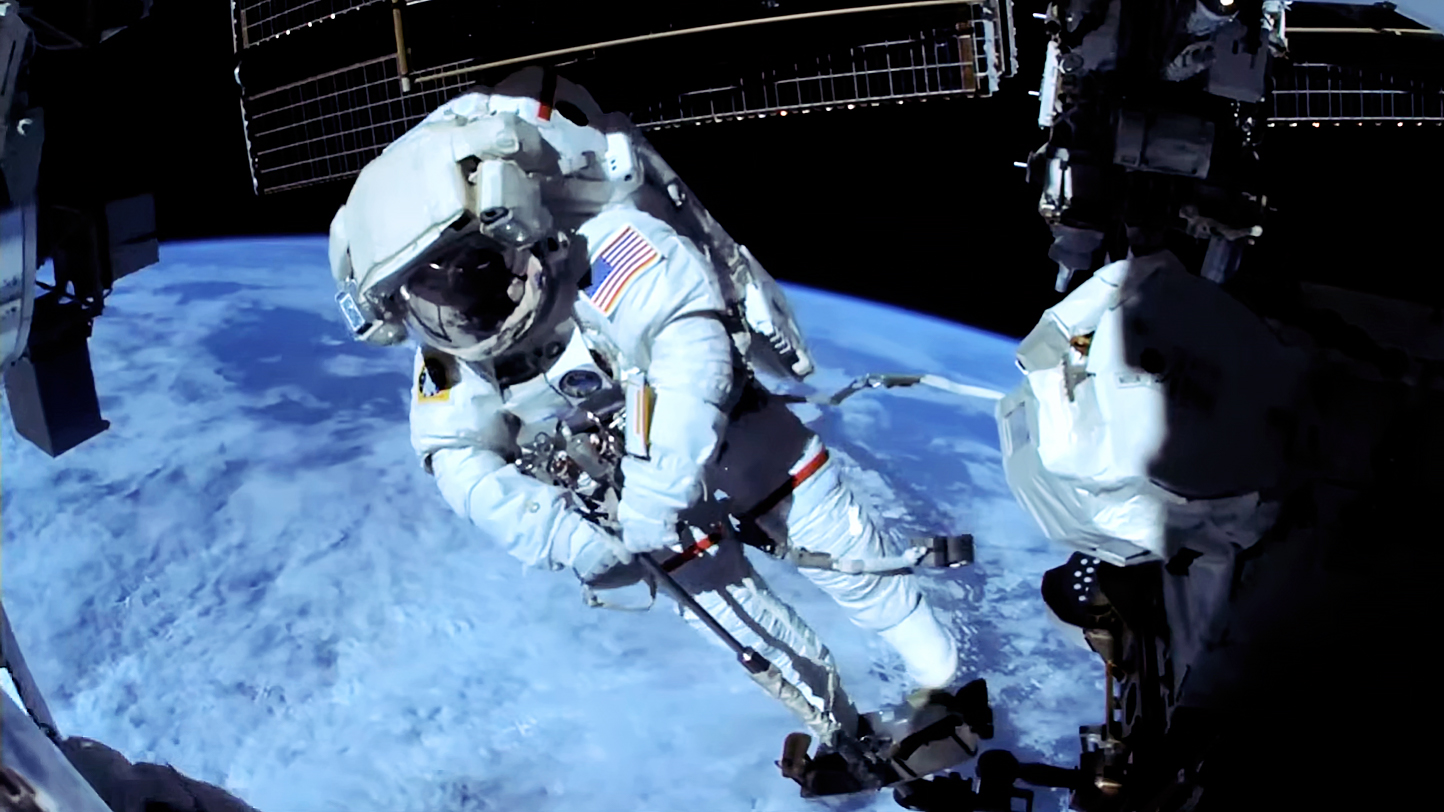
NASA Astronaut Chris Williams Completes Canadarm2 Spacewalk (June 30, 2026)
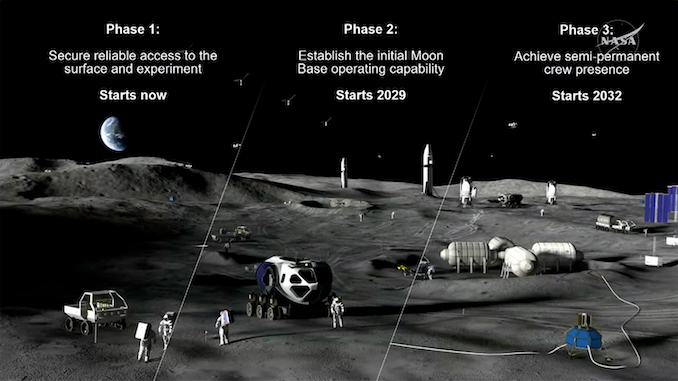
NASA Outlines Three-Phase Plan for Permanent Moon Base (June 30, 2026)
International Asteroid Day Celebrated to Highlight Planetary Defense (June 30, 2026)

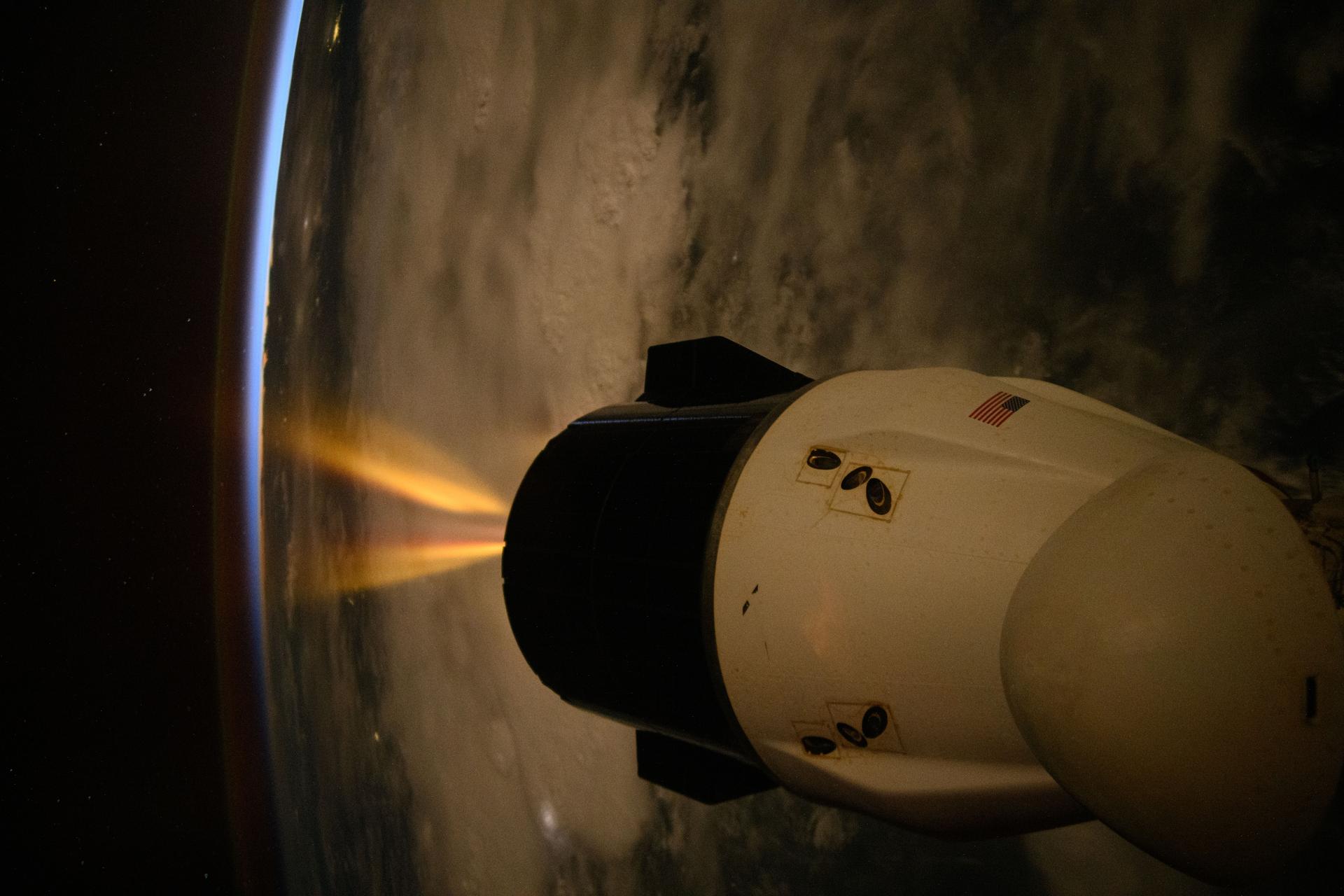
ISS Expedition 74 Crew Conducts Successful Orbital Reboost (July 1, 2026)
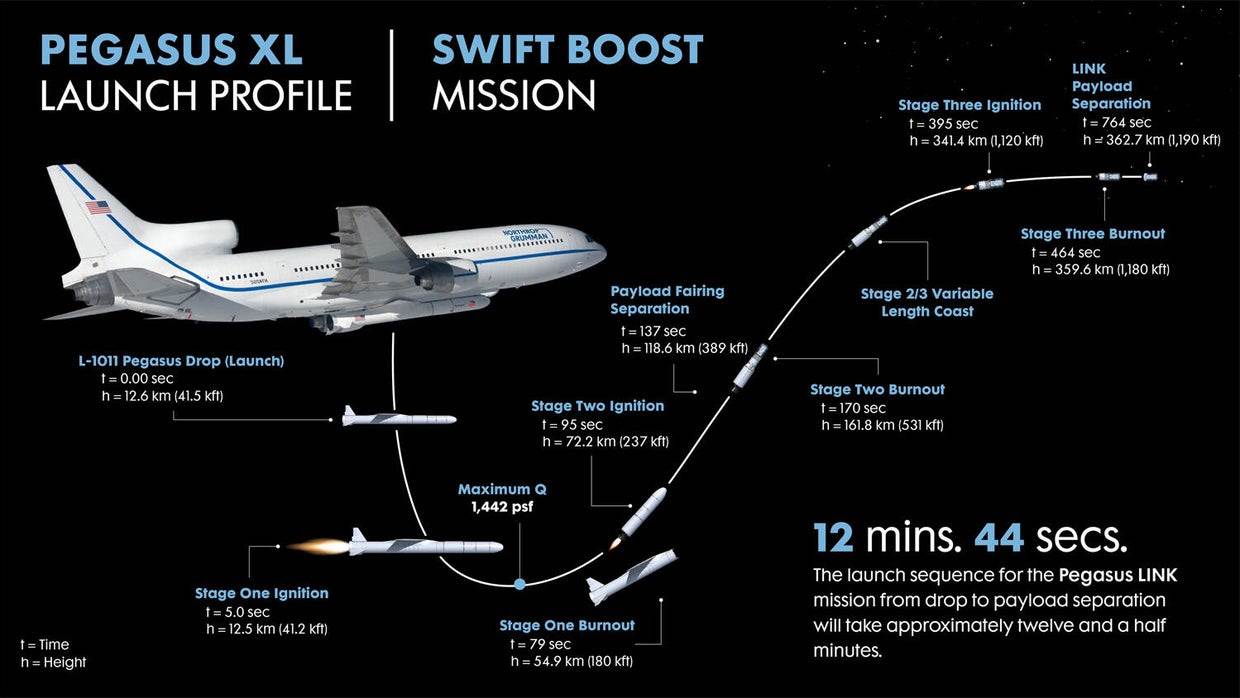
Pegasus XL Rocket Launched to Save Swift Observatory (July 3, 2026)
Space-Related Birthdays
| Astronaut | Birthday | Birth Year | FCC Callsign | Flights | Notes |
| John M. Lounge | June 28 | 1946 | None | STS-51-I, STS-26, STS-35 | He served as a mission specialist on STS-51-I, which successfully deployed three communications satellites and retrieved a disabled Syncom satellite. He also flew on STS-26, the first Space Shuttle flight after the Challenger disaster, helping to safely launch a tracking and data relay satellite. |
| Charles J. Precourt | June 29 | 1955 | KB5YSQ | STS-55, STS-71, STS-84, STS-91 | He piloted the historic STS-71 mission in 1995, which marked the first docking of a Space Shuttle with the Russian Space Station Mir. He later served as commander on two subsequent Mir docking missions, STS-84 and STS-91, which transported crew members and vital logistics. |
| George D. Zamka | June 29 | 1962 | KC5ZSX | STS-120, STS-130 | He served as the pilot for STS-120, a mission that delivered the Harmony module to the International Space Station. He later commanded STS-130, which successfully installed the Tranquility node and the cupola viewing port. |
| Stephen S. Oswald | June 30 | 1951 | KB5YSR | STS-42, STS-56, STS-67 | He piloted the STS-42 and STS-56 missions, which conducted extensive microgravity and atmospheric studies. He later commanded STS-67, the second flight of the Astro observatory payload, setting a shuttle duration record at the time. |
| Kalpana Chawla | July 1 | 1962 | None | STS-87, STS-107 | She made her first spaceflight on STS-87 as a mission specialist and primary robotic arm operator. Tragically, she lost her life during the STS-107 mission when Space Shuttle Columbia disintegrated during reentry. |
| Ed Lu | July 1 | 1963 | KC5WKJ | STS-84, STS-106, Soyuz TMA-2 (Expedition 7) | He performed a spacewalk during STS-106 to prepare the International Space Station for its first permanent crew. He later served as commander of Expedition 7, spent six months on the station, and co-invented the gravity tractor concept for asteroid deflection. |
| Jessica Meir | July 1 | 1977 | None | Soyuz MS-15 (Expedition 61/62) | She launched to the International Space Station aboard Soyuz MS-15 and spent 205 days in space. During her mission, she made history by participating in the first three all-female spacewalks alongside Christina Koch. |
| Georgi Ivanov | July 2 | 1940 | None | Soyuz 33 | He became the first Bulgarian cosmonaut when he launched aboard the Soyuz 33 mission in 1979. Although an engine failure prevented docking with the Salyut 6 space station, he and his commander executed a dramatic ballistic reentry to land safely. |
| Linda M. Godwin | July 2 | 1952 | N5RAX | STS-37, STS-59, STS-76, STS-108 | She conducted a spacewalk during the STS-76 mission to install scientific packages on the exterior of the Mir space station. She logged over 38 days in space across four flights, including the delivery of supplies and crew to the International Space Station on STS-108. |
| Wendy B. Lawrence | July 2 | 1959 | KC5KII | STS-67, STS-86, STS-91, STS-114 | She flew on STS-86 and STS-91 to assist with supply transfers and operations during dockings with the Mir space station. She later served as a mission specialist on STS-114, the “Return to Flight” mission following the Columbia disaster. |
| Harrison Schmitt | July 3 | 1935 | None | Apollo 17 | He served as Lunar Module Pilot on Apollo 17, the final crewed Apollo mission to the Moon. He remains the only professional scientist to have walked on the Moon, where he conducted extensive geological field work. |
| Norman Thagard | July 3 | 1943 | None | STS-7, STS-51-B, STS-30, STS-42, Soyuz TM-21 / STS-71 | He became the first American to launch on a Russian rocket when he flew aboard Soyuz TM-21 to the Mir space station. He spent 115 days on Mir conducting scientific experiments before returning to Earth on the Space Shuttle Atlantis. |
| Richard Garriott | July 4 | 1961 | W5KWQ | Soyuz TMA-13 / Soyuz TMA-12 | He flew to the International Space Station as a self-funded space tourist under a deal with Space Adventures. During his 12 days in space, he conducted various scientific experiments and educational outreach projects. |
This Week in Space History
Launch of Phobos 2 (July 5, 1989)
Launch of Intelsat I (Early Bird) (July 6, 1965)

Launch of Opportunity Rover (July 7, 2003)

Miss Carolyn’s Constellation of the Week
Constellation “Scorpius the Scorpion”
Space Launches For This Week
Tom KE5ICX
Space Flight Now Launch Schedule
July 5 Falcon 9 • Starlink 10-50
Launch time: Window opens at 6:36 a.m. EDT (1036 UTC)
Launch site: SLC-40, Cape Canaveral Space Force Station, Florida
A SpaceX Falcon 9 rocket will launch 29 Starlink V2 Mini Optimized satellites into low Earth orbit. The first stage booster, tail number 1090, launching for a 13th time, will land on the drone ship, ‘A Shortfall of Gravitas,’ positioned in the Atlantic Ocean. Delayed from July 3.
Updated: July 01
July 7 Falcon 9 • Transporter-17
Launch time: Window opens at 12:10 a.m. PDT (3:10 a.m. EDT / 0710 UTC)
Launch site: SLC-4E, Vandenberg Space Force Base, California
A SpaceX Falcon 9 rocket will launch a collection of 81 payloads on a rideshare mission to a Sun-synchronous Earth orbit. The first stage booster, tail number B1097, launching for an 11th time, will land on the drone ship, ‘Of Course I Still Love You,’ in the Pacific Ocean.
Updated: July 01
July 9 Falcon 9 • Starlink 10-42
Launch time: Window opens at 5:05 a.m. EDT (0905 UTC)
Launch site: SLC-40, Cape Canaveral Space Force Station, Florida
A SpaceX Falcon 9 rocket will launch 29 Starlink V2 Mini Optimized satellites into low Earth orbit. The first stage booster, tail number 1067, launching for a 36th time, will land on the drone ship, ‘A Shortfall of Gravitas,’ positioned in the Atlantic Ocean.
Updated: June 29
July 10/11 Falcon 9 • Starlink 17-48
Launch time: Window opens at 7 p.m. PDT (10 p.m. EDT / 0200 UTC)
Launch site: SLC-4E, Vandenberg Space Force Base, California
A SpaceX Falcon 9 rocket will launch a batch of 24 Starlink V2 Mini Optimized satellites into low Earth orbit. More than eight minutes after liftoff, the first stage booster, tail number B1071, launching for a 35th time, will land on the drone ship, ‘Of Course I Still Love You,’ positioned in the Pacific Ocean. Booster previously listed as B1097. Delayed from July 6.
Updated: July 01
July 13 Falcon 9 • Starlink 15-14
Launch time: TBD
Launch site: SLC-4E, Vandenberg Space Force Base, California
A SpaceX Falcon 9 rocket will launch a batch of 24 Starlink V2 Mini Optimized satellites into low Earth orbit. More than eight minutes after liftoff, the first stage booster, tail number B1082, launching for a 23rd time, will land on the drone ship, ‘Of Course I Still Love You,’ positioned in the Pacific Ocean.
Updated: July 01
TBD Pegasus • Swift boost
Launch time: TBD
Launch site: Kwajalein Atoll, Republic of the Marshall Islands
Northrop Grumman’s Stargazer airplane will launch its Pegasus XL rocket carrying the Link spacecraft, manufactured by Katalyst Space Systems. Stargazer will carry the Pegasus XL up to an altitude of around 40,000 feet before releasing it. The Link spacecraft will rendezvous with the Neil Gehrels Swift Observatory and boost it to a safe operating orbit. Delayed from June 27 and 30. Delayed from July 1. Scrubbed on July 2 due to in-flight anomaly.
Updated: July 02
TBD Spectrum • ‘Onward and Upward’
Launch time: Window opens at 10 p.m. CEST (4 p.m. EDT / 2000 UTC)
Launch site: Launch Complex 1, Andøya Spaceport, Norway
A Spectrum rocket from Isar Aerospace will launch on its second test flight. The two-stage rocket is carrying five CubeSats onboard: CyBEEsat from TU Berlin, TriSat-S from the University of Maribor, Platform 6 from EnduroSat, FramSat-1 from NTNU, and SpaceTeamSat1 from TU Wien Space Team. The sixth and final announced payload is an experiment called “Let it Go” from Dcubed. Exolaunch is responsible for managing payload integration and deployment. Delayed from Jan. 21 due to a pressurization valve issue. Delayed from March 23 due to strong winds. Delayed from March 25 due to boat in the keep out zone. Delayed from April 9 and June 15.
Updated: June 26
Late summer Alpha • FLTA008
Launch time: TBD
Launch site: SLC-2, Vandenberg Space Force Base, California
A Firefly Aerospace Alpha rocket will launch on mission for a yet unannounced customer. This will be the debut of the Block 2 iteration of the rocket, which features larger liquid oxygen tanks on both the first and second stages, increasing the overall length of the rocket by two meters.
Updated: May 05
TBD Falcon 9 • Globalstar 2-R Launch 1
Launch time: TBD
Launch site: SLC-40, Cape Canaveral Space Force Station, Florida
A SpaceX Falcon 9 rocket will launch nine of its HIBLEO-4 satellites into low Earth orbit. This is the first of two launches that constitute a replenishment of its HIBLEO-4 fleet. Nearly 8.5 minutes after liftoff, the Falcon 9 first stage booster, tail number B1090, launching for a 12th time, will target a landing on the drone ship, ‘A Shortfall of Gravitas’, positioned in the Atlantic Ocean. Delayed from May 18. Delayed from May 20.
Updated: June 17
Visible satellite passages over the next couple of days.
You can use the http://www.heavens-above.com website to find out what’s in orbit and
where to look during fly-overs
All times are “local” (Dallas) time.

