
Recent Astronomical Discoveries
The corona is weirdly hot: Parker Solar Probe rules out one explanation | ScienceDaily
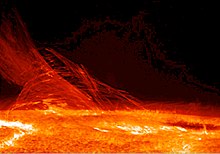
Discussion Topic of the Evening.
This is the Most Exciting Rock Ever Found on Mars
Perseverance Rover
https://cdn.mos.cms.futurecdn.net/nhMCSfJzegMYwDD9TZcTHF-1200-80.jpg.webp
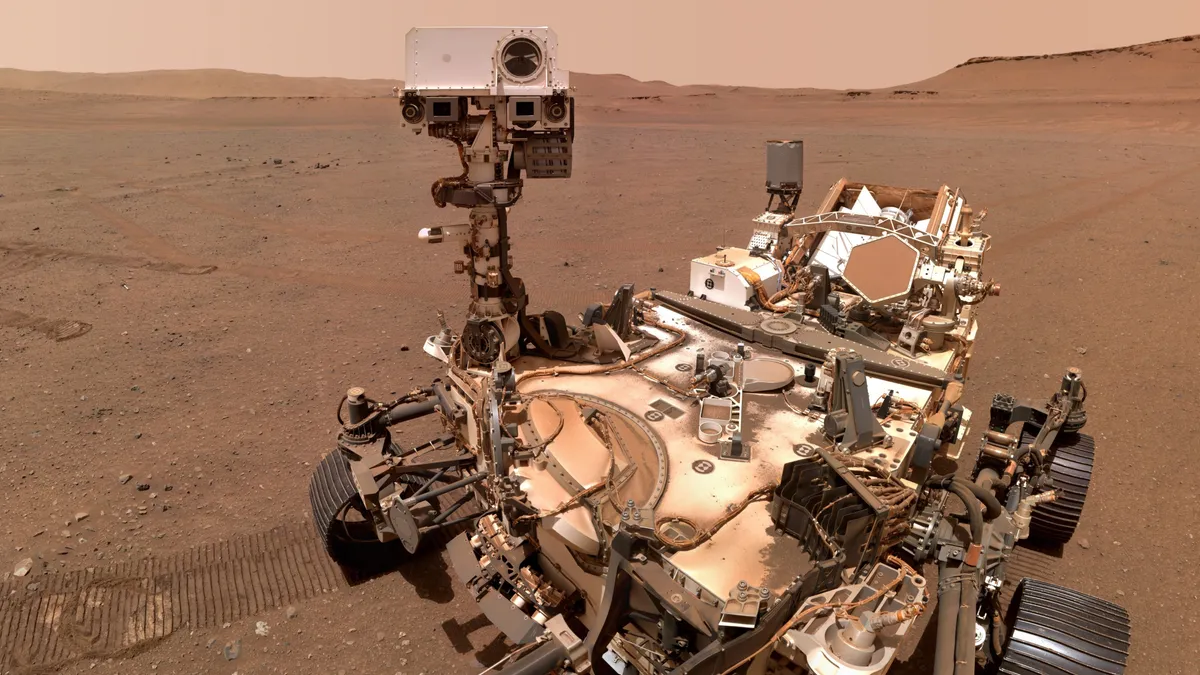
Cheyava Falls
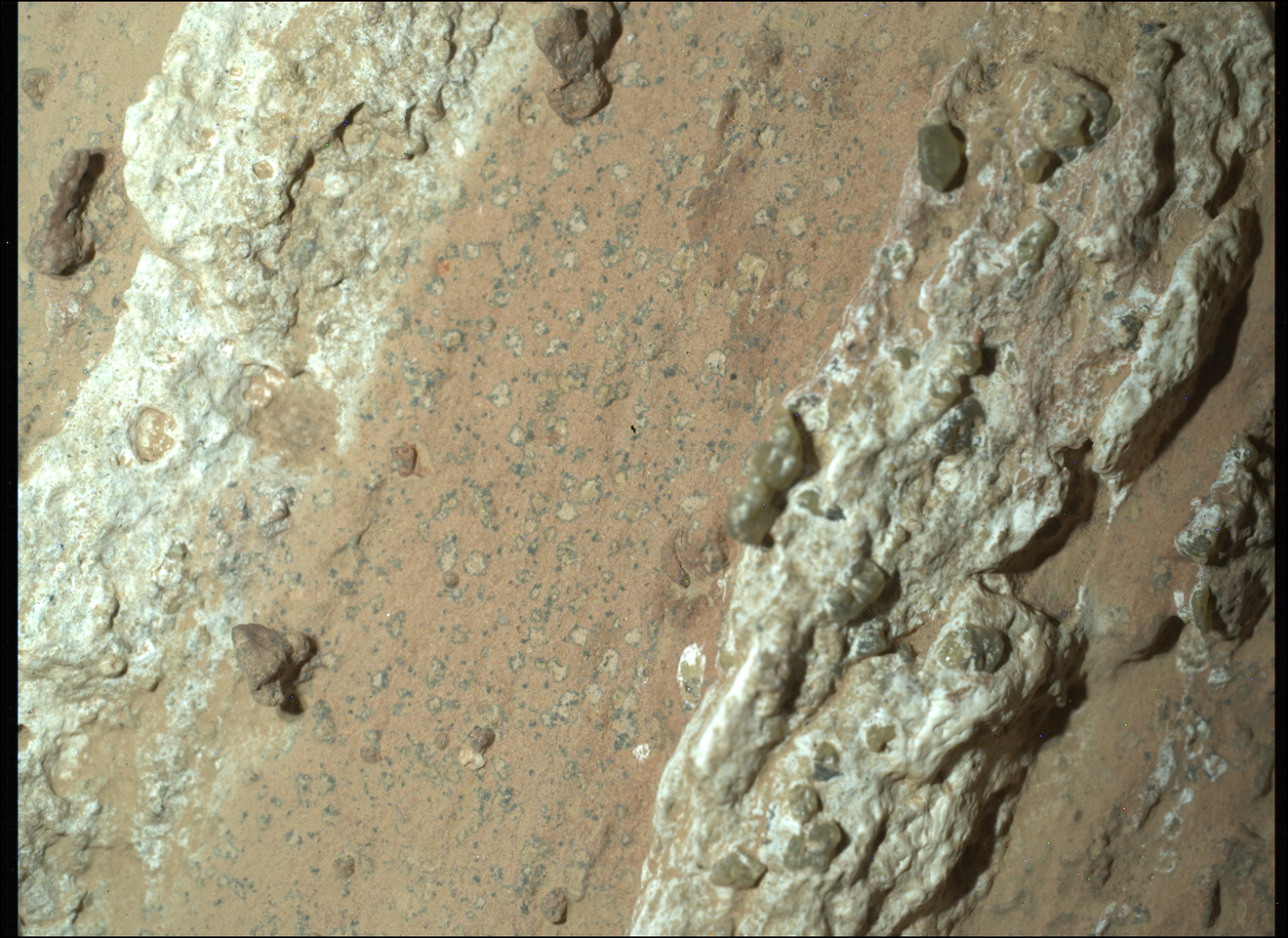
Cheyava Falls “Leopard Spots”

Waz Up
Space Exploration and Space History
Space Exploration News
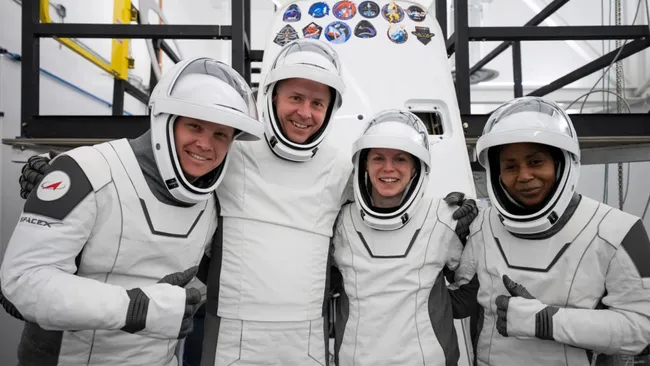
SpaceX to resume astronaut launches on Aug. 18 with Crew-9 mission to ISS
https://cdn.mos.cms.futurecdn.net/FjrChGV4cqwyY9rx5yNr2c-650-80.jpg.webp
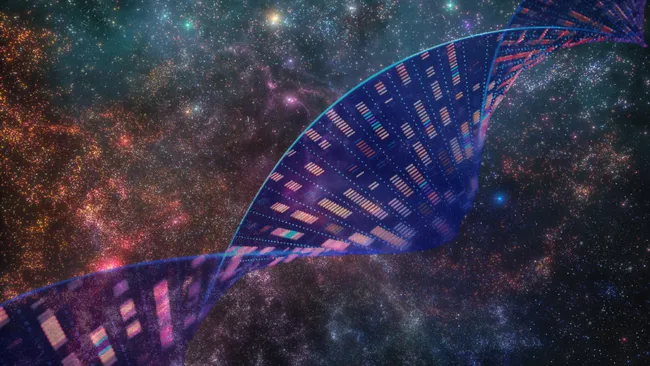
If we want to settle on other planets, we’ll have to use genome editing to alter human DNA
https://cdn.mos.cms.futurecdn.net/QEehiQC2XApf67MJKcUZv3-650-80.jpg.webp
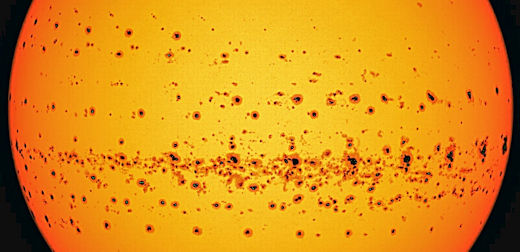
Sunspot Counts Hit a 23-Year High
https://spaceweather.com/images2024/02aug24/july2024_strip.jpg
Space-Related Birthdays
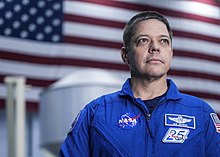
Robert L. Behnken July 28, 1970 STS-123, STS-130, SpX-DM2 (Expedition 63)
Scott E. Parazynski July 28, 1971 STS-66, STS-86, STS-95, STS-100, STS-120

Gregory C. Johnson July 30, 1954 STS-125

Richard O. Covey August 1, 1946 STS-51-I, STS-26, STS-38, STS-61
https://upload.wikimedia.org/wikipedia/commons/thumb/0/05/Covey.jpg/220px-Covey.jpg

Joan Higginbotham August 3, 1964 STS-116

This Week in Space History
August 1, 1774. Oxygen was discovered by Joseph Priestly. He called it “phlogisticated air.” He later discovered sulfur dioxide, which he named “vitriolic acid air.”
Apollo 15 (July 26 – August 7, 1971) was the ninth crewed mission in the United States’ Apollo program and the fourth to land on the Moon.

August 3, 2004, launch of Messenger

Miss Carolyn’s Constellation of the Week
Constellation “Lyra the Harp”
Space Launches For This Week
Space Flight Now Launch Schedule
August 4 Falcon 9 • Starlink 11-1
Launch time: 12 a.m. PDT (3 a.m. EDT / 0700 UTC)
Launch site: SLC-4E, Vandenberg Space Force Base, California
A SpaceX Falcon 9 rocket will launch another batch of Starlink satellites to low Earth orbit. A little more than eight minutes after liftoff, the first stage booster will land on the droneship, ‘Of Course I Still Love You.’
Updated: August 02
NET August 15 Falcon 9 • Transporter-11
Launch time: TBD
Launch site: SLC-4E, Vandenberg Space Force Base, California
A SpaceX Falcon 9 rocket will launch dozens of satellites to a sun-synchronous orbit on the company’s 11th such rideshare mission. Among the payloads are the European Space Agency’s Arctic Weather Satellite, UK-based Surrey Satellites’ Tyche satellite for the UK Space Command, Japan-based iQPS’ QPS-SAR No. 8 satellite and U.S.-based Planet Labs’ Tanager-1 satellite. Delayed from July 10.
Updated: July 29
NET August Falcon 9 • WorldView Legion 3 & 4
Launch time: TBD
Launch site: SLC-40, Cape Canaveral Space Force Station, Florida
A SpaceX Falcon 9 rocket will launch the second pair of WorldView Legion Earth observation satellites for Maxar Technologies. Maxar plans to deploy six commercial WorldView Legion high-resolution remote sensing satellites into a mix of sun-synchronous and mid-inclination orbits on three SpaceX Falcon 9 rockets.
Updated: July 10
NET August 18 Falcon 9 • Crew 9
Launch time: 5:39 a.m. EDT (0939 UTC)
Launch site: LC-39A, Kennedy Space Center, Florida
A SpaceX Falcon 9 rocket will launch a Dragon spacecraft carrying a new crew of four to the International Space Station. The Falcon 9’s first stage booster will return to Landing Zone 1 at Cape Canaveral Space Force Station. NASA astronauts Commander Zena Cardman, Pilot Nick Hague, and Mission Specialist Stephanie Wilson, and Roscosmos cosmonaut Mission Specialist Aleksandr Gorbunov will embark aboard the Crew Dragon Freedom spacecraft on a six-month expedition to the station.
Updated: July 31
TBD Falcon 9 • Polaris Dawn
Launch time: TBD
Launch site: LC-39A, Kennedy Space Center, Florida
A SpaceX Falcon 9 rocket will launch a Crew Dragon spacecraft. The Polaris Dawn mission will be commanded by billionaire Jared Isaacman, making his second trip to space. He will be joined on the all-private mission by pilot Scott “Kidd” Poteet, and SpaceX employees Sarah Gillis and Anna Menon. The Crew Dragon will return to a splashdown at sea. Delayed from November and December 2022, March 2023, April 2024 and early summer 2024.
Updated: July 29
NET August Falcon 9 • ASBM
Launch time: TBD
Launch site: SLC-4E, Vandenberg Space Force Base, California
A SpaceX Falcon 9 rocket will launch the Arctic Satellite Broadband Mission, consisting of two satellites owned by Space Norway. The Falcon 9 will launch the two Northrop Grumman-built satellites into a highly elliptical orbit that lingers over the Arctic region. The satellites carry communications payloads for the Norwegian Ministry of Defense, the U.S. Space Force, and Inmarsat.
We currently have the following people checked in via w5fc.org… You can check-in via the club website by clicking on the hotlink provided.
(Read check ins so far)
I’ll now take check-ins or comments
At this point we should be reaching our 90 minute cut-off point, so NCS can decide whether to cut any of these topics due to lack of time.
10. Visible satellite passages over the next couple of days.
You can use the http://www.heavens-above.com website to find out what’s in orbit and
where to look during fly-overs
Tom can cover this one as well, otherwise follow the instructions below…
Net Control Note: Look for the highest magnitude and read those with highest point info. As an example: May 20th is the next, good pass.
Tiangong
Aug 5
Aug 7
Aug 9