
IO Group: https://groups.io/g/DARCskynet/topics
Facebook Group: http://www.facebook.com/groups/306498286059167/
Discussion Topic of the Evening.
The Mystery of James Webb Telescope’s Little Red Dots
Photo 1: JWST Early Galaxy

Photo 2: “Red Dots: Six Black Hole Candidates”
Photo 3: Cosmic Evolution Early Release Science
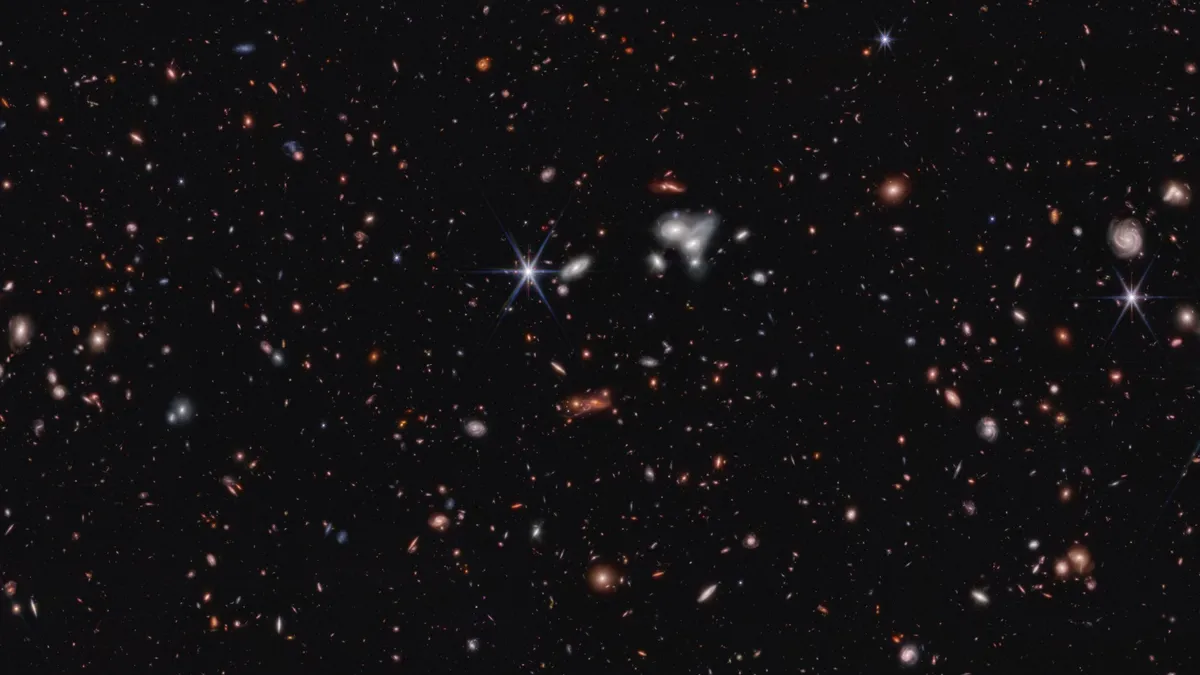
Photo 4: Black Hole Accretion Disk
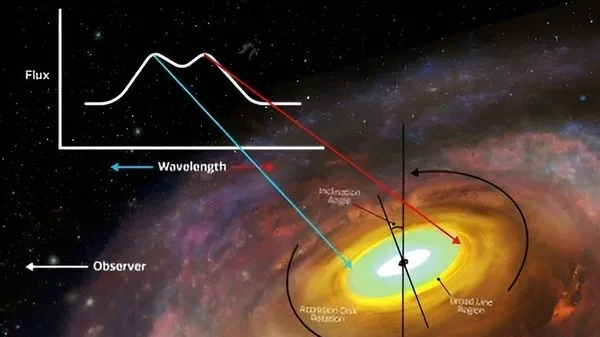
Photo 5: Simulated PrimordialStar Forming Region (200 Million Years After the Big Bang
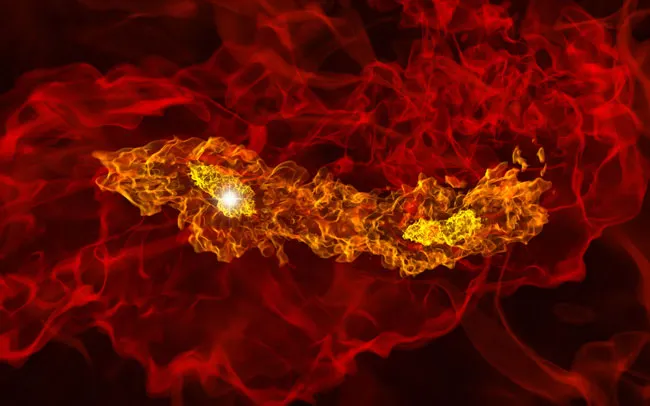
Photo 6: Active Galactic Nucleus (AGN) Aging
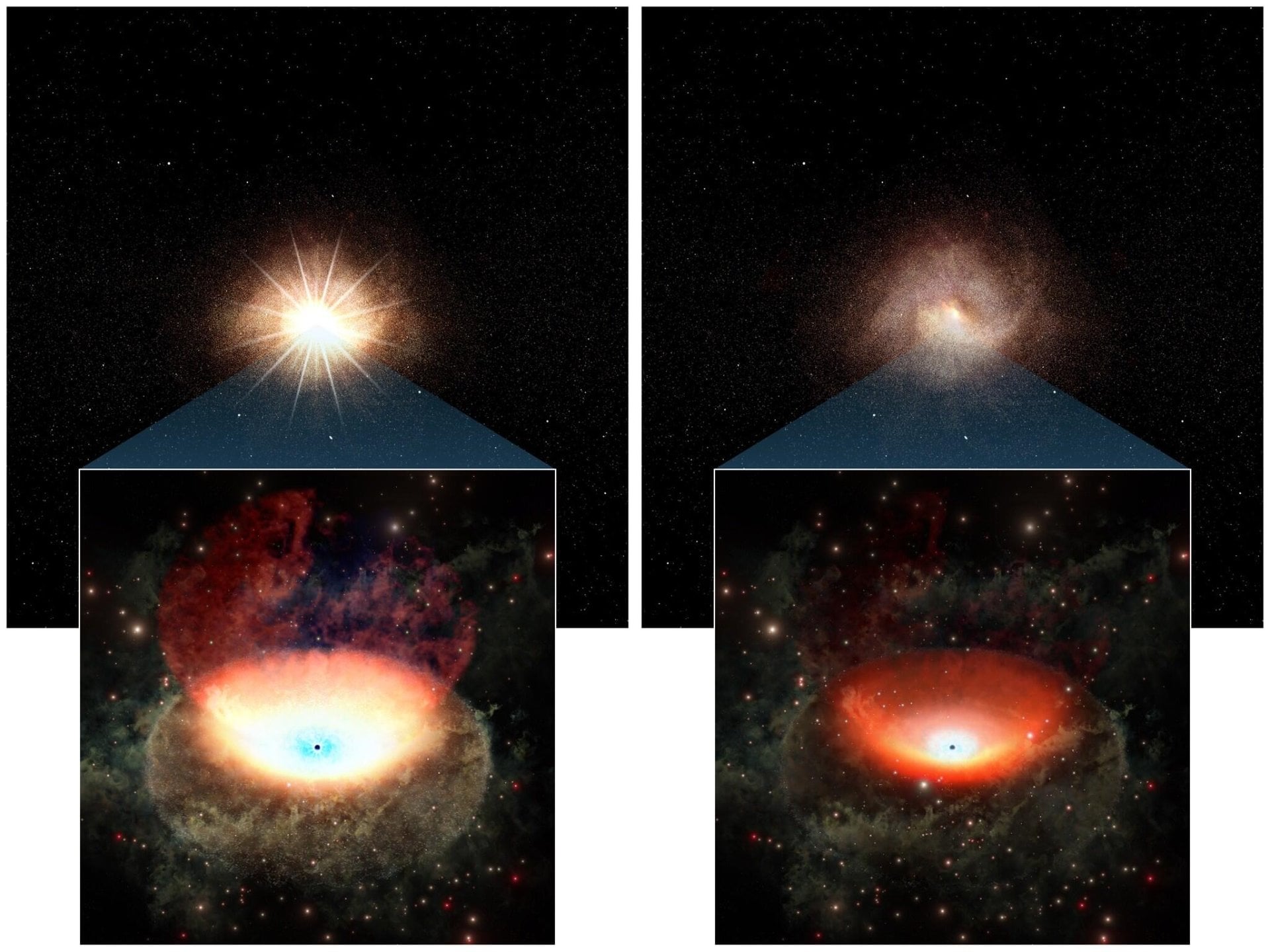
Photo 7: V-Shaped Spectrum LRDs
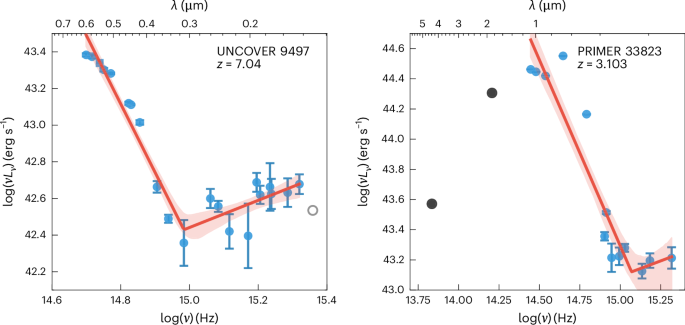
Photo 8: LRD “Globular Cluster Theory” Photo Comparision

Photo 9: Connecting the Dots: 83 LRDs
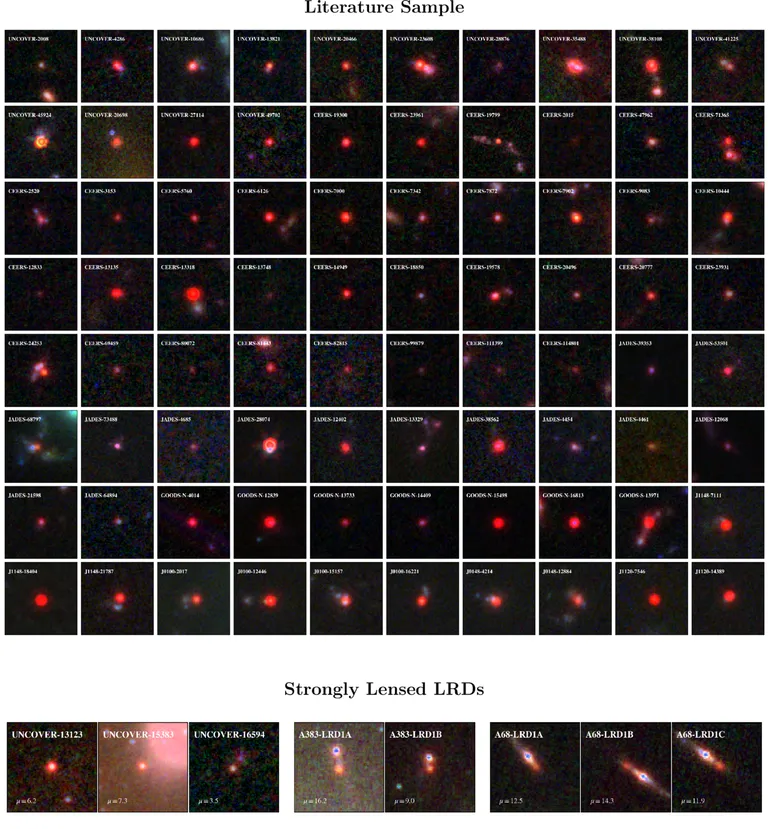
Photo 10: LRDs Feeding Blackholes?
Photo 11: Supermassice Black Hole Blasting Out Jet of Plasma
Photo 12: Ionized Gas Theory
Photo 13: LRDs and Globular Clusters
Waz Up
Space Exploration and Space History
Space Exploration News
Global Celebration of World Space Week 2026: The “Rocket Revolution” – October 4–10, 2026
SpaceX Crew-12 Splashes Down off California Coast After 240-Day ISS Mission – October 7–8, 2026
Newly Arrived SpaceX Crew-13 Begins Expedition 75 Research Operations – October 4–6, 2026
Space-Related Birthdays
| Astronaut | Birthday | Birth Year | FCC Callsign | Flights | Notes |
| Gregory T. Linteris | October 4 | 1957 | None | STS-83, STS-94 | An American mechanical engineer and NIST combustion scientist, he logged 471 hours in space as a NASA payload specialist. He conducted microgravity combustion experiments and participated in SAREX radio classroom activities. |
| Richard F. Gordon Jr. | October 5 | 1929 | None | Gemini 11, Apollo 12 | A U.S. Navy Captain and NASA astronaut, Gordon piloted Gemini 11 and Apollo 12. He performed two spacewalks and orbited the Moon while his crewmates walked on the surface. |
| Pavel Popovich | October 5 | 1930 | None | Vostok 4, Soyuz 14 | A Soviet Air Force Major General, Popovich was the first Ukrainian in space on Vostok 4. He later commanded Soyuz 14, spending 16 days conducting research aboard Salyut 3. |
| Brent W. Jett Jr. | October 5 | 1958 | None | STS-72, STS-81, STS-97, STS-115 | A retired U.S. Navy Captain, Jett logged over 41 days in space on four shuttle missions. He piloted two and commanded two flights that delivered and installed ISS solar arrays. |
| Liu Yang | October 6 | 1978 | None | Shenzhou 9, Shenzhou 14 | Liu became the first Chinese woman in space aboard Shenzhou 9 in 2012. She later spent six months on Tiangong, performing a six-hour spacewalk during Shenzhou 14. |
| Karen L. Nyberg | October 7 | 1969 | None | STS-124, Soyuz TMA-09M (Expedition 36/37) | A NASA astronaut and mechanical engineer, Nyberg spent 180 days in orbit across two missions. She operated the ISS robotic arm and is known for microgravity STEM outreach. |
| Janice E. Voss | October 8 | 1956 | KC5BTK | STS-57, STS-63, STS-83, STS-94, STS-99 | Voss flew five Space Shuttle missions, tying the record for most flights by an American woman. She held amateur radio callsign KC5BTK and later served as Kepler Science Director. |
| Carlos I. Noriega | October 8 | 1959 | KC5WKK | STS-84, STS-97 | The first Peruvian-born astronaut, Noriega logged nearly 500 hours in space. He performed three spacewalks during STS-97 and is active as KC5WKK. |
| Yury Usachev | October 9 | 1957 | RW3FU | Soyuz TM-18, Soyuz TM-23, STS-101, STS-102 / Soyuz TM-31 / STS-105 (Expedition 2) | A Hero of the Russian Federation, Usachev spent over 553 days in orbit. He performed seven spacewalks and commanded ISS Expedition 2 under callsign RW3FU. |
| Franco Malerba | October 10 | 1946 | None | STS-46 | Malerba was the first Italian citizen in space as a payload specialist on STS-46. He operated the NASA/ASI Tethered Satellite System and later served in the European Parliament. |
| John M. Grunsfeld | October 10 | 1958 | KC5ZTF | STS-67, STS-81, STS-103, STS-109, STS-125 | An astrophysicist and veteran of five shuttle flights, he completed eight Hubble servicing spacewalks. Licensed as KC5ZTF, he famously phoned NPR from orbit and later led NASA Science. |
| Rex J. Walheim | October 10 | 1962 | None | STS-110, STS-122, STS-135 | A retired U.S. Air Force Colonel, Walheim logged over 36 days in space and five spacewalks. He flew on the final Space Shuttle mission, STS-135, aboard Atlantis. |
| Zhai Zhigang | October 10 | 1966 | None | Shenzhou 7, Shenzhou 13 | Zhai became China’s first spacewalker on Shenzhou 7 in 2008. He commanded Shenzhou 13, leading a six-month Tiangong expedition with two more spacewalks. |
| Shubhanshu Shukla | October 10 | 1985 | None | Axiom Mission 4 (Ax-4) / ISRO Gaganyaan | Shukla, an Indian Air Force Wing Commander, was selected for the Gaganyaan program. He is assigned as prime pilot for Axiom Mission 4 to the ISS for microgravity research. |
This Week in Space History
Soviet Union Launches Sputnik 1, Dawn of the Space Age – October 4, 1957

Launch of Space Shuttle Challenger on STS-41-G – October 5, 1984
Launch of Space Shuttle Discovery on STS-41 to Deploy Ulysses Solar Probe – October 6, 1990
SpaceX Launches CRS-1, the First Commercial Cargo Resupply Mission to the ISS – October 8, 2012
NASA’s LCROSS Mission Impacts Lunar South Pole, Confirming Water Ice Deposits – October 9, 2009
Entry into Force of the Historic Outer Space Treaty – October 10, 1967
Miss Carolyn’s Constellation of the Week
Constellations “Delphinus the Dolphin” and “Equuleus the Horse”
Space Launches For This Week
Space Flight Now Launch Schedule
NET October 12 Falcon 9 • Starlink 15-25
Launch time: Window opens at 4 p.m. PDT (7 p.m. EDT / 2300 UTC)
Launch site: SLC-4E, Vandenberg Space Force Base, California
A SpaceX Falcon 9 rocket will launch a batch of 27 Starlink V2 Mini optimized satellites into low Earth orbit. The first stage booster, tail number B1088, launching for a 20th time, will land on the droneship, Of Course I Still Love You, positioned in the Pacific Ocean. Booster previously listed as B1082. Delayed from Sept. 30, Oct. 10 & 11.
Updated: October 08
NET October 13 Falcon 9 • CRS-35
Launch time: 6:33 a.m. EDT (1033 UTC)
Launch site: SLC-40, Cape Canaveral Space Force Station, Florida
A SpaceX Falcon 9 rocket will launch NASA’s SpaceX CRS-35 mission, part of the agency’s Commercial Resupply Services program. The Dragon spacecraft will deliver more than 6,300 pounds of science and supplies to the International Space Station. This will be the fourth flight for the Cargo Dragon spacecraft, tail number C211, and the eighth flight for the Falcon 9 first stage booster, tail number B1096. Dragon C211 will arrive at the orbiting outpost on Thursday, Oct. 15, to dock at the zenith port of the Harmony module.
Updated: October 08
NET October 19/20 H3 • Martian Moons eXploration (MMX)
Launch time: 4:41:03 JST on Oct. 20 (3:41:03 p.m. EDT / 1941:03 UTC on Oct. 19)
Launch site: Yoshinobu Launch Complex, JAXA Tanegashima Space Center
An H3 launch vehicle, a rocket developed through a partnership between Mitsubishi Heavy Industries and JAXA (Japan Aerospace Exploration Agency), will launch the Martian Moons eXplorer (MMX) mission to survey the Martian moons, Phobos and Deimos. This is set to be the first sample return mission from the Martian sphere of influence with the samples from Phobos expected to return to Earth in fiscal year 2031. The mission is supported by NASA, CNES, DLR, and ESA.
Updated: August 26
TBD Atlas 5 • Boeing Starliner-1
Launch time: TBD
Launch site: SLC-41, Cape Canaveral Space Force Station, Florida
A United Launch Alliance Atlas 5 rocket will launch Boeing’s CST-100 Starliner spacecraft to the International Space Station. Originally planned as the first post-certification flight with a four-person crew, this will instead be an uncrewed cargo flight to test changes to the vehicle made in the aftermath of the Crewed Flight Test that launched in 2024.
Updated: April 09
NET Q4 2026 Vulcan Centaur • Dream Chaser 1
Launch time: TBD
Launch site: SLC-41, Cape Canaveral Space Force Station, Florida
A United Launch Alliance Vulcan Centaur rocket will launch on its second demonstration flight with Sierra Space’s Dream Chaser cargo vehicle for the International Space Station. The Dream Chaser is a lifting body resupply spacecraft that will launch on top of a rocket and land on a runway. This will be the Dream Chaser’s first flight to space. The Vulcan Centaur rocket will fly in the VC4L configuration with four GEM-63XL solid rocket boosters, a long-length payload fairing, and two RL10 engines on the Centaur upper stage. Delayed from August 2022, December 2023, January 2024, April 2024 and September 2024. Delayed from 2025.
Visible satellite passages over the next couple of days.
You can use the http://www.heavens-above.com website to find out what’s in orbit and
where to look during fly-overs
All times are “local” (Dallas) time.

