
IO Group: https://groups.io/g/DARCskynet/topics
Facebook Group: http://www.facebook.com/groups/306498286059167/
Saturday’s DARC SkyNet is at 9PM CT.
Discussion Topic of the Evening.
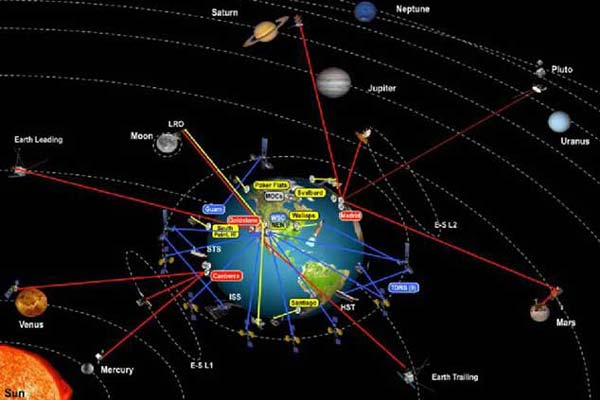
“Modernizing NASA’s Deep Space Network (DSN)”
Citations:
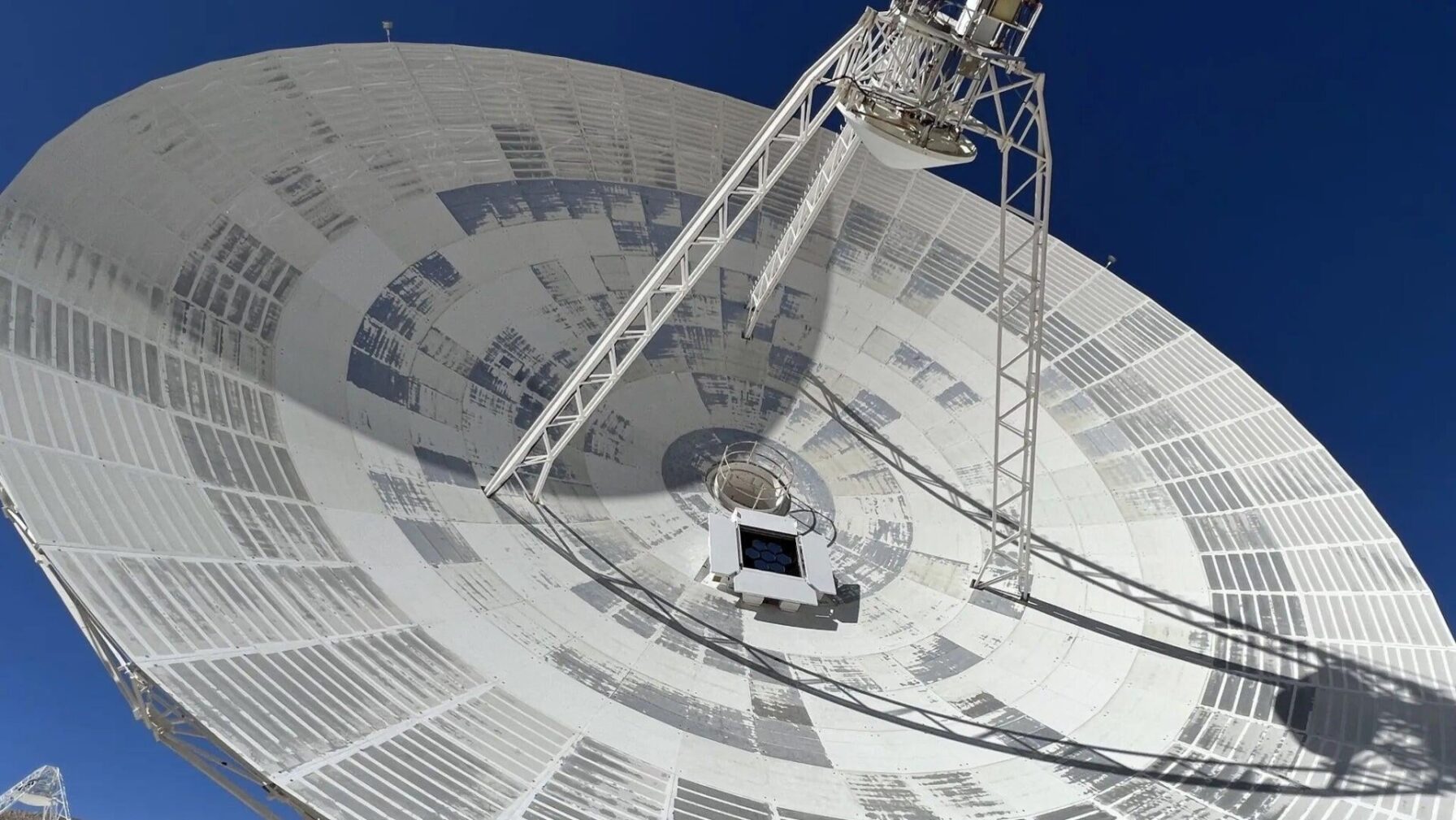
New Next-Gen Dish Adds Muscle to NASA’s Deep Space Network
NASA’s New ‘Hybrid Antenna’ Boosts Links to Deep Space
DSN – Follow the Sun | NASA’s The Invisible Network Podcast
Lunar Exploration Ground Sites
Pictures:
DSN Operations at JPL in Pasadena, CA.

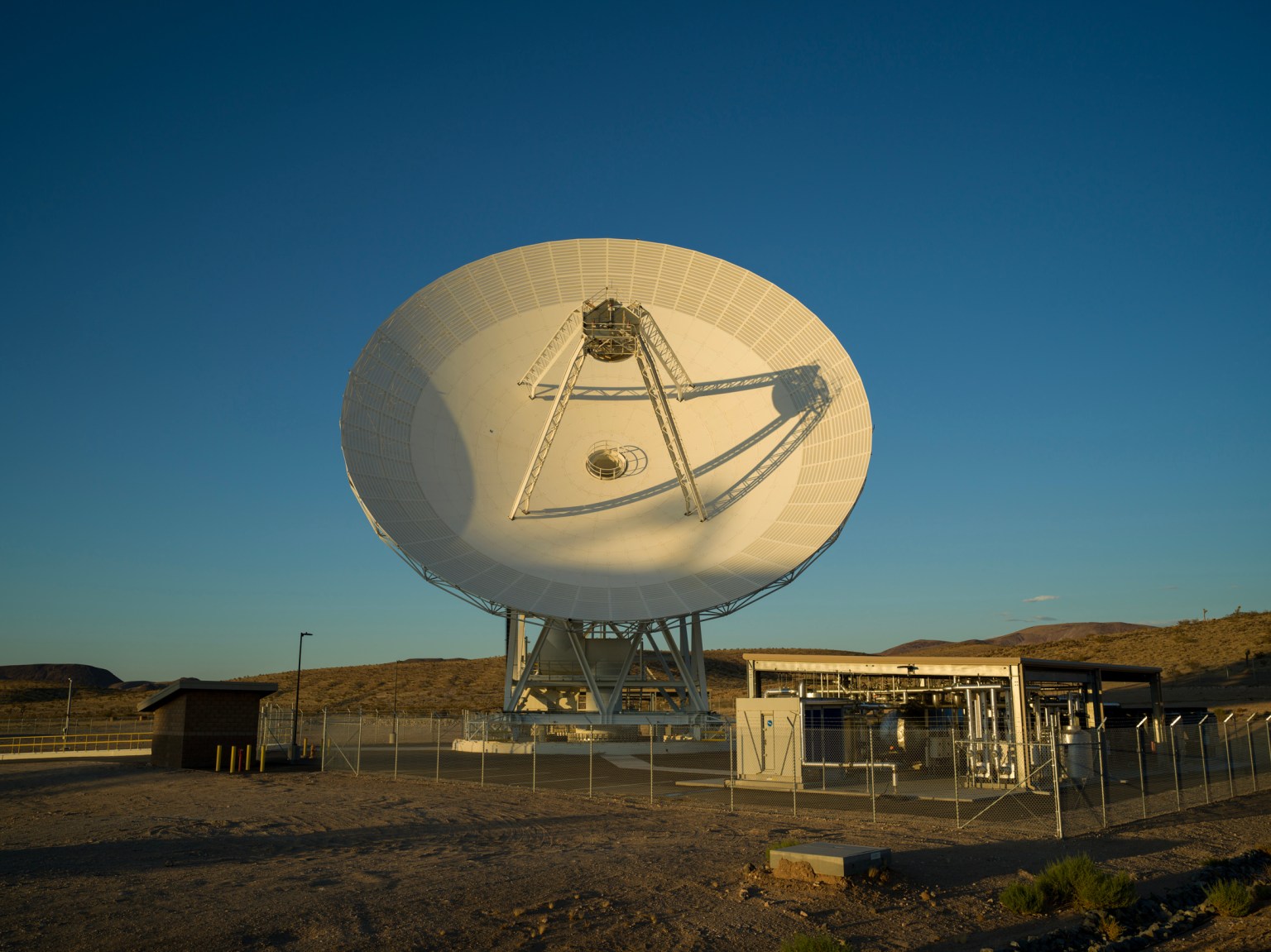
DSN13 Hybrid Radio/Laser Antenna
MSPA Up/Down Link Operation Schematic

Lunar Exploration Ground Sites (LEGS) Nomenclature

Waz Up
Space Exploration and Space History
Space Exploration News
NASA Awards SpaceX $946M Contract for Additional ISS Crew Flights – September 18, 2026
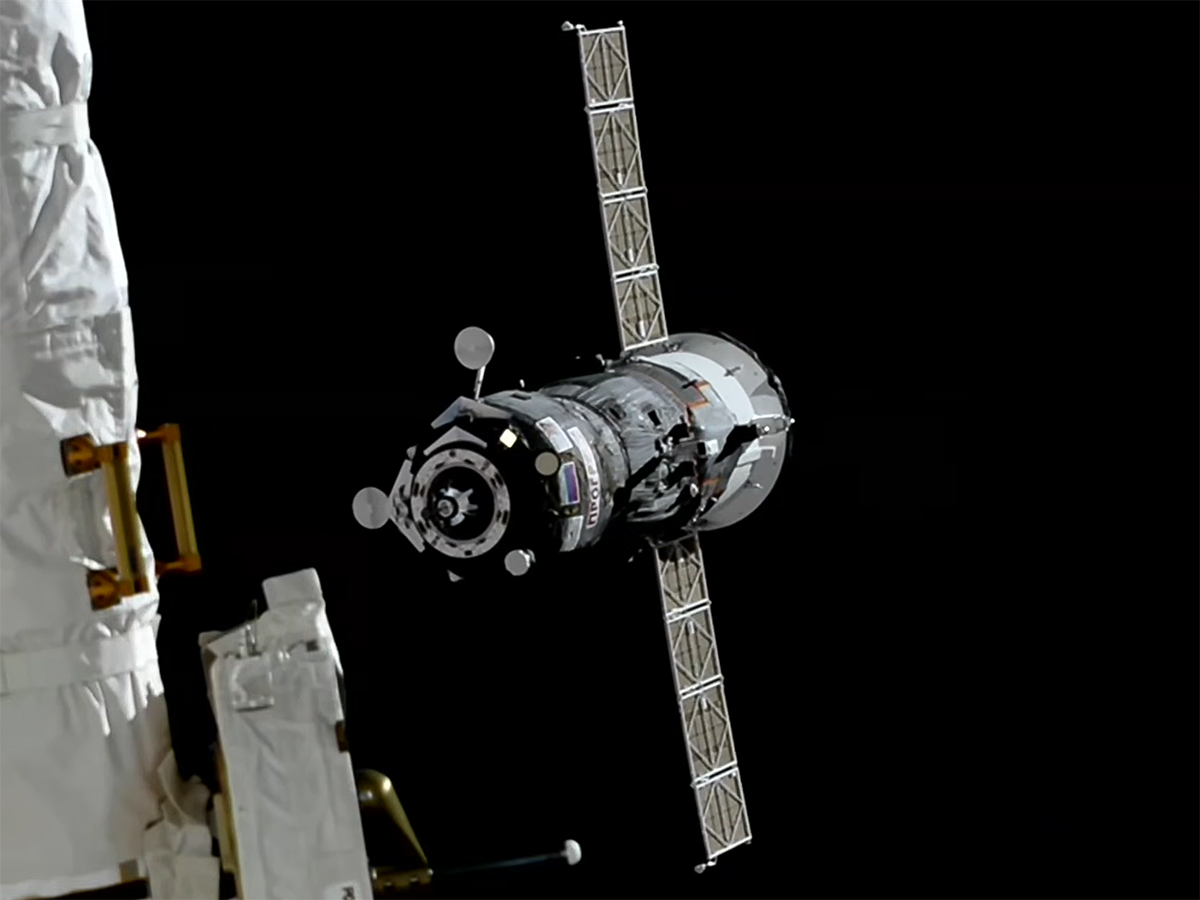
Russian Progress 96 Cargo Craft Docks at the Space Station – September 19, 2026
Space-Related Birthdays
| Astronaut | Birthday | Birth Year | FCC Callsign | Flights | Notes |
| John B. Herrington | September 14 | 1958 | None | STS-113 | Herrington became the first enrolled member of a Native American tribe (Chickasaw Nation) to fly in space during STS-113 in 2002. |
| Eugene H. Trinh | September 14 | 1950 | None | STS-50 | Trinh was the first Vietnamese-American in space, flying as a payload specialist on STS-50 in 1992. |
| Marina Vasilevskaya | September 14 | 1990 | None | Soyuz MS-25 / Soyuz MS-24 | Vasilevskaya became the first cosmonaut and first woman from Belarus to travel to space in 2024. |
| Mirosław Hermaszewski | September 15 | 1941 | None | Soyuz 30 | Hermaszewski was the first Polish citizen in space on Soyuz 30 in 1978 under the Intercosmos program. He spent eight days on Salyut 6 performing geological photography and microgravity medical research. |
| Kevin Kregel | September 16 | 1956 | None | STS-70, STS-78, STS-87, STS-99 | Kregel logged over 52 days in space, piloting STS-70 and STS-78 and commanding STS-87 and STS-99. |
| Warren “Woody” Hoburg | September 16 | 1985 | KB3HTZ | SpaceX Crew-6 (Expedition 68/69) | Hoburg piloted the SpaceX Crew-6 mission, spending 186 days in orbit as an ISS flight engineer. He completed two spacewalks over 11 hours and conducted ARISS school radio contacts as KB3HTZ. |
| Edgar Mitchell | September 17 | 1930 | None | Apollo 14 | Mitchell was the Lunar Module Pilot on Apollo 14 and the sixth person to walk on the Moon. He and Alan Shepard performed two EVAs totaling over nine hours and collected 94 pounds of lunar samples. |
| Thomas P. Stafford | September 17 | 1930 | None | Gemini 6A, Gemini 9A, Apollo 10, Apollo-Soyuz Test Project | Stafford flew four pioneering missions including Gemini 6A and Apollo 10. He commanded the Apollo-Soyuz Test Project, famously shaking hands in orbit with cosmonaut Alexei Leonov. |
| Pamela Melroy | September 17 | 1961 | None | STS-92, STS-112, STS-120 | Melroy piloted STS-92 and STS-112, later commanding STS-120 as the second woman to lead a Shuttle mission. |
| Liu Boming | September 17 | 1966 | None | Shenzhou 7, Shenzhou 12 | Liu assisted during China’s first spacewalk on Shenzhou 7 in 2008. He returned on Shenzhou 12, performing two EVAs while living aboard the Tiangong space station. |
| Mark Shuttleworth | September 18 | 1973 | ZS1RSA | Soyuz TM-34 / Soyuz TM-33 (ISS EP-2) | Shuttleworth became the first South African and first African to travel to space in 2002. He spent eight days aboard the ISS conducting biomedical research and speaking with African schools via radio. |
| Sunita Williams | September 19 | 1965 | KD5PLB | STS-116/117 (Expedition 14/15), Soyuz TMA-05M (Expedition 32/33), Boeing CFT / SpaceX Crew-9 (Expedition 71/72) | Williams is a veteran astronaut and former ISS Commander with over 50 hours of EVA time. She ran the Boston Marathon from space and continued long-duration orbital science missions. |
| Kayla Barron | September 19 | 1987 | KI5LAL | SpaceX Crew-3 (Expedition 66/67) | Barron spent 177 days on the ISS as a mission specialist on SpaceX Crew-3. She completed a 6.5-hour spacewalk to replace a faulty S-band antenna. |
This Week in Space History
Launch of NASA’s Mercury-Atlas 4 (MA-4) (September 13, 1961)
Launch of Soviet Zond 5 (First Circumlunar Voyage and Earth Return) (September 14, 1968)
Cassini Spacecraft Concludes Mission with Grand Finale Plunge into Saturn (September 15, 2017)
NASA Rolls Out Space Shuttle Prototype Enterprise (OV-101) (September 17, 1976)
Launch of Soviet Soyuz 38 (First Person of African Descent in Space) (September 18, 1980)
Launch of Ofeq-1 Aboard Shavit Rocket (Israel’s First Satellite) (September 19, 1988)
Miss Carolyn’s Constellation of the Week
Constellations “Vulpecula the Little Fox and Sagitta the Arrow”
8. Space Launches For This Week
Space Flight Now Launch Schedule
September 26 Falcon 9 • USSF-385
Launch time: Window opens at 4:56 a.m. PDT (7:56 a.m. EDT / 1156 UTC)
Launch site: SLC-40, Cape Canaveral Space Force Station, Florida
A SpaceX Falcon 9 rocket will launch a classified payload on behalf of the United States Space Force. The first stage booster, tail number B1096, launching for a 10th time, will target a landing on the droneship, Of Course I Still Love, positioned in the Pacific Ocean.
Updated: September 17
NET September 28 Starship • Flight 14
Launch time: Window opens at 7:15 a.m. CDT (8:15 a.m. EDT / 1215 UTC)
Launch site: Pad 2, Starbase, Texas
SpaceX’s SpaceX Starship-Super Heavy rocket (collectively referred to as Starship) will from Starbase, Texas, on what is planned to be the first orbital test flight since the integrated rocket began launching in April 2023. SpaceX will launch the mission using the Ship 41 upper stage and Booster 21 as the first stage. SpaceX plans to deploy 26 Starlink Version 3 satellites from S41, marking the first orbital deployment of this iteration of the satellites. Delayed from Sept. 15, 18, and 22.
Updated: September 17
NET Q4 2026 Alpha • FLTA008
Launch time: TBD
Launch site: SLC-2, Vandenberg Space Force Base, California
A Firefly Aerospace Alpha rocket will launch on mission for a yet unannounced customer. This will be the debut of the Block 2 iteration of the rocket, which features larger liquid oxygen tanks on both the first and second stages, increasing the overall length of the rocket by two meters. Delayed from Summer 2026.
Updated: August 11
NET October Falcon 9 • NASA’s SpaceX Crew-13
Launch time: TBD
Launch site: SLC-40, Cape Canaveral Space Force Station, Florida
A SpaceX Falcon 9 rocket will launch the Crew Dragon spacecraft, tail number C-213 and named Grace, on its second flight to the International Space Station. The first stage booster, tail number B1101, launching for a third time, will return to Landing Zone 40, adjacent to the launch pad. The Crew-13 mission is led by NASA astronaut Jessica Watkins, who is making her second trip to space and will become the first, active NASA astronaut to fly twice onboard a Dragon spacecraft. She’s joined by three, first-time fliers: NASA astronaut and pilot Luke Delaney; Canadian Space Agency (CSA) astronaut and mission specialist Joshua Kutryk; and Roscosmos cosmonaut and mission specialist Sergey Teteryatnikov. The four will spend about six months on the ISS as part of Expedition 75/76. Delayed from Sept. 12 due to an oxidizer leak in the Dragon propulsion system. Delayed from September.
Updated: September 16
NET October 19/20 H3 • Martian Moons eXploration (MMX)
Launch time: 4:41:03 JST on Oct. 20 (3:41:03 p.m. EDT / 1941:03 UTC on Oct. 19)
Launch site: Yoshinobu Launch Complex, JAXA Tanegashima Space Center
An H3 launch vehicle, a rocket developed through a partnership between Mitsubishi Heavy Industries and JAXA (Japan Aerospace Exploration Agency), will launch the Martian Moons eXplorer (MMX) mission to survey the Martian moons, Phobos and Deimos. This is set to be the first sample return mission from the Martian sphere of influence with the samples from Phobos expected to return to Earth in fiscal year 2031. The mission is supported by NASA, CNES, DLR, and ESA.
Updated: August 26
TBD Atlas 5 • Boeing Starliner-1
Launch time: TBD
Launch site: SLC-41, Cape Canaveral Space Force Station, Florida
A United Launch Alliance Atlas 5 rocket will launch Boeing’s CST-100 Starliner spacecraft to the International Space Station. Originally planned as the first post-certification flight with a four-person crew, this will instead be an uncrewed cargo flight to test changes to the vehicle made in the aftermath of the Crewed Flight Test that launched in 2024.
Updated: April 09
NET Q4 2026 Vulcan Centaur • Dream Chaser 1
Launch time: TBD
Launch site: SLC-41, Cape Canaveral Space Force Station, Florida
A United Launch Alliance Vulcan Centaur rocket will launch on its second demonstration flight with Sierra Space’s Dream Chaser cargo vehicle for the International Space Station. The Dream Chaser is a lifting body resupply spacecraft that will launch on top of a rocket and land on a runway. This will be the Dream Chaser’s first flight to space. The Vulcan Centaur rocket will fly in the VC4L configuration with four GEM-63XL solid rocket boosters, a long-length payload fairing, and two RL10 engines on the Centaur upper stage. Delayed from August 2022, December 2023, January 2024, April 2024 and September 2024. Delayed from 2025.
Visible satellite passages over the next couple of days.
All times are “local” (Dallas) time.

Tiangong
No visible passes.