
IO Group: https://groups.io/g/DARCskynet/topics
Facebook Group: http://www.facebook.com/groups/306498286059167/
Saturday’s DARC SkyNet is at 9PM CT.
Discussion Topic of the Evening.
Waz Up
Space Exploration and Space History
Space Exploration News
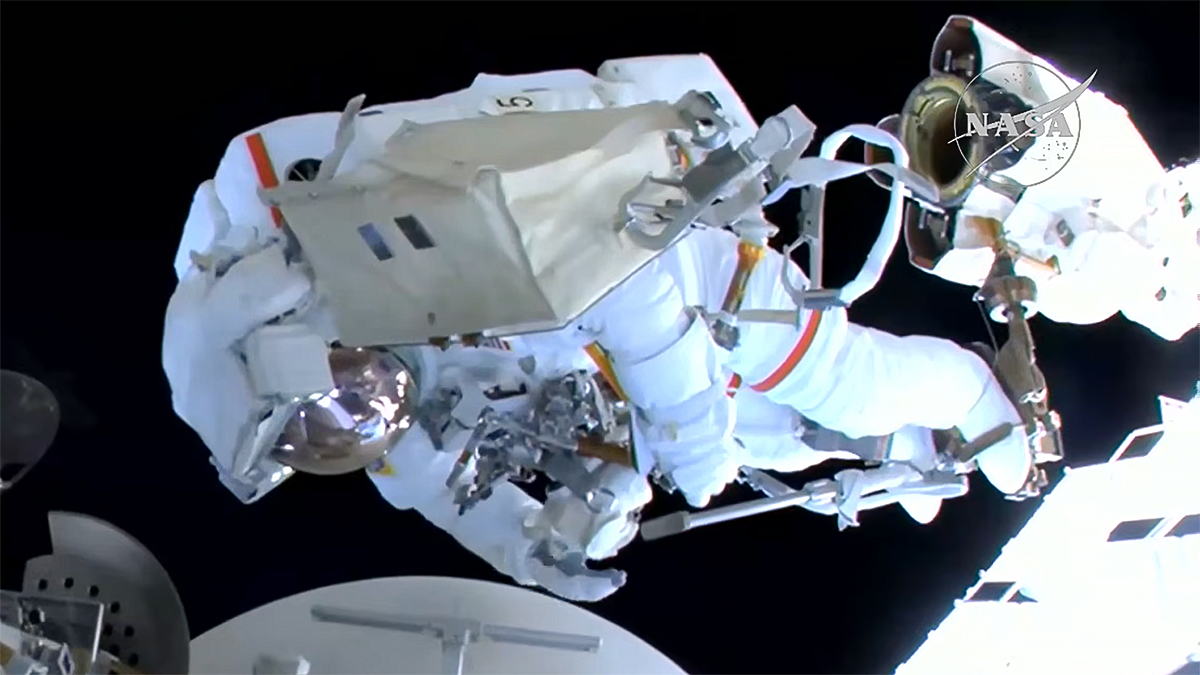
NASA and ESA Astronauts Complete Critical ISS Antenna Spacewalk – August 25, 2026
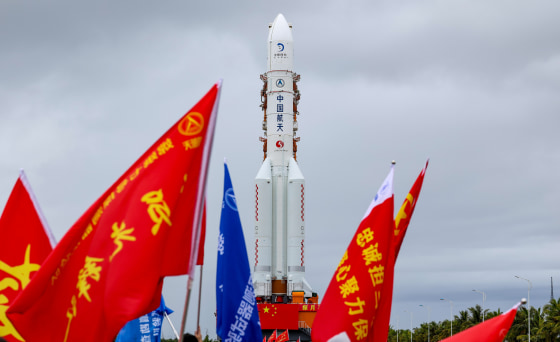
Typhoon Narra Forces Postponement of China’s Chang’e-7 Lunar Mission – August 25, 2026
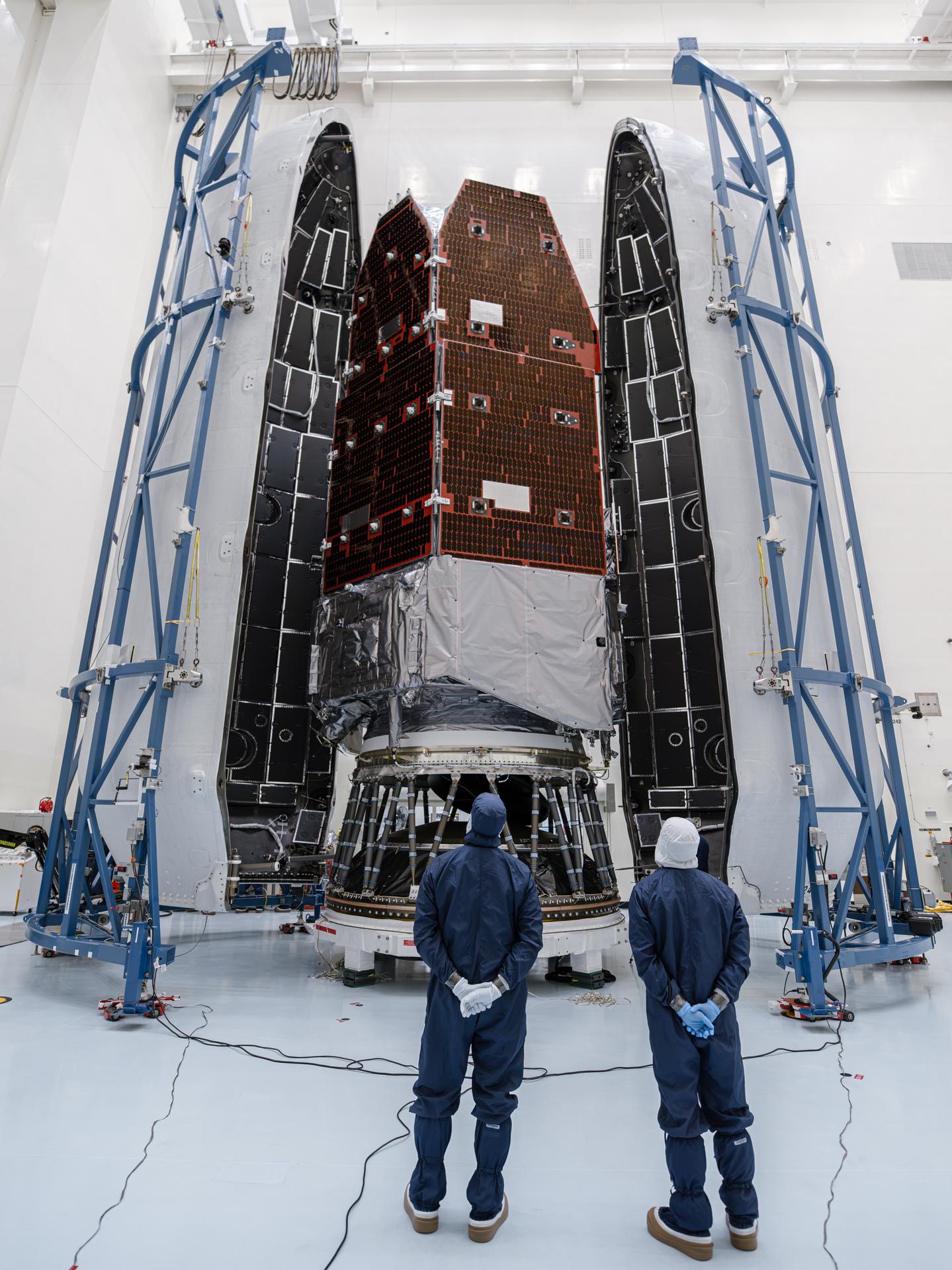
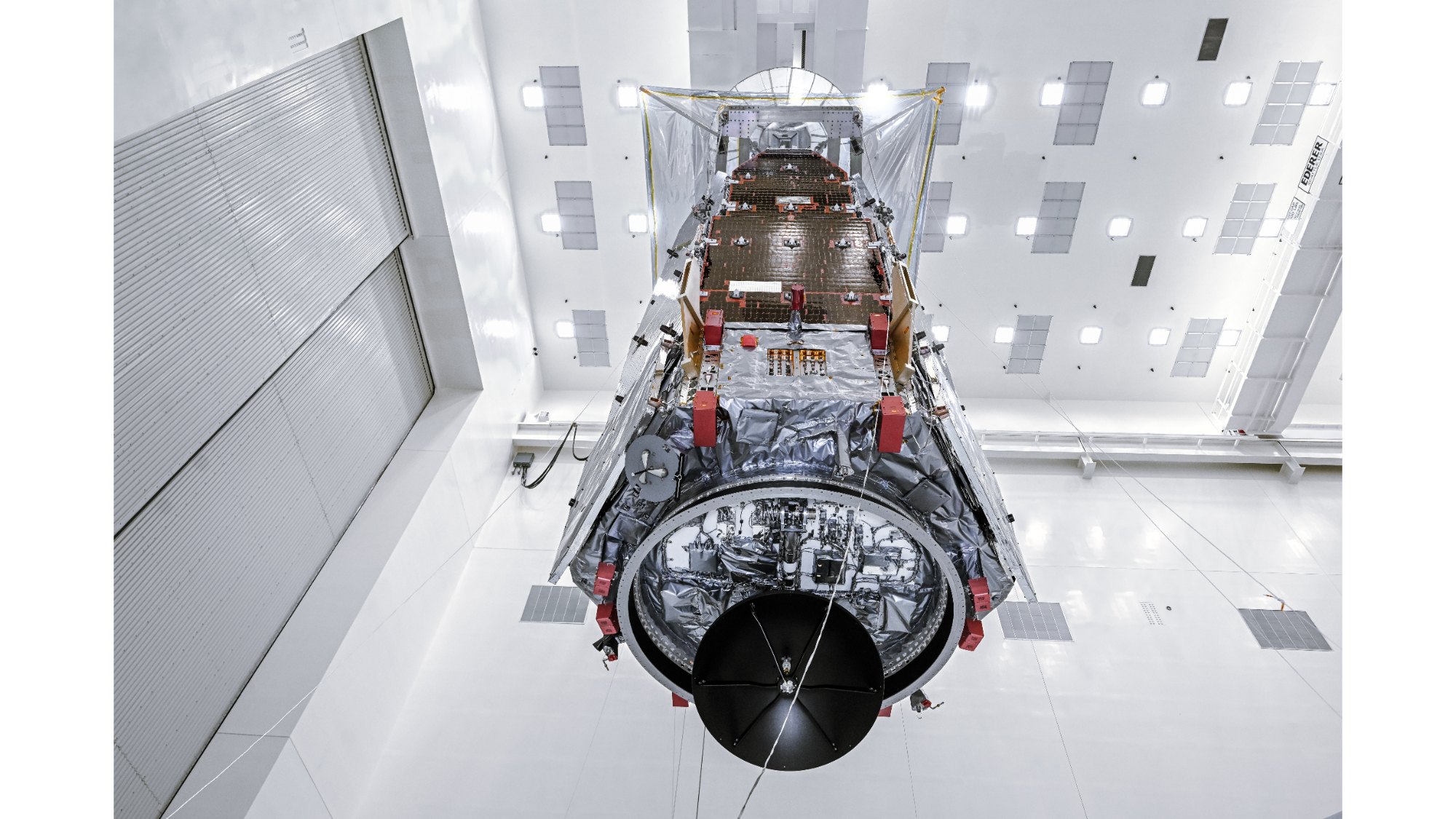
Nancy Grace Roman Space Telescope Encapsulated for Launch – August 26, 2026
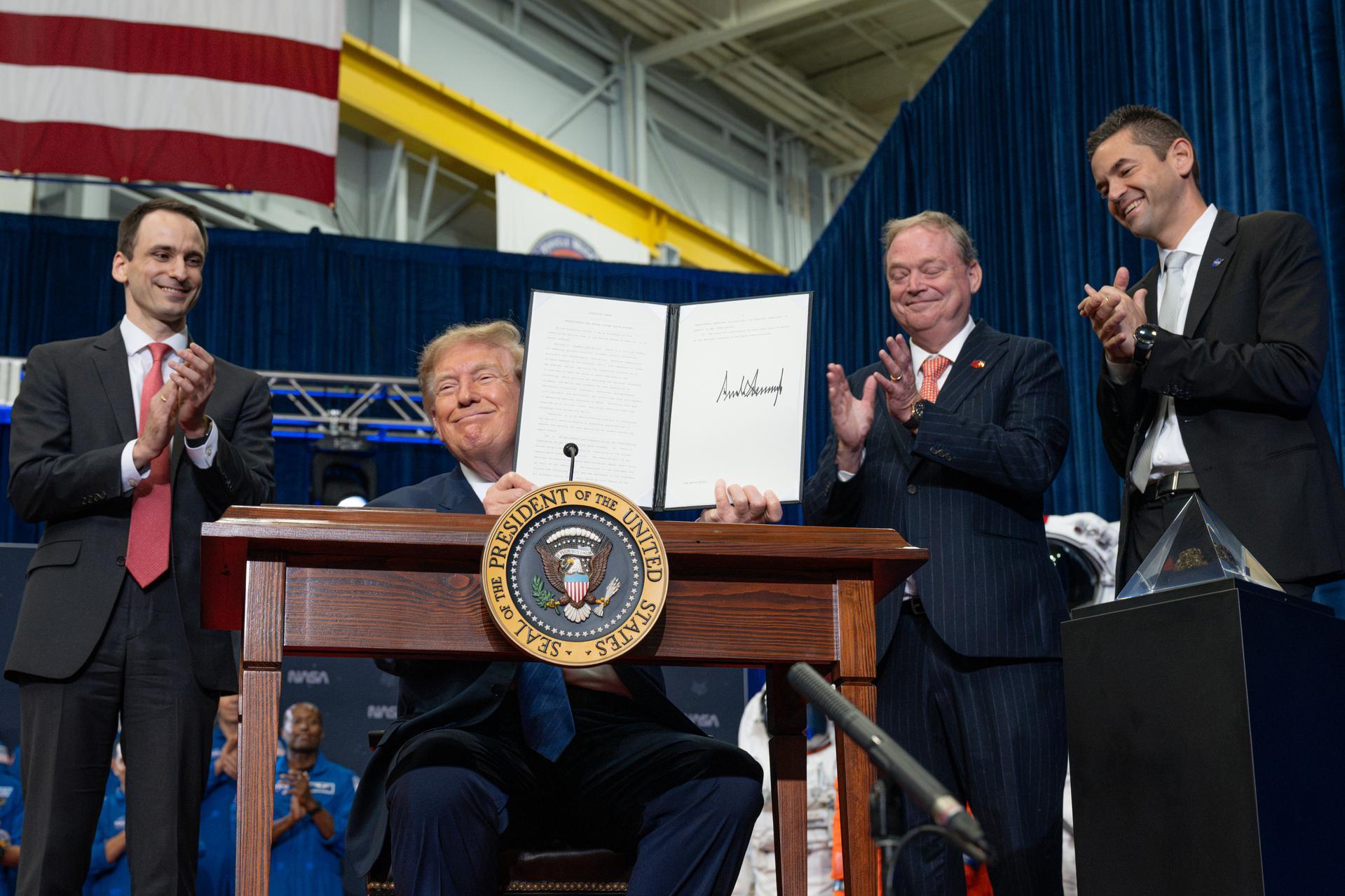
President Establishes U.S. Space Academy Commission and Honors Artemis II Crew – August 28, 2026
Nancy Grace Roman Space Telescope Cleared for Launch – August 28-29, 2026
Space-Related Birthdays
| Astronaut | Birthday | Birth Year | FCC Callsign | Flights | Notes |
| David Wolf | August 23 | 1956 | KC5VPF | STS-58, STS-86, STS-112, STS-127 | American astronaut, medical doctor, and electrical engineer who logged over 168 days in space, performed 7 spacewalks, and lived on the Russian space station Mir. |
| Dominic A. Antonelli | August 23 | 1967 | None | STS-119, STS-132 | Retired NASA astronaut and U.S. Navy commander who piloted two Space Shuttle missions to the ISS. |
| Gregory Jarvis | August 24 | 1944 | None | STS-51-L | American engineer and payload specialist who tragically lost his life in the Space Shuttle Challenger disaster. |
| Richard N. Richards | August 24 | 1946 | KB5SIW | STS-28, STS-41, STS-50, STS-64 | Retired U.S. Navy captain and NASA astronaut who flew on four Space Shuttle missions, commanding three. |
| Anna Lee Fisher | August 24 | 1949 | None | STS-51-A | American physician and NASA astronaut, famous for becoming the first mother in space during her 1984 mission. |
| Lee J. Archambault | August 25 | 1960 | KC5ZSX | STS-117, STS-119 | Retired NASA astronaut and U.S. Air Force pilot who piloted STS-117 and commanded STS-119. |
| Andrew J. Feustel | August 25 | 1965 | None | STS-125, STS-134, Soyuz MS-08 (Expedition 55/56) | American geophysicist and NASA astronaut who logged over 226 days in space, performing nine spacewalks including Hubble and ISS servicing missions. |
| Joe Engle | August 26 | 1932 | None | X-15, STS-2, STS-51-I | Legendary test pilot and NASA astronaut who flew the X-15 rocket plane to space altitudes and commanded two Space Shuttle missions. |
| Leroy Chiao | August 28 | 1960 | KE5BRW | STS-65, STS-72, STS-92, Soyuz TMA-5 (Expedition 10) | American engineer and NASA astronaut who commanded Expedition 10 and logged over 229 days in space, performing six spacewalks. |
| Chris Hadfield | August 29 | 1959 | VA3OOG | STS-74, STS-100, Soyuz TMA-07M (Expedition 34/35) | Retired CSA astronaut and test pilot; first Canadian to perform a spacewalk and command the ISS, famous for his educational outreach and orbital music videos. |

This Week in Space History
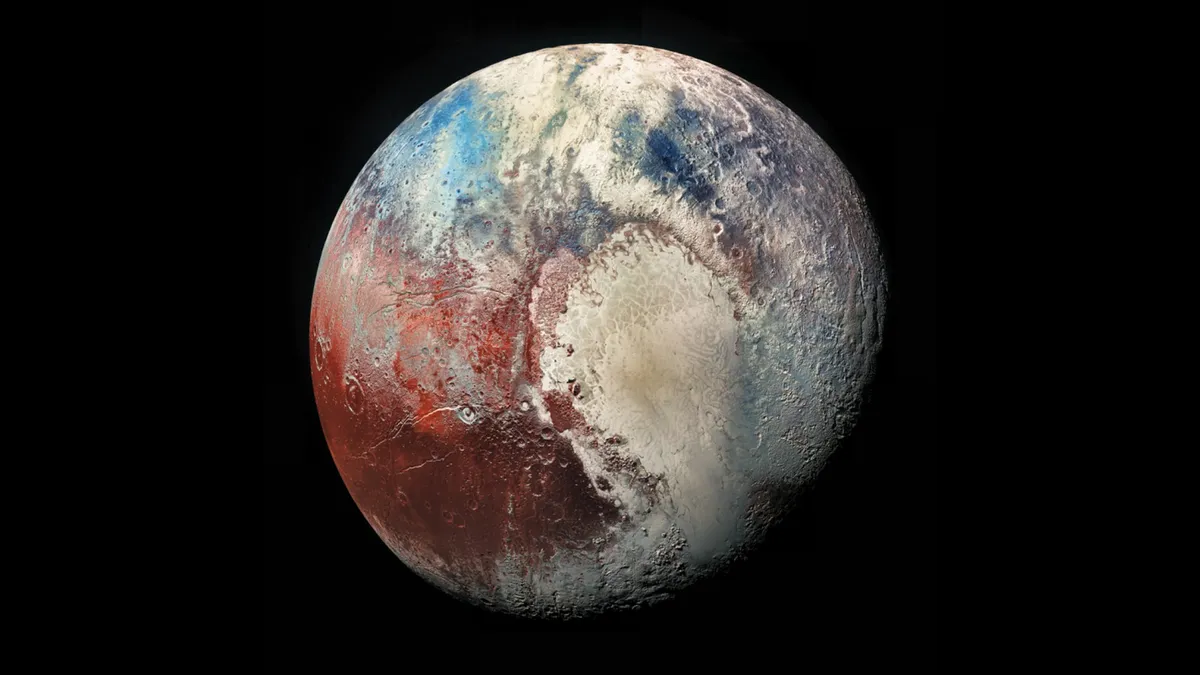
Pluto Reclassified as a Dwarf Planet (August 24, 2006)
Voyager 2’s Historic Neptune Flyby (August 25, 1989)

Sigmund Jähn Becomes First German in Space (August 26, 1978)

Launch of Mariner 2 Interplanetary Probe (August 27, 1962)
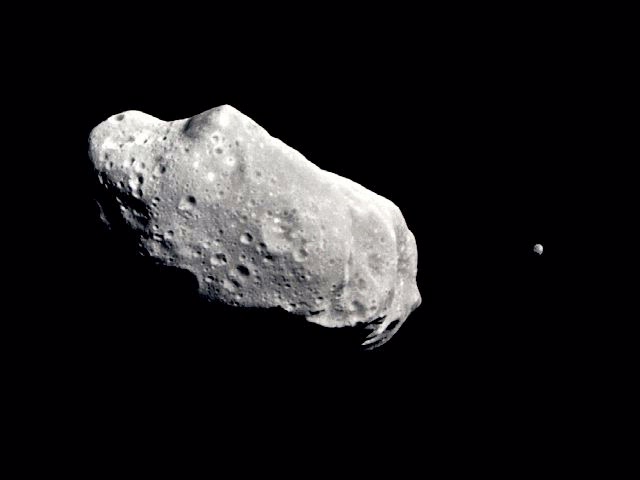
Galileo Discovers Dactyl Orbiting Asteroid Ida (August 28, 1993)
Miss Carolyn’s Constellation of the Week
Chaz KF5JHA
Constellation “Lyra the Harp”
Space Launches For This Week
Space Flight Now Launch Schedule
August 30 Falcon Heavy • Nancy Grace Roman Space Telescope
Launch time: 7:26:04 a.m. EDT (1126:04 UTC)
Launch site: Launch Complex 39A, Kennedy Space Center, Florida
A SpaceX Falcon Heavy rocket will launch NASA’s Nancy Grace Roman Space Telescope, the agency’s next great observatory. Roman carries onboard two main instruments: the 300-megapixel infrared camera called the Wide Field Instrument and a coronagraph. It will carry out a minimum five-year mission capture detailed images of the universe at a dramatically faster rate than the Hubble Space Telescope, even with a primary mirror that’s the same size as Hubble’s. Watch a preview of the mission.
Updated: August 29
September 2 Falcon 9 • Starlink 15-23
Launch time: Window opens at 12:46 a.m. PDT (3:46 a.m. EDT / 0746 UTC)
Launch site: SLC-4E, Vandenberg Space Force Base, California
A SpaceX Falcon 9 rocket will launch another batch of 27 Starlink V2 Mini satellites to low Earth orbit. The first-stage booster, tail number B1063, launching for a 35th time, is scheduled to land on the droneship, Of Course I Still Love You, in the Pacific Ocean. Delayed from Sept. 1.
Updated: August 27
September 5 Falcon 9 • Starlink 15-24
Launch time: Window opens at 4:13 a.m. PDT (7:13 a.m. EDT / 1113 UTC)
Launch site: SLC-4E, Vandenberg Space Force Base, California
A SpaceX Falcon 9 rocket will launch another batch of 27 Starlink V2 Mini satellites to low Earth orbit. The first-stage booster, tail number B1088, launching for a 19th time, is scheduled to land on the droneship, Of Course I Still Love You, in the Pacific Ocean. Delayed from Sept. 4.
Updated: August 27
NET September 12 Falcon 9 • NASA’s SpaceX Crew-13
Launch time: 6:30 p.m. EDT (2230 UTC)
Launch site: SLC-40, Cape Canaveral Space Force Station, Florida
A SpaceX Falcon 9 rocket will launch the Crew Dragon spacecraft, tail number C-213 and named Grace, on its second flight to the International Space Station. The first stage booster, tail number B1101, launching for a third time, will return to Landing Zone 40, adjacent to the launch pad. The Crew-13 mission is led by NASA astronaut Jessica Watkins, who is making her second trip to space and will become the first, active NASA astronaut to fly twice onboard a Dragon spacecraft. She’s joined by three, first-time fliers: NASA astronaut and pilot Luke Delaney; Canadian Space Agency (CSA) astronaut and mission specialist Joshua Kutryk; and Roscosmos cosmonaut and mission specialist Sergey Teteryatnikov. The four will spend about six months on the ISS as part of Expedition 75/76.
Updated: August 15
September 14/15 Vega-C • Sentinel-3C and FLEX Earth Explorer
Launch time: 10:21 p.m. Kourou time (9:21 p.m. EDT / 0121 UTC)
Launch site: Europe’s Spaceport, Kourou, French Guiana
An Avio Vega-C will launch the Sentinel-3C satellite, from the European Commission’s Copernicus program, and the FLEX (FLuorescence EXplorer) satellite, from the European Space Agency’s (ESA) Earth Explorer program, to a Sun-synchronous Earth orbit at an altitude of 820 km with an inclination of 98.6 degrees. Both satellites were built by prime contractor Thales Alenia Space along with other European companies. The mission, also designated VV30, is the second Vega-C flight managed by Avio and the eighth flight of a Vega-C rocket to date.
Updated: July 30
NET Q4 2026 Alpha • FLTA008
Launch time: TBD
Launch site: SLC-2, Vandenberg Space Force Base, California
A Firefly Aerospace Alpha rocket will launch on mission for a yet unannounced customer. This will be the debut of the Block 2 iteration of the rocket, which features larger liquid oxygen tanks on both the first and second stages, increasing the overall length of the rocket by two meters. Delayed from Summer 2026.
Updated: August 11
NET October 19/20 H3 • Martian Moons eXploration (MMX)
Launch time: 4:41:03 JST on Oct. 20 (3:41:03 p.m. EDT / 1941:03 UTC on Oct. 19)
Launch site: Yoshinobu Launch Complex, JAXA Tanegashima Space Center
An H3 launch vehicle, a rocket developed through a partnership between Mitsubishi Heavy Industries and JAXA (Japan Aerospace Exploration Agency), will launch the Martian Moons eXplorer (MMX) mission to survey the Martian moons, Phobos and Deimos. This is set to be the first sample return mission from the Martian sphere of influence with the samples from Phobos expected to return to Earth in fiscal year 2031. The mission is supported by NASA, CNES, DLR, and ESA.
Updated: August 26
TBD Atlas 5 • Boeing Starliner-1
Launch time: TBD
Launch site: SLC-41, Cape Canaveral Space Force Station, Florida
A United Launch Alliance Atlas 5 rocket will launch Boeing’s CST-100 Starliner spacecraft to the International Space Station. Originally planned as the first post-certification flight with a four-person crew, this will instead be an uncrewed cargo flight to test changes to the vehicle made in the aftermath of the Crewed Flight Test that launched in 2024.
Updated: April 09
NET Q4 2026 Vulcan Centaur • Dream Chaser 1
Launch time: TBD
Launch site: SLC-41, Cape Canaveral Space Force Station, Florida
A United Launch Alliance Vulcan Centaur rocket will launch on its second demonstration flight with Sierra Space’s Dream Chaser cargo vehicle for the International Space Station. The Dream Chaser is a lifting body resupply spacecraft that will launch on top of a rocket and land on a runway. This will be the Dream Chaser’s first flight to space. The Vulcan Centaur rocket will fly in the VC4L configuration with four GEM-63XL solid rocket boosters, a long-length payload fairing, and two RL10 engines on the Centaur upper stage. Delayed from August 2022, December 2023, January 2024, April 2024 and September 2024. Delayed from 2025.
Updated: August 11
NET July 5, 2028 Falcon Heavy • Dragonfly
Launch time: TBD
Launch site: Launch Complex 39A, Kennedy Space Center, Florida
A SpaceX Falcon Heavy rocket will launch NASA’s Dragonfly mission, which consists of a rotorcraft designed by the Johns Hopkins Applied Physics Laboratory (APL) that will explore Saturn’s icy moon, Titan. The mission was originally selected in 2019 and went through multiple plan iterations across fiscal years 2020 through 2022. It passed its Preliminary Design Review in March 2023 and then its Critical Design Review in April 2025. The mission has a total lifecycle cost of $3.35 billion, of which, $256.6 million was awarded to SpaceX to provide launch services and other mission related costs. The 20-day launch window opens on July 5, 2028.
We currently have the following people checked in via w5fc.org… You can check-in via the club website by clicking on the hotlink provided.
(Read check ins so far)
I’ll now take check-ins or comments
At this point we should be reaching our 90 minute cut-off point, so NCS can decide whether to cut any of these topics due to lack of time.
9. Visible satellite passages over the next couple of days.
You can use the http://www.heavens-above.com website to find out what’s in orbit and
where to look during fly-overs
Tom can cover this one as well, otherwise follow the instructions below…
Net Control Note: Look for the highest magnitude and read those with highest point info. As an example: May 20th is the next, good pass.
All times are “local” (Dallas) time.

