
Saturday’s DARC SkyNet is at 9PM CT.
Discussion Topic of the Evening.
“NASA’s Efforts to Save the Swift Space Telescope”
Neil Gehrels Swift Observatory
Neil Gehrels Swift Observatory
Waz Up
Space Exploration and Space History
Space Exploration News
ESA Mission Extensions (June 11, 2026)

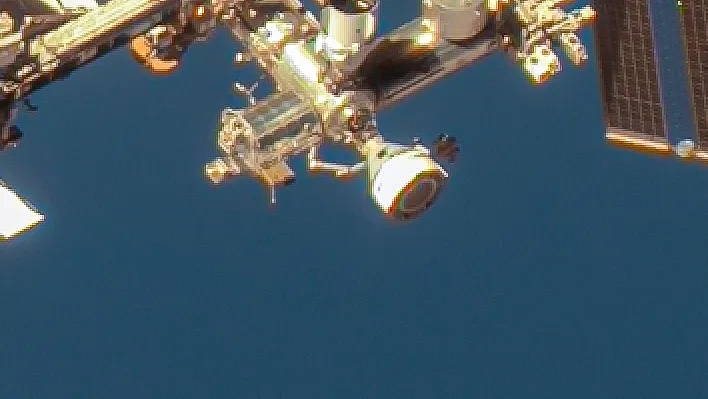
Starliner Captured from Space (June 13, 2026)
Chang’e 6 Lunar Sample Transfer (June 13, 2026)

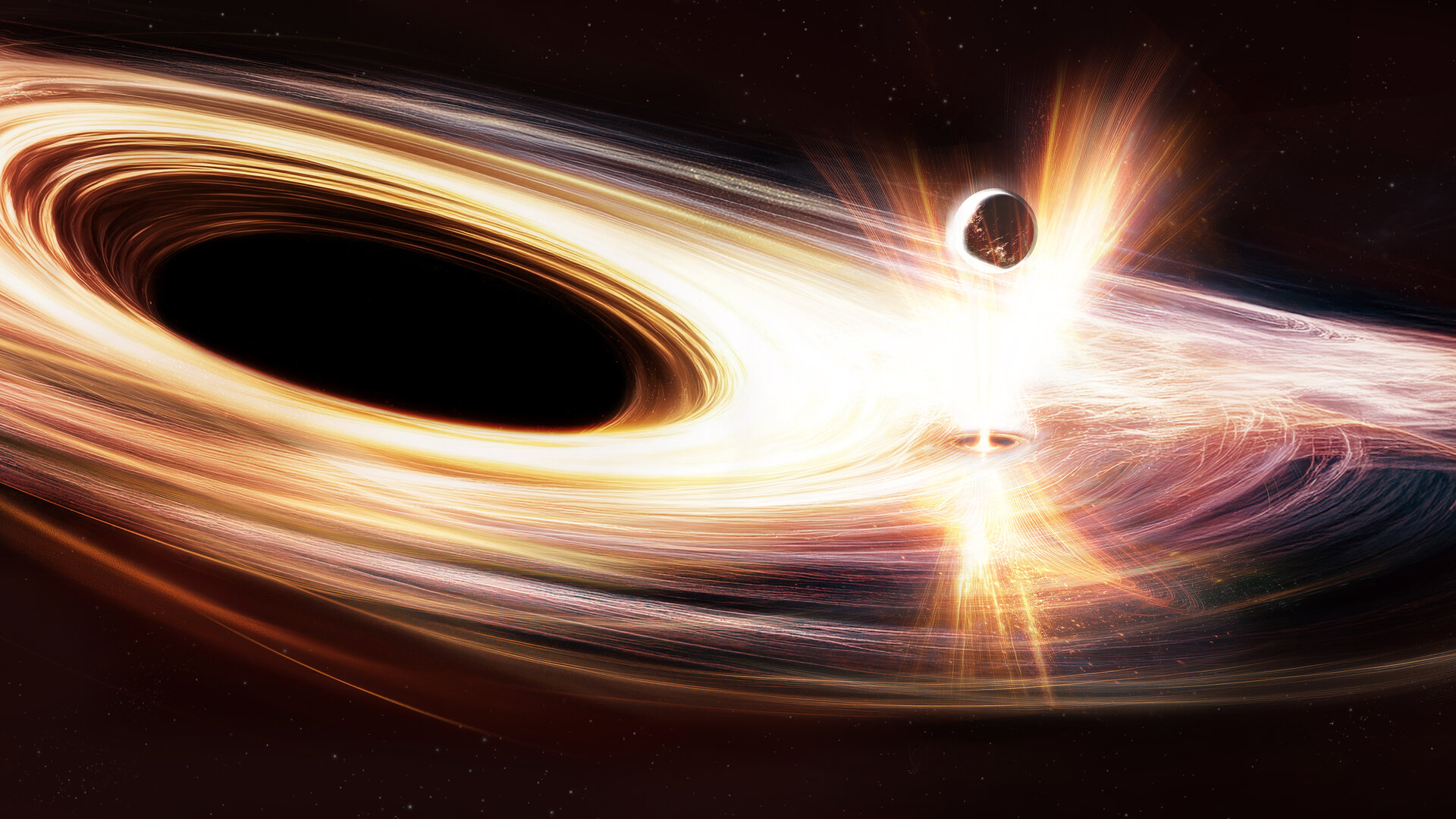
Awakening of a Massive Black Hole (June 18, 2026)
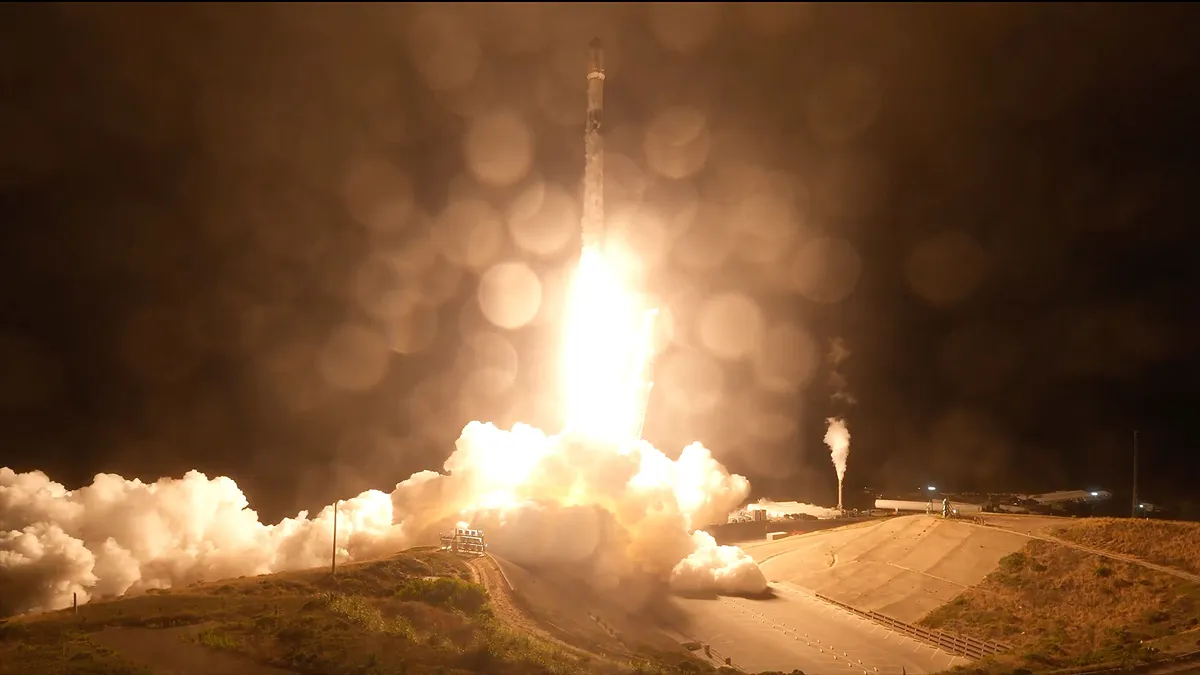
SpaceX Launches NROL-179 Mission (June 19, 2026)
Space-Related Birthdays
| Astronaut | Birthday | Birth Year | FCC Callsign | Flights | Notes |
| Liu Yang | June 16 | 1978 | N/A | Shenzhou 9 | Liu Yang made history as the first Chinese woman to travel into space during the Shenzhou 9 mission in 2012. She performed various medical experiments and tested the docking capabilities of the Tiangong-1 space lab. |
| Brian Duffy | June 20 | 1953 | N5WQW | STS-45, STS-57, STS-72, STS-92 | Brian Duffy is a retired NASA astronaut who flew on four Space Shuttle missions, serving as commander for the final two. His missions focused on atmospheric research and the construction of the International Space Station. |
| Ulf Merbold | June 20 | 1941 | DB1KM | STS-9, STS-42, Soyuz TM-20 | Ulf Merbold became the first West German citizen in space and the first non-American to fly on a NASA mission. He conducted numerous microgravity experiments during his three missions to the Space Shuttle and Mir space station. |
| Gennady Padalka | June 21 | 1958 | RN3DT | Mir EO-26, Expedition 9, 19, 20, 31, 32, 43, 44 | Padalka is a veteran cosmonaut who formerly held the world record for the most cumulative time spent in space. He has commanded the International Space Station multiple times and conducted numerous spacewalks throughout his career. |
| Oleg Kononenko | June 21 | 1964 | RN3DX | Expedition 17, 30, 31, 44, 45, 58, 59, 70, 71 | Oleg Kononenko currently holds the world record for the most total time spent in space, surpassing 1,000 days in 2024. He has served as the commander of the International Space Station and is a key figure in the Russian space program. |
This Week in Space History
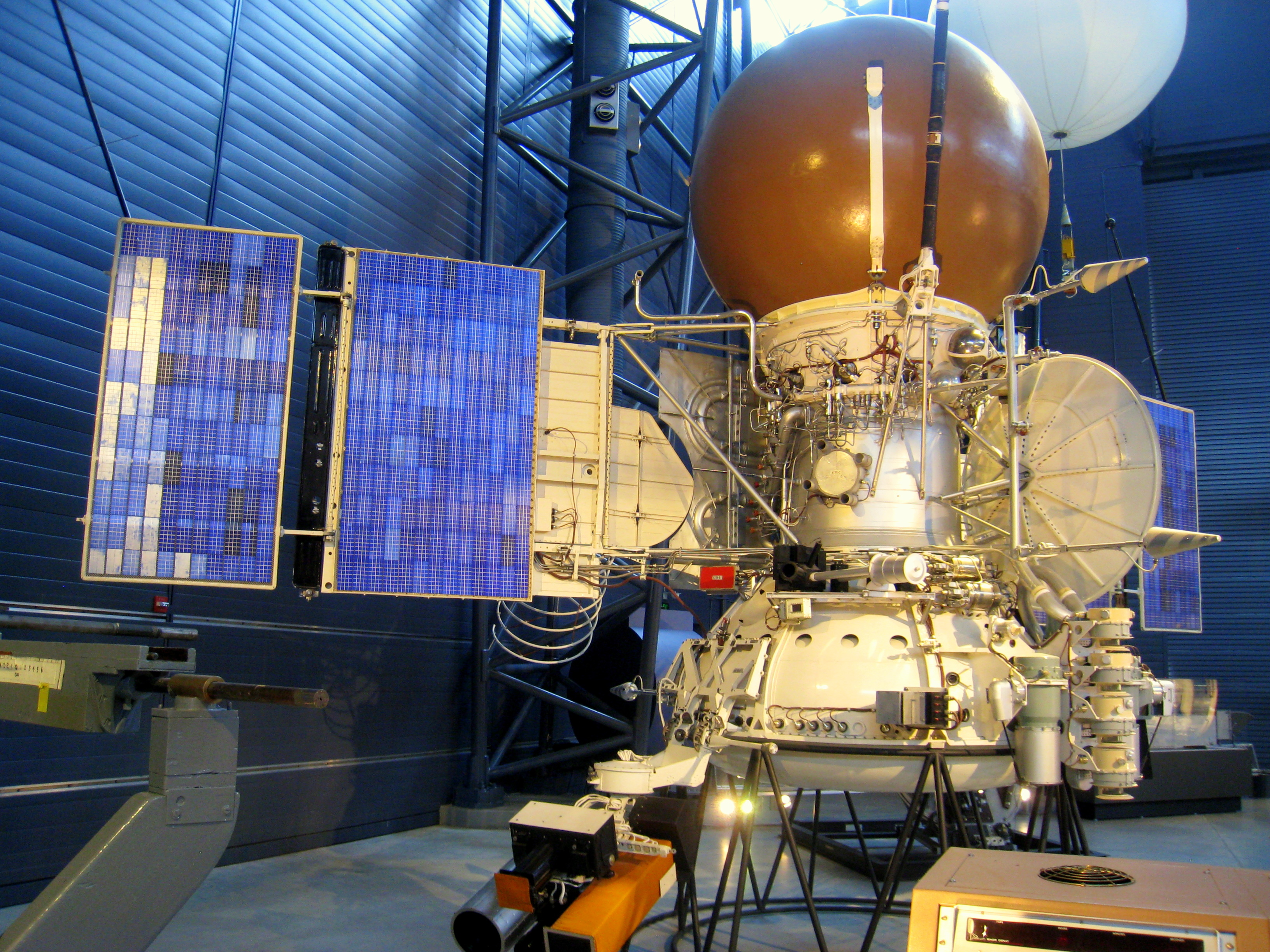
Vega 2 Flyby of Venus (June 15, 1985)
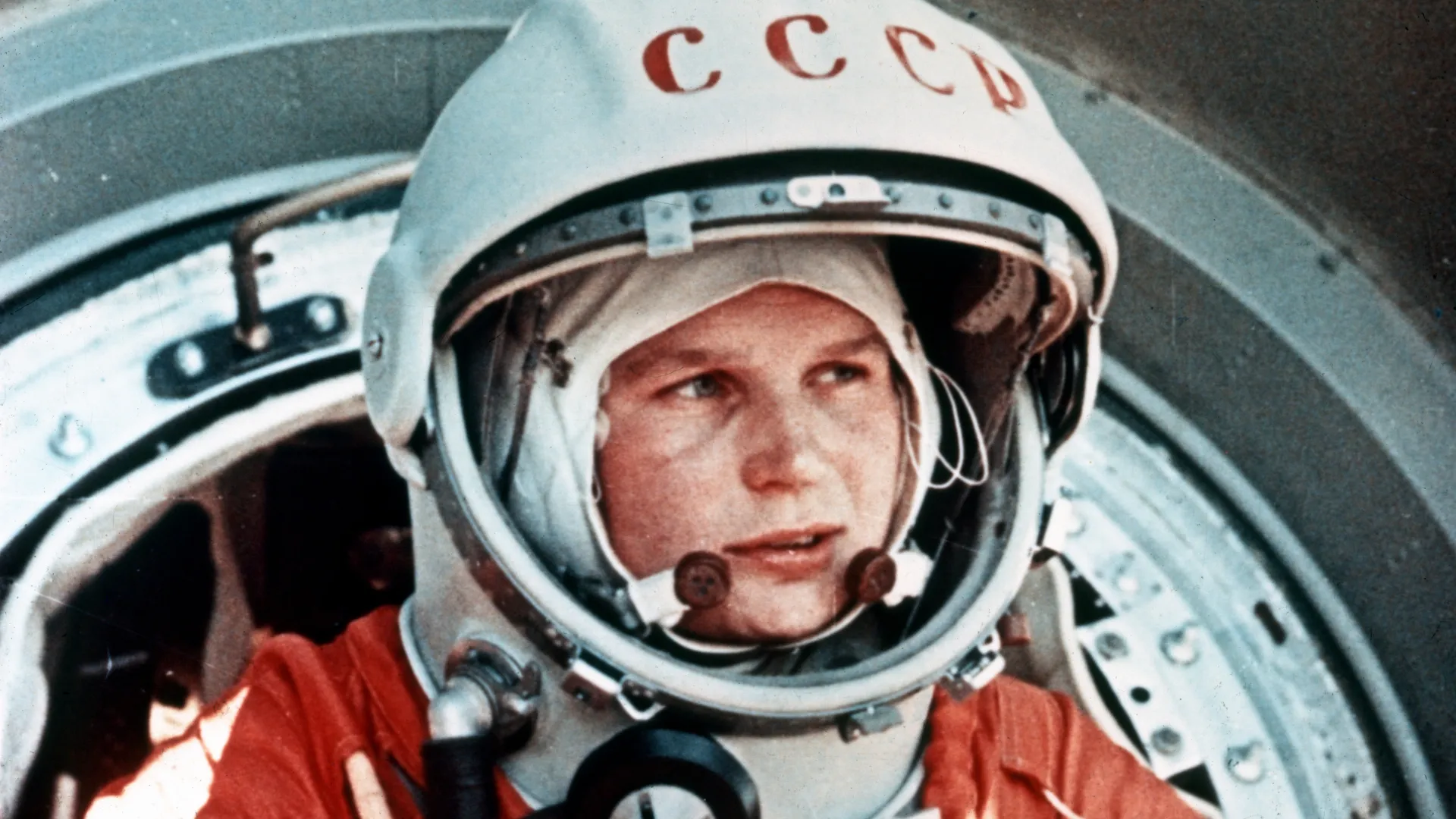
Valentina Tereshkova Becomes First Woman in Space (June 16, 1963)
Viking 1 Enters Mars Orbit (June 19, 1976)

Sally Ride Becomes First American Woman in Space (June 18, 1983)

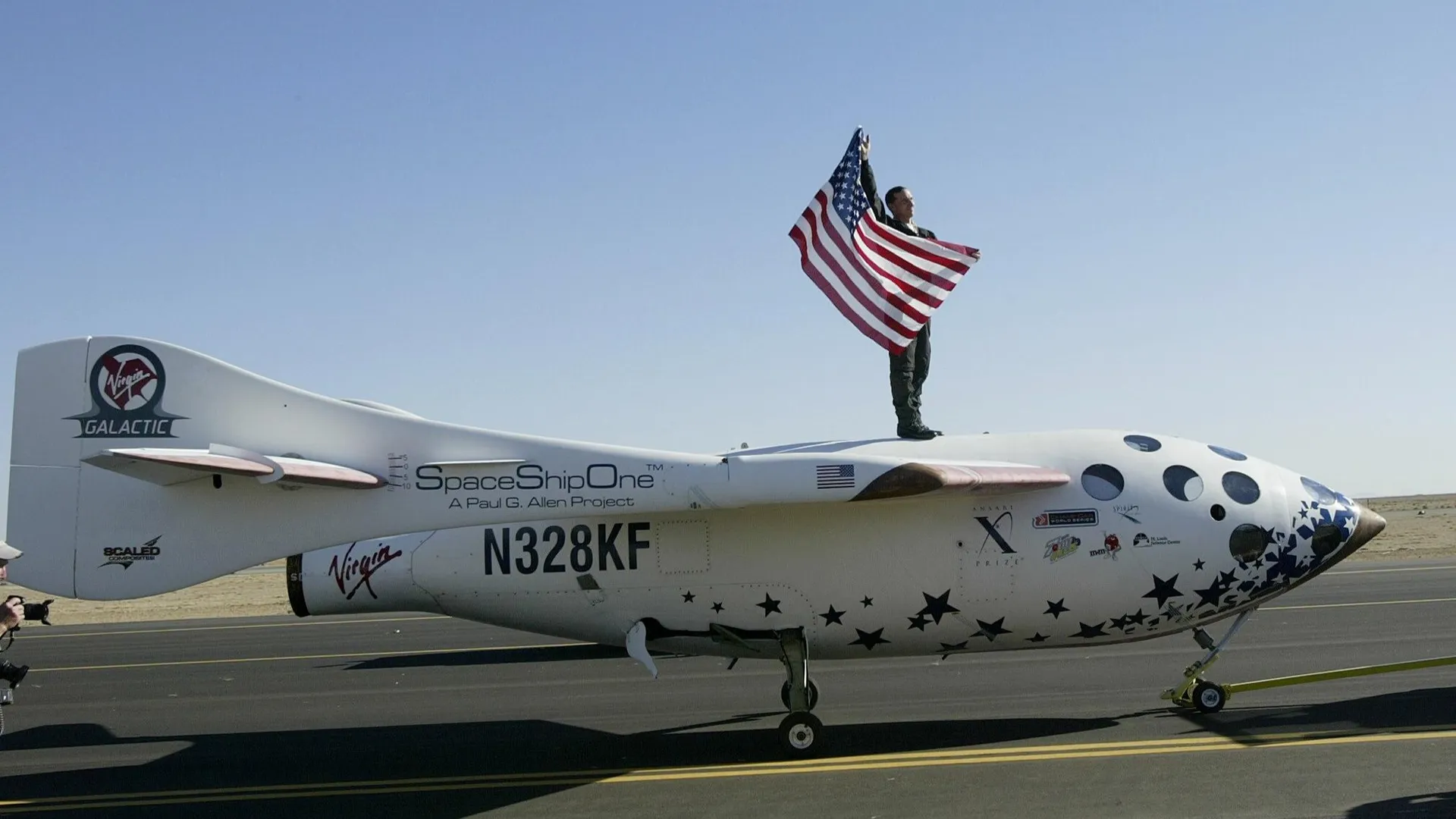
SpaceShipOne Completes First Private Human Spaceflight (June 21, 2004)
Miss Carolyn’s Constellation of the Week
“Bootes the Shepherd” and “Corona Borealis the Northern Crown”
Space Launches For This Week
Space Flight Now Launch Schedule
TBD Electron • ‘Ten Owl of Ten’
Launch time: Window opens at 8:40 a.m. NZT on June 18 (4:40 p.m. EDT / 2040 UTC on June 17)
Launch site: Launch Complex 1, Mahia, New Zealand
A Rocket Lab Electron rocket will launch a StriX synthetic aperture radar satellite on behalf of Japan-based Earth imaging company, Synspective. The satellite will be launched into a circular low Earth orbit at an altitude of 552 km and an inclination of 42 degrees. This is the 10th StriX satellite launched by Rocket Lab with 17 more missions booked to deploy the rest of its constellation. Delayed from June 17/18 “to conduct additional checkouts before launch.”
Updated: June 17
June 21 Falcon 9 • Starlink 17-28
Launch time: Window opens at 7 a.m. PDT (10 a.m. EDT / 1400 UTC)
Launch site: SLC-4E, Vandenberg Space Force Base, California
A SpaceX Falcon 9 rocket will launch a batch of 24 Starlink V2 Mini Optimized satellites into low Earth orbit. More than eight minutes after liftoff, the first stage booster, tail number B1063, launching for a 33rd time, will land on the drone ship, ‘Of Course I Still Love You,’ positioned in the Pacific Ocean. Delayed from June 20.
Updated: June 18
June 23 Falcon 9 • Starfall Demo
Launch time: Window opens at 6:43 a.m. EDT (1043 UTC)
Launch site: SLC-40, Cape Canaveral Space Force Station, Florida
A SpaceX Falcon 9 rocket will launch a demo mission for its new re-entry vehicle called Starfall. Documents filed with the Federal Aviation Administration describe Starfall as “a cylindrical shaped capsule approximately 0.75 meters (2.5 feet) tall with a diameter of 3.1 meters (10.2 feet), weighing approximately 2,100 kilograms (4,600 pounds), and capable of carrying 1,000 kilograms (2,200 pounds) of payload, for a total weight of 3,100 kilograms (6,800 pounds).” SpaceX requested to perform two Starfall re-entries in the Pacific Ocean, but it’s unclear if two spacecraft will be launched on this mission.
Updated: June 18
June 24/25 Falcon 9 • Starlink 17-45
Launch time: Window opens at 7:48 p.m. PDT (10:48 p.m. EDT / 0248 UTC)
Launch site: SLC-4E, Vandenberg Space Force Base, California
A SpaceX Falcon 9 rocket will launch a batch of 24 Starlink V2 Mini Optimized satellites into low Earth orbit. More than eight minutes after liftoff, the first stage booster, tail number B1081, launching for a 25th time, will land on the drone ship, ‘Of Course I Still Love You,’ positioned in the Pacific Ocean. Delayed from June 23/24.
Updated: June 18
NET July 2 Atlas 5 • Leo Atlas 08
Launch time: Window opens at 12:24 a.m. EDT (0424 UTC)
Launch site: SLC-41, Cape Canaveral Space Force Station, Florida
A United Launch Alliance Atlas 5 rocket will launch a batch of 29 Amazon Leo satellites into low Earth orbit. This is the ninth and final Atlas 5 rocket that the tech giant booked to launch its broadband internet satellites. Moved up from July 3.
Updated: June 18
Late summer Alpha • FLTA008
Launch time: TBD
Launch site: SLC-2, Vandenberg Space Force Base, California
A Firefly Aerospace Alpha rocket will launch on mission for a yet unannounced customer. This will be the debut of the Block 2 iteration of the rocket, which features larger liquid oxygen tanks on both the first and second stages, increasing the overall length of the rocket by two meters.
Updated: May 05
Visible satellite passages over the next couple of days.
You can use the http://www.heavens-above.com website to find out what’s in orbit and
where to look during fly-overs
All times are “local” (Dallas) time.

We currently have the following people checked in via w5fc.org…
