
Waz Up
Space Exploration and Space History
Space Exploration News
SpaceX Launches its Biggest, Most Beefed-up Starship Yet on a Test Flight (May 22, 2026)
Near-Earth Asteroid 2026 JH2 Makes an Exceptionally Close, Safe Flyby of Earth (May 18, 2026)
ESA and CAS Joint SMILE Mission Launches to Study Earth’s Magnetic Shield (May 19, 2026)

SpaceX Files S-1 Registration for Landmark Initial Public Offering (May 20, 2026)
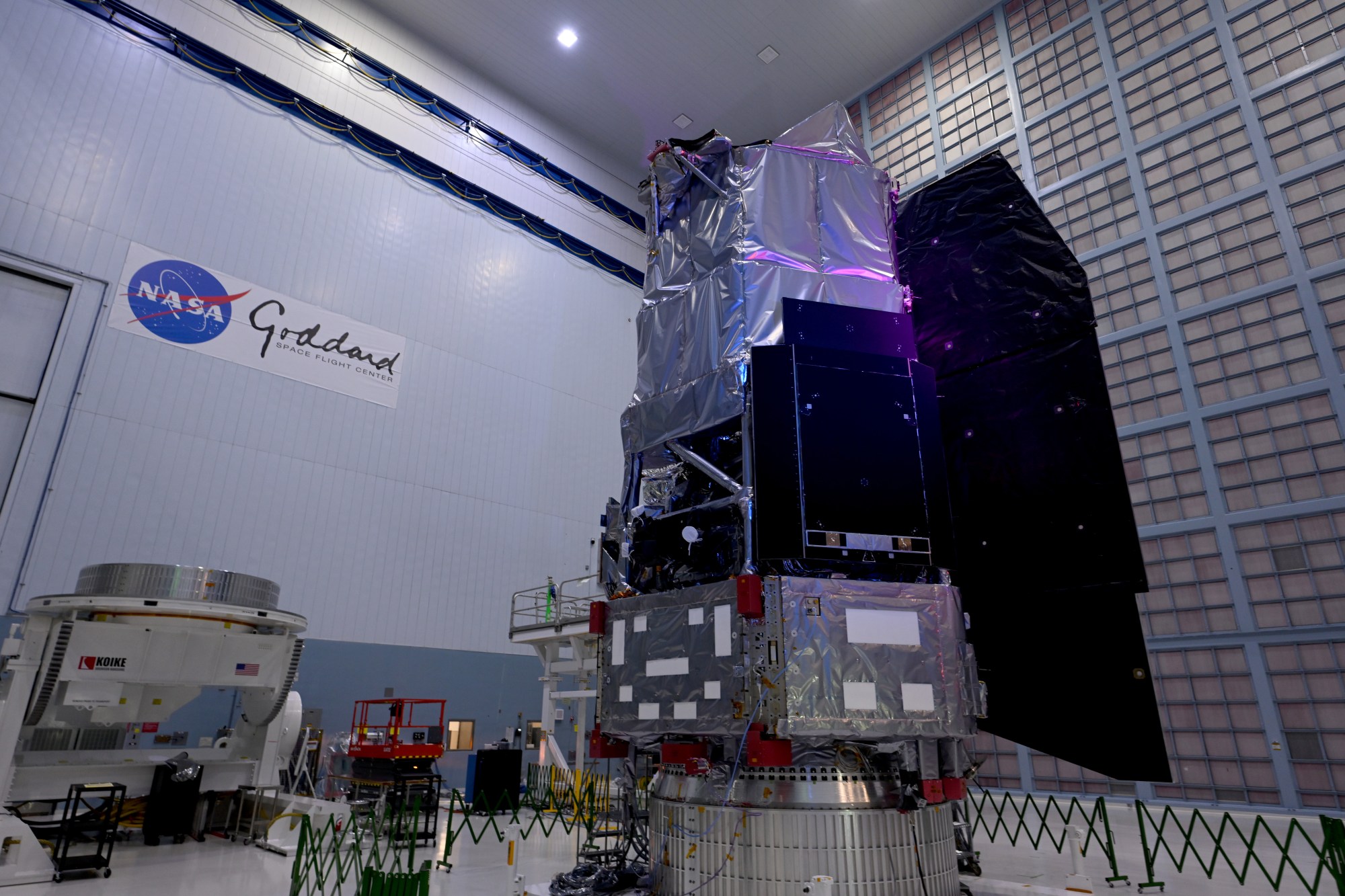
NASA Accelerates Nancy Grace Roman Space Telescope Launch Target to September 2026
Space-Related Birthdays
| Astronaut | Birthday | Birth Year | FCC Callsign | Flights | Notes |
| Joseph M. Acaba | May 17 | 1967 | KE5DAR | STS-119, Soyuz TMA-04M, Soyuz MS-06 | He served as a Mission Specialist on STS-119, during which he performed two spacewalks to help install the final set of solar arrays on the International Space Station. On his subsequent long-duration missions, he conducted scientific research and logged over 300 days in space across his career. |
| Don L. Lind | May 18 | 1930 | None | STS-51-B | He flew as a Mission Specialist on Space Shuttle Challenger during the STS-51-B mission, which carried the Spacelab-3 science laboratory into orbit. During the mission, he conducted significant research into Earth’s aurora and space physics, drawing on his background as a nuclear physicist. |
| Dick Scobee | May 19 | 1939 | None | STS-41-C, STS-51-L | He served as pilot on the STS-41-C mission, which successfully repaired the Solar Maximum Mission satellite in orbit. He later commanded the tragic STS-51-L mission of the Space Shuttle Challenger, which broke apart 73 seconds after liftoff, claiming the lives of all seven crew members. |
| David M. Walker | May 20 | 1944 | None | STS-51-A, STS-30, STS-53, STS-69 | He commanded three of his four Space Shuttle flights, including the STS-30 mission which successfully deployed the Magellan spacecraft to Venus. Throughout his distinguished naval and astronaut career, he logged more than 724 hours in space and helped advance satellite retrieval techniques. |
| Anatoli Levchenko | May 21 | 1941 | None | Soyuz TM-4 / Soyuz TM-3 | He flew to the Mir space station as a research cosmonaut on the Soyuz TM-4 mission in December 1987. He completed this flight as part of his training to command the planned Soviet Buran space shuttle, though his career was cut short when he died of a brain tumor the following year. |
| Sultan Al Neyadi | May 23 | 1981 | None | SpaceX Crew-6 (Expedition 68/69) | He made history as the first Arab astronaut to complete a long-duration space mission, spending six months aboard the International Space Station as part of Expedition 69. During this mission, he also became the first Arab astronaut to conduct a spacewalk, performing critical maintenance outside the station. |

This Week in Space History
Soviet Union’s Venera 6 Atmospheric Entry May 17 (1969)
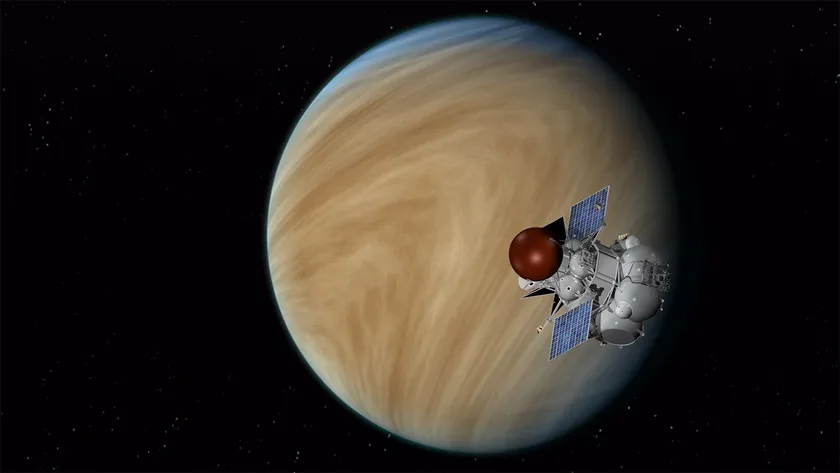
Launch of Apollo 10 (Lunar Landing Dress Rehearsal) May 18 (1969)
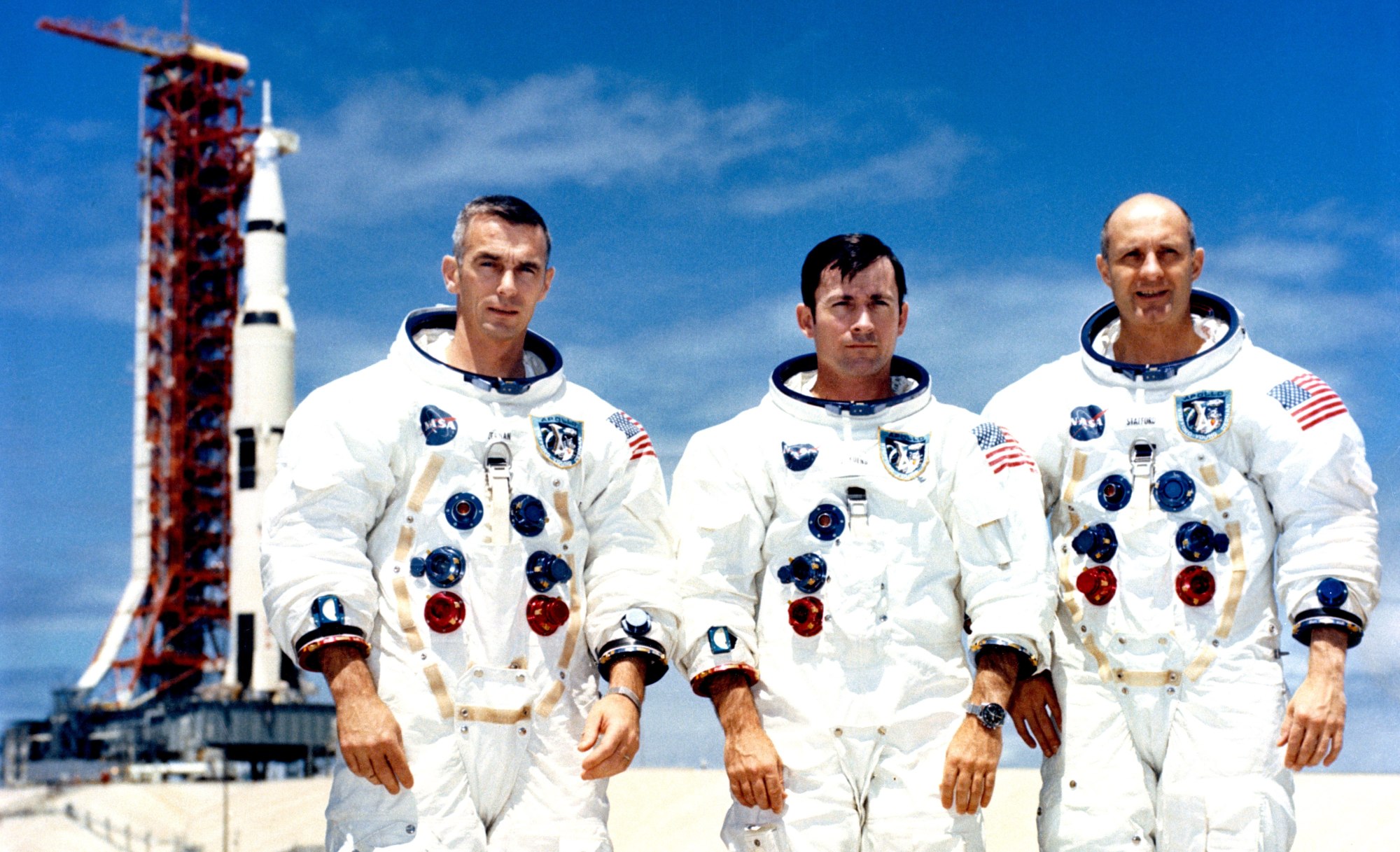
Soviet Union’s Mars 2 Interplanetary Launch May 19 (1971)

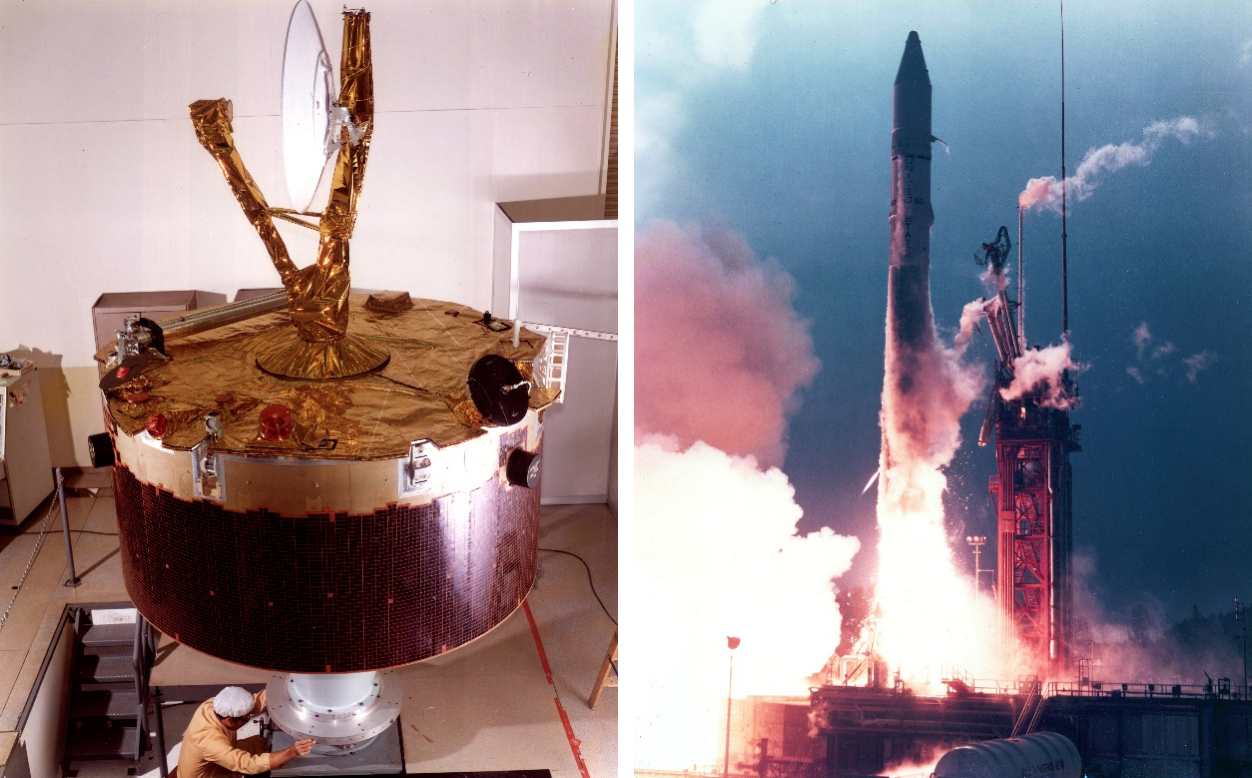
Launch of NASA’s Pioneer Venus Orbiter May 20 (1978)
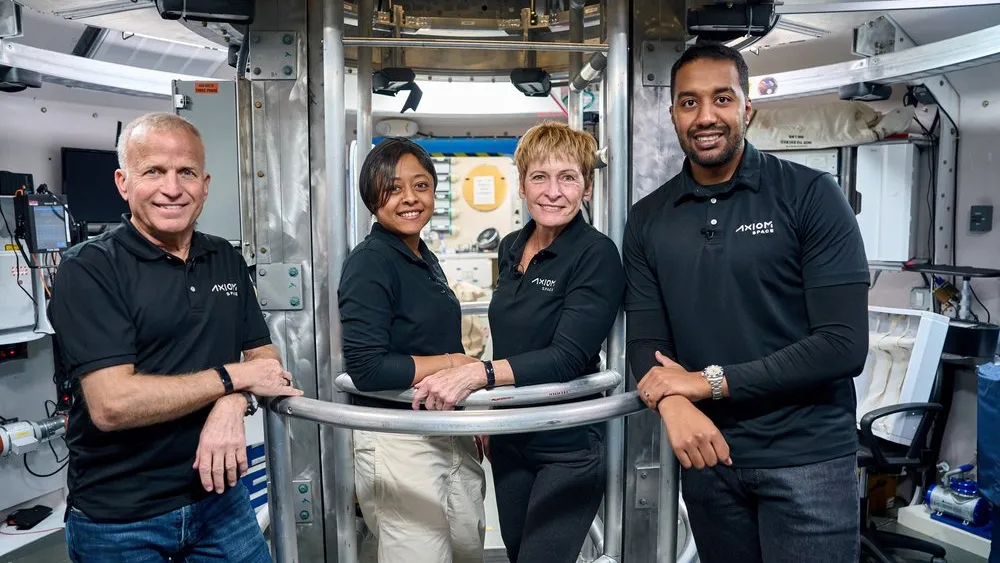
Launch of Axiom Mission 2 (Ax-2) May 21 (2023)
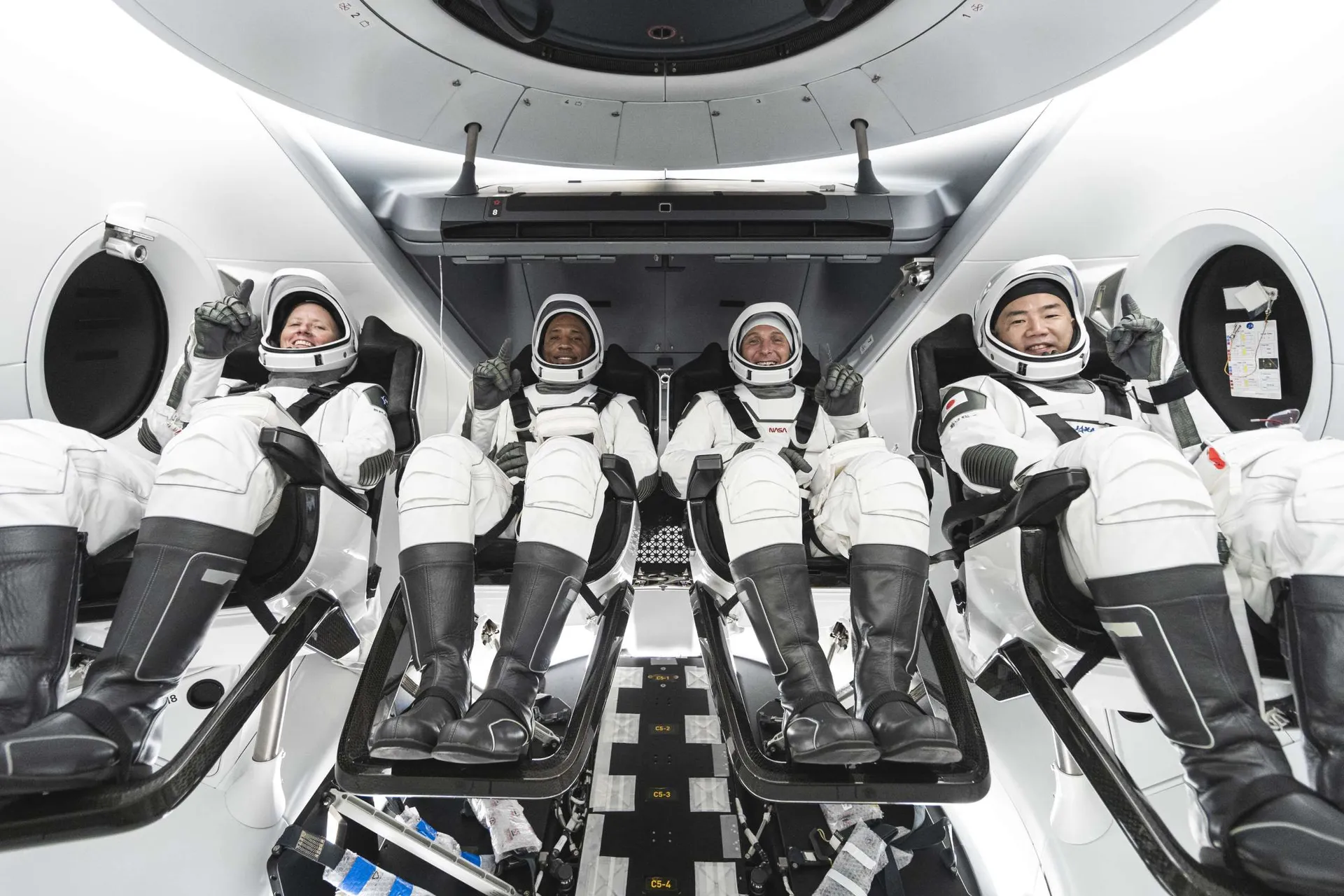
Launch of SpaceX Dragon C2+ (First Commercial ISS Visit) May 22 (2012)
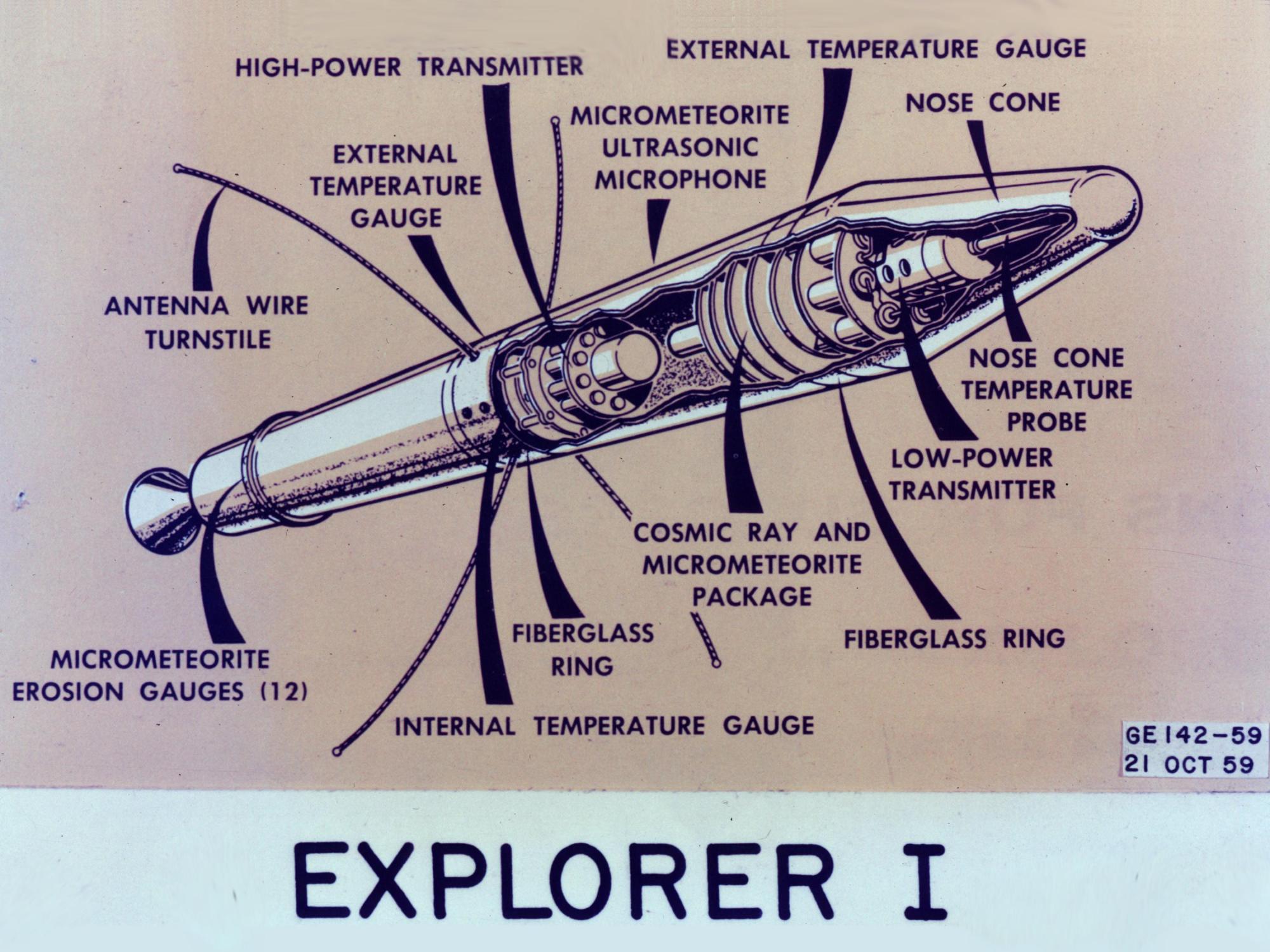
Final Transmission of Explorer 1 (First U.S. Satellite) May 23 (1958)
Miss Carolyn’s Constellation of the Week
Constellation “Virgo the Maiden”
Space Launches For This Week
Space Flight Now Launch Schedule
May 27 Falcon 9 • Starlink 17-41
Launch time: Window opens at 7 a.m. PDT (10 a.m. EDT / 1400 UTC)
Launch site: SLC-4E, Vandenberg Space Force Base, California
A SpaceX Falcon 9 rocket will launch a batch of 24 Starlink V2 Mini Optimized satellites into low Earth orbit. More than eight minutes after liftoff, the first stage booster, tail number B1082, launching for a 22nd time, will land on the drone ship, ‘Of Course I Still Love You,’ positioned in the Pacific Ocean.
Updated: May 18
May 29 Falcon 9 • Starlink 10-53
Launch time: Window opens at 7:52 a.m. EDT (1152 UTC)
Launch site: SLC-40, Cape Canaveral Space Force Station, Florida
A SpaceX Falcon 9 rocket will launch 29 Starlink V2 Mini Optimized satellites into low Earth orbit. The first stage booster, tail number 1085, launching for a 16th time, will land on the drone ship, ‘A Shortfall of Gravitas,’ positioned in the Atlantic Ocean.
Updated: May 20
NET May 29 Atlas 5 • Leo Atlas 07
Launch time: Window opens at 12:27 p.m. EDT (1627 UTC)
Launch site: SLC-41, Cape Canaveral Space Force Station, Florida
A United Launch Alliance Atlas 5 rocket will launch a batch of 29 Amazon Leo satellites into low Earth orbit. This is the penultimate mission that the tech giant booked on an Atlas 5 rocket. Delayed from May 22 in order to repair a flight component.
Updated: May 18
May 31 Falcon 9 • Starlink 17-47
Launch time: TBD
Launch site: SLC-4E, Vandenberg Space Force Base, California
A SpaceX Falcon 9 rocket will launch a batch of 24 Starlink V2 Mini Optimized satellites into low Earth orbit. More than eight minutes after liftoff, the first stage booster, tail number B1088, launching for a 16th time, will land on the drone ship, ‘Of Course I Still Love You,’ positioned in the Pacific Ocean.
Updated: May 20
TBD Falcon 9 • Globalstar 2-R Launch 1
Launch time: TBD
Launch site: SLC-40, Cape Canaveral Space Force Station, Florida
A SpaceX Falcon 9 rocket will launch nine of its HIBLEO-4 satellites into low Earth orbit. This is the first of two launches that constitute a replenishment of its HIBLEO-4 fleet. Nearly 8.5 minutes after liftoff, the Falcon 9 first stage booster, tail number B1090, launching for a 12th time, will target a landing on the drone ship, ‘A Shortfall of Gravitas’, positioned in the Atlantic Ocean. Delayed from May 18. Delayed from May 20.
Updated: May 18
Visible satellite passages over the next couple of days.
You can use the http://www.heavens-above.com website to find out what’s in orbit and
where to look during fly-overs

