
IO Group: https://groups.io/g/DARCskynet/topics
Facebook Group: http://www.facebook.com/groups/306498286059167/
Saturday’s DARC SkyNet is at 9PM CT.
Discussion Topic of the Evening.
The Big Project Hail Mary Quarterly Wrap Up!





Waz Up
Space Exploration and Space History
Space Exploration News
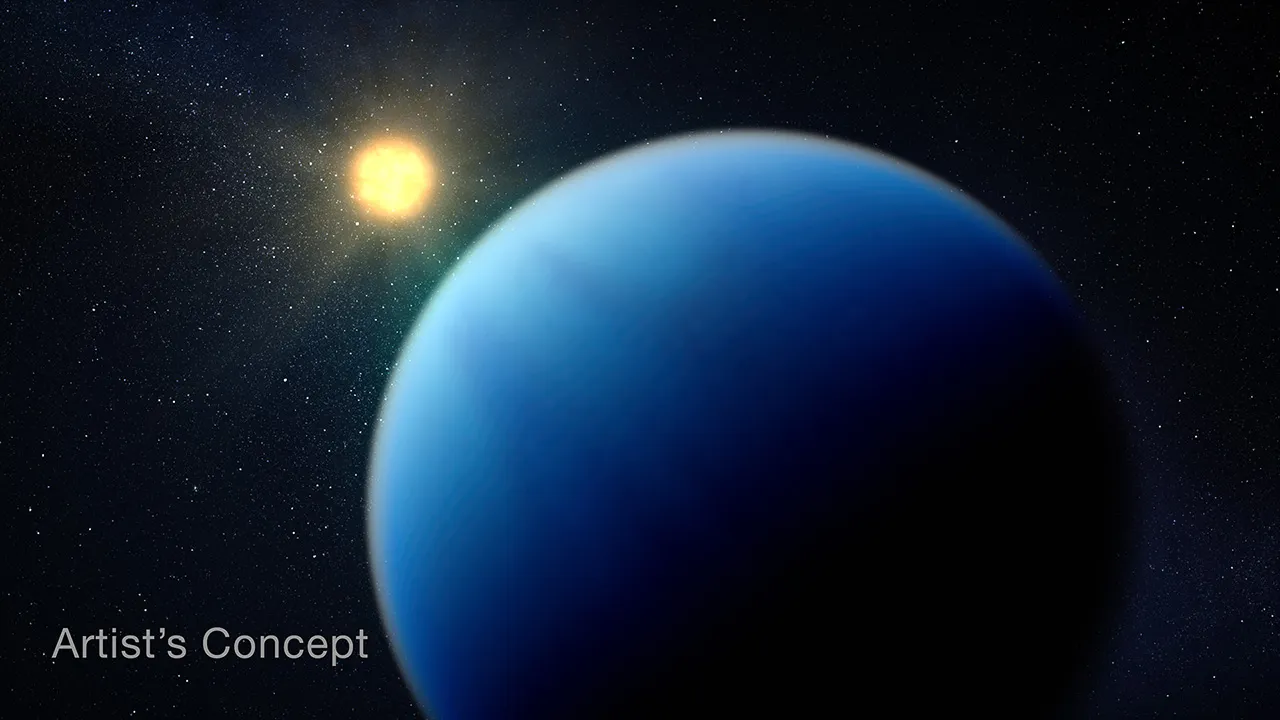
Coldest Exoplanet Discovery (May 1, 2026)
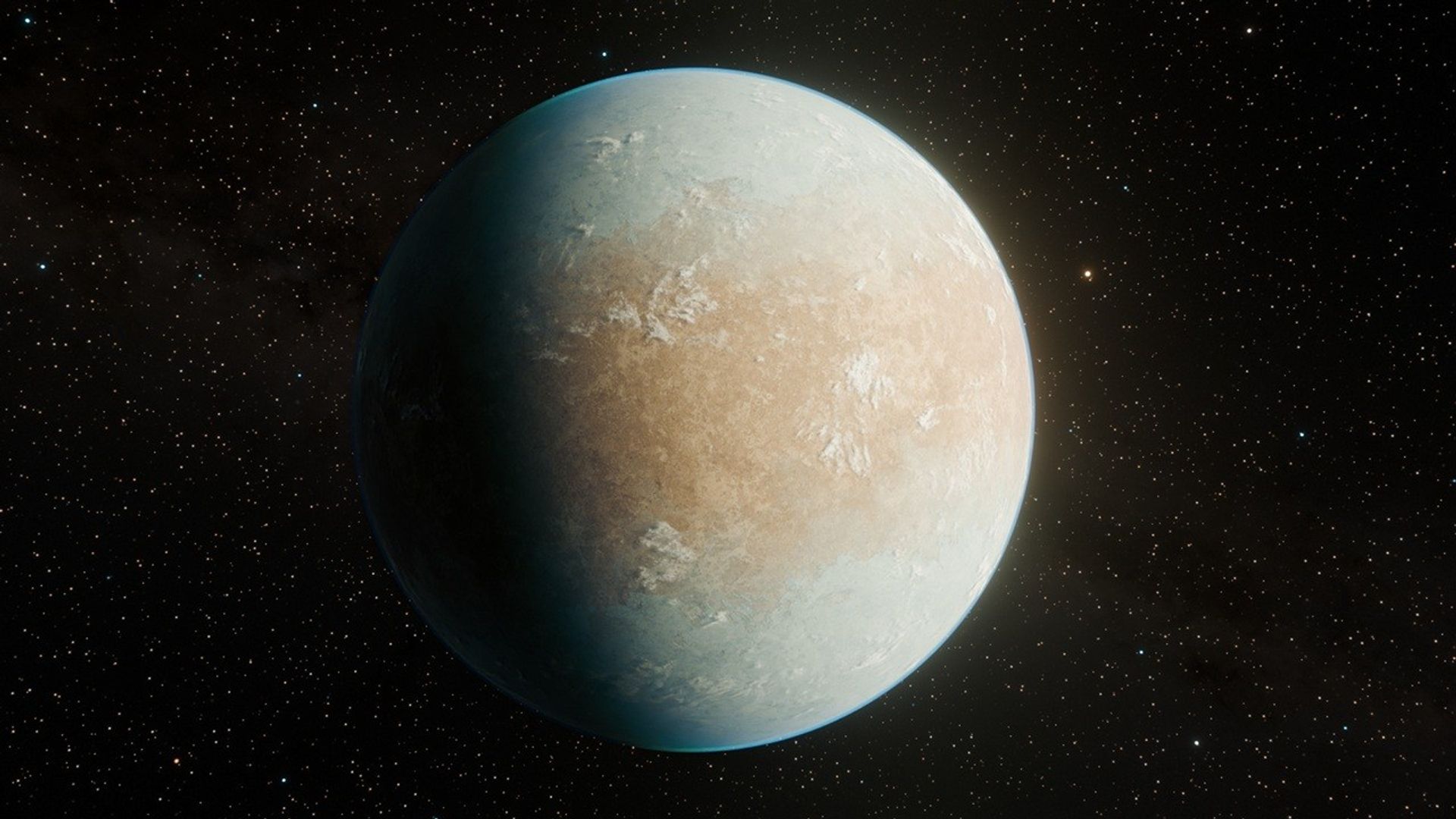
James Webb Identifies Water on Sub-Neptune (May 3, 2026)
Starbase, Texas Officially Becomes a City (May 5, 2026)
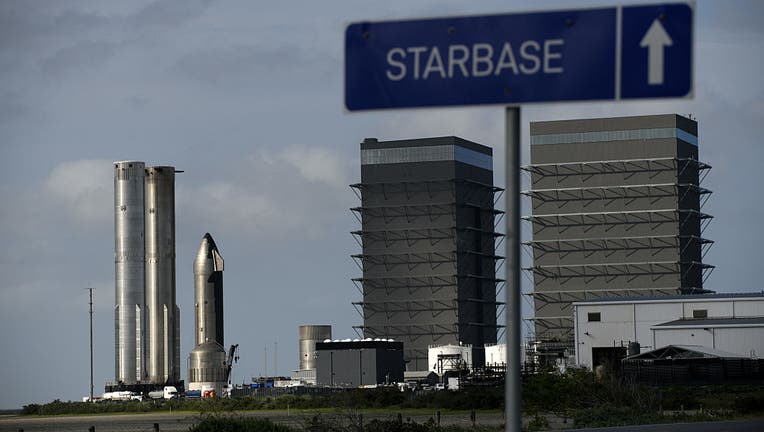
Starship Flight 9 FAA Approval (May 6, 2026)

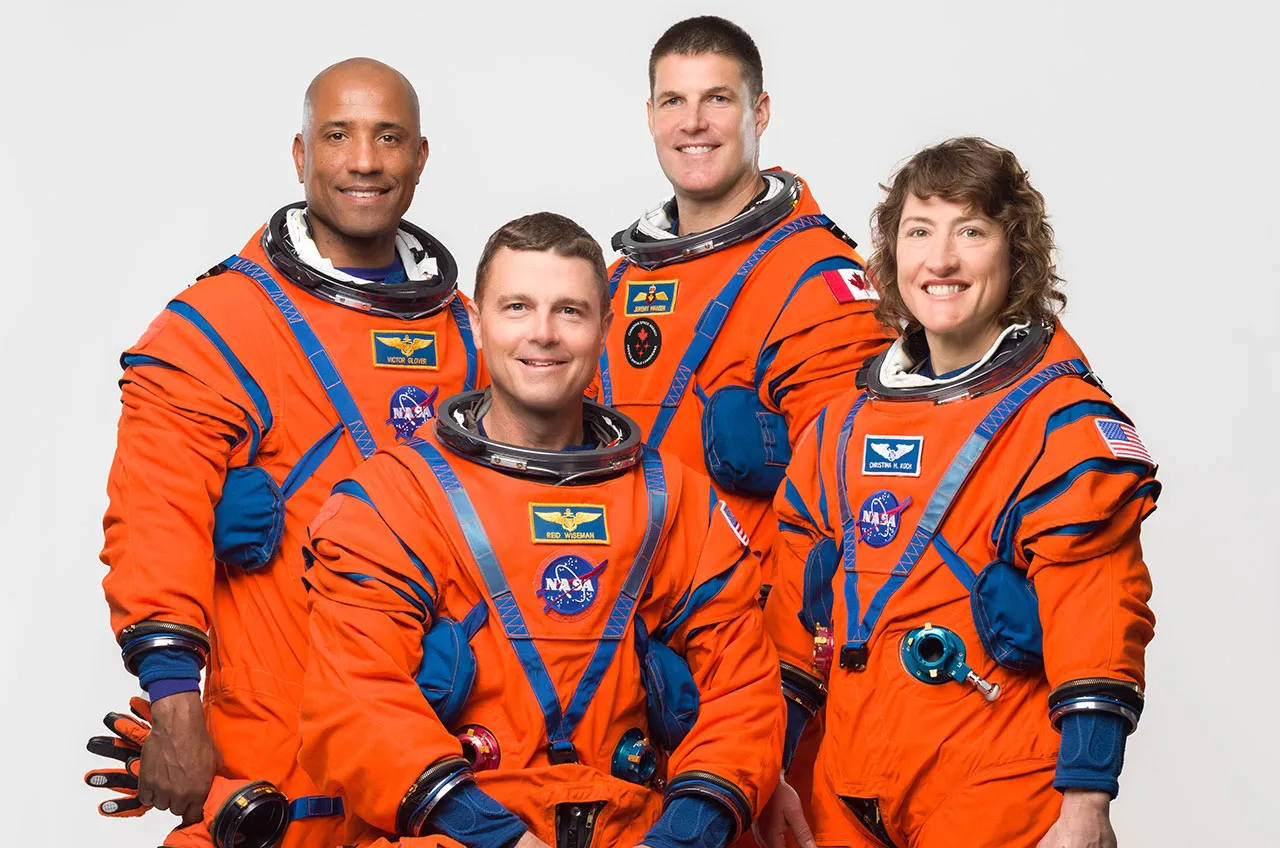
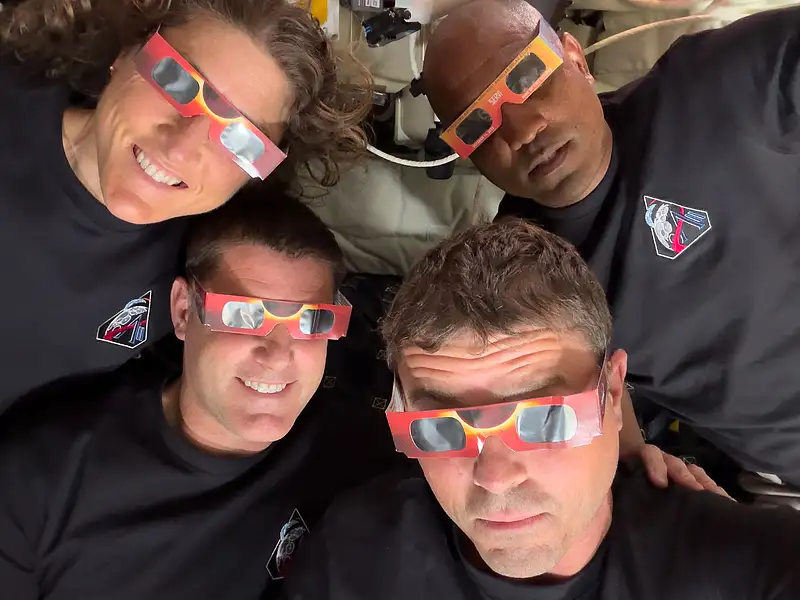
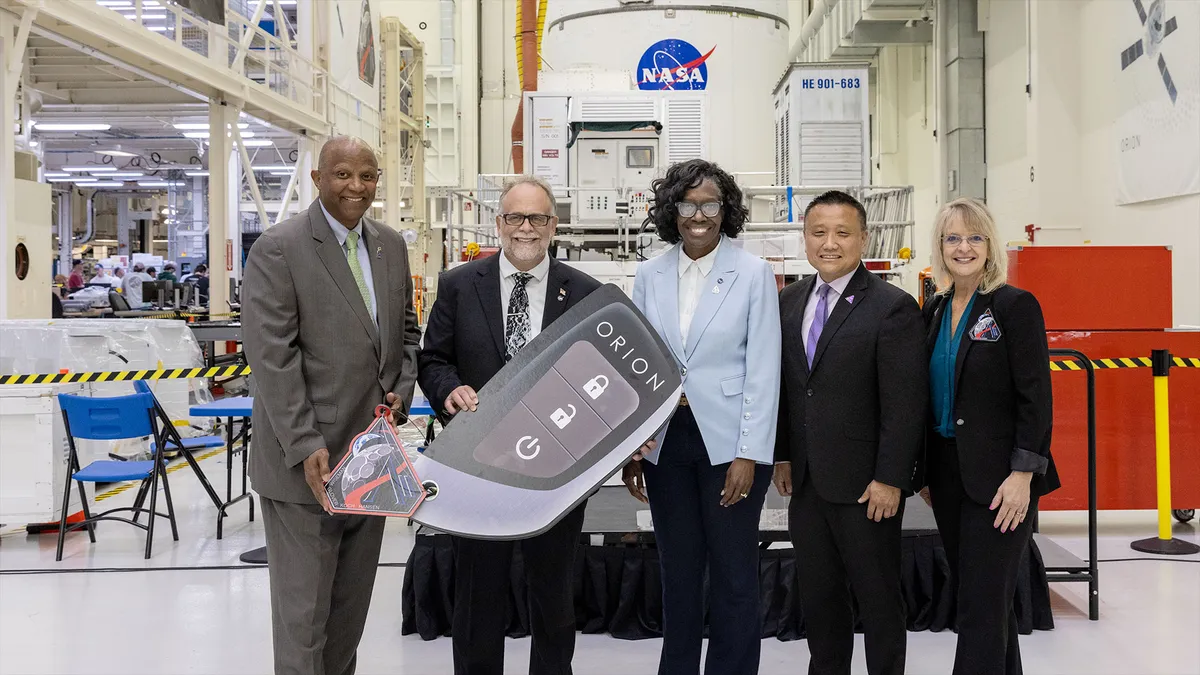
NASA Orion Spacecraft Handover (May 7, 2026)
Pentagon Declassifies New UAP Videos and Files (May 8, 2026)

Space-Related Birthdays
| Astronaut | Birthday | Birth Year | FCC Callsign | Flights | Notes |
| Albert Sacco Jr. | May 3 | 1949 | KD5VDR | STS-73 | A chemical engineer who conducted materials science experiments on the Space Shuttle Columbia. He focused on zeolite crystal growth to improve industrial applications on Earth. |
| Loral O’Hara | May 3 | 1983 | KI5SZE | Expedition 70 | Served as a flight engineer on the International Space Station after launching on Soyuz MS-24. She performed numerous scientific experiments and maintenance tasks during her 200+ day stay. |
| Michael J. Adams | May 5 | 1930 | None | X-15 Flight 191 | An American aviator who reached an altitude of over 50 miles in the X-15 rocket plane. He was posthumously awarded astronaut wings after his tragic final flight in 1967. |
| Douglas H. Wheelock | May 5 | 1960 | KF5BOC | STS-120, Exp 24/25 | Logged more than 178 days in space and conducted six spacewalks during his career. He served as the commander of the International Space Station during Expedition 25. |
| David Leestma | May 6 | 1949 | N5WQC | STS-41-G, STS-28, STS-45 | A veteran of three shuttle missions who performed a historic spacewalk to demonstrate satellite refueling. He later served in several high-level management positions at NASA. |
| Chiaki Mukai | May 6 | 1952 | 7L2YVZ | STS-65, STS-95 | The first Japanese woman in space, she is a cardiovascular surgeon by training. She conducted life science and microgravity research during her two shuttle missions. |
| Donald A. Thomas | May 6 | 1955 | KC5SMM | STS-65, 70, 83, 94 | An engineer who spent 44 days in space across four different shuttle flights. He was a mission specialist primarily involved in microgravity science experiments. |
| Aleksandr Skvortsov | May 6 | 1966 | RV3DR | Exp 23/24, 39/40, 60/61 | A Russian cosmonaut who commanded the International Space Station during two of his three long-duration missions. He spent a total of 545 days in space across his career. |
| Tamara E. Jernigan | May 7 | 1959 | KC5MGF | STS-40, 52, 67, 80, 96 | A planetary scientist who flew on five shuttle missions and performed an eight-hour spacewalk. She contributed significantly to the assembly of the International Space Station. |
| Charles Camarda | May 8 | 1952 | KC5ZSY | STS-114 | Flew on the historic “Return to Flight” mission following the Space Shuttle Columbia disaster. He served as a mission specialist and focused on thermal protection system repairs. |
| Vance D. Brand | May 9 | 1931 | N5UJS | ASTP, STS-5, 41-B, 35 | Served as the Command Module Pilot for the first international docking mission between the US and USSR. He later commanded three Space Shuttle missions, including the first operational flight. |
This Week in Space History
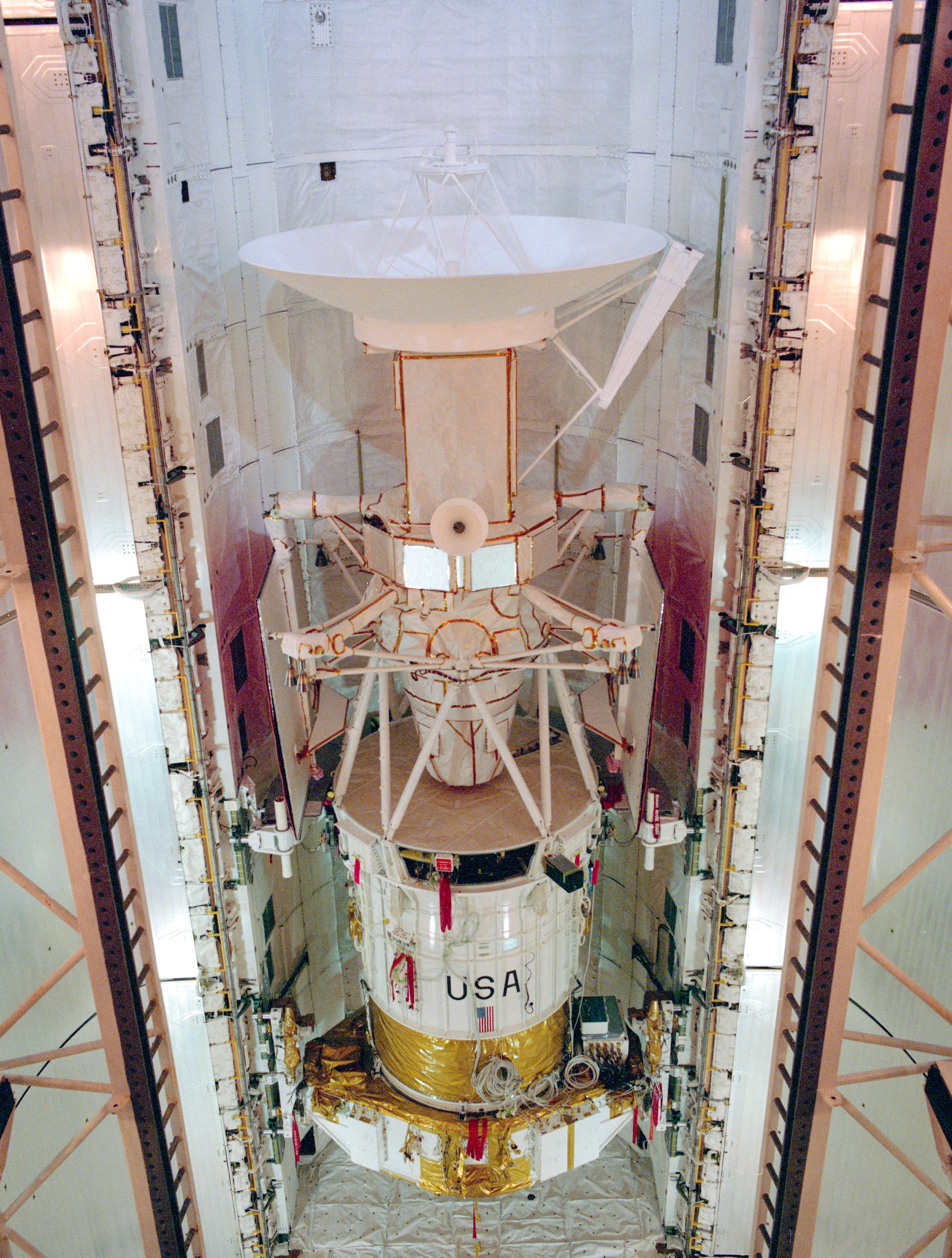
Magellan Probe Launch to Venus (May 4, 1989)
Freedom 7: First American in Space (May 5, 1961)

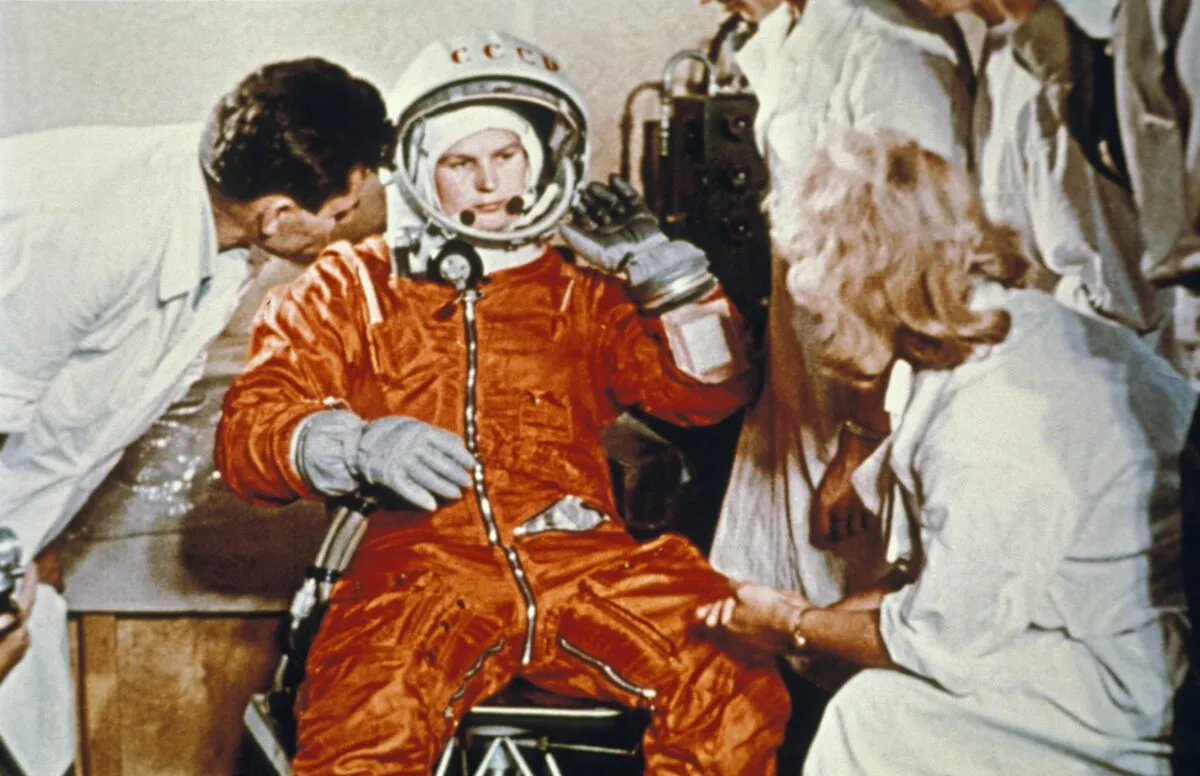
First Woman in Space: Valentina Tereshkova Training (May 1963)
Space Shuttle Endeavour’s First Launch (May 7, 1992)
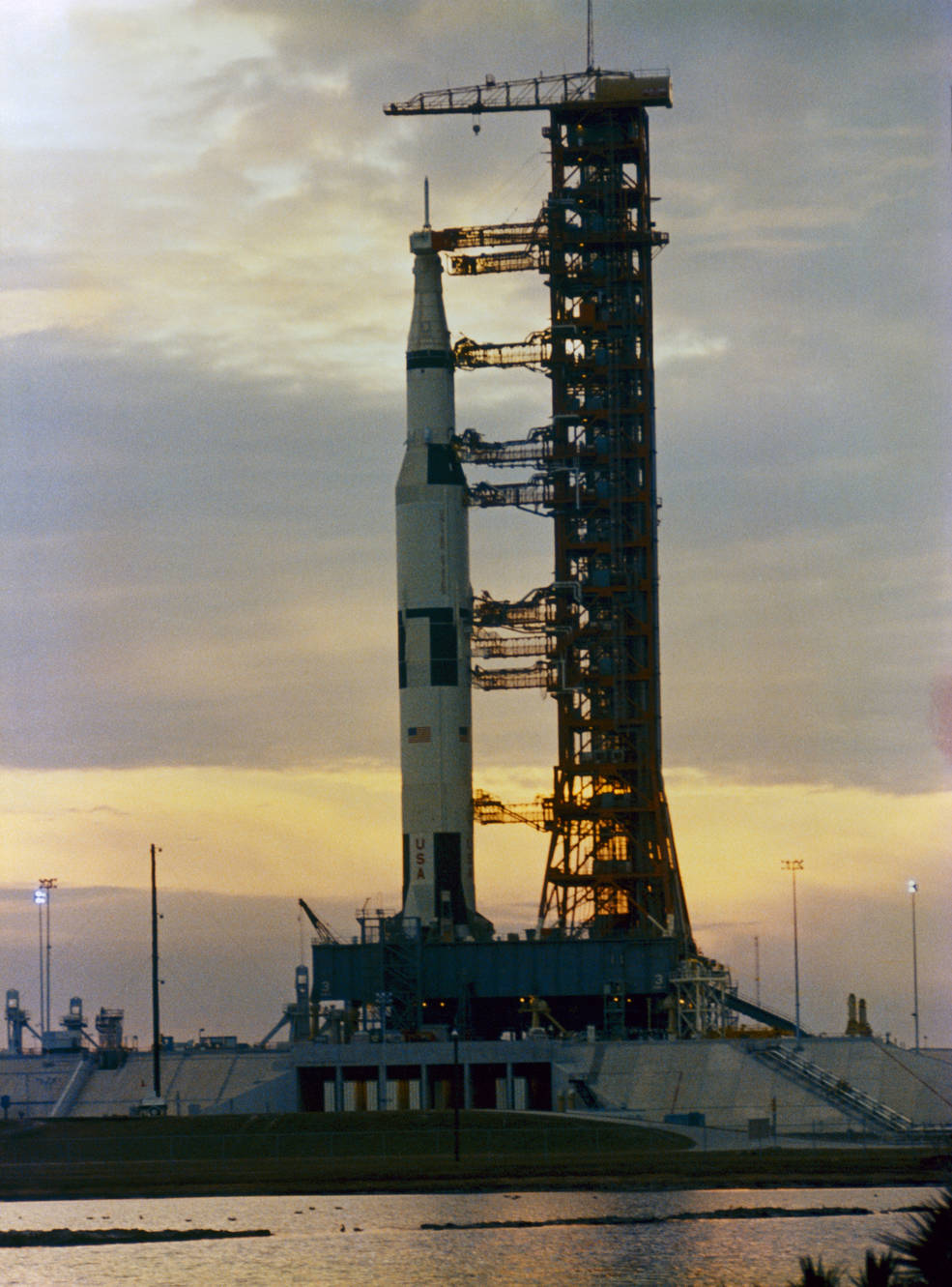
Apollo 10 Rollout to Launch Pad (May 1969)
Miss Carolyn’s Constellation of the Week
Constellations “Ursa Major the Big Bear” and “Ursa Minor the Little Bear”
Space Launches For This Week
Space Flight Now Launch Schedule
NET May 11 Falcon 9 • NROL-172
Launch time: 3:28 p.m. PDT (6:28 p.m. EDT / 2228 UTC)
Launch site: SLC-4E, Vandenberg Space Force Base, California
A SpaceX Falcon 9 rocket will launch the NROL-172 mission for the National Reconnaissance Office. The flight will be the 12th mission supporting the agency’s proliferated architecture, a constellation believed to consist of Starshield satellites. At 8.5 minutes following liftoff, the first stage booster, tail number B1103, launching for a second time, will target a landing on the drone ship, ‘Of Course I Still Love You’, positioned in the Pacific Ocean. Delayed from May 12. Moved up from May 13.
Updated: May 07
NET May 12 Falcon 9 • CRS-34
Launch time: 7:16 p.m. EDT (2316 UTC)
Launch site: SLC-40, Cape Canaveral Space Force Station, Florida
A SpaceX Falcon 9 rocket will launch NASA’s SpaceX CRS-34 mission, part of the agency’s Commercial Resupply Services program. The Dragon spacecraft, tail number C209, flying for a sixth time, will deliver thousands of pound of science and supplies to the International Space Station. The vehicle will arrive at the orbiting outpost after a roughly 38-hour transit, docking on May 14 at about 9:50 a.m. EDT (1350 UTC). Less than eight minutes after liftoff, the first stage booster, tail number B1096, launching for a sixth time, will return for a landing at Landing Zone 40 (LZ-40).
Updated: May 05
May 15 Falcon 9 • Starlink 17-37
Launch time: Window opens at 7 a.m. PDT (10 a.m. EDT / 1400 UTC)
Launch site: SLC-4E, Vandenberg Space Force Base, California
A SpaceX Falcon 9 rocket will launch a batch of 24 Starlink V2 Mini Optimized satellites into low Earth orbit. More than eight minutes after liftoff, the first stage booster, tail number B1097, launching for a ninth time, will land on the drone ship, ‘Of Course I Still Love You,’ positioned in the Pacific Ocean. Booster previously listed as B1103. Delayed from May 9 and 10. Delayed from May 14.
Updated: May 07
NET May 15 Starship • Flight 12
Launch time: Window opens at 5:30 p.m. CDT (6:30 p.m. EDT / 2230 UTC)
Launch site: OLP-B, Starbase, Texas
A SpaceX Starship-Super Heavy rocket (collectively referred to as Starship) will launch from Starbase, Texas, on a suborbital flight. This will be the 12th flight of the integrated launch vehicle and the first launch of a version 3 rocket. SpaceX will launch the mission using the Ship 39 upper stage and Booster 19 first stage. As of May 4, SpaceX hasn’t said whether or not it will attempt to catch the Super Heavy booster back at the launch site.
Updated: May 05
NET May 17 Falcon 9 • Globalstar 2-R Launch 1
Launch time: Window opens at 8:50 a.m. EDT (1250 UTC)
Launch site: SLC-40, Cape Canaveral Space Force Station, Florida
A SpaceX Falcon 9 rocket will launch nine of its HIBLEO-4 satellites into low Earth orbit. This is the first of two launches that constitute a replenishment of its HIBLEO-4 fleet. Nearly 8.5 minutes after liftoff, the Falcon 9 first stage booster, tail number B1090, launching for a 12th time, will target a landing on the drone ship, ‘A Shortfall of Gravitas’, positioned in the Atlantic Ocean.
Updated: May 08
NET May 18/19 Vega-C • Smile
Launch time: 12:52 a.m. local time (11:52 p.m. EDT / 0352 UTC)
Launch site: ZLV pad, Europe’s Spaceport, Kourou, French Guiana
An Avio Vega-C rocket will launch the Smile mission, a collaboration between the European Space Agency (ESA) and the Chinese Academy of Sciences (CAS). The Smile (Solar wind Magnetosphere Ionosphere Link Explorer) is set to deploy from the rocket 57 minutes after liftoff and deploy its solar arrays within 10 minutes after that. It has a planned mission life of three years and will operate in a highly elliptical Earth orbit. According to ESA, “Smile will use four science instruments to study how Earth responds to the solar wind from the Sun. This will improve our understanding of solar storms, geomagnetic storms and the science of space weather.” Delayed from April 9 “due to a technical issue… on a subsystem component production line after VV29 launcher integration.”
Updated: April 23
NET May 19 Falcon 9 • Starlink 17-42
Launch time: TBD
Launch site: SLC-4E, Vandenberg Space Force Base, California
A SpaceX Falcon 9 rocket will launch a batch of 24 Starlink V2 Mini Optimized satellites into low Earth orbit. More than eight minutes after liftoff, the first stage booster, tail number B1100, launching for a sixth time, will land on the drone ship, ‘Of Course I Still Love You,’ positioned in the Pacific Ocean. Delayed from May 16, 17, and 18.
Updated: May 08
NET May 22 Atlas 5 • Leo Atlas 07
Launch time: TBD
Launch site: SLC-41, Cape Canaveral Space Force Station, Florida
A United Launch Alliance Atlas 5 rocket will launch a batch of 29 Amazon Leo satellites into low Earth orbit. This is the penultimate mission that the tech giant booked on an Atlas 5 rocket.
Visible satellite passages over the next couple of days.
You can use the http://www.heavens-above.com website to find out what’s in orbit and
where to look during fly-overs
All times are “local” (Dallas) time.

