
Facebook Group: http://www.facebook.com/groups/306498286059167/
Saturday’s DARC SkyNet is at 9PM CT.
Discussion Topic of the Evening.
NASA’s Exobiology Program
https://science.nasa.gov/astrobiology/researchers/funded-research/exobiology
https://science.nasa.gov/astrobiology/abscicon
Areas of Research:
Planetary Conditions for Life:

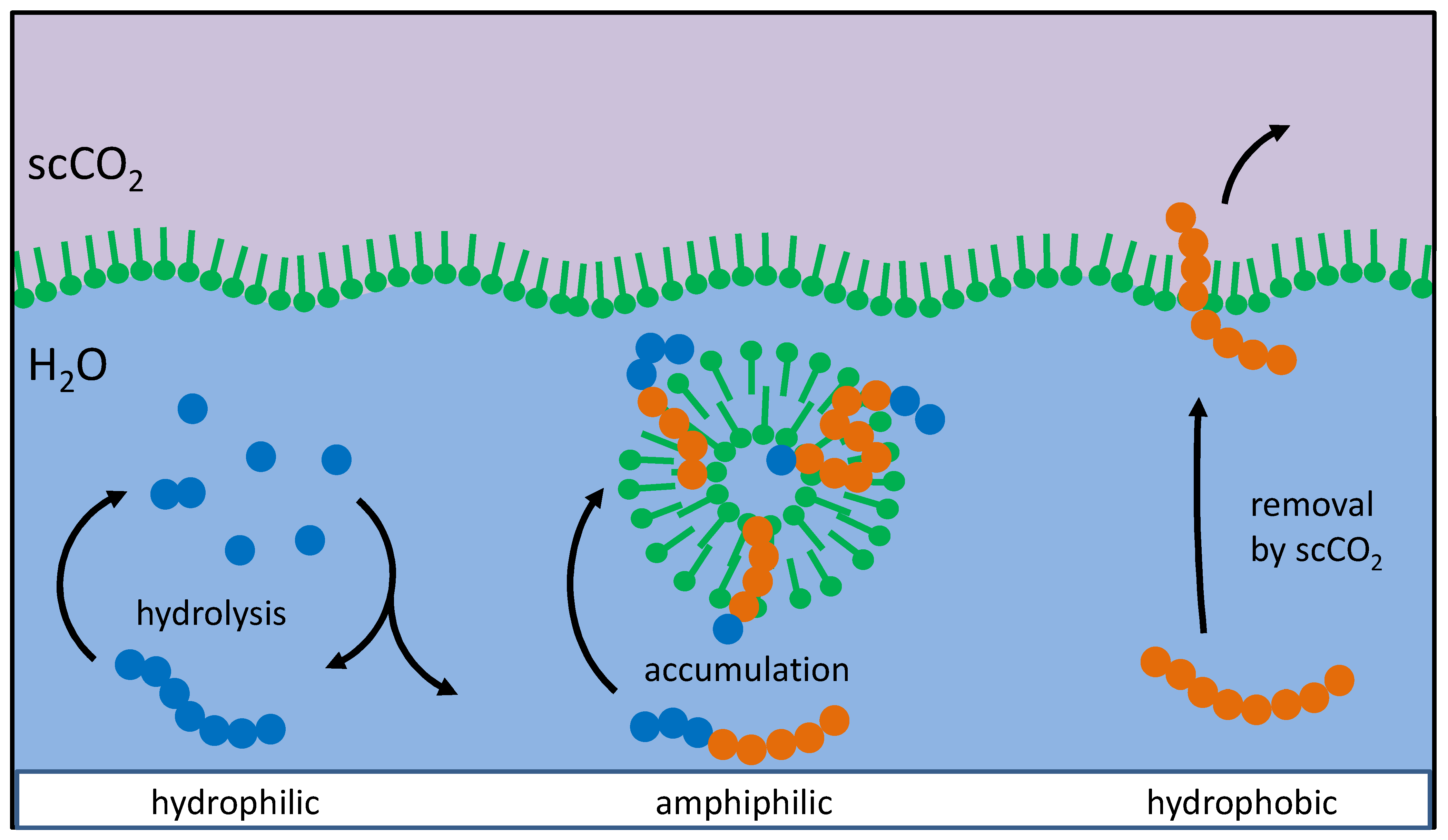
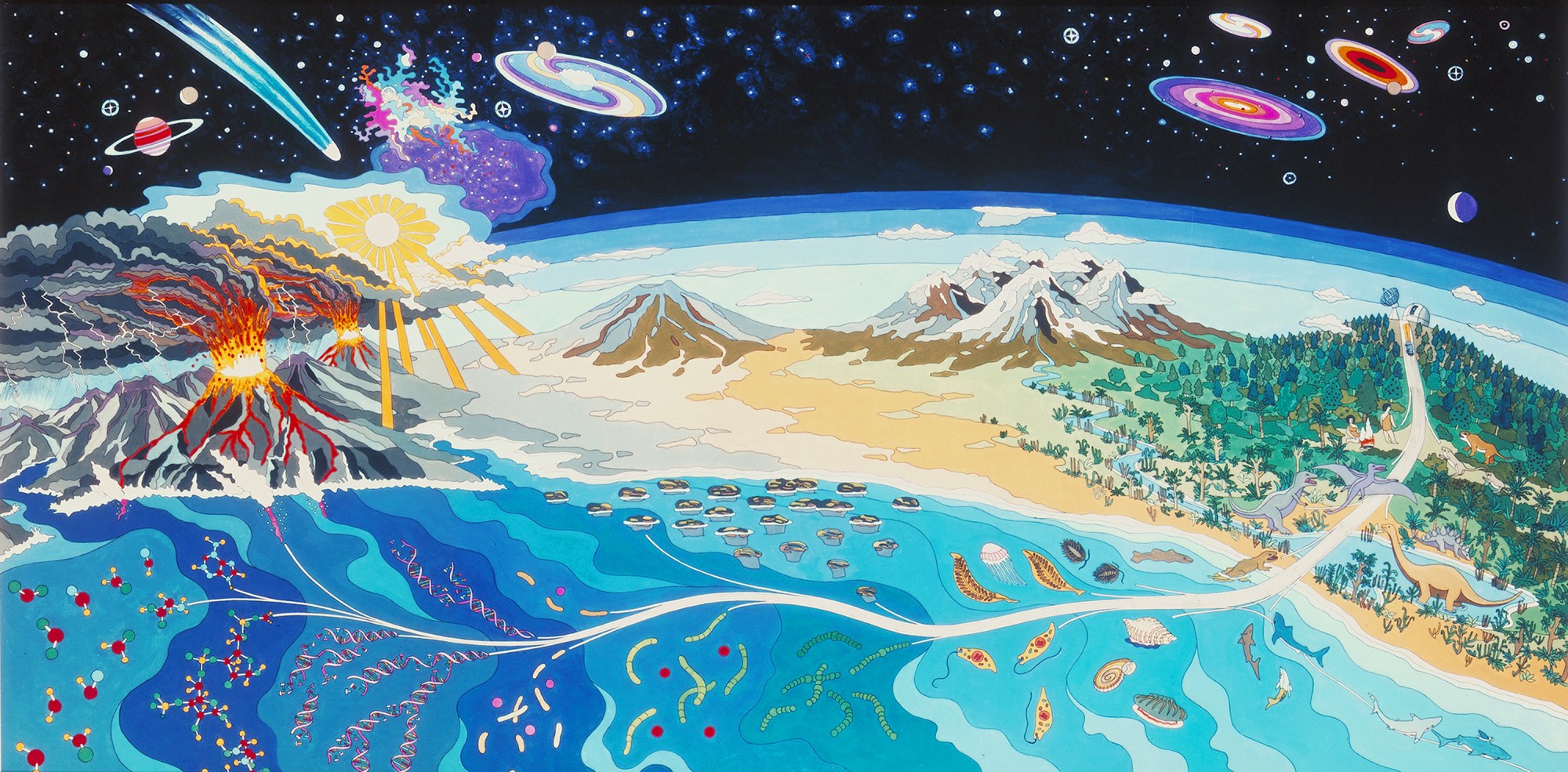
Early Evolution of Life and the Biosphere:

Exobiology for Solar System Exploration:
Waz Up
Space Exploration and Space History
Space Exploration News
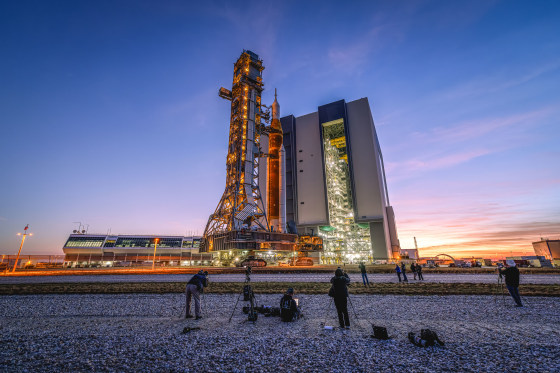
Artemis 2 Rocket Returns to Pad (March 19)
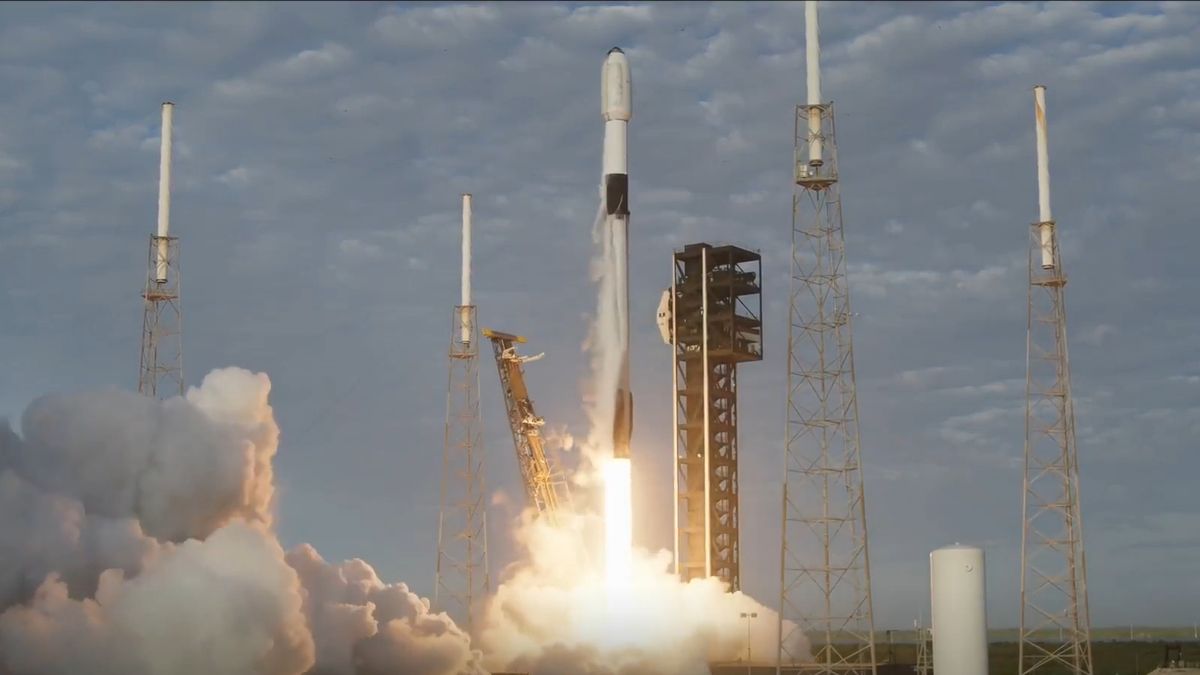
SpaceX Starlink Launch Surge (March 22)
NASA Unveils “Ignition” Initiatives (March 24)
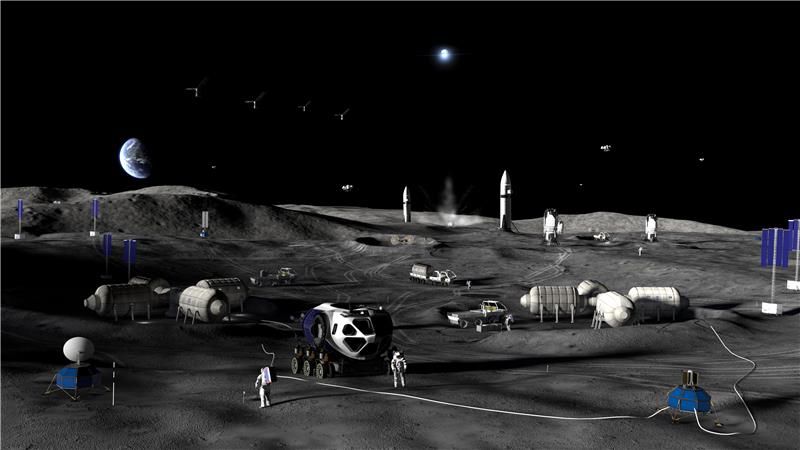
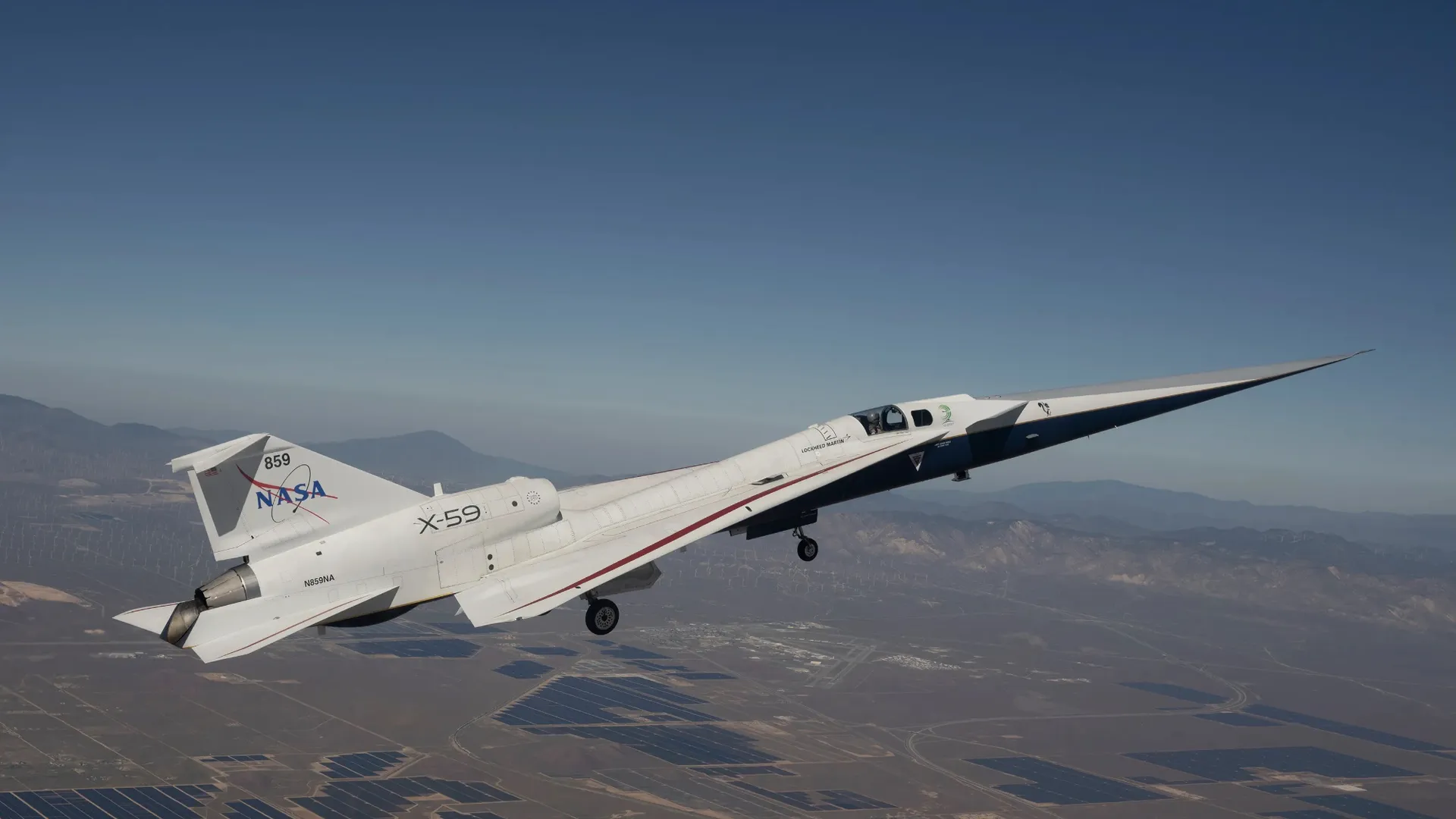
X-59 Supersonic Test Flight Success (March 24)
Major Solar Eruption Observed (March 25)

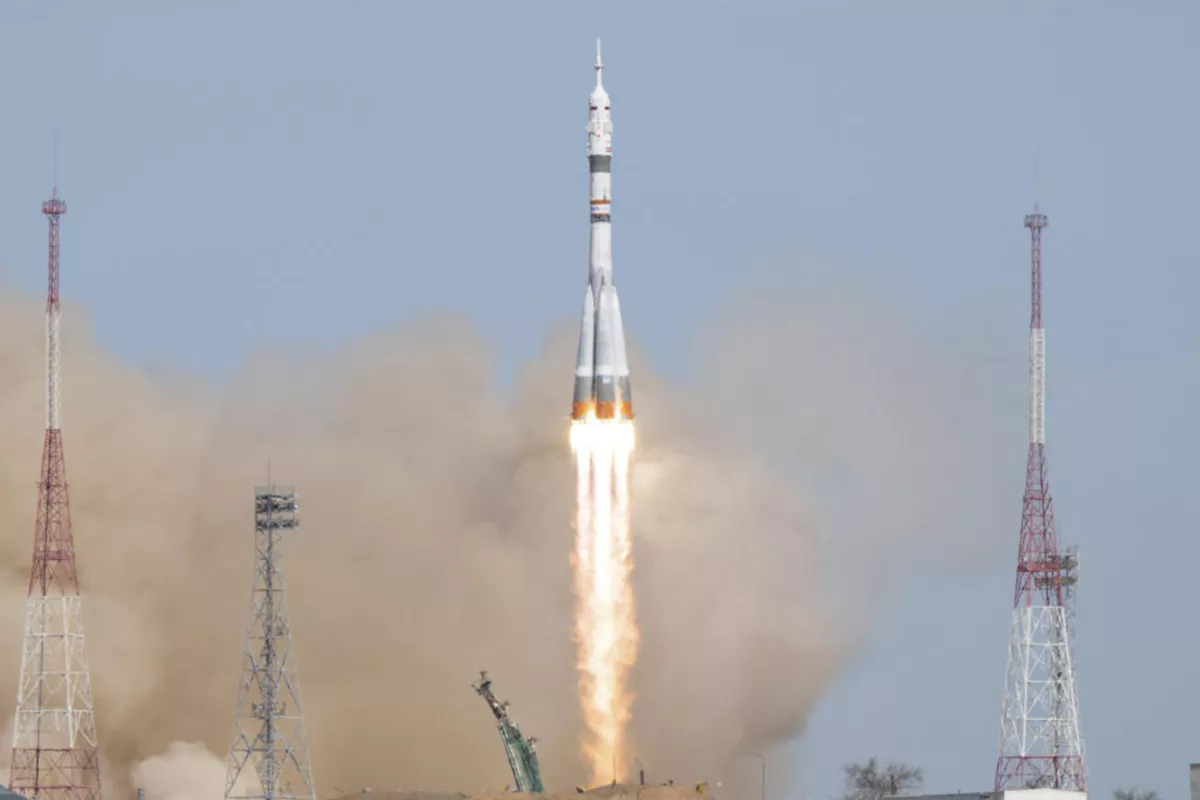
Soyuz 5 Rocket Maiden Flight Success (March 27)
Space-Related Birthdays
| Astronaut | Birthday | Birth Year | FCC Callsign | Flights | Notes |
| William Shatner | March 22 | 1931 | N/A | NS-18 | Iconic actor who became the oldest person in space at age 90 during a suborbital flight. He is best known for portraying Captain James T. Kirk in the Star Trek franchise. |
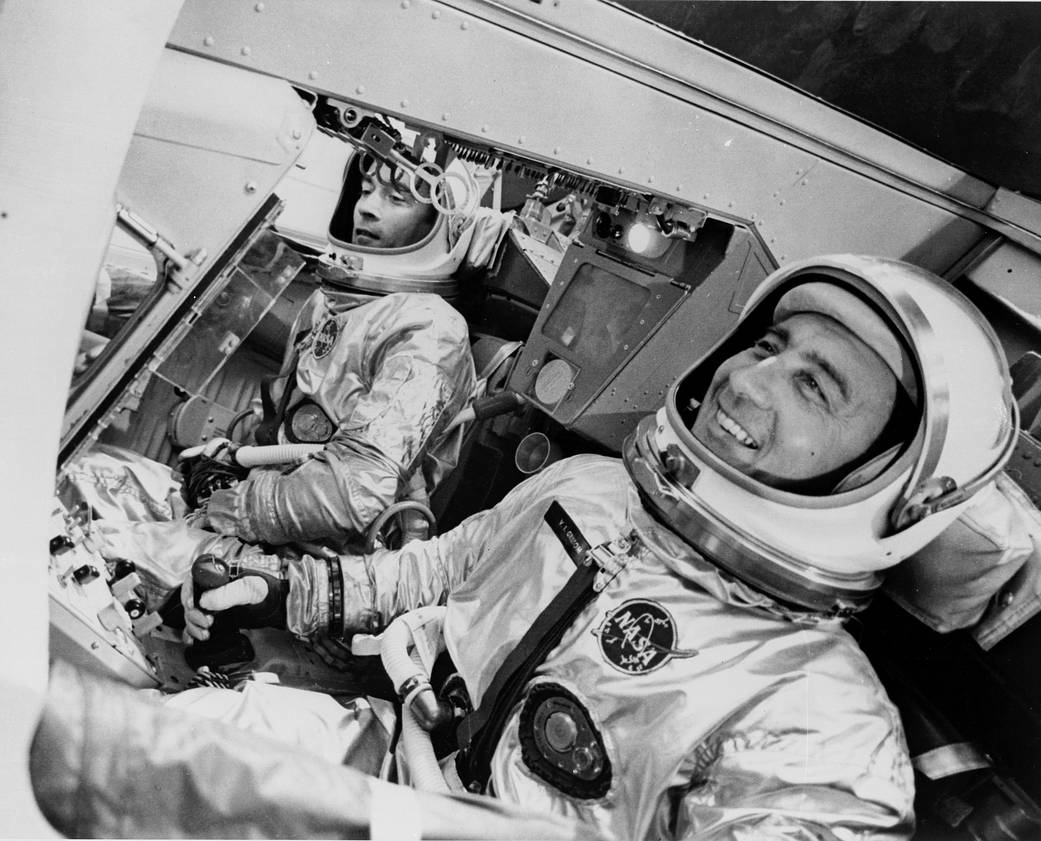
| Kenneth S. Reightler Jr. | March 24 | 1951 | KC5VZD | STS-48, STS-60 | Served as the pilot on two Space Shuttle missions, including the historic first joint U.S./Russian mission. He logged over 327 hours in space during his NASA career. |
| James Lovell | March 25 | 1928 | N/A | Gemini 7, Gemini 12, Apollo 8, Apollo 13 | Commanded the ill-fated Apollo 13 mission and successfully brought the crew home after an oxygen tank explosion. He was also one of the first humans to orbit the Moon during the Apollo 8 mission. |
| Yuri Gidzenko | March 26 | 1962 | RK3DOG | Soyuz TM-22, Mir, Expedition 1, Soyuz TM-34 | A member of the very first crew to live aboard the International Space Station as a flight engineer. He also spent significant time aboard the Mir space station during his earlier career. |
| Wubbo Ockels | March 28 | 1946 | PE1LFO | STS-61-A | The Dutch citizen who was the first to fly in space, serving as a payload specialist on the Challenger. His mission focused on scientific experiments within the German-led Spacelab D-1 module. |
This Week in Space History
Mir Space Station Deorbit (March 23, 2001)

Polyakov’s Record Return (March 22, 1995)

Miss Carolyn’s Constellation of the Week
Constellations: “Lynx the Wild Cat” and “Cancer the Crab”
Space Launches For This Week
Space Flight Now Launch Schedule
NET March 29 Atlas 5 • Amazon Leo 5
Launch time: Window opens at 3:53 a.m. EDT (0753 UTC)
Launch site: SLC-41, Cape Canaveral Space Force Station, Florida
A United Launch Alliance Atlas 5 rocket will launch a batch of broadband internet satellites for Amazon Leo’s low Earth orbit constellation. This is the sixth out of nine Atlas 5 rockets purchased by Amazon to fly its satellites.
Updated: March 18
NET March Electron • ‘Daughter of the Stars’
Launch time: TBD
Launch site: Launch Complex 1, Mahia, New Zealand
A Rocket Lab Electron rocket will launch two satellites on a dedicated mission for the European Space Agency (ESA). This is the first flight for a new European satellite navigation system calls Celeste LEO-PNT (Low Earth Orbit Position, Navigation, and Timing). This will ultimately be an 11-satellite constellation designed to understand how a low Earth orbit satellite fleet can mesh with other PNT assets in space, like Galileo, EGNOS (European Geostationary Navigation Overlay Service), and other GNSS (Global Navigation Satellite System) constellations to improve resilience and optimize services. These first two satellites, IOD-1 and IOD-2, will be deployed into a 510km circular orbit. Delayed from March 24 & 25.
Updated: March 25
NET March 30 Falcon 9 • Transporter-16
Launch time: Window opens at 3:20 a.m. PDT (6:20 a.m. EDT / 1020 UTC)
Launch site: SLC-4E, Vandenberg Space Force Base, California
A SpaceX Falcon 9 rocket will launch dozens of satellites into a Sun-synchronous Earth orbit on this SmallSat rideshare mission. Numerous customers are flying onboard the rocket, including 57 customer payloads being manifested by German company, Exolaunch, and 19 payloads from Texas-based Seops Space.
Updated: March 25
NET April 1 Space Launch System • Artemis 2
Launch time: 6:24 p.m. EDT (2224 UTC)
Launch site: Launch Complex 39B, Kennedy Space Center
NASA’s Space Launch System rocket will launch an Orion spacecraft on the Artemis 2 mission, the first crewed flight of the program. NASA astronauts Reid Wiseman, Victor Glover and Christina Koch along with Canadian Space Agency astronaut Jeremy Hansen will perform a lunar flyby during a roughly 10-day mission that will see their capsule, ‘Integrity’, splash down in the Pacific Ocean. Delayed from Feb. 5 & 6. Delayed from Feb. 8. Delayed from March 6 due to helium issue with the Interim Cryogenic Propulsion Stage.
Updated: March 03
April 1 Falcon 9 • Starlink 17-35
Launch time: Window opens at 4:03 p.m. PDT (7:03 p.m. EDT / 2303 UTC)
Launch site: SLC-4E, Vandenberg Space Force Base, California
A SpaceX Falcon 9 rocket will launch a batch of 25 Starlink V2 Mini Optimized satellites into low Earth orbit. More than eight minutes after liftoff, the first stage booster, likely tail number B1103, launching for a first time, will land on the drone ship, ‘Of Course I Still Love You,’ positioned in the Pacific Ocean. Booster previously listed as B1093. Delayed from March 28.
Updated: March 23
April 2 Falcon 9 • Starlink 10-58
Launch time: TBD
Launch site: SLC-40, Cape Canaveral Space Force Station, Florida
A SpaceX Falcon 9 rocket will launch 29 Starlink V2 Mini Optimized satellites into low Earth orbit. The first stage booster, tail number 1085, launching for a 15th time, will target a landing on the drone ship, ‘Just Read the Instructions,’ positioned in the Atlantic Ocean.
Updated: March 23
NET April New Glenn • BlueBird 7
Launch time: TBD
Launch site: Launch Complex 36, Cape Canaveral Space Force Station
A Blue Origin New Glenn rocket will launch AST SpaceMobile’s BlueBird 7satellite into low Earth orbit. This is the second satellite in AST SpaceMobile’s next-generation satellite constellation and is designed to support space-based cellular broadband for commercial and government customers. This will be the third launch of a New Glenn rocket to date. As of Jan. 22, Blue Origin hasn’t stated if it intends to attempt a booster recovery on this mission.
Updated: March 25
NET April 8 Falcon 9 • NG-24
Launch time: TBD
Launch site: SLC-40, Cape Canaveral Space Force Station, Florida
A SpaceX Falcon 9 rocket will launch a Northrop Grumman Cygnus spacecraft, a cargo vehicle, to the International Space Station. The spacecraft was named the S.S. Steven R. Nagel in honor of the former NASA astronaut who flew four space shuttle flights and amassed 723 hours in space.
Updated: March 19
NET April 9 Vega-C • Smile
Launch time: 3:29 a.m. GFT (2:29 a.m. EDT / 0629 UTC)
Launch site: ZLV pad, Europe’s Spaceport, Kourou, French Guiana
An Avio Vega-C rocket will launch the Smile mission, a collaboration between the European Space Agency (ESA) and the Chinese Academy of Sciences (CAS). The Smile (Solar wind Magnetosphere Ionosphere Link Explorer) is set to deploy from the rocket 57 minutes after liftoff and deploy its solar arrays within 10 minutes after that. It has a planned mission life of three years and will operate in a highly elliptical Earth orbit. According to ESA, “Smile will use four science instruments to study how Earth responds to the solar wind from the Sun. This will improve our understanding of solar storms, geomagnetic storms and the science of space weather.”
Updated: March 20
TBD Atlas 5 • Boeing Starliner-1
Launch time: TBD
Launch site: SLC-41, Cape Canaveral Space Force Station, Florida
A United Launch Alliance Atlas 5 rocket will launch Boeing’s CST-100 Starliner spacecraft to the International Space Station. Originally planned as the first post-certification flight with a four-person crew, this will instead be an uncrewed cargo flight to test changes to the vehicle made in the aftermath of the Crewed Flight Test that launched in 2024.
Updated: March 08
NET Q4 2026 Vulcan Centaur • Dream Chaser 1
Launch time: TBD
Launch site: SLC-41, Cape Canaveral Space Force Station, Florida
A United Launch Alliance Vulcan Centaur rocket will launch on its second demonstration flight with Sierra Space’s Dream Chaser cargo vehicle for the International Space Station. The Dream Chaser is a lifting body resupply spacecraft that will launch on top of a rocket and land on a runway. This will be the Dream Chaser’s first flight to space. The Vulcan Centaur rocket will fly in the VC4L configuration with four GEM-63XL solid rocket boosters, a long-length payload fairing, and two RL10 engines on the Centaur upper stage. Delayed from August 2022, December 2023, January 2024, April 2024 and September 2024. Delayed from 2025.
Updated: December 22
Visible satellite passages over the next couple of days.
You can use the http://www.heavens-above.com website to find out what’s in orbit and
where to look during fly-overs
All times are “local” (Dallas) time.

