
IO Group: https://groups.io/g/DARCskynet/topics
Facebook Group: http://www.facebook.com/groups/306498286059167/
Saturday’s DARC SkyNet is at 9PM CT.
Discussion Topic of the Evening.
Planetary Alignments and the Solar Cycle
Waz Up
Space Exploration and Space History
Space Exploration News
January 24, 2026: Major Coronal Mass Ejection Triggers Global Auroras
https://bigthink.com/wp-content/uploads/2026/01/Loch-Calder-1-19.jpg?resize=1824,1026

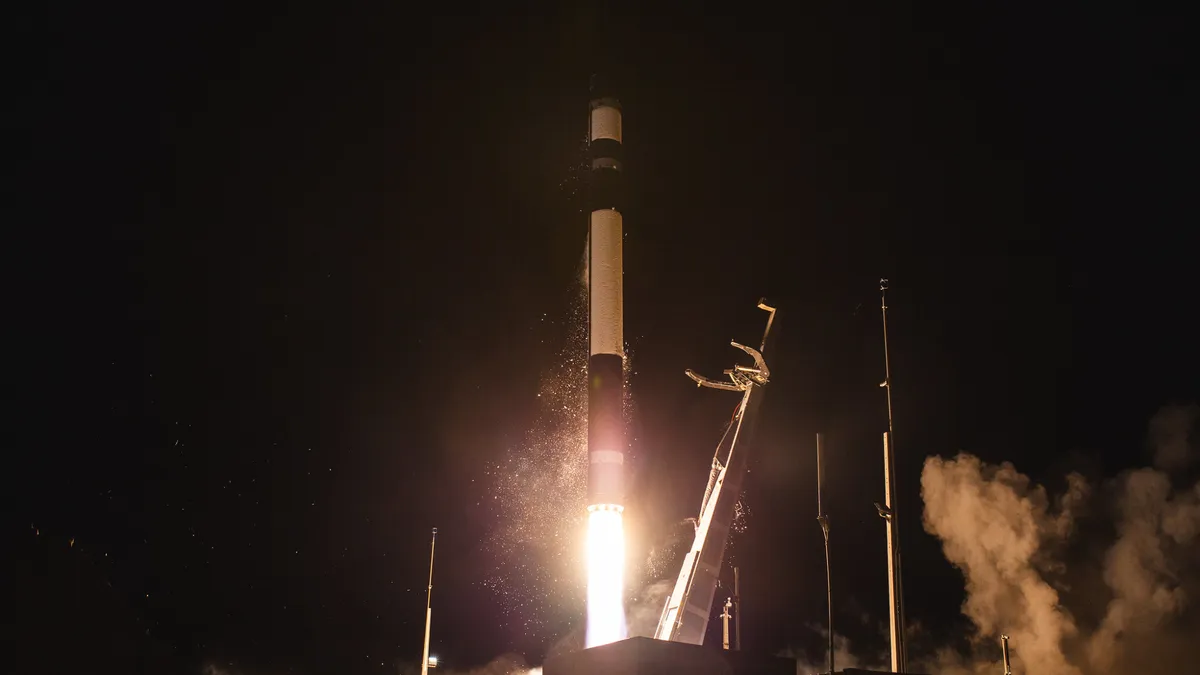
January 25, 2026: Rocket Lab Launches “Bridging the Swarm” Mission
https://cdn.mos.cms.futurecdn.net/C2nVRtyWKDsGheTkefwup8-1200-80.jpg.webp
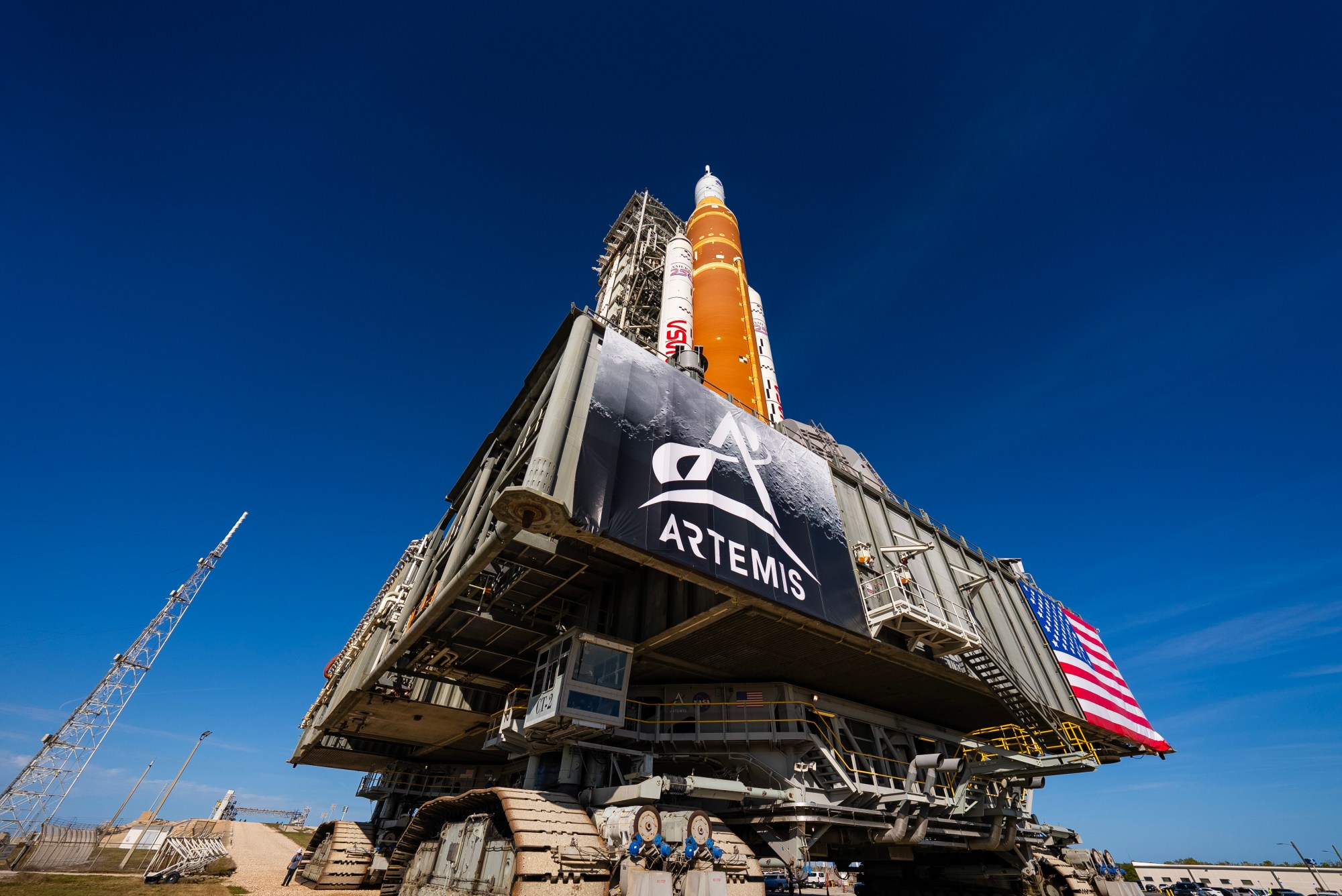
January 26, 2026: NASA’s Artemis II Rocket Reaches the Launch Pad
January 28, 2026: Webb Telescope Discovers Earliest Known Galaxy

Space-Related Birthdays
| Astronaut | Birthday | Birth Year | Flights | Notes |
| Fred Haise | January 14 | 1933 | Apollo 13 | Technically born Jan 14, but often celebrated with the “Apollo Era” January group. He was the Lunar Module Pilot for the famed Apollo 13 mission. |
| Georgi Beregovoi | January 25 | 1921 | Soyuz 3 | A Soviet cosmonaut who received the Hero of the Soviet Union twice; he commanded the first manned flight of the Soyuz program to launch after the Soyuz 1 disaster. |
| Stan Love | June 8 | 1965 | STS-122 | Though born in June, he was selected in a late January class. He is known for his work on planetary protection and asteroid redirection concepts. |
| Christina Koch | January 29 | 1979 | Exp 59/60/61, Artemis II | Longest single spaceflight by a woman (328 days). Slated to be the first woman to fly to the Moon on Artemis II. |
| Wally Funk | January 31 | 1939 | Blue Origin NS-16 | Pioneer of the “Mercury 13” who finally reached space at age 82 with Blue Origin, setting a record as the oldest woman in space. Some of you listening may remember meeting Wally at a DARC “Lecture and Lab” at the “Frontiers of Flight” in 2015. |
| Nikolai Rukavishnikov | January 31 | 1932 | Soyuz 10, 16, 33 | First civilian to command a Soviet space mission. He famously manually landed Soyuz 33 after a main engine failure. |


This Week in Space History
January 25, 1984: Reagan’s Space Station Vision

January 26, 1962 : The Launch of Ranger 3
https://www.collectspace.com/review/micropooz/scotw714b-lg.jpg

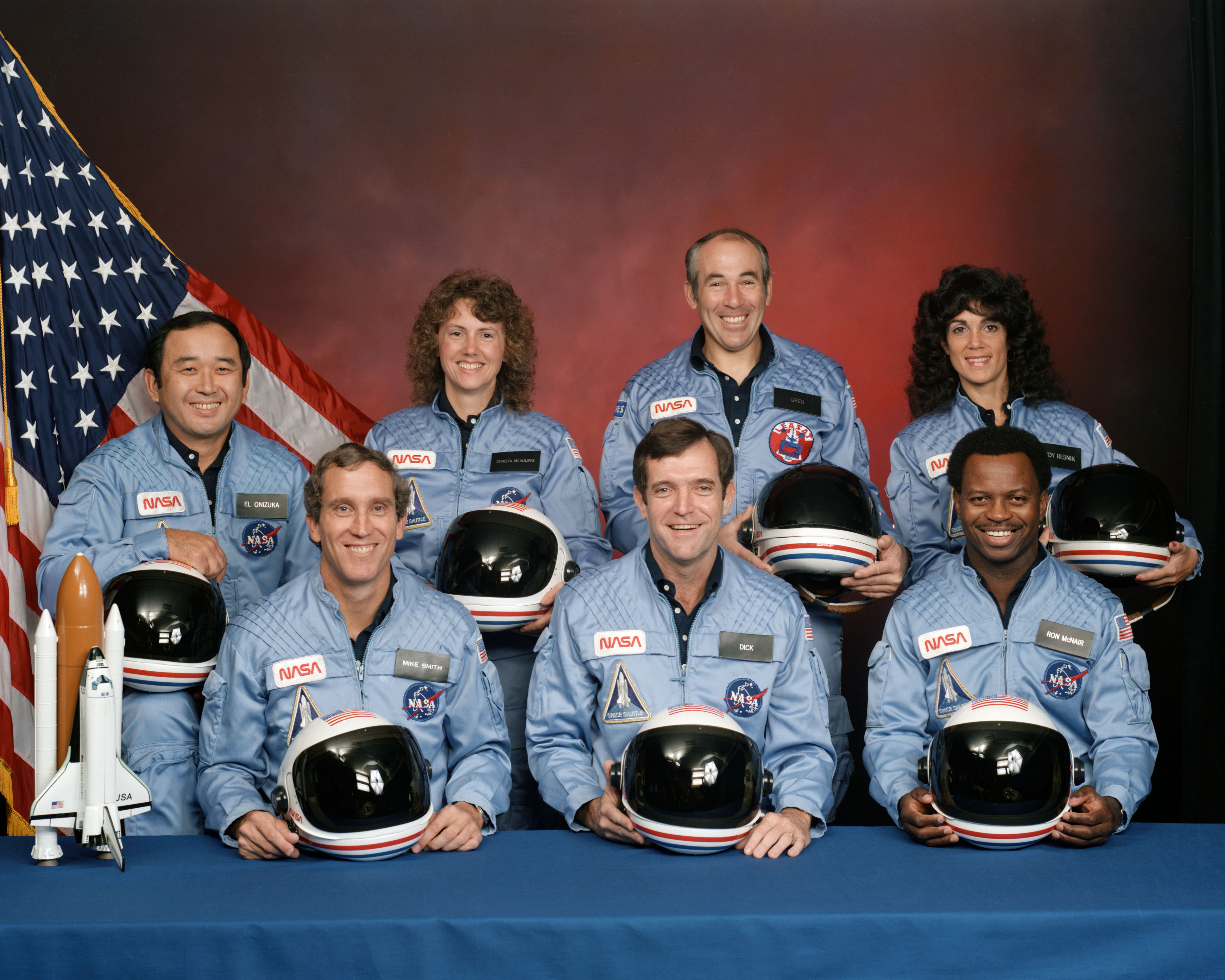
January 28, 1986: The Space Shuttle Challenger Disaster
https://upload.wikimedia.org/wikipedia/commons/3/3f/Challenger_flight_51-l_crew.jpg
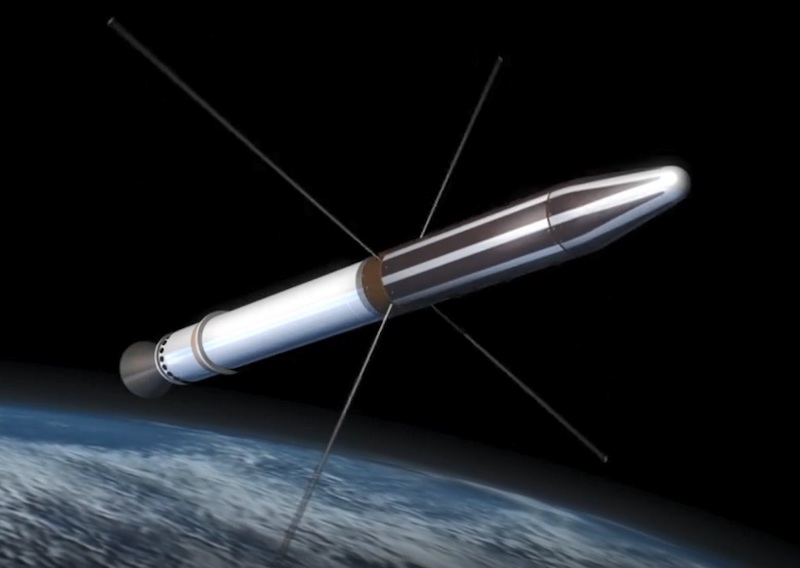
January 31, 1958: Explorer 1 – America’s First Satellite
https://earthsky.org/upl/2020/01/Explorer-1-in-orbit-artist-conception-.jpg
Miss Carolyn’s Constellation of the Week
Space Launches For This Week
Space Flight Now Launch Schedule
NET February 1 H3 • QZS-7
Launch time: 4:30 p.m. JST (2:30 a.m. EST / 0730 UTC)
Launch site: Yoshinobu Launch Complex, JAXA Tanegashima Space Center
An H3 launch vehicle, a rocket developed through a partnership between Mitsubishi Heavy Industries and JAXA (Japan Aerospace Exploration Agency), will launch the Michibiki No. 7, Quasi-Zenith Satellite System (QZS-7). This will be the ninth launch of an H3 rocket.
Updated: December 01
February 1 Falcon 9 • Starlink 6-103
Launch time: Window opens at 6:04 p.m. EST (2304 UTC)
Launch site: SLC-40, Cape Canaveral Space Force Station, Florida
A SpaceX Falcon 9 rocket will launch 29 Starlink V2 Mini Optimized satellites into low Earth orbit. The first stage booster, tail number 1095, launching for a fifth time, will target a landing on the drone ship, ‘A Shortfall of Gravitas,’ positioned in the Atlantic Ocean. Delayed from Jan. 30.
Updated: January 23
February 2 Falcon 9 • Starlink 17-32
Launch time: Window opens at 7:17 a.m. PST (10:17 a.m. EST / 1517 UTC)
Launch site: SLC-4E, Vandenberg Space Force Base, California
A SpaceX Falcon 9 rocket will launch a batch of 24 Starlink V2 Mini Optimized satellites into low Earth orbit. More than eight minutes after liftoff, the first stage booster, tail number B1071, launching for a 31st time, will land on the drone ship, ‘Of Course I Still Love You,’ positioned in the Pacific Ocean.
Updated: January 22
February 4 Falcon 9 • Starlink 6-104
Launch time: 3:45 a.m. EST (0845 UTC)
Launch site: SLC-40, Cape Canaveral Space Force Station, Florida
A SpaceX Falcon 9 rocket will launch 29 Starlink V2 Mini Optimized satellites into low Earth orbit. The first stage booster, tail number 1077, launching for a 26th time, will target a landing on the drone ship, ‘Just Read the Instructions,’ positioned in the Atlantic Ocean. Delayed from Feb. 3.
Updated: January 23
February 6 Falcon 9 • Starlink 17-33
Launch time: Window opens at 8:58 a.m. PST (11:58 a.m. EST / 1658 UTC)
Launch site: SLC-4E, Vandenberg Space Force Base, California
A SpaceX Falcon 9 rocket will launch a batch of 25 Starlink V2 Mini Optimized satellites into low Earth orbit. More than eight minutes after liftoff, the first stage booster, tail number B1088, launching for a 13th time, will land on the drone ship, ‘Of Course I Still Love You,’ positioned in the Pacific Ocean.
Updated: January 27
NET February 6/7 Space Launch System • Artemis 2
Launch time: 9:41 p.m. EST (0241 UTC)
Launch site: Launch Complex 39B, Kennedy Space Center
NASA’s Space Launch System rocket will launch an Orion spacecraft on the Artemis 2 mission, the first crewed flight of the program. NASA astronauts Reid Wiseman, Victor Glover and Christina Koch along with Canadian Space Agency astronaut Jeremy Hansen will perform a lunar flyby during a roughly 10-day mission that will see their capsule, ‘Integrity’, splash down in the Pacific Ocean. Delayed from Feb. 5.
Updated: January 12
Visible satellite passages over the next couple of days.
All times are “local” (Dallas) time.
ISS

Tiangong
