
IO Group: https://groups.io/g/DARCskynet/topics
Facebook Group: http://www.facebook.com/groups/306498286059167/
Saturday’s DARC SkyNet is at 9PM CT.
Discussion Topic of the Evening.
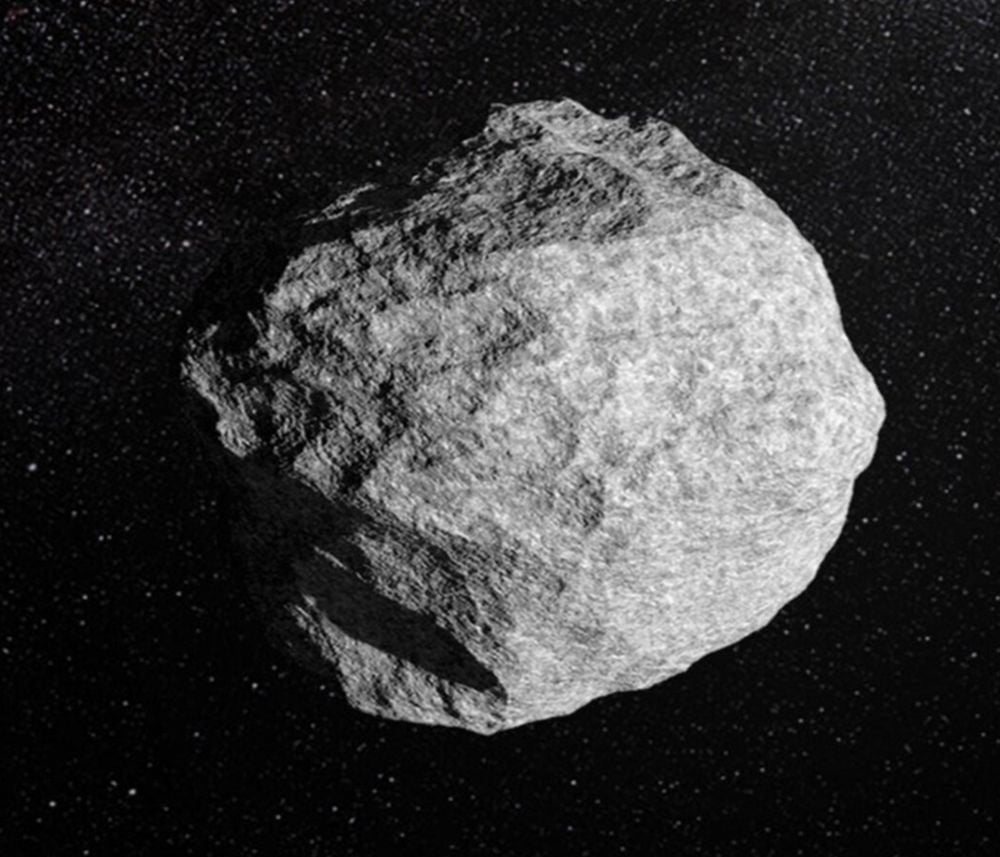
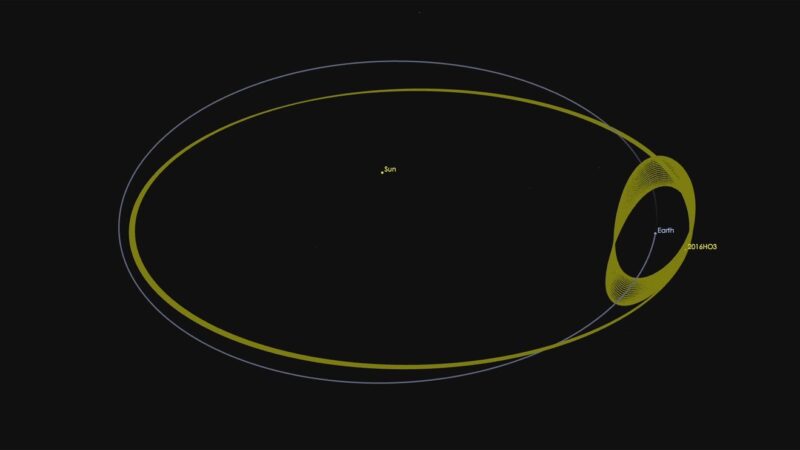
“Meet Earth’s Newest Moon” From Earthsky.org
Artist’s Impression of 2025 PN7
https://www.universetoday.com/article_images/2024_yr4_20250916_210228.jpg
Artist’s Impression of a Quasi-satellite
https://cdn.mos.cms.futurecdn.net/8nLq4XuMcAxLNQpM3mv467-684-80.jpg.webp
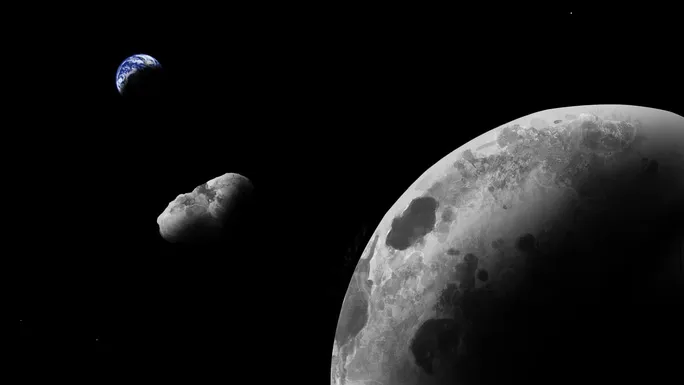
2002 VE 68
https://pbs.twimg.com/media/GEynNYUbIAAnw5E?format=png&name=small
Kamo’oalewa Orbital Plot
https://earthsky.org/upl/2024/04/asteroid-469219-Kamooalewa-e1713989875665.jpg
Waz Up
Space Exploration and Space History
Space Exploration News
January 17, 2026: Blue Origin Announces “TeraWave” Satellite Megaconstellation Project
https://cdn.mos.cms.futurecdn.net/k7gr8GAfwisuKLMgCrs5rE-1120-80.jpg.webp

January 18, 2026: James Webb Space Telescope Captures Stunning Helix Nebula Image
https://www.science.org/do/10.1126/article.27847/full/sn-helix.jpg

January 21, 2026: Earth Experiences Severe Geomagnetic Storms
https://bigthink.com/wp-content/uploads/2026/01/Loch-Calder-1-19.jpg?lb=1024,576

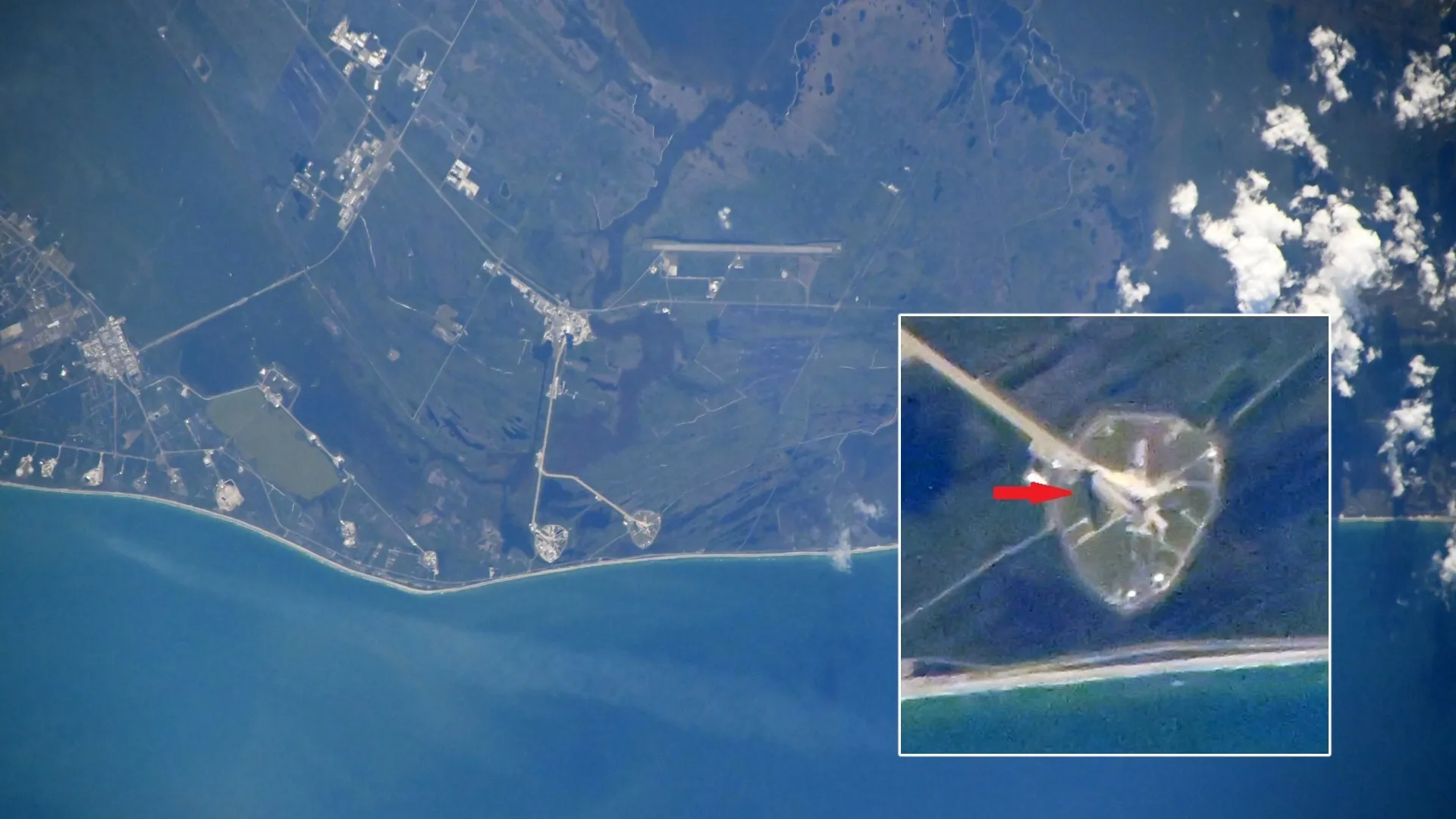
January 23, 2026: Artemis II Preparations Photographed
https://cdn.mos.cms.futurecdn.net/9Vao8ebbmyQ2mkDmJ7XMki-1920-80.jpg.webp
Space-Related Birthdays
| Astronaut | Birthday | Birth Year | Flights | Notes |
| Jerry M. Linenger | January 16 | 1955 | STS-64, STS-81/84 | Linenger undertook two space flights, including a 132-day Mir mission where he conducted over 100 experiments. He was the first American to perform a spacewalk from a foreign space station in a non-American spacesuit. |

| Michael Coats | January 16 | 1946 | STS-41-D, STS-29, STS-39 | Coats piloted the maiden flight of Space Shuttle Discovery (STS-41-D) and commanded two other missions (STS-29, STS-39). He later served as the Director of the Johnson Space Center. |
| Lloyd Hammond | January 16 | 1952 | STS-39, STS-64 | Hammond served as pilot on two Space Shuttle missions, STS-39 and STS-64, logging over 462 hours in space. STS-39 was the first unclassified Department of Defense mission, and STS-64 featured the first use of lasers for environmental research and a self-rescue jetpack test. |
| Daniel Brandenstein | January 17 | 1943 | STS-8, STS-51G, STS-32, STS-49 | Brandenstein is a veteran of four Space Shuttle missions, commanding three of them. He piloted STS-8, the first night launch and landing of a Space Shuttle, and commanded STS-49, which involved the retrieval and redeployment of an Intelsat satellite. |
| Jeffrey Williams | January 18 | 1958 | STS-101, Expedition 13, Exp. 21/22, Exp. 47/48 | Williams is a veteran of four spaceflights, holding the U.S. record for cumulative days in space at the time of his last mission. He played a key role in ISS construction and operations, and has conducted multiple spacewalks for assembly and maintenance. |
| Buzz Aldrin | January 20 | 1930 | Gemini 12, Apollo 11 | Aldrin was the second person to walk on the Moon during the Apollo 11 mission, spending over two hours on the lunar surface. As pilot of Gemini 12, he performed three spacewalks, totaling over five hours of extravehicular activity. |
| Jerry L. Ross | January 20 | 1948 | STS-61B, STS-27, STS-37, STS-55, STS-74, STS-88, STS-110 | Ross is a veteran of seven Space Shuttle missions, a world record, and has logged over 1,393 hours in space, including nine spacewalks. He played a crucial role in the development and construction of the International Space Station. |
| Thomas David Jones | January 22 | 1955 | STS-59, STS-68, STS-80, STS-98 | Jones flew on four Space Shuttle missions, including STS-80, the longest Shuttle mission at the time. He led three spacewalks during STS-98 to install the Destiny laboratory, a crucial component of the International Space Station. |
This Week in Space History
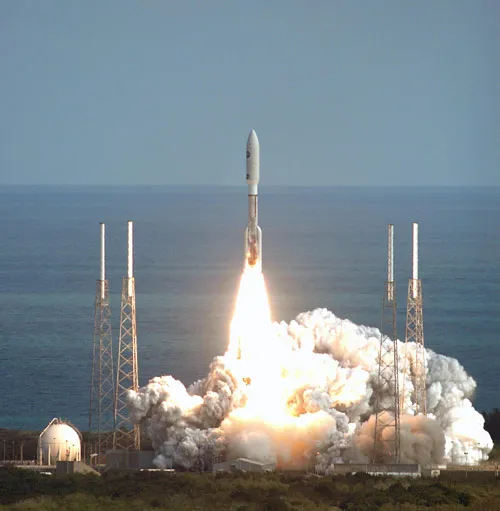
January 19, 2006: New Horizons Probe Begins Historic Journey to Pluto
https://cdn.mos.cms.futurecdn.net/SGnJpmzEpwiEgkSnCBaeRe-500-80.jpg.webp
January 22, 1992: Dr. Roberta Bondar Becomes First Canadian Woman in Space on STS-42

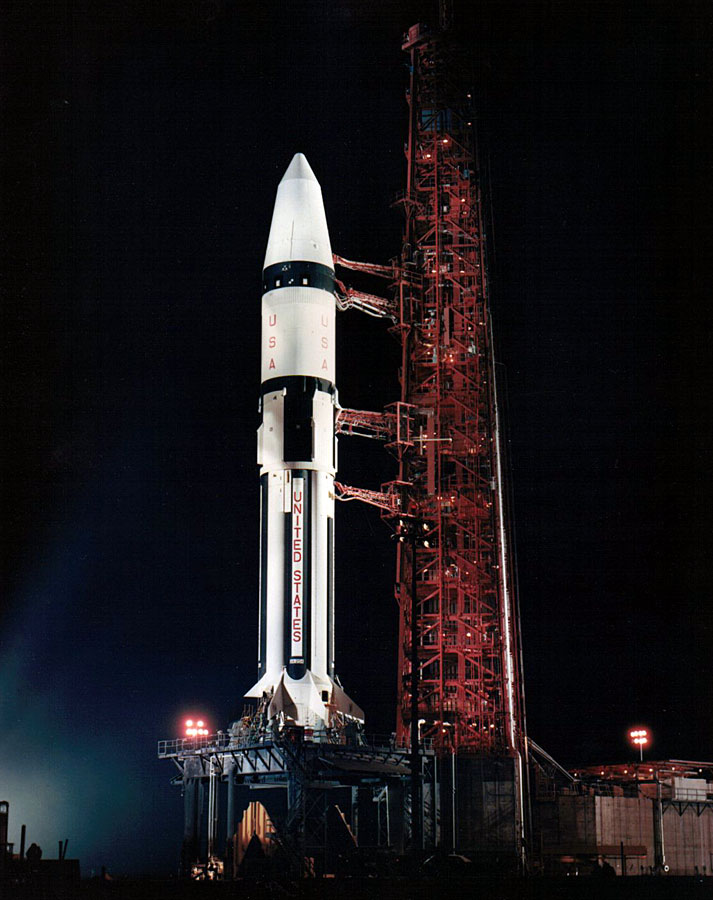
January 22, 1968: Apollo 5 Tests Lunar Module in Earth Orbit
https://www.nasa.gov/wp-content/uploads/2018/01/apollo_5_at_night_on_pad_37.jpg
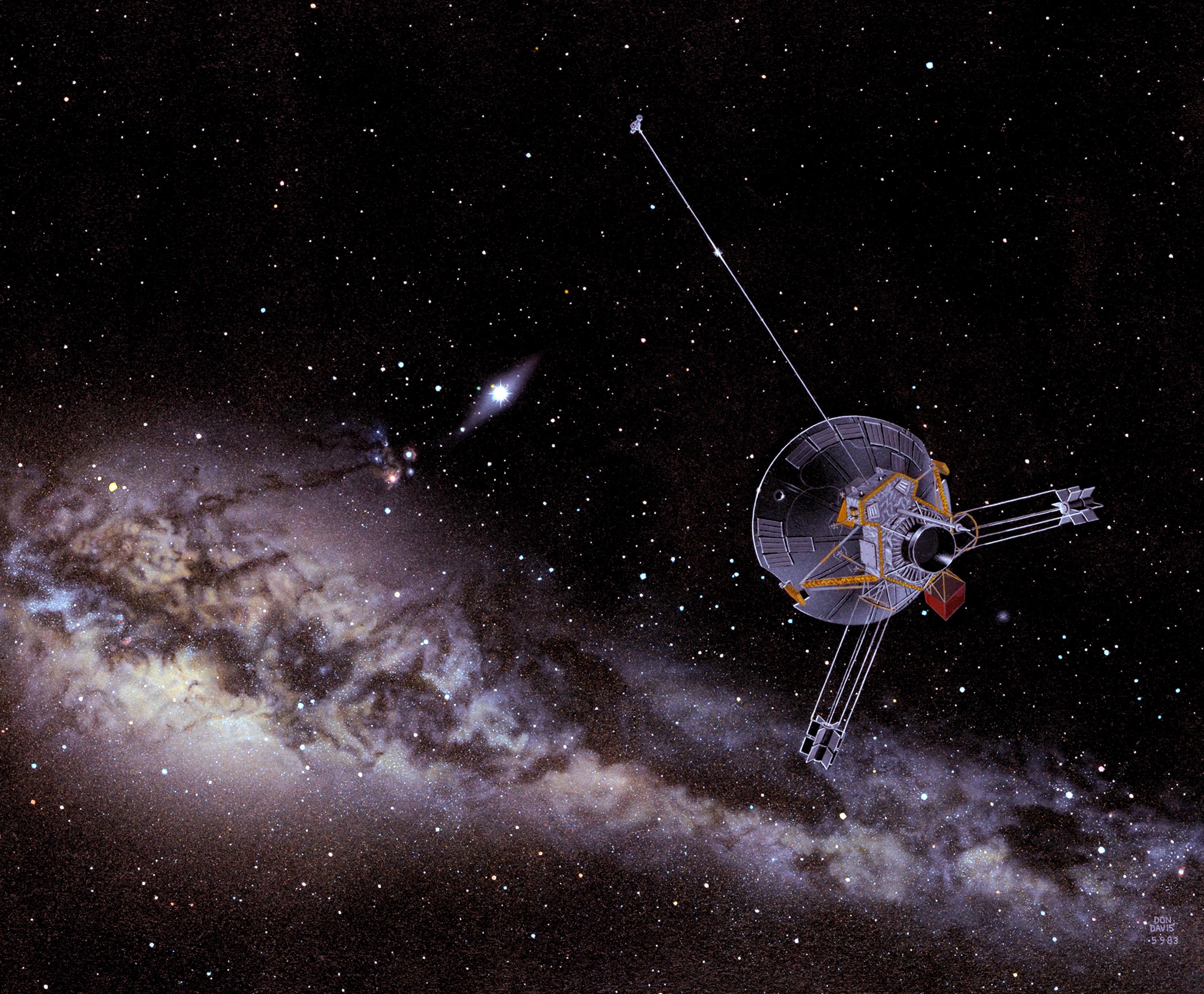
January 23, 2003: Pioneer 10 Final Signal
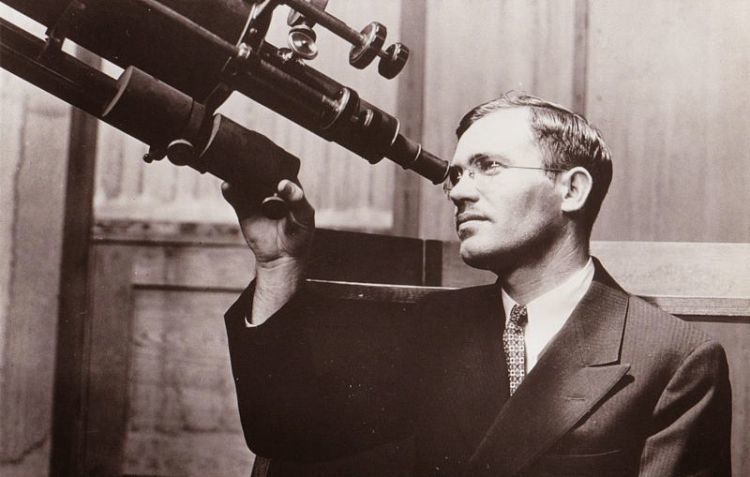
January 23, 1930: Discovery of Pluto Photographed
https://allthatsinteresting.com/wordpress/wp-content/uploads/2015/08/tombaugh-with-telescope.jpg
January 24, 1986: Voyager 2 Uranus Flyby
https://media.sciencephoto.com/image/r2620050/800wm/R2620050-Voyager_2_encounter_with_Uranus.jpg

Miss Carolyn’s Constellation of the Week
Constellations “Caelum the Chisel and Columba the Dove”
Space Launches For This Week
Space Flight Now Launch Schedule
January 25 Falcon 9 • Starlink 17-20
Launch time: 7:17 a.m. PST (10:17 a.m. EST / 1517 UTC)
Launch site: SLC-4E, Vandenberg Space Force Base, California
A SpaceX Falcon 9 rocket will launch a batch of 25 Starlink V2 Mini Optimized satellites into low Earth orbit. More than eight minutes after liftoff, the first stage booster, tail number B1088, launching for a 13th time, will land on the drone ship, ‘Of Course I Still Love You,’ positioned in the Pacific Ocean.
Updated: January 22
January 25/26 Falcon 9 • GPS III-9
Launch time: 11:46 p.m. EST (0446 UTC)
Launch site: SLC-40, Cape Canaveral Space Force Station, Florida
A SpaceX Falcon 9 rocket will launch the Global Positioning System (GPS) III Space Vehicle 09 (SV09) satellite into medium Earth orbit. This is the penultimate launch of a GPS III satellite before the U.S. Space Force shifts to launching the next generation GPS III Follow-on (GPS IIIF) satellites. A little more than eight minutes after liftoff, the first stage booster, tail number 1096, launching for a fifth time, will land on the drone ship, ‘A Shortfall of Gravitas.’
Updated: January 22
January 28/29 Falcon 9 • Starlink 6-101
Launch time: Window opens at 11 p.m. EST (0400 UTC)
Launch site: SLC-40, Cape Canaveral Space Force Station, Florida
A SpaceX Falcon 9 rocket will launch 29 Starlink V2 Mini Optimized satellites into low Earth orbit. The first stage booster, tail number 1090, launching for a tenth time, will target a landing on the drone ship, ‘Just Read the Instructions,’ positioned in the Atlantic Ocean.
Updated: January 22
January 29 Falcon 9 • Starlink 17-19
Launch time: Window opens at 7:17 a.m. PST (10:17 a.m. EST / 1517 UTC)
Launch site: SLC-4E, Vandenberg Space Force Base, California
A SpaceX Falcon 9 rocket will launch a batch of 25 Starlink V2 Mini Optimized satellites into low Earth orbit. More than eight minutes after liftoff, the first stage booster, tail number B1097, launching for a sixth time, will land on the drone ship, ‘Of Course I Still Love You,’ positioned in the Pacific Ocean.
Updated: January 22
January 31 Falcon 9 • Starlink 6-103
Launch time: Window opens at 6:30 p.m. EST (2330 UTC)
Launch site: SLC-40, Cape Canaveral Space Force Station, Florida
A SpaceX Falcon 9 rocket will launch 29 Starlink V2 Mini Optimized satellites into low Earth orbit. The first stage booster, tail number 1095, launching for a fifth time, will target a landing on the drone ship, ‘A Shortfall of Gravitas,’ positioned in the Atlantic Ocean.
Updated: January 22
We currently have the following people checked in via w5fc.org… You can check-in via the club website by clicking on the hotlink provided.
(Read check ins so far)
I’ll now take check-ins or comments
At this point we should be reaching our 90 minute cut-off point, so NCS can decide whether to cut any of these topics due to lack of time.
9. Visible satellite passages over the next couple of days.
You can use the http://www.heavens-above.com website to find out what’s in orbit and
where to look during fly-overs
Tom can cover this one as well, otherwise follow the instructions below…
Net Control Note: Look for the highest magnitude and read those with highest point info. As an example: May 20th is the next, good pass.
All times are “local” (Dallas) time.
ISS

Tiangong
