
IO Group: https://groups.io/g/DARCskynet/topics
Facebook Group: http://www.facebook.com/groups/306498286059167/
Saturday’s DARC SkyNet is at 9PM CT.
Discussion Topic of the Evening.
This SETI program is chasing down its final 100 signals. Could one of them be from aliens?
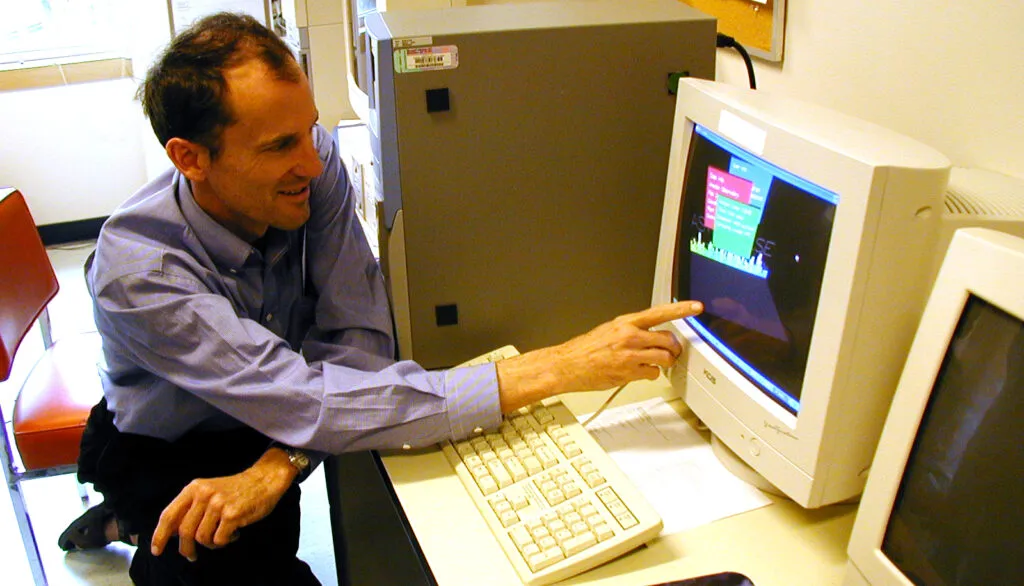
David Anderson, co-creator of SETI@home
https://cdn.mos.cms.futurecdn.net/2wUmfrBEPjRk7FYcfJYAxP-1024-80.jpg.webp
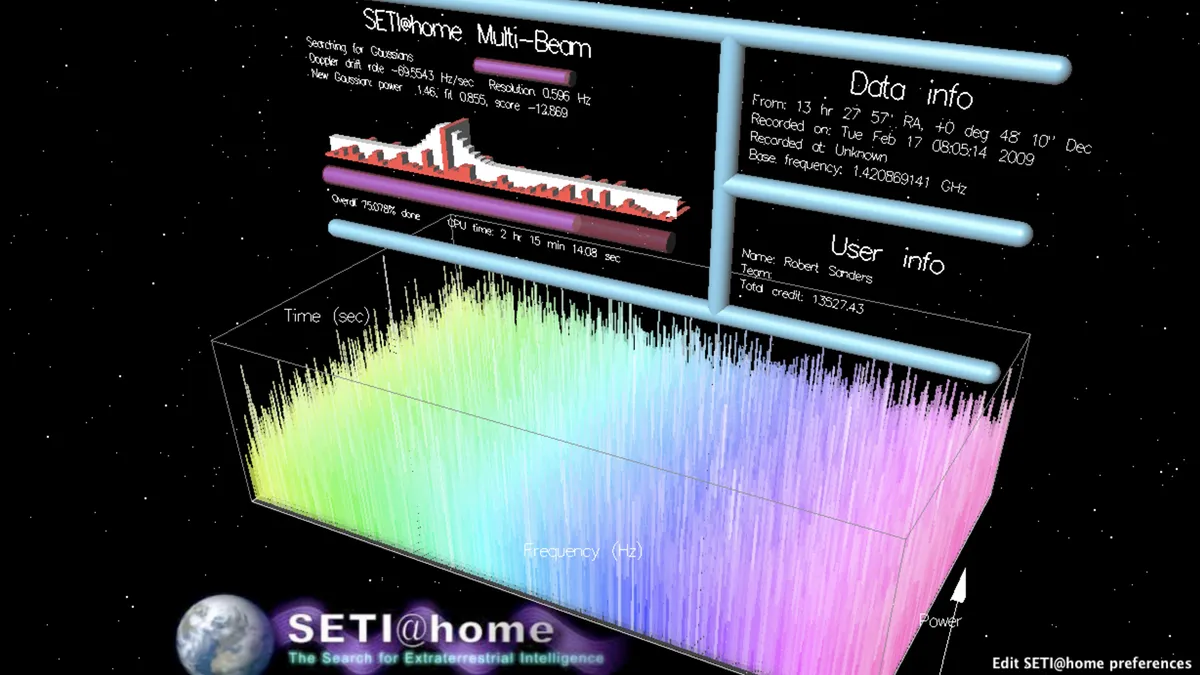
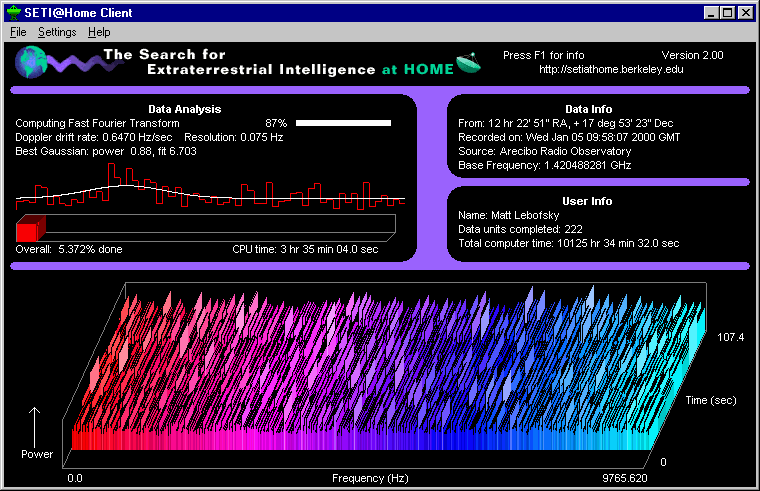
SETI@Home “Screen Saver”
https://cdn.mos.cms.futurecdn.net/WM3JrZFtT7WrEBYqzyDM3Q-1200-80.jpg.webp
Max Planck Campus

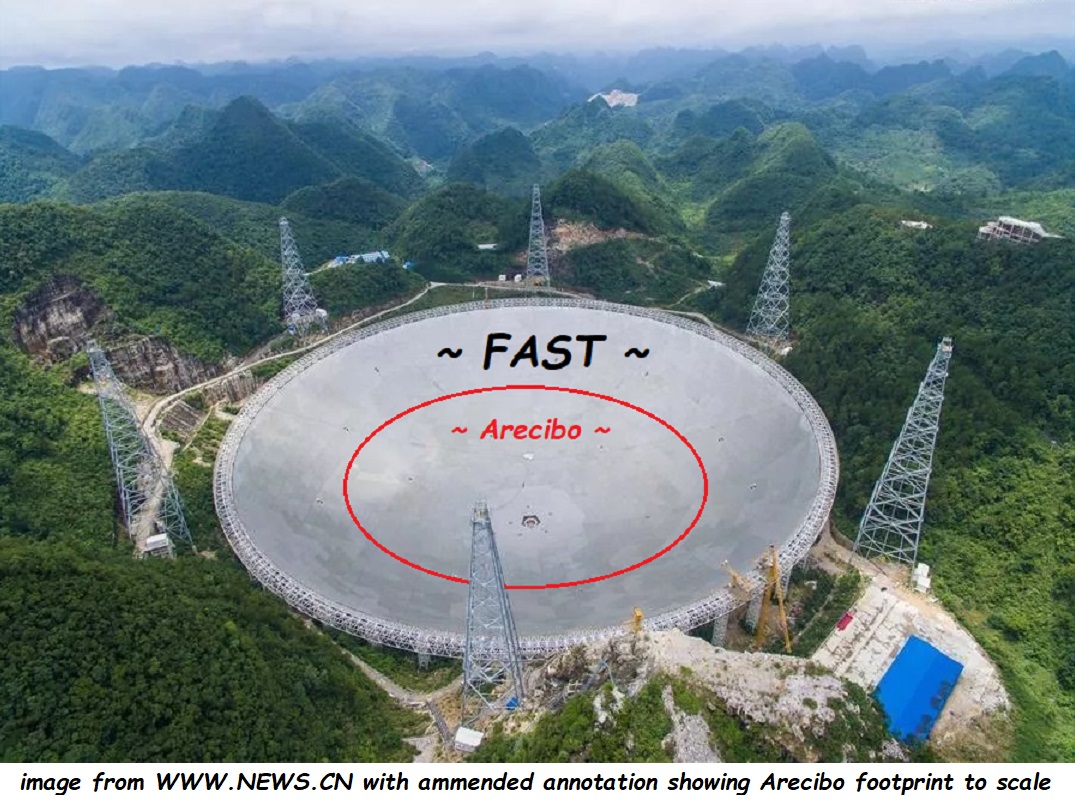
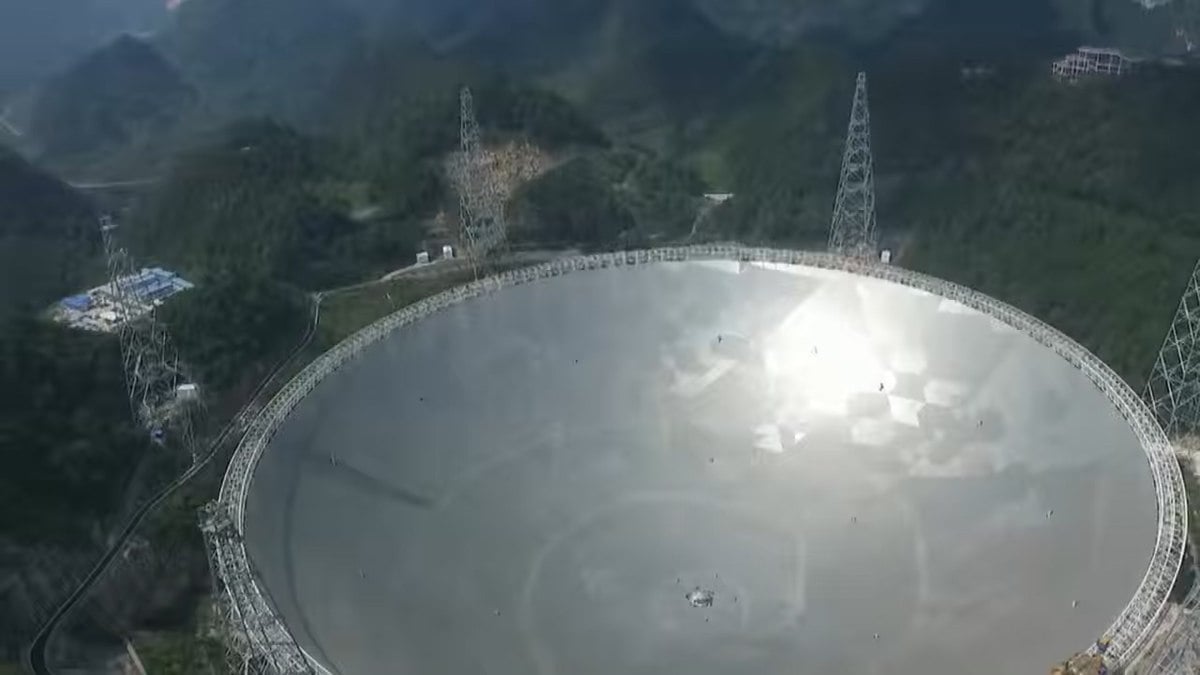
Comparison Between Arecibo and FAST
https://www.cloudynights.com/uploads/monthly_12_2020/post-226662-0-20963200-1607051804.jpg
Active Users by Signup Year
SETI@Home Screensaver
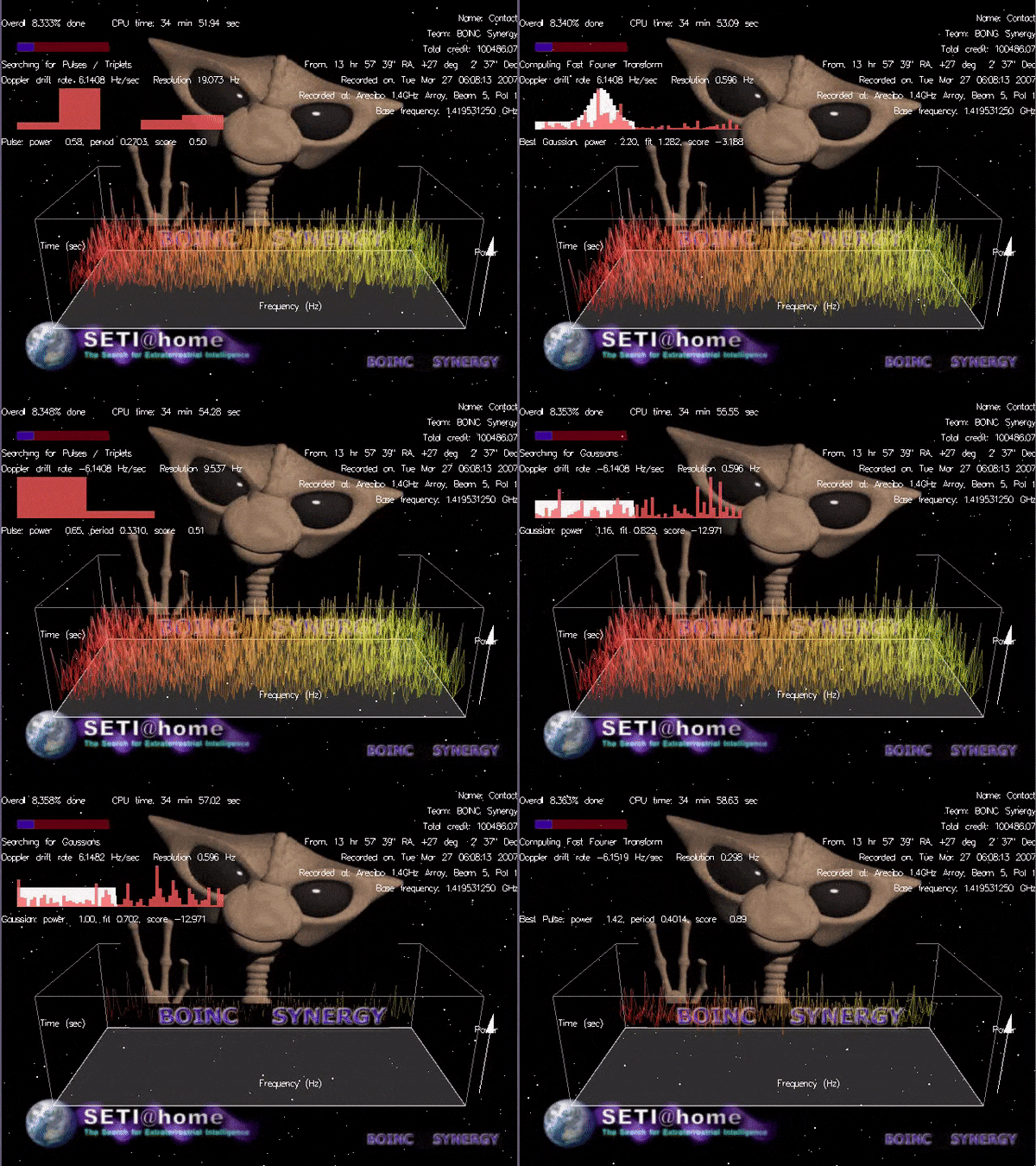
Analyzing the SETI@home data
https://setiathome.berkeley.edu/sah_papers/Image36.gif
FAST Radio Telescope
https://www.universetoday.com/article_images/11715.jpeg
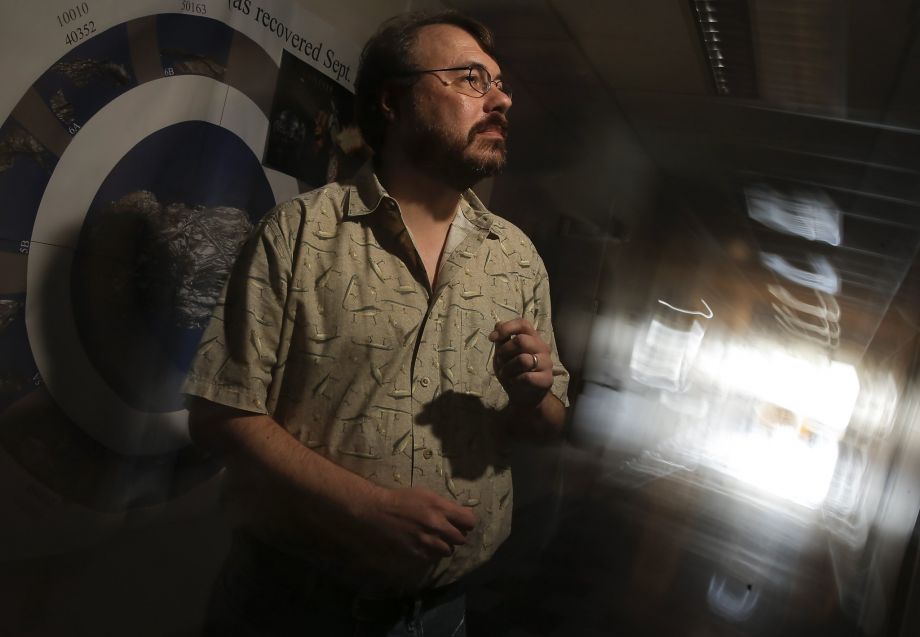
Eric Korpela
https://www.ssl.berkeley.edu/wp-content/uploads/2015/07/Eric-Korpela.jpg
Waz Up
Space Exploration and Space History
Space Exploration News
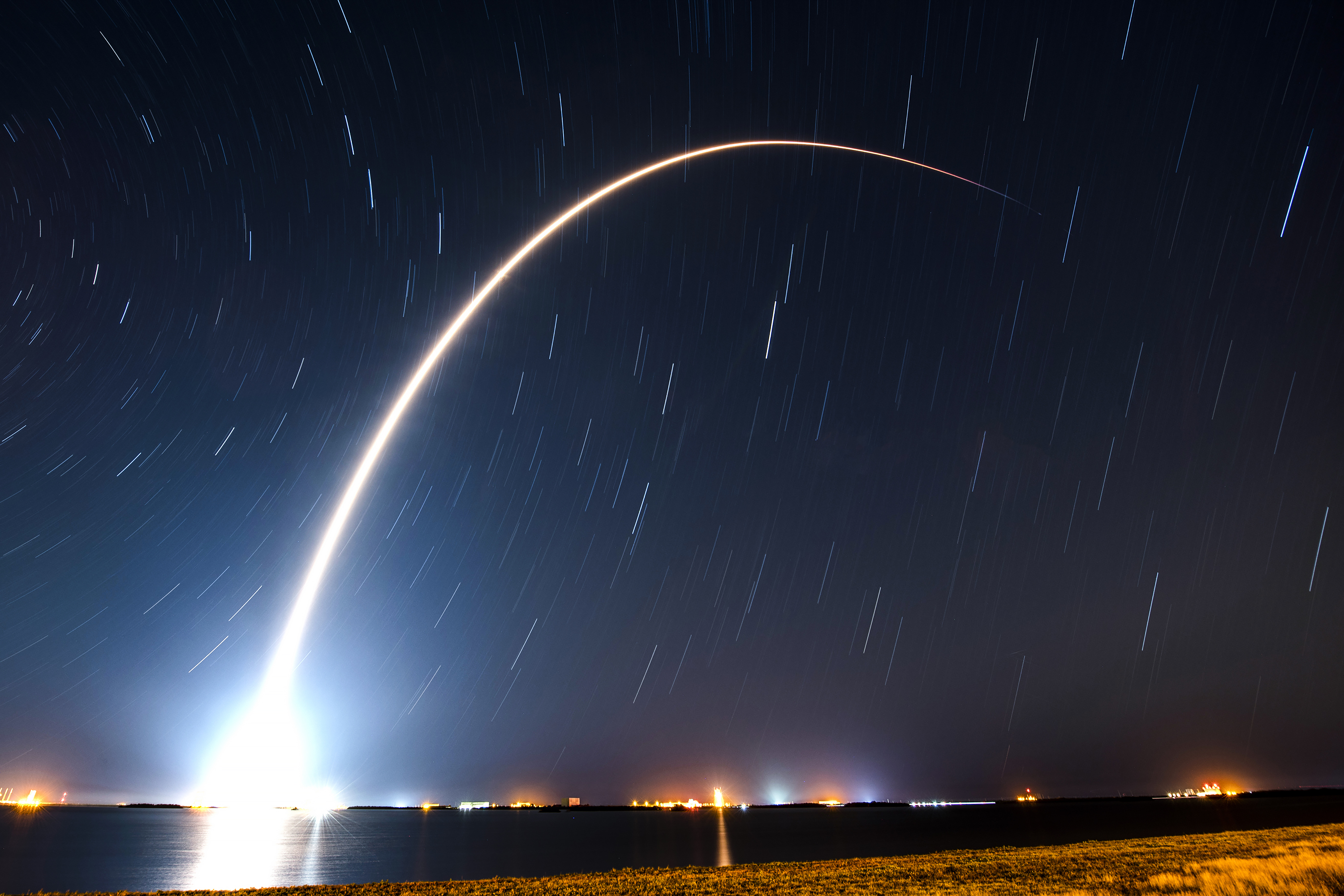
SpaceX Launches New US Spy Satellites
https://cdn.mos.cms.futurecdn.net/gtzKnhXNmx4rciyPg2se3F.jpg
ISS Crew Returns Early Due to Medical Concern

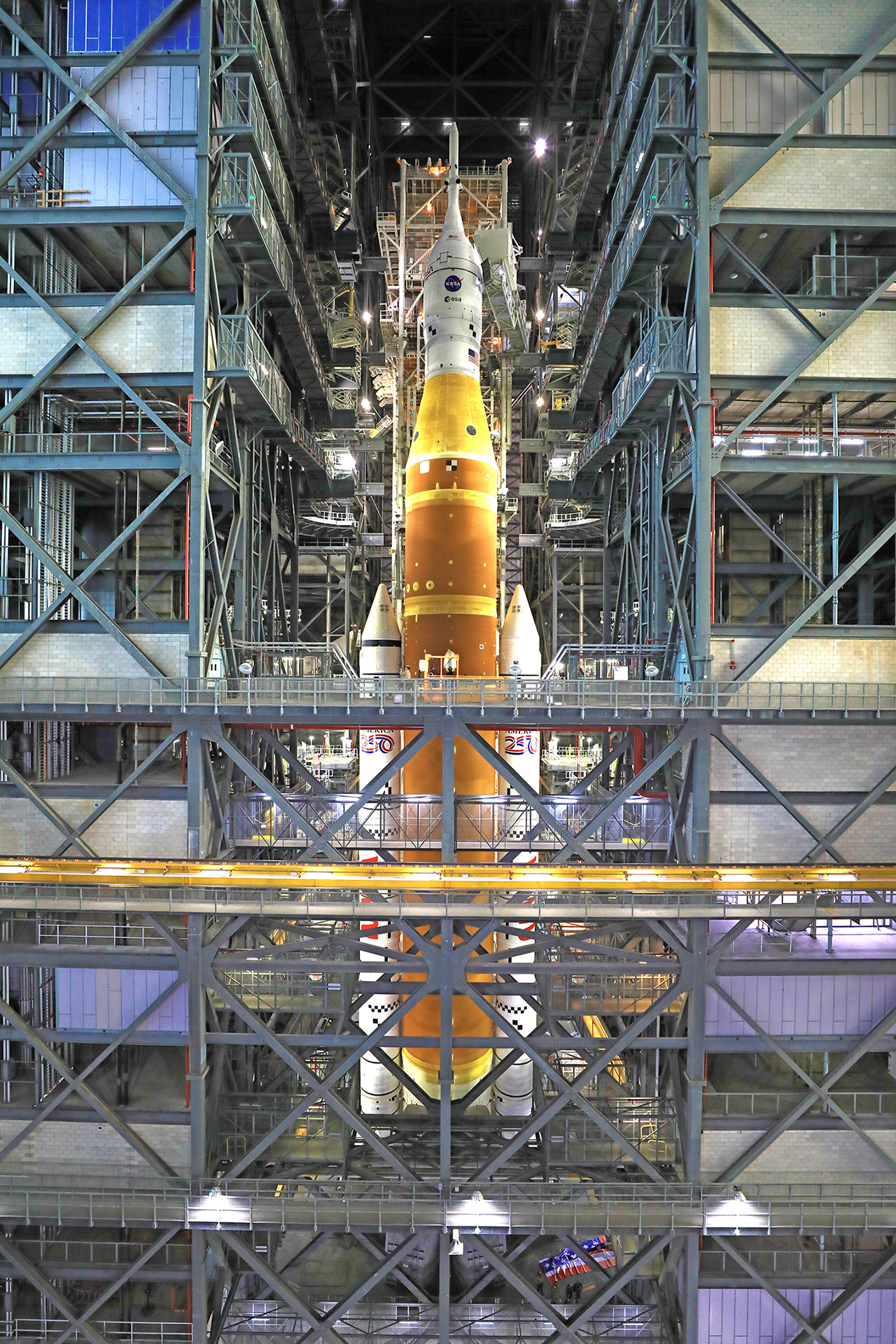
NASA Prepares for Artemis II Rocket Rollout
https://www.nasa.gov/wp-content/uploads/2026/01/6m9a1292-copy.jpg
Hubble Provides New Insights into Star and Planet Formation

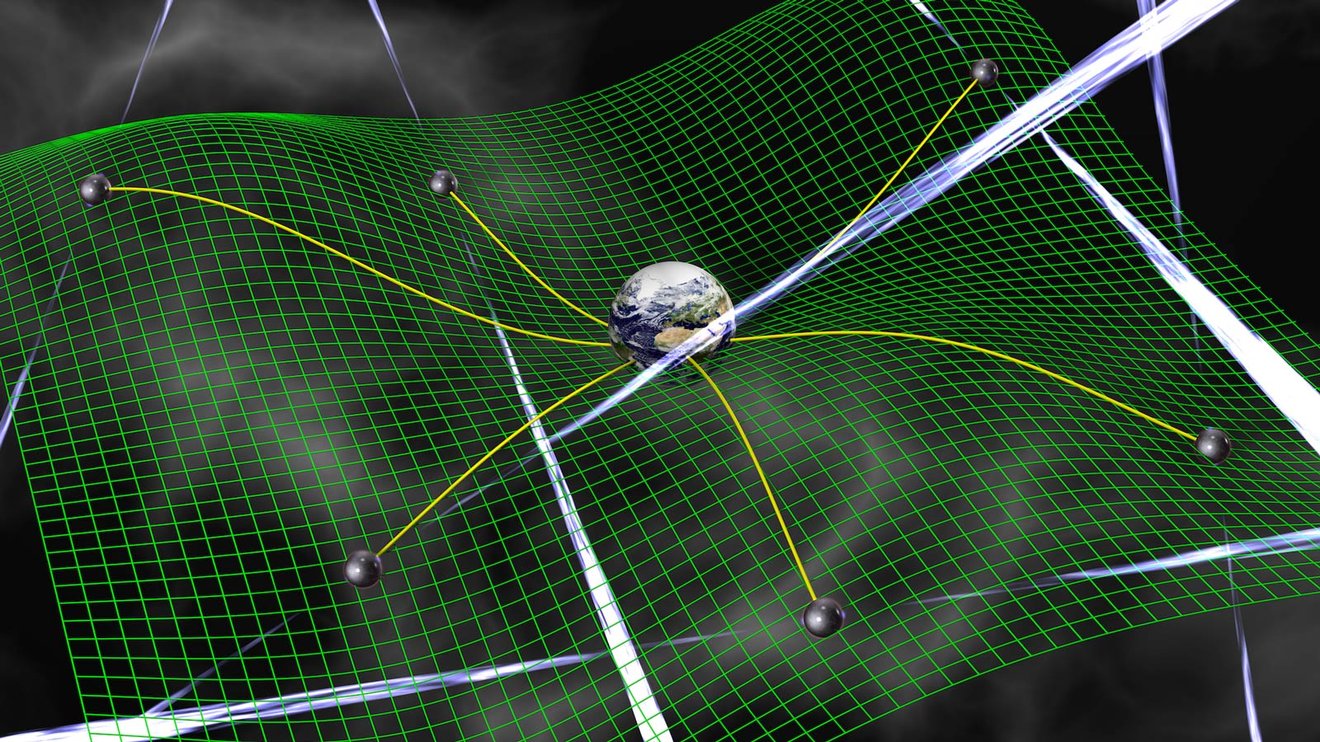
Pulsar Signals Aid Search for Gravitational Waves and ET Life
Space-Related Birthdays
| Astronaut | Birthday | Birth Year | Flights | Notes |
| Shannon Lucid | Jan 14 | 1943 | STS-51-G, STS-34, STS-43, STS-58, STS-76, STS-79 | A biochemist and one of the first female NASA astronauts. She held the record for the longest duration in space by an American and a woman for over a decade. |
| Jerry M. Linenger | Jan 16 | 1955 | STS-64, STS-81, STS-84 | A retired U.S. Navy Captain and physician. He survived a fire and multiple system failures during his 132-day stay on the Russian space station Mir. |
| Daniel Brandenstein | Jan 17 | 1943 | STS-8, STS-51-G, STS-32, STS-49 | A former Naval Aviator and test pilot who flew four Space Shuttle missions, commanding three of them. He was the commander of the maiden flight of the Space Shuttle Endeavour. |
| Jeffrey Williams | Jan 18 | 1958 | STS-101, Soyuz TMA-8 (Expedition 13), Soyuz TMA-16 (Expedition 21/22), Soyuz TMA-20M (Expedition 47/48) | A retired U.S. Army officer who held the American record for most days in space. He commanded the International Space Station and performed multiple spacewalks. |
This Week in Space History
January 12, 1986 – STS-61C: A Mission of Firsts

January 14, 2005 – Huygens Probe’s Historic Landing on Titan

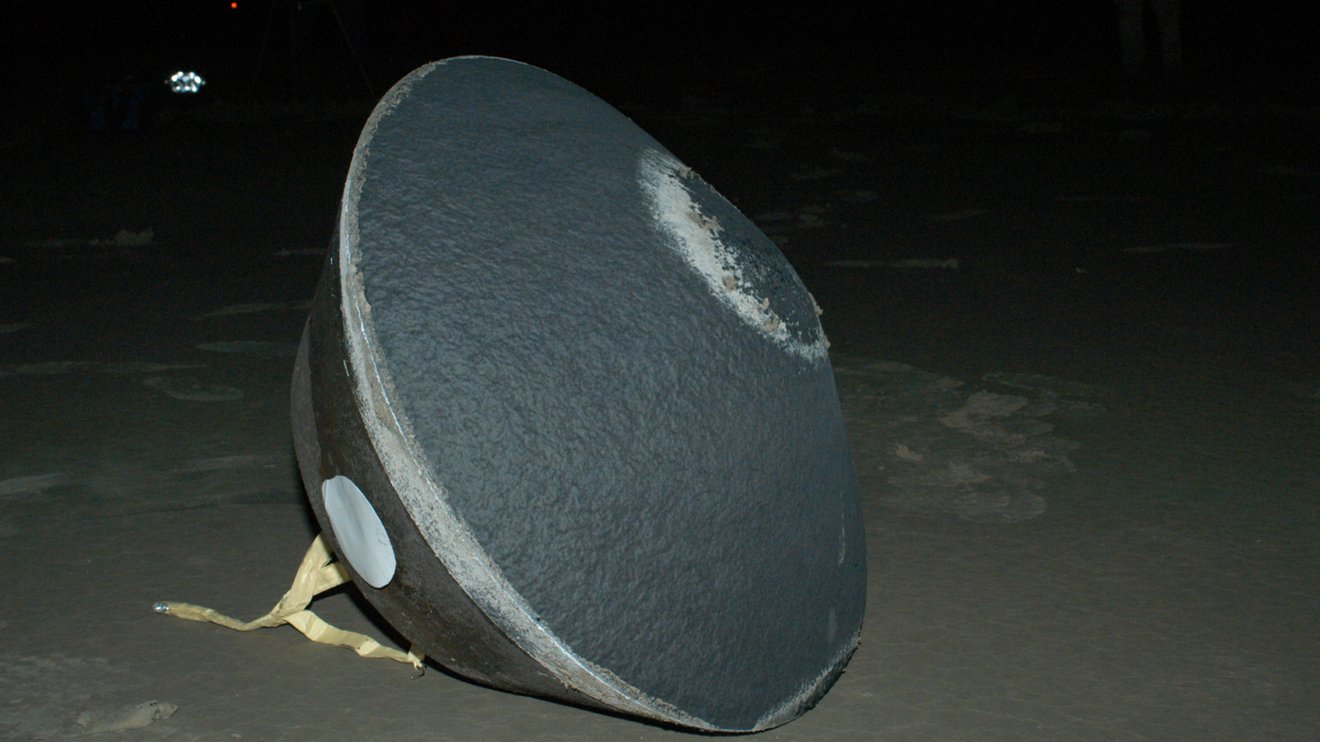
January 15, 2006 – Stardust Returns with Precious Cargo
January 16, 2003 – The Final Launch of Space Shuttle Columbia

Miss Carolyn’s Constellation of the Week
Constellation “Taurus the Bull”
Space Launches For This Week
Space Flight Now Launch Schedule
TBD Spectrum • Second test flight
Launch time: TBD
Launch site: Launch Complex 1, Andøya Spaceport, Norway
A Spectrum rocket from Isar Aerospace will launch on its second test flight. As of Dec. 22, a payload for this mission hasn’t been announced.
Updated: January 05
NET February 1 H3 • QZS-7
Launch time: 4:30 p.m. JST (2:30 a.m. EST / 0730 UTC)
Launch site: Yoshinobu Launch Complex, JAXA Tanegashima Space Center
An H3 launch vehicle, a rocket developed through a partnership between Mitsubishi Heavy Industries and JAXA (Japan Aerospace Exploration Agency), will launch the Michibiki No. 7, Quasi-Zenith Satellite System (QZS-7). This will be the ninth launch of an H3 rocket.
Updated: December 01
NET February 2 Vulcan • USSF-87
Launch time: TBD
Launch site: SLC-41, Cape Canaveral Space Force Station, Florida
A United Launch Alliance Vulcan rocket will launch the USSF-87 multi-manifest mission to geosynchronous orbit. The rocket will fly in a VC4L configuration, which means that there will be four solid rocket boosters attached to the first stage and it will sport a 70-foot-long (21.3 m) payload fairing. Among the payloads onboard is the Geosynchronous Space Situational Awareness Program (GSSAP) system.
Updated: January 07
NET February 6/7 Space Launch System • Artemis 2
Launch time: 9:41 p.m. EST (0241 UTC)
Launch site: Launch Complex 39B, Kennedy Space Center
NASA’s Space Launch System rocket will launch an Orion spacecraft on the Artemis 2 mission, the first crewed flight of the program. NASA astronauts Reid Wiseman, Victor Glover and Christina Koch along with Canadian Space Agency astronaut Jeremy Hansen will perform a lunar flyby during a roughly 10-day mission that will see their capsule, ‘Integrity’, splash down in the Pacific Ocean. Delayed from Feb. 5.
Updated: January 12
NET February 15 Falcon 9 • Crew-12
Launch time: TBD
Launch site: SLC-40, Cape Canaveral Space Force Station, Florida
A SpaceX Falcon 9 rocket will launch a four-person crew to the International Space Station on the SpaceX Crew-12 flight. NASA astronaut Jessica Meir will command the mission alongside pilot and fellow NASA astronaut, Jack Hathaway. They are joined by mission specialists Sophie Adenot, a European Space Agency (ESA) astronaut and Andrey Fedyaev, a Roscosmos cosmonaut. This will be the second flight for Meir and Fedyaev and the first flight for both Hathaway and Adenot. The quartet will conduct a long-duration mission onboard the ISS. Following stage separation, the first stage booster supporting this mission will return to a landing site adjacent to the launch pad at Space Launch Complex 40 at Cape Canaveral Space Force Station.
Updated: December 19
TBD Proton-M • Elektro-L
Launch time: TBD
Launch site: Site 81, Baikonur Cosmodrome, Kazakhstan
A Proton-M rocket from Roscosmos will launch the Elektro-L No. 5 weather satellite, which will operate in a geostationary Earth orbit. Delayed from Dec. 15 due to an upper stage issue.
Updated: December 14
Visible satellite passages over the next couple of days.
You can use the http://www.heavens-above.com website to find out what’s in orbit and
where to look during fly-overs
All times are “local” (Dallas) time.
ISS – No visible transits
Tiangong
