
IO Group: https://groups.io/g/DARCskynet/topics
Facebook Group: http://www.facebook.com/groups/306498286059167/
Saturday’s DARC SkyNet is at 9PM CT.
Discussion Topic of the Evening.
Moon Talk
NASA could be launching Artemis 2 to send astronauts into lunar space as soon as February and I’ll be talking about this and related topics
NASA Artemis II Video
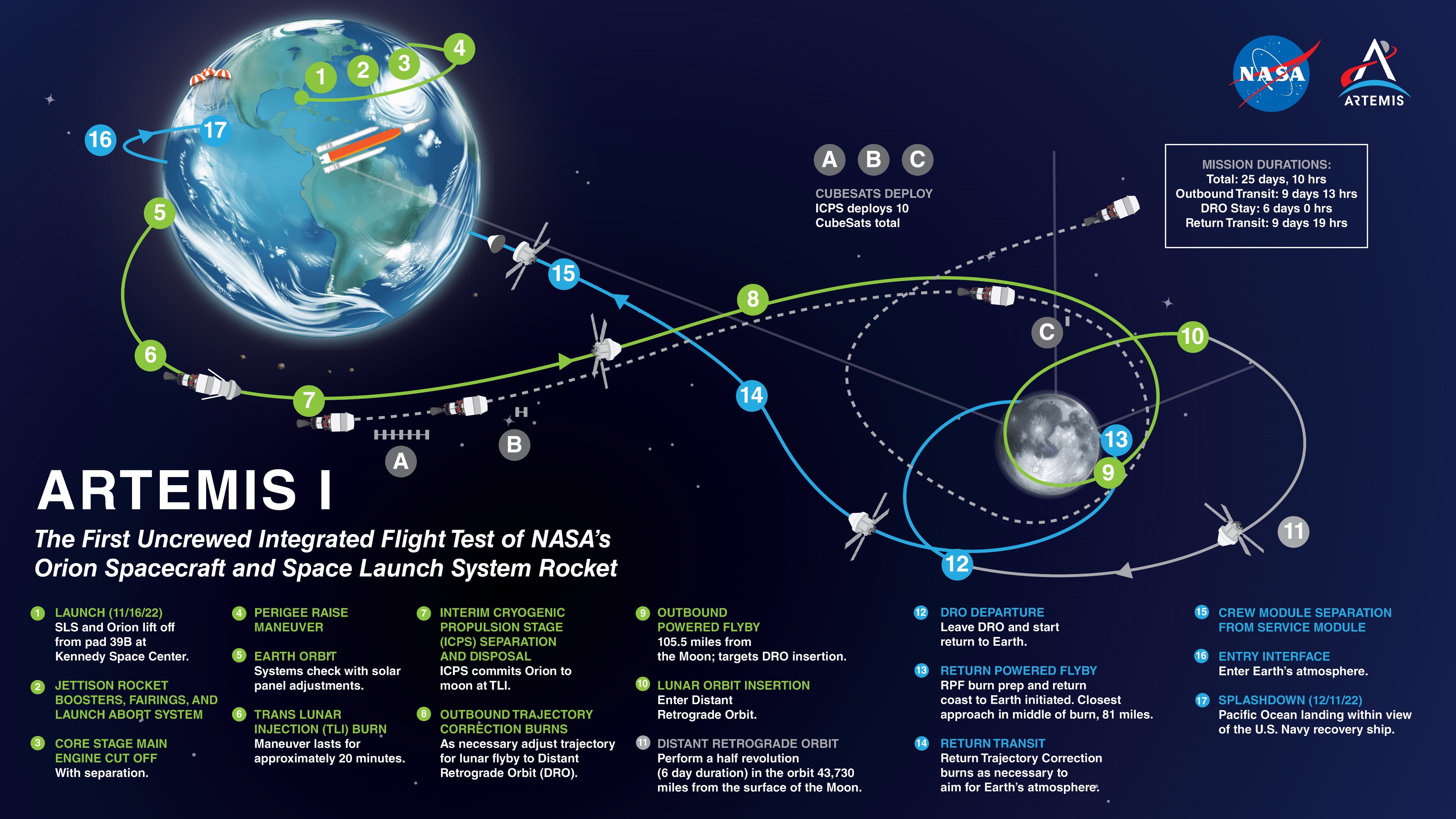
Artemis 1 Mission Profile
https://upload.wikimedia.org/wikipedia/commons/e/eb/Artemis_I_map_October_2021.jpg
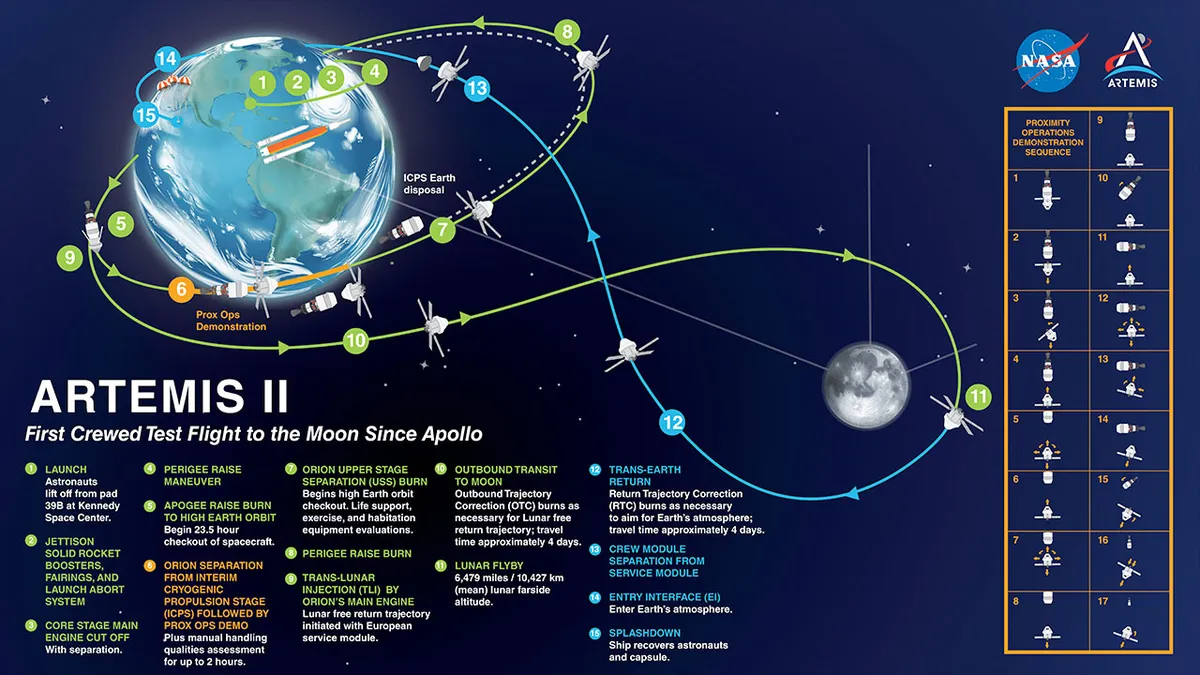
Artemis 2 Mission Profile
https://cdn.mos.cms.futurecdn.net/P8AyHqZQNTon9HrPvw2iFh-1200-80.jpg.webp
Artemis III Video
HLS Profile

Orbital Refueling
https://img.inform.kz/kazinform-photobank/media/2024-11-11/272cc7f2-41fc-4289-a505-1e932a5d7a64.webp
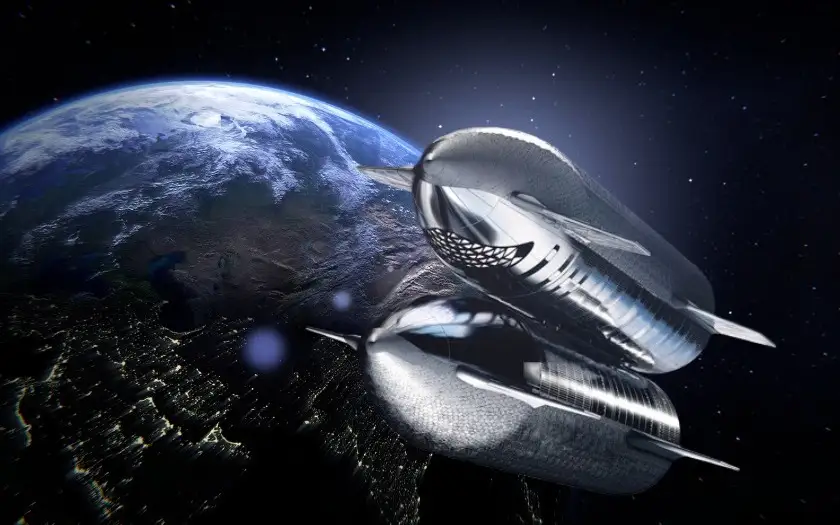
Starship V1, V2, and V3
Soft Touchdown

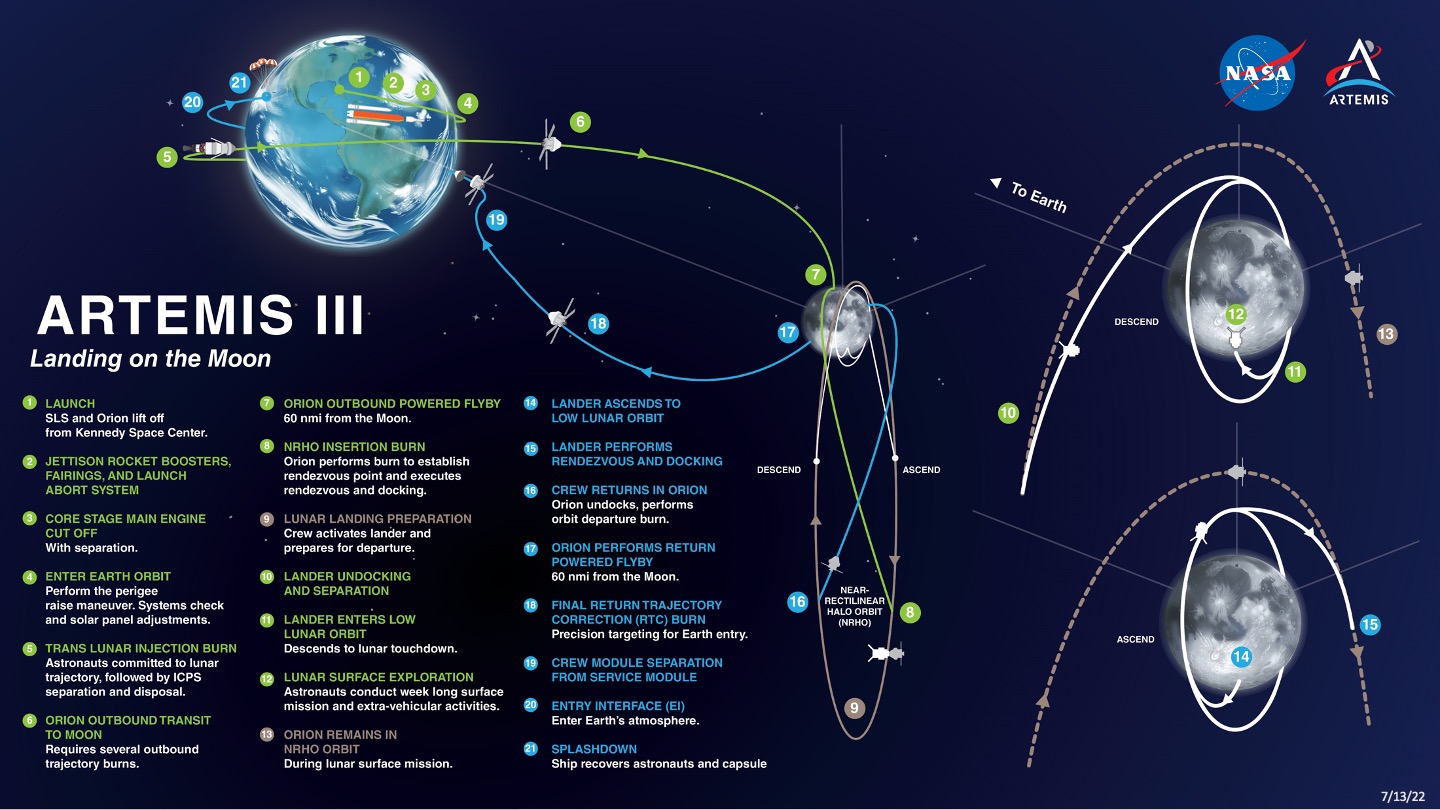
Artemis 3 Flight Profile
https://upload.wikimedia.org/wikipedia/commons/d/dd/Artemis_III_Mission_profile_2025.jpg
Waz Up
Space Exploration and Space History
Space Exploration News
“Wet Lava Ball” Exoplanet May Have an Atmosphere
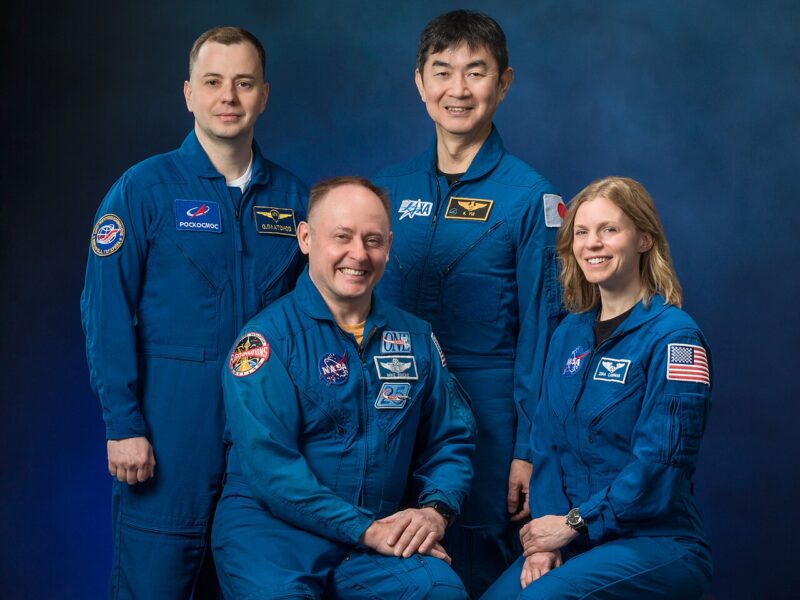
Crew-11 Astronauts Prepare for Early ISS Return
https://earthsky.org/upl/2026/01/Crew-11_astronauts-NASA-wikimedia-commons-e1767908578126.jpg
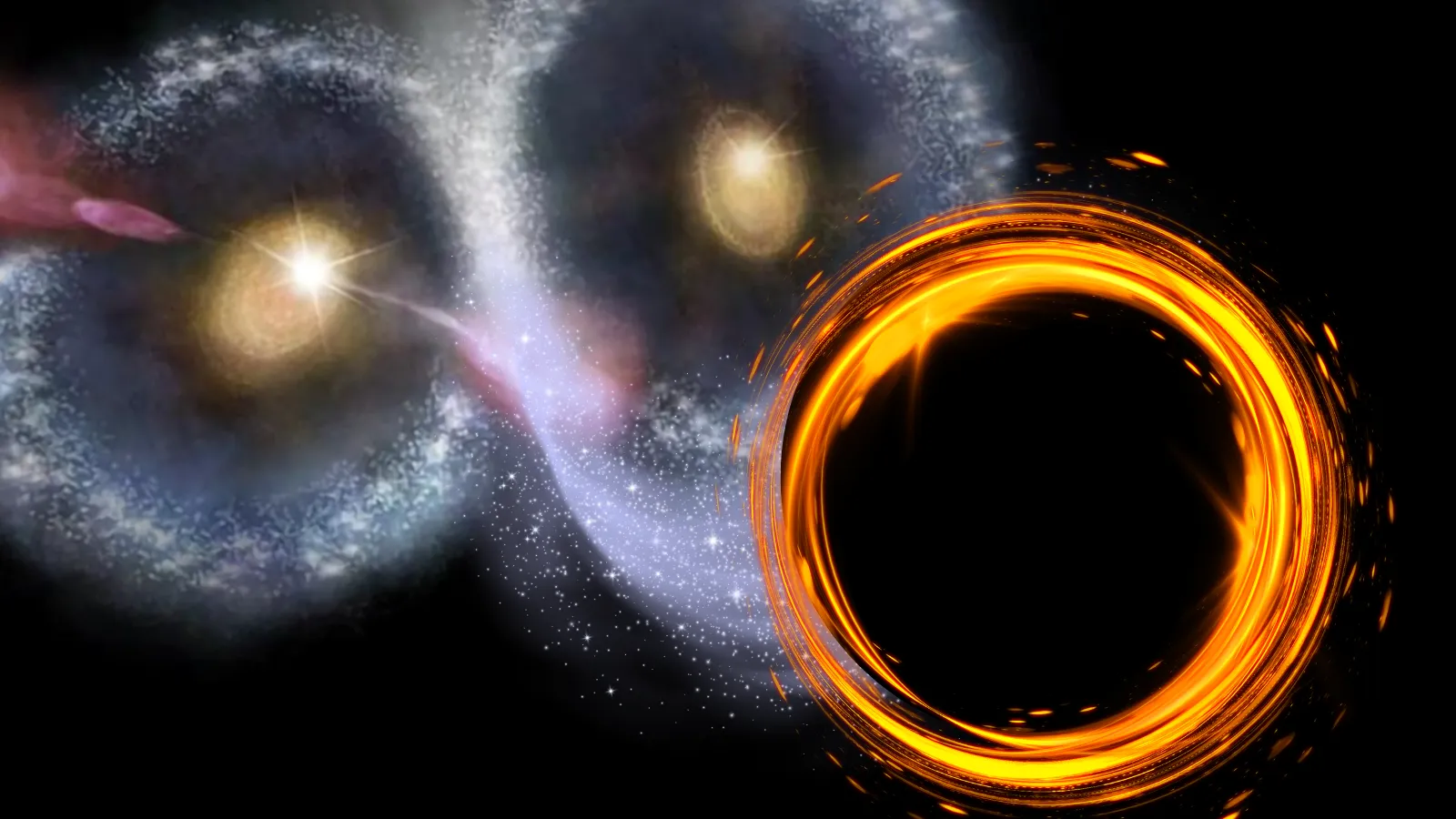
JWST Spots Speeding Supermassive Black Hole
https://cdn.mos.cms.futurecdn.net/eGeN4NAfyoMYzDjo6CXRK-1600-80.png.webp
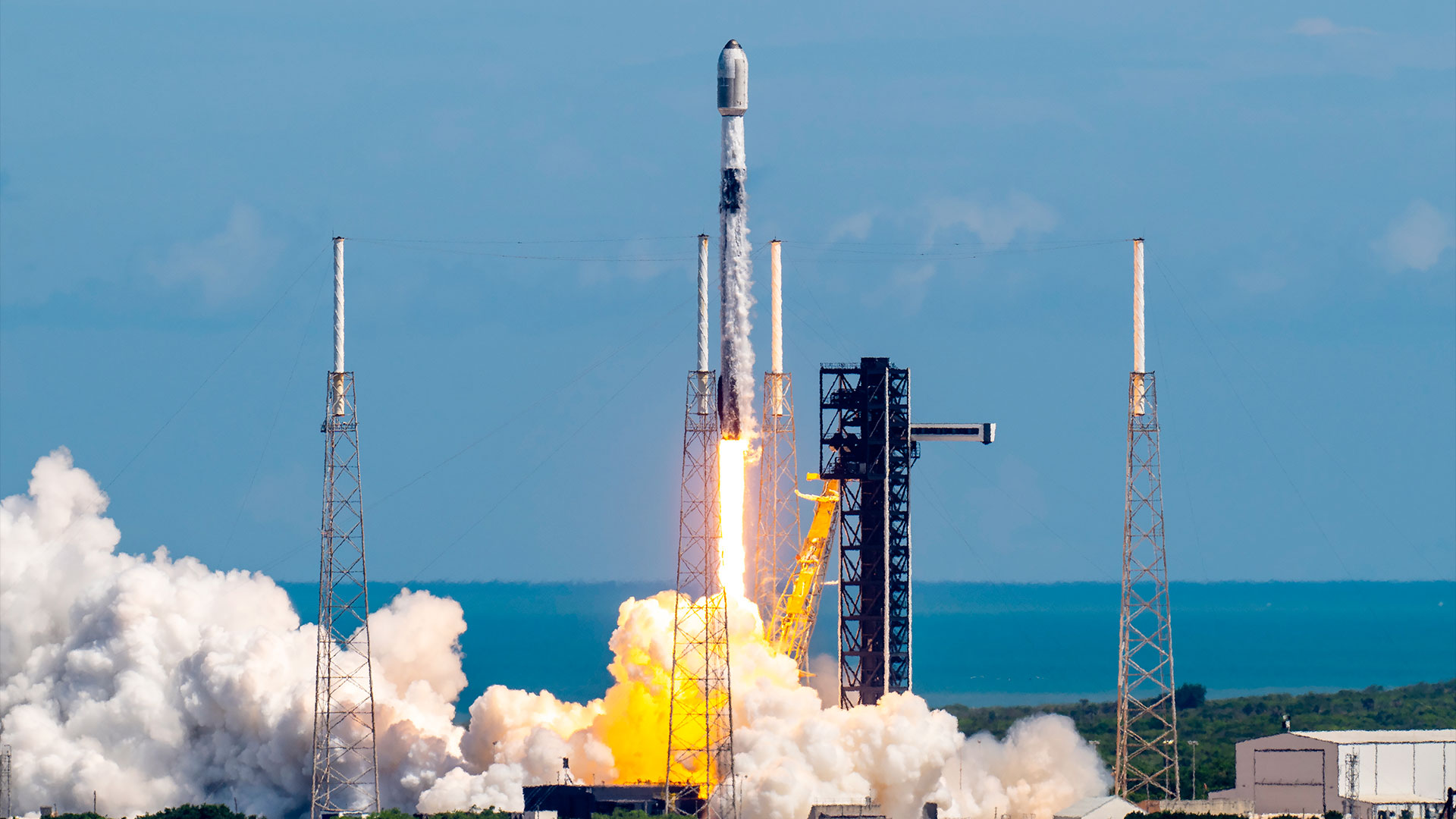
SpaceX Continues Busy Launch Schedule
https://cdn.mos.cms.futurecdn.net/8P7kcrWhxjS4iNNwj7htMa.jpg
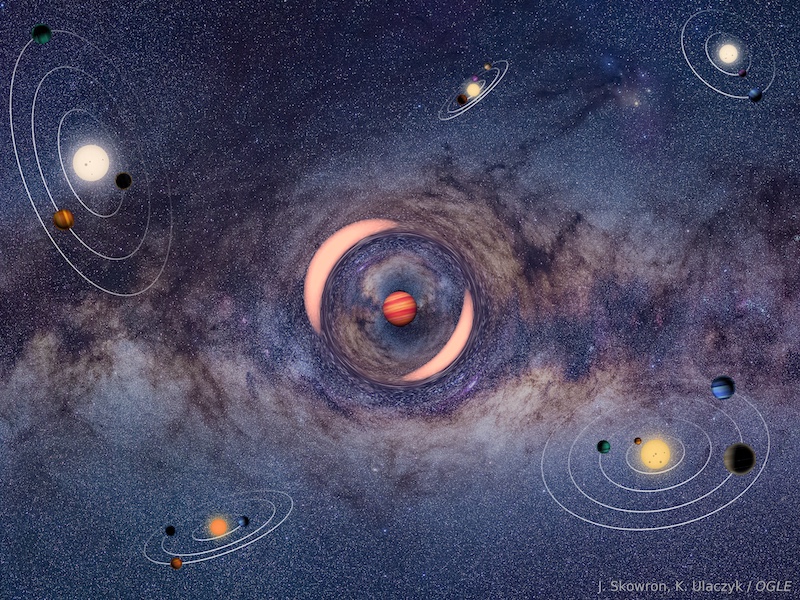
Discovery of a Rogue Saturn-Mass Planet
https://earthsky.org/upl/2026/01/rogue-planet-microlensing-artist-concept-AAAS-January-1-2026.jpg
JWST Reveals “Platypus Galaxies”

Space-Related Birthdays
| Astronaut | Birthday | Birth Year | FCC Callsign | Flights | Notes |
| Christopher Cassidy | January 4 | 1970 | KF5KDR | STS-127, Expedition 35/36, Expedition 62/63 | Christopher Cassidy is a retired NASA astronaut and former U.S. Navy SEAL. His first spaceflight was in 2009, a Space Shuttle mission to deliver the Japanese Experiment Module to the ISS, and he was the 500th person in space. |
| Michael Foale | January 6 | 1957 | Not found | STS-45, STS-56, STS-63, STS-84/STS-86 (Mir), STS-103, Soyuz TMA-3 (Expedition 8) | Michael Foale is a British-American astrophysicist and former NASA astronaut. He has flown on both the Space Shuttle and Soyuz, and was the commander of Expedition 8 on the ISS. |
| Philippe Perrin | January 6 | 1963 | Not found | STS-111 | Philippe Perrin is a French test pilot and former astronaut. His one spaceflight was a mission to the ISS to deliver and install the Mobile Base System for the station’s robotic arm. |
| Guy Gardner | January 6 | 1948 | Not found | STS-29, STS-35 | Guy Gardner is a retired American astronaut. He flew on two Space Shuttle missions, including one that deployed a Tracking and Data Relay Satellite. |
| David Saint-Jacques | January 6 | 1970 | KG5FYI | Soyuz MS-11 (Expedition 57/58/59) | David Saint-Jacques is a Canadian astronaut. His first spaceflight was a long-duration mission to the ISS, during which he conducted a spacewalk and operated the Canadarm2. |
| Frederick D. Gregory | January 7 | 1941 | Not found | STS-51-B, STS-33, STS-44 | Frederick D. Gregory is a former NASA astronaut and the first African American to command a Space Shuttle mission. He is also a recipient of the Distinguished Flying Cross. |
| Talgat Musabayev | January 7 | 1951 | Not found | Soyuz TM-19, Soyuz TM-27, Soyuz TM-32/Soyuz TM-31 | Talgat Musabayev is a Kazakhstani cosmonaut who has flown on three space missions. He has served as the head of the Kazakh National Space Agency, KazCosmos. |
| Valery Kubasov | January 7 | 1935 | Not found | Soyuz 6, Soyuz 19 (Apollo-Soyuz Test Project), Soyuz 36 | Valery Kubasov was a Soviet cosmonaut who flew on three space missions. He was part of the first international space mission, the Apollo-Soyuz Test Project. |
This Week in Space History
January 4, 1959 – Luna 1 Flies Past the Moon
January 5, 1972 – The Space Shuttle Program is Born

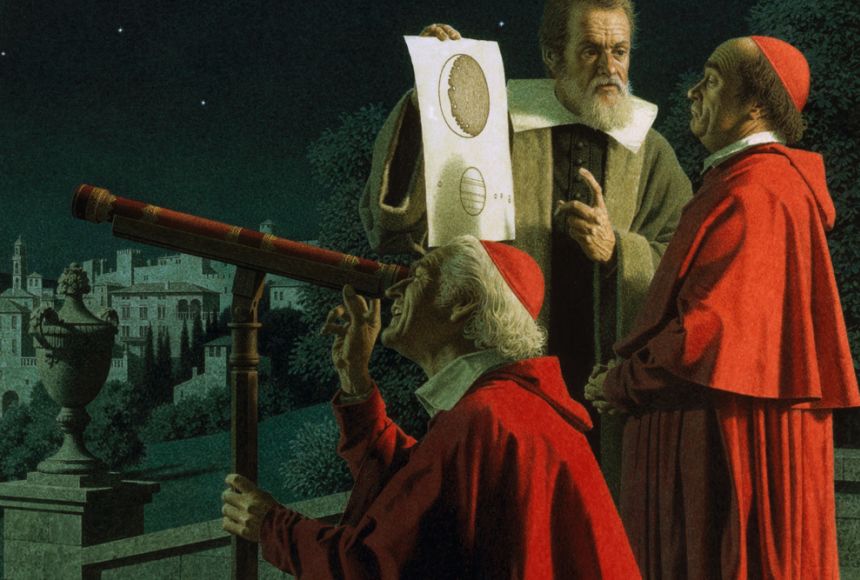
January 7, 1610 – Galileo Discovers Jupiter’s Moons
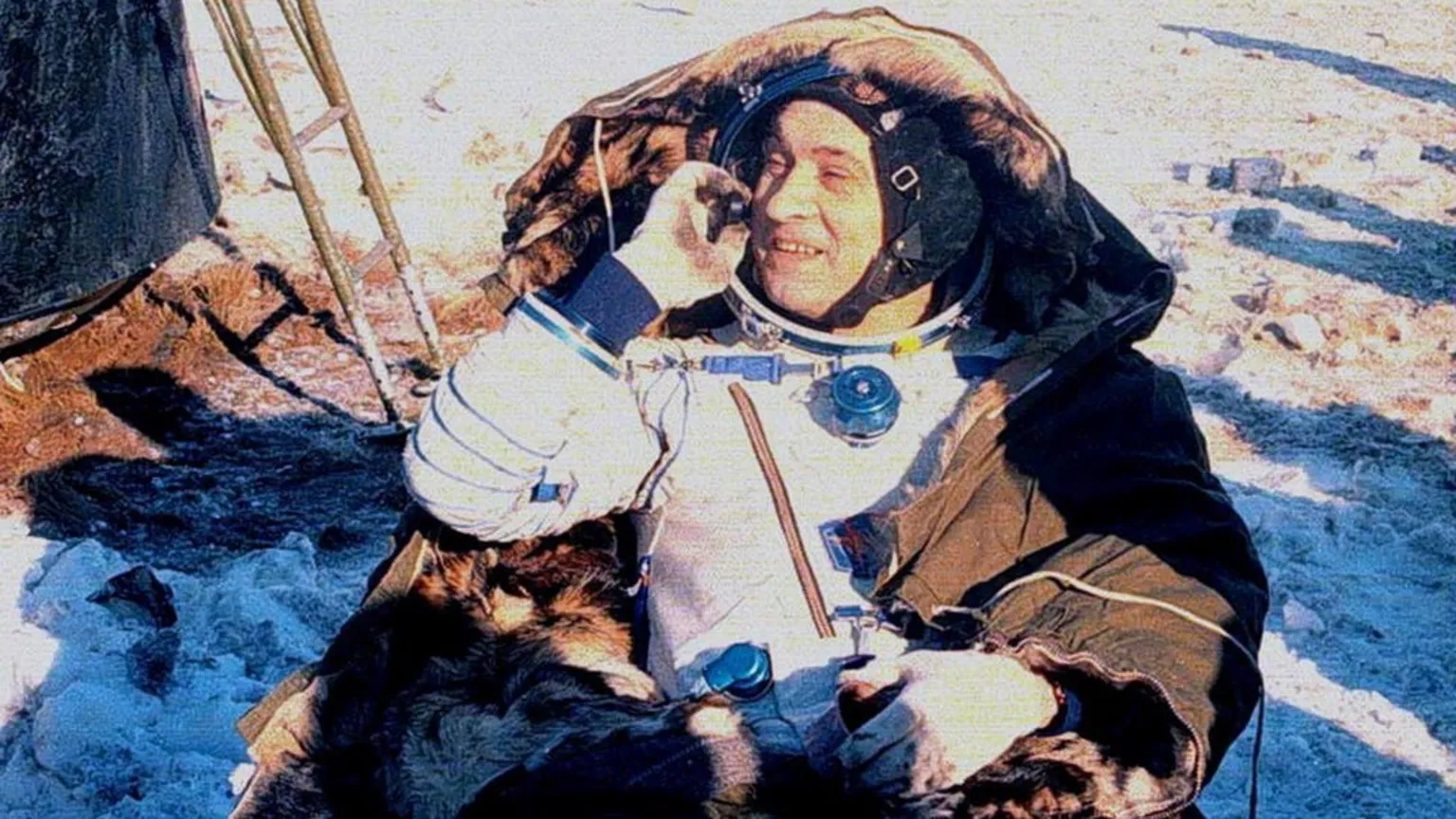
January 8, 1994 – Valeri Polyakov Begins Record-Breaking Spaceflight
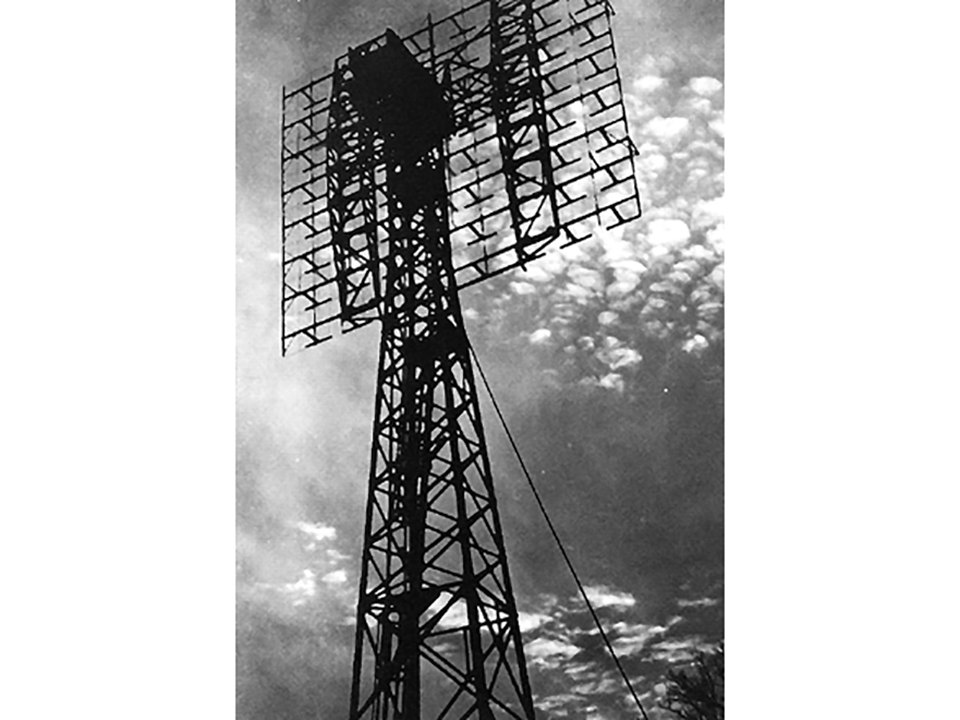
January 10, 1946 – Project Diana Bounces Radar off the Moonhttps://www.nationalww2museum.org/sites/default/files/2021-01/Project_Diana_antenna%20-%20Collin%20Makamson.jpg
Miss Carolyn’s Constellation of the Week
Constellations: Perseus the Hero and Camelopardalis the Giraffe.
Space Launches For This Week
Space Flight Now Launch Schedule
January 11 Falcon 9 • Twilight
Launch time: 5:19 a.m. PST (8:19 a.m. EST / 1319 UTC)
Launch site: SLC-4E, Vandenberg Space Force Base, California
A SpaceX Falcon 9 rocket will launch Falcon 9 rocket on a rideshare mission called Twilight. Among the payloads that are launching onboard is NASA’s Pandora small satellite, which is designed to characterize the atmospheres of exoplanets and their host stars. The company Exolaunch is responsible for deploying 22 satellites during the mission, including Dcubed-1/Araqys-D1, which will demonstrate on-orbit, 3D printing of a boom. The payloads will be deployed into a dusk-dawn Sun-synchronous orbit. About 7.5 minutes after liftoff, the Falcon 9 first stage booster, tail number 1097, launching for a fifth time, will land back at Landing Zone 4.
Updated: January 07
January 11 Falcon 9 • Starlink 6-97
Launch time: Four-hour window opens at 1:08 p.m. EST (1808 UTC)
Launch site: SLC-40, Cape Canaveral Space Force Station, Florida
A SpaceX Falcon 9 rocket will launch a batch of Starlink V2 Mini satellites into low Earth orbit. About 8.5 minutes after liftoff, the first stage booster, tail number B1078, launching for a 25th time, will land on the drone ship, ‘Just Read the Instructions’ positioned in the Atlantic Ocean. Delayed from Jan. 10.
Updated: January 08
January 11/12 PSLV • EOS-N1
Launch time: 10:17 a.m. IST / 0447 UTC on Jan. 12 (11:47 p.m. EST on Jan. 11)
Launch site: Satish Dhawan Space Centre (SDSC SHAR), Sriharikota, India
The Indian Space Research Organization (ISRO) will launch its Polar Satellite Launch Vehicle (PSLV), designation C62, on a rideshare mission. The primary payload is the country’s EOS-N1, an Earth observation satellite built by India’s Defence Research and Development Organisation (DRDO) and managed by NewSpace India Limited (NSIL). There are also 18 rideshare payloads onboard, including, according to news outlets in India, the Kestrel Initial Demonstrator (KID), which is a 25 kg spacecraft from Spanish startup Orbital Paradigm, that will carry payloads for three customers (Alatyr, Leibniz University Hannover and an undisclosed customer) and test reentry capabilities. This will also be a return to flight for the PSLV rocket. The last flight of this type of rocket, PSLV-C61 on May 18, 2025, saw a mid-flight anomaly, which prevented the EOS-09 satellite from reaching its intended orbit. Delayed from Jan. 9/10.
Updated: January 05
January 14 Falcon 9 • Starlink 6-98
Launch time: 1:01 p.m. EST (1801 UTC)
Launch site: SLC-40, Cape Canaveral Space Force Station, Florida
A SpaceX Falcon 9 rocket will launch a batch of Starlink V2 Mini satellites into low Earth orbit. About 8.5 minutes after liftoff, the first stage booster, tail number B1085, launching for a 13th time, will land on the drone ship, ‘A Shortfall of Gravitas’ positioned in the Atlantic Ocean. Moved up from Jan. 14. Delayed from Jan. 13.
Updated: January 08
TBD Spectrum • Second test flight
Launch time: TBD
Launch site: Launch Complex 1, Andøya Spaceport, Norway
A Spectrum rocket from Isar Aerospace will launch on its second test flight. As of Dec. 22, a payload for this mission hasn’t been announced.
Updated: January 05
NET February 1 H3 • QZS-7
Launch time: 4:30 p.m. JST (2:30 a.m. EST / 0730 UTC)
Launch site: Yoshinobu Launch Complex, JAXA Tanegashima Space Center
An H3 launch vehicle, a rocket developed through a partnership between Mitsubishi Heavy Industries and JAXA (Japan Aerospace Exploration Agency), will launch the Michibiki No. 7, Quasi-Zenith Satellite System (QZS-7). This will be the ninth launch of an H3 rocket.
Updated: December 01
NET February 2 Vulcan • USSF-87
Launch time: TBD
Launch site: SLC-41, Cape Canaveral Space Force Station, Florida
A United Launch Alliance Vulcan rocket will launch the USSF-87 multi-manifest mission to geosynchronous orbit. The rocket will fly in a VC4L configuration, which means that there will be four solid rocket boosters attached to the first stage and it will sport a 70-foot-long (21.3 m) payload fairing. Among the payloads onboard is the Geosynchronous Space Situational Awareness Program (GSSAP) system.
Visible satellite passages over the next couple of days.
All times are “local” (Dallas) time.
ISS

Tiangong
