
IO Group: https://groups.io/g/DARCskynet/topics
Facebook Group: http://www.facebook.com/groups/306498286059167/
Saturday’s DARC SkyNet is at 9PM CT.
Recent Astronomical Discoveries
Surprising optics breakthrough could transform our view of the Universe
https://www.sciencedaily.com/releases/2025/12/251203004736.htm
FROSTI allows LIGO and future detectors to operate at megawatt-scale laser power without degrading signal quality.
https://www.sciencedaily.com/images/1920/multidimensional-spacetime-gravitational-waves.webp

Discussion Topic of the Evening.
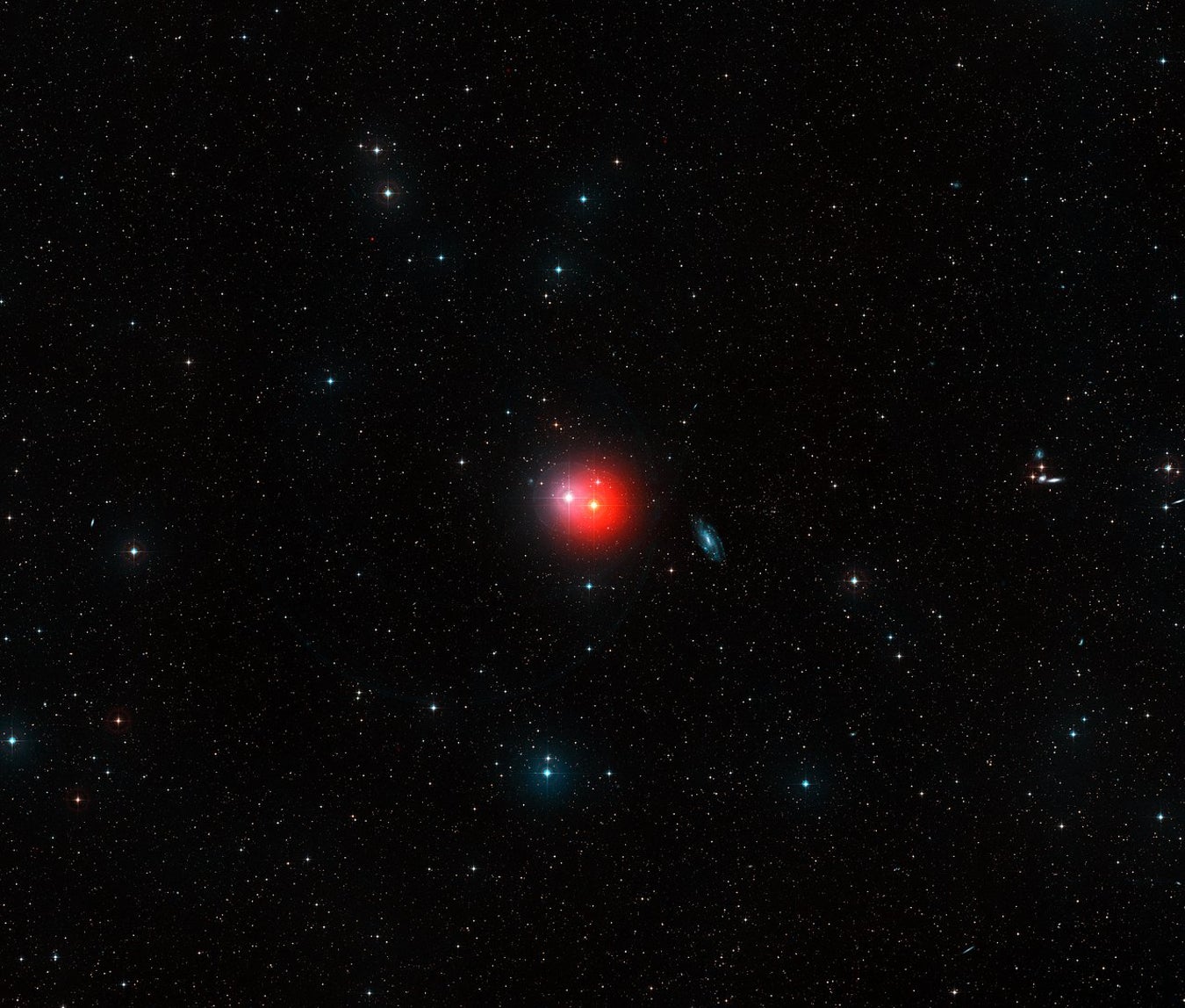
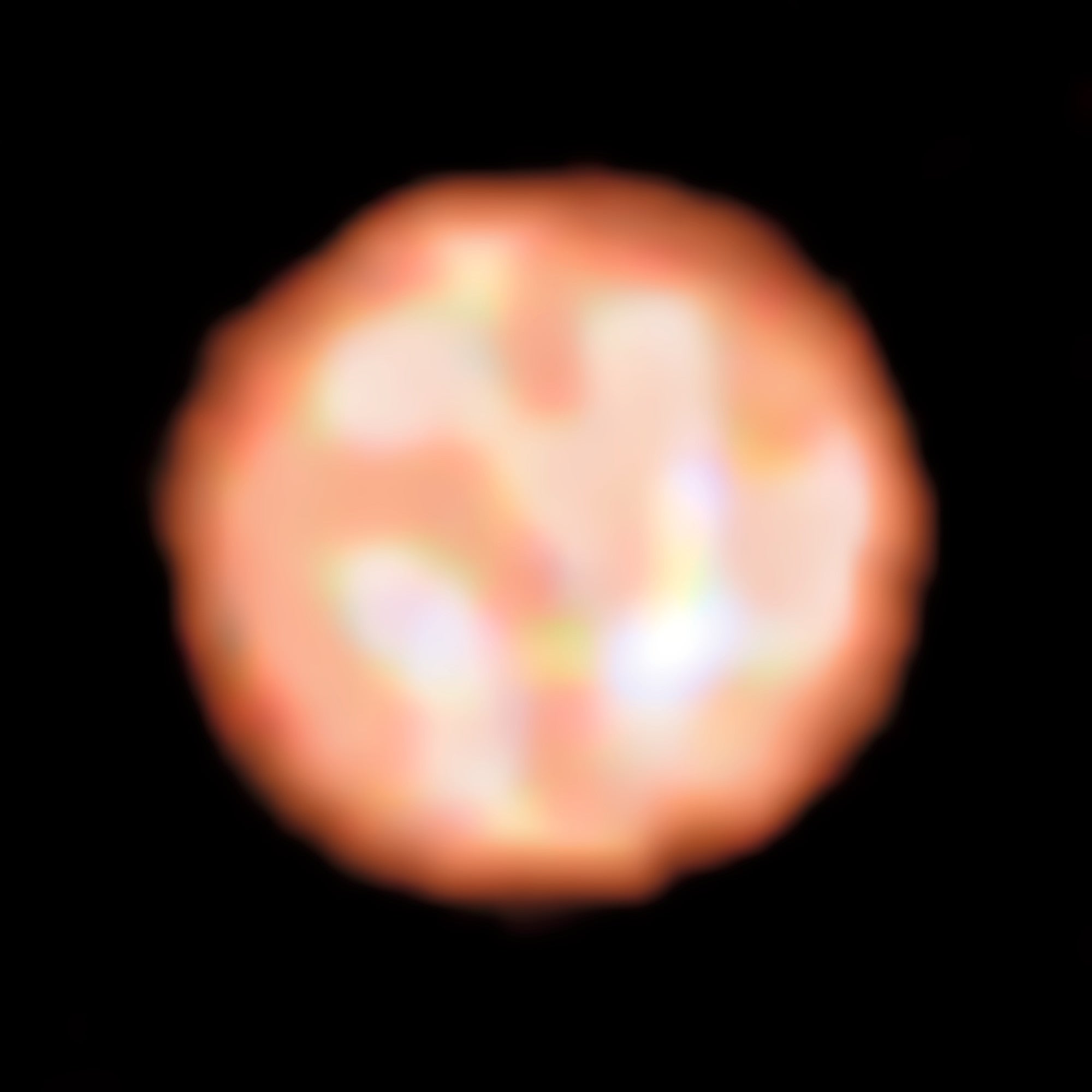
How to Get High-Resolution Views of Other Stars
Standard Wide-Field View of Pi Gruis
An interferometric view of the red giant star π1 Gruis
Waz Up
Space Exploration and Space History
Space Exploration News
December 4, 2025: SpaceX Continues Starlink Constellation Expansion
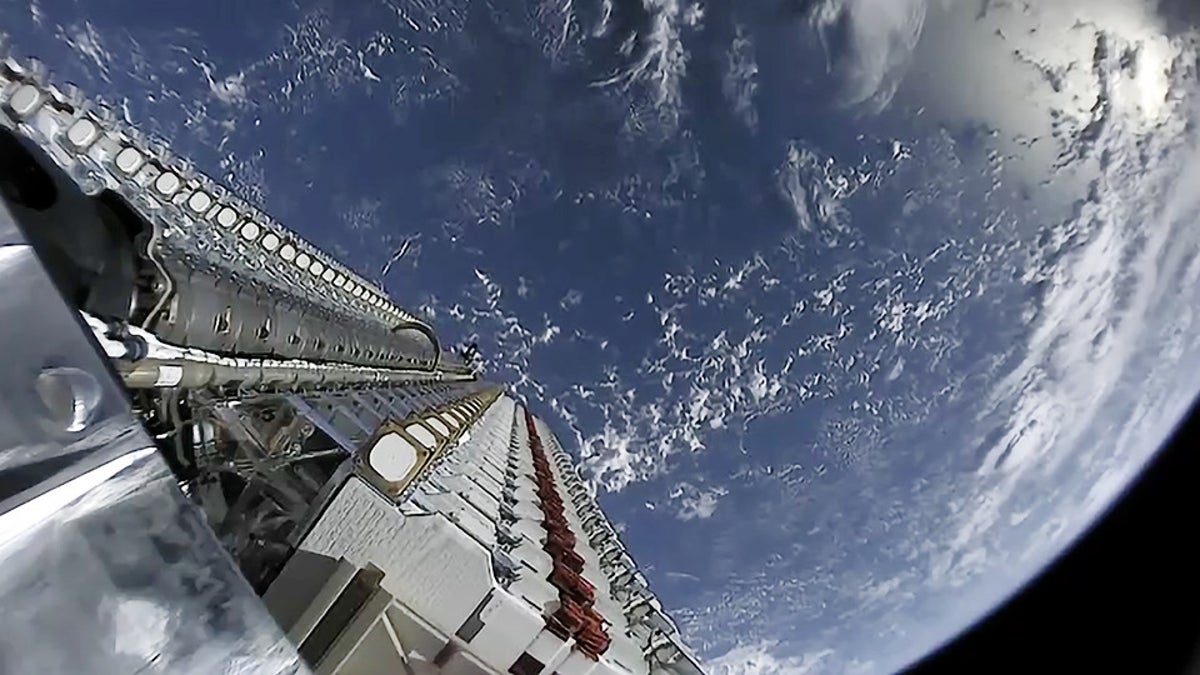
December 4, 2025:
“Cold Supermoon” and Geminid Meteor Shower
https://media.wired.com/photos/693043999d66f181d1c769f6/3:2/w_1920,c_limit/452969547
December 2, 2025:
Discovery of a Massive Cosmic Thread
https://cdn.mos.cms.futurecdn.net/q6g59Qomk4VvWZXNKJBknU-1920-80.jpg.webp
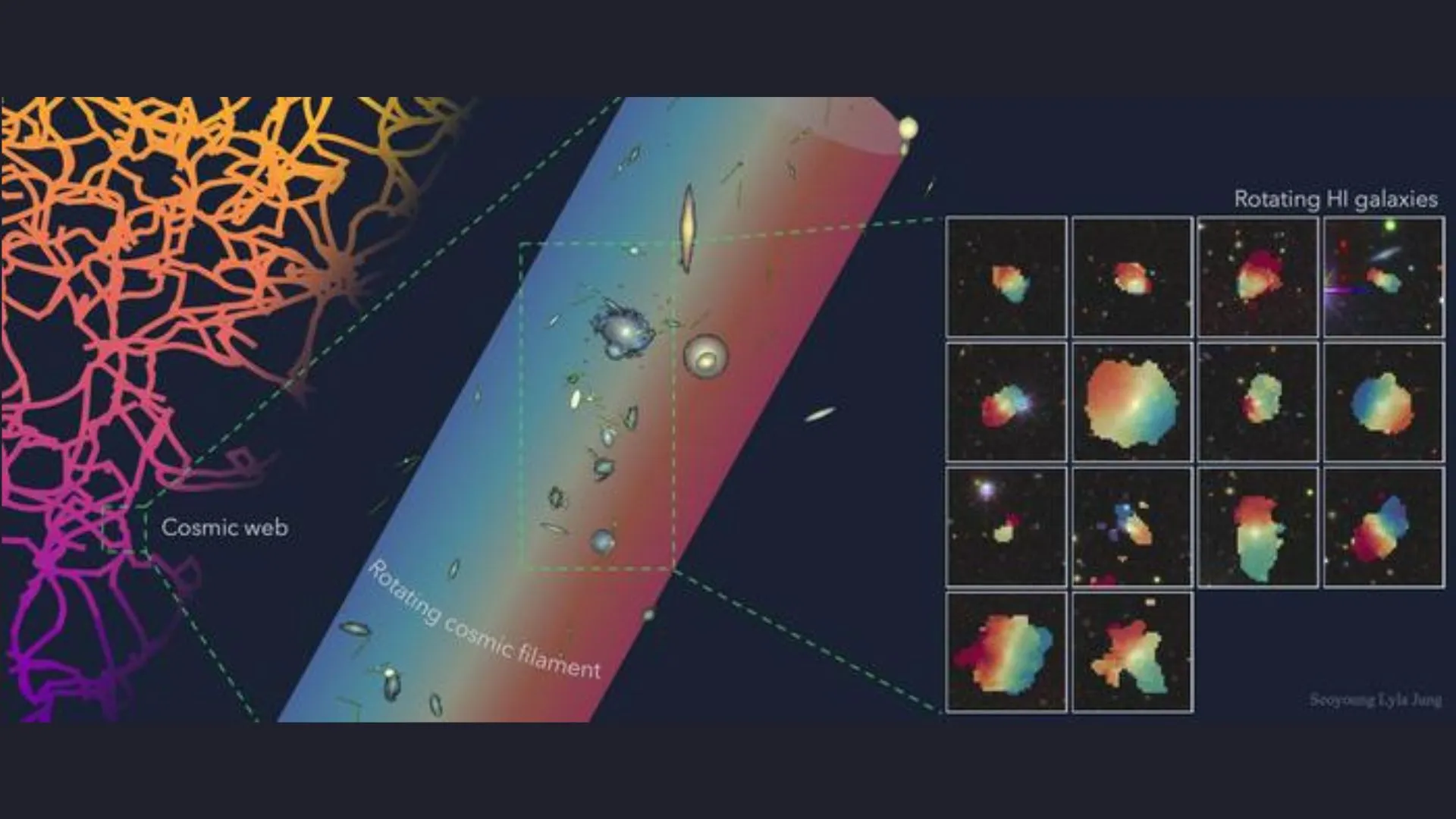
November 30, 2025:
Subsurface Water on Mars Hopes Dashed
https://earthsky.org/upl/2018/07/lake-mars-subsurface-annotated-e1532623191999.jpg

November 28, 2025:
Interacting Dwarf Galaxies “Tying the Knot”
https://scx1.b-cdn.net/csz/news/800a/2025/these-two-galaxies-are.jpg

Space-Related Birthdays
| Astronaut | Birthday | Birth Year | FCC Callsign | Flights | Notes |
| Roberta Bondar | Dec 4 | 1945 | STS-42 | First Canadian woman in space. Conducted experiments in the Spacelab on the International Microgravity Laboratory-1. | |
| Hayley Arceneaux | Dec 4 | 1991 | Inspiration4 | First person with a prosthetic leg bone to go to space. Served as the medical officer on the first all-civilian spaceflight. | |
| Ronald Sega | Dec 4 | 1952 | STS-60, STS-76 | Served as a flight engineer on the first joint US/Russian Shuttle mission. Was the payload commander for the third docking mission to Mir. | |
| Norishige Kanai | Dec 5 | 1976 | Soyuz MS-07 | Served as a flight engineer on Expeditions 54 and 55 on the ISS. He was a medical doctor and diving medical officer in the Japan Maritime Self-Defense Force. | |
| Robb Kulin | Dec 7 | 1983 | None | Selected as a NASA astronaut in 2017 but resigned for personal reasons before completing training. | |
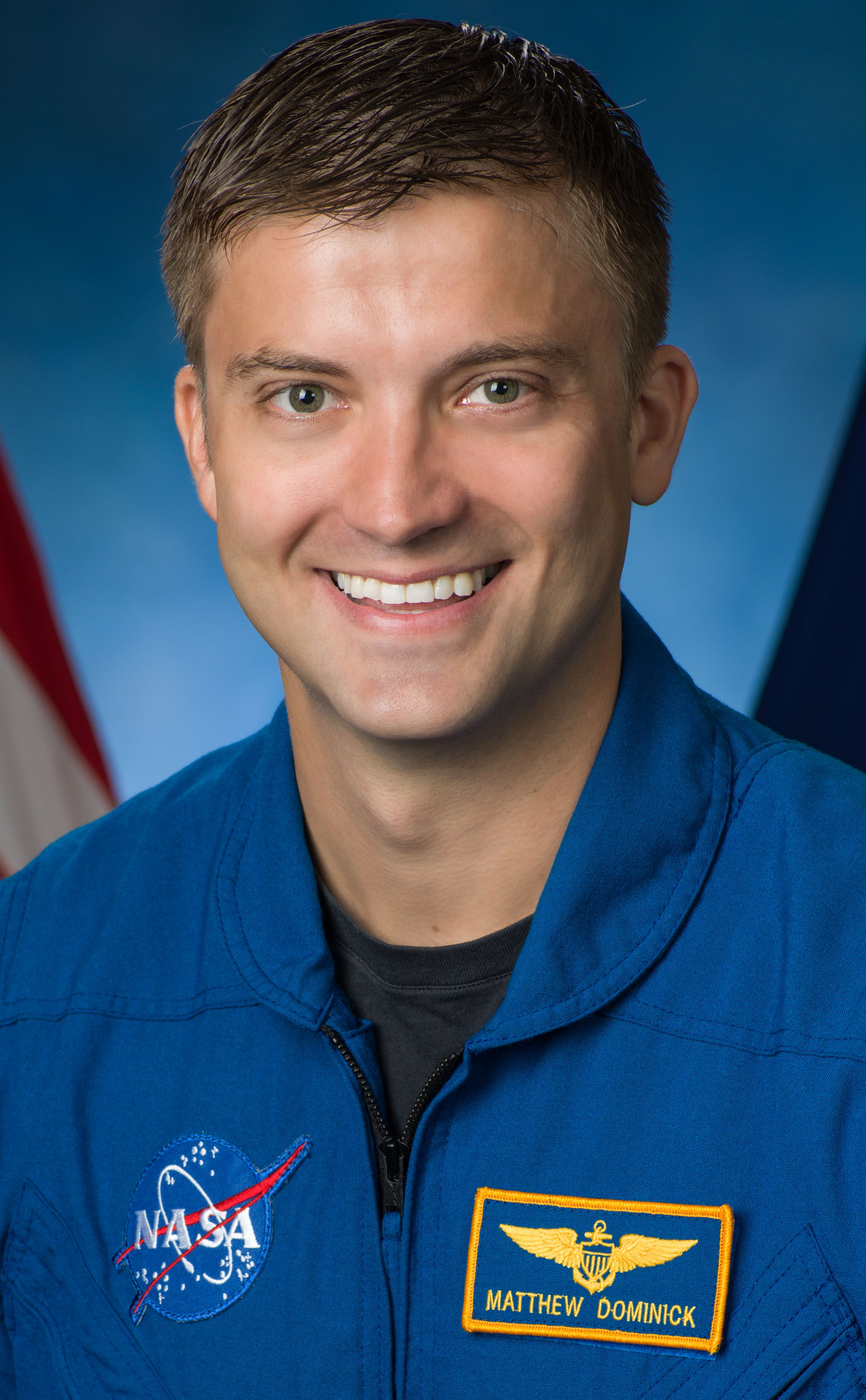
| Matthew Dominick | Dec 7 | 1981 | SpaceX Crew-8 | Commanded the SpaceX Crew-8 mission to the ISS. He was a US Navy test pilot with over 1,600 flight hours. | |
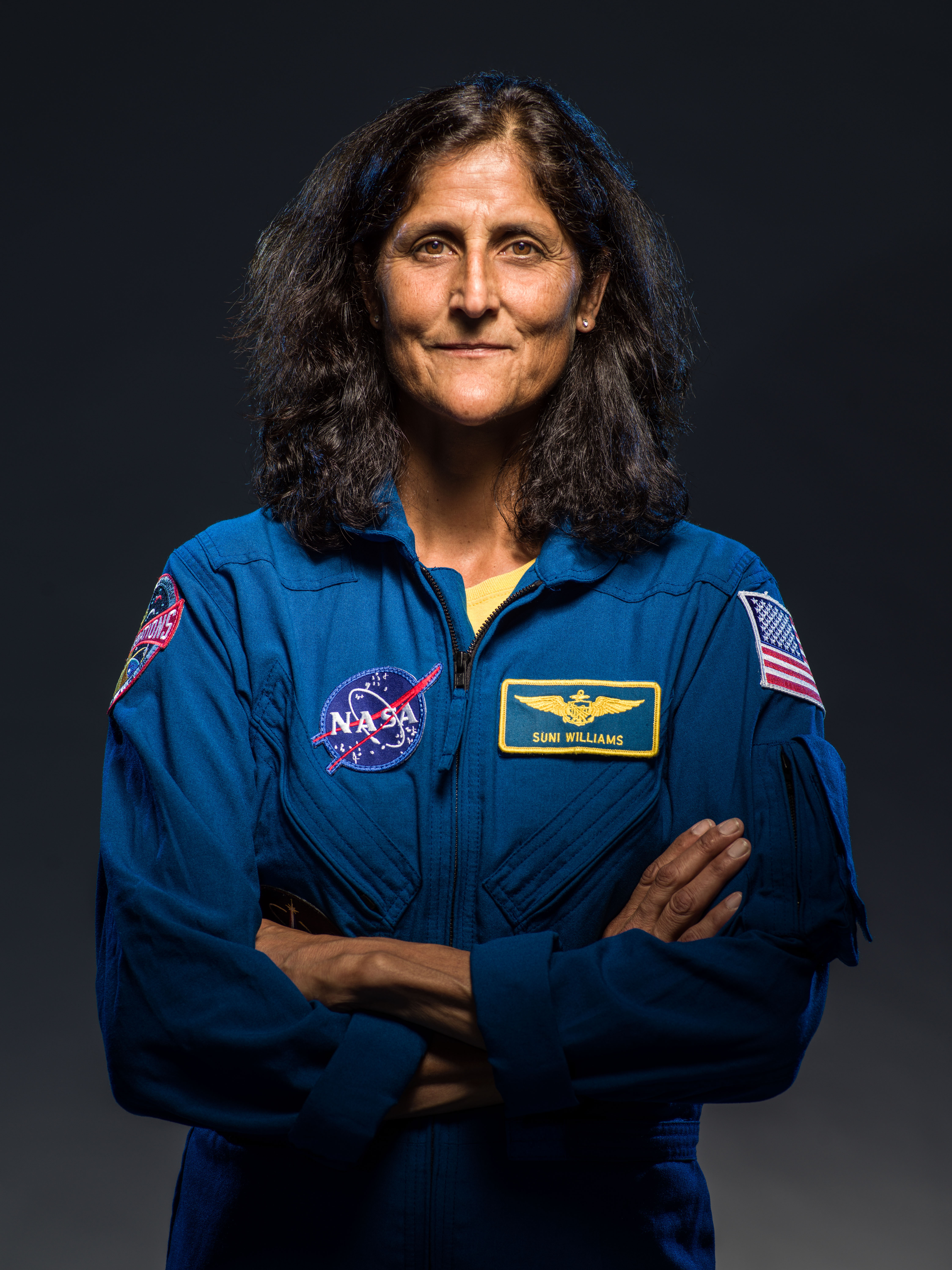
| Sunita Williams | Dec 9 | 1965 | KD5PLB | STS-116/117, Soyuz TMA-05M, Boeing CFT | Holds the record for most spacewalk time by a female astronaut. She was the first woman to fly on a test flight of an orbital spacecraft. |


This Week in Space History
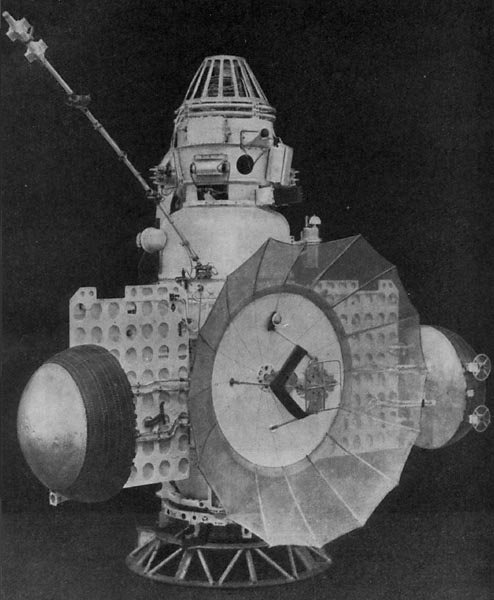
November 30, 1964: Zond 2 Mars Probe Launched to Mars
https://upload.wikimedia.org/wikipedia/commons/e/ee/Zond_2.jpg
December 2, 1993: STS-61 Hubble Space Telescope Servicing Mission

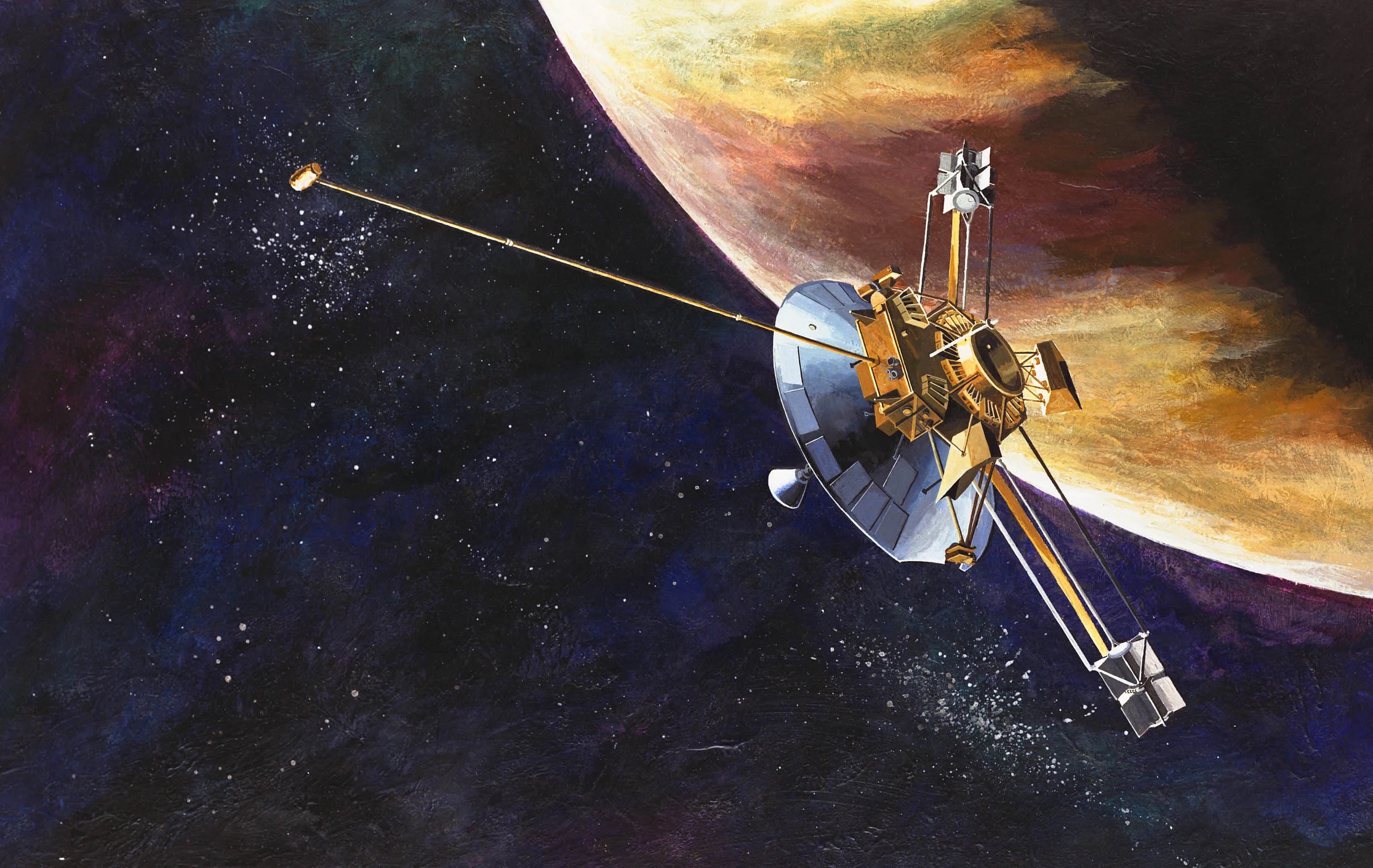
December 3, 1973: Pioneer 10 Jupiter Flyby
https://science.nasa.gov/wp-content/uploads/2023/04/jupiter_pioneer_10_art-jpg.webp
Miss Carolyn’s Constellation of the Week
Constellations “Pisces the Fishes and Cetus the Sea Monster”
Space Launches For This Week
Space Flight Now Launch Schedule
December 4, 2025:
Starlink Group 11-25
A SpaceX Falcon 9 rocket will launch 28 Starlink V2 Mini internet satellites from Vandenberg Space Force Base, California. This mission is part of the ongoing effort to build out the Starlink constellation, which provides high-speed, low-latency internet access to users worldwide. The V2 Mini satellites offer more bandwidth and are more powerful than their predecessors. The first stage booster for this mission will attempt to land on a droneship in the Pacific Ocean. This launch is one of many planned for the Starlink network in the coming months.
December 5, 2025:
Unknown Payload
A Chinese Kuaizhou-1A rocket is scheduled to launch from the Jiuquan Satellite Launch Center. The specific payload for this mission has not been disclosed, which is common for Chinese launches. The Kuaizhou-1A is a small, solid-fueled rocket designed for rapid response and low-cost launches of small satellites. These types of missions often carry experimental satellites for remote sensing, communications, or technology demonstration. The launch is expected to take place within a two-hour window.
December 7, 2025:
RAISE and Shine (RAISE-4)
A Rocket Lab Electron rocket will launch the RApid Innovation payload demonstration SatellitE-4 (RAISE-4) for the Japan Aerospace Exploration Agency (JAXA). The launch will take place from Rocket Lab’s Launch Complex 1 in Mahia, New Zealand. RAISE-4 is a technology demonstration satellite that will test various new satellite components in orbit. The Electron rocket is a small launch vehicle designed to provide dedicated and frequent launch opportunities for small satellites. This mission highlights the growing international collaboration in the small satellite launch market.
December 7, 2025:
Starlink Group 6-92
A SpaceX Falcon 9 rocket is scheduled to launch 29 Starlink satellites from Kennedy Space Center, Florida. This mission will add to the ever-growing Starlink constellation, further increasing its capacity and coverage. These satellites will be deployed into a low-Earth orbit, where they will join the thousands of other Starlink satellites already in operation. The Falcon 9’s reusable first stage is expected to land on a droneship in the Atlantic Ocean. This launch is another step towards SpaceX’s goal of providing global internet coverage.
December 9, 2025:
NROL-77
A SpaceX Falcon 9 rocket will launch the NROL-77 mission for the U.S. National Reconnaissance Office (NRO). The launch will take place from Cape Canaveral Space Force Station in Florida. The payload for this mission is classified, as is typical for NRO launches. The NRO is responsible for designing, building, launching, and maintaining America’s intelligence satellites. These satellites are crucial for providing intelligence to the United States government and its allies.
Visible satellite passages over the next couple of days.
All times are “local” (Dallas) time.
International Space Station
| Date | Duration | Brightness (mag) | Start of Pass | End of Pass |
| Dec 7 | 6 min | -3.2 | 5:23 AM, W | 5:29 AM, ESE |
| Dec 8 | 4 min | -2.1 | 6:12 AM, W | 6:16 AM, S |
| Dec 9 | 6 min | -3.8 | 5:24 AM, W | 5:30 AM, ESE |
| Dec 10 | 4 min | -2.5 | 6:13 AM, WSW | 6:17 AM, S |
Tiangong Space Station
| Date | Duration | Brightness (mag) | Start of Pass | End of Pass |
| Dec 7 | 5 min | 1.3 | 5:58 AM, W | 6:03 AM, E |
| Dec 8 | 6 min | -0.1 | 5:09 AM, W | 5:15 AM, E |
| Dec 9 | 5 min | 1.1 | 5:55 AM, W | 6:00 AM, E |
| Dec 10 | 6 min | -0.4 | 5:06 AM, W | 5:12 AM, E |