
IO Group: https://groups.io/g/DARCskynet/topics
Facebook Group: http://www.facebook.com/groups/306498286059167/
Saturday’s DARC SkyNet is at 9PM CT.
Recent Astronomical Discoveries
Dark matter may be lighting up the heart of the Milky Way
https://www.sciencedaily.com/releases/2025/11/251104094152.htm
Dramatic Artist’s Concept “The Milky Way”
https://www.sciencedaily.com/images/1920/galaxy-glow-simulation.webp

Discussion Topic of the Evening.
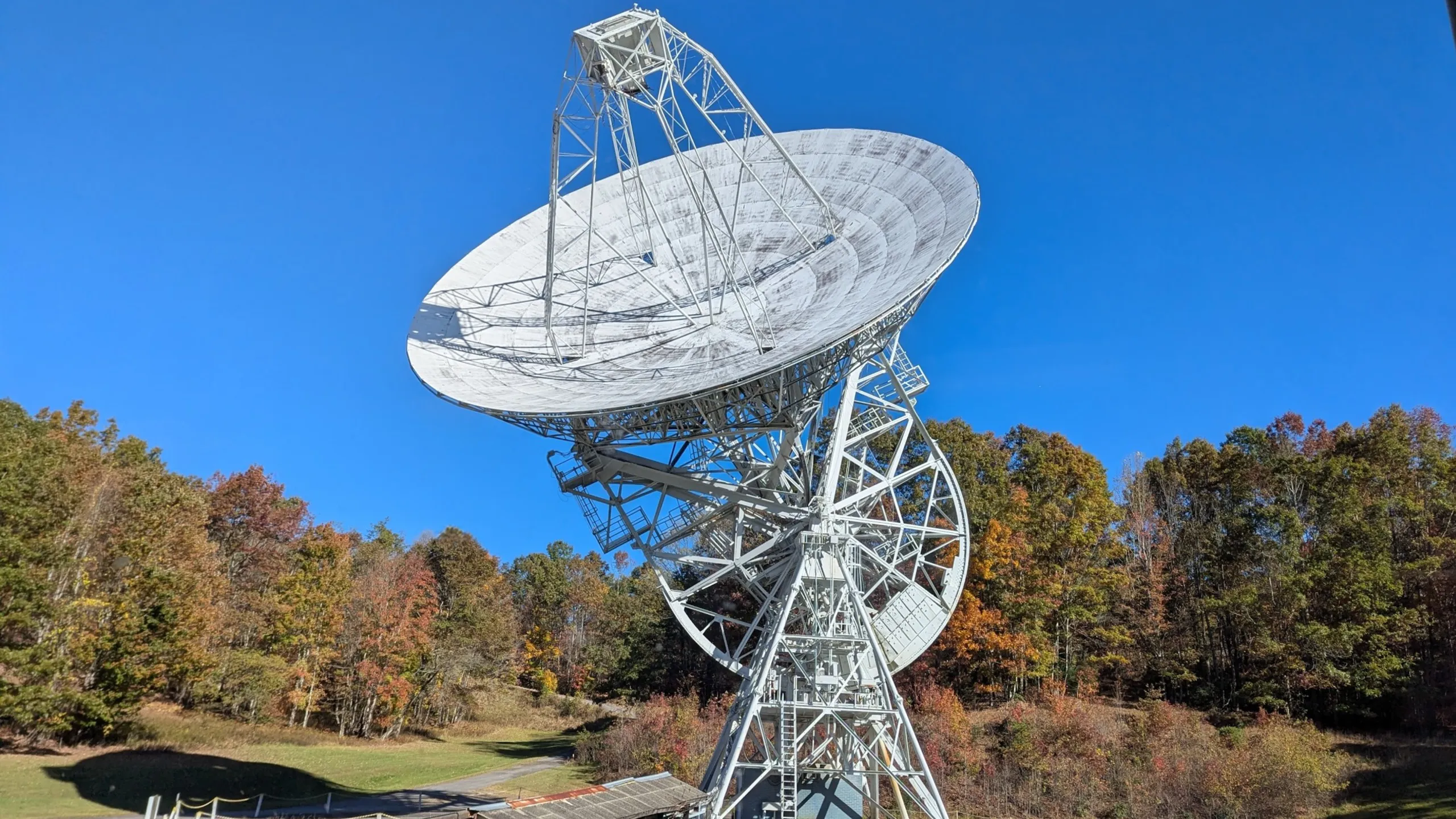
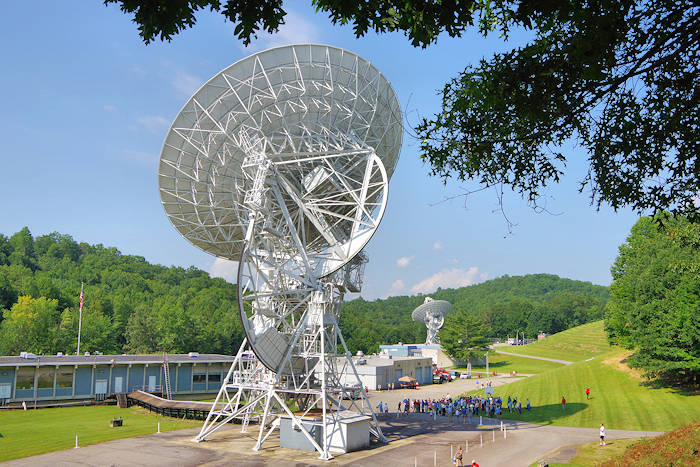
This Apollo-era radio telescope in the NC mountains once spied on Soviet satellites. Now it’s for sale
“26 West” Radio Telescope
https://cdn.mos.cms.futurecdn.net/ohMv3dTc2YDt8tdiq77duS-2560-80.jpg.webp
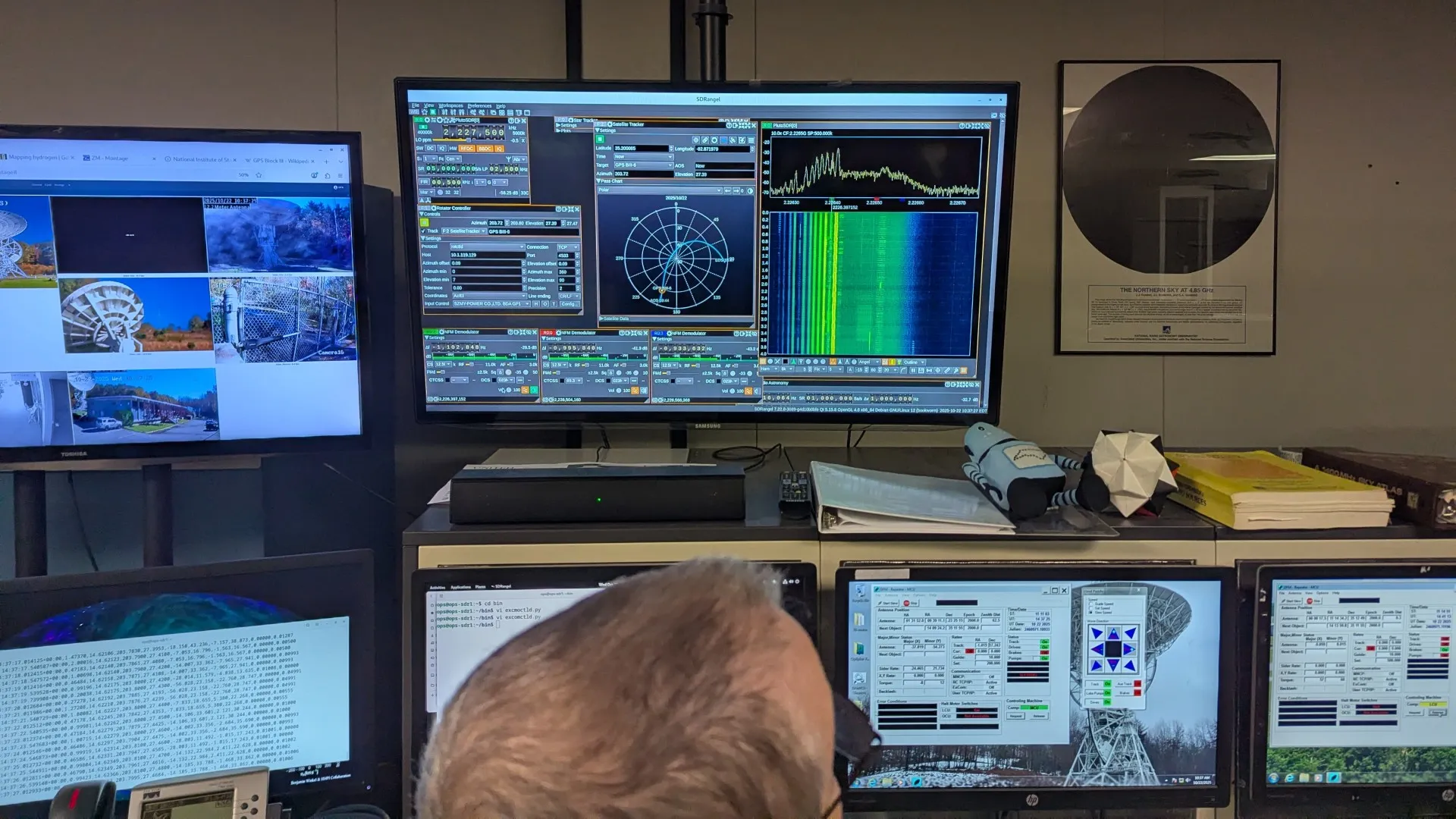
Control Station for “26 West”
https://cdn.mos.cms.futurecdn.net/E79mabMtYbPk5cEtkZr27i-1920-80.jpg.webp
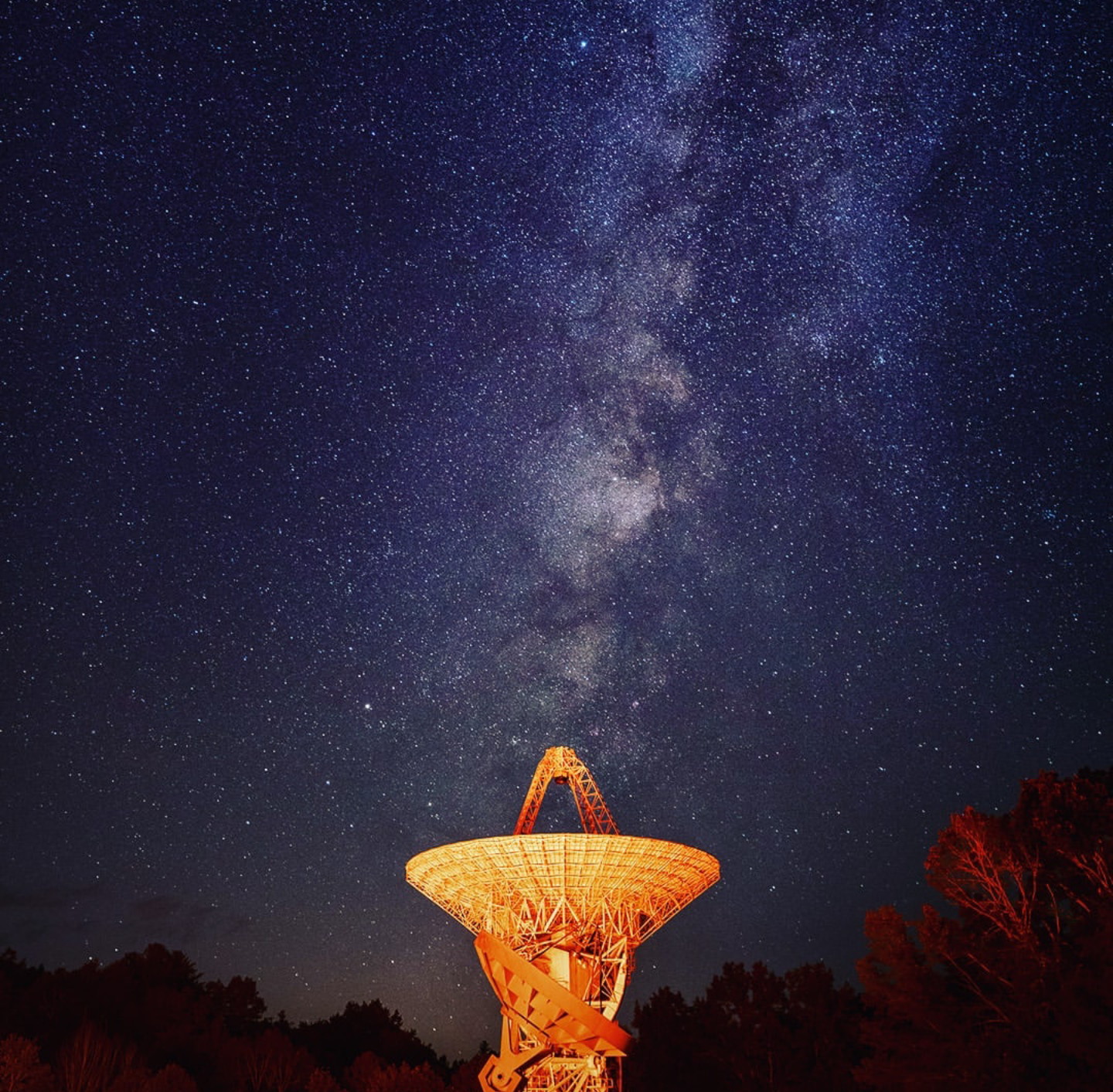
Galactic Menanderings
https://darksky.org/app/uploads/2020/09/IDA-Picture-for-PARI-Listing-.jpg
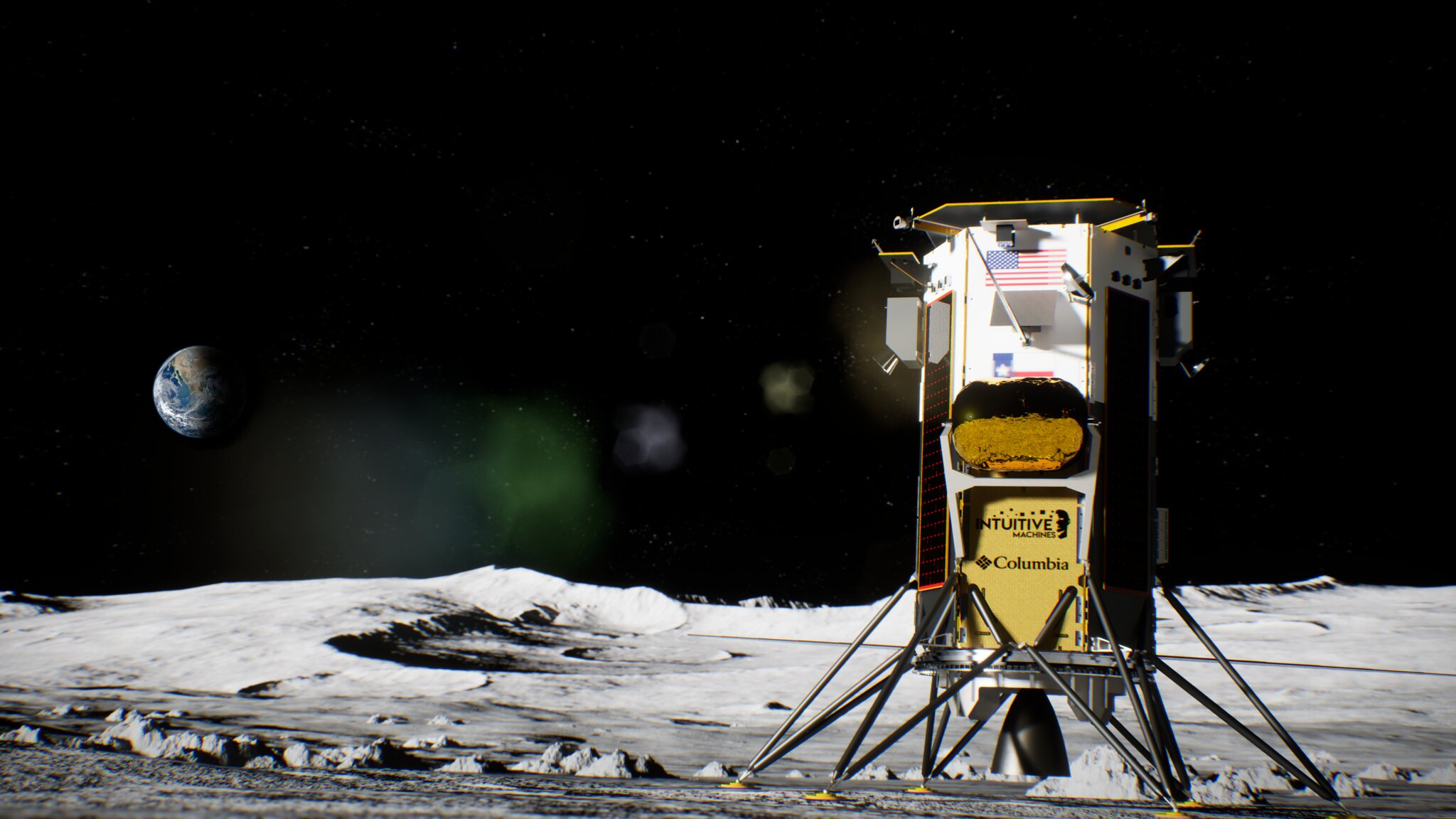
IM-1 Artist’s Concept “on the moon”
https://www.nasa.gov/wp-content/uploads/2023/08/im-1-nova-c-mission-render.jpg
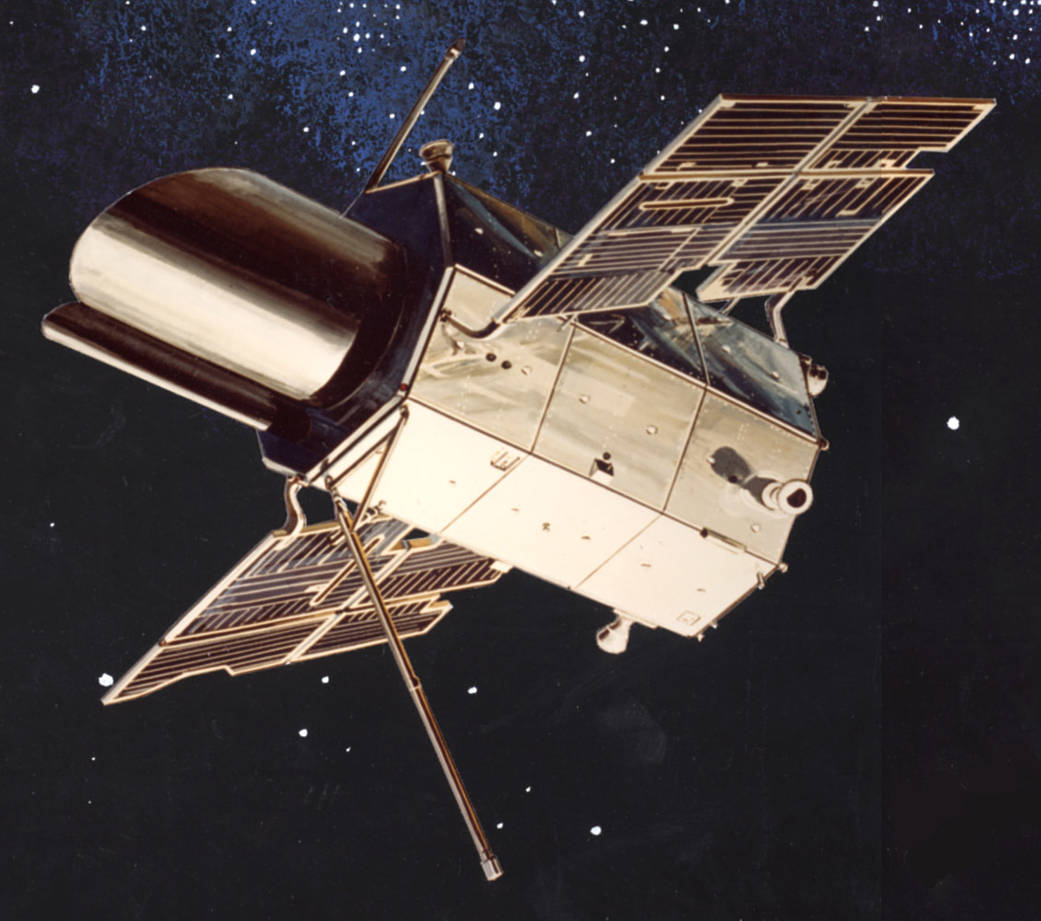
OAO-2
https://www.nasa.gov/wp-content/uploads/2023/03/1968_december_oao2.jpg
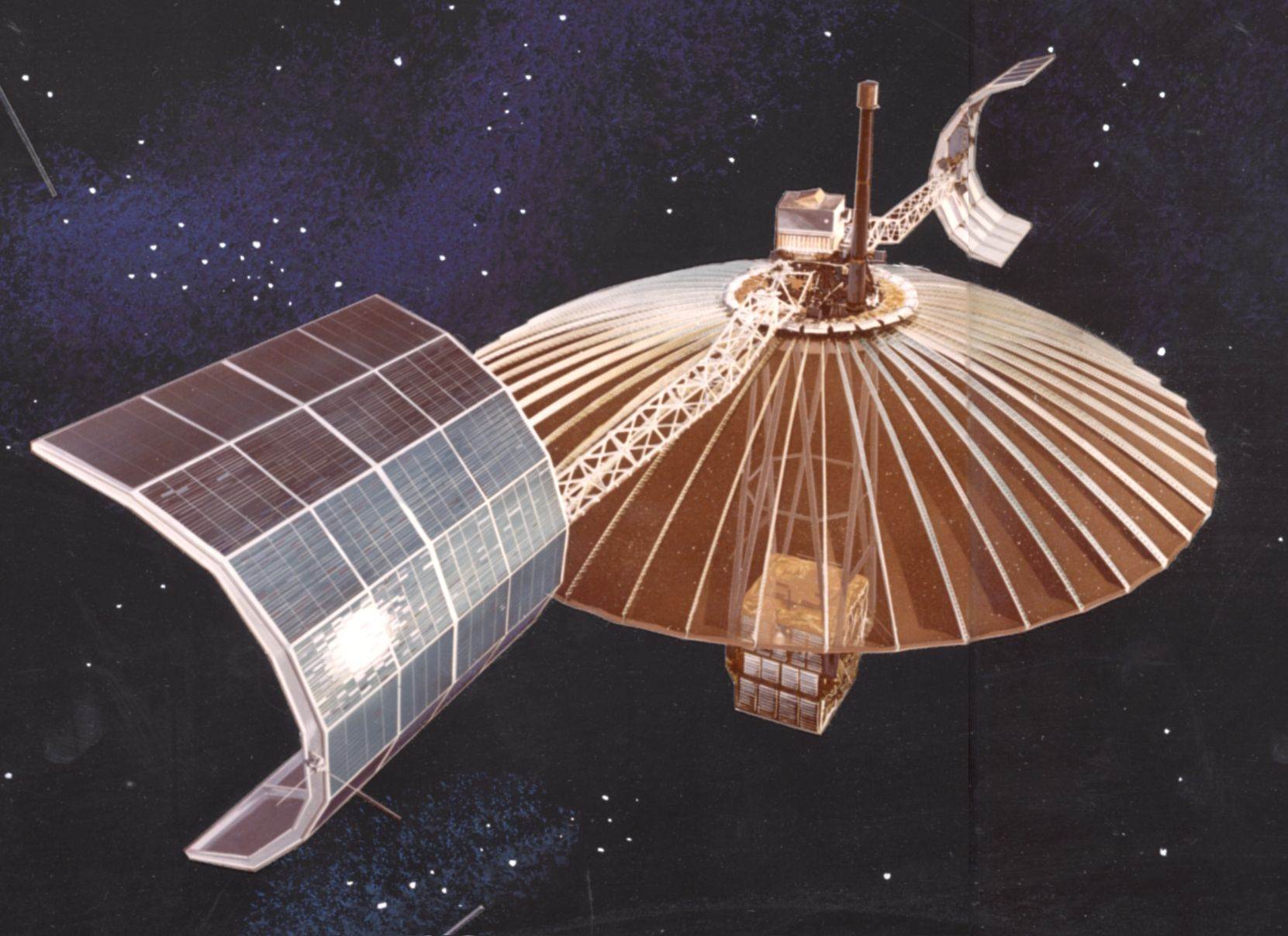
ATS-6
https://nss.org/wp-content/uploads/2021/05/ats_6.jpg
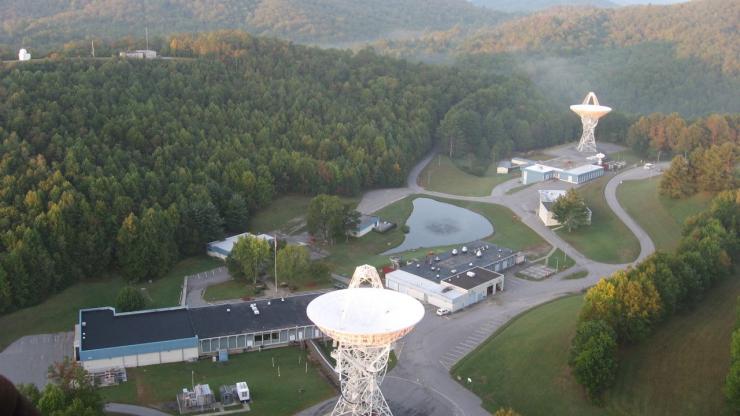
PARI Facility
https://www.ncpedia.org/sites/default/files//images/NASA_tracking_NC_DNCR.jpg
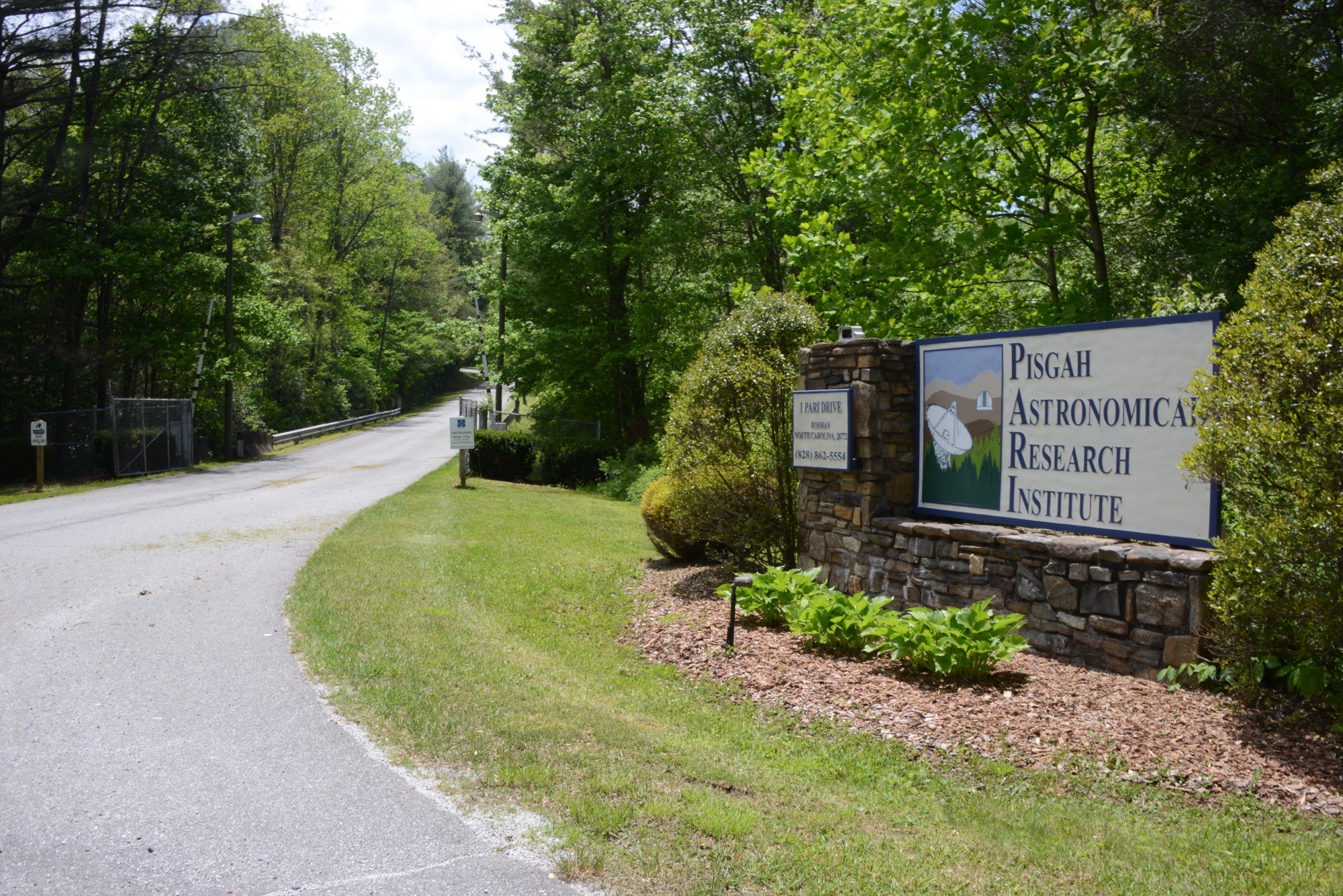
The “Mysterious” Entrance
PARI Dish
https://photos.wikimapia.org/p/00/05/68/28/33_big.jpg

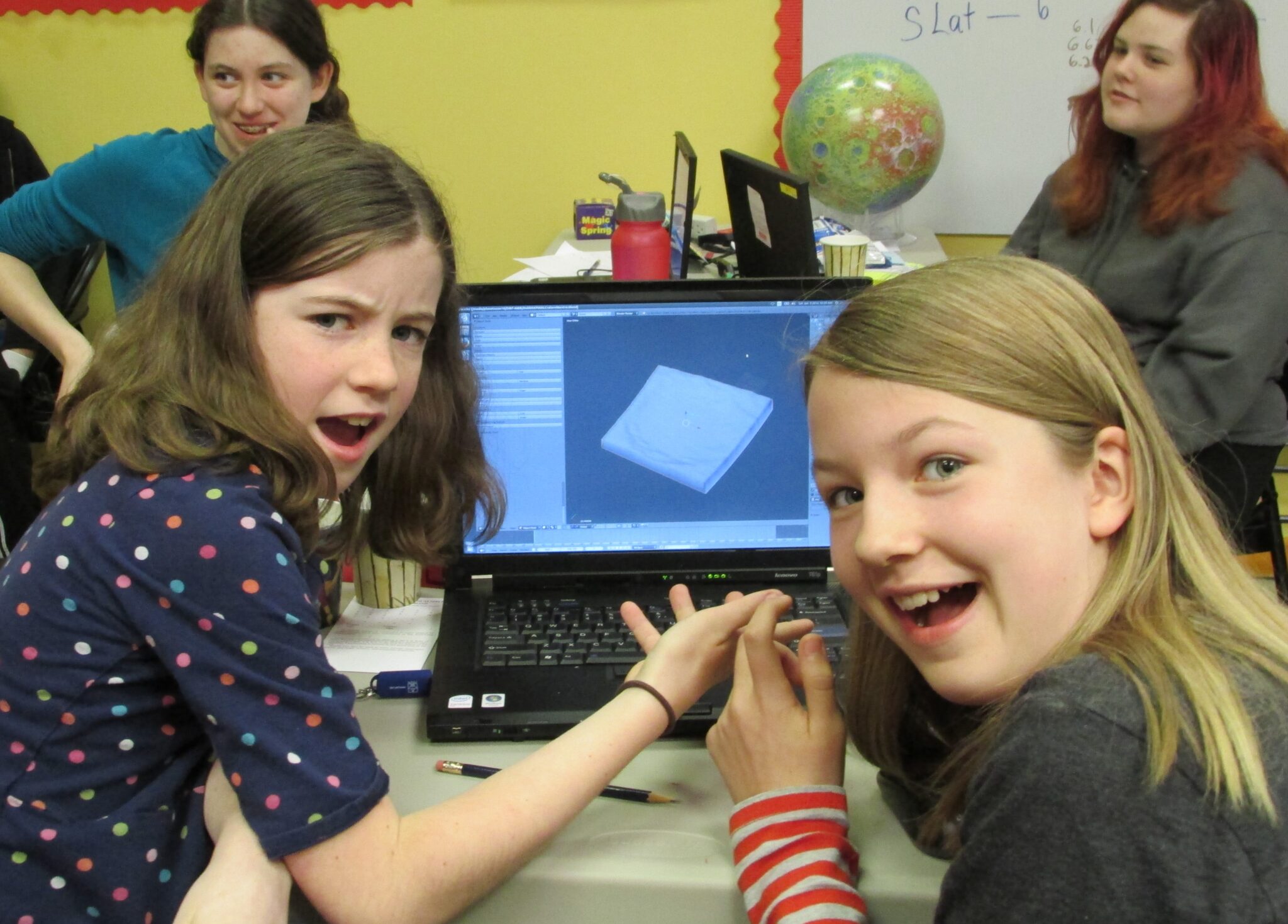
PARI Public Student Activities
https://www.pari.edu/wp-content/uploads/2023/09/IMG_0399-2048×1469.jpg
PARI Site
Waz Up
Space Exploration and Space History
Space Exploration News
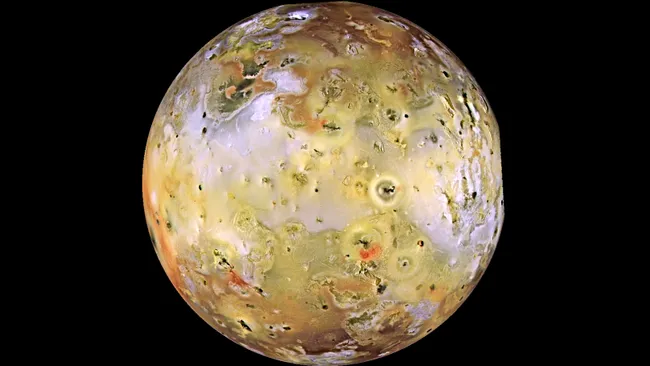
Jupiter’s volcanic moon Io may be hundreds of times hotter than scientists thought
https://cdn.mos.cms.futurecdn.net/oFgrjsuY7Rfdthggpqs54D-650-80.jpg.webp
Space-Related Birthdays
| Name | Date of Birth | Missions | Notes |
| Vladimir Vasyutin | November 3, 1952 | Soyuz T-14 | Soviet cosmonaut. Commanded the Soyuz T-14 mission to the Salyut 7 space station. The mission was cut short due to his developing a serious medical condition (prostatitis) while in orbit. |
| Roberta Bondar | November 4, 1945 | STS-42 | Canada’s first female astronaut and the world’s first neurologist in space. Aboard the Space Shuttle Discovery, she conducted over 40 experiments in the International Microgravity Laboratory (IML-1) focusing on the adaptability of the human nervous system to low gravity. |
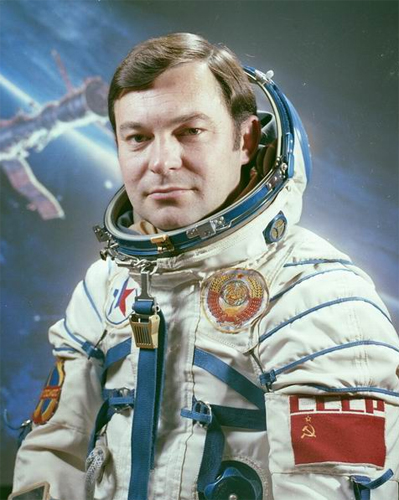
| Yuri Romanenko | November 7, 1944 | Soyuz 26/27, Soyuz 38, Soyuz TM-2 | Soviet cosmonaut. Spent a then-record 326 days in space across three missions, including two extended stays aboard the Salyut 6 and Mir space stations. He performed an EVA during his first mission. |
| Leonid Kizim | November 5, 1941 | Soyuz T-2, Soyuz T-10/T-11, Soyuz T-15/Mir EO-1 | Soviet cosmonaut. A veteran of three space flights. Commanded the first ever space mission to link up with two different space stations (Mir and Salyut 7) in a single flight (Soyuz T-15). He holds the record for most EVAs completed in a single mission at the time (six). |



This Week in Space History
First Crew Arrives at the International Space Station
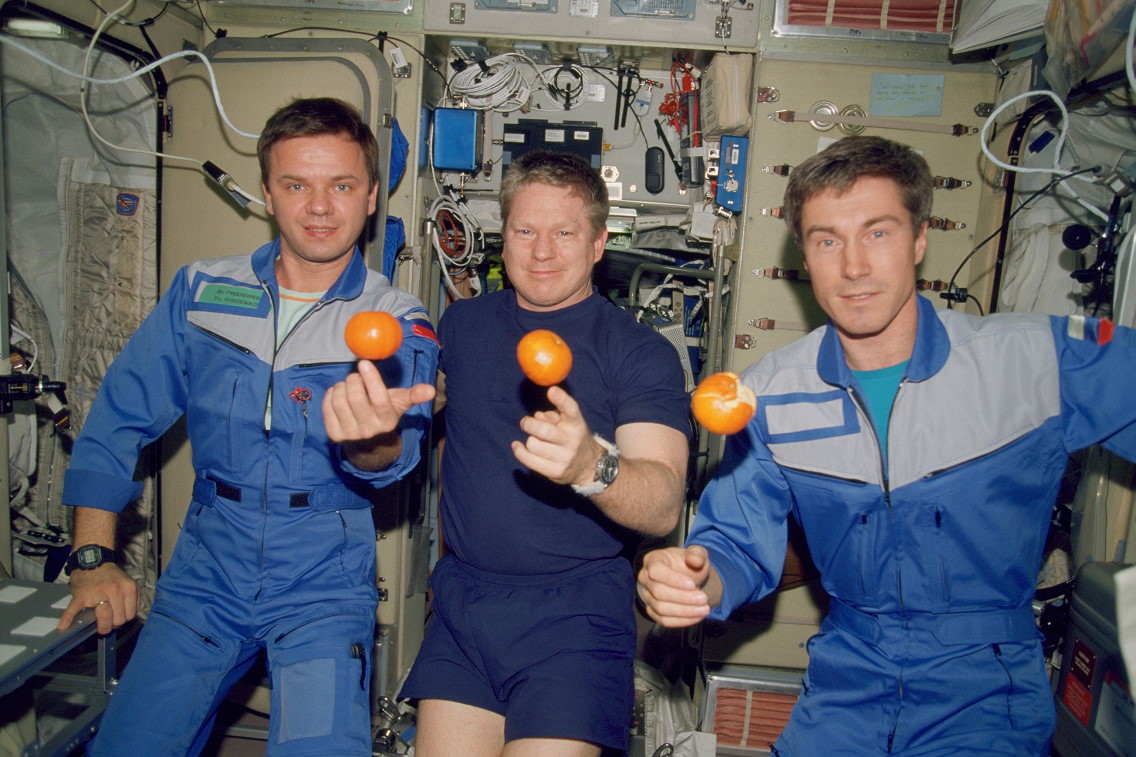
The first crew to permanently inhabit the International Space Station (ISS), known as Expedition 1, arrived on November 2, 2000. The crew, consisting of Commander William Shepherd (USA) and cosmonauts Sergei Krikalev and Yuri Gidzenko (Russia), arrived aboard a Soyuz TM-31 spacecraft. Their arrival marked the beginning of a continuous human presence in space that has lasted for over 25 years. During their stay, they activated the station’s life support systems and prepared the outpost for future crews and assembly missions. The mission laid the groundwork for the ISS to become a hub for scientific research and international cooperation.
https://www.americaspace.com/wp-content/uploads/2015/11/exp1crew.jpg
Sputnik 2 and the First Animal in Orbit
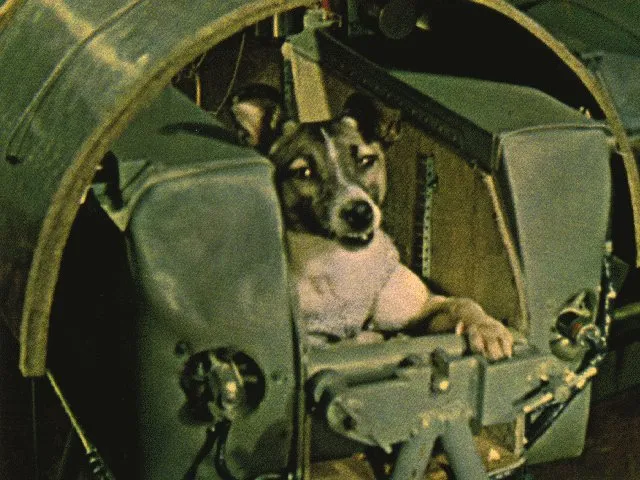
On November 3, 1957, the Soviet Union launched Sputnik 2, the second artificial satellite and the first to carry a living animal into Earth orbit. The satellite carried a dog named Laika, a stray mongrel from Moscow. The mission was a crucial test to determine if a living organism could survive the stresses of launch and microgravity. Unfortunately, the technology at the time did not allow for a safe return to Earth, and Laika died from overheating hours into the mission. Her sacrifice provided valuable data that paved the way for future human spaceflight.
https://cdn.mos.cms.futurecdn.net/VwRStV56Xdxstz5UrZDsYA-640-80.jpg.webp
Launch of the Mariner 10 Probe
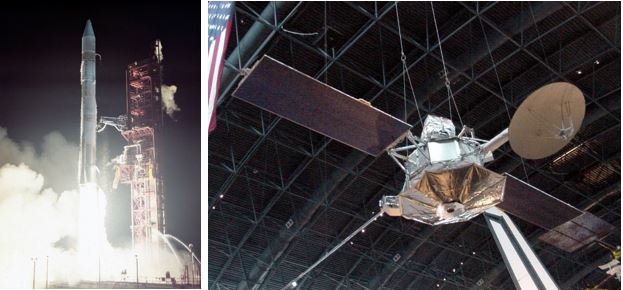
NASA launched the Mariner 10 probe on November 3, 1973, on a mission to explore the inner solar system. It was the first spacecraft to visit two planets on a single mission, utilizing a gravity assist from Venus to reach Mercury. Mariner 10 became the first probe to fly by Mercury, providing the first close-up images of its heavily cratered surface. The mission successfully mapped about half of the planet’s surface and studied its atmosphere and magnetic field. Its observations were foundational for our understanding of Mercury until a new generation of probes could return decades later.
https://www.nasa.gov/wp-content/uploads/2018/11/mariner10_launches.jpg
Miss Carolyn’s Constellation of the Week
“Sculptor the Sculptor’s Workshop” and “Phoenix A Very Special Bird”
Space Launches For This Week
Space Flight Now Launch Schedule
Space Flight Now Launch Schedule
November 2
Mission: SpaceX Bandwagon-4 Mission
Launch Site: Space Launch Complex 40 (SLC-40), Cape Canaveral Space Force Station, Florida, USA.
Mission Details: A SpaceX Falcon 9 rocket launched 18 various payloads into orbit as part of its rideshare program. The mission carried satellites for several clients, including KOREA ADD, Exolaunch, and Vast, demonstrating cost-effective access to space for multiple partners.
Mission: ISRO GSAT-7R (CMS-03)
Launch Site: Satish Dhawan Space Centre, Sriharikota, India.
Mission Details: The Indian Space Research Organisation (ISRO) successfully launched India’s heaviest communication satellite to date aboard its powerful LVM3 rocket. The GSAT-7R satellite is designed to provide secure and enhanced communication coverage across the Indian Ocean region for the Indian Navy.
November 4
Mission: Sentinel-1D
Launch Site: Guiana Space Centre, Kourou, French Guiana (aboard an Ariane 6 rocket).
Mission Details: This European Space Agency (ESA) mission launched the Sentinel-1D Earth-observation satellite. It will join its twin, Sentinel-1C, in orbit to provide continuous high-resolution radar imagery of Earth’s surface, essential for monitoring land and ocean changes, disaster management, and tracking maritime traffic.
Visible satellite passages over the next couple of days.
You can use the http://www.heavens-above.com website to find out what’s in orbit and
where to look during fly-overs
All times are “local” (Dallas) time.
| Date | Visibility (min) | Appears | Max Height | Disappears | Max Brightness |
| Nov 8 | 6 min | 5:28 PM (WSW) | 68° (NNW) | 5:34 PM (ENE) | Very bright |
| Nov 9 | 5 min | 5:00 PM (W) | 26° (NNW) | 5:05 PM (NNE) | Bright |
| Nov 10 | 4 min | 5:27 PM (NW) | 42° (NNE) | 5:31 PM (E) | Very bright |
| Nov 11 | 6 min | 6:15 PM (W) | 88° (overhead) | 6:21 PM (ESE) | Extremely bright |
| Nov 12 | 5 min | 5:47 PM (NW) | 49° (NE) | 5:52 PM (ESE) | Very bright |
| Nov 13 | 3 min | 6:15 PM (NNW) | 25° (NE) | 6:18 PM (E) | Bright |
| Nov 14 | 5 min | 6:42 PM (NNW) | 33° (E) | 6:47 PM (ESE) | Bright |
| Nov 15 | 3 min | 7:10 PM (N) | 16° (E) | 7:13 PM (ESE) | Faint |
Tiangong Space Station
| Date | Visibility (min) | Appears | Max Height | Disappears | Max Brightness |
| Nov 8 | 9 min | 5:34 PM (WNW) | 52° (NNE) | 5:43 PM (ESE) | Bright |
| Nov 9 | 7 min | 5:11 PM (WNW) | 28° (NNE) | 5:18 PM (ENE) | Faint |
| Nov 10 | 9 min | 5:59 PM (WNW) | 59° (ENE) | 6:08 PM (E) | Bright |
| Nov 11 | 6 min | 5:37 PM (WNW) | 21° (NNE) | 5:43 PM (ENE) | Very faint |
| Nov 12 | 9 min | 6:24 PM (WNW) | 64° (E) | 6:33 PM (ESE) | Bright |
| Nov 13 | 3 min | 6:02 PM (NW) | 11° (ENE) | 6:05 PM (E) | Very faint |
| Nov 14 | 9 min | 6:49 PM (NW) | 65° (ESE) | 6:58 PM (SE) | Bright |
| Nov 15 | 6 min | 6:28 PM (N) | 21° (ESE) | 6:34 PM (SE) | Faint |