
IO Group: https://groups.io/g/DARCskynet/topics
Facebook Group: http://www.facebook.com/groups/306498286059167/
Saturday’s DARC SkyNet is at 9PM CT.
Recent Astronomical Discoveries
Dark matter might not be invisible after all. It could leave a hidden glow
https://www.sciencedaily.com/releases/2025/10/251022023124.htm#google_vignette
Dark Matter “Glow”
https://www.sciencedaily.com/images/1920/dark-matter-glow.webp
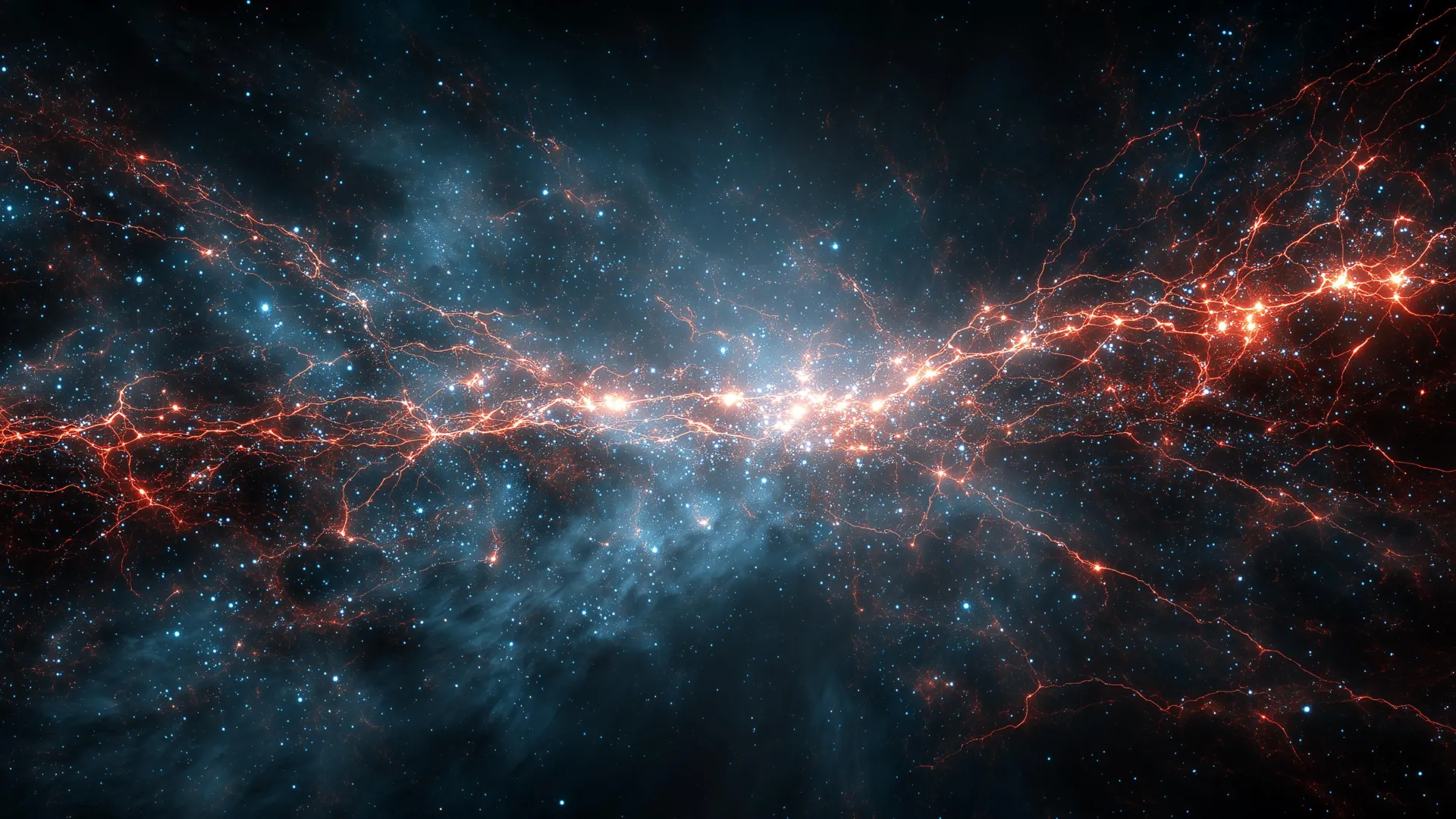
Discussion Topic of the Evening.
“Has Anyone Seen Comet Lemmon Yet?”
“Mean Green!”
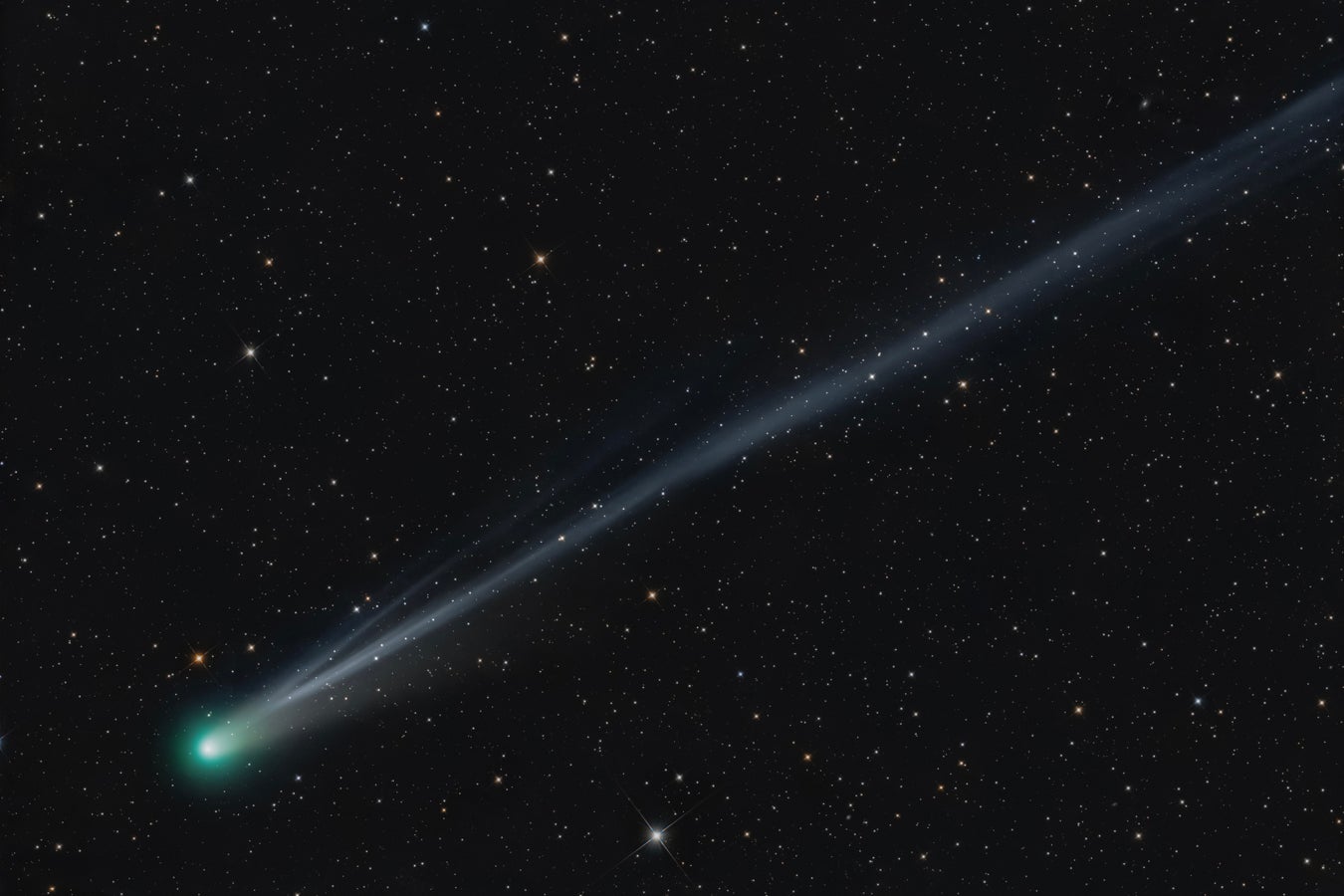
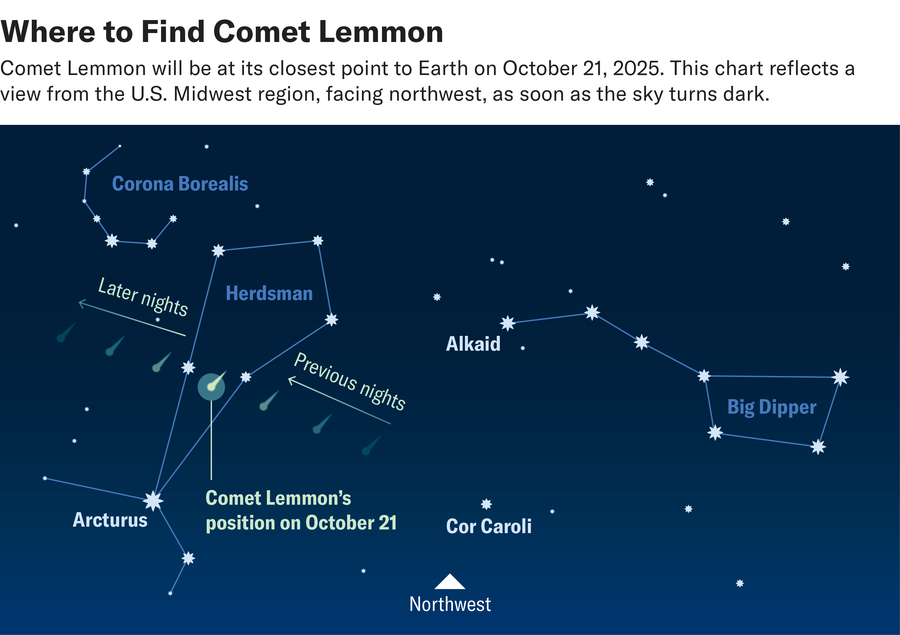
Tracking Night Over Night
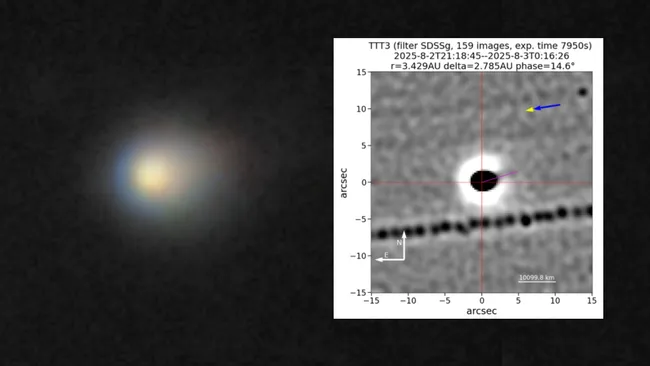
Comet Lemmon Structure
Comparison Images

Waz Up
Space Exploration and Space History
Space Exploration News
Interstellar comet 3I/ATLAS blasts a jet towards the sun in new telescope image
https://cdn.mos.cms.futurecdn.net/EMKiUzjLoftGimioVjKrYj-650-80.jpg.webp
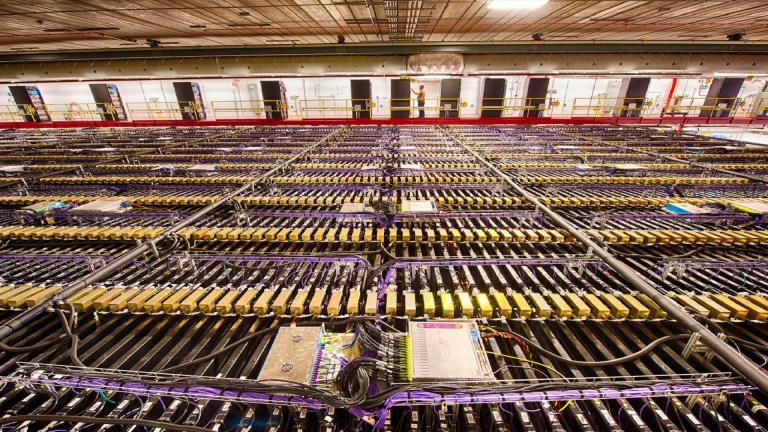
Neutrinos changing ‘flavors’ could explain Big Bang mystery, new study shows researchers in the US and Japan have achieved the most precise measurements yet of the universe’s most elusive particles, neutrinos, after they combined results from two major experiments.
https://cms.interestingengineering.com/wp-content/uploads/2025/10/A2_154770.jpg?resize=768,432
10-19 – 10-25
Space-Related Birthdays
10-19 – 10-25
October 19
Charles Camarda (1952)
Flights: STS-114 (Discovery), the “Return to Flight” mission after the Columbia disaster. He served as a mission specialist and helped test new safety and repair techniques for the Space Shuttle.
https://upload.wikimedia.org/wikipedia/commons/3/39/Charles_J._Camarda.jpg

October 20
Tamara E. Jernigan (1959)
Flights: STS-40, STS-52, STS-67, STS-80, and STS-90. A veteran of five spaceflights, she accumulated over 62 days in space, participating in various research missions and serving as payload commander on her last two flights.
https://en.wikipedia.org/wiki/Tamara_E._Jernigan#/media/File:Tamara_E._Jernigan.jpg

October 21
Jean-Pierre Haigneré (1948)
Flights: Soyuz TM-17/TM-16 (Mir mission Altair) and Soyuz TM-29 (Mir mission Pégase). He is a French astronaut who spent extensive time aboard the Mir space station.
https://upload.wikimedia.org/wikipedia/commons/c/c4/Jean-Pierre_Haigner%C3%A9.jpg

Marsha Ivins (1951)
Flights: STS-32, STS-46, STS-61-C, STS-81, and STS-98. She flew on five Space Shuttle missions, primarily serving as a mission specialist with duties related to payload deployment and retrieval, as well as International Space Station assembly.
https://en.wikipedia.org/wiki/Marsha_Ivins#/media/File:Marsha_Ivins.jpg

Frederick W. Sturckow (1961)
Flights: STS-88, STS-105, STS-117, and STS-128. He commanded his last two missions and piloted the first two, which were all key missions for International Space Station assembly and resupply.
https://en.wikipedia.org/wiki/Frederick_W._Sturckow#/media/File:Rick_Sturckow.jpg

October 22
Valeri Korzun (1953)
Flights: Soyuz TM-24 (Mir Expedition 22/23) and STS-111/STS-113 (ISS Expedition 5). A Russian cosmonaut, he spent over a year in space across two long-duration missions, including commanding Mir and the ISS Expedition 5 crew.
https://en.wikipedia.org/wiki/Valery_Korzun#/media/File:NASA_KorzunGrigorievichValery.jpeg

October 23
Michael “Mike” Massimino (1962)
Flights: STS-109 and STS-125. A mission specialist on both flights, he conducted spacewalks to service and upgrade the Hubble Space Telescope.
https://en.wikipedia.org/wiki/Mike_Massimino#/media/File:Michael_Massimino.jpg

October 24
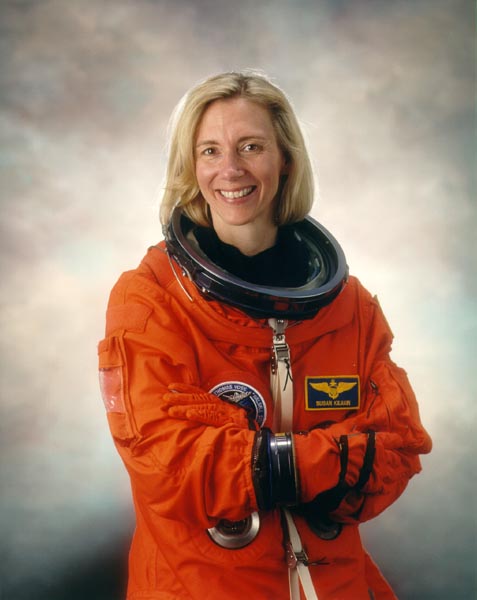
Susan Still-Kilrain (1961)
Flights: STS-83 and STS-94. She was the pilot for both missions, which were Microgravity Science Laboratory (MSL-1) flights, the second being a reflight of the first.
https://upload.wikimedia.org/wikipedia/commons/b/b4/Susan_Still-Kilrain.jpg
Jing Haipeng (1966)
Flights: Shenzhou 7, Shenzhou 9, and Shenzhou 11. A Chinese taikonaut and major general, he was part of China’s first three-person spaceflight, carried the first female taikonaut into space, and commanded a long-duration mission to the Tiangong-2 space laboratory.
https://en.wikipedia.org/wiki/Jing_Haipeng#/media/File:Jing_Haipeng.JPG

October 25
Vladimir Vasyutin (1952-2010)
Flights: Soyuz T-14 (Salyut 7 Expedition 4). He was the commander of the mission to the Salyut 7 space station.
https://upload.wikimedia.org/wikipedia/en/3/3c/Vladimir_Vladimirovich_Vasyutin.jpg

This Week in Space History
October 19:
1967:
The Mariner 5 spacecraft flew by Venus. https://i0.wp.com/www.drewexmachina.com/wp-content/uploads/2015/07/MM64_diagram.jpg

November 24
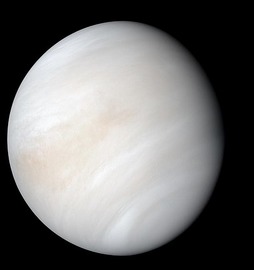
Venus was the first planet to be explored by a spacecraft – NASA’s Mariner 2 successfully flew by and scanned the cloud-covered world on Dec. 14, 1962.
https://duckduckgo.com/i/d1a4f23d.jpg
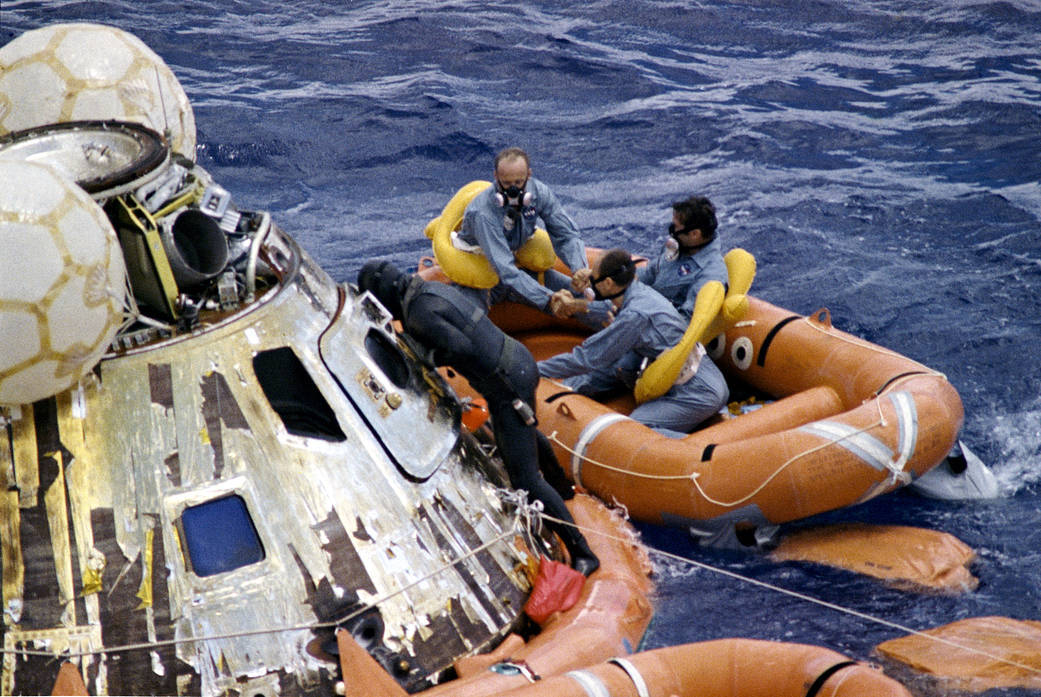
On November 24, 1969, Apollo 12 splashed down at 2:58 p.m. (CST) near American Samoa in the Pacific Ocean.
https://www.nasa.gov/wp-content/uploads/2023/03/s69-22271.jpg
DART, Launched November 24, 2021
https://upload.wikimedia.org/wikipedia/commons/thumb/4/40/Dart-poster3.jpg/300px-Dart-poster3.jpg
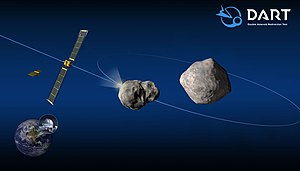
Miss Carolyn’s Constellation of the Week
Constellation “Cepheus the King”
Space Launches For This Week
Space Flight Now Launch Schedule
October 27 Falcon 9 • Starlink 11-21
Launch time: Window opens at 4:34 p.m. PDT (7:34 p.m. EDT / 2334 UTC)
Launch site: SLC-4E, Vandenberg Space Force Base, California
A SpaceX Falcon 9 rocket will launch 28 Starlink V2 Mini satellites into low Earth orbit. A little more than eight minutes after liftoff, the first stage booster, tail number B1082, launching for a 17th time, will land on the drone ship ‘Of Course I Still Love You’ positioned in the Pacific Ocean. Delayed from Oct. 26.
Updated: October 18
October 28 Falcon 9 • Starlink 10-37
Launch time: Window opens at 9:14 a.m. EDT (1314 UTC)
Launch site: SLC-40, Cape Canaveral Space Force Station, Florida
A SpaceX Falcon 9 rocket will launch 29 Starlink V2 Mini satellites into low Earth orbit. A little more than eight minutes after liftoff, the first stage booster, tail number B1083, launching for a 15th time, will land on the drone ship, ‘Just Read the Instructions,’ positioned in the Atlantic Ocean.
Updated: October 18
October 30 Falcon 9 • Starlink 11-23
Launch time: Window opens at 1:06 p.m. PDT (4:06 p.m. EDT / 2006 UTC)
Launch site: SLC-4E, Vandenberg Space Force Base, California
A SpaceX Falcon 9 rocket will launch 28 Starlink V2 Mini satellites into low Earth orbit. A little more than eight minutes after liftoff, the first stage booster, tail number B1063, launching for a 29th time, will land on the drone ship ‘Of Course I Still Love You’ positioned in the Pacific Ocean.
Updated: October 22
NET Fall 2025 New Glenn • EscaPADE
Launch time: TBD
Launch site: Launch Complex 36, Cape Canaveral Space Force Station
A Blue Origin New Glenn rocket will launch a pair of identical spacecraft on NASA’s Escape and Plasma Acceleration and Dynamics Explorers (EscaPADE) mission. The two satellites, named Blue and Gold, will make a roughly 11-month journey to Mars where they will then perform about an 11-month science mission while orbiting the Red Planet. Blue and Gold were manufactured by Rocket Lab over about 3.5 years and carry science experiments from the University of California, Berkeley. This launch of the New Glenn rocket will also feature a landing attempt on its landing barge in the Atlantic Ocean. Delayed from Oct. 13, 2024. Delayed from mid-August. Delayed from Sept. 29.
Updated: September 16
NET November 2025 Falcon 9 • Sentinel-6B
Launch time: TBD
Launch site: SLC-4E, Vandenberg Space Force Base, California
A SpaceX Falcon 9 rocket will launch the second of the two-satellite Sentinel-6 series. NASA awarded SpaceX a $94 million firm fixed price contract for the launch in 2022. The Sentinel-6B “will use a radar altimeter to bounce signals off the ocean surface and deliver continuity of ocean topography measurements,” according to NASA. The missions is designed through a partnership between NASA, the European Space Agency (ESA), and the European Organization for the Exploration of Meteorological Studies.
Updated: February 27
November 3 Atlas 5 • ViaSat-3 F2
Launch time: 10:36 a.m. EDT (1436 UTC)
Launch site: SLC-41, Cape Canaveral Space Force Station, Florida
United Launch Alliance will launch its Atlas 5 rocket in a 551 configuration to support the launch of Viasat’s ViaSat-3 Flight 2 satellite. The 6-ton spacecraft is designed to provide download speeds of more than 100 Mbps and operates using a Ka-band frequency. The satellite is built by Viasat on Boeing’s 702MP+ platform.
Updated: October 22
November 4 Ariane 6 • Sentinel-1D
Launch time: 6:03 p.m. GFT (4:03 p.m. EST / 2103 UTC)
Launch site: Europe’s Spaceport, Kourou, French Guiana
An Ariane 6 rocket from Ariancespace, mission designation VA265, will launch the Sentinel-1D satellite into a Sun-synchronous orbit at an altitude of 693 km (431 mi). Sentinel-1D is part of the Earth observation component of the European Union’s Space Programme.
Visible satellite passages over the next couple of days.
You can use the http://www.heavens-above.com website to find out what’s in orbit and
All times are “local” (Dallas) time.
ISS
Oct 31
Nov 1
Nov 2
Tiangong
Oct 31
Nov 2