
IO Group: https://groups.io/g/DARCskynet/topics
Facebook Group: http://www.facebook.com/groups/306498286059167/
Recent Astronomical Discoveries
The Moon’s Far Side is Hiding a Chilling Secret
https://www.sciencedaily.com/releases/2025/10/251002074004.htm
Artist’s Concept: Far Side of the Moon
https://www.sciencedaily.com/images/1920/planet-earth-behind-moon-far-side.webp
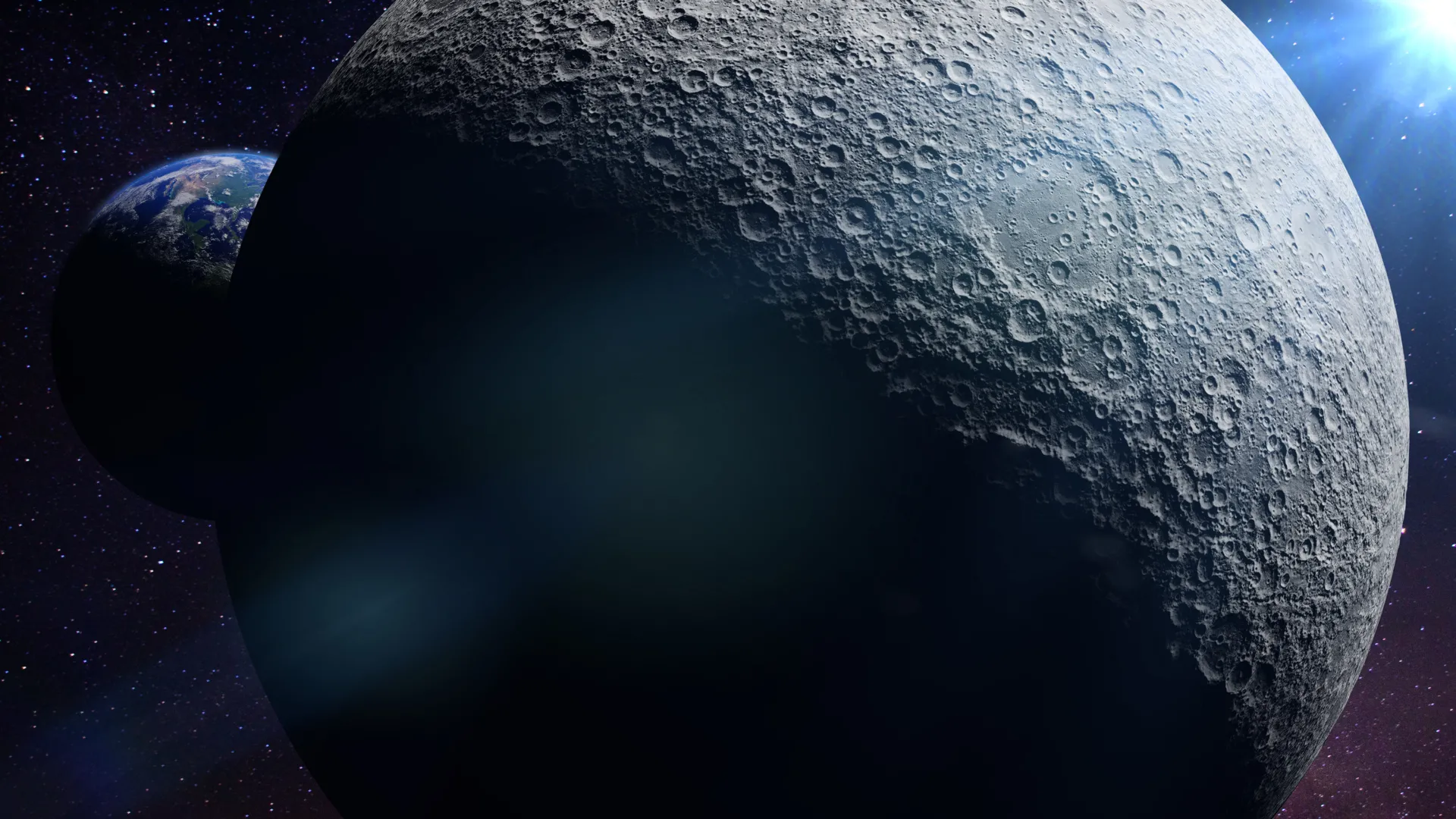
Discussion Topic of the Evening.
Faster-Than-Light Galaxies Are a Fact of Life in Our Expanding Universe
When space itself expands, weird things can happen—like galaxies breaking the universe’s ultimate speed limit
Enterprise at Warp
https://startrekblog.wordpress.com/wp-content/uploads/2013/06/enterprisewarp.jpg

Universe Expansion Schematic
https://astrobites.org/wp-content/uploads/2016/04/Dark_Energy.jpg
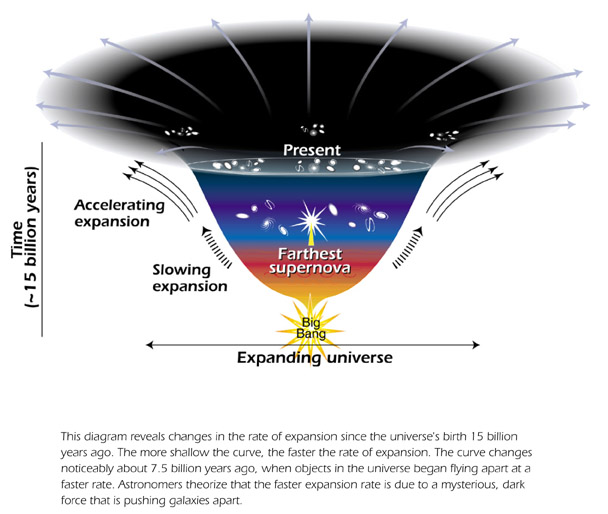
“Edge of the Universe”
https://blogs-images.forbes.com/startswithabang/files/2017/05/SDSS_Deep.jpg

Waz Up
Space Exploration and Space History
Space Exploration News
Most powerful ‘odd radio circle’ to date discovered
https://scx1.b-cdn.net/csz/news/800a/2025/most-powerful-odd-radi-1.jpg

Solar rain mystery solved by researchers
https://scx1.b-cdn.net/csz/news/800a/2025/solar-rain-mystery-cra.jpg

Space-Related Birthdays
Sep 28 – Oct 4
September 29, 1942: Bill Nelson (STS-61-C)

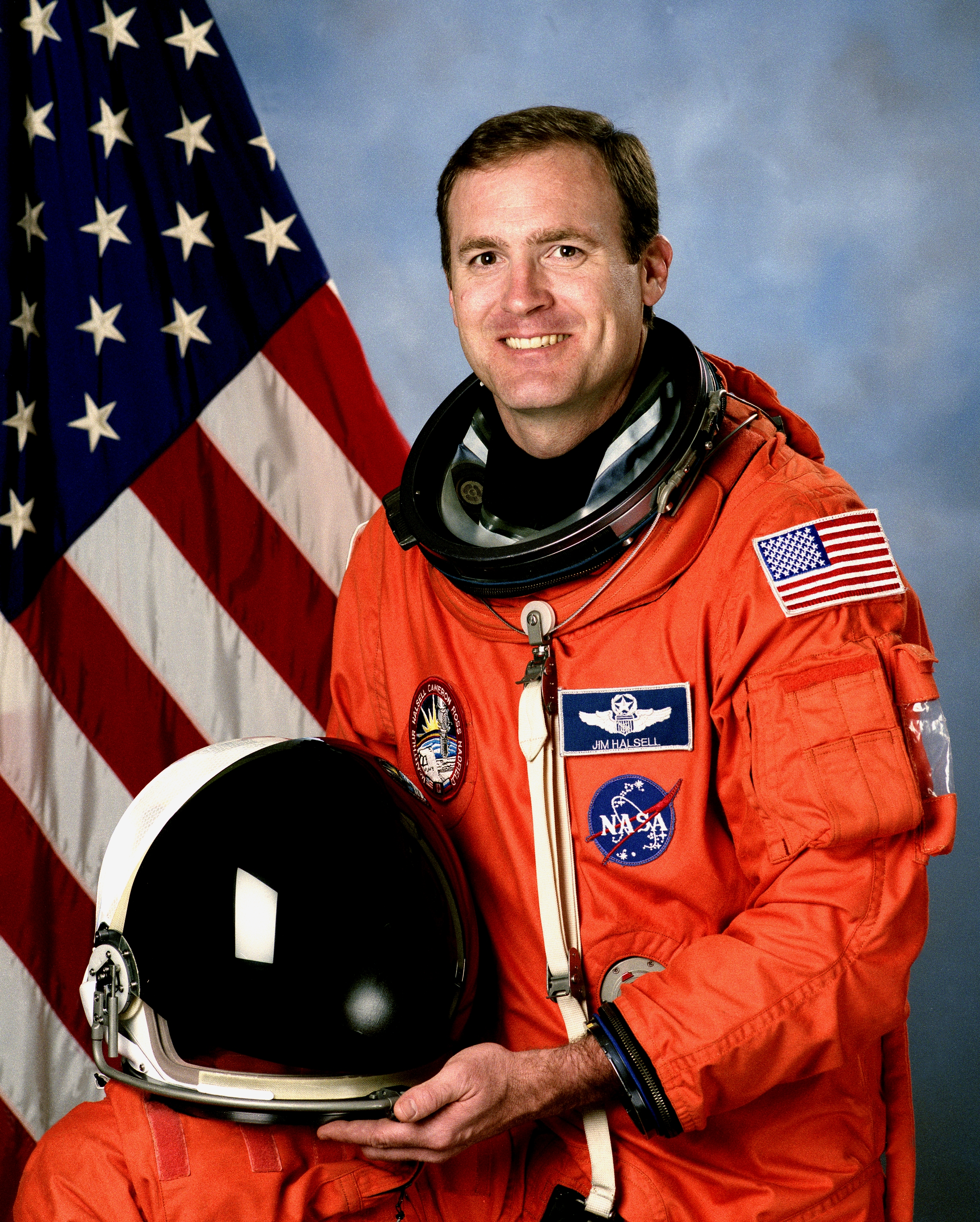
September 29, 1956: James Halsell (STS-65, STS-74, STS-83, STS-94, STS-101)
https://upload.wikimedia.org/wikipedia/commons/5/58/James_Halsell.jpg
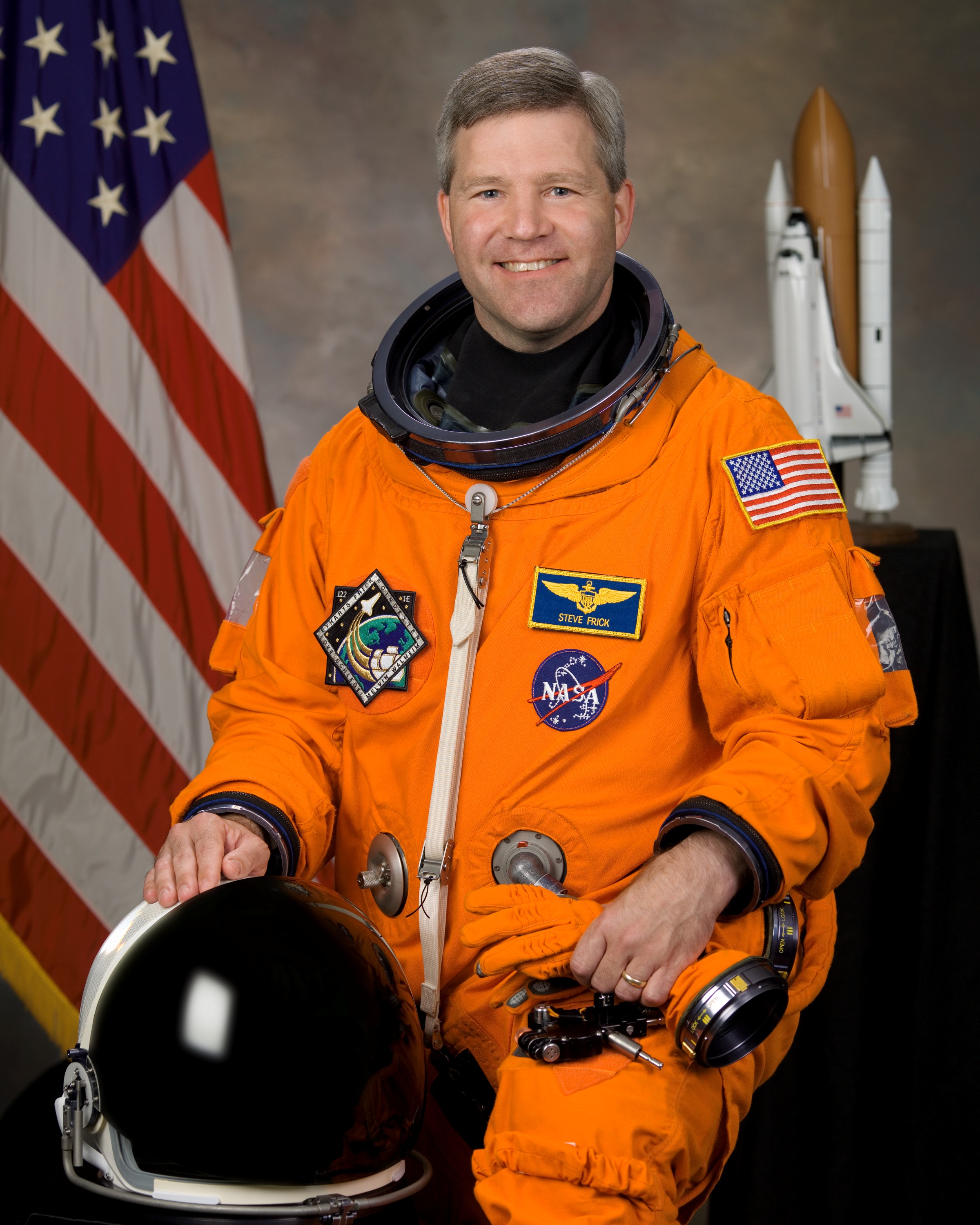
September 30, 1964: Stephen Frick (STS-110, STS-122)
https://upload.wikimedia.org/wikipedia/commons/1/13/Stephen_frick-2007.jpg
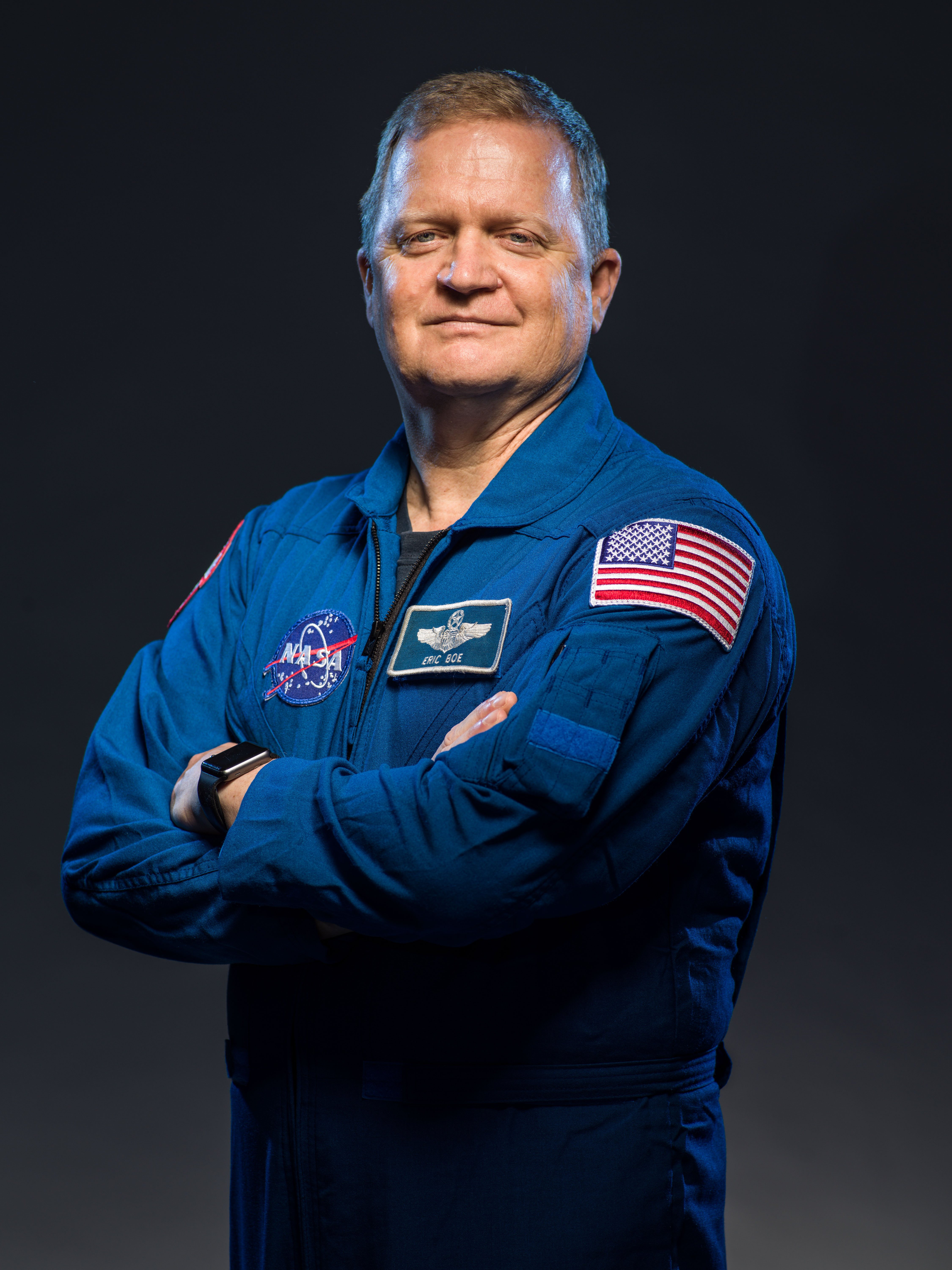
October 1, 1964: Eric Boe (STS-126, STS-133)
https://upload.wikimedia.org/wikipedia/commons/d/dc/Eric_Boe_in_2018.jpg
October 3, 1935: Charles Duke (Apollo 16)
https://upload.wikimedia.org/wikipedia/commons/b/bf/Official_NASA_portrait_Charles_Moss_Duke_Jr.jpg

October 3, 1951: Kathryn Sullivan (STS-41-G, STS-31, STS-45; first EVA by an American woman)

October 4, 1957: Gregory Linteris (STS-83, STS-94)
https://upload.wikimedia.org/wikipedia/commons/d/d6/Gregory_Linteris.jpg

This Week in Space History
Sep 28 – Oct 4
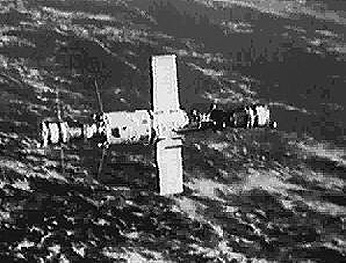
September 29, 1977
The Salyut 6 space station is launched into orbit. https://upload.wikimedia.org/wikipedia/en/4/49/Salyut_6.jpg
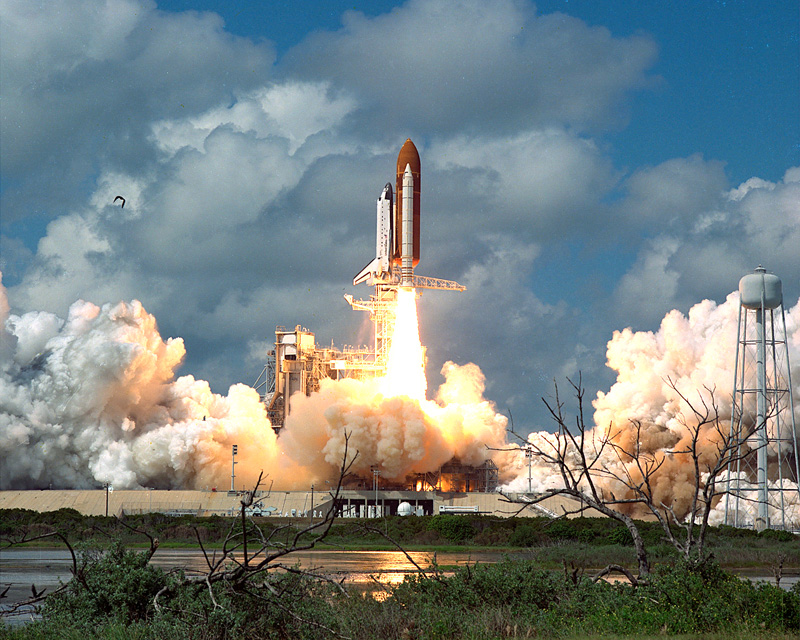
September 29, 1988
Space shuttle Discovery roared off its launch pad at NASA’s Kennedy Space Center in Florida. https://www.americaspace.com/wp-content/uploads/2013/10/sts-26-launch.jpg
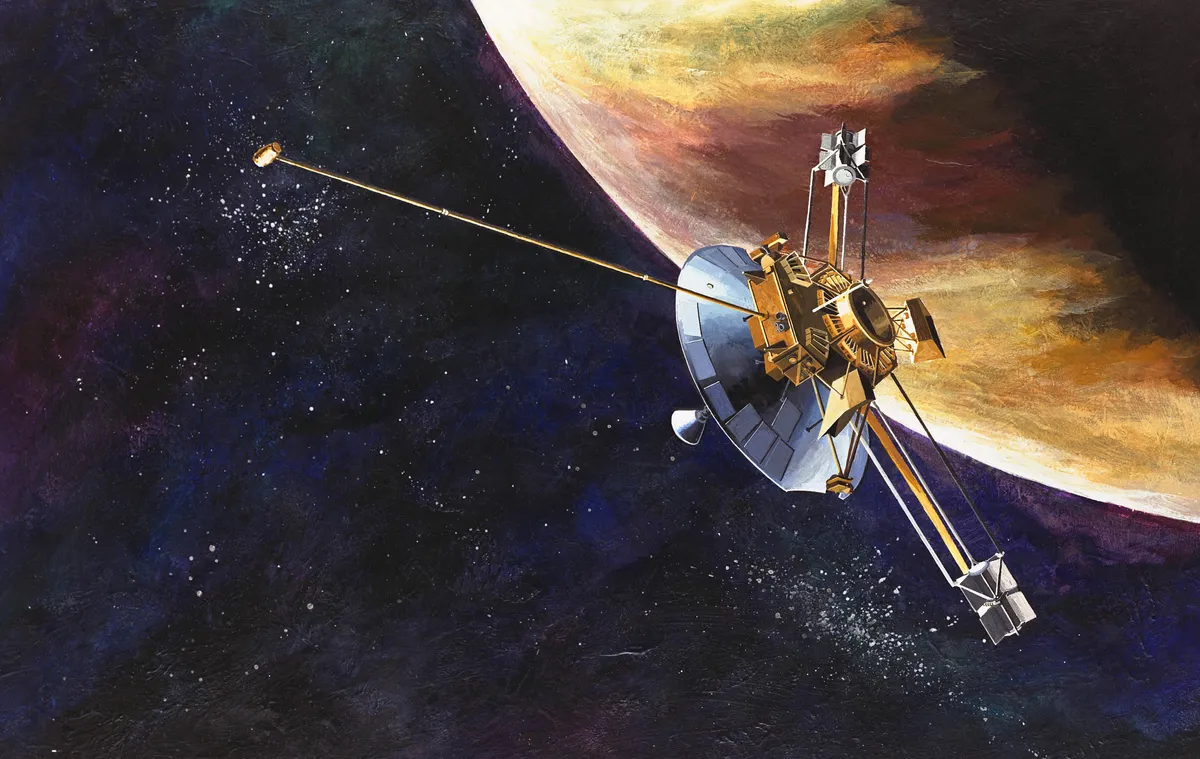
September 30 1995:
Pioneer 11’s scientific mission came to an end when NASA received the last transmission from the spacecraft.
October 2 1608:
Dutch spectacle-maker Hans Lippershey was the first to apply for a patent for the design for a telescope.

October 3 1967:
The X-15 experimental rocket plane set the unofficial speed record for piloted aircraft, reaching 4,520 mph (Mach 6.72).
https://i.redd.it/w2mchax0cymz.jpg

October 4 1957:
The Soviet Union launched the first ever artificial satellite into orbit, ushering in the Space Age.
https://media.sciencephoto.com/image/c0247444/800wm/C0247444-Sputnik_1_in_orbit,_illustration.jpg

Miss Carolyn’s Constellation of the Week
Constellations: “Piscis Austrinus the Southern Fish” and “Grus”
Space Launches For This Week
Space Flight Now Launch Schedule
October 7 Falcon 9 • Starlink 10-59
Launch time: Window opens at 12:10 a.m. EDT (0410 UTC)
Launch site: SLC-40, Cape Canaveral Space Force Station, Florida
A SpaceX Falcon 9 rocket will launch 28 Starlink V2 Mini satellites into low Earth orbit. A little more than eight minutes after liftoff, the first stage booster, tail number B1090, launching for an eighth time, will land on the drone ship ‘Just Read the Instructions’ positioned in the Atlantic Ocean. Delayed from Sept. 28. Delayed from Oct. 1. Delayed from Oct. 3. Delayed from Oct. 4. Delayed from Oct. 6.
Updated: October 03
October 7/8 Falcon 9 • Starlink 11-17
Launch time: Window opens at 6 p.m. PDT (9 p.m. EDT / 0100 UTC)
Launch site: SLC-4E, Vandenberg Space Force Base, California
A SpaceX Falcon 9 rocket will launch 28 Starlink V2 Mini satellites into low Earth orbit. A little more than eight minutes after liftoff, the first stage booster will land on the drone ship ‘Of Course I Still Love You’ positioned in the Pacific Ocean.
Updated: September 30
October 8/9 Falcon 9 • Project Kuiper KF-03
Launch time: 9:56 p.m. EDT (0156 UTC)
Launch site: SLC-40, Cape Canaveral Space Force Station, Florida
A SpaceX Falcon 9 will launch a batch of 24 satellites into low Earth orbit for Amazon’s Project Kuiper internet service. The Falcon 9’s first stage booster, tail number B1091, launching for a second time, is expected to land on the drone ship, ‘Just Read the Instructions,’ positioned in the Atlantic Ocean. Delayed from Oct. 3/4. Delayed from Oct. 6/7.
Updated: October 01
NET October 13 Starship • Flight 11
Launch time: Window opens at 6:15 p.m. CDT (7:15 p.m. EDT / 2315 UTC)
Launch site: OLP-A, Starbase, Texas
A SpaceX Starship-Super Heavy rocket (collectively referred to as Starship) will launch from Starbase, Texas, on a suborbital flight. This will be the 11th flight of the integrated launch vehicle. Similarly to Flight 10, SpaceX will not attempt to perform a catch of the Super Heavy booster (B15), which will be flying for a second time and reusing 24 of its 33 Raptor engines. Following hot staging, B15 will perform a controlled splashdown in the Gulf using “a unique landing burn engine configuration planned to be used on the next generation Super Heavy.” The Ship upper stage (S38) will target an aquatic ending in the Indian Ocean following “a dynamic banking maneuver” designed to “mimic the path a ship will take on future flights returning to Starbase.” The Ship will also perform multiple demonstrations, like deploying eight Starlink simulators and relighting a single Raptor engine during the coast phase of the mission.
Updated: September 30
October 14/15 Falcon 9 • SDA’s Tranche 1 Transporter Layer-C
Launch time: 7:11 p.m. PDT (10:11 p.m. EDT / 0211 UTC)
Launch site: SLC-4E, Vandenberg Space Force Base, California
A SpaceX Falcon 9 rocket will launch the second batch of the Space Development Agency’s (SDA) Tranche 1 Transport Layer satellites to low Earth orbit. The shorthand for this mission is T1TL-C. A $1.8 billion contract was awarded across York Space Systems, Lockheed Martin Space and Northrop Grumman Strategic Space Systems to establish a constellation of 126 “optically-interconnected space vehicles.” These 21 satellites were from Lockheed Martin. The Falcon 9 first stage booster, tail number B1093, launching for a seventh time, will land on the drone ship, ‘Of Course I Still Love You,’ positioned in the Pacific Ocean.
Updated: October 01
Second half October Atlas 5 • ViaSat-3 F2
Launch time: TBD
Launch site: SLC-41, Cape Canaveral Space Force Station, Florida
United Launch Alliance will launch its Atlas 5 rocket in a 551 configuration to support the launch of Viasat’s ViaSat-3 Flight 2 satellite. The 6-ton spacecraft is designed to provide download speeds of more than 100 Mbps and operates using a Ka-band frequency. The satellite is built by Viasat on Boeing’s 702MP+ platform.
Updated: September 26
NET October 20/21 H3 • HTV-X
Launch time: 10:58 a.m. JST / 0158 UTC on Oct. 21 (9:58 p.m. EDT on Oct. 20)
Launch site: Yoshinobu Launch Complex, JAXA Tanegashima Space Center
An H3 launch vehicle, a rocket developed through a partnership between Mitsubishi Heavy Industries and JAXA (Japan Aerospace Exploration Agency), will launch the first HTV-X cargo resupply vehicle to the International Space Station.
Updated: August 29
NET Fall 2025 New Glenn • EscaPADE
Launch time: TBD
Launch site: Launch Complex 36, Cape Canaveral Space Force Station
A Blue Origin New Glenn rocket will launch a pair of identical spacecraft on NASA’s Escape and Plasma Acceleration and Dynamics Explorers (EscaPADE) mission. The two satellites, named Blue and Gold, will make a roughly 11-month journey to Mars where they will then perform about an 11-month science mission while orbiting the Red Planet. Blue and Gold were manufactured by Rocket Lab over about 3.5 years and carry science experiments from the University of California, Berkeley. This launch of the New Glenn rocket will also feature a landing attempt on its landing barge in the Atlantic Ocean. Delayed from Oct. 13, 2024. Delayed from mid-August. Delayed from Sept. 29.
Updated: September 16
Visible satellite passages over the next couple of days.
You can use the http://www.heavens-above.com website to find out what’s in orbit and
where to look during fly-overs
All times are “local” (Dallas) time.
ISS
Oct 13
Tiangong
Oct. 8
Oct. 10