
IO Group: https://groups.io/g/DARCskynet/topics
Facebook Group: http://www.facebook.com/groups/306498286059167/
Saturday’s DARC SkyNet is at 9PM CT.
Recent Astronomical Discoveries
Physicists have unveiled a new superconducting detector
https://www.sciencedaily.com/releases/2025/09/250910000302.htm
Nanowire Single Photon Detector
https://www.sciencedaily.com/images/1920/superconducting-nanowire-single-photon-detector.webp

5. Discussion Topic of the Evening.
“40 Eridani A – Science Fiction’s Rising Star!”
https://www.constellation-guide.com/constellation-list/eridanus-constellation
https://www.glyphweb.com/esky/stars/keid.html
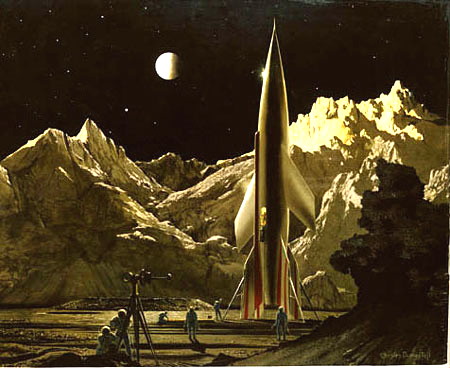
Bonestell’s “Destination Moon”
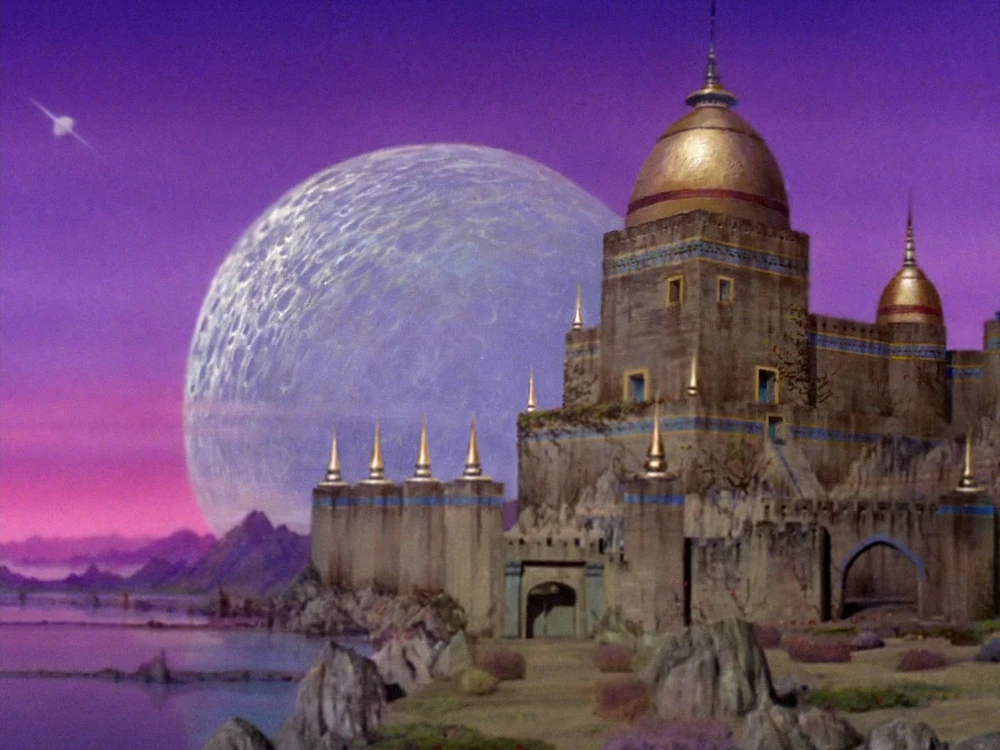
“Rigel 7” (Star Trek)
40 Erandai Triple Star System
https://upload.wikimedia.org/wikipedia/commons/5/5c/40_eri_text.png

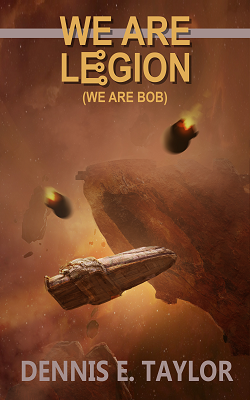
“We Are Legion”
http://dennisetaylor.org/wp-content/uploads/2015/08/legionbook1v2_small-1.png
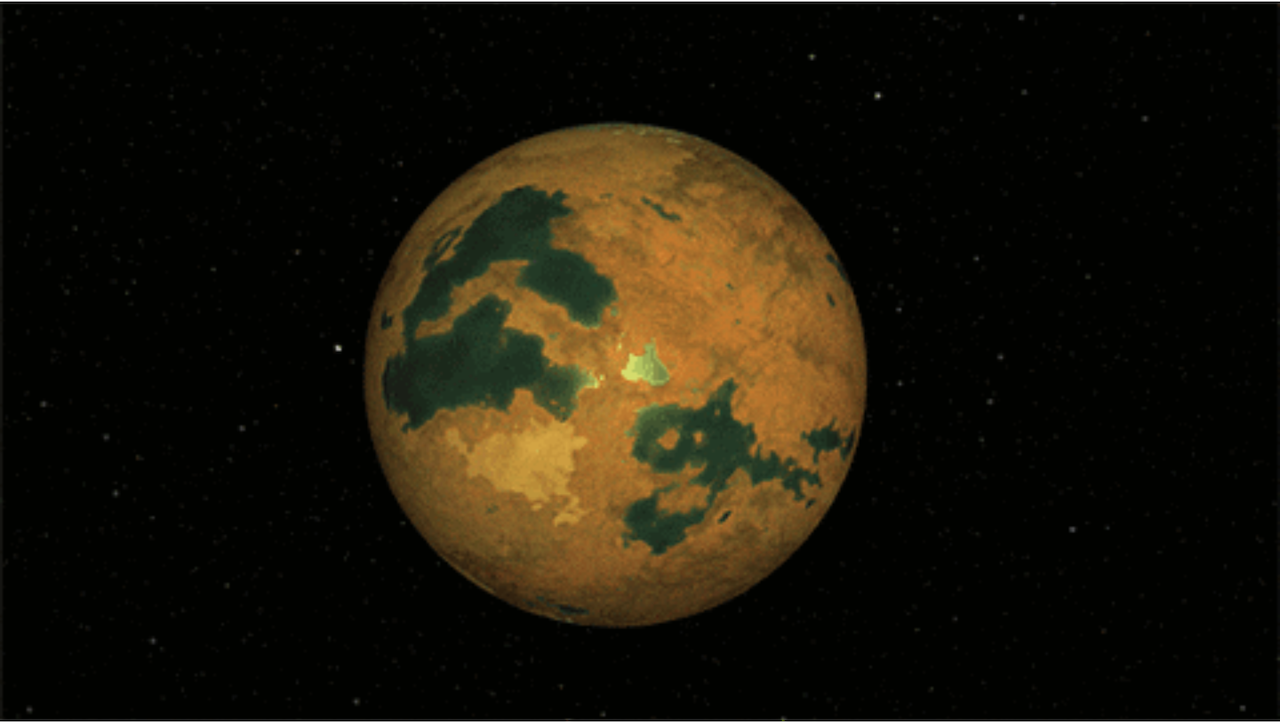
“Vulcan” (“Spock’s World”)

Artist’s Concept (Vulcan) HD 26965b
https://science.nasa.gov/wp-content/uploads/2024/05/vulcan-1280.png
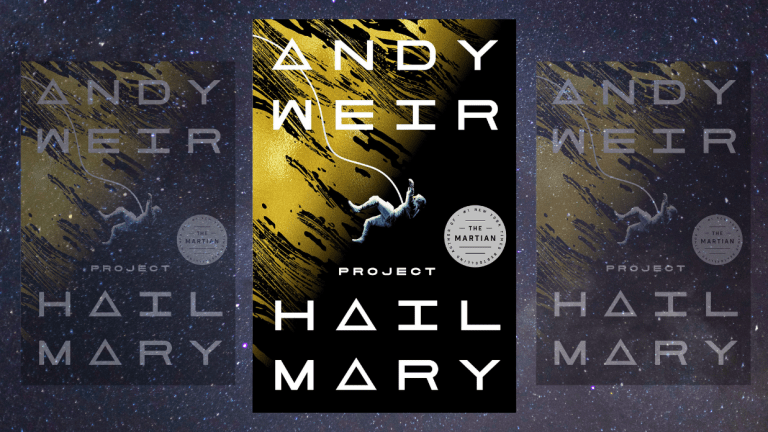
“Project Hail Mary”
Waz Up
Space Exploration and Space History
Space Exploration News
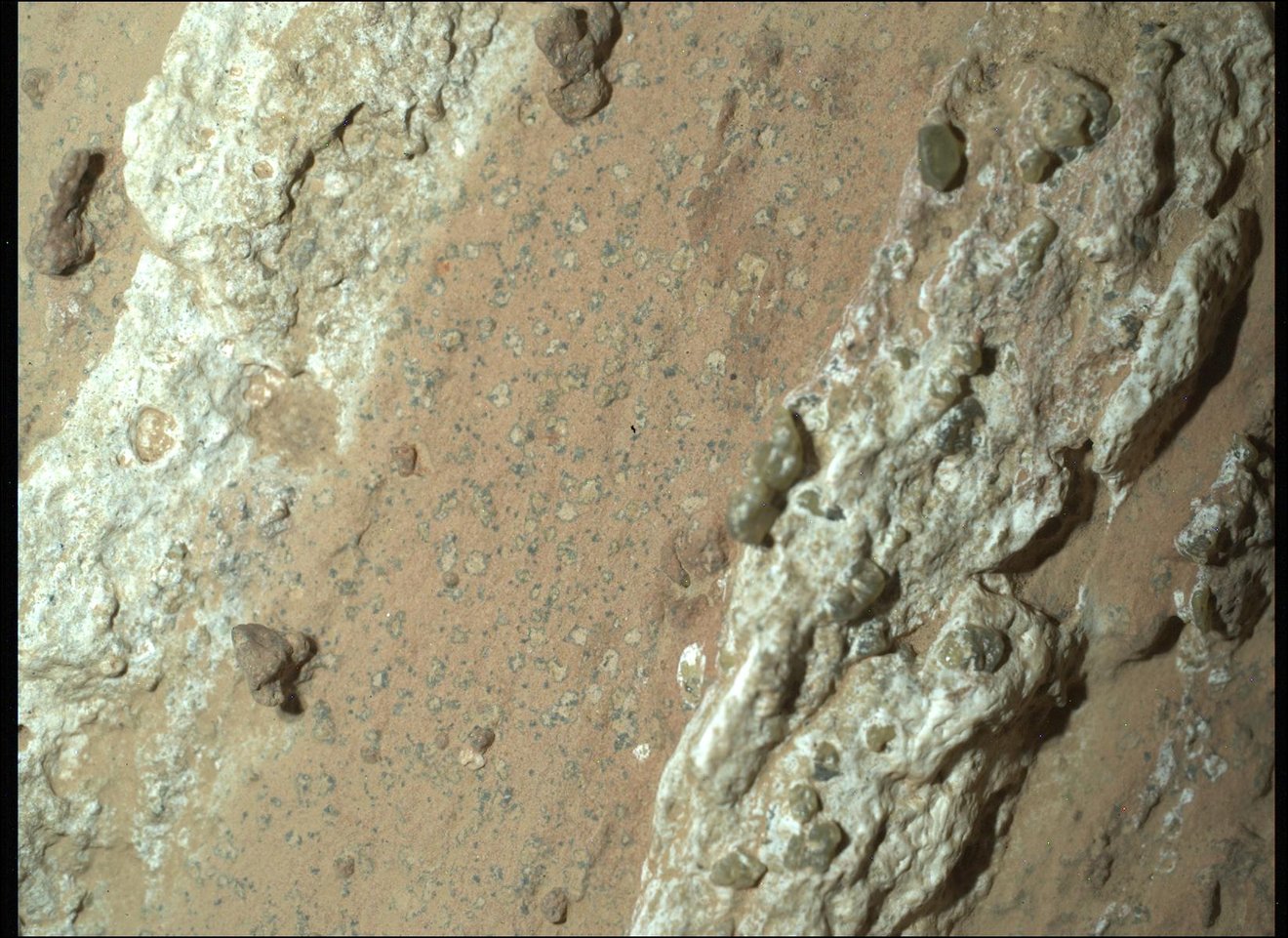
NASA Says Mars Rover Discovered Potential Biosignature Last Year
New ‘quasi-moon’ discovered in Earth orbit may have been hiding there for decades
https://img-s-msn-com.akamaized.net/tenant/amp/entityid/AA1Mqdgh.img?w=768&h=432&m=6
Space-Related Birthdays
Sept 7 -13
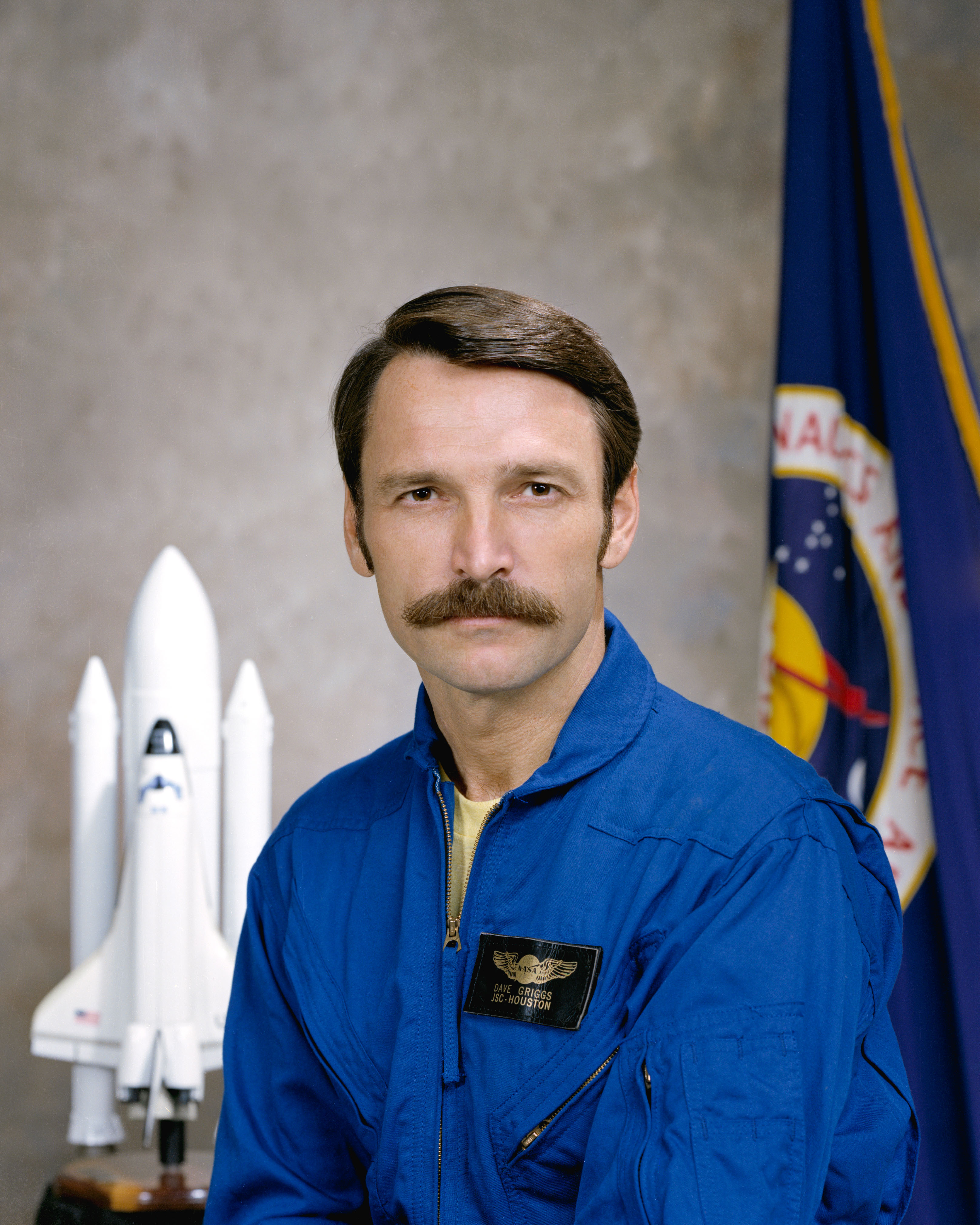
David Griggs September 7, 1939: David Griggs (STS-51-D)
https://upload.wikimedia.org/wikipedia/commons/a/a5/Stanleydavidgriggs.jpg
Lee Morin Sept 9, 1952 (STS-110)

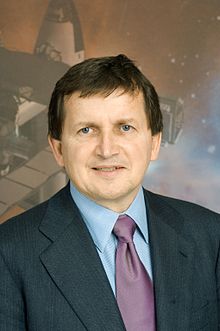
Charles Simonyi Sept 10, 1948 (Soyuz TMA-10/TMA-9, Soyuz TMA-14/TMA-13)
Mike Mullane Sept 10, 1945 (STS-41-D, STS-27, STS-36)

Robert Crippen Sept 11, 1937 (STS-1, STS-7, STS-41-C, STS-41-G)

Randolph Bresnik Sept 11, 1967 (STS-129, Soyuz MS-05 – Expedition 52/53)

Anousheh Ansari Sept 12, 1966 (Soyuz TMA-9/8)

Roger K. Crouch Sept 12, 1940 (STS-83, STS-94)
https://upload.wikimedia.org/wikipedia/commons/thumb/d/d5/Roger_Crouch.jpg/220px-Roger_Crouch.jpg
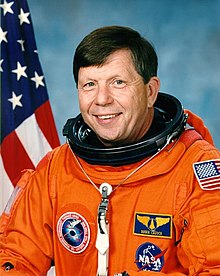
Eugene H. Trinh Sept 14, 1950 (STS-50)

John Herrington Sept 14, 1958 (STS-113)
https://upload.wikimedia.org/wikipedia/commons/thumb/b/bf/Herrington.jpg/220px-Herrington.jpg

This Week in Space History
September 7, 1914:
American astrophysicist James Van Allen was born.
https://upload.wikimedia.org/wikipedia/commons/3/34/James_van_Allen.jpg

September 12, 1966:
Launch of Gemini 11

September 9, 1982
The first launch of the new Conestoga 1 rocket.

September 9, 1975
Viking 2 was launched to Mars
Miss Carolyn’s Constellation of the Week
Constellations “Delphinus the Dolphin” and “Equuleus the Horse”
Space Launches For This Week
Space Flight Now Launch Schedule
NET September 14 Falcon 9 • NG-23
Launch time: 6:11 p.m. EDT (2211 UTC)
Launch site: SLC-40, Florida
A SpaceX Falcon 9 rocket will launch a Cygnus XL spacecraft from Northrop Grumman on a resupply mission to the International Space Station. This will be the 22nd launch of a Cygnus spacecraft and the first launch of a Cygnus XL spacecraft, which is capable of carrying 1,250 kg more cargo than the previous version of the Cygnus spacecraft. The spacecraft is named the S.S. William ‘Willie’ C. McCool. Nearly 8 minutes after liftoff, the Falcon 9 first stage booster, tail number B1094, making its fourth flight, will make a landing attempt at Landing Zone 2 (LZ-2) at Cape Canaveral Space Force Station. The Cygnus XL spacecraft is expected to dock with the ISS on Wednesday, Sept. 17. Moved up from Sept. 15.
Updated: September 05
September 17 Falcon 9 • Starlink 17-12
Launch time: Window opens at 8:41 a.m. PDT (11:41 a.m. EDT / 1541 UTC)
Launch site: SLC-4E, Vandenberg Space Force Base, California
A SpaceX Falcon 9 rocket will launch 24 Starlink V2 Mini satellites into low Earth orbit. A little more than eight minutes after liftoff, the first stage booster, tail number B1088, launching for a 10th time, will target a landing on the drone ship ‘Of Course I Still Love You’ positioned in the Pacific Ocean.
Updated: September 10
September 18 Falcon 9 • Starlink 10-61
Launch time: Window opens at 5:30 a.m. EDT (0930 UTC)
Launch site: SLC-40, Cape Canaveral Space Force Station, Florida
A SpaceX Falcon 9 rocket will launch 28 Starlink V2 Mini satellites into low Earth orbit. A little more than eight minutes after liftoff, the first stage booster, tail number B1092, launching for a seventh time, will target a landing on the drone ship ‘Just Read the Instructions’ positioned in the Atlantic Ocean.
Updated: September 10
NET September 21 Falcon 9 • Starlink 10-27
Launch time: Window opens at 5:20 a.m. EDT (0920 UTC)
Launch site: SLC-40, Cape Canaveral Space Force Station, Florida
A SpaceX Falcon 9 rocket will launch 28 Starlink V2 Mini satellites into low Earth orbit. A little more than eight minutes after liftoff, the first stage booster, tail number B1085, launching for an 11th time, will target a landing on the drone ship ‘A Shortfall of Gravitas’ positioned in the Atlantic Ocean.
Updated: September 12
September 21 Falcon 9 • NROL-48
Launch time: 10:37 a.m. PDT (1:37 p.m. EDT / 1737 UTC)
Launch site: SLC-4E, Vandenberg Space Force Base, California
A SpaceX Falcon 9 rocket will launch the NROL-48 mission for the National Reconnaissance Office. The flight will be the 11th mission supporting the agency’s proliferated architecture, a constellation believed to consist of Starshield satellites. SpaceX will use the Falcon 9 booster, tail number B1081, which will launch for an 18th time. Eight minutes after liftoff, B1081 will target a landing back at Landing Zone 4.
Updated: September 13
NET September 23 Falcon 9 • IMAP
Launch time: 7:32 a.m. EDT (1132 UTC)
Launch site: Launch Complex 39A, Kennedy Space Center, Florida
A SpaceX Falcon 9 rocket will launch a rideshare mission carrying two spacecraft for NASA and one for the National Oceanic and Atmospheric Administration (NOAA). The primary payload is NASA’s Interstellar Mapping and Acceleration Probe (IMAP), which will use its 10 science instruments to study the boundary of the Sun’s heliosphere. Along for the ride are NASA’s Carruthers Geocorona Observatory, designed to observe the ultraviolet light from the Earth’s geocorona, and NOAA’s Space Weather Follow On Lagrange 1 (SWFO-L1), which will monitor the Sun for key space weather activity. All three spacecraft will be sent toe Lagrange Point 1 (L1), which is about a 1.5 million km from Earth and is positioned in between the Earth and the Sun.
Updated: September 09
NET September 25 Atlas 5 • KA-03
Launch time: TBD
Launch site: SLC-41, Cape Canaveral Space Force Station, Florida
A United Launch Alliance Atlas 5 551 rocket will launch 27 of Amazon’s Project Kuiper broadband internet satellites into low Earth orbit. The spacecraft will be deployed at an altitude of 280 mies (450 km) in altitude and will eventually raise to an operating altitude of 392 miles (630 km). The Kuiper Atlas 3 mission is the fifth launch of Kuiper satellites to date, following two missions using ULA’s Atlas 5 rockets and two missions on SpaceX’s Falcon 9 rockets. This launch will give Amazon a total of 129 satellites in LEO.
Updated: August 29
NET September 29 New Glenn • EscaPADE
Launch time: TBD
Launch site: Launch Complex 36, Cape Canaveral Space Force Station
A Blue Origin New Glenn rocket will launch a pair of identical spacecraft on NASA’s Escape and Plasma Acceleration and Dynamics Explorers (EscaPADE) mission. The two satellites, named Blue and Gold, will make a roughly 11-month journey to Mars where they will then perform about an 11-month science mission while orbiting the Red Planet. Blue and Gold were manufactured by Rocket Lab over about 3.5 years and carry science experiments from the University of California, Berkeley. This launch of the New Glenn rocket will also feature a landing attempt on its landing barge in the Atlantic Ocean. Delayed from Oct. 13, 2024. Delayed from mid-August.
Updated: August 15
Visible satellite passages over the next couple of days.
You can use the http://www.heavens-above.com website to find out what’s in orbit and
where to look during fly-overs
All times are “local” (Dallas) time.
ISS – No visible passes
Tiangong
Sept 17
Sept 18
Sept 19
Sept 21
Sept 22