
IO Group: https://groups.io/g/DARCskynet/topics
Facebook Group: http://www.facebook.com/groups/306498286059167/
Saturday’s DARC SkyNet is at 9PM CT.
Recent Astronomical Discoveries
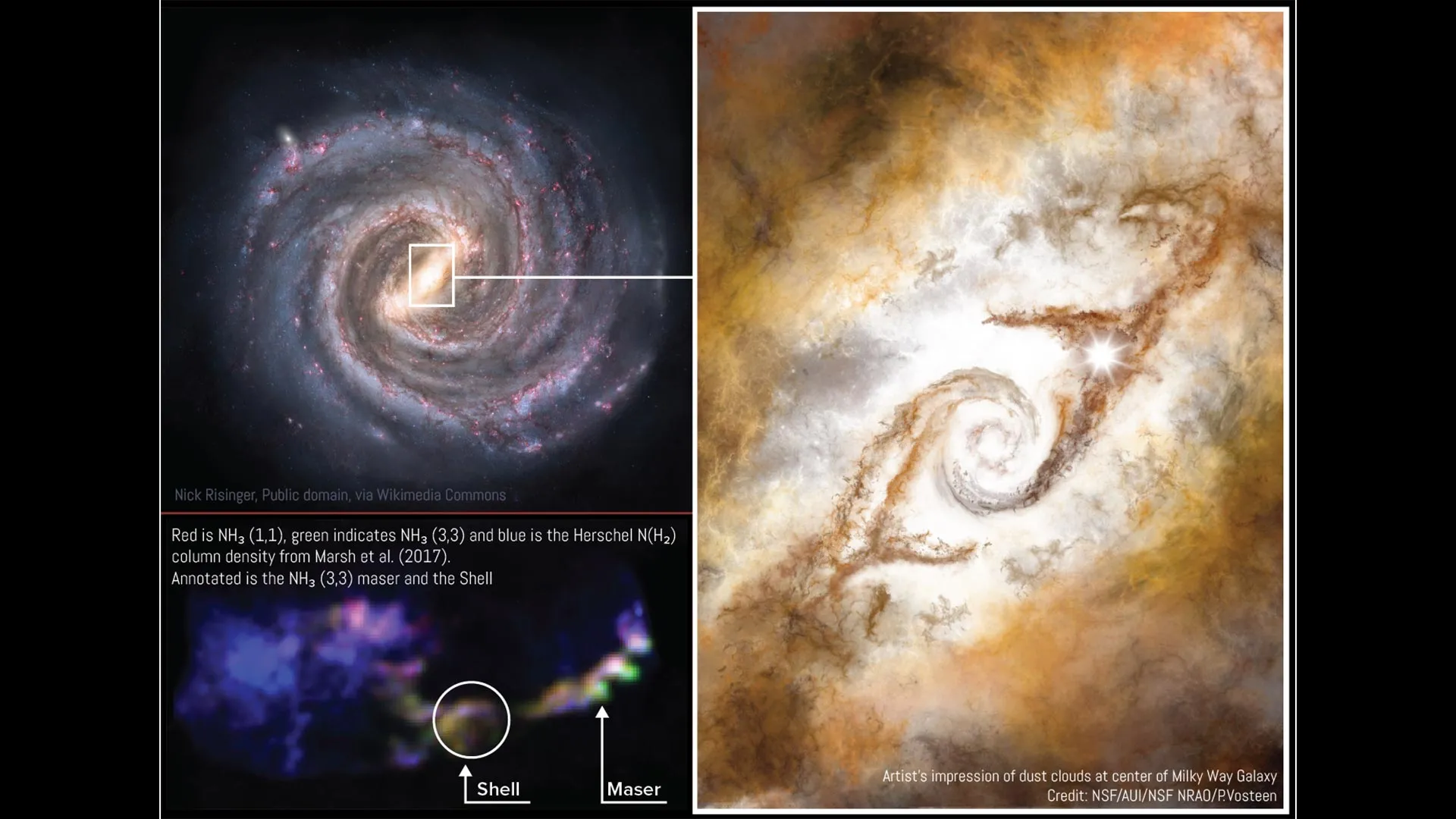
A New Molecular Cloud Has Been Discovered
https://www.sciencedaily.com/releases/2025/09/250903075159.htm
https://www.sciencedaily.com/images/1920/massive-molecular-cloud-hidden-in-milky-way.webp
Discussion Topic of the Evening.
Did a Smaller but Still Giant Black Hole Recently Merge with the One at the Center of Our Galaxy?
Black Hole Sagittarius A-Star
https://badastronomy.beehiiv.com/archive?q=sgr%20a*
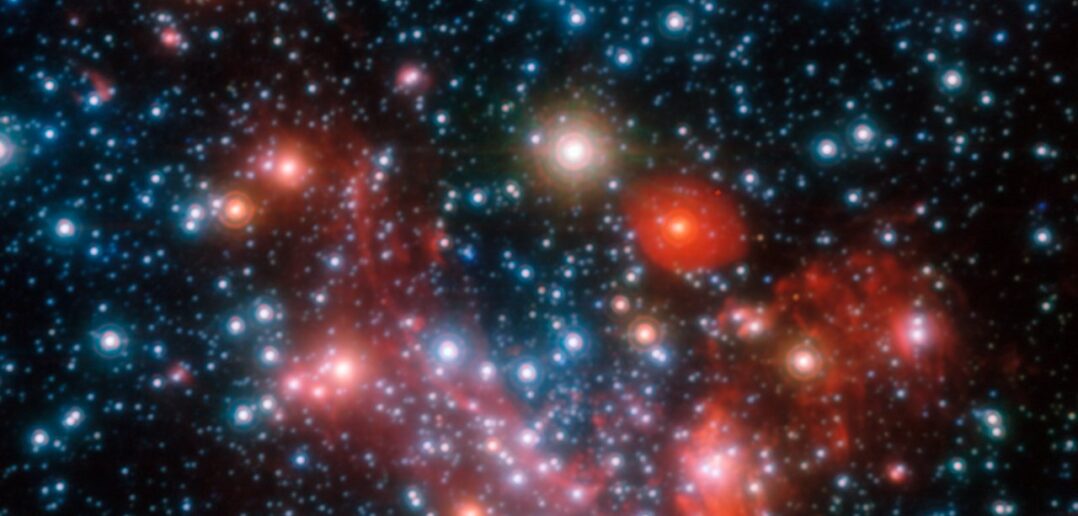
Stars at the Center of the Milky Way
https://aasnova.org/wp-content/uploads/2025/05/eso0846a-1078×516.jpg
Schematic Showing Proposed Formation Pathway
https://aasnova.org/wp-content/uploads/2025/07/apjladdc5df1_hr.jpg

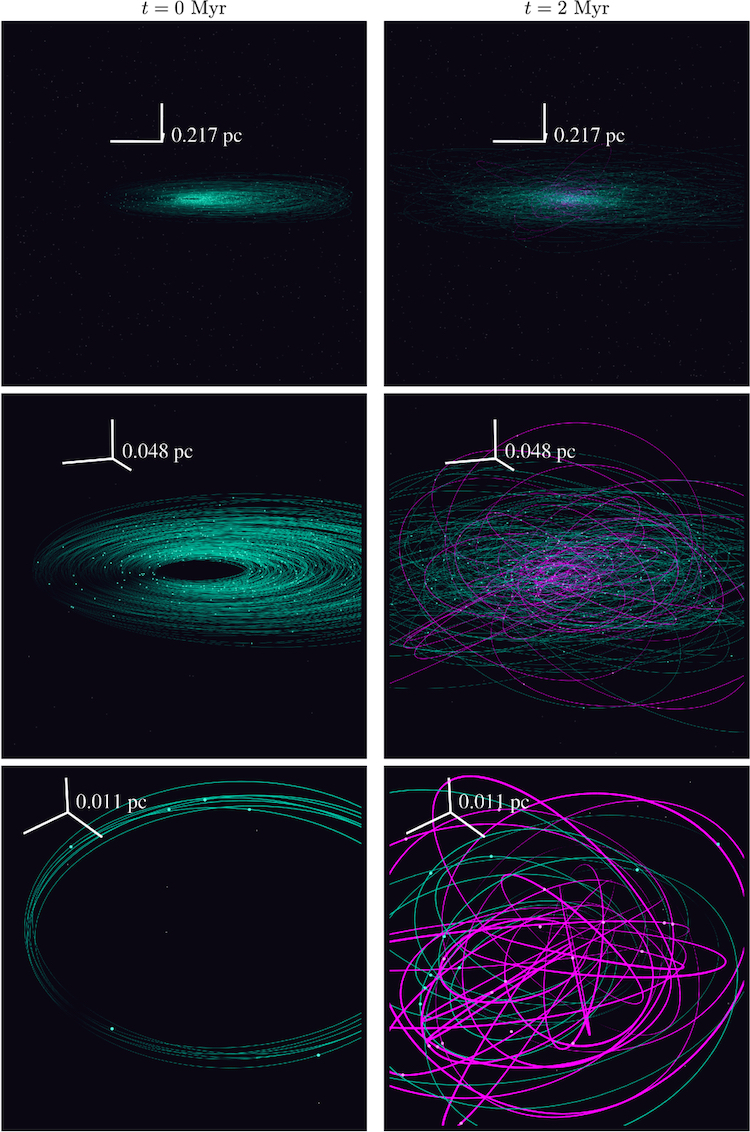
Simulation Snapshots
https://aasnova.org/wp-content/uploads/2025/07/apjladdc5df4_hr.jpg
Waz Up
Space Exploration and Space History
Space Exploration News
Aug 31 – Sept 6
NASA Announces CHAPEA Crew for Year-Long Mars Mission Simulation
https://www.nasa.gov/wp-content/uploads/2025/09/jsc2022e090455-1.png

Astronauts need oxygen. Magnets could help

Space-Related Birthdays
Aug 31 – Sept 6
September 1, 1961: Christopher Ferguson (STS-115, STS-136, STS-135; was original pilot for Starliner, but stepped down)
https://upload.wikimedia.org/wikipedia/commons/f/fe/Christopher_Ferguson_in_2018_%28cropped%29_2.jpg

September 2, 1948: Christa McAuliffe (STS-51-L)
https://en.wikipedia.org/wiki/Christa_McAuliffe#/media/File:ChristaMcAuliffe_(cropped).jpg
.jpg)
September 3, 1944: Sherwood Spring (STS-61-B)
https://upload.wikimedia.org/wikipedia/commons/d/d7/Sherwood_Spring.jpg

September 6, 1946: Bryan O’Connor (STS-61-B, STS-40)
https://upload.wikimedia.org/wikipedia/commons/3/3a/Bryan_D._O%27Connor.jpg

September 6, 1955: Carl Walz (STS-51, STS-65, STS-79, STS-108, Exp 4, STS-111)
https://upload.wikimedia.org/wikipedia/commons/f/fd/Carl_Walz.jpg

This Week in Space History
Aug 31 – Sept 6
September 1:1979:
A human-made probe flew by Saturn for the first time.
https://www.yearinspace.com/images/2014_Week_36_c.jpg

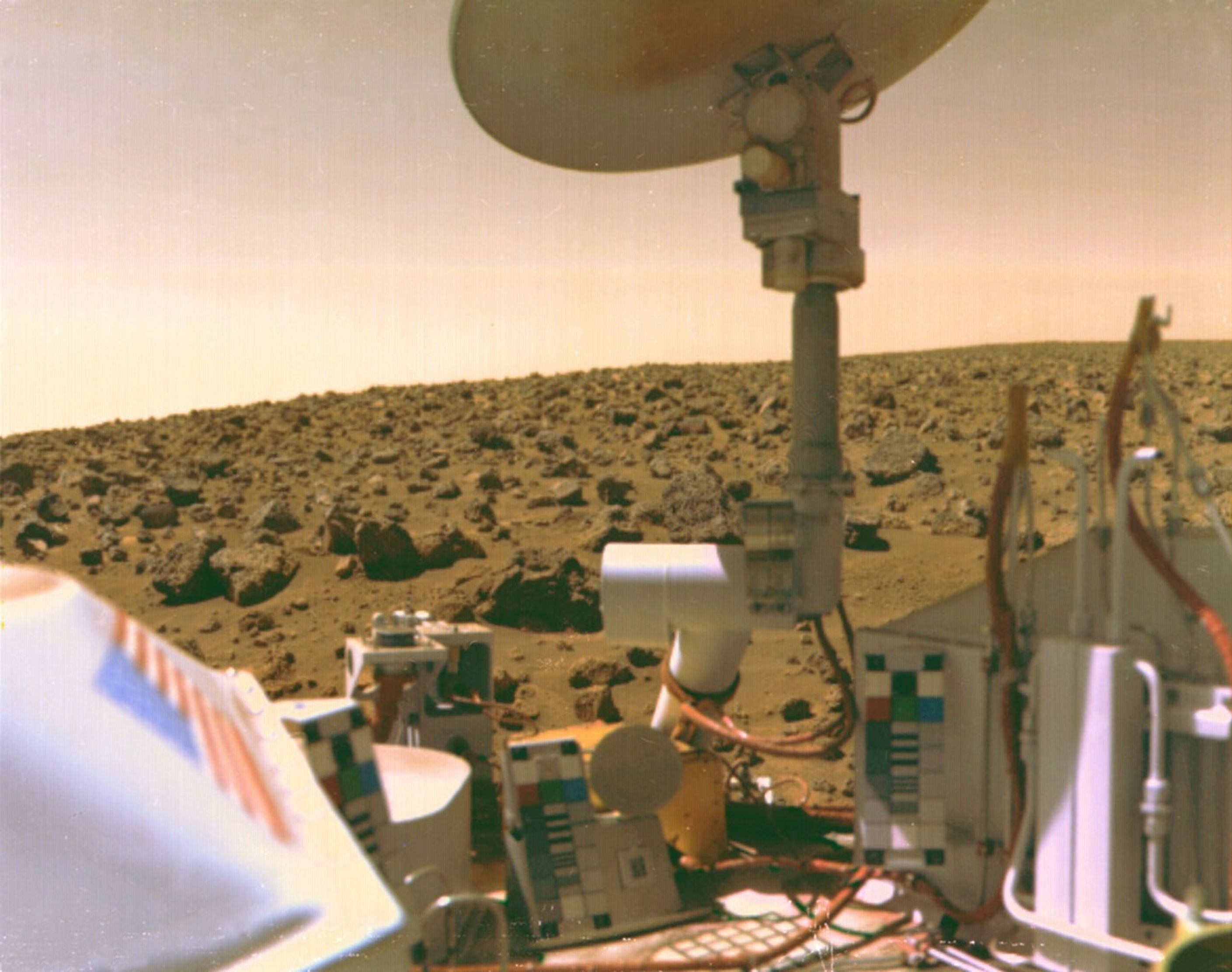
September 3:1976:
The Viking 2 lander set down safely on Mars in Utopia Planitia (“plan-ish-ia”).
September 5:1977:
At 8:56 am EDT, Voyager 1 lifted off from Launch Complex 41 at Cape Canaveral, Florida.

September 6: 1996:
NASA’s Galileo spacecraft conducted its second flyby of Ganymede, Jupiter’s largest moon.
https://d2pn8kiwq2w21t.cloudfront.net/images/imagesspacecraftgalileo2_jupiter_browse.width-640.jpg

September 6: 2013:
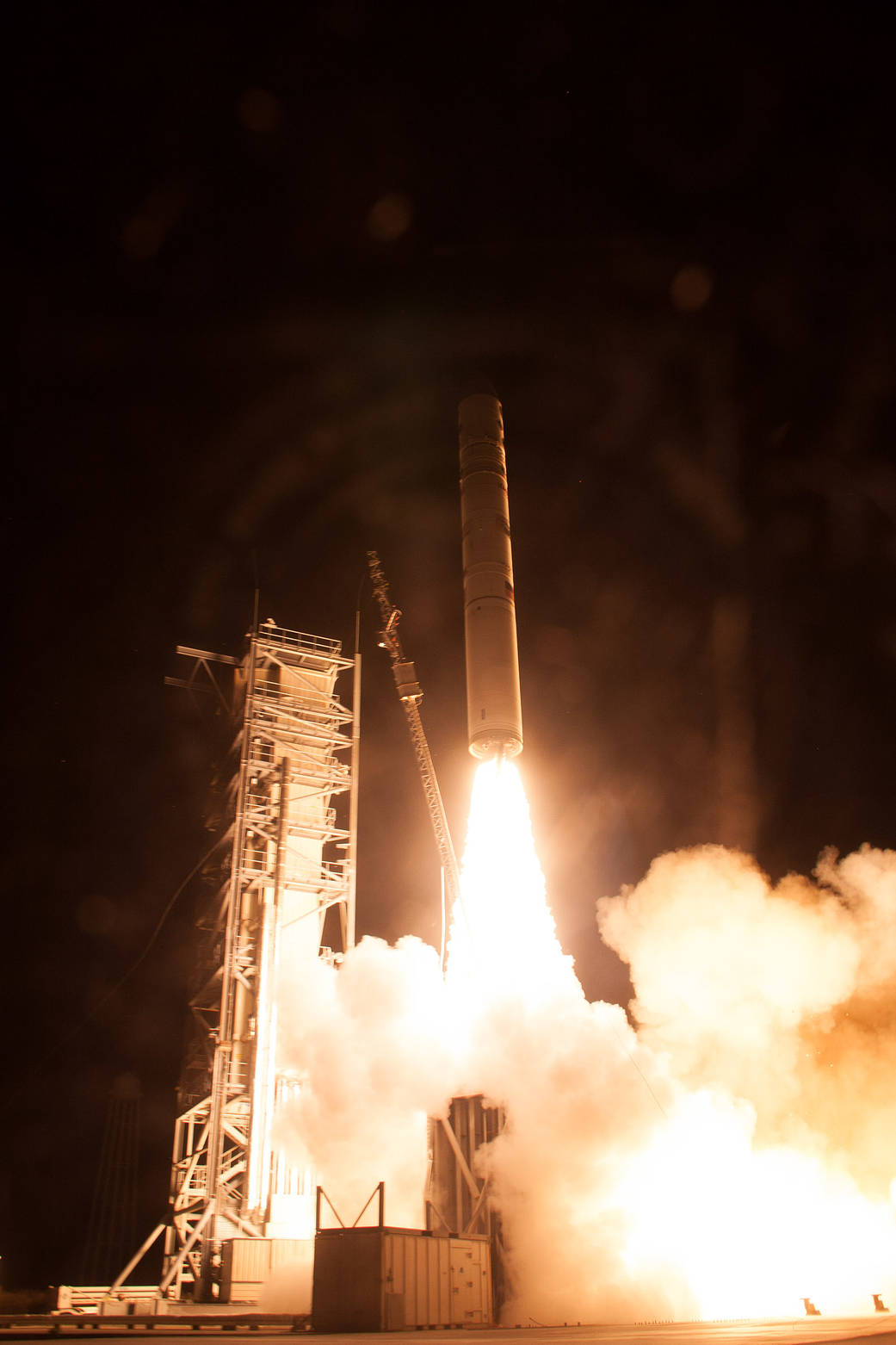
The Lunar Atmosphere and Dust Environment Explorer (LADEE “laddie”) probe was launched from Pad 0B of the Mid-Atlantic Regional Spaceport, at NASA’s Wallops Flight Facility, Wallops Island, Virginia.
https://www.nasa.gov/wp-content/uploads/2023/03/img_4837.jpg
Miss Carolyn’s Constellation of the Week
Space Launches For This Week
Space Flight Now Launch Schedule
September 8/9 Falcon 9 • Satelit Nusantara Lima
Launch time: 8:02 p.m. EDT (0002 UTC)
Launch site: SLC-40, Cape Canaveral Space Force Station, Florida
A SpaceX Falcon 9 rocket will launch the Satelit Nusantara Lima (SNL) into a geosynchronous transfer orbit on behalf of its customer, Indonesia-based PT Pasifik Satelit Nusantara (PSN). The communications satellite is built on Boeing’s 702MP VHTS (Very High Throughput Satellite) bus and features solar panels from Spectrolab, a Boeing subsidiary. The satellite will operate above the equator at the 113 degrees East position with an expected lifespan of 15 years. Service is anticipated in early 2026. SpaceX will launch the mission using its Falcon 9 rocket booster 1078, which will launch for a 23rd time. A little more than 8.5 minutes after liftoff, B1078 will target a landing on the drone ship, ‘A Shortfall of Gravitas.’ SNL is expected to deploy from the rocket less than 30 minutes after liftoff.
Updated: September 04
September 10 Falcon 9 • SDA’s Tranche 1 Transport Layer
Launch time: 7:12 a.m. PDT (10:12 a.m. EDT / 1412 UTC)
Launch site: SLC-4E, Vandenberg Space Force Base, California
A SpaceX Falcon 9 rocket will launch the first batch of the Space Development Agency’s (SDA) Tranche 1 Transport Layer satellites to low Earth orbit. A $1.8 billion contract was awarded across York Space Systems, Lockheed Martin Space and Northrop Grumman Strategic Space Systems to establish a constellation of 126 “optically-interconnected space vehicles.” The Falcon 9 first stage booster, tail number B1093, launching for a sixth time, will target a landing on the drone ship, ‘Of Course I Still Love You,’ positioned in the Pacific Ocean.
Updated: September 05
September 11 Soyuz 2.1a • Progress MS-32 / 93P
Launch time: 6:49 p.m. MSK (11:49 a.m. EDT / 1549 UTC)
Launch site: Baikonur Cosmodrome, Kazakhstan
An uncrewed Progress cargo ship will launch atop a Russian Soyuz rocket to deliver thousands of pounds of cargo and supplies to the International Space Station. It is expected to dock with the station on Saturday, Sept. 13.
Updated: August 31
NET September 15 Falcon 9 • NG-23
Launch time: 5:49 p.m. EDT (2149 UTC)
Launch site: SLC-40, Florida
A SpaceX Falcon 9 rocket will launch a Cygnus spacecraft from Northrop Grumman on a resupply mission to the International Space Station. This will be the 22nd launch of a Cygnus spacecraft and the first launch of a Cygnus XL spacecraft, which is capable of carrying 1,250 kg more cargo than the previous version of the Cygnus spacecraft. The spacecraft is named the S.S. William ‘Willie’ C. McCool.
Updated: August 31
NET September 23 Falcon 9 • IMAP
Launch time: TBD
Launch site: Launch Complex 39A, Kennedy Space Center, Florida
A SpaceX Falcon 9 rocket will launch a rideshare mission carrying two spacecraft for NASA and one for the National Oceanic and Atmospheric Administration (NOAA). The primary payload is NASA’s Interstellar Mapping and Acceleration Probe (IMAP), which will use its 10 science instruments to study the boundary of the Sun’s heliosphere. Along for the ride are NASA’s Carruthers Geocorona Observatory, designed to observe the ultraviolet light from the Earth’s geocorona, and NOAA’s Space Weather Follow On Lagrange 1 (SWFO-L1), which will monitor the Sun for key space weather activity. All three spacecraft will be sent toe Lagrange Point 1 (L1), which is about a 1.5 million km from Earth and is positioned in between the Earth and the Sun.
Updated: August 21
NET September 25 Atlas 5 • KA-03
Launch time: TBD
Launch site: SLC-41, Cape Canaveral Space Force Station, Florida
A United Launch Alliance Atlas 5 551 rocket will launch 27 of Amazon’s Project Kuiper broadband internet satellites into low Earth orbit. The spacecraft will be deployed at an altitude of 280 mies (450 km) in altitude and will eventually raise to an operating altitude of 392 miles (630 km). The Kuiper Atlas 3 mission is the fifth launch of Kuiper satellites to date, following two missions using ULA’s Atlas 5 rockets and two missions on SpaceX’s Falcon 9 rockets. This launch will give Amazon a total of 129 satellites in LEO.
Updated: August 29
NET September 29 New Glenn • EscaPADE
Launch time: TBD
Launch site: Launch Complex 36, Cape Canaveral Space Force Station
A Blue Origin New Glenn rocket will launch a pair of identical spacecraft on NASA’s Escape and Plasma Acceleration and Dynamics Explorers (EscaPADE) mission. The two satellites, named Blue and Gold, will make a roughly 11-month journey to Mars where they will then perform about an 11-month science mission while orbiting the Red Planet. Blue and Gold were manufactured by Rocket Lab over about 3.5 years and carry science experiments from the University of California, Berkeley. This launch of the New Glenn rocket will also feature a landing attempt on its landing barge in the Atlantic Ocean. Delayed from Oct. 13, 2024. Delayed from mid-August.
Updated: August 15
Visible satellite passages over the next couple of days.
You can use the http://www.heavens-above.com website to find out what’s in orbit and
where to look during fly-overs
All times are “local” (Dallas) time.
ISS
Sept 7
Sept 8
Sept 9
Sept 10
Tiangong
Sept 7
Sept 9