
IO Group: https://groups.io/g/DARCskynet/topics
Facebook Group: http://www.facebook.com/groups/306498286059167/
Saturday’s DARC SkyNet is at 9PM CT.
Recent Astronomical Discoveries
Jupiter’s core isn’t what we thought
https://www.sciencedaily.com/releases/2025/08/250821224559.htm
Jupiter Core
https://www.sciencedaily.com/images/1920/jupiter-impact.webp
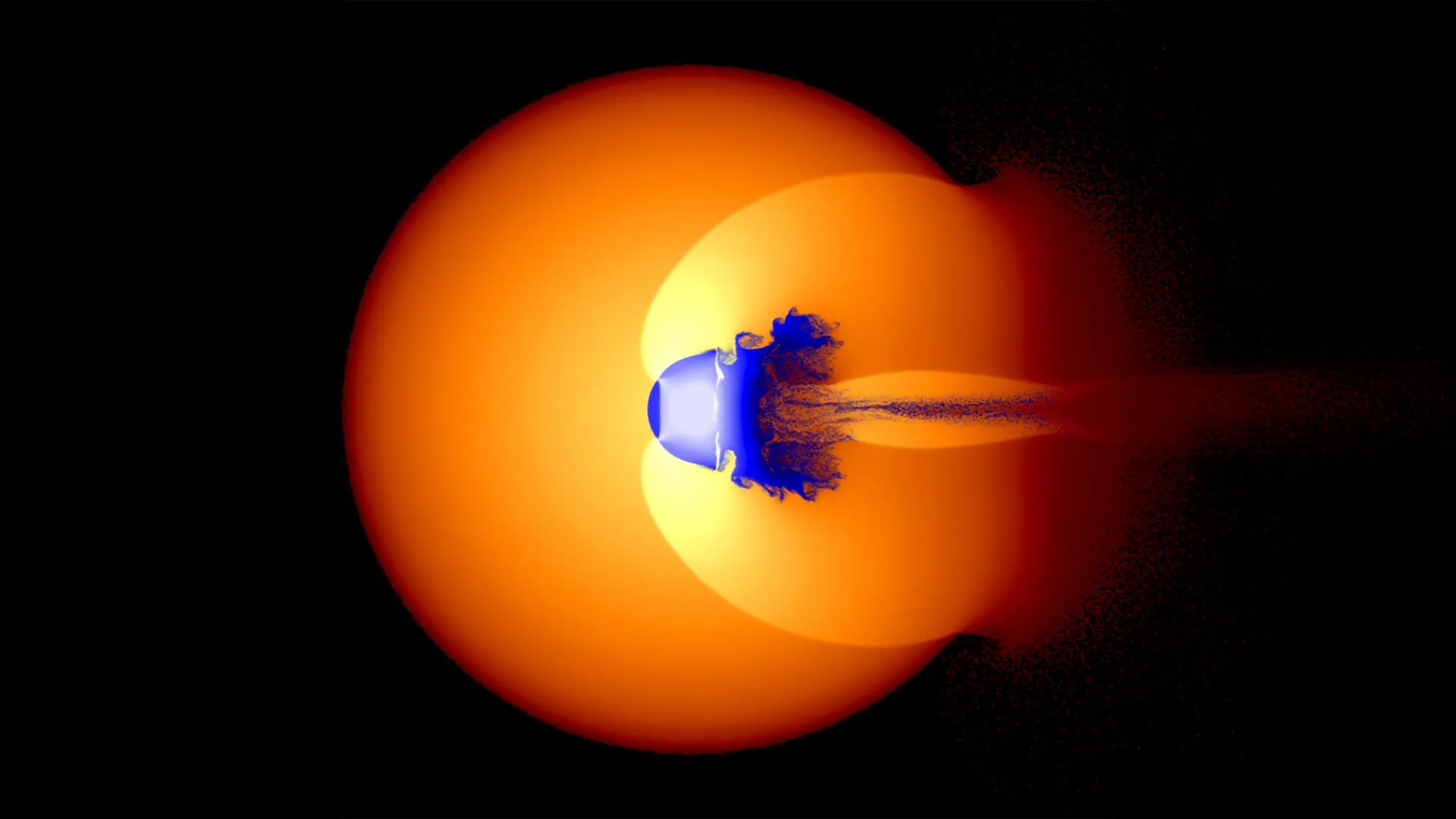
Waz Up
Space Exploration and Space History
Space Exploration News
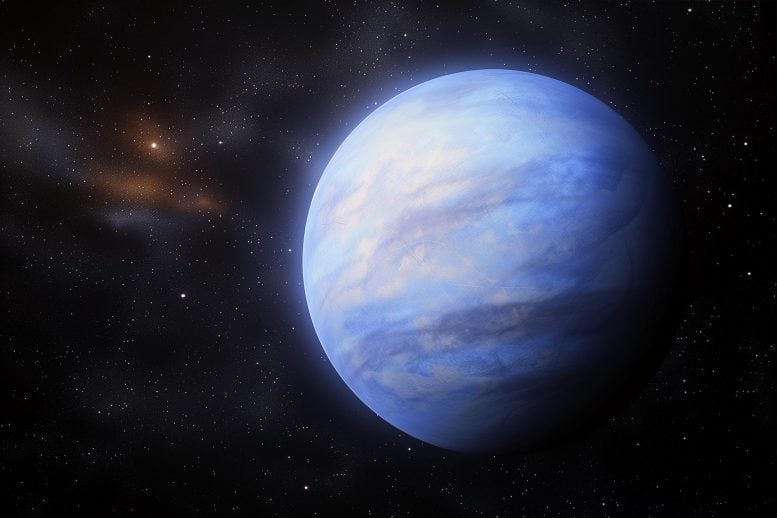
JWST Detects Steam on Distant Exoplanets.
Could Exotic Water Worlds Rewrite the Search for Life?
https://scitechdaily.com/images/Neptune-Like-Exoplanet-Art-Concept-Illustration-777×518.jpg
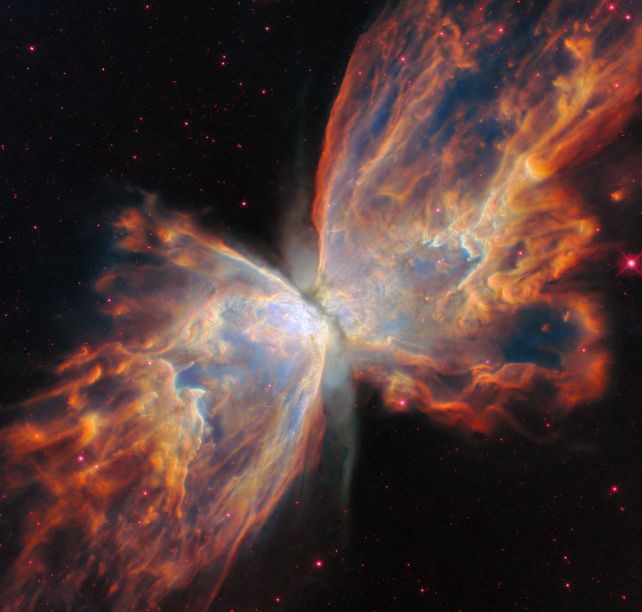
Cool Gemstones And Fiery Grime: Blazing Rainbow in Space Hints at Earth’s Origins
https://www.sciencealert.com/images/2025/08/hubble-butterfly.jpg
Space-Related Birthdays
Aug. 24 – 30
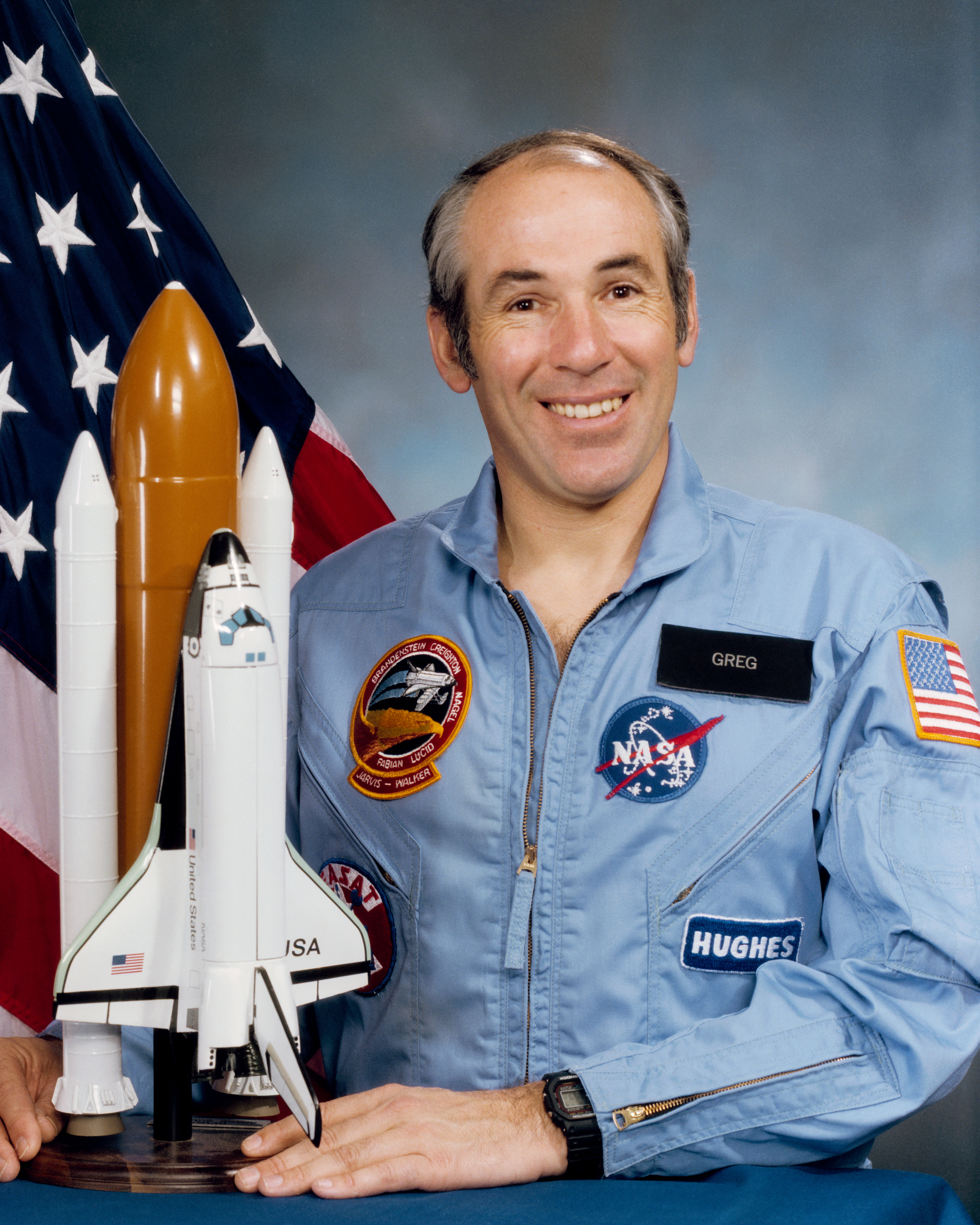
August 24, 1944: Gregory Jarvis (STS-51-L Challenger)
https://upload.wikimedia.org/wikipedia/commons/1/13/Gregory_Jarvis_%28NASA%29_cropped.jpg
August 24, 1946: Richard Richards (STS-28, STS-41, STS-50, STS-64)
https://upload.wikimedia.org/wikipedia/commons/7/7b/Richard_Richards.jpg

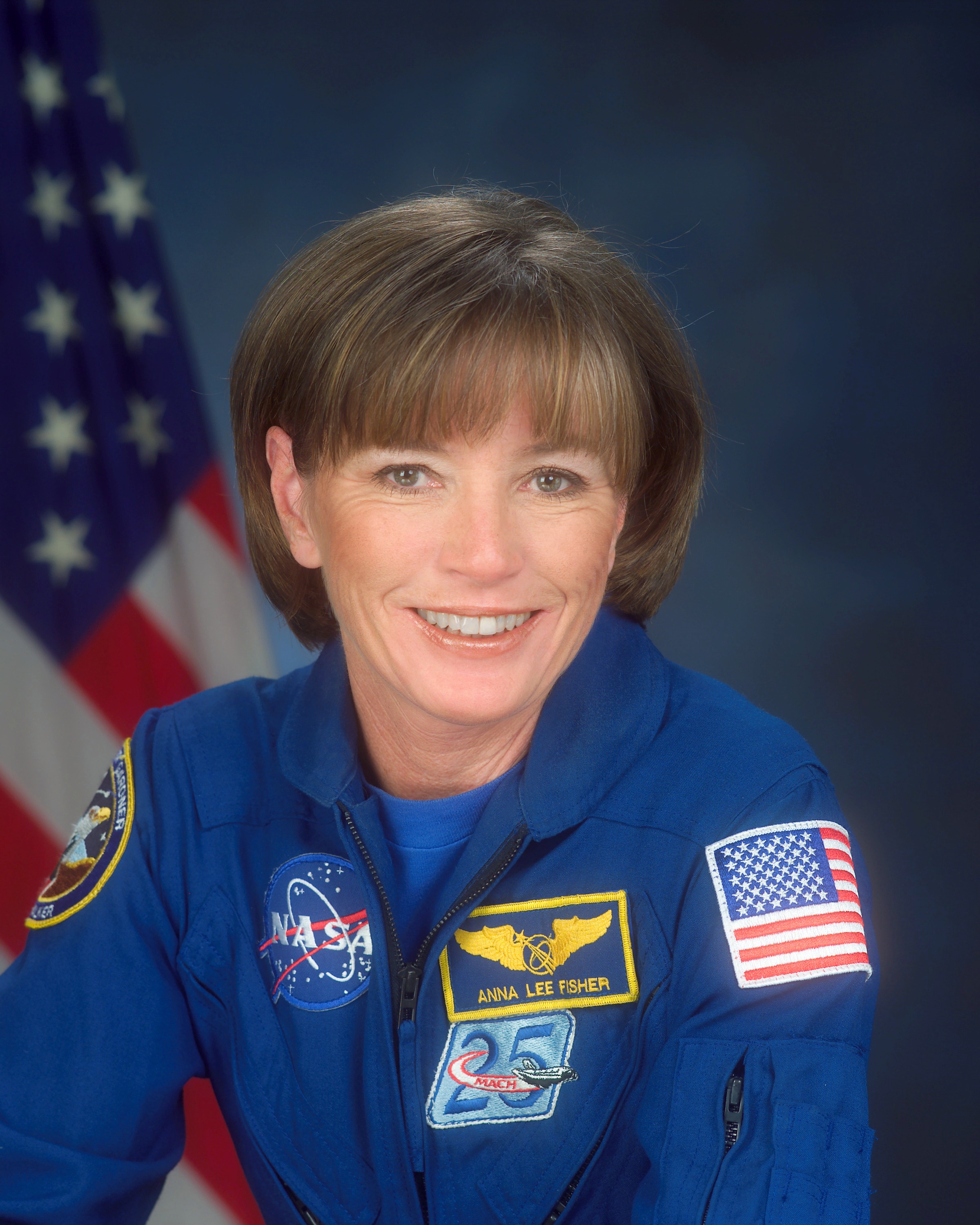
August 24, 1949: Anna Lee Fisher (STS-51-A)
https://upload.wikimedia.org/wikipedia/commons/e/ed/Fisher-a.jpg
August 24, 1960: Steve Lindsey (STS-87, STS-95, STS-104, STS-121, STS-133)
https://upload.wikimedia.org/wikipedia/commons/6/6b/Steven_W._Lindsey.jpg

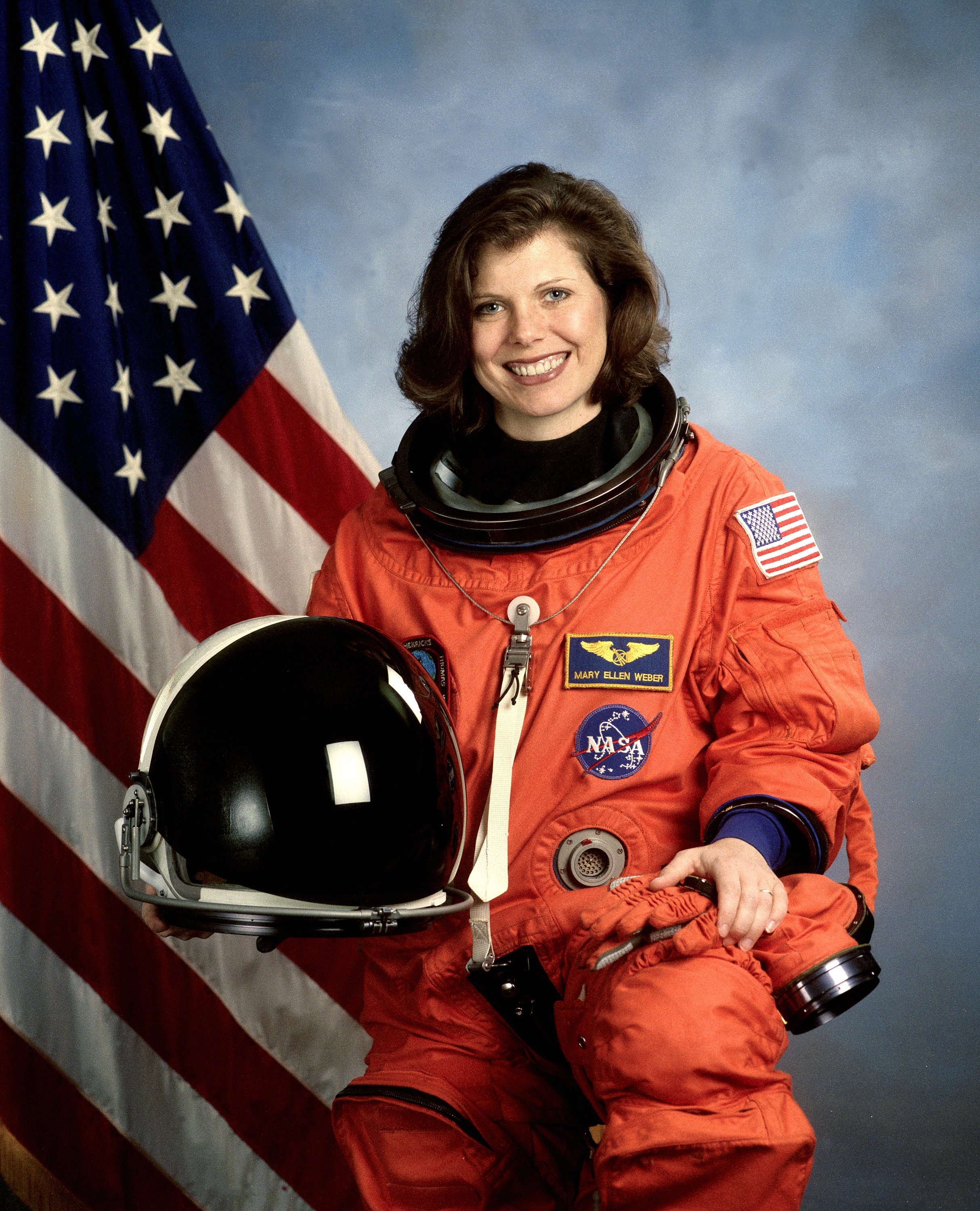
August 24, 1962: Mary Ellen Weber (STS-70, STS-101)
https://upload.wikimedia.org/wikipedia/commons/f/f9/Mary_Ellen_Weber.jpg
Andrew J. Feustel August 25, 1965 STS-125, STS-134,Soyuz MS-08 (Expedition 55/56)

Lee Archambault August 25, 1960 (STS-117, STS-119)

Joe Engle August 26, 1932 (X-15 Flight 138, X-15 Flight 143, X-15 Flight 153 ALT, Crew 2, STS-2, STS-51-I)

John E. Blaha August 26. 1942 (STS-29, STS-33, STS-43, STS-58, STS-79 (up), STS-81 (down)

Kathryn P. Hire August 26, 1959 (STS-90, STS-130)
Leroy Chiao August 28, 1960 (STS-65, STS-72, STS-92, Soyuz TMA-5 (Expedition 10)

Thomas Marshburn August 29, 1960 (STS-127, Soyuz TMA-07M (Expedition 34/35) SpaceX Crew-3 (Expedition 66/67)

Charles D. Walker August 29, 1948 (STS-41-D, STS-51-D, STS-61-B)

Jack Swigert August 30, 1931 (Apollo 13)
https://upload.wikimedia.org/wikipedia/commons/thumb/f/f6/Jack_Swigert.jpg/220px-Jack_Swigert.jpg
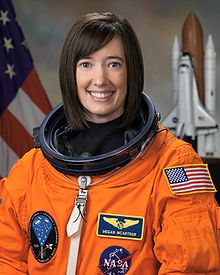
K. Megan McArthur August 30, 1971( STS-125, SpaceX Crew-2 (Expedition 65/66)
This Week in Space History
Aug. 24 – 30
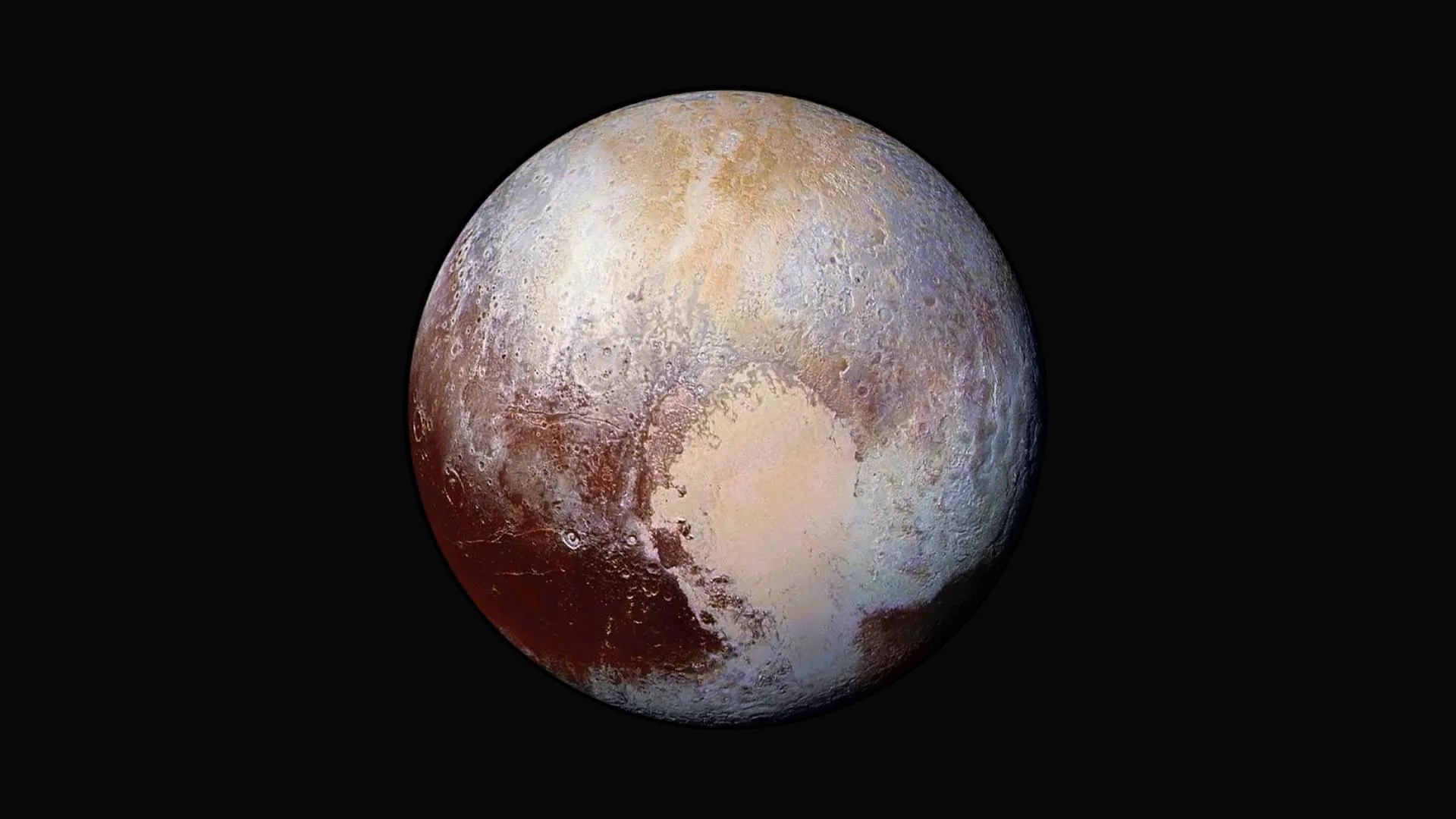
August 24: 2006: Pluto Demoted From Planetary Status
https://cdn.mos.cms.futurecdn.net/DoZSMXF87kCuzbymsuEFHo-1920-80.jpg.webp
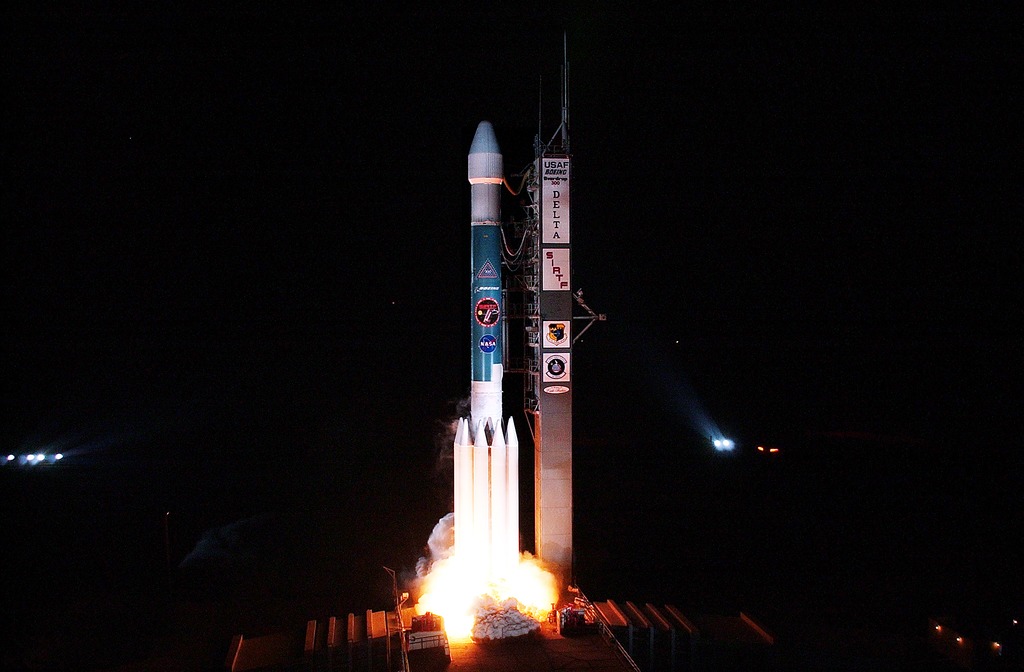
August 25: 2003: The Spitzer Space Telescope was launched from Cape Canaveral.
https://www.spitzer.caltech.edu/system/avm_images/binaries/2507/larger/launch0825-05.jpg?1603804337
August 26: 1918: Birthday of NASA research mathematician Katherine Johnson.
https://www.nasa.gov/wp-content/uploads/2020/02/katherine_johnson_john_glenn_0.png

August 26 – Annually
Dog Stars
/https://tf-cmsv2-smithsonianmag-media.s3.amazonaws.com/filer/27/e1/27e1b013-cc3a-4be4-bb06-176b74eeb12e/belka__strelka_50_years_flight_stamp.jpg)
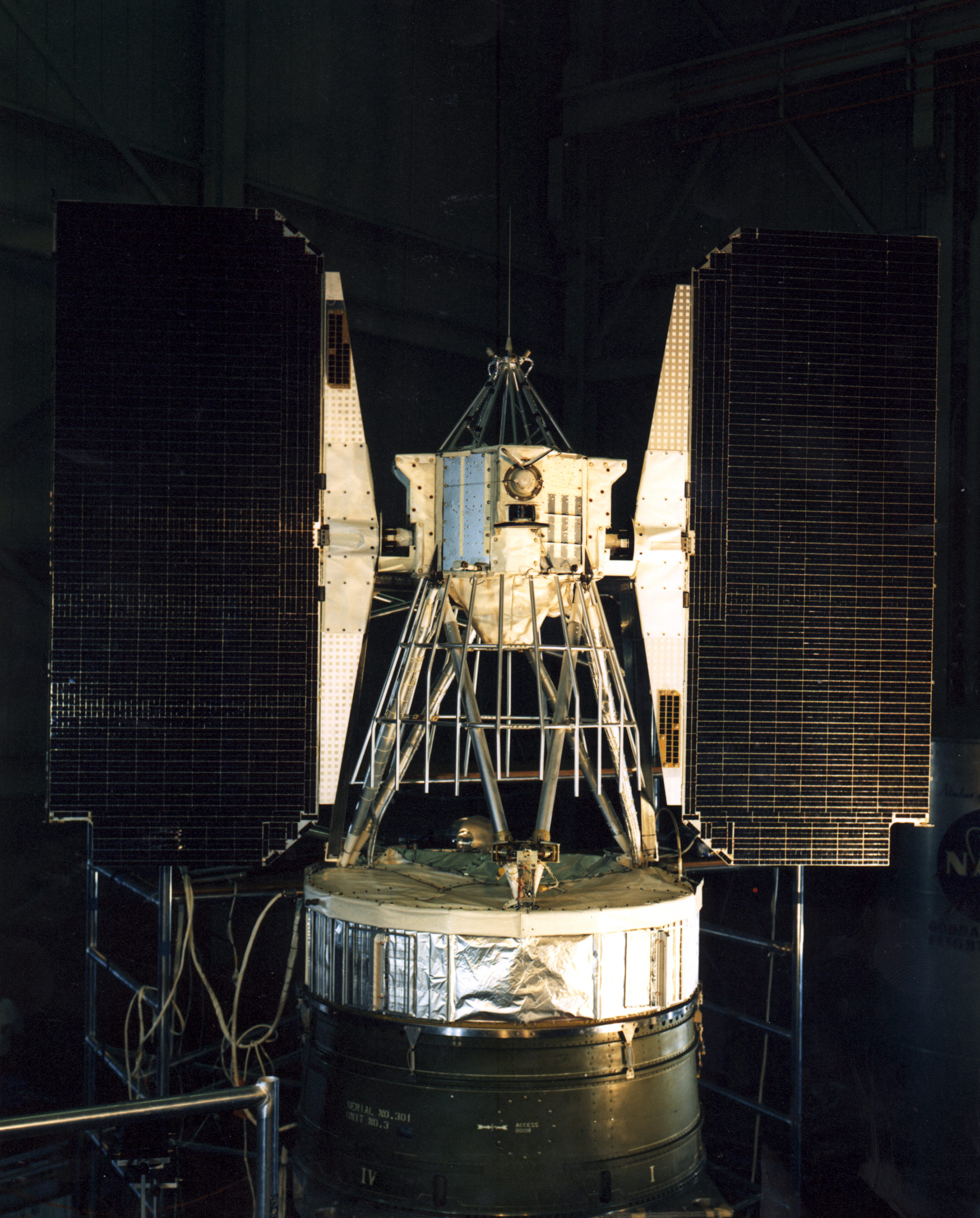
August 27, 1962 Launch of Mariner 2

August 28, 1964 Launch of Nimbus-1
Miss Carolyn’s Constellation of the Week
Space Launches For This Week
Space Flight Now Launch Schedule
NET August 31 Falcon 9 • Starlink 10-14
Launch time: 7:19 a.m. EDT (1119 UTC)
Launch site: SLC-40, Cape Canaveral Space Force Station, Florida
A SpaceX Falcon 9 rocket will launch 28 Starlink V2 Mini satellites into low Earth orbit. A little less than 8.5 minutes after liftoff, the Falcon 9 first stage booster, tail number B1077, launching for a 23rd time, will target a landing on the droneship, ‘Just Read the Instructions,’ positioned in the Atlantic Ocean. Delayed from Aug. 30.
Updated: August 29
September 2/3 Falcon 9 • Starlink 17-8
Launch time: Window opens at 7:33 p.m. PDT (10:33 p.m. EDT / 0233 UTC)
Launch site: SLC-4E, Vandenberg Space Force Base, California
A SpaceX Falcon 9 rocket will launch 24 Starlink V2 Mini satellites into low Earth orbit. Nearly 8.5 minutes after liftoff, the first stage booster, tail number B1097, making its debut, will target a landing on the droneship, ‘Of Course I Still Love You,’ positioned in the Pacific Ocean.
Updated: August 29
September 3 Falcon 9 • Starlink 10-22
Launch time: Window opens at 7:06 a.m. EDT (1106 UTC)
Launch site: SLC-40, Cape Canaveral Space Force Station, Florida
A SpaceX Falcon 9 rocket will launch 28 Starlink V2 Mini satellites into low Earth orbit. A little less than 8.5 minutes after liftoff, the Falcon 9 first stage booster, tail number B1083, launching for a 14th time, will target a landing on the droneship, ‘A Shortfall of Gravitas,’ positioned in the Atlantic Ocean.
Updated: August 29
September 4 Falcon 9 • Starlink 10-57
Launch time: Window opens at 7:18 a.m. EDT (1118 UTC)
Launch site: Launch Complex 39A, Kennedy Space Center, Florida
A SpaceX Falcon 9 rocket will launch 28 Starlink V2 Mini satellites into low Earth orbit. A little less than 8.5 minutes after liftoff, the Falcon 9 first stage booster, tail number B1069, launching for a 27th time, will target a landing on the droneship, ‘Just Read the Instructions,’ positioned in the Atlantic Ocean.
Updated: August 29
September 6 Falcon 9 • Starlink 17-9
Launch time: Window opens at 7:42 a.m. PDT (11:42 a.m. EDT / 1542 UTC)
Launch site: SLC-4E, Vandenberg Space Force Base, California
A SpaceX Falcon 9 rocket will launch 24 Starlink V2 Mini satellites into low Earth orbit. Nearly 8.5 minutes after liftoff, the first stage booster, tail number B1075, flying for a 20th time, will target a landing on the droneship, ‘Of Course I Still Love You,’ positioned in the Pacific Ocean.
Updated: August 29
NET September 15 Falcon 9 • NG-23
Launch time: TBD
Launch site: SLC-40, Florida
A SpaceX Falcon 9 rocket will launch a Cygnus spacecraft from Northrop Grumman on a resupply mission to the International Space Station. This will be the 22nd launch of a Cygnus spacecraft and the first launch of a Cygnus XL spacecraft, which is capable of carrying 1,250 kg more cargo than the previous version of the Cygnus spacecraft. The spacecraft is named the S.S. William ‘Willie’ C. McCool.
Updated: August 30
NET September 23 Falcon 9 • IMAP
Launch time: TBD
Launch site: Launch Complex 39A, Kennedy Space Center, Florida
A SpaceX Falcon 9 rocket will launch a rideshare mission carrying two spacecraft for NASA and one for the National Oceanic and Atmospheric Administration (NOAA). The primary payload is NASA’s Interstellar Mapping and Acceleration Probe (IMAP), which will use its 10 science instruments to study the boundary of the Sun’s heliosphere. Along for the ride are NASA’s Carruthers Geocorona Observatory, designed to observe the ultraviolet light from the Earth’s geocorona, and NOAA’s Space Weather Follow On Lagrange 1 (SWFO-L1), which will monitor the Sun for key space weather activity. All three spacecraft will be sent toe Lagrange Point 1 (L1), which is about a 1.5 million km from Earth and is positioned in between the Earth and the Sun.
Updated: August 21
NET September 25 Atlas 5 • KA-03
Launch time: TBD
Launch site: SLC-41, Cape Canaveral Space Force Station, Florida
A United Launch Alliance Atlas 5 551 rocket will launch 27 of Amazon’s Project Kuiper broadband internet satellites into low Earth orbit. The spacecraft will be deployed at an altitude of 280 mies (450 km) in altitude and will eventually raise to an operating altitude of 392 miles (630 km). The Kuiper Atlas 3 mission is the fifth launch of Kuiper satellites to date, following two missions using ULA’s Atlas 5 rockets and two missions on SpaceX’s Falcon 9 rockets. This launch will give Amazon a total of 129 satellites in LEO.
Updated: August 29
NET September 29 New Glenn • EscaPADE
Launch time: TBD
Launch site: Launch Complex 36, Cape Canaveral Space Force Station
A Blue Origin New Glenn rocket will launch a pair of identical spacecraft on NASA’s Escape and Plasma Acceleration and Dynamics Explorers (EscaPADE) mission. The two satellites, named Blue and Gold, will make a roughly 11-month journey to Mars where they will then perform about an 11-month science mission while orbiting the Red Planet. Blue and Gold were manufactured by Rocket Lab over about 3.5 years and carry science experiments from the University of California, Berkeley. This launch of the New Glenn rocket will also feature a landing attempt on its landing barge in the Atlantic Ocean. Delayed from Oct. 13, 2024. Delayed from mid-August.
Visible satellite passages over the next couple of days.
You can use the http://www.heavens-above.com website to find out what’s in orbit and
where to look during fly-overs
All times are “local” (Dallas) time.
ISS
Sept 3
Sept 5
Sept 6
Sept 7
Sept 8
Tiangong
Aug 31
Sept 2
Sept 7