
IO Group: https://groups.io/g/DARCskynet/topics
Facebook Group: http://www.facebook.com/groups/306498286059167/
Saturday’s DARC SkyNet is at 9PM CT.
Recent Astronomical Discoveries
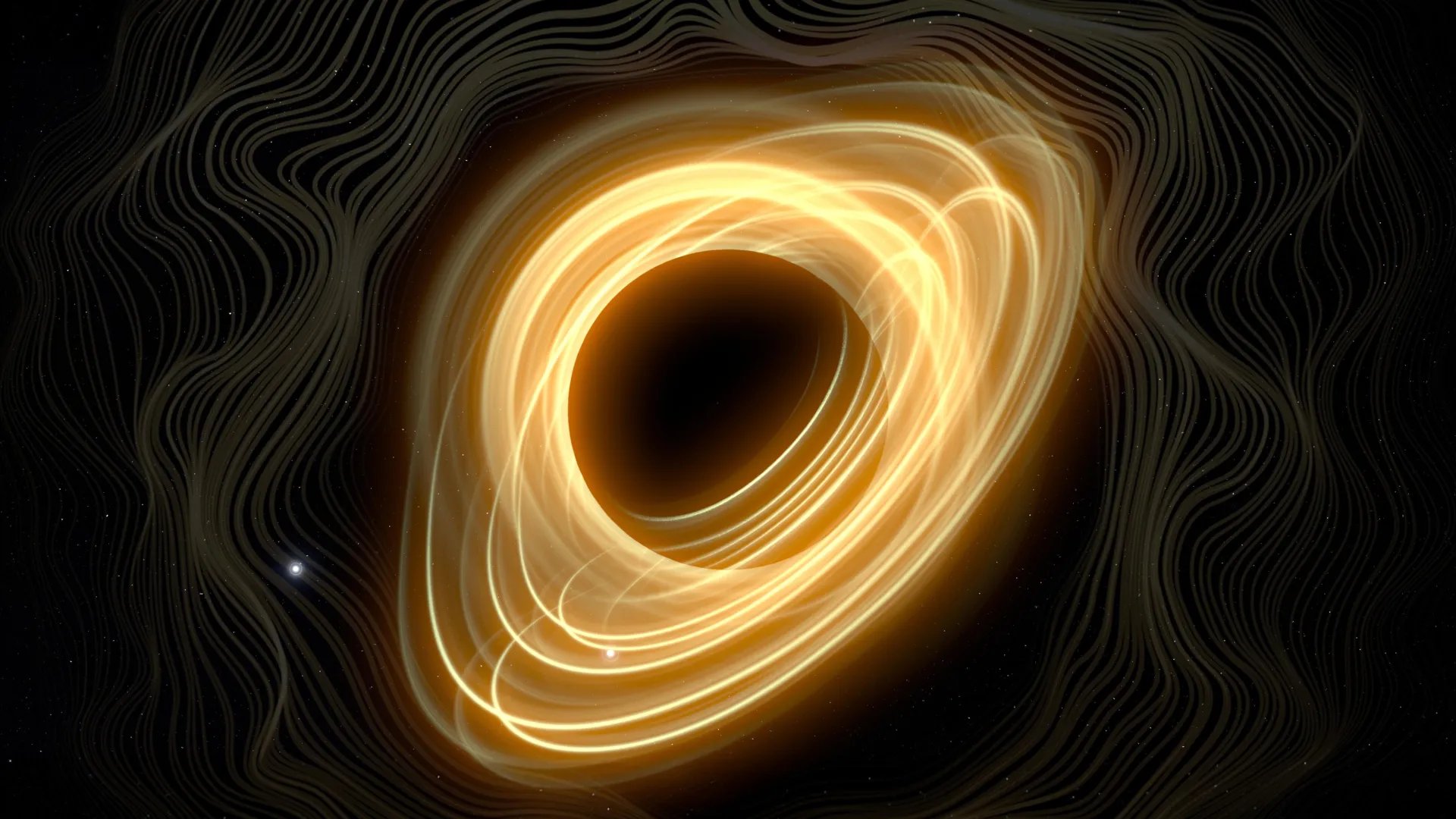
Black holes don’t just swallow light, they sing. And we just learned the tune
https://www.sciencedaily.com/releases/2025/08/250801021010.htm
“Singing” Black Holes
https://www.sciencedaily.com/images/1920/black-hole-vibrations-waves.webp
Discussion Topic of the Evening.
Diamonds in the Sky – “Ice” on the Ice Giants?
2010: Odyssey Two
https://www.michaelwhelan.com/wp-content/uploads/2010.jpg

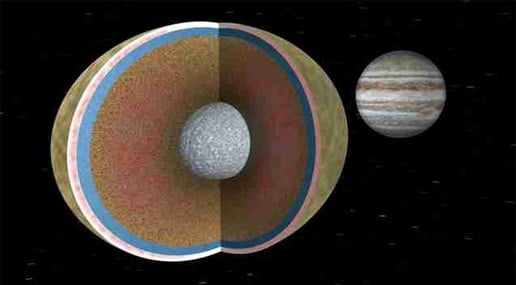
Jupiter’s Compressed Carbon Core
https://www.universetoday.com/article_images/jupitercore.jpg
Neptune and Uranus Diamonds

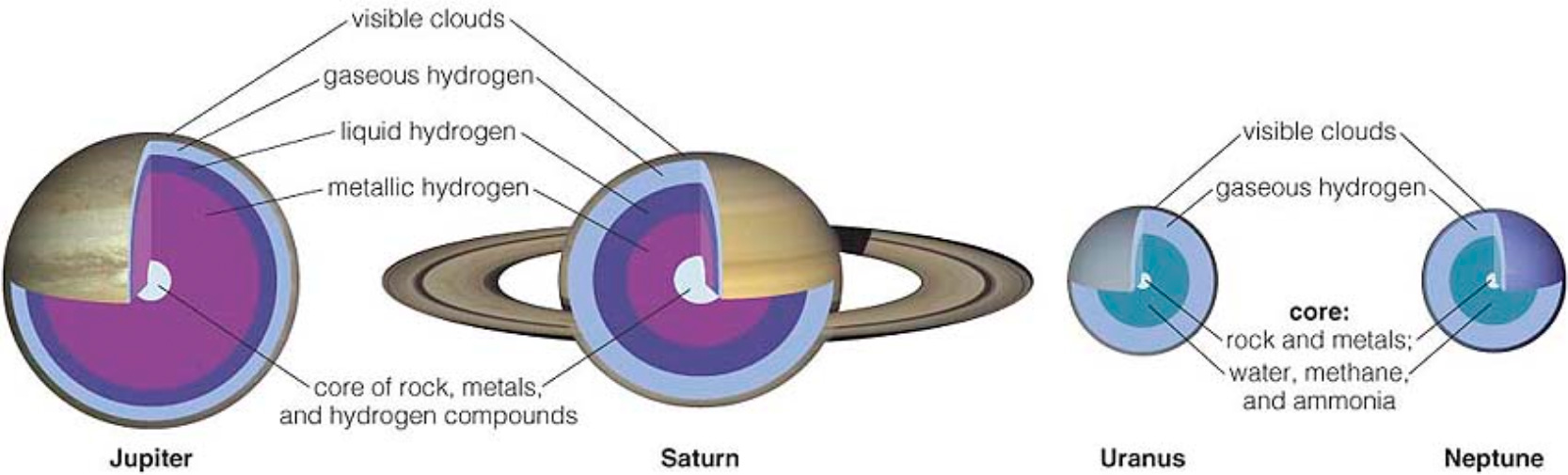
Internal Comparisons of Jupiter, Saturn, Uranus and Neptune
https://lasp.colorado.edu/outerplanets/images_giants/big/interior.jpg
Building “Planets” in the Lab
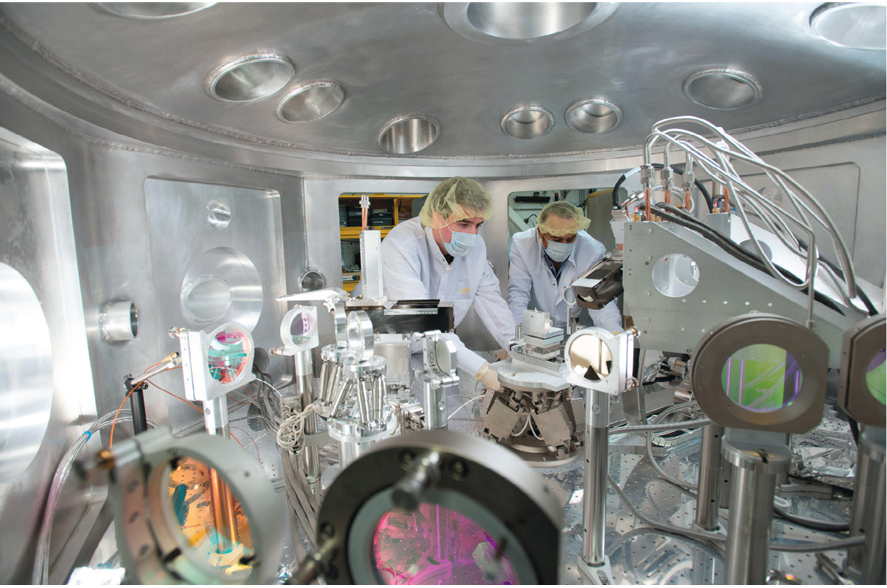
High Energy Drive Laser
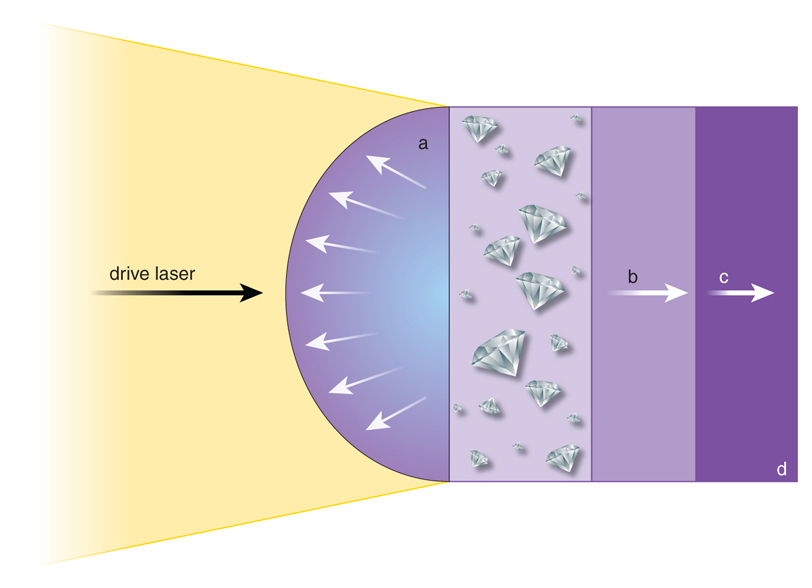
Space Age Diamond Mining
https://cdn.mos.cms.futurecdn.net/cBwEaic3KDqB3KG3vXrceX-780-80.jpg.webp
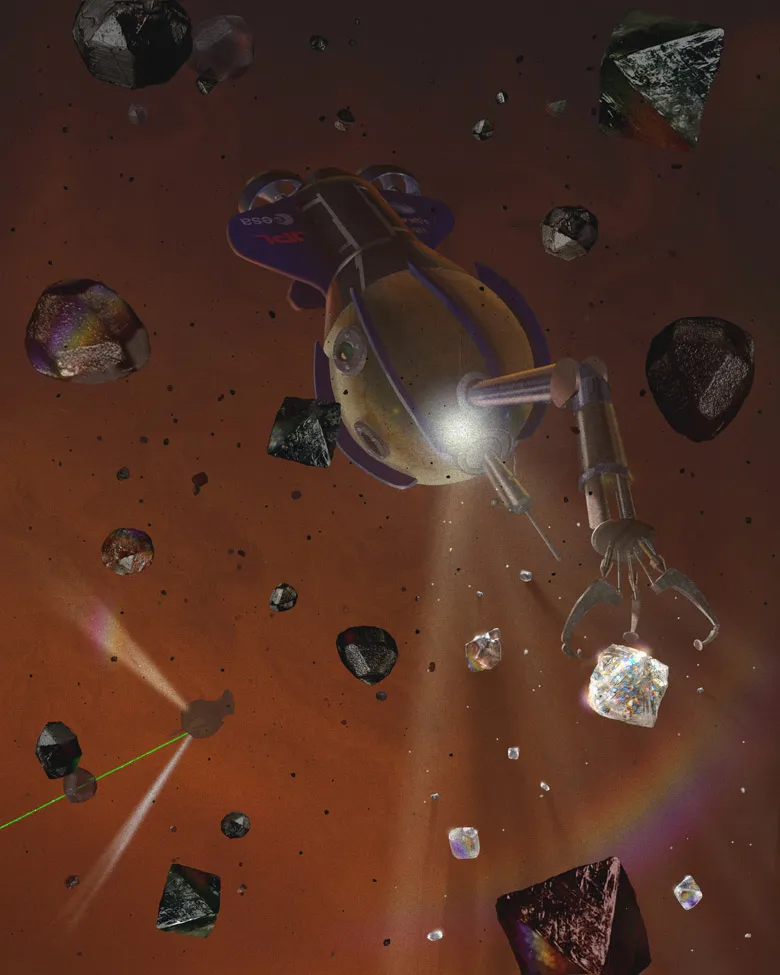
Arthur C. Clarke on the Set of “2001: A Space Odyssey”
https://cdn.mos.cms.futurecdn.net/cBwEaic3KDqB3KG3vXrceX-780-80.jpg.webp
Waz Up
Space Exploration and Space History
NASA Launches Mission to Study Earth’s Magnetic Shield
https://www.nasa.gov/wp-content/uploads/2025/07/tracers-a52307.jpg?resize=2000,1333
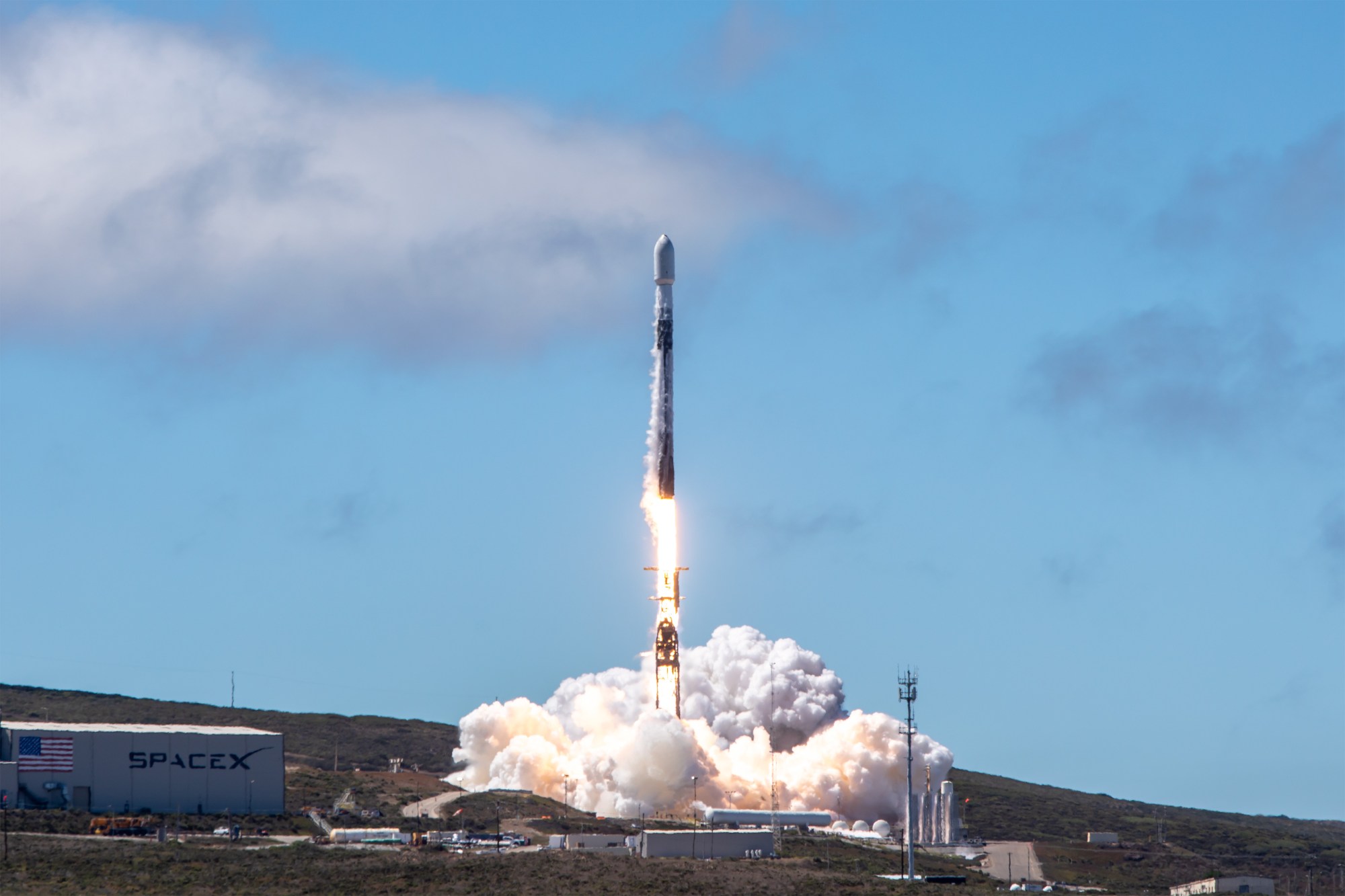
Neutron Rocket launch due in 2025

Crew-10 Returns Home
https://issnationallab.org/wp-content/uploads/2024/10/crew8-pre-return.jpg

Jim Lovell Dies at 97

Space-Related Birthdays
Aug. 3 – 9
Joan Higginbotham August 3, 1964 – STS-116

Michael McCulley: August 4, 1943 – STS-34
https://upload.wikimedia.org/wikipedia/commons/2/22/Astronaut_michael_mcculley.jpg

Charles Gemar: August 4, 1955 – STS-38, STS-48, STS-62
https://upload.wikimedia.org/wikipedia/commons/7/7e/CharlesDGemar.jpg

Andrew Allen: August 4, 1955 – STS-46, STS-62, STS-75
https://upload.wikimedia.org/wikipedia/commons/2/29/Andrew_allen.jpg

Neil Armstrong: August 5, 1930 – Gemini 8, Apollo 11
https://upload.wikimedia.org/wikipedia/commons/0/0d/Neil_Armstrong_pose.jpg

Winston Scott: August 6, 1950 – STS-72, STS-87
https://upload.wikimedia.org/wikipedia/commons/2/2d/Winston_scott.jpg

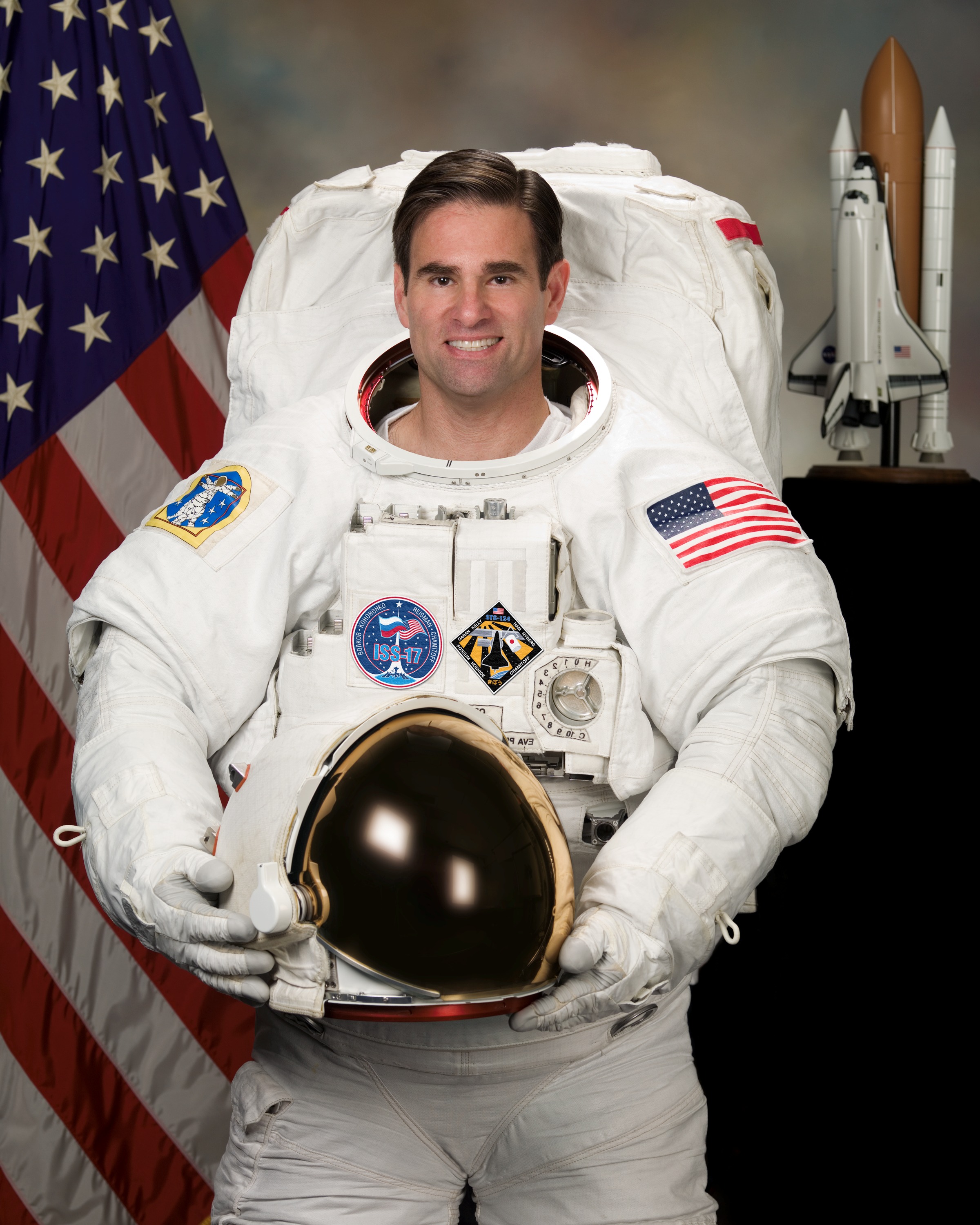
Gregory Chamitoff: August 6, 1962 (KD5PKZ) – STS-124/126 (Expedition 17/18), STS-134)
https://kids.kiddle.co/images/1/17/Gregorychamitoffv2.jpg
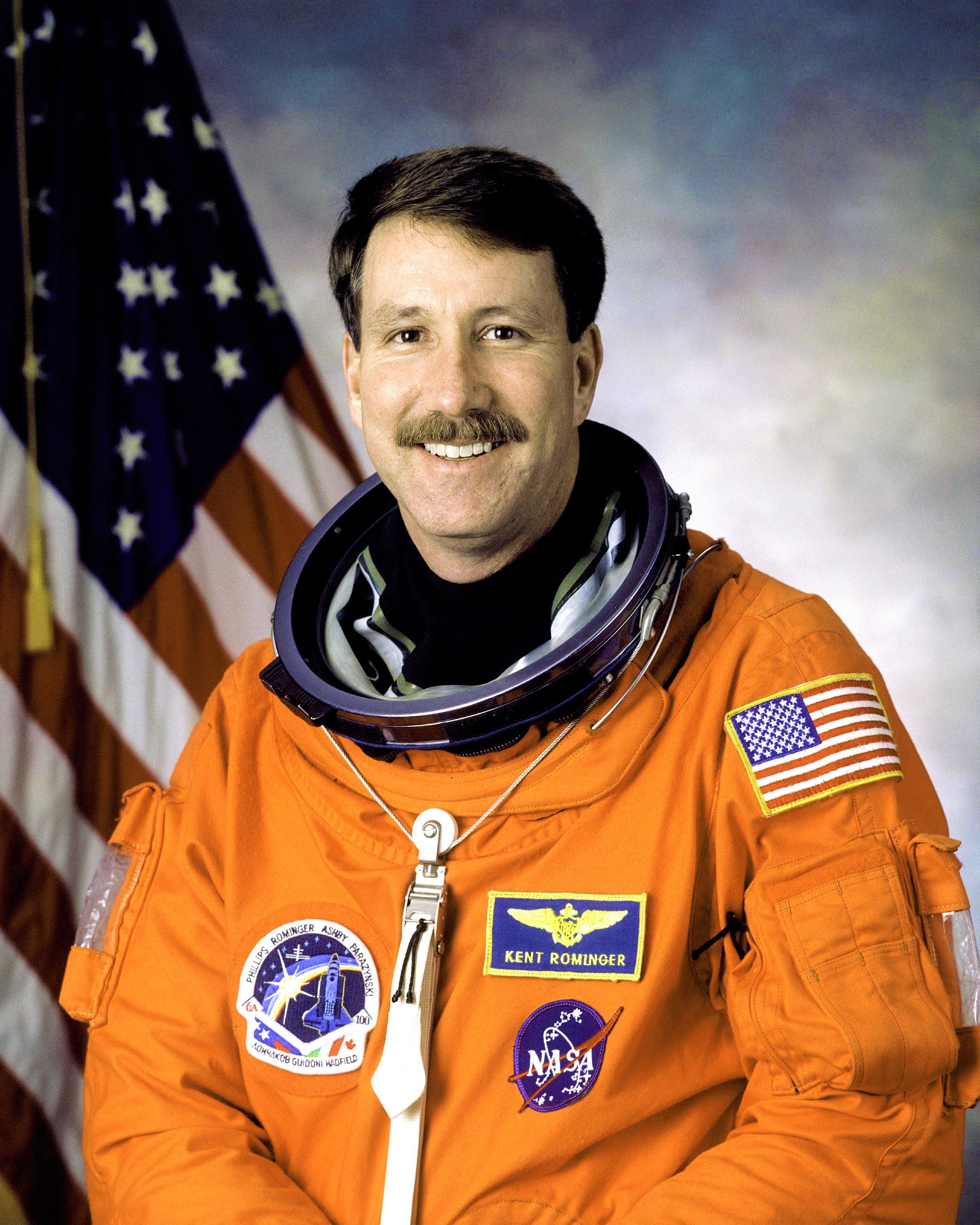
Kent Rominger: August 7, 1956 – STS-73, STS-80, STS-85, STS-96, STS-100
https://upload.wikimedia.org/wikipedia/commons/c/c0/Kent_Rominger.jpg
Jose Hernandez: August 7, 1962 – STS-128
https://upload.wikimedia.org/wikipedia/commons/3/34/Jose_Hernandez_v2.jpg

This Week in Space History
August 3, 2004, Launch of Messenger

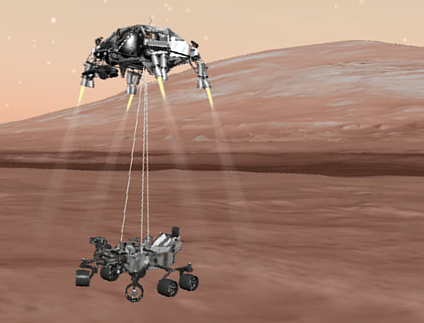
August 6, 2012: NASA’s Mars rover Curiosity made one of the most dramatic and harrowing landings in the history of space exploration.
https://www.universetoday.com/article_images/curiosity-landing-eyes-2.png
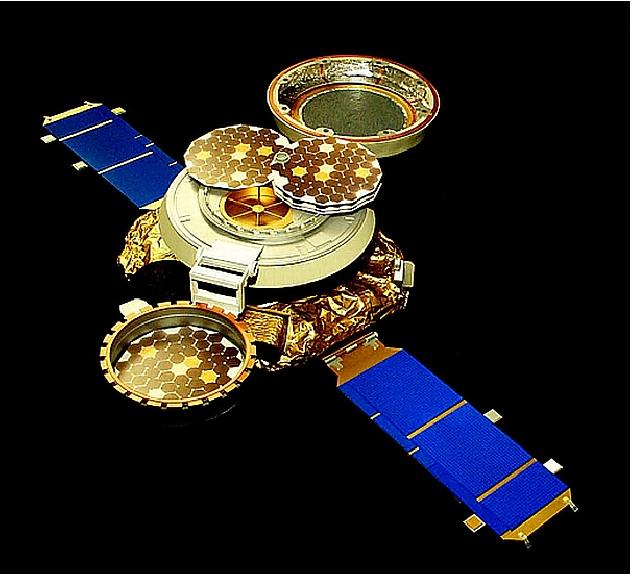
August 8:2001: NASA’s Genesis probe launched from Cape Canaveral.
8. Miss Carolyn’s Constellation of the Week
9. Space Launches For This Week
Space Flight Now Launch Schedule
All times are “local” (Dallas) time.
August 10 Falcon 9 • KF-02
Launch time: 8:57 a.m. EDT (1257 UTC)
Launch site: SLC-40, Cape Canaveral Space Force Station, Florida
A SpaceX Falcon 9 rocket will launch a batch of 24 satellites into low Earth orbit for Amazon’s Project Kuiper internet service. The satellites will be deployed at an altitude of 465 km (289 mi), which will then be raised to their operating altitude of 630 km (392 mi). This will bring the total number of production Kuiper satellites deployed to 102 spacecraft. The Falcon 9 first stage booster supporting this mission, believed to be B1091, launching for its first time, landed on the droneship, ‘A Shortfall of Gravitas,’ positioned in the Atlantic Ocean. Delayed from Aug. 7 & 8 to allow more time for “additional vehicle checkouts.” Delayed from Aug. 9 due to poor weather.
Updated: August 09
August 12 Falcon 9 • Starlink 10-20
Launch time: Window opens at 7:32 a.m. EDT (1132 UTC)
Launch site: SLC-40, Cape Canaveral Space Force Station, Florida
A SpaceX Falcon 9 rocket will launch 28 Starlink V2 Mini satellites to low Earth orbit. The Falcon 9 first stage booster, tail number B1085, launching for a 10th time, will target a landing on the droneship, ‘Just Read the Instructions,’ positioned in the Atlantic Ocean. Delayed from Aug. 10.
Updated: August 08
NET August 12 Vulcan • USSF-106
Launch time: Window opens at 7:59 p.m. (2359 UTC)
Launch site: SLC-41, Cape Canaveral Space Force Station, Florida
A United Launch Alliance Vulcan rocket will launch the United States Space Force (USSF)-106 mission, consisting of two U.S. national security satellites, into geosynchronous Earth orbit. This will be the first national security launch of a Vulcan rocket and the third launch of a Vulcan rocket to date.
Updated: August 09
NET August 12/13 Ariane 6 • MetOp-SG A1 / Sentinel-5
Launch time: 9:37 p.m. local time (8:37 p.m. EDT / 0037 UTC)
Launch site: Europe’s Spaceport, Kourou, French Guiana
An Ariane 6 rocket from Arianespace will launch EUMETSAT’s MetOp-SG A1 (MetOp Second Generation) satellite to a polar orbit at an altitude of 832 km (517 mi). The satellite also carries the Copernicus Sentinel-5 satellite onboard. This is the first in a series of six satellites scheduled to be launched between now and 2040. These MetOp satellites weigh more than 4,000 kg (8,819 lbs) each and is about the size of a small truck. This will be the third launch of an Ariane 6 rocket.
Updated: August 04
August 13 Falcon 9 • Starlink 17-5
Launch time: Window opens at 8:44 a.m. PDT (11:44 a.m. / 1544 UTC)
Launch site: SLC-4E, Vandenberg Space Force Base, California
A SpaceX Falcon 9 rocket will launch 24 Starlink V2 Mini satellites into low Earth orbit. Nearly 8.5 minutes after liftoff, the first stage booster, tail number B1088, launching for a ninth time, will target a landing on the droneship, ‘Of Course I Still Love You,’ positioned in the Pacific Ocean.
Updated: August 06
TBD Falcon 9 • Starlink 17-4
Launch time: TBD
Launch site: SLC-4E, Vandenberg Space Force Base, California
A SpaceX Falcon 9 rocket will launch 24 Starlink satellites into low Earth orbit. A little more than eight minutes after liftoff, the first stage booster, tail number B1093, launching for a fifth time, will land on the droneship, ‘Of Course I Still Love You,’ positioned in the Pacific Ocean. Delayed from Aug. 2/3 and 9.
Updated: August 09
August 15 Falcon 9 • Starlink 10-11
Launch time: Window opens at 7:57 a.m. EDT (1157 UTC)
Launch site: SLC-40, Cape Canaveral Space Force Station, Florida
A SpaceX Falcon 9 rocket will launch 28 Starlink V2 Mini satellites into low Earth orbit. Nearly 8.5 minutes after liftoff, the first stage booster, tail number B1095, launching for a second time, will target a landing on the droneship, ‘A Shortfall of Gravitas,’ positioned in the Atlantic Ocean. Delayed from Aug. 13.
Updated: August 08
NET August 17 Falcon 9 • Starlink 17-6
Launch time: Window opens at 8:44 a.m. PDT (11:44 a.m. EDT / 1544 UTC)
Launch site: SLC-4E, Vandenberg Space Force Base, California
A SpaceX Falcon 9 rocket will launch 24 Starlink V2 Mini satellites into low Earth orbit. Nearly 8.5 minutes after liftoff, the first stage booster, tail number B1063, launching for a 27th time, will target a landing on the droneship, ‘Of Course I Still Love You,’ positioned in the Pacific Ocean. Delayed from Aug. 16.
Updated: August 08
August 21 Falcon 9 • Starlink 17-7
Launch time: TBD
Launch site: SLC-4E, Vandenberg Space Force Base, California
A SpaceX Falcon 9 rocket will launch 24 Starlink V2 Mini satellites into low Earth orbit. Nearly 8.5 minutes after liftoff, the first stage booster, tail number B1063, flying for a 27th time, will target a landing on the droneship, ‘Of Course I Still Love You,’ positioned in the Pacific Ocean. Delayed from Aug. 20.
Updated: August 08
August 21 Falcon 9 • CRS-33
Launch time: 3:57 a.m. EDT (0757 UTC)
Launch site: SLC-40, Cape Canaveral Space Force Station, Florida
A SpaceX Falcon 9 rocket will launch a Cargo Dragon spacecraft with thousands of pounds of science and supplies to the International Space Station. The Dragon flying this mission will include a new propulsion system within the vehicle’s trunk that will allow it to perform a boost of the space station’s orbit. This is a milestone in SpaceX’s development of the ISS Deorbit Vehicle, which will help slowly lower the orbit of the space station at the end of its functional life around the 2030/2031 timeframe.
Updated: August 03
August 21 Falcon 9 • USSF-36
Launch time: TBD
Launch site: Launch Complex 39A, Kennedy Space Center, Florida
A SpaceX Falcon 9 rocket will launch the eighth mission of the X-37B Orbital Test Vehicle (OTV-8), a cargo spaceplane built by Boeing on behalf of the U.S. Space Force in cooperation with the Air Force Rapid Capabilities Office. The mission, also referred to as USSF-36, will demonstrate space-based communications using laser links between the spaceplane and “proliferated commercial satellite networks in Low Earth Orbit.” Officials haven’t said if this will involve SpaceX’s Starlink constellation or the Starshield satellites developed for government use. It will also demonstrate what USSF calls “the highest performing quantum inertial sensor ever tested in space” in order to show navigation capabilities without the use of the GPS satellite constellation. The day-to-day operations of the X-37B are managed by the Fifth Space Operations Squadron within USSF Delta 9.
Visible satellite passages over the next couple of days.
You can use the http://www.heavens-above.com website to find out what’s in orbit and
where to look during fly-overs
ISS
Aug 16
Aug 17
Aug 18
Aug 18
Tiangong
No Passes