
IO Group: https://groups.io/g/DARCskynet/topics
Facebook Group: http://www.facebook.com/groups/306498286059167/
Saturday’s DARC SkyNet is at 9PM CT.
Recent Astronomical Discoveries
Two colossal black holes among the most massive ever seen collided in deep space
https://www.sciencedaily.com/releases/2025/07/250714052208.htm
Discussion Topic of the Evening.
What You Didn’t Know About the Apollo 11 Mission
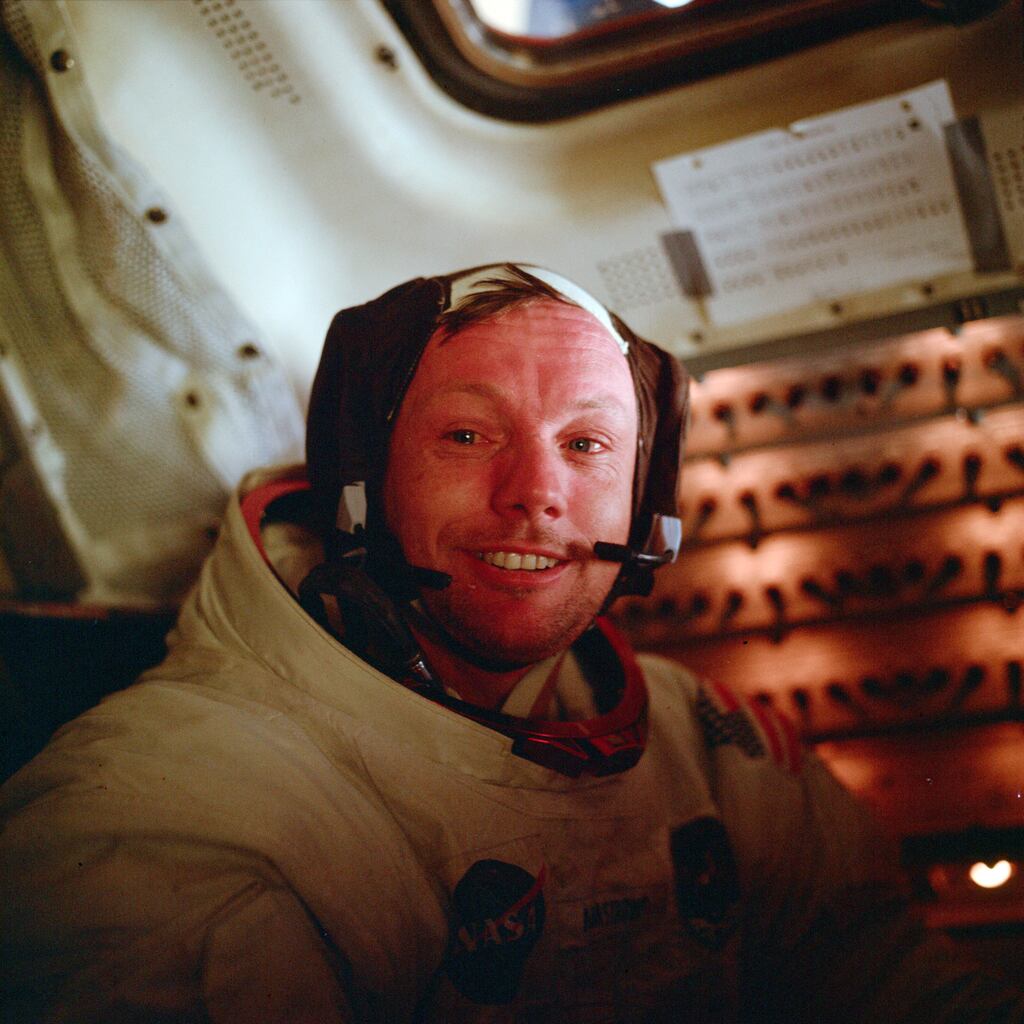
Neil Armstrong Inside Lunar Module
Jack Schmitt on Moon, Covered in Moon Dust

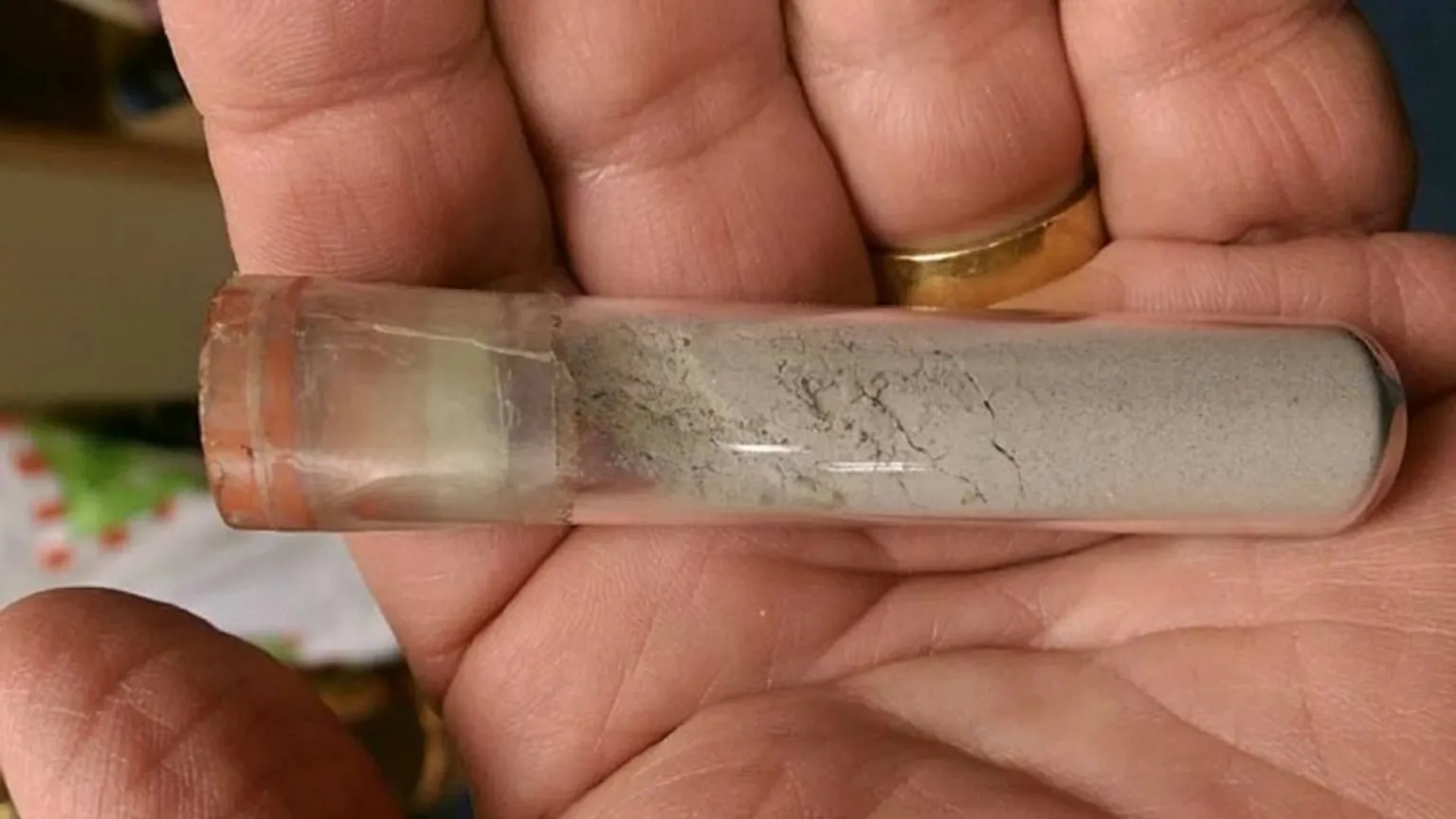
Moon Dust Vile
https://ichef.bbci.co.uk/news/1536/cpsprodpb/74D5/production/_101990992_moondust.jpg.webp
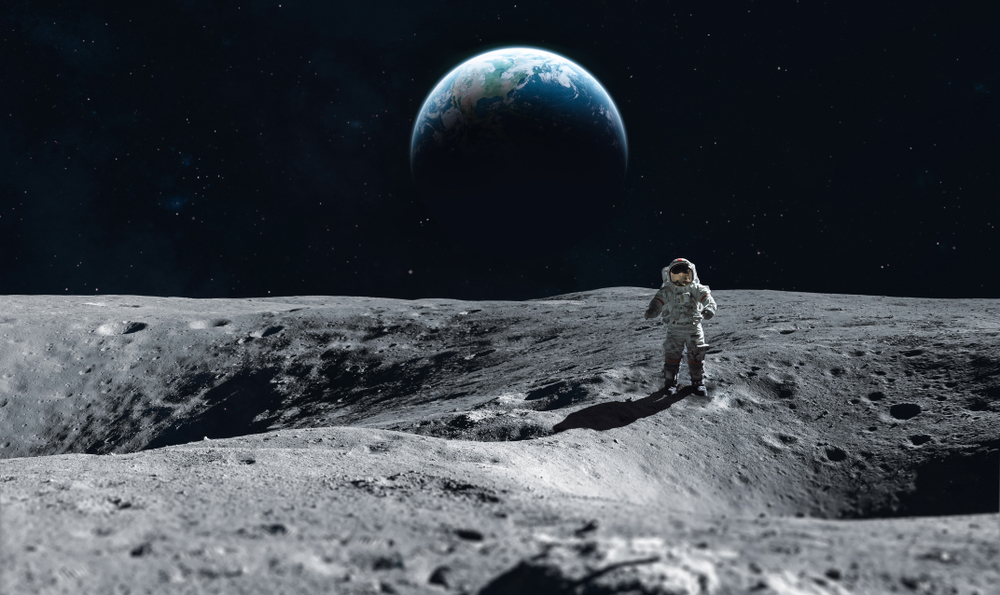
Apollo 16 Lunar Samples

Untitled J-Mission Photo/Artist’s Concept
https://www.open.ac.uk/blogs/news/wp-content/uploads/2019/07/Man-on-the-moon.jpg
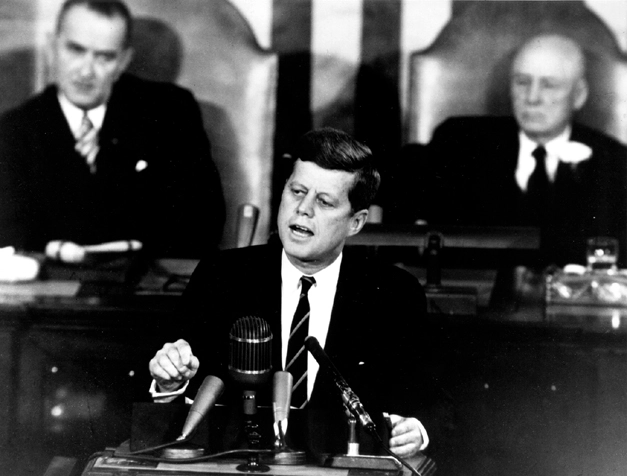
JFK Announces His Goal of Putting Man on the Moon
https://cdn.mos.cms.futurecdn.net/niHaumMKM7FUUTzJ3Zc3kE.jpg.webp
DSKY Computer Interface
https://www.raspberrypi.com/app/uploads/2023/02/Screenshot-2023-02-14-at-09.47.35-500×533.png

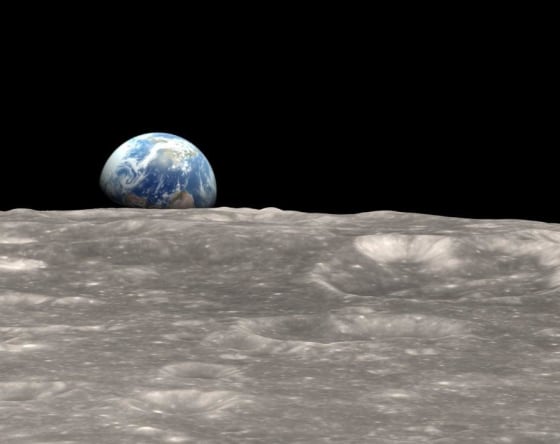
Apollo 8 and Earthrise
Concept Art, Mars Mission
https://upload.wikimedia.org/wikipedia/commons/6/6b/Mars-manned-mission-NASA-V5.jpg

IBM PC 5160
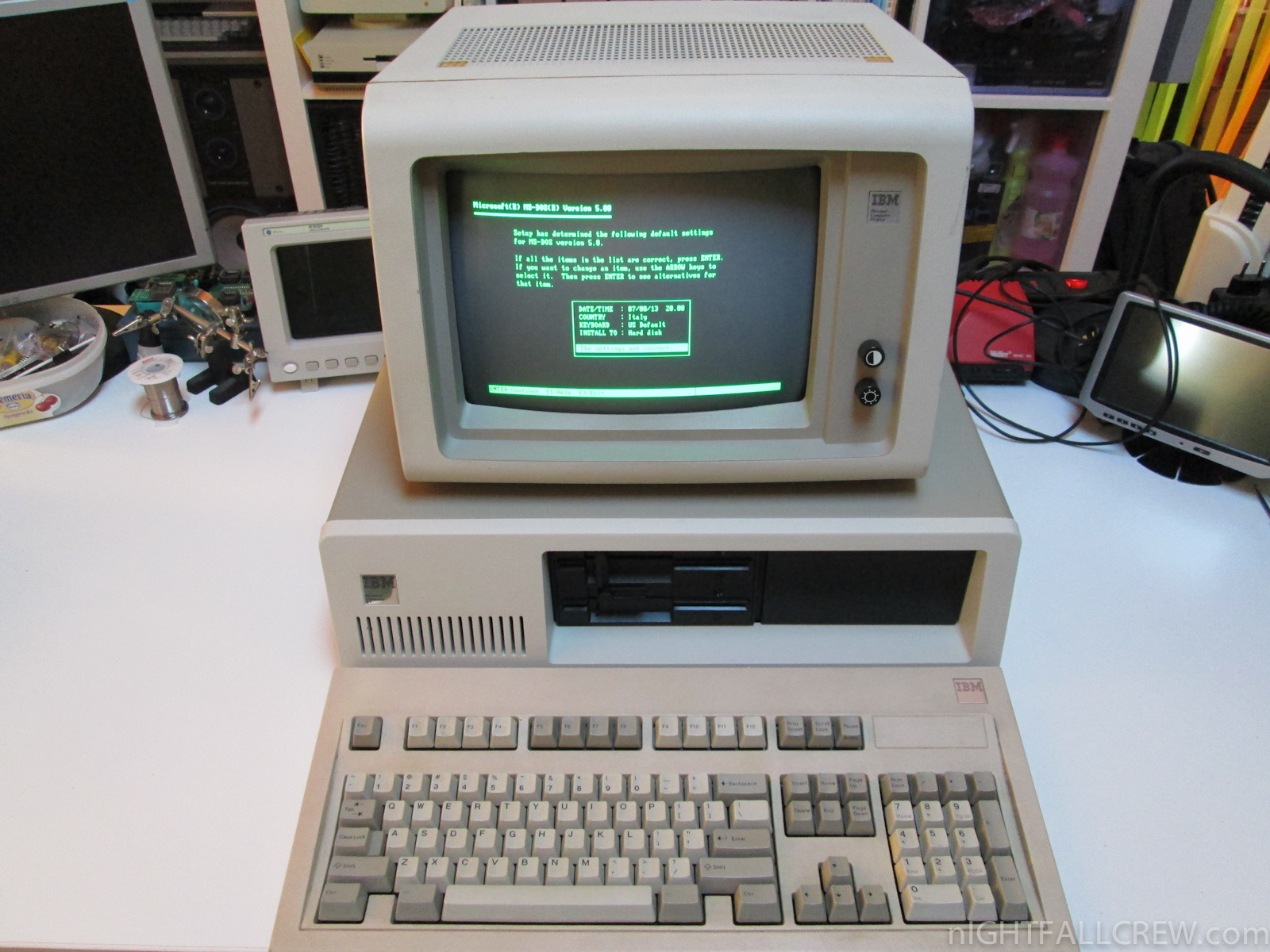
Waz Up
Space Exploration and Space History
Space Exploration News
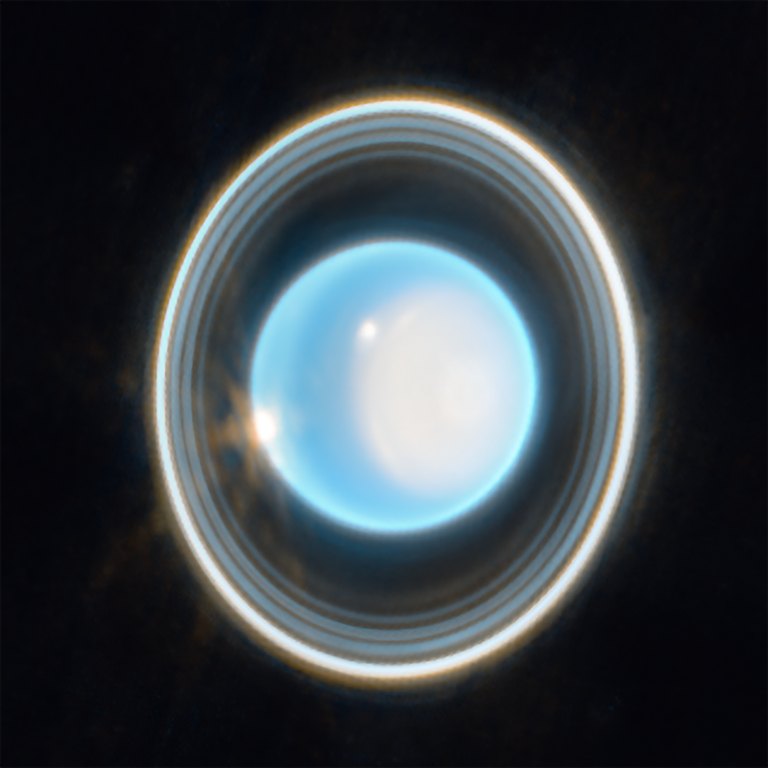
NASA, Oxford Discover Warmer Uranus Than Once Thought
Jupiter, Saturn, and Neptune each emit more energy than they receive from the Sun, meaning they have comparatively warm interiors.
A massive rock from Mars landed on Earth. It sold for a record $5.3M.
https://img-s-msn-com.akamaized.net/tenant/amp/entityid/AA1IKq4Y.img?w=768&h=512&m=6
Space-Related Birthdays
Jul 13 – 19
George Nelson July 13, 1950 (STS-41-C, STS-61, STS-26)
https://upload.wikimedia.org/wikipedia/commons/d/d7/Nelson-p.jpg

Robert F. Overmyer July 14, 1936 STS-5, STS-51-B

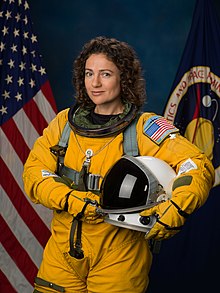
Jessica Meir July 15, 1977 Soyuz MS-15 (Expedition 61/62)
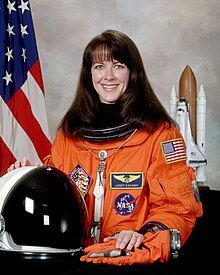
Janet L. Kavandi July 17, 1977 STS-91, STS-99, STS-104
John Glenn July 18, 1921 Mercury-Atlas 6, STS-95

Josh A. Cassada July 18, 1973 SpaceX Crew-5 (Expedition 68) https://upload.wikimedia.org/wikipedia/commons/thumb/0/00/Josh_A._Cassada_in_2018_%28cropped%29.jpg/220px-Josh_A._Cassada_in_2018_%28cropped%29.jpg

Roy D. Bridges Jr. July 19, 1943 STS-51-F, STS-61F (never flew)
https://upload.wikimedia.org/wikipedia/commons/thumb/2/2b/Roy_Bridges.jpg/220px-Roy_Bridges.jpg
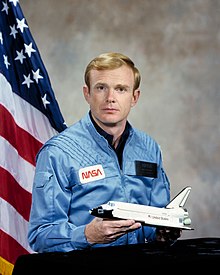
Scott D. Tingle July 19, 1965 Soyuz-07 (Expedition 54/55), Boeing Starliner-1 (Expedition 72/73)

This Week in Space History
July 13, 1995
STS-70 took flight, setting a unique record. https://www.americaspace.com/wp-content/uploads/2020/05/70externaltankdamage.jpg

July 15, 1975
On this day in space history: in 1975, both crews of the Apollo-Soyuz Test Project mission launched from their respective spaceports en route to a historic international rendezvous.

July 16, 1969 Apollo 11 launch
First Moon Landing!

July 17, 1962: X-15 breaks altitude record
https://upload.wikimedia.org/wikipedia/commons/thumb/a/a3/X-15_flying.jpg/300px-X-15_flying.jpg

Miss Carolyn’s Constellation of the Week
Space Launches For This Week
Space Flight Now Launch Schedule
July 21 Falcon 9 • O3b mPOWER 9&10
Launch time: Window opens 5 p.m. EDT (2100 UTC)
Launch site: SLC-40, Cape Canaveral Space Force Station, Florida
A SpaceX Falcon 9 rocket will launch the fifth pair of O3b mPOWER satellites to a medium Earth orbit on behalf of Luxembourg-based SES.
Updated: July 18
July 22 Falcon 9 • TRACERS
Launch time: Window opens 11:05 a.m. PDT (2:05 EDT / 1805 UTC)
Launch site: SLC-4E, Vandenberg Space Force Base, California
A SpaceX Falcon 9 rocket will launch NASA’s TRACERS (Tandem Reconnection and Cusp Electrodynamics Reconnaissance Satellites) as the primary payload on a rideshare mission secured through the agency’s VADR (Venture-Class Acquisition of Dedicated and Rideshare) launch services contract, providing new opportunities for science and technology payloads. The two TRACERS satellites are designed to study the interaction of the Sun’s solar particles interact with the Earth’s magnetic field to better understand the impacts of solar activity on Earth. The mission is conducted through a partnership between NASA; the University of Iowa; the Southwest Research Institute; the University of New Hampshire; the Space Sciences Laboratory at the University of California, Berkeley; and the University of California, Los Angeles. Along for the launch as ride share payloads are the Athena EPIC (Economical Payload Integration Cost) SmallSat from NASA’s Langley Research Center, NOAA and the U.S. Space Force; the Polylingual Experimental Terminal from NASA’s SCaN (Space Communications and Navigation) program; and the REAL (Relativistic Electron Atmospheric Loss) CubeSat from Dartmouth College.
Updated: July 17
NET July 27 Eris • TestFlight1
Launch time: TBD
Launch site: Pad 1, Bowen Orbital Spaceport
Gilmour Space in Australia is preparing to launch the inaugural flight of its Eris Block 1 rocket. The three-stage launch vehicle is 25 m (82 ft) tall and is equipped with 1.5 m (4.9 ft) diameter payload fairings. The rocket is designed to send up to 305 kg up to low Earth orbit. This first mission, called “TestFlight1,” does not appear to have a payload on board. Delayed from May 4, 2024, due to a lack of launch permit. Delayed from May 14/15 due to a ground support system issue. Delayed from May 15/16 due to unintended triggering of the payload fairing deployment at the pad. Delayed from July 1, 2, 3 & 16.
Updated: July 16
NET July 31 Falcon 9 • Crew-11
Launch time: 12:09 p.m. EDT (1609 UTC)
Launch site: Launch Complex 39A, Kennedy Space Center, Florida
SpaceX will launch its Falcon 9 rocket with a Crew Dragon spacecraft carrying three astronauts and a cosmonaut to begin a long-duration mission onboard the International Space Station. This will be the 11th crew rotation mission launched under NASA’s Commercial Crew Program. The mission will be led by NASA astronaut Zena Cardman, who will be making her first trip to space. She was previously assigned as the commander of the Crew-9 mission before NASA removed her and fellow NASA astronaut Stephanie Wilson to create space for NASA astronauts Butch Wilmore and Suni Williams to return onboard the Dragon Freedom spacecraft. Cardman will be joined by fellow NASA astronaut Mike Fincke, JAXA (Japan Aerospace Exploration Agency) astronaut Kimiya Yui and Roscosmos cosmonaut Oleg Platonov. Platonov will be making his first trip to space. This will be the fourth trip to the ISS for Fincke and the second for Yui.
Updated: July 10
NET August Ariane 6 • MetOp-SG A1 / Sentinel-5
Launch time: TBD
Launch site: Europe’s Spaceport, Kourou, French Guiana
An Ariane 6 rocket from Arianespace will launch EUMETSAT’s MetOp-SG A1 (MetOp Second Generation) satellite to a polar orbit at an altitude of 832 km (517 mi). The satellite also carries the Copernicus Sentinel-5 satellite onboard. This is the first in a series of six satellites scheduled to be launched between now and 2040. These MetOp satellites weigh more than 4,000 kg (8,819 lbs) each and is about the size of a small truck. This will be the third launch of an Ariane 6 rocket.
Updated: July 03
Late Summer Falcon 9 • CRS-33
Launch time: TBD
Launch site: Launch Complex 39A, Kennedy Space Center, Florida
A SpaceX Falcon 9 rocket will launch a Cargo Dragon spacecraft with thousands of pounds of science and supplies to the International Space Station. Its launch date is being driven by the launch of the SpaceX Crew-11 flight to the ISS, which is scheduled for late July or early August as of July 3, as well as the departure of Crew-10. The Dragon flying this mission will include a new propulsion system within the vehicle’s trunk that will allow it to perform a boost of the space station. This is a milestone in SpaceX’s development of the ISS Deorbit Vehicle, which will help slowly lower the orbit of the space station at the end of its functional life around the 2030/2031 timeframe.
Updated: July 03
NET Mid-September Falcon 9 • NG-23
Launch time: TBD
Launch site: LC-39A or SLC-40, Florida
A SpaceX Falcon 9 rocket will launch a Cygnus spacecraft from Northrop Grumman on a resupply mission to the International Space Station. This will be the 22nd launch of a Cygnus spacecraft. The NG-22 mission was delayed indefinitely after the spacecraft was damaged during transport to Florida.
Updated: July 03
NET September Falcon 9 • IMAP
Launch time: TBD
Launch site: Launch Complex 39A, Kennedy Space Center, Florida
A SpaceX Falcon 9 rocket will launch a rideshare mission carrying two spacecraft for NASA and one for the National Oceanic and Atmospheric Administration (NOAA). The primary payload is NASA’s Interstellar Mapping and Acceleration Probe (IMAP), which will use its 10 science instruments to study the boundary of the Sun’s heliosphere. Along for the ride are NASA’s Carruthers Geocorona Observatory, designed to observe the ultraviolet light from the Earth’s geocorona, and NOAA’s Space Weather Follow On Lagrange 1 (SWFO-L1), which will monitor the Sun for key space weather activity. All three spacecraft will be sent toe Lagrange Point 1 (L1), which is about a 1.5 million km from Earth and is positioned in between the Earth and the Sun.
Visible satellite passages over the next couple of days.
All times are “local” (Dallas) time.
Jul 25
Jul 26
Jul 27
Tiangong
Jul 20
Jul 22
Jul 23
Jul 24
Jul 25