
IO Group: https://groups.io/g/DARCskynet/topics
Facebook Group: http://www.facebook.com/groups/306498286059167/
Saturday’s DARC SkyNet is at 9PM CT.
Recent Astronomical Discoveries
Sharpest-Ever Solar View Shows Tiny Stripes Driving Big Storms
https://www.sciencedaily.com/releases/2025/07/250711082641.htm
Parker Solar Probe
https://www.sciencedaily.com/images/1920/nasa-parker-solar-probe-cme.webp
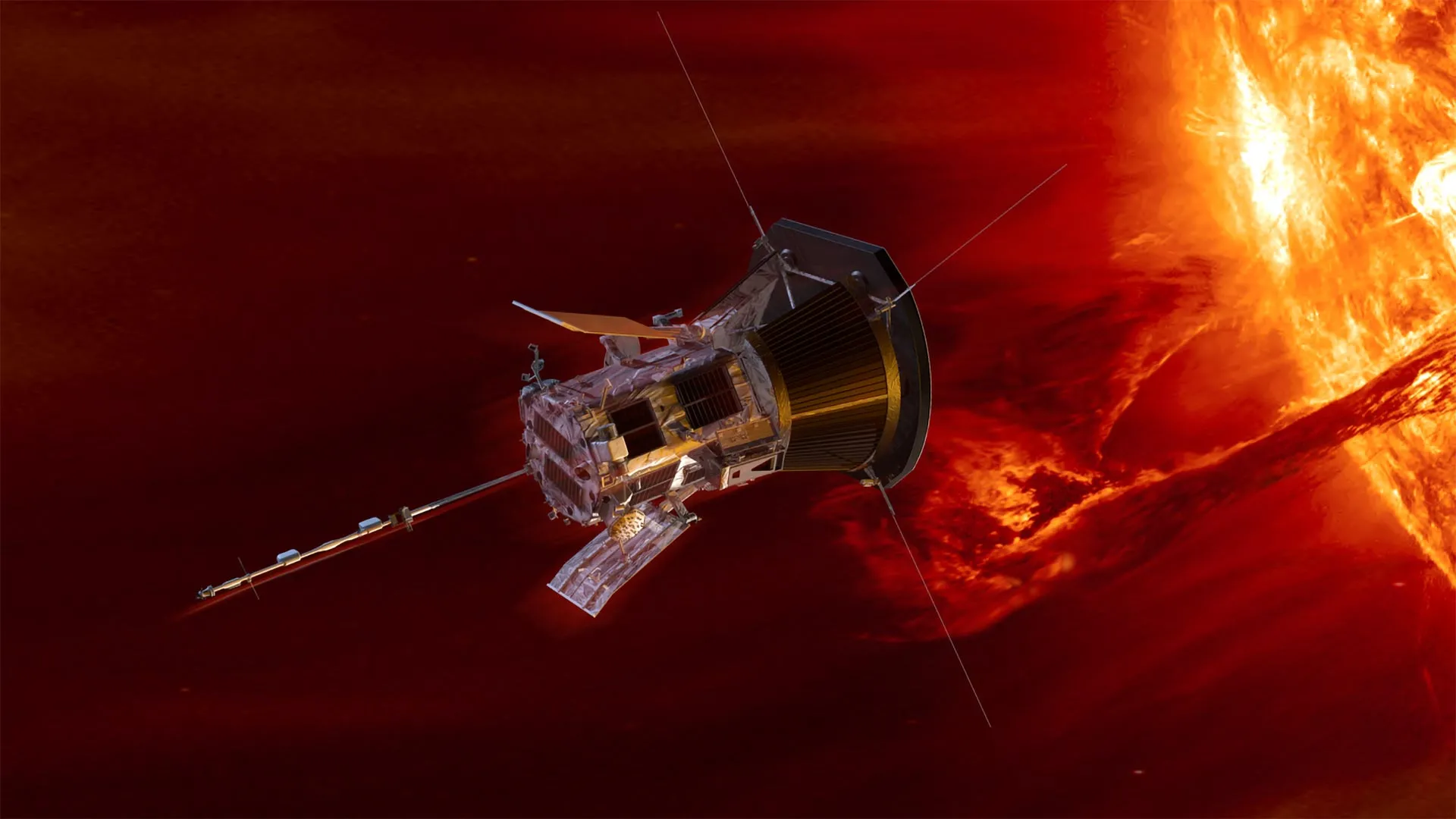
“Streamers” from Sun’s Corona and Parker Flying Through Them
https://www.sciencedaily.com/images/1920/nasa-parker-solar-probe-cme.webp
“Solar Wind”
https://gizmodo.com/app/uploads/2025/07/parker-probe-0710-main-1.jpg

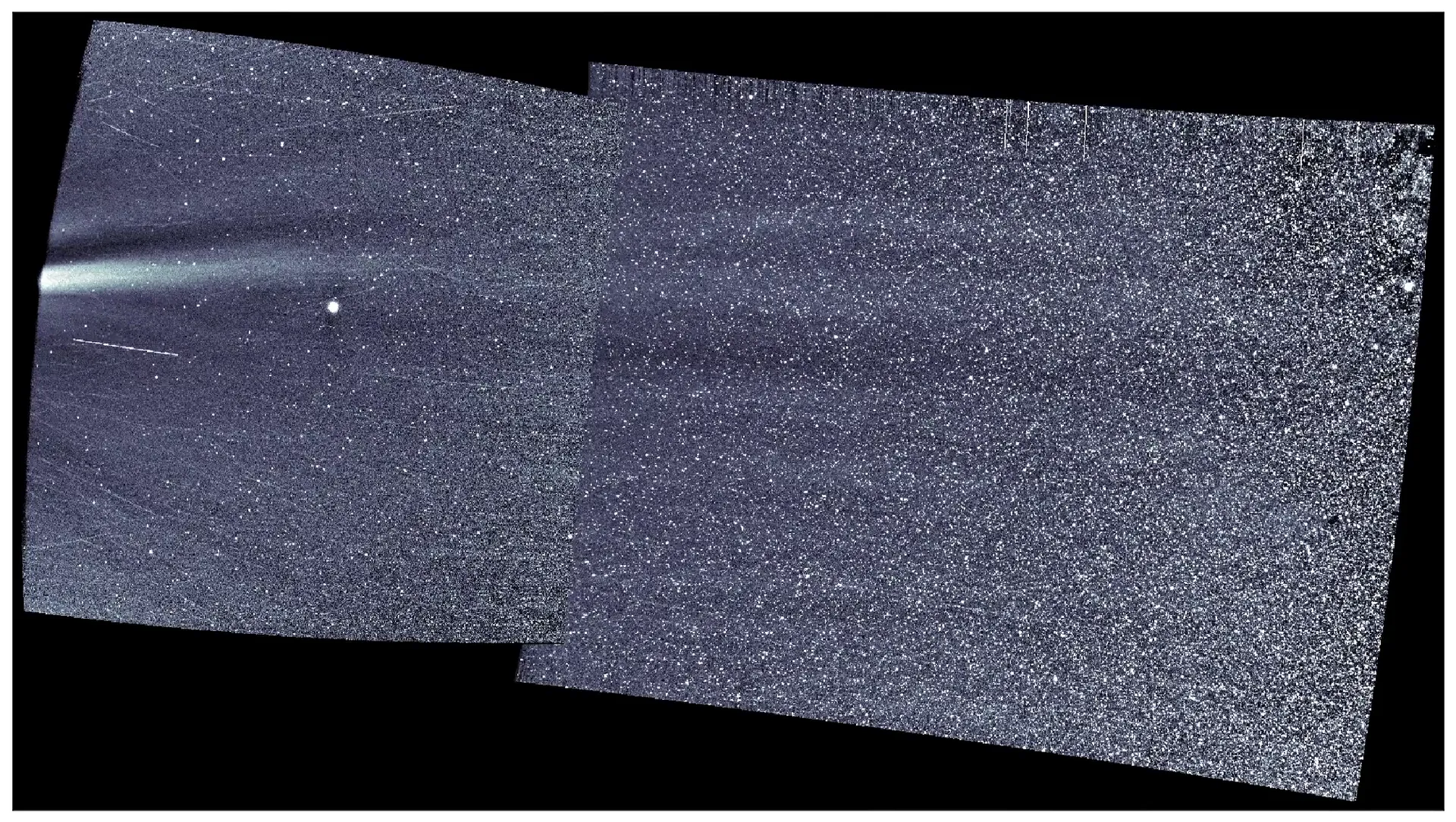
WISPR “Fields of View”

Solar Wind Streaming Past Parker Spacecraft
https://cdn.mos.cms.futurecdn.net/biWHdkYJG4AL28L3cwsyBZ-1920-80.png.webp
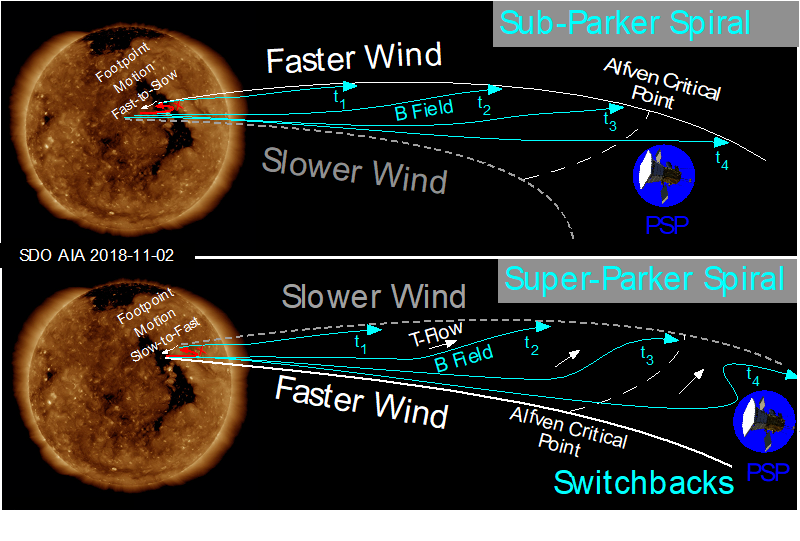
Slower and Faster Solar Wind
https://blogs.egu.eu/divisions/st/files/2021/04/schwardon_fig2.png
Discussion Topic of the Evening.
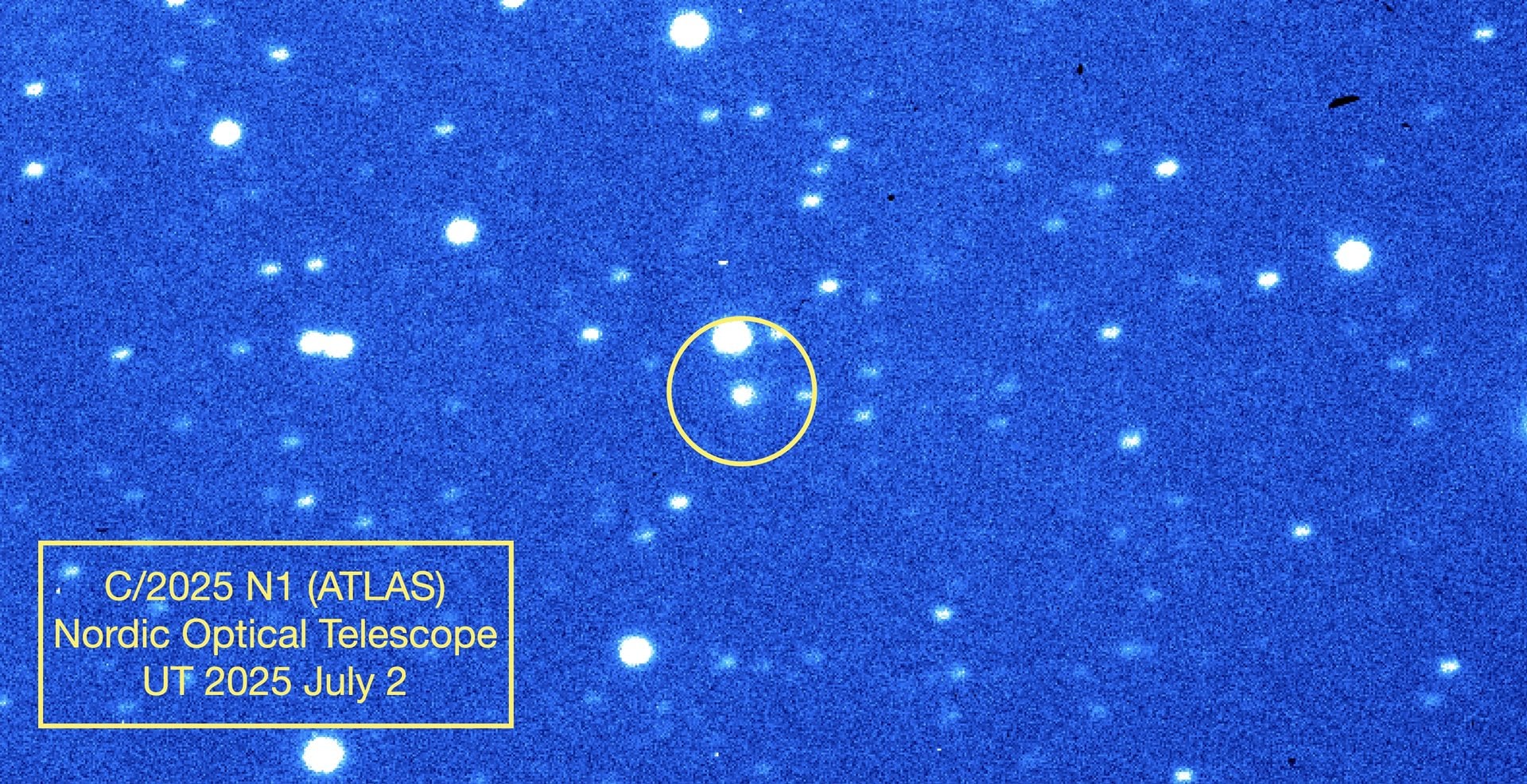
Astronomers say new interstellar visitor 3I/ATLAS is ‘very likely to be the oldest comet we have ever seen’
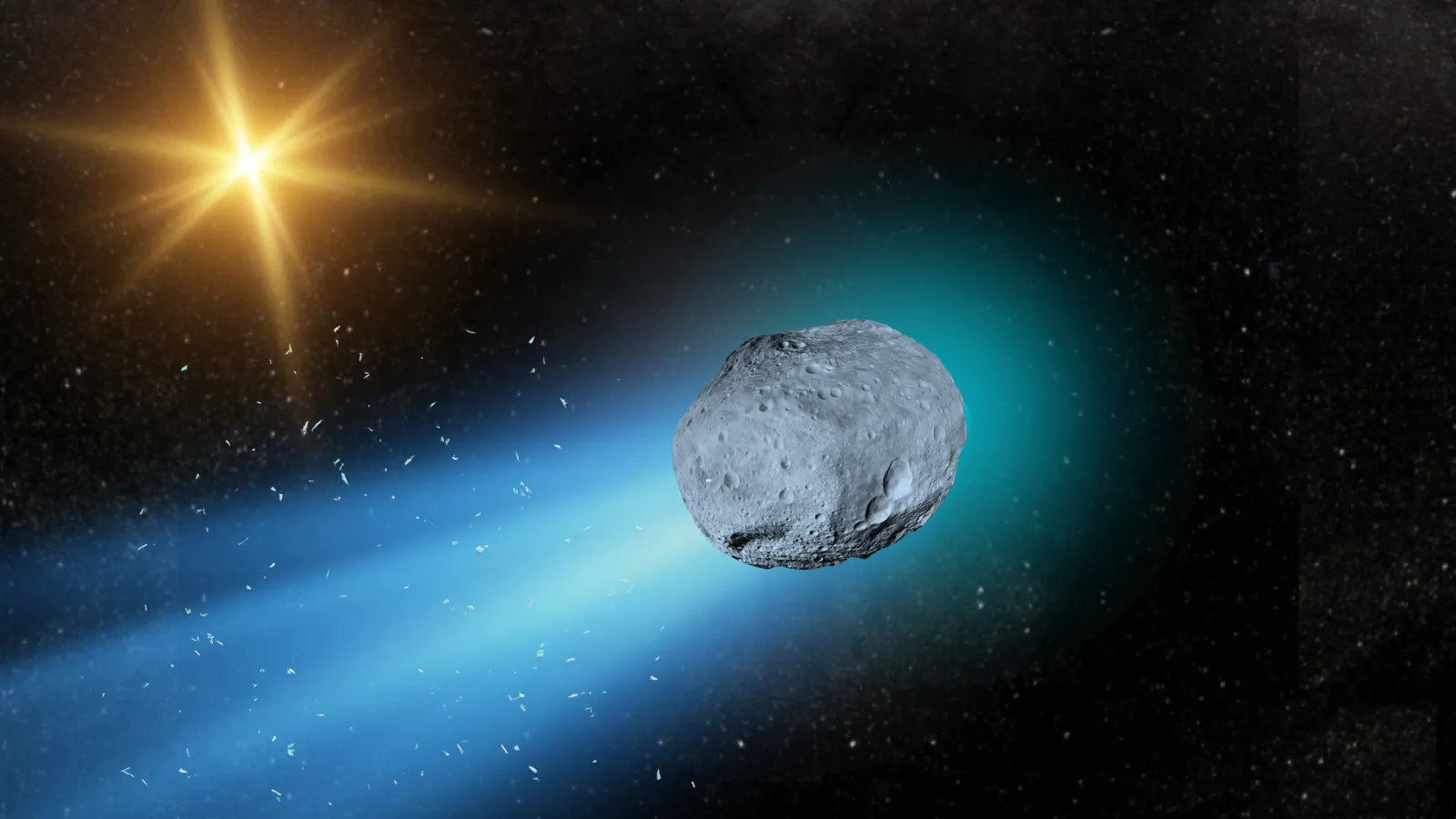
Artist’s Concept 3i/ ATLAS
https://cdn.mos.cms.futurecdn.net/fb4jSzavDRptvxUQPjrjTb-1600-80.png.webp
3I/ATLAS Trajectory
https://pbs.twimg.com/media/GvWqIjjWgAAKGuS?format=jpg&name=medium
Nordic Optical Telescope
https://www.universetoday.com/article_images/C2025N1_NOT_20250711_151807.jpg
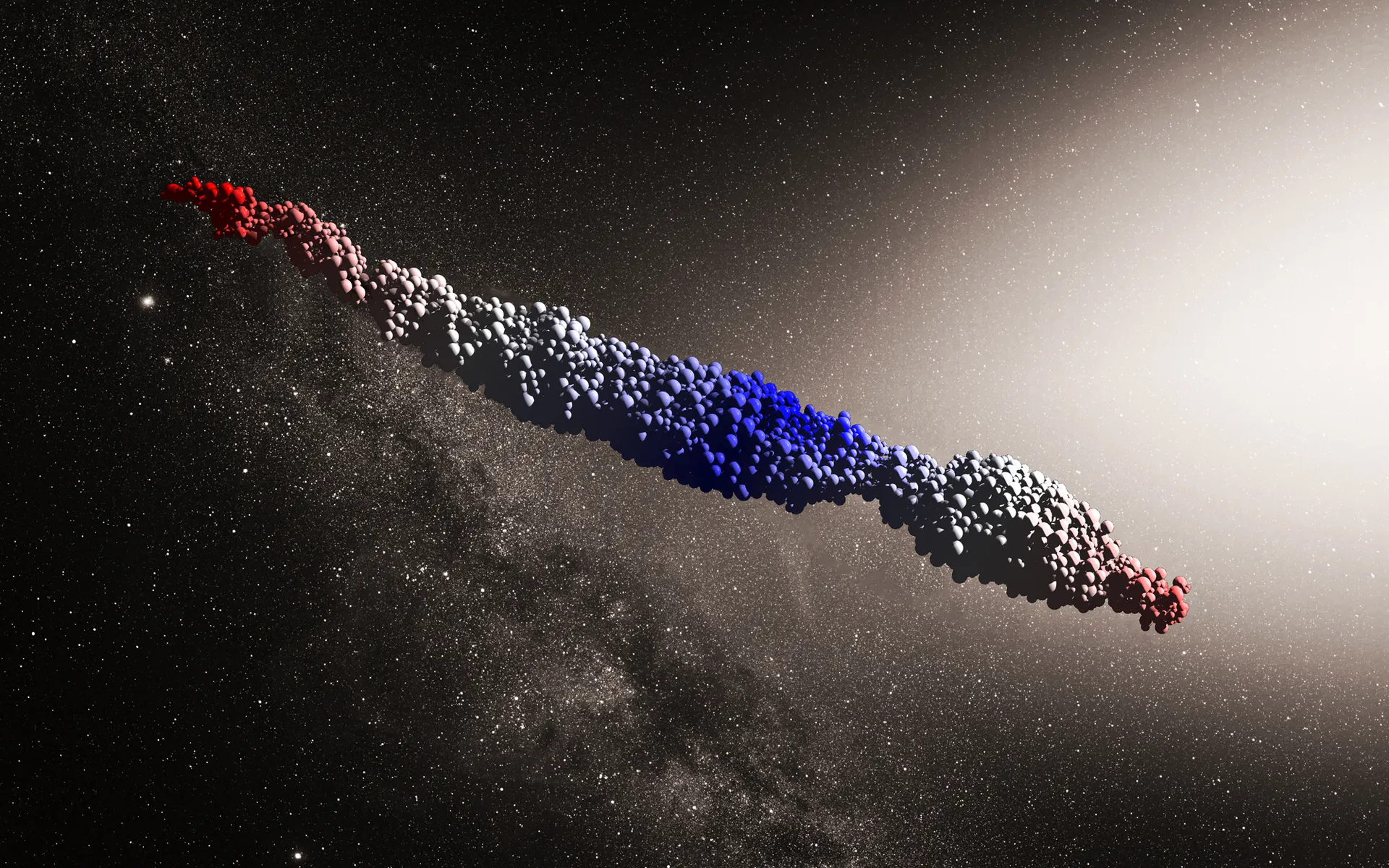
Oumuamua Simulation
https://cdn.mos.cms.futurecdn.net/kwzGsdATXu2zwqkPmyvwEQ-1920-80.jpg.webp
TTT3 Image 3I/ATLAS
https://bigthink.com/wp-content/uploads/2025/07/alarcon.jpg

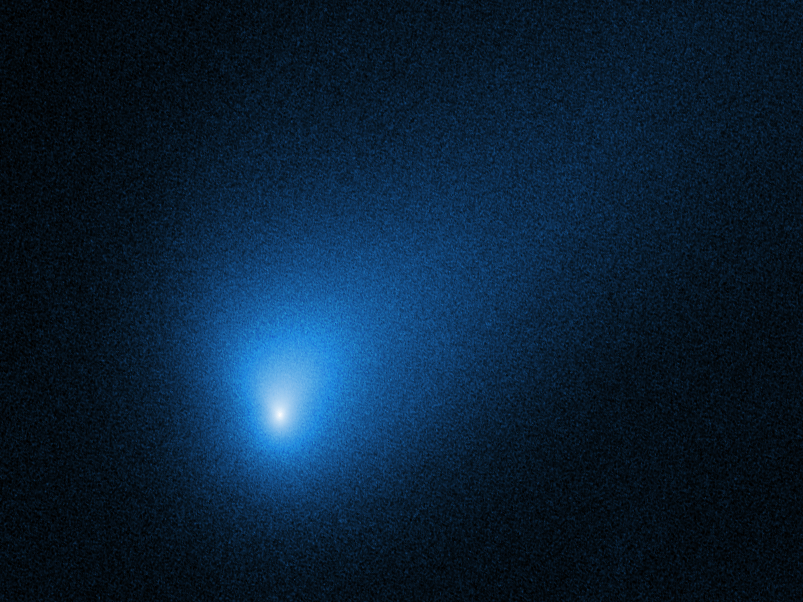
2I/Borisov
Waz Up
Space Exploration and Space History
Space Exploration News
‘Space ice’ found in comets isn’t much like water on Earth after all
https://img-s-msn-com.akamaized.net/tenant/amp/entityid/AA1IqPFc.img?w=768&h=512&m=6
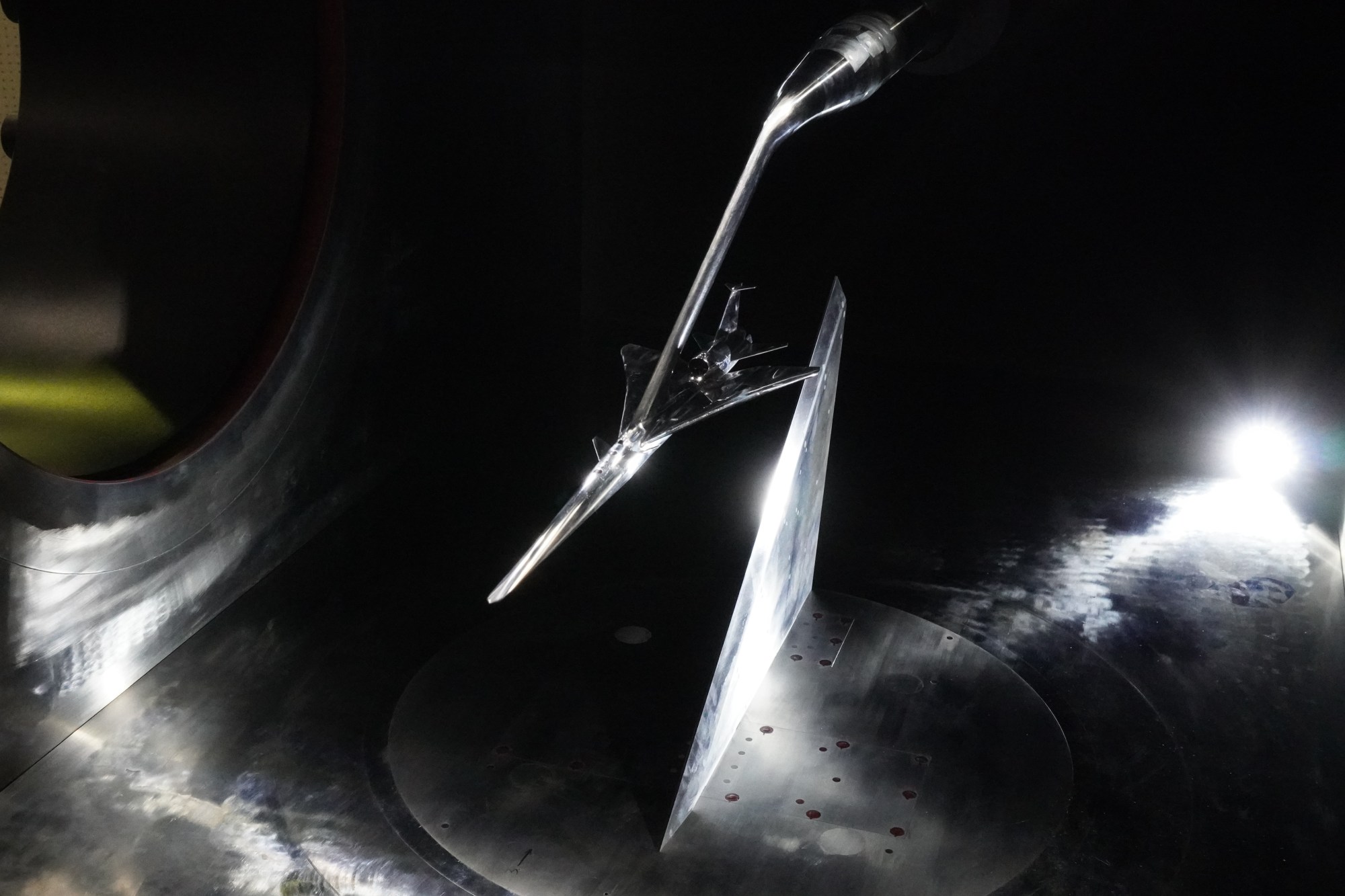
X-59 Model Tested in Japanese Supersonic Wind Tunnel
https://www.nasa.gov/wp-content/uploads/2025/07/dsc09386.jpg?resize=2000,1333
Space-Related Birthdays
July 6, 1924:Robert Michael White Flew the X-15 to an altitude of over 59 miles, qualifying him for USAF astronaut wings.

July 7, 1960: Kevin Ford (STS-128, Exp 33/34)
https://upload.wikimedia.org/wikipedia/commons/f/f1/Kevin_A._Ford.jpg

July 9, 1943: John Casper (STS-36, STS-54, STS-62, STS-77)
https://upload.wikimedia.org/wikipedia/commons/a/ab/John_Casper.jpg

July 11, 1950: Lawrence DeLucas (STS-50)
https://upload.wikimedia.org/wikipedia/commons/0/08/Lawrence_DeLucas.jpg

July 12, 1957: Rick Husband (STS-96, STS-107)

July 13, 1950: George Nelson (STS-41-C, STS-61, STS-26)
https://upload.wikimedia.org/wikipedia/commons/d/d7/Nelson-p.jpg

This Week in Space History
July 6, 1938 Discovery of Lysithea
https://upload.wikimedia.org/wikipedia/commons/b/b5/Lysithea_2MASS_JHK_color_composite.
July 16, 1969 Apollo 11 – Final Preparations for Moon Landing

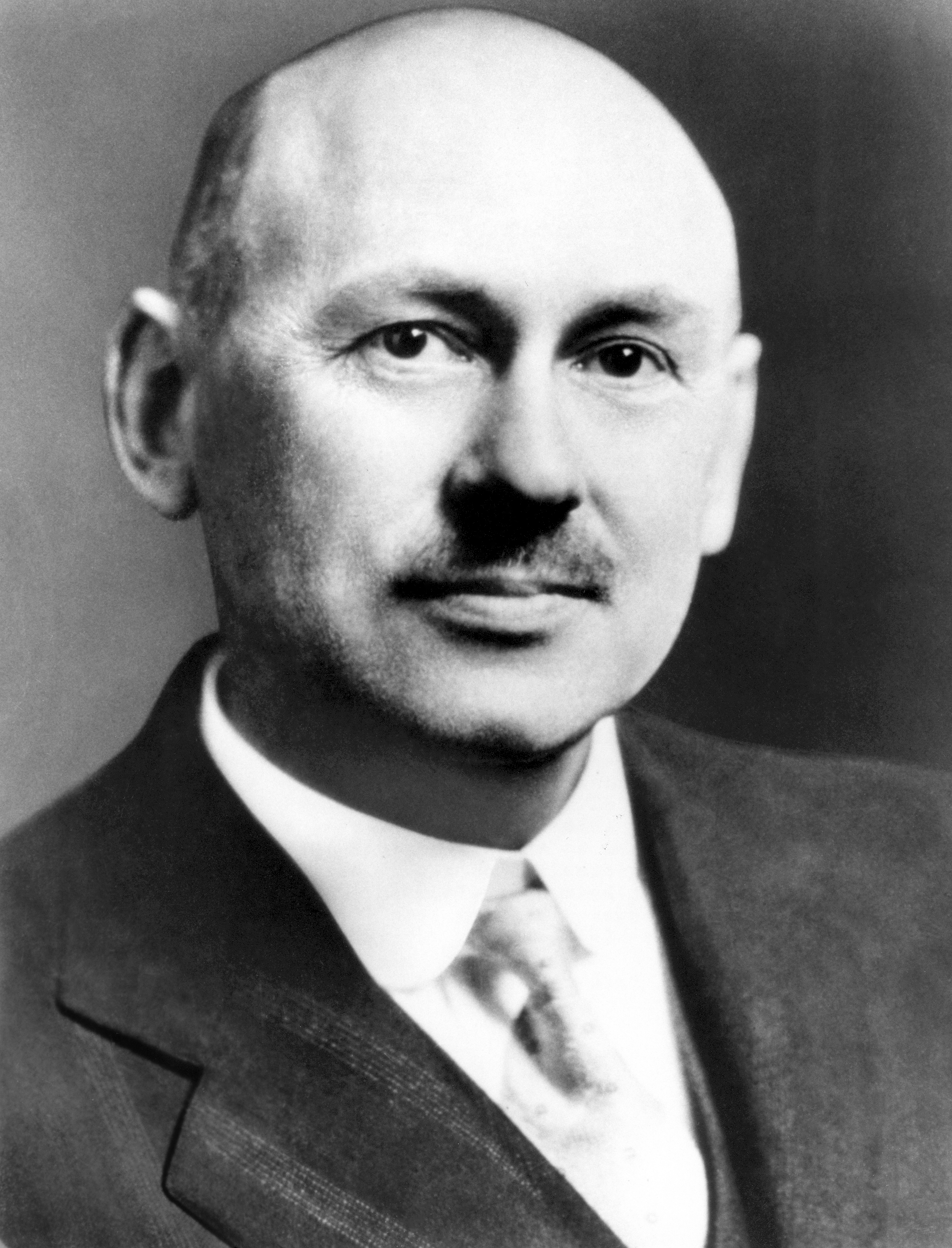
July 7, 1914: Robert H. Goddard was granted his very first patent, for a “rocket apparatus.”
https://upload.wikimedia.org/wikipedia/commons/3/3f/Dr._Robert_H._Goddard_-_GPN-2002-000131.jpg
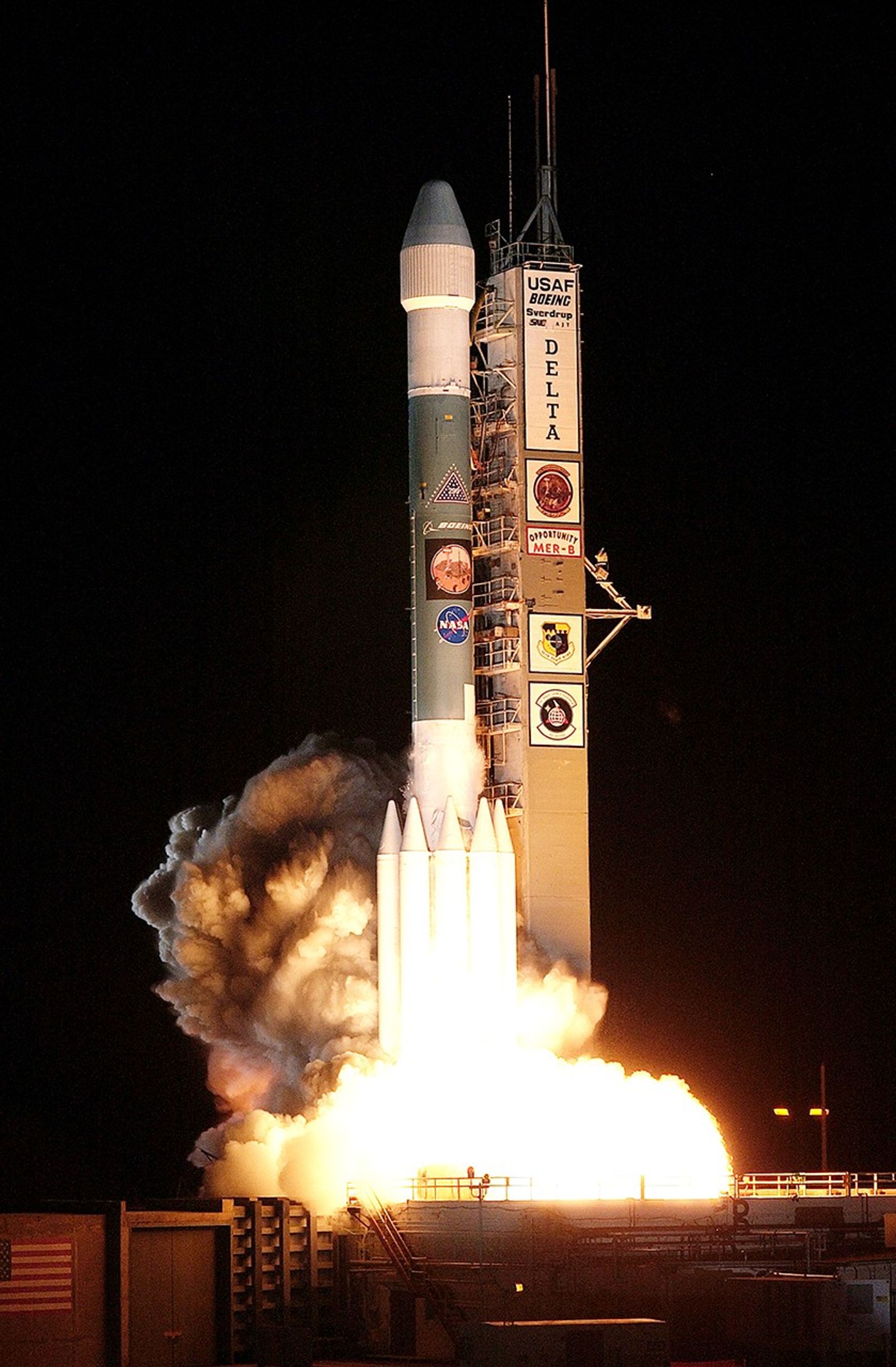
July 7, 2003: Mars Explorer Rover-B “Opportunity” launched on a Delta 2 rocket from Cape Canaveral, the second of NASA’s Mars Exploration Rovers.
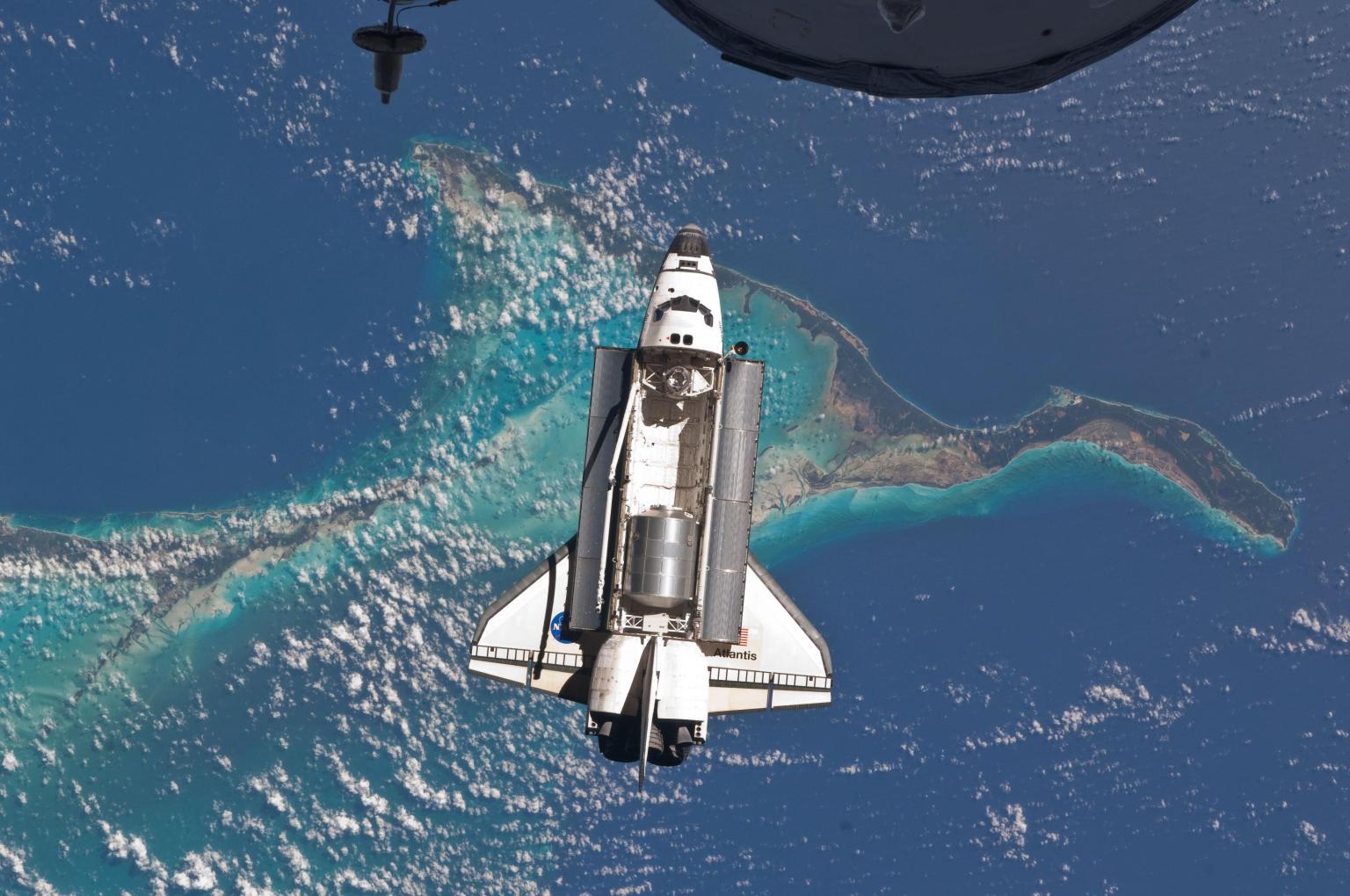
July 8: 2011: Space Shuttle Atlantis left Launch Pad 39A at NASA’s Kennedy Space Center for her last flight in space. https://www.nasa.gov/wp-content/uploads/2023/04/569718main-fd3predock-full.jpg?resize=1536,1020
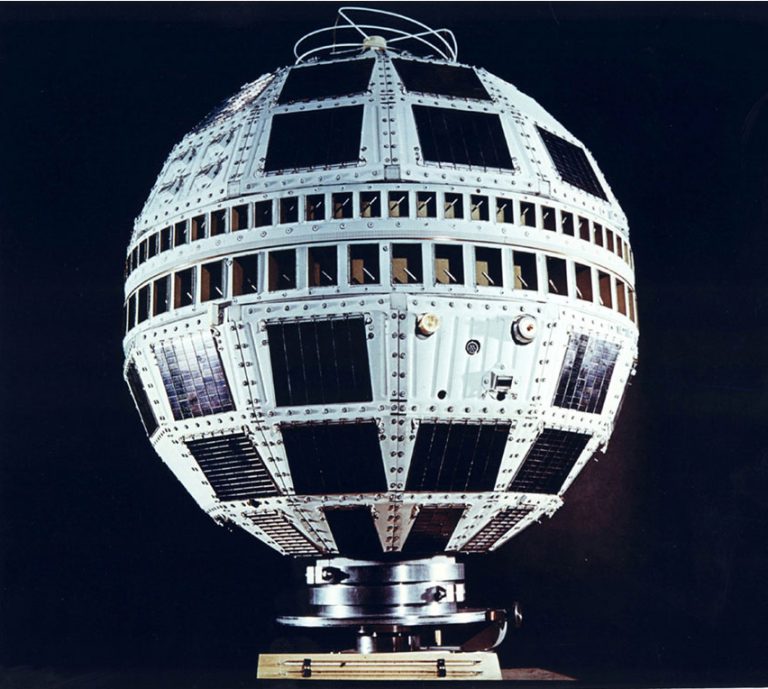
July 10: 1962: Telstar set the ball rolling as the first active communications satellite. https://spacecenter.org/wp-content/uploads/2020/07/665926main_telstar_full-768×689.jpg
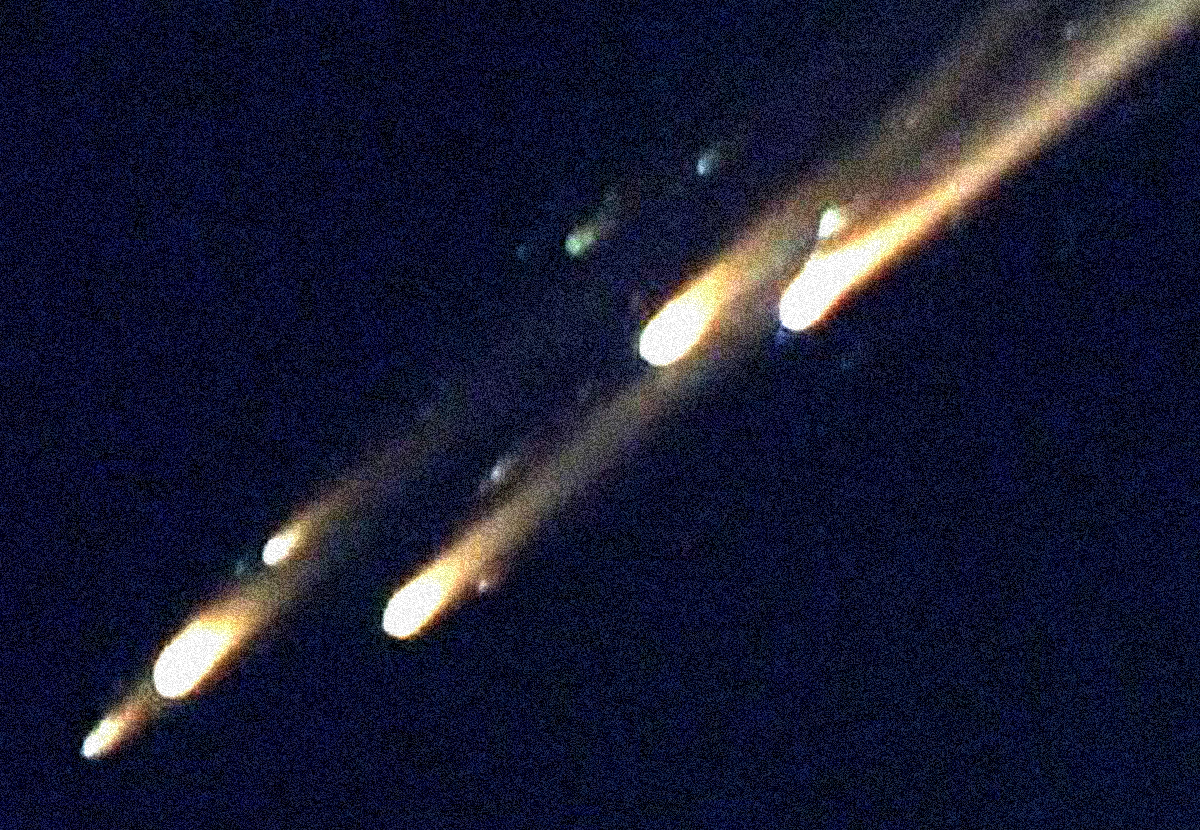
July 11:1979: America’s first space station, Skylab, returned to Earth. https://oildale.s3.amazonaws.com/wp-content/uploads/2019/07/21230734/Skylab-reentry-July-1979-resize-2.jpg
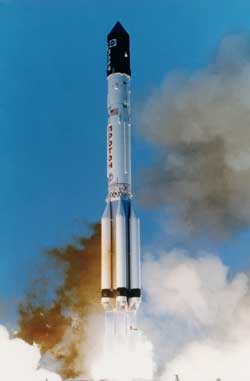
July 12:2000: The Zvezda Service Module launched on a Russian Proton rocket. https://spaceflightnow.com/station/zvezda/000707preview/images/zaryalaunch.jpg
Miss Carolyn’s Constellation of the Week
Constellation “Ophiuchus the Snake Wrangler”
Space Launches For This Week
Space Flight Now Launch Schedule
July 13 Falcon 9 • Commercial GTO-1
Launch time: Window opens 12:31 a.m. ET (0431 UTC)
Launch site: SLC-40, Cape Canaveral Space Force Station, Florida
A SpaceX Falcon 9 will launch a mysterious payload known only as Commercial GTO-1.
Updated: July 10
July 13/14 Falcon 9 • Starlink 15-2
Launch time: Window opens at 10:27 p.m. EDT (0227 UTC)
Launch site: SLC-4E, Vandenberg Space Force Base, California
A SpaceX Falcon 9 rocket will launch another batch of Starlink V2 Mini satellites into low Earth orbit. A little more than eight minutes after liftoff, the first stage booster will target a landing on the droneship, ‘Of Course I Still Love You,’ positioned in the Pacific Ocean.
Updated: July 11
NET July 16 Eris • TestFlight1
Launch time: TBD
Launch site: Pad 1, Bowen Orbital Spaceport
Gilmour Space in Australia is preparing to launch the inaugural flight of its Eris Block 1 rocket. The three-stage launch vehicle is 25 m (82 ft) tall and is equipped with 1.5 m (4.9 ft) diameter payload fairings. The rocket is designed to send up to 305 kg up to low Earth orbit. This first mission, called “TestFlight1,” does not appear to have a payload on board. Delayed from May 4, 2024, due to a lack of launch permit. Delayed from May 14/15 due to a ground support system issue. Delayed from May 15/16 due to unintended triggering of the payload fairing deployment at the pad. Delayed from July 1. Delayed from July 2. Delayed from July 3.
Updated: July 03
NET Late July Falcon 9 • TRACERS
Launch time: TBD
Launch site: SLC-4E, Vandenberg Space Force Base, California
A SpaceX Falcon 9 rocket will launch NASA’s TRACERS (Tandem Reconnection and Cusp Electrodynamics Reconnaissance Satellites) as the primary payload on a rideshare mission secured through the agency’s VADR (Venture-Class Acquisition of Dedicated and Rideshare) launch services contract, providing new opportunities for science and technology payloads. The two TRACERS satellites are designed to study the interaction of the Sun’s solar particles interact with the Earth’s magnetic field to better understand the impacts of solar activity on Earth. The mission is conducted through a partnership between NASA; the University of Iowa; the Southwest Research Institute; the University of New Hampshire; the Space Sciences Laboratory at the University of California, Berkeley; and the University of California, Los Angeles. The secondary payload(s) have not been announced for this mission as of May 15.
Updated: July 03
NET July 31 Falcon 9 • Crew-11
Launch time: 12:09 p.m. EDT (1609 UTC)
Launch site: Launch Complex 39A, Kennedy Space Center, Florida
SpaceX will launch its Falcon 9 rocket with a Crew Dragon spacecraft carrying three astronauts and a cosmonaut to begin a long-duration mission onboard the International Space Station. This will be the 11th crew rotation mission launched under NASA’s Commercial Crew Program. The mission will be led by NASA astronaut Zena Cardman, who will be making her first trip to space. She was previously assigned as the commander of the Crew-9 mission before NASA removed her and fellow NASA astronaut Stephanie Wilson to create space for NASA astronauts Butch Wilmore and Suni Williams to return onboard the Dragon Freedom spacecraft. Cardman will be joined by fellow NASA astronaut Mike Fincke, JAXA (Japan Aerospace Exploration Agency) astronaut Kimiya Yui and Roscosmos cosmonaut Oleg Platonov. Platonov will be making his first trip to space. This will be the fourth trip to the ISS for Fincke and the second for Yui.
Updated: July 10
NET August Ariane 6 • MetOp-SG A1 / Sentinel-5
Launch time: TBD
Launch site: Europe’s Spaceport, Kourou, French Guiana
An Ariane 6 rocket from Arianespace will launch EUMETSAT’s MetOp-SG A1 (MetOp Second Generation) satellite to a polar orbit at an altitude of 832 km (517 mi). The satellite also carries the Copernicus Sentinel-5 satellite onboard. This is the first in a series of six satellites scheduled to be launched between now and 2040. These MetOp satellites weigh more than 4,000 kg (8,819 lbs) each and is about the size of a small truck. This will be the third launch of an Ariane 6 rocket.
Updated: July 03
Late Summer Falcon 9 • CRS-33
Launch time: TBD
Launch site: Launch Complex 39A, Kennedy Space Center, Florida
A SpaceX Falcon 9 rocket will launch a Cargo Dragon spacecraft with thousands of pounds of science and supplies to the International Space Station. Its launch date is being driven by the launch of the SpaceX Crew-11 flight to the ISS, which is scheduled for late July or early August as of July 3, as well as the departure of Crew-10. The Dragon flying this mission will include a new propulsion system within the vehicle’s trunk that will allow it to perform a boost of the space station. This is a milestone in SpaceX’s development of the ISS Deorbit Vehicle, which will help slowly lower the orbit of the space station at the end of its functional life around the 2030/2031 timeframe.
Visible satellite passages over the next couple of days.
All times are “local” (Dallas) time.
Jul 11
Jul 11
Jul 11
Jul 13
Tiangong
Jul 12
Jul 13