
IO Group: https://groups.io/g/DARCskynet/topics
Facebook Group: http://www.facebook.com/groups/306498286059167/
Saturday’s DARC SkyNet is at 9PM CT.
Recent Astronomical Discoveries
Cosmic joust’: Astronomers observe pair of galaxies in deep-space battle
https://www.sciencedaily.com/releases/2025/05/250521124254.htm
Pair of Galaxies in Deep-Space Battle

Discussion Topic of the Evening.
“Is Planet ‘X’ for Real?”
https://science.nasa.gov/solar-system/planet-x
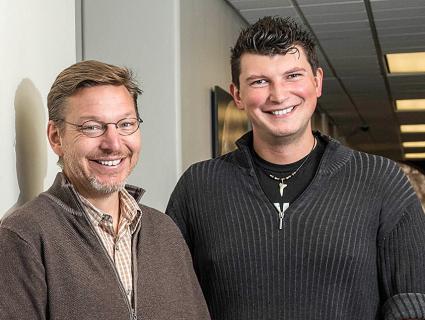
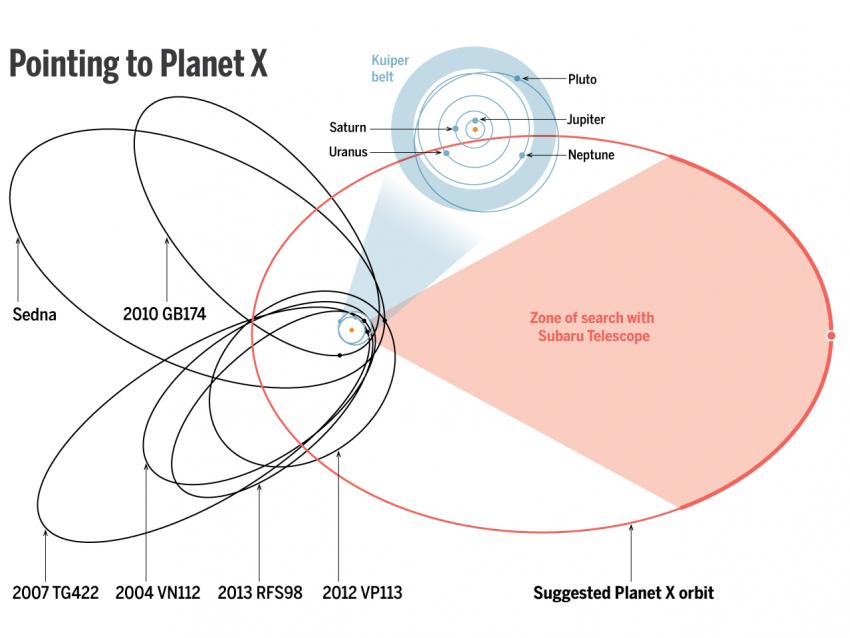
Batygin and Brown
https://www.americaspace.com/wp-content/uploads/2016/01/Researchers_PlanetX-final.jpg
Orbital Alignment Predictions
Artist’s Rendering of “Planet X”

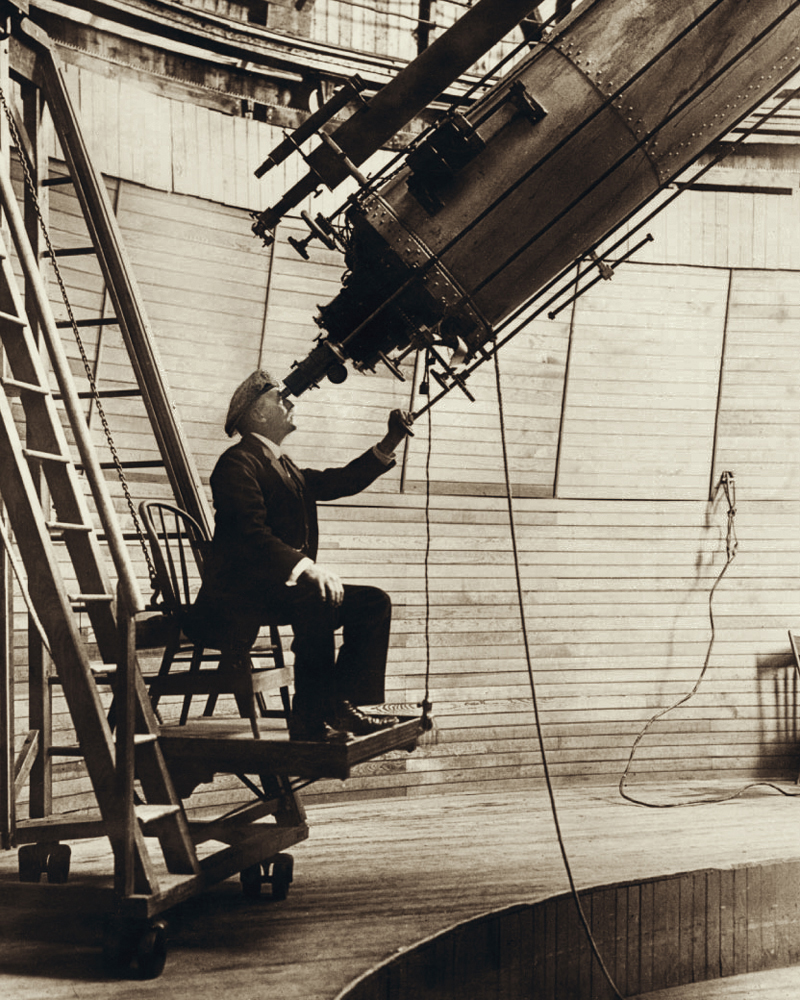
Percival Lowell Scanning the Skies
NASA’s New Horizons Picture of Pluto (July 14, 2015)
https://miro.medium.com/v2/resize:fit:4800/format:webp/0*SpxEU6owmhdb12B5
Artist’s Rendering – Kuiper Belt
https://space-facts.com/wp-content/uploads/kuiper-belt.png

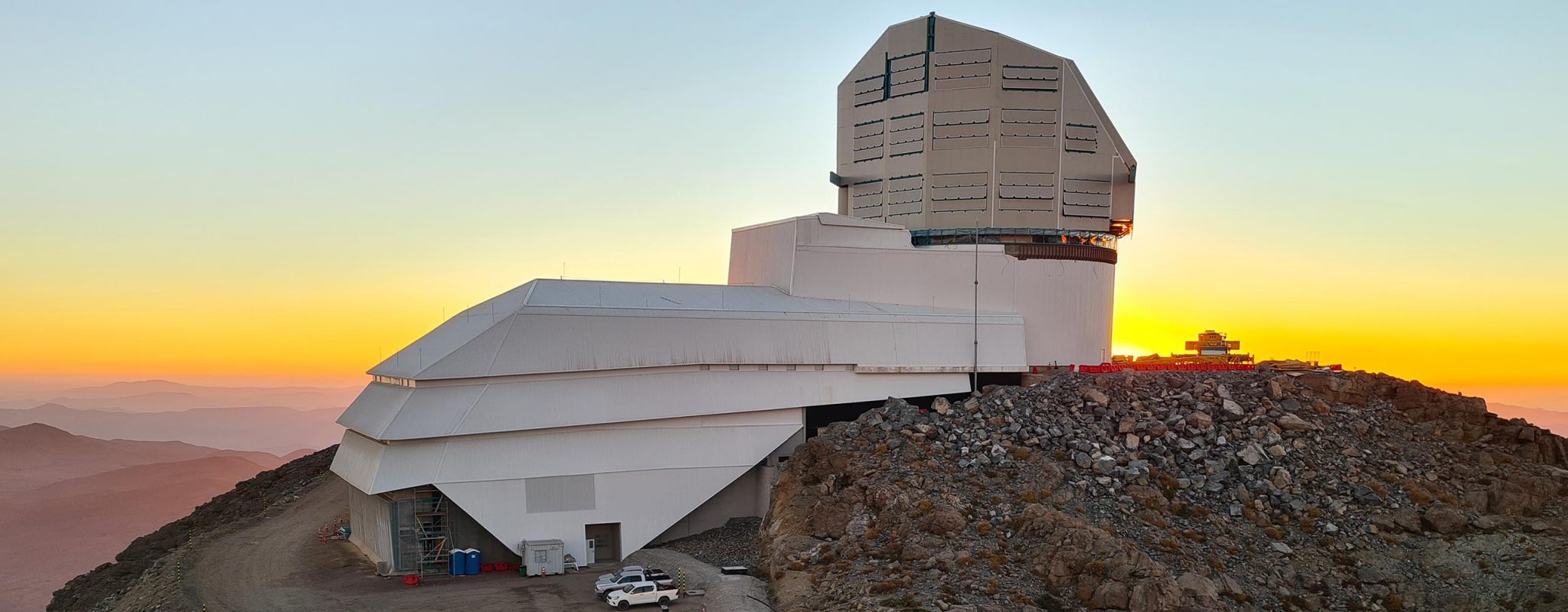
Rubin Observatory
https://www.aura-astronomy.org/wp-content/uploads/2021/10/Romanslide-2048×800.jpg
Waz Up
Space Exploration and Space History
Space Exploration News
Titan’s mysterious wobbling atmosphere is like a gyroscope, new research suggests
https://img-s-msn-com.akamaized.net/tenant/amp/entityid/AA1FhEbI.img?w=768&h=553&m=6
New species of space-adapted bacteria discovered on China’s Tiangong space station
https://img-s-msn-com.akamaized.net/tenant/amp/entityid/AA1FdRQu.img?w=768&h=432&m=6
Space-Related Birthdays
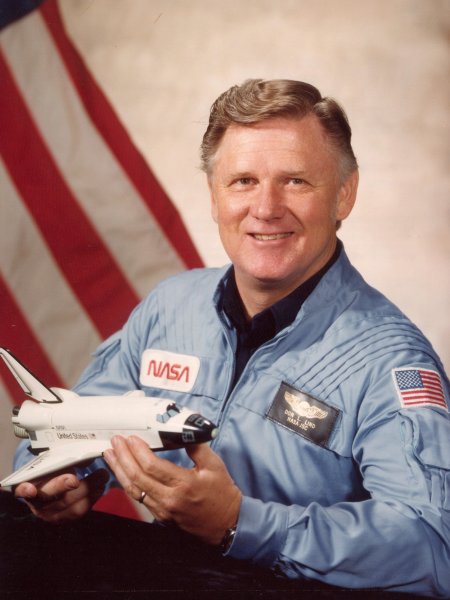
May 18, 1930: Don Lind (STS-51-B)
https://upload.wikimedia.org/wikipedia/commons/9/9c/Don_Lind.jpg
May 19, 1939: Dick Scobee (STS-41-C, STS-51-L)
https://upload.wikimedia.org/wikipedia/commons/4/42/Scobee-fr.jpg

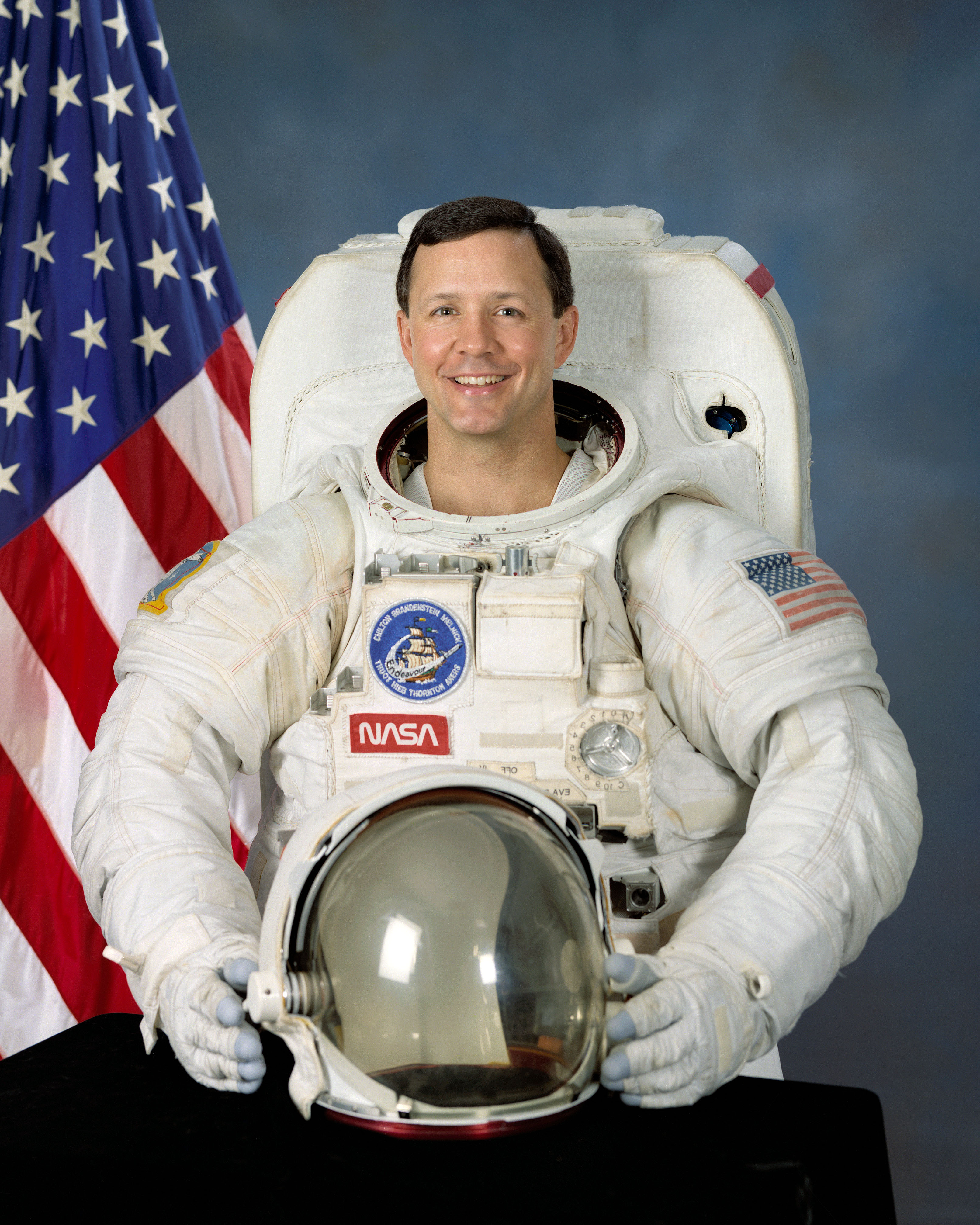
May 19, 1955: Pierre J. Thuot (STS-36, STS-49, STS-62)
https://upload.wikimedia.org/wikipedia/commons/0/0b/Pierre_Thuot.jpg
May 20, 1944: David M. Walker (STS-51-A, STS-30, STS-53, STS-69)
https://upload.wikimedia.org/wikipedia/commons/2/22/Walker-dm.jpg

May 20, 1951: Thomas Akers (STS-41, STS-49, STS-61, STS-79)
https://upload.wikimedia.org/wikipedia/commons/c/ce/Thomas_D_Akers.jpg

May 20, 1964: Paul W. Richards (STS-102)
https://upload.wikimedia.org/wikipedia/commons/9/98/Paul_Richards.jpg
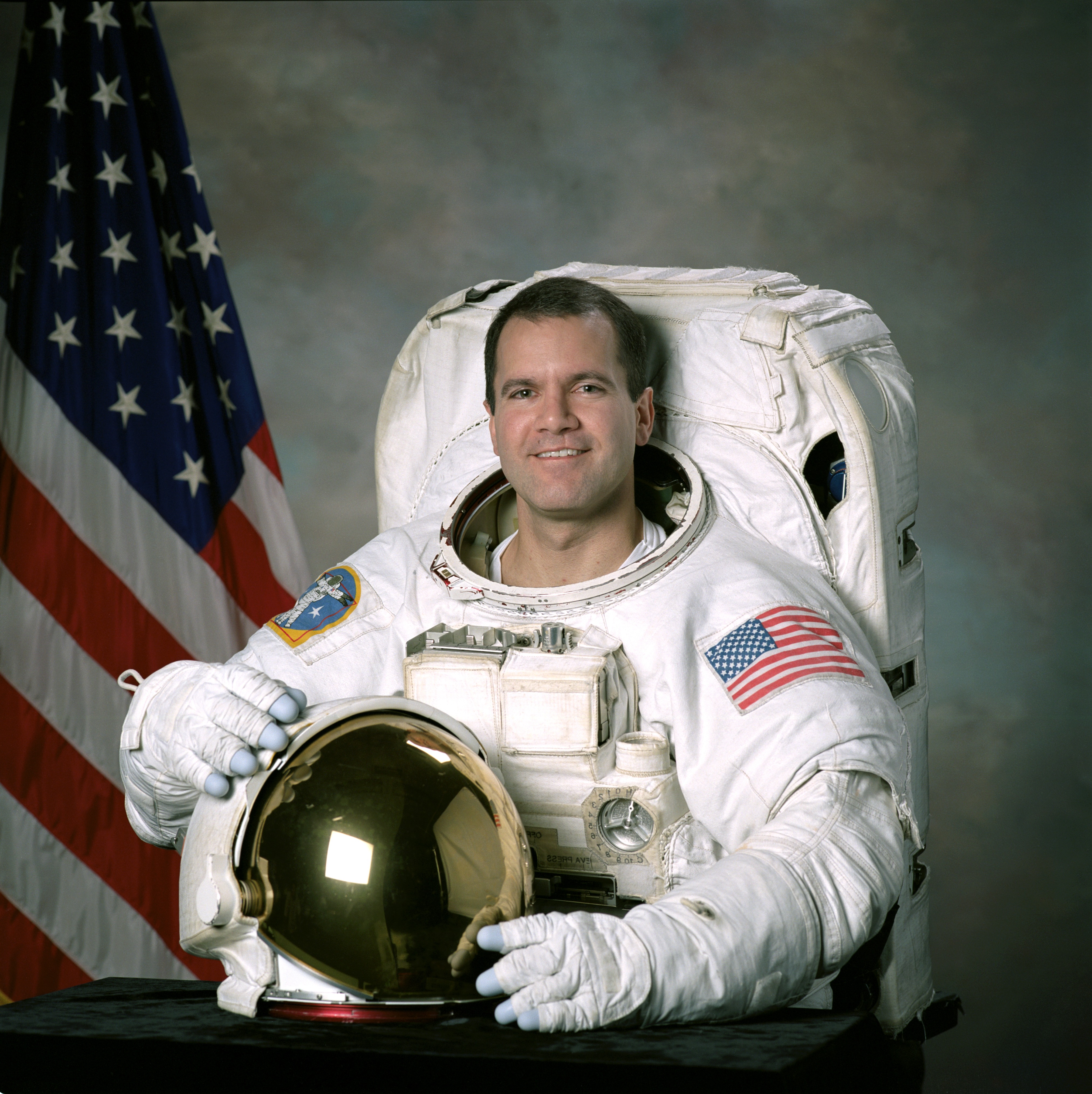
May 21, 1942: Robert C, Springer (STS-29, STS-39)

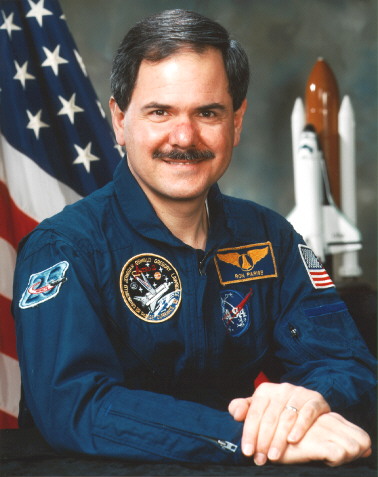
May 24, 1951: Robert Parise (STS-35, STS-67)
https://upload.wikimedia.org/wikipedia/commons/7/7b/Ronald_Parise.jpg
This Week in Space History
May 18:
1969:
Apollo 10 launched. The crew’s mission was to fly the complete profile of a Moon landing mission – without actually touching down on the Moon. https://upload.wikimedia.org/wikipedia/commons/f/f8/Apollo_10_Lunar_Orbit_Profile.png

Miss Carolyn’s Constellation of the Week
Constellations “Bootes the Shepherd, and Corona Borealis the Northern Crown”
Space Launches For This Week
Space Flight Now Launch Schedule
TBD Eris • TestFlight1
Launch time: Window opens 7:30 a.m. AEST on May 16 (5:30 p.m. EDT, 2130 UTC on May 15)
Launch site: Pad 1, Bowen Orbital Spaceport
Gilmour Space in Australia is preparing to launch the inaugural flight of its Eris Block 1 rocket. The three-stage launch vehicle is 25 m (82 ft) tall and is equipped with 1.5 m (4.9 ft) diameter payload fairings. The rocket is designed to send up to 305 kg up to low Earth orbit. This first mission, called “TestFlight1,” does not appear to have a payload on board. Delayed from May 4, 2024, due to a lack of launch permit. Delayed from May 14/15 due to a ground support system issue. Delayed from May 15/16 due to unintended triggering of the payload fairing deployment at the pad.
Updated: May 15
NET Late May Falcon 9 • GPS 3 SV-08
Launch time: TBD
Launch site: SLC-40, Cape Canaveral Space Force Station, Florida
A SpaceX Falcon 9 rocket will launch the eighth Global Positioning System (GPS) 3 satellite, built by Lockheed Martin. The GPS 3 Space Vehicle 08 (SV-08) is named in honor of mathematician, Katherine Johnson, whose calculations contributed significantly to early human spaceflight. The Falcon 9 first stage booster will target a landing on a droneship positioned in the Atlantic Ocean.
Updated: April 11
June 8 Falcon 9 • Axiom Mission 4 (Ax-4)
Launch time: 9:11 a.m. EDT (1311 UTC)
Launch site: Launch Complex 39A, Kennedy Space Center, Florida
A SpaceX Falcon 9 rocket will launch the fourth private astronaut mission to the International Space Station. Former NASA astronaut and Axiom Space’s Director of Human Spaceflight will serve as the commander of the mission. This will be her fifth trip to space and her second time commanding a private astronaut mission. Shubhanshu Shukla, an Indian Air Force (IAF) pilot and astronaut with the Indian Space Research Organisation (ISRO) will be the pilot onboard the SpaceX Crew Dragon. Sławosz Uznański-Wiśniewski, a Polish member of the European Space Agency’s (ESA) Astronaut Reserve Class of 2022, and Tibor Kapu, a Hungarian member of the Hungarian to Orbit (HUNOR) Astronaut Program, will serve as the Mission Specialists. These four astronauts will spend up to 14 days docked to the ISS after launching from NASA’s Kennedy Space Center on a Falcon 9 rocket. Following stage separation, the booster will target a touchdown at Landing Zone 1 (LZ-1) at Cape Canaveral Space Force Station.
Updated: May 14
NET June 23/24 H-2A • GOSAT-GW
Launch time: 1:33:03 a.m. JST on June 24 (12:33:03 p.m. EDT, 1633:03 UTC on June 23)
Launch site: Launch Pad 1, Tanegashima Space Center, Japan
A Mitsubishi Heavy Industries Co., Ltd. H-2A rocket will launch the Global Observing SATellite for Greenhouse gases and Water cycle (GOSAT-GW), a Japanese Earth-observing satellite. The roughly 2,900 kg (6,393 lbs) satellite will operate in a Sun-synchronous orbit at an altitude of 666 km (414 mi). This spacecraft comes from a partnership between the Japanese Ministry of Environment (MOE), National Institute for Environmental Studies (NIES) and the Japanese Aerospace Exploration Agency (JAXA). The two primary instruments are the Total Anthropogenic and Natural emissions mapping SpectrOmeter-3 (TANSO-3) and the Advanced Microwave Scanning Radiometer 3 (AMSR3). This will be the 50th and final launch of a H-2A rocket.
Updated: April 25
NET June Falcon 9 • Transporter-14
Launch time: TBD
Launch site: SLC-4E, Vandenberg Space Force Base, California
A SpaceX Falcon 9 rocket will launch dozens of payloads on its latest Smallsat rideshare program, called Transporter. This mission, dubbed Transporter-14, will include a variety of customers, including the MayaSat-1 capsule from The Exploration Company, the OSSIE OTV (orbital transfer vehicle) from UARX Space and three Erminaz PocketQubes from AMSAT-DL. The Falcon 9 first stage booster will perform a return to landing site touchdown at Landing Zone 4 less than eight minutes after liftoff.
Updated: May 08
Summer 2025 Falcon 9 • TRACERS
Launch time: TBD
Launch site: SLC-4E, Vandenberg Space Force Base, California
A SpaceX Falcon 9 rocket will launch NASA’s TRACERS (Tandem Reconnection and Cusp Electrodynamics Reconnaissance Satellites) as the primary payload on a rideshare mission secured through the agency’s VADR (Venture-Class Acquisition of Dedicated and Rideshare) launch services contract, providing new opportunities for science and technology payloads. The two TRACERS satellites are designed to study the interaction of the Sun’s solar particles interact with the Earth’s magnetic field to better understand the impacts of solar activity on Earth. The mission is conducted through a partnership between NASA; the University of Iowa; the Southwest Research Institute; the University of New Hampshire; the Space Sciences Laboratory at the University of California, Berkeley; and the University of California, Los Angeles. The secondary payload(s) have not been announced for this mission as of May 15.
Updated: May 15
Visible satellite passages over the next couple of days.
You can use the http://www.heavens-above.com website to find out what’s in orbit and
where to look during fly-overs
All times are “local” (Dallas) time.
ISS
May 24
May 25
May 26
May 27
May 28
May 29
May 31
Tiangong
May 24
May 25
May 26
May 28