
IO Group: https://groups.io/g/DARCskynet/topics
Facebook Group: http://www.facebook.com/groups/306498286059167/
Saturday’s DARC SkyNet is at 9PM CT.
Recent Astronomical Discoveries
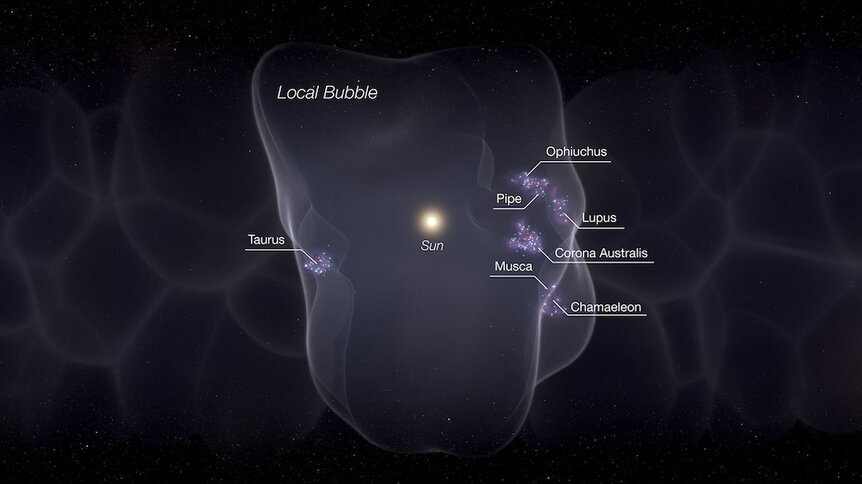
New look at galactic region surrounding our solar system: Lyman-alpha emissions
https://www.sciencedaily.com/releases/2025/04/250428221222.htm
Lyman-alpha Emissions
https://upload.wikimedia.org/wikipedia/commons/e/e6/Lyman_Alpha_Blob.jpg

5. Discussion Topic of the Evening.
Can There Be Sound in Space? https://www.scientificamerican.com/article/is-there-any-sound-in-space/
(from Scientific American)
In Space No One Can Hear You Scream
https://i.ebayimg.com/images/g/VQAAAOSwgY5c2eOg/s-l1600.webp

Sound Vibrations
https://images.newscientist.com/wp-content/uploads/2023/05/18230004/SEI_156347998.jpg?width=1674

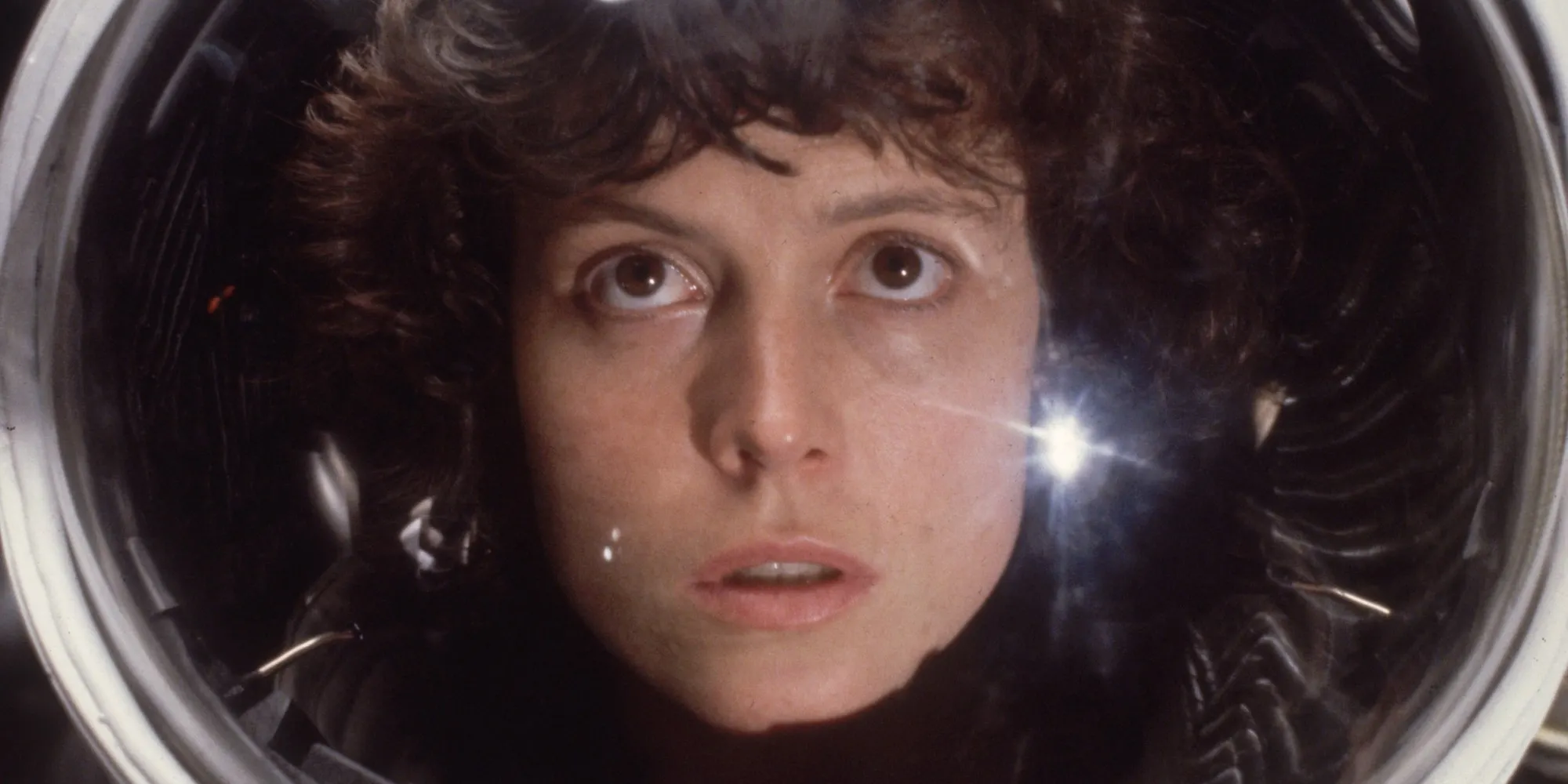
“Ripley” from “Alien”
https://miro.medium.com/v2/resize:fit:4800/format:webp/1*xUYZ3R4fkgQOsdIZkViW3g.jpeg
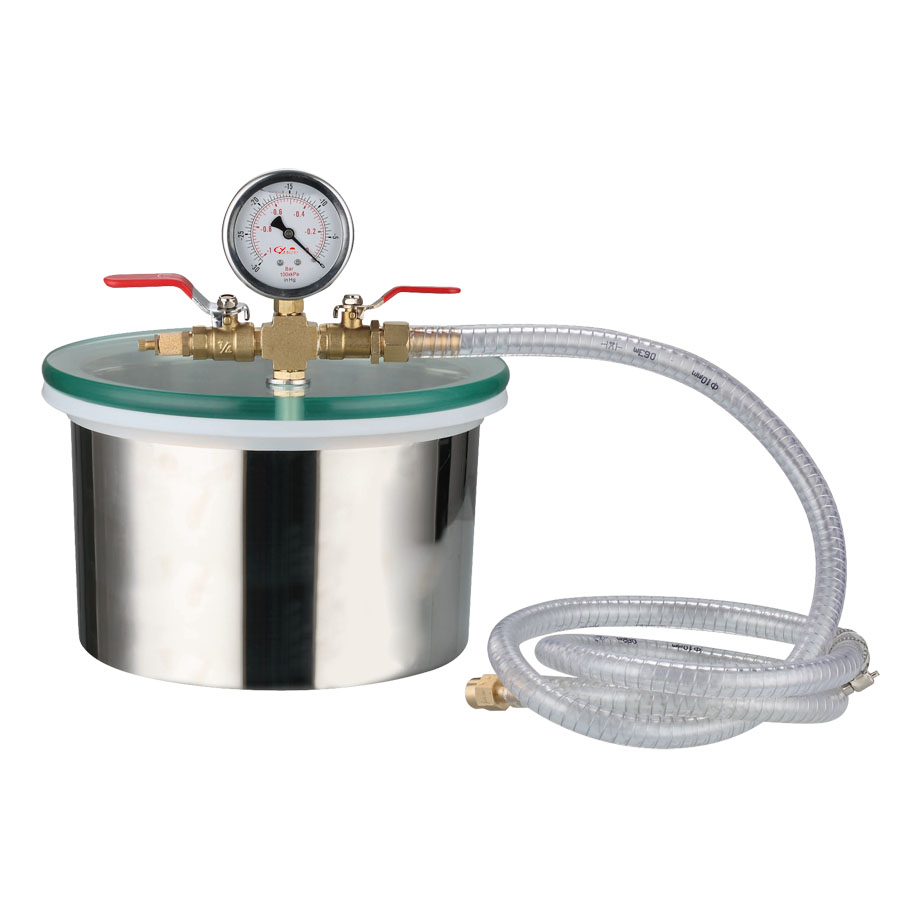
Garden Variety Vacuum Chamber
https://s.alicdn.com/@sc04/kf/H8c7a13e9bca244f8b280c834ff2b3520D.jpg?avif=close
“Local Bubble”
https://www.syfy.com/sites/syfy/files/styles/scale_862/public/2022/01/local_bubble_art_annotated.jpg
Barnard 68

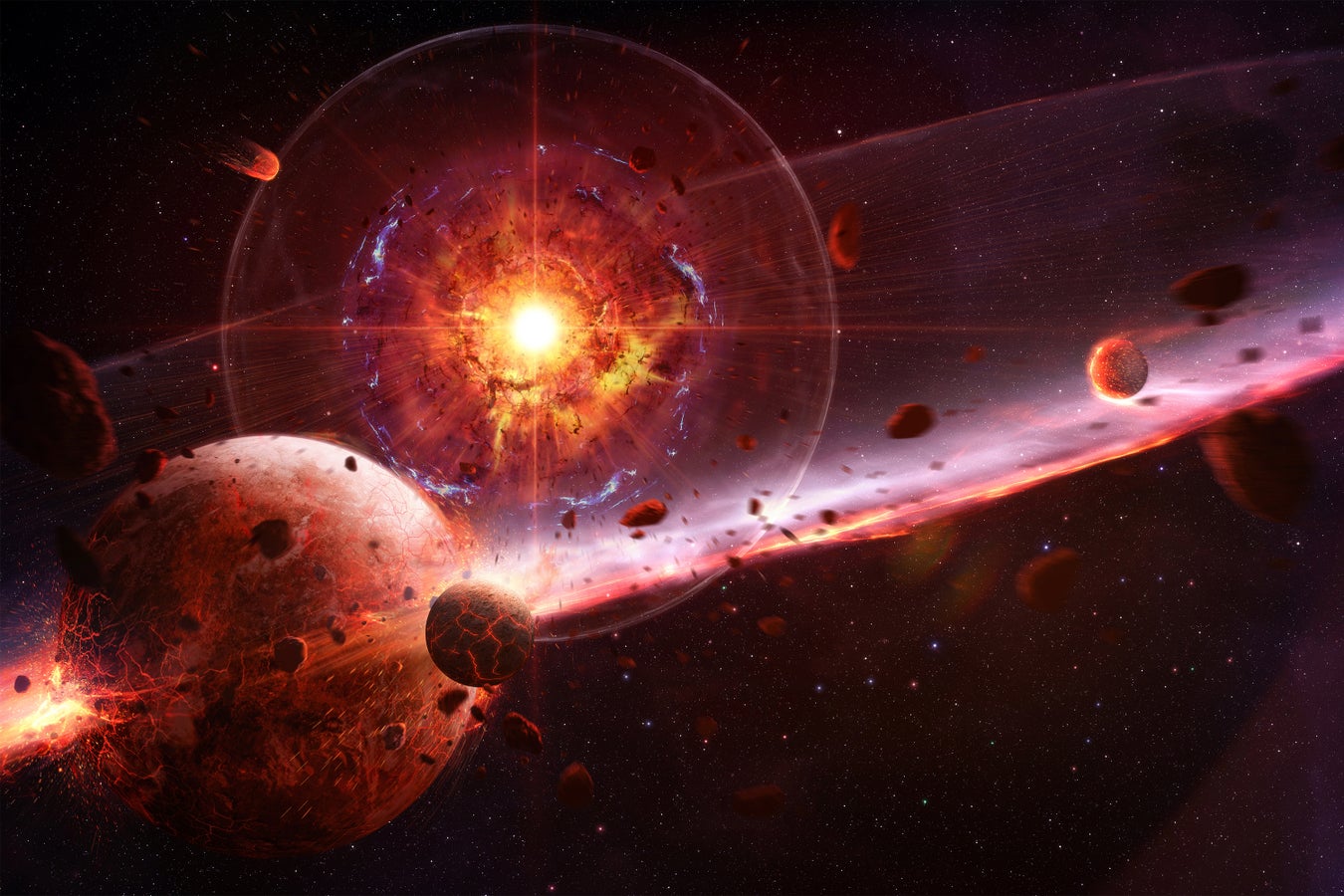
Colorful Supernova Explosion
Protoplanetary Disk
https://upload.wikimedia.org/wikipedia/commons/9/9d/HL_Tau_protoplanetary_disk.jpg

Waz Up
Space Exploration and Space History
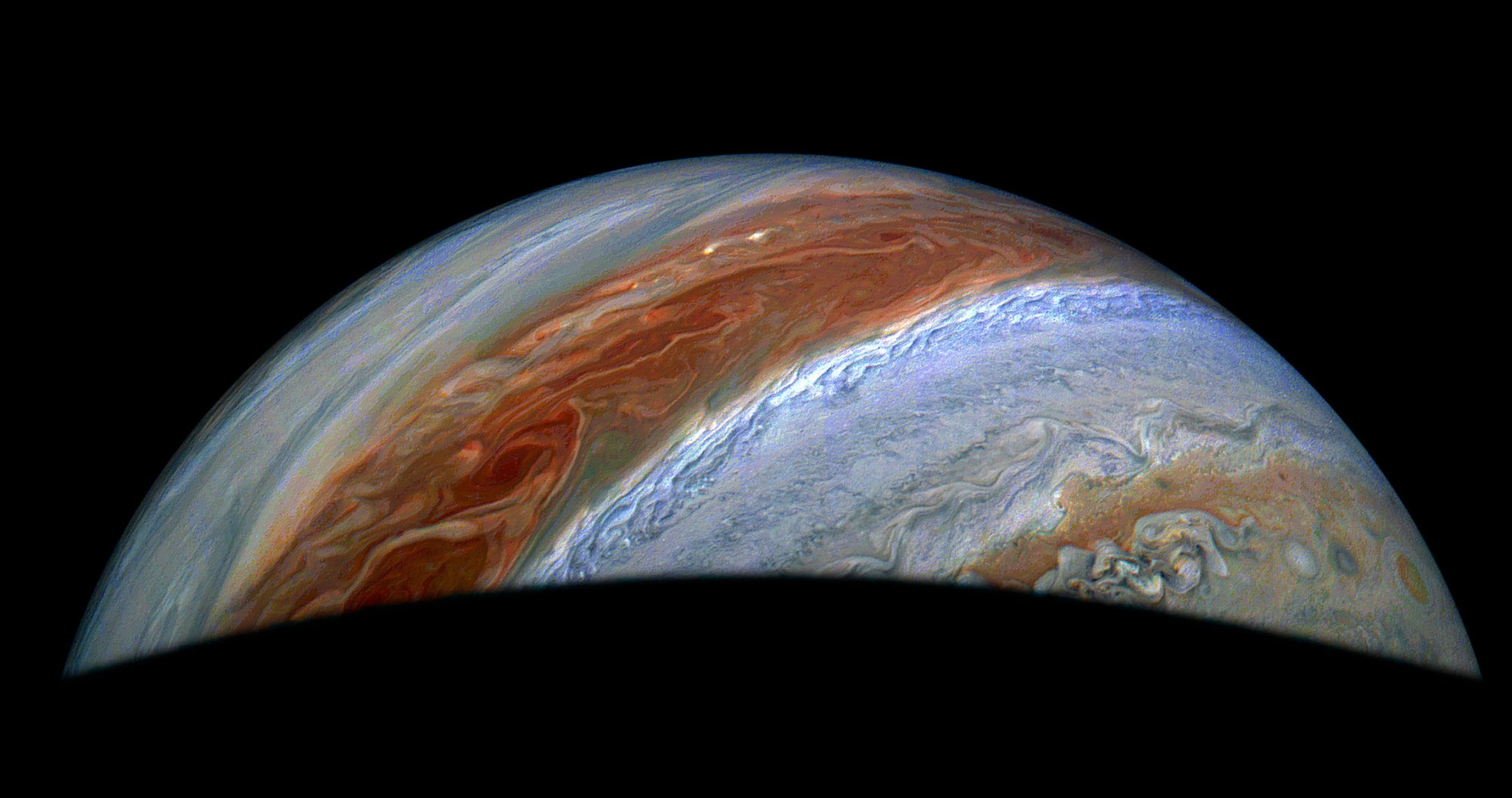
NASA’s Juno Mission Gets Under Jupiter’s and Io’s Surface
https://www.nasa.gov/wp-content/uploads/2025/04/1-pia26595-new-junocam-2500.jpg?resize=2000,1055
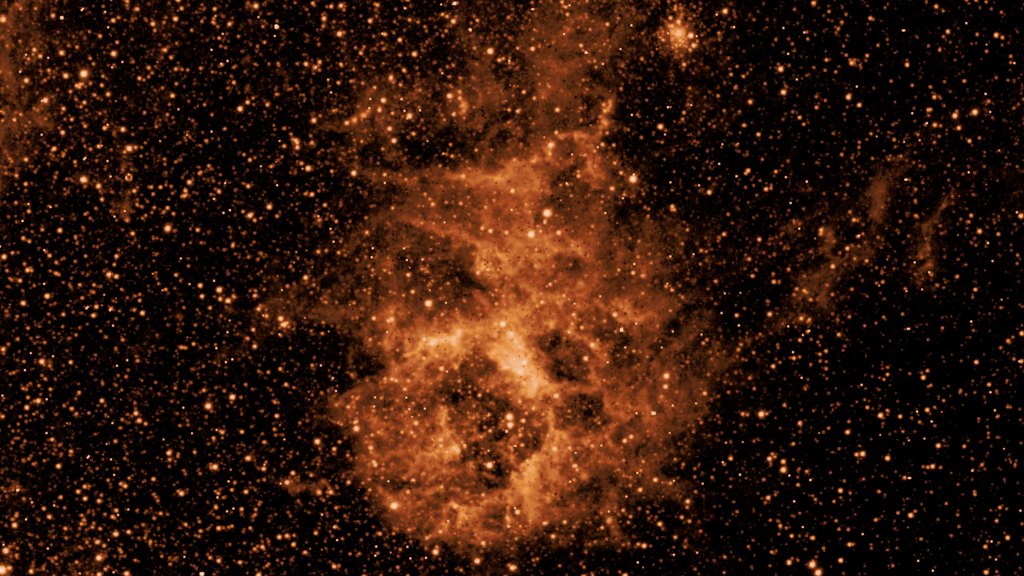
NASA’s SPHEREx Space Telescope Begins Capturing Entire Sky
Space-Related Birthdays
Apr 27 – May 3
April 27, 1953: Ellen Shulman Baker, KB5SIX (STS-34, STS-50, STS-71)
https://upload.wikimedia.org/wikipedia/commons/2/21/Ellen_Louise_Shulman_Baker.jpg

April 28, 1943: John Creighton (STS-51-G, STS-36, STS-48)
https://upload.wikimedia.org/wikipedia/commons/7/78/Creighton.jpg

April 28, 1949: Jerome Apt, N5QWL (STS-37, STS-47, STS-59, STS-79)
https://upload.wikimedia.org/wikipedia/commons/e/eb/Jerome_Apt.jpg
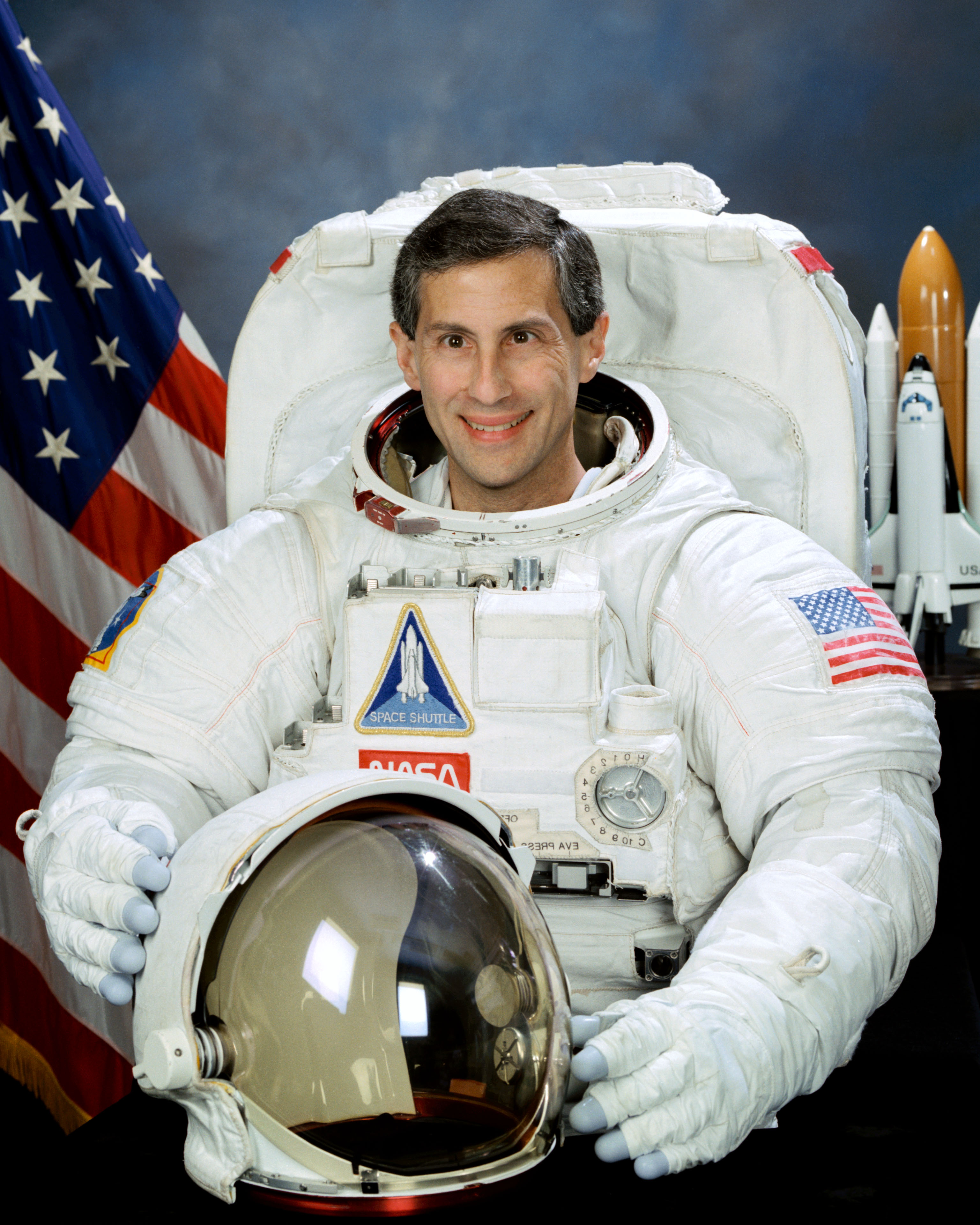
April 28, 1956: Paul Lockhart (STS-111, STS-113)
https://upload.wikimedia.org/wikipedia/commons/1/14/PaulLockhart.jpg
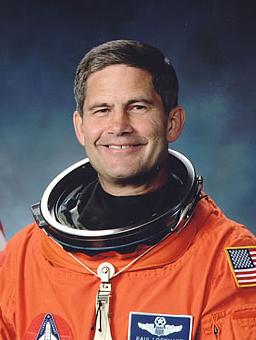
April 30, 1945: Michael Smith (STS-51-L Challenger)
https://upload.wikimedia.org/wikipedia/commons/a/a8/Michael_Smith_%28NASA%29.jpg

April 30, 1957: Duane Carey (STS-109)
https://upload.wikimedia.org/wikipedia/commons/e/e6/Duane_G._Carey_%2827990761026%29.jpg

April 30, 1976: Victor Glover, KI5BKC (SpaceX Crew-1 Exp 64/65; Artemis 2)
https://upload.wikimedia.org/wikipedia/commons/6/6f/Jsc2023e0016433_alt.jpg

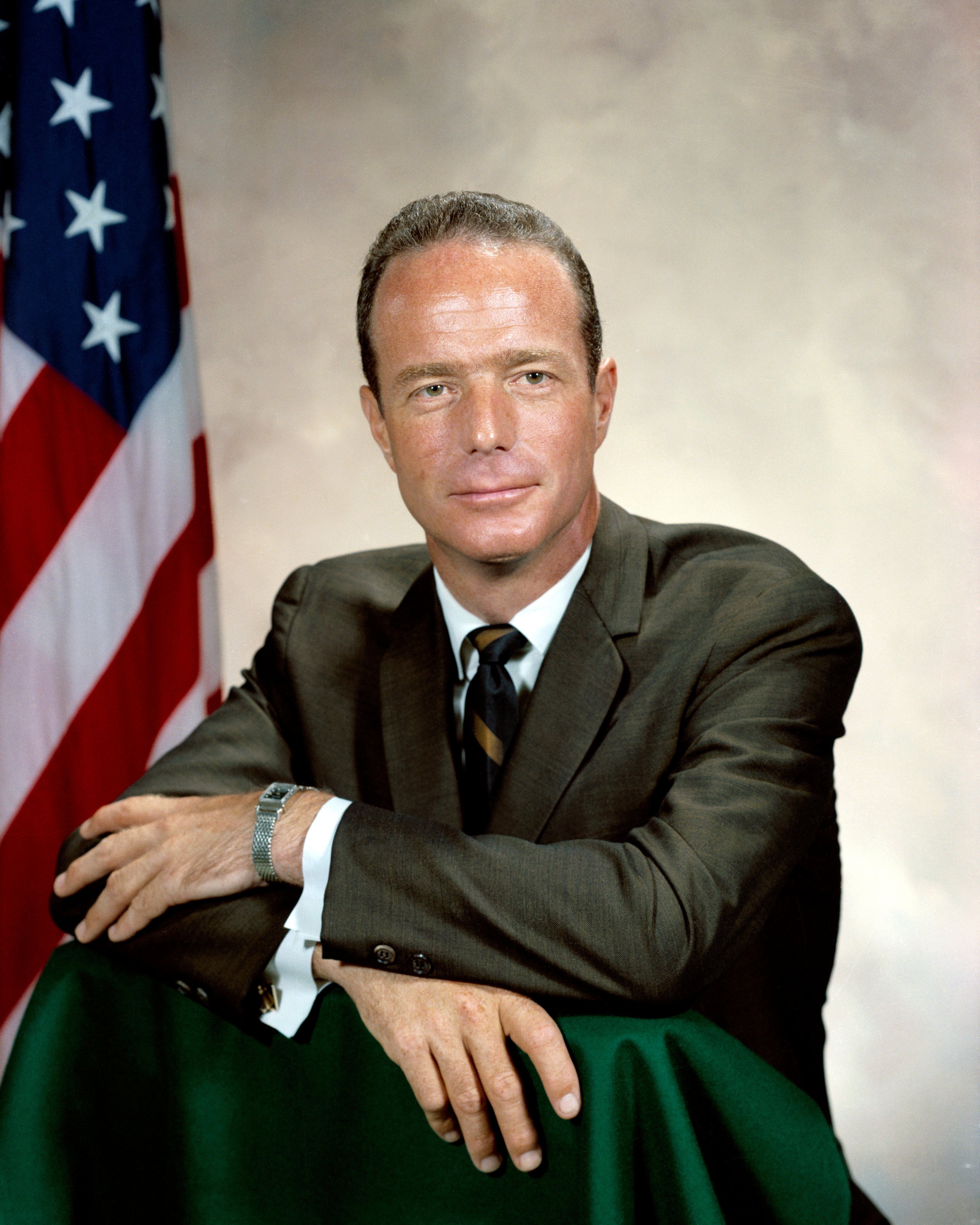
May 1, 1925: Scott Carpenter (Mercury-Atlas 7)
https://upload.wikimedia.org/wikipedia/commons/d/dc/MalcolmScottCarpenter.jpg
May 2, 1957: Dominic L. Pudwill Gorie (STS-91, STS-99, STS-108, STS-123)
https://upload.wikimedia.org/wikipedia/commons/8/87/Dom_gorie.jpg

May 2, 1975: Dorothy Metcalf-Lindenburger (STS-131)
https://upload.wikimedia.org/wikipedia/commons/6/6d/Dorothy_Metcalf-Lindenburger_JSC2004-E-40090.jpg

May 3, 1949: Albert Sacco (STS-73)
https://upload.wikimedia.org/wikipedia/commons/4/48/Albert_Sacco.jpg

This Week in Space History
Apr 27 – May 3
April 27:
1961:
Explorer 11 launched as the first gamma-ray detecting satellite.
https://upload.wikimedia.org/wikipedia/commons/7/72/Explorer_11_ground.gif

April 29:
1966:
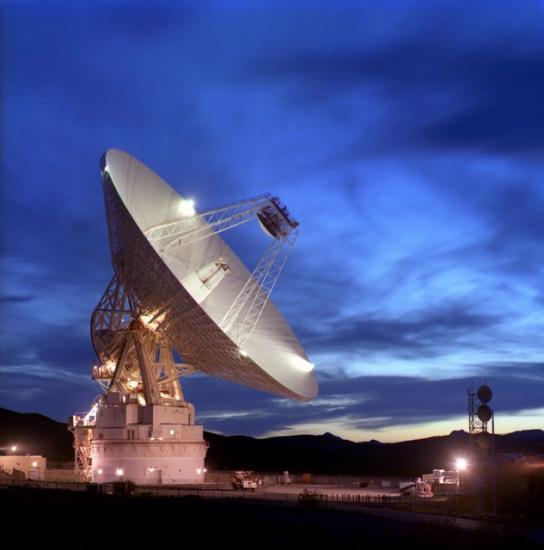
The 64m dish antenna dubbed “Mars Station” was dedicated at Goldstone, California, as part of the Deep Space Network (DSN).
April 30:
2015:
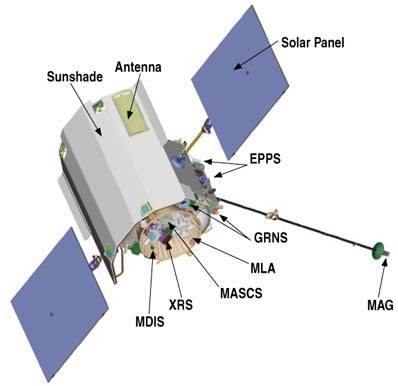
The MESSENGER (MErcury Surface, Space ENvironment, Geochemistry, and Ranging) mission came to an end, when the probe impacted the surface of Mercury in a planned collision.
https://www.nasa.gov/wp-content/uploads/2019/07/messenger_science_isntruments_jhu_apl.jpg
May 1:
1949:
Gerard Kuiper discovered Nereid (Neh-READ), one the largest and outermost of Neptune’s known moons.
https://alchetron.com/cdn/gerard-kuiper-88f944cf-8064-48cf-b508-715649f399c-resize-750.jpeg

Miss Carolyn’s Constellation of the Week
Constellations “Coma Berenices, Bernice’s Hair” and Canes Venatici the Hunting Dogs”
Space Launches For This Week
Space Flight Now Launch Schedule
May 4 Falcon 9 • Starlink 6-84
Launch time: Window opens at 4:48 a.m. EDT (0848 UTC)
Launch site: Launch Complex 39A, Kennedy Space Center, Florida
A SpaceX Falcon 9 rocket will launch another batch of Starlink V2 Mini satellites into low Earth orbit. A little more than eight minutes after liftoff, the first stage booster will target a landing on a droneship in the Atlantic Ocean, positioned to the east of The Bahamas.
Updated: April 29
NET May 29 Falcon 9 • Axiom Mission 4 (Ax-4)
Launch time: TBD
Launch site: Launch Complex 39A, Kennedy Space Center, Florida
A SpaceX Falcon 9 rocket will launch the fourth private astronaut mission to the International Space Station. Former NASA astronaut and Axiom Space’s Director of Human Spaceflight will serve as the commander of the mission. This will be her fifth trip to space and her second time commanding a private astronaut mission. Shubhanshu Shukla, an Indian Air Force (IAF) pilot and astronaut with the Indian Space Research Organisation (ISRO) will be the pilot onboard the SpaceX Crew Dragon. Sławosz Uznański-Wiśniewski, a Polish member of the European Space Agency’s (ESA) Astronaut Reserve Class of 2022, and Tibor Kapu, a Hungarian member of the Hungarian to Orbit (HUNOR) Astronaut Program, will serve as the Mission Specialists. These four astronauts will spend up to 14 days docked to the ISS after launching from NASA’s Kennedy Space Center on a Falcon 9 rocket. Following stage separation, the booster will target a touchdown at Landing Zone 1 (LZ-1) at Cape Canaveral Space Force Station.
Updated: April 26
NET Late May Falcon 9 • GPS 3 SV-08
Launch time: TBD
Launch site: SLC-40, Cape Canaveral Space Force Station, Florida
A SpaceX Falcon 9 rocket will launch the eighth Global Positioning System (GPS) 3 satellite, built by Lockheed Martin. The GPS 3 Space Vehicle 08 (SV-08) is named in honor of mathematician, Katherine Johnson, whose calculations contributed significantly to early human spaceflight. The Falcon 9 first stage booster will target a landing on a droneship positioned in the Atlantic Ocean.
Updated: April 11
NET June 23/24 H-2A • GOSAT-GW
Launch time: 1:33:03 a.m. JST on June 24 (12:33:03 p.m. EDT, 1633:03 UTC on June 23)
Launch site: Launch Pad 1, Tanegashima Space Center, Japan
A Mitsubishi Heavy Industries Co., Ltd. H-2A rocket will launch the Global Observing SATellite for Greenhouse gases and Water cycle (GOSAT-GW), a Japanese Earth-observing satellite. The roughly 2,900 kg (6,393 lbs) satellite will operate in a Sun-synchronous orbit at an altitude of 666 km (414 mi). This spacecraft comes from a partnership between the Japanese Ministry of Environment (MOE), National Institute for Environmental Studies (NIES) and the Japanese Aerospace Exploration Agency (JAXA). The two primary instruments are the Total Anthropogenic and Natural emissions mapping SpectrOmeter-3 (TANSO-3) and the Advanced Microwave Scanning Radiometer 3 (AMSR3). This will be the 50th and final launch of a H-2A rocket.
Updated: April 25
TBD 2025 Vulcan Centaur • Dream Chaser 1
Launch time: TBD
Launch site: SLC-41, Cape Canaveral Space Force Station, Florida
A United Launch Alliance Vulcan Centaur rocket will launch on its second demonstration flight with Sierra Space’s Dream Chaser cargo vehicle for the International Space Station. The Dream Chaser is a lifting body resupply spacecraft that will launch on top of a rocket and land on a runway. This will be the Dream Chaser’s first flight to space. The Vulcan Centaur rocket will fly in the VC4L configuration with four GEM-63XL solid rocket boosters, a long-length payload fairing, and two RL10 engines on the Centaur upper stage. Delayed from August 2022, December 2023, January 2024, April 2024 and September 2024.
Updated: October 17
NET June Falcon 9 • Transporter-14
Launch time: TBD
Launch site: SLC-4E, Vandenberg Space Force Base, California
A SpaceX Falcon 9 rocket will launch dozens of payloads on its latest Smallsat rideshare program, called Transporter. This mission, dubbed Transporter-14, will include a variety of customers, including the MayaSat-1 capsule from The Exploration Company and three Erminaz PocketQubes from AMSAT-DL. The Falcon 9 first stage booster will perform a return to landing site touchdown at Landing Zone 4 less than eight minutes after liftoff.
Updated: April 02
NET November 2025 Falcon 9 • Sentinel-6B
Launch time: TBD
Launch site: SLC-4E, Vandenberg Space Force Base, California
A SpaceX Falcon 9 rocket will launch the second of the two-satellite Sentinel-6 series. NASA awarded SpaceX a $94 million firm fixed price contract for the launch in 2022. The Sentinel-6B “will use a radar altimeter to bounce signals off the ocean surface and deliver continuity of ocean topography measurements,” according to NASA. The missions is designed through a partnership between NASA, the European Space Agency (ESA), and the European Organization for the Exploration of Meteorological Studies.
Updated: February 27
TBD New Glenn • EscaPADE
Launch time: TBD
Launch site: Launch Complex 36, Cape Canaveral Space Force Station
A Blue Origin New Glenn rocket will launch a pair of identical spacecraft on NASA’s Escape and Plasma Acceleration and Dynamics Explorers (EscaPADE) mission. The two satellites, named Blue and Gold, will make a roughly 11-month journey to Mars where they will then perform about an 11-month science mission while orbiting the Red Planet. Blue and Gold were manufactured by Rocket Lab over about 3.5 years and carry science experiments from the University of California, Berkeley. This launch of the New Glenn rocket will also feature a landing attempt on its landing barge in the Atlantic Ocean. Delayed from October 13.
Updated: April 26
NET July 5, 2028 Falcon Heavy • Dragonfly
Launch time: TBD
Launch site: Launch Complex 39A, Kennedy Space Center, Florida
A SpaceX Falcon Heavy rocket will launch NASA’s Dragonfly mission, which consists of a rotorcraft designed by the Johns Hopkins Applied Physics Laboratory (APL) that will explore Saturn’s icy moon, Titan. The mission was originally selected in 2019 and went through multiple plan iterations across fiscal years 2020 through 2022. It passed its Preliminary Design Review in March 2023 and then its Critical Design Review in April 2025. The mission has a total lifecycle cost of $3.35 billion, of which, $256.6 million was awarded to SpaceX to provide launch services and other mission related costs. The 20-day launch window opens on July 5, 2028.
Visible satellite passages over the next couple of days.
You can use the http://www.heavens-above.com website to find out what’s in orbit and
where to look during fly-overs
All times are “local” (Dallas) time.
ISS
May 7
May 8
May 8
May 9
May 10
May 11
Tiangong
May 10
May 11