
IO Group: https://groups.io/g/DARCskynet/topics
Facebook Group: http://www.facebook.com/groups/306498286059167/
Saturday’s DARC SkyNet is at 9PM CT.
Recent Astronomical Discoveries
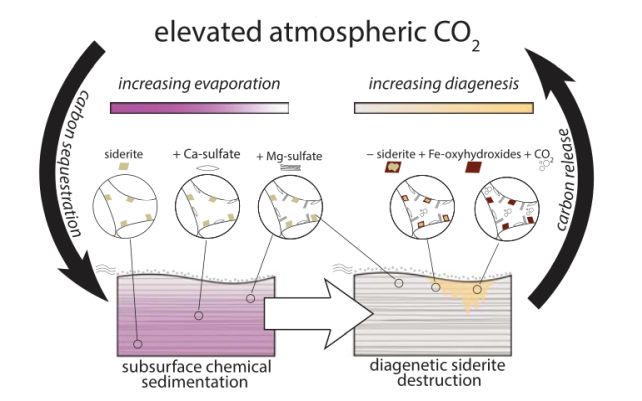
Curiosity Finds Evidence of Carbon Cycle on Mars
https://www.sciencedaily.com/releases/2025/04/250417144906.htm
Carbon Cycle Diagram
https://www.sciencealert.com/images/2025/04/carbon-cycle.jpg
Discussion Topic of the Evening.
New Form of Dark Matter Could Solve Decades-old Milky Way Mystery
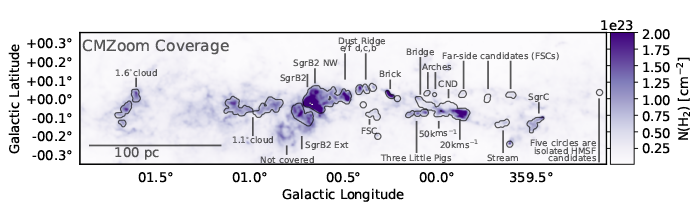
The Central Molecular Zone (CMZ)
https://nicokrieger.de/wp-content/uploads/2021/02/CMZ_map.jpg

Gamma-ray Glow (Fermi Gamma-ray Space Telescope)
https://nicokrieger.de/wp-content/uploads/2021/02/CMZ_map.jpg
CMZoon Coverage
https://lweb.cfa.harvard.edu/sma/LargeScale/CMZ/images/CMZoom_coverageS.png
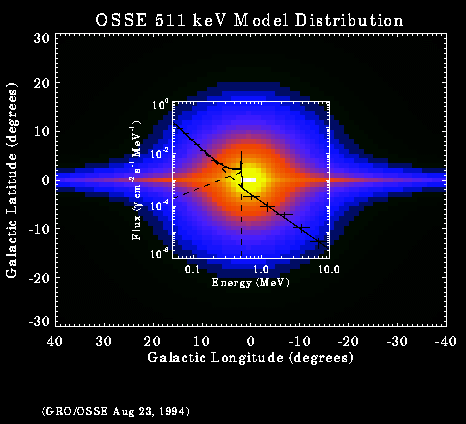
OSSE 511keV Model Distribution
https://heasarc.gsfc.nasa.gov/docs/cgro/images/cgro/osse_511map.gif
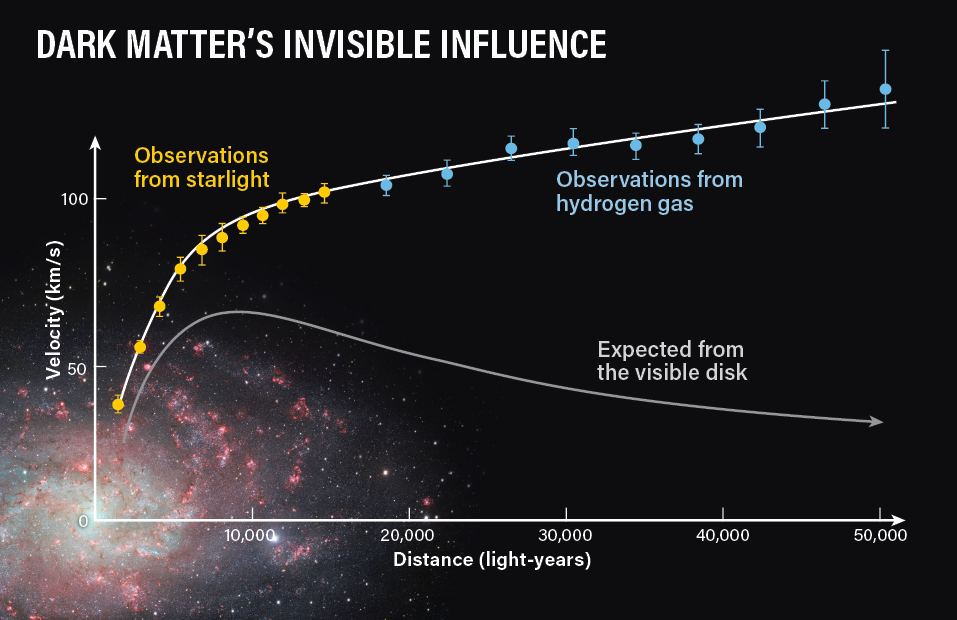
Dark Matter Influence
https://www.astronomy.com/uploads/2024/11/dark-matter-graph.png
Hydrogen/positronium
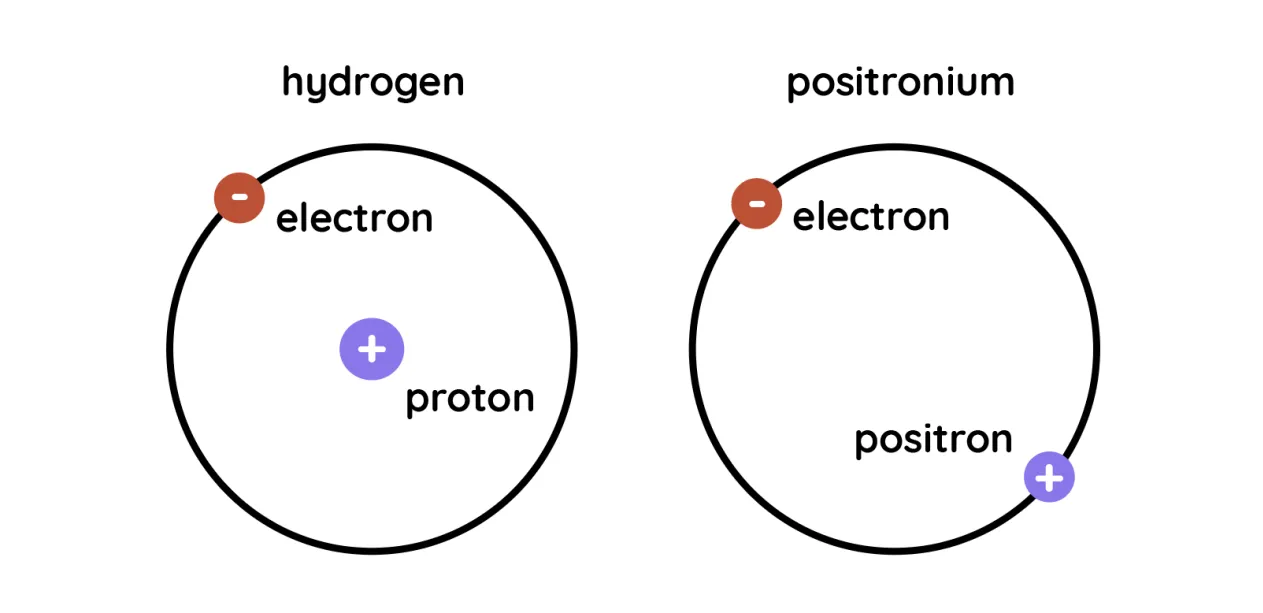
CMZ Ionization “Tested”

Waz Up
Space Exploration and Space History
Space Exploration News
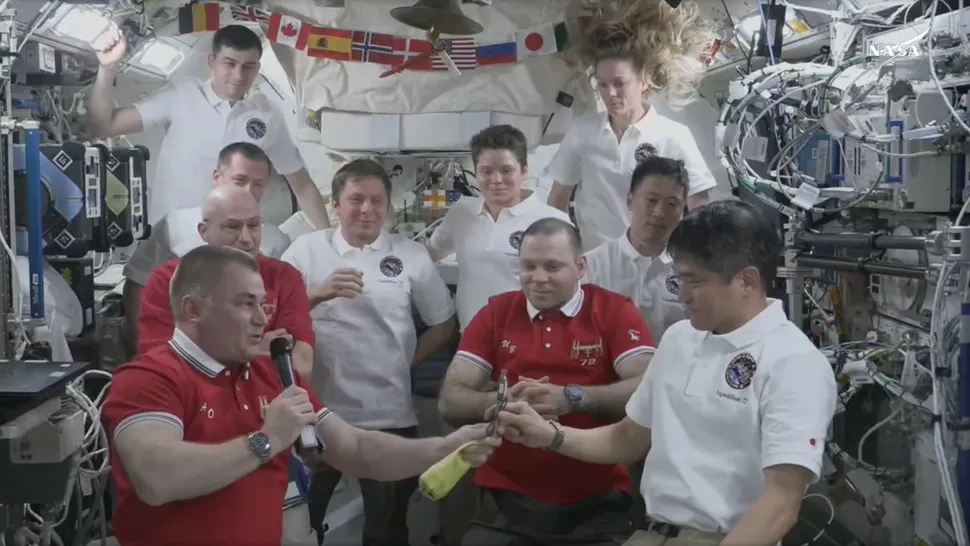
The keys to the International Space Station just changed hands.
https://cdn.mos.cms.futurecdn.net/R84XN9bUK3reGikjzsLhyG-970-80.jpg.webp
Comet Swan
Newly-discovered Comet SWAN (C/2025 F2) may be disintegrating as it approaches the sun.
https://www.bing.com/th/id/OIF.ebpisQ9Y0MaIntwIOMWo2A?w=173&h=185&c=8&rs=1&qlt=90&o=6&pid=3.1&rm=2
Space-Related Birthdays
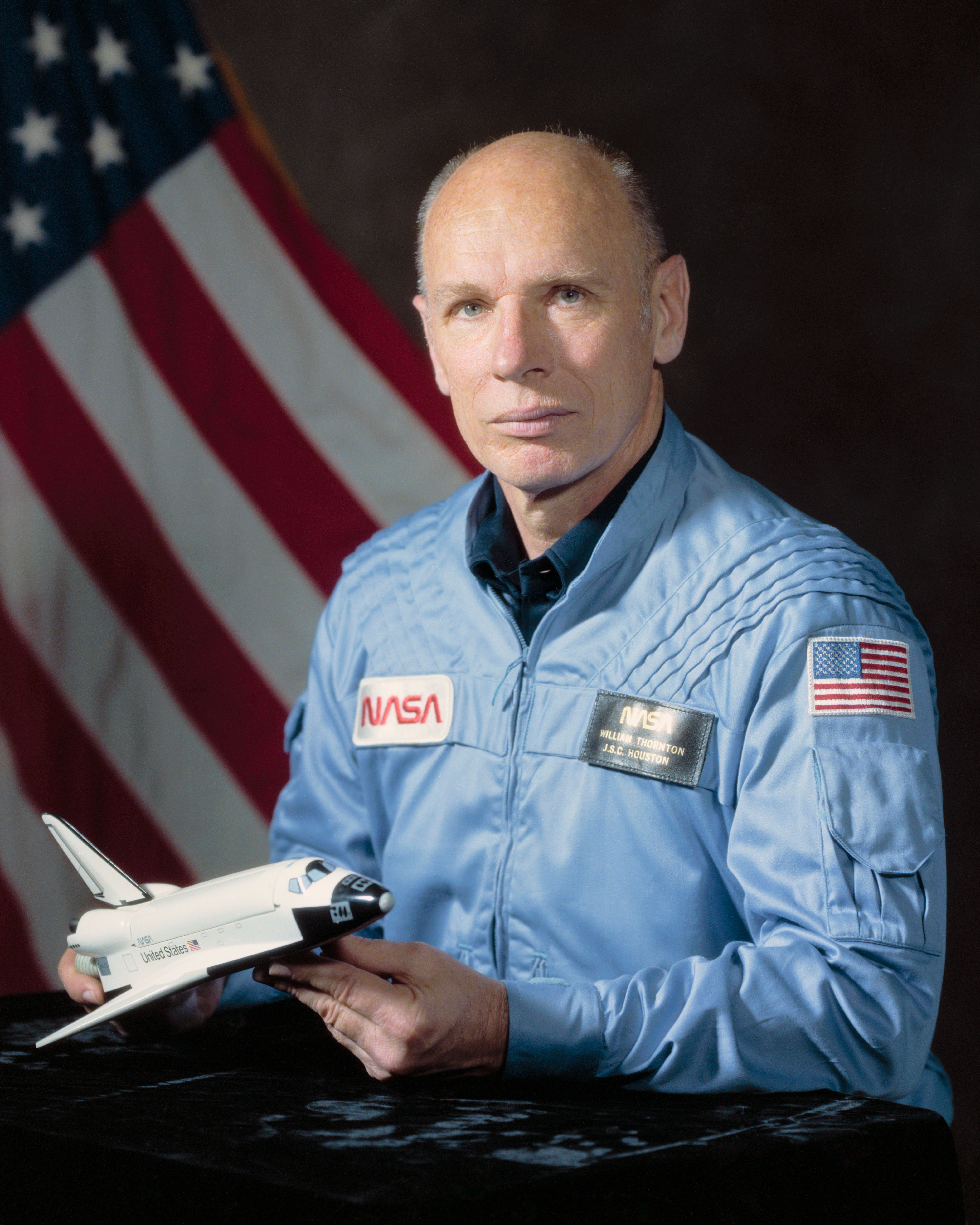
April 14, 1929: William Thornton (STS-8, STS-51-B)
https://upload.wikimedia.org/wikipedia/commons/6/6b/WilliamThornton.jpg
April 15, 1951: Marsha Ivins (STS-32, STS-46, STS-62, STS-81, STS-98); was KC5WKF
https://upload.wikimedia.org/wikipedia/commons/a/a4/Marsha_Ivins.jpg

April 15, 1951: John Phillips (STS-100, Soyuz TMA-6/Exp. 11, STS-119); was KE5DRY
https://upload.wikimedia.org/wikipedia/commons/0/02/Johnphillips_v2_%28cropped%29.jpg

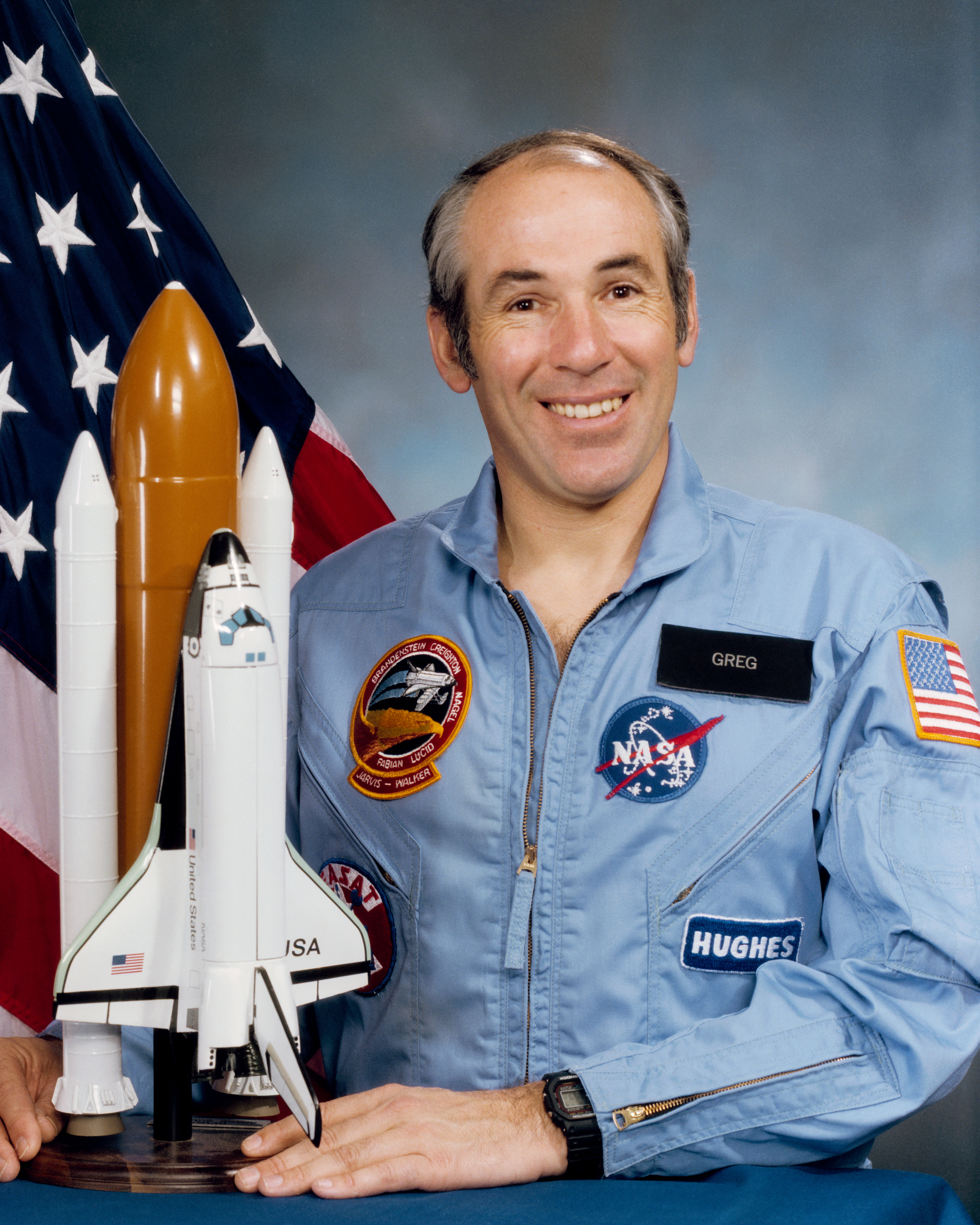
April 15, 1951: Gregory Harbaugh (STS-39, STS-54, STS-71, STS-82)
https://upload.wikimedia.org/wikipedia/commons/1/13/Gregory_Jarvis_%28NASA%29_cropped.jpg
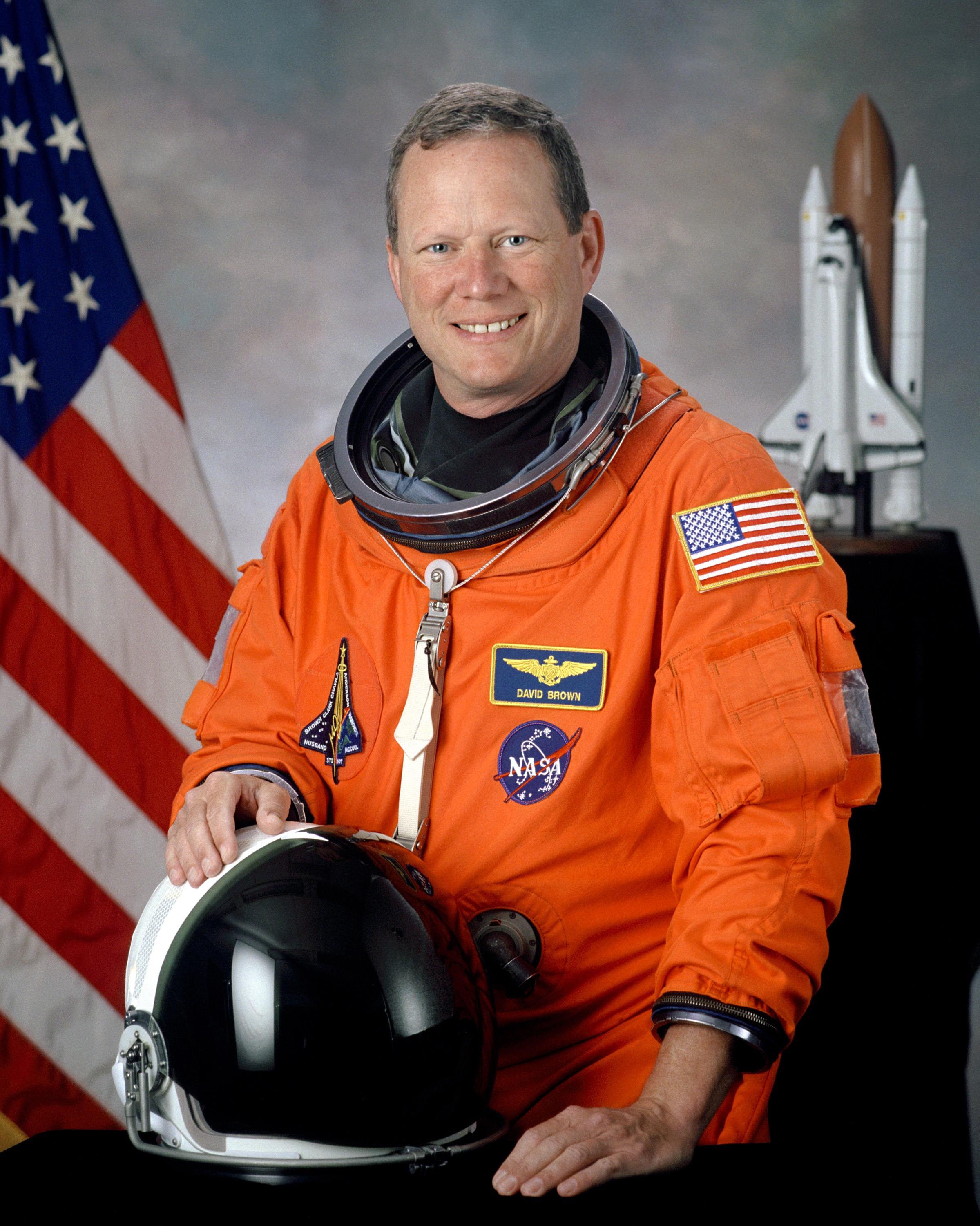
April 16, 1956: David Brown (STS-107); KC5ZTC SK
April 16, 1959: Michael Barratt (Soyuz TMA-14/Exp 19/20; STS-133; SpaceX Crew 8 launched 3/4/2024); KD5MIJ
https://upload.wikimedia.org/wikipedia/commons/1/1d/Mike_Barratt_2023_%28portrait_crop%29.jpg

April 20, 1955: Don Pettit (Expedition 6, STS-126, Expedition 30/31); KD5MDT
https://upload.wikimedia.org/wikipedia/commons/1/10/Don_Pettit_2024_%28portrait_crop%29.jpg

This Week in Space History
April 14:
1629:
Christiaan Huygens was born in the Netherlands to a wealthy Dutch family.

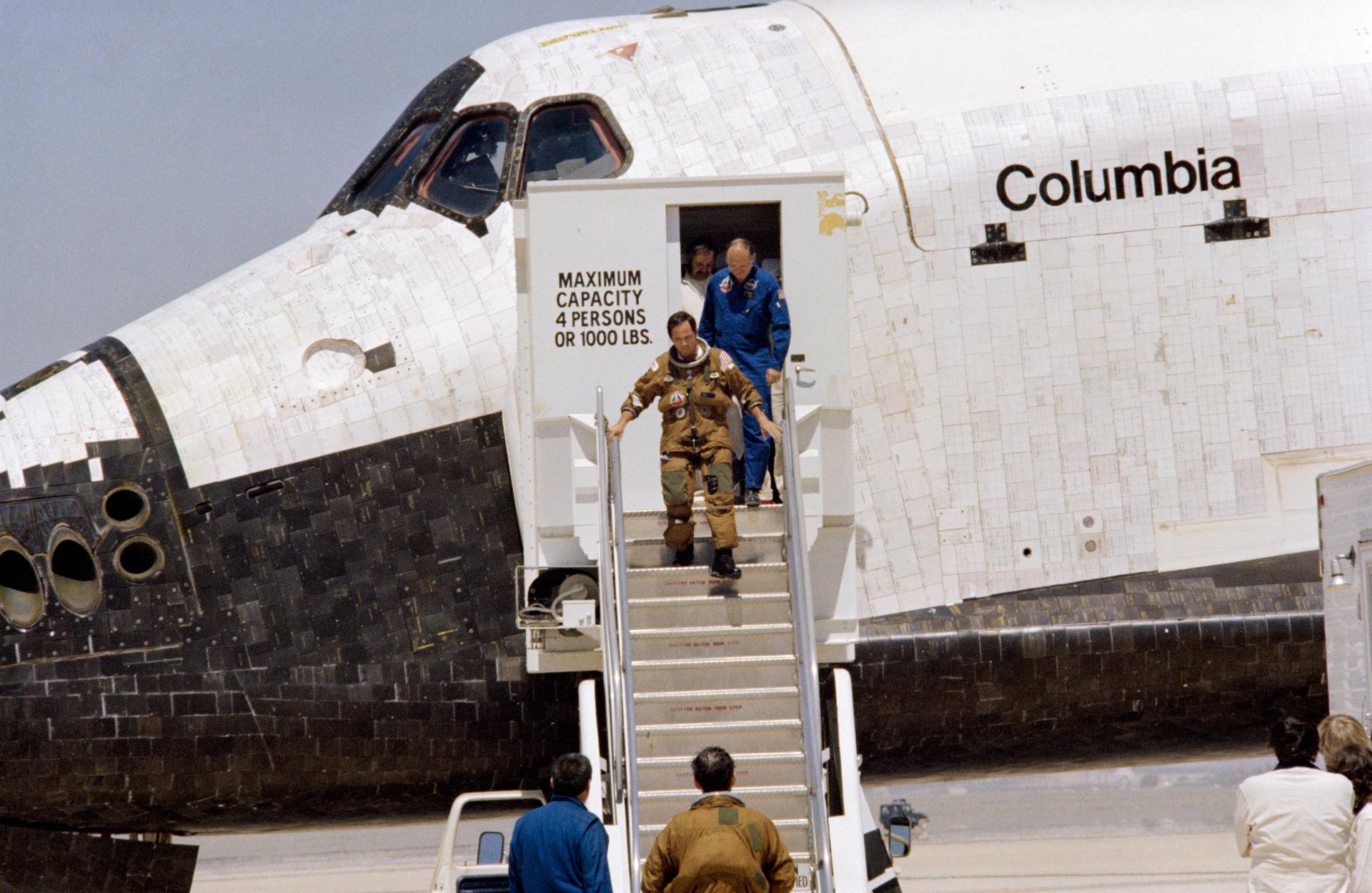
1981:
The first space shuttle mission, STS-1 landed at Edwards Air Force Base, California. e.
https://www.nasa.gov/wp-content/uploads/2021/04/sts-1_landing.jpg
April 16:
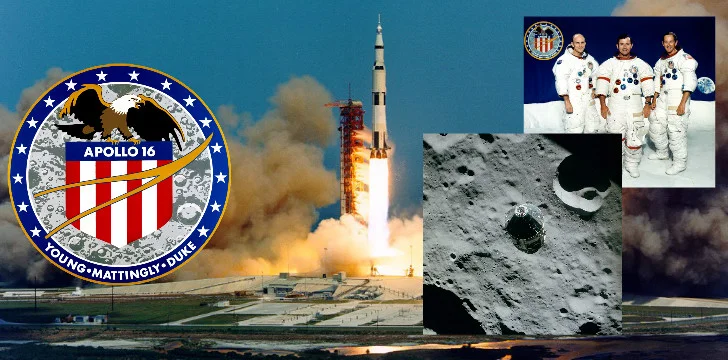
1972: Apollo 16 launched from Kennedy Space Center with John Young, Charlie Duke, and Ken Mattingly as the crew. https://images.squarespace-cdn.com/content/v1/52fad97fe4b0b9862063abfb/1434741214403-O70SSE74YCPW2YH51ZFG/image-asset.jpeg?format=2500w
April 17:
1970:
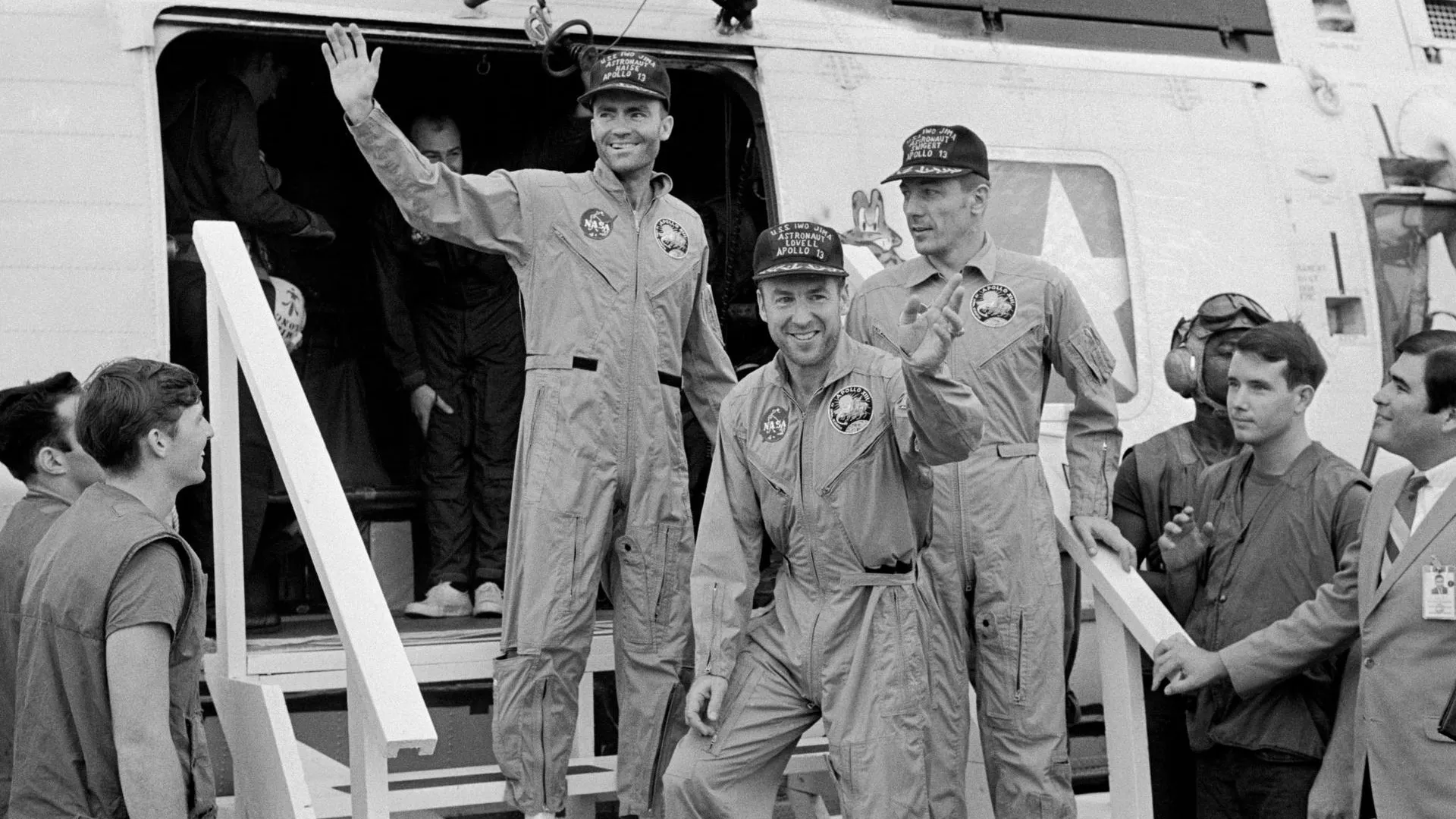
Apollo 13 returned to Earth after narrowly avoiding a deadly disaster in space. https://cdn.mos.cms.futurecdn.net/kAgHP3pX3vmf4ZHFZNL4ai-1920-80.jpg.webp
April 18:
2014:
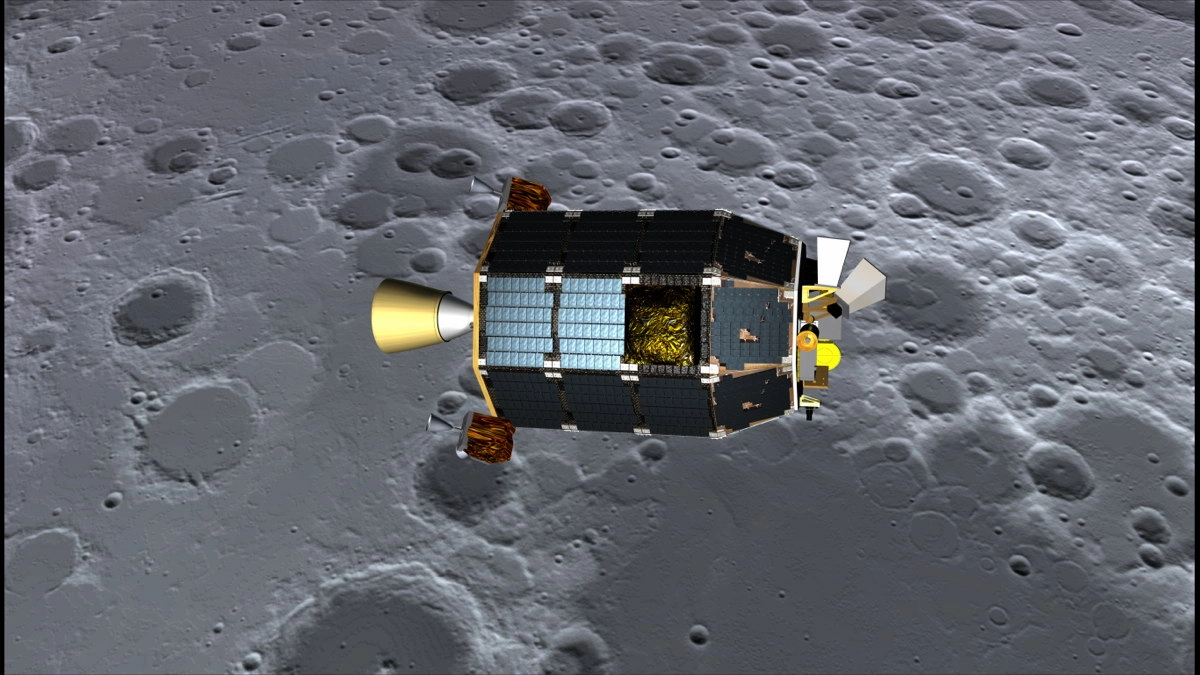
NASA’s Lunar Atmosphere and Dust Environment Explorer, also known as LADEE, ended its mission by crashing into the moon.
https://cdn.mos.cms.futurecdn.net/gTpnCa6RyR8dRXRXhcmwBh.jpg.webp
April 19:
1971:
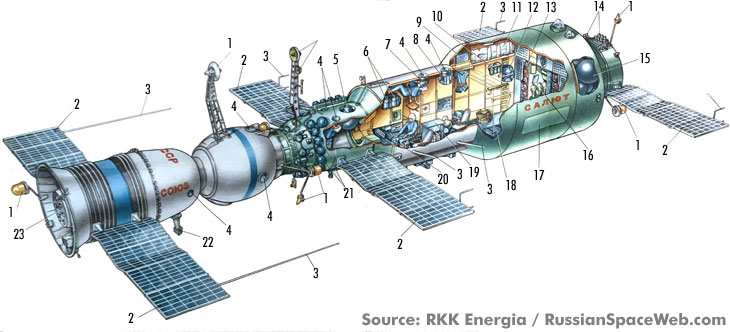
The Soviet Union launched the world’s first space station, Salyut 1. https://www.russianspaceweb.com/images/spacecraft/manned/space_stations/salyut/salyut1_IMG_4577_1.jpg
Miss Carolyn’s Constellation of the Week
Constellations “Crater the Cup and Corvus the Crow”
Space Launches For This Week
Space Flight Now Launch Schedule
NET April 19 Falcon 9 • NROL-145
Launch time: TBD
Launch site: SLC-4E, Vandenberg Space Force Base, California
A SpaceX Falcon 9 rocket will launch another batch of satellites supporting the National Reconnaissance Office’s (NRO) proliferated architecture constellation. The agency has the stated goal to “build and fortify the largest government constellation in history, with proliferated launches continuing through 2029.” This will be the fourth launch for this constellation this year and the tenth overall. A little more than eight minutes after liftoff, the first stage booster will target a landing on the droneship, ‘Of Course I Still Love You.’
Updated: April 11
April 21 Falcon 9 • CRS-32
Launch time: 4:15 a.m. EDT (1015 UTC)
Launch site: Launch Complex 39A, Kennedy Space Center, Florida
A SpaceX Falcon 9 rocket will launch the company’s 32nd Commercial Resupply Services (CRS-32) mission to the International Space Station. The flight will carry thousands of pounds of science investigations, technology demonstration and other consumables to the orbiting outpost to support the crew onboard. The Cargo Dragon spacecraft will remain docked to the ISS for about a month before undocking and returning to Earth for a splashdown off the coast of California. The Falcon 9 first stage booster used to launch this mission will target a landing back at Landing Zone 1 or 2 at Cape Canaveral Space Force Station.
Updated: April 15
NET April 21/22 Falcon 9 • Bandwagon-3
Launch time: 8:48 p.m. EDT (0048 UTC)
Launch site: SLC-40, Cape Canaveral Space Force Station, Florida
The third of SpaceX’s Bandwagon ride-share missions, targeting a mid-inclination low Earth orbit. The first stage booster will return for a touchdown at Landing Zone 1 or 2 at Cape Canaveral Space Force Station.
Updated: April 17
NET April 27 Alpha • ‘Message in a Booster’
Launch time: TBD
Launch site: SLC-2, Vandenberg Space Force Base, California
A Firefly Aerospace Alpha rocket will launch Lockheed Martin’s LM 400 satellite bus to low Earth orbit. The sixth launch of an Alpha rocket, designated FLTA006, marks the second flight within a multi-launch agreement between Firefly Aerospace and Lockheed Martin, which may include up to 25 missions within a five-year timeframe. Delayed from March 15/16 due to range availability. Delayed from NET March.
Updated: April 17
TBD Atlas 5 • Kuiper 1
Launch time: TBD
Launch site: SLC-41, Cape Canaveral Space Force Station, Florida
A United Launch Alliance (ULA) Atlas 5 rocket will launch a batch of 27 of Amazon’s Project Kuiper internet satellites. These are the first production satellites that will make up Amazon’s satellite internet megaconstellation, which will include 3,236 satellites. ULA is flying its Atlas 5 in the 551 configuration, which features five solid rocket boosters and a medium-length payload fairing. Scrubbed April 9 due to poor weather.
Updated: April 13
NET April 29 Vega-C • Biomass
Launch time: 6:15 a.m. GFT (5:15 a.m. EDT, 0915 UTC)
Launch site: Europe’s Spaceport, Kourou, French Guiana
An Arianespace Vega-C rocket will launch the European Space Agency’s (ESA) Earth Explorer Biomass satellite into a Sun-synchronous orbit at an altitude of about 666 km (413.8 mi). Biomass features a P-band synthetic aperture radar (SAR) and is designed “to collect information on the height and structure of different forest types and measure the amount of carbon stored in the world’s forests and how it changes over time. In addition, the Biomass mission will map subsurface geology in deserts, the ice structure of ice sheets and the topography of forest floors.” This mission, also referred to as VV26, will be the fourth launch of a Vega-C rocket.
Updated: March 25
NET Spring 2025 New Glenn • EscaPADE
Launch time: TBD
Launch site: Launch Complex 36, Cape Canaveral Space Force Station
A Blue Origin New Glenn rocket will launch a pair of identical spacecraft on NASA’s Escape and Plasma Acceleration and Dynamics Explorers (EscaPADE) mission. The two satellites, named Blue and Gold, will make a roughly 11-month journey to Mars where they will then perform about an 11-month science mission while orbiting the Red Planet. Blue and Gold were manufactured by Rocket Lab over about 3.5 years and carry science experiments from the University of California, Berkeley. This launch of the New Glenn rocket will also feature a landing attempt on its landing barge in the Atlantic Ocean. Delayed from October 13.
Updated: March 08
NET May Falcon 9 • Axiom Mission 4 (Ax-4)
Launch time: TBD
Launch site: Launch Complex 39A, Kennedy Space Center, Florida
A SpaceX Falcon 9 rocket will launch the fourth private astronaut mission to the International Space Station. Former NASA astronaut and Axiom Space’s Director of Human Spaceflight will serve as the commander of the mission. This will be her fifth trip to space and her second time commanding a private astronaut mission. Shubhanshu Shukla, an Indian Air Force (IAF) pilot and astronaut with the Indian Space Research Organisation (ISRO) will be the pilot onboard the SpaceX Crew Dragon. Sławosz Uznański-Wiśniewski, a Polish member of the European Space Agency’s (ESA) Astronaut Reserve Class of 2022, and Tibor Kapu, a Hungarian member of the Hungarian to Orbit (HUNOR) Astronaut Program, will serve as the Mission Specialists. These four astronauts will spend up to 14 days docked to the ISS after launching from NASA’s Kennedy Space Center on a Falcon 9 rocket. Following stage separation, the booster will target a touchdown at Landing Zone 1 (LZ-1) at Cape Canaveral Space Force Station.
Updated: April 02
NET Late May Falcon 9 • GPS 3 SV-08
Launch time: TBD
Launch site: SLC-40, Cape Canaveral Space Force Station, Florida
A SpaceX Falcon 9 rocket will launch the eighth Global Positioning System (GPS) 3 satellite, built by Lockheed Martin. The GPS 3 Space Vehicle 08 (SV-08) is named in honor of mathematician, Katherine Johnson, whose calculations contributed significantly to early human spaceflight. The Falcon 9 first stage booster will target a landing on a droneship positioned in the Atlantic Ocean.
Visible satellite passages over the next couple of days.
You can use the http://www.heavens-above.com website to find out what’s in orbit and
where to look during fly-overs
All times are “local” (Dallas) time.
ISS
Apr 20
Apr 22
Apr 24
Tiangong
Apr 19
Apr 20