
IO Group: https://groups.io/g/DARCskynet/topics
Facebook Group: http://www.facebook.com/groups/306498286059167/
Saturday’s DARC SkyNet is at 9PM CT.
Discussion Topic of the Evening.
Enter Topic Here
Enter NCS Name and Call Here
Recent Astronomical Discoveries
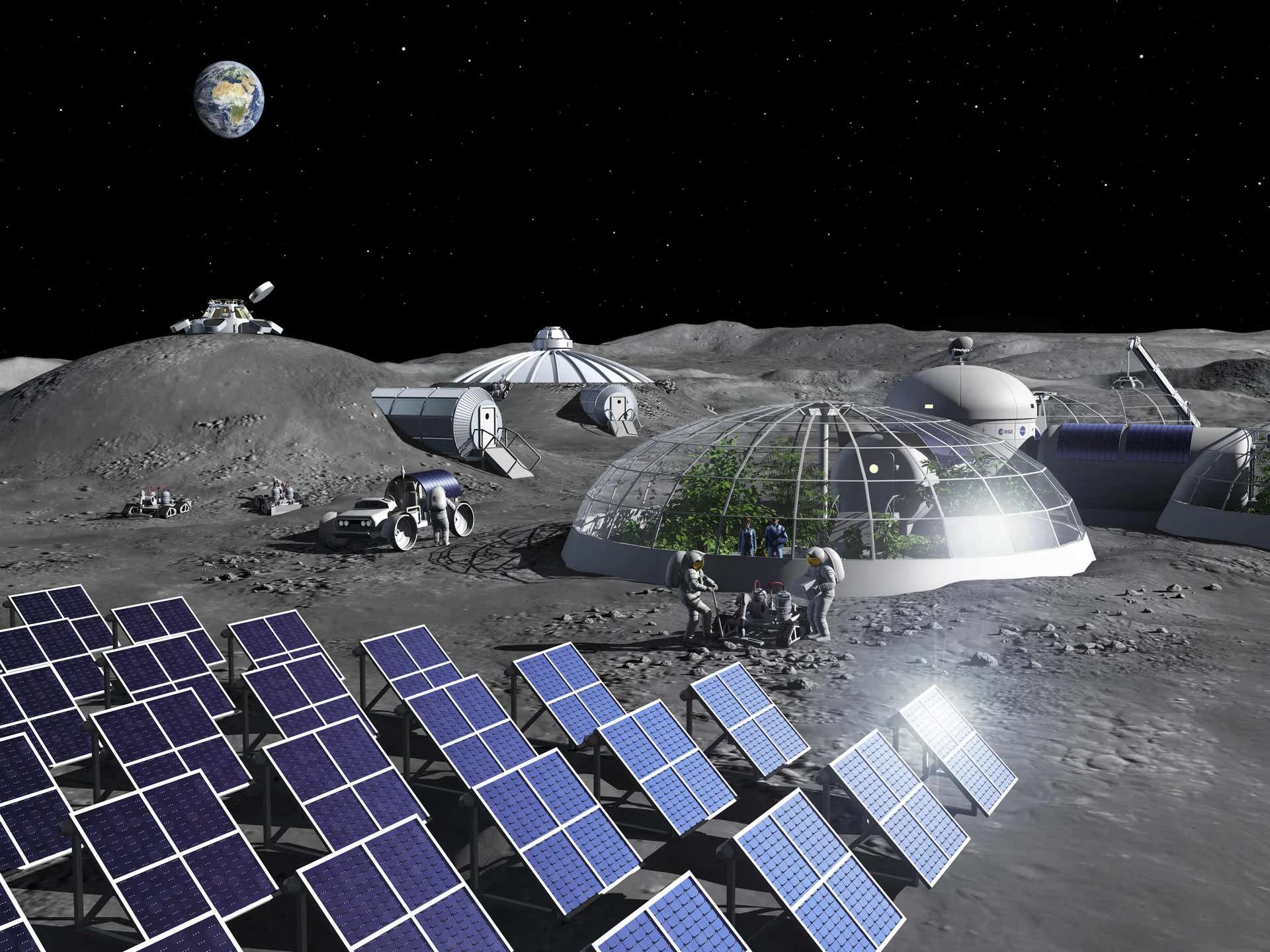
Solar cells made of moon dust could power future space exploration
https://www.sciencedaily.com/releases/2025/04/250403122628.htm
Solar Cells on the Moon
Discussion Topic of the Evening.
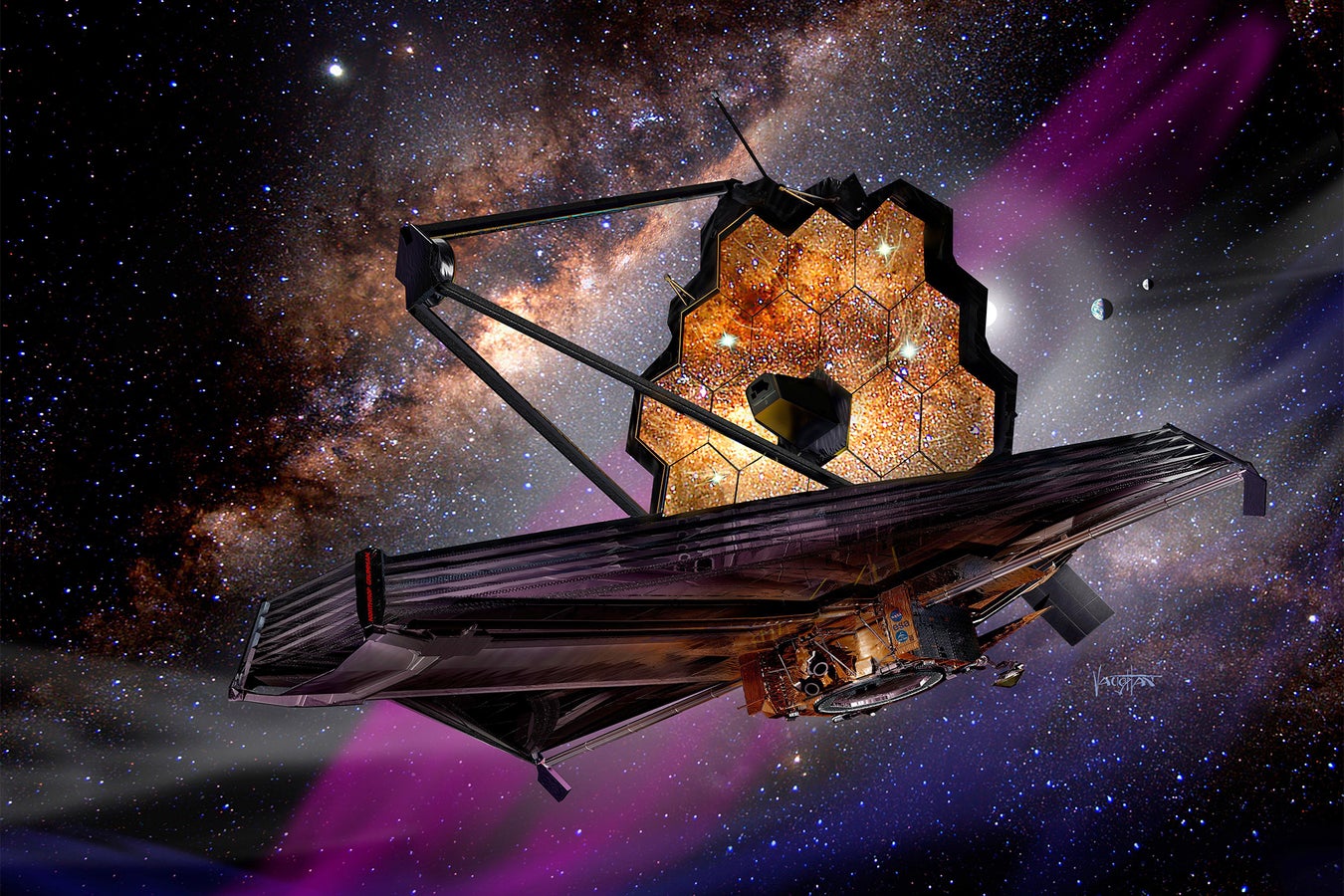
“JWST’s Next Year of Amazing Science Revealed—As Funding Worries Loom Large”
JWST Artist’s Concept
STScI
https://stsci-opo.org/STScI-01EVTAJ05EX4DGZT8406VZAXH2.jpg

Cycle 3 Hours

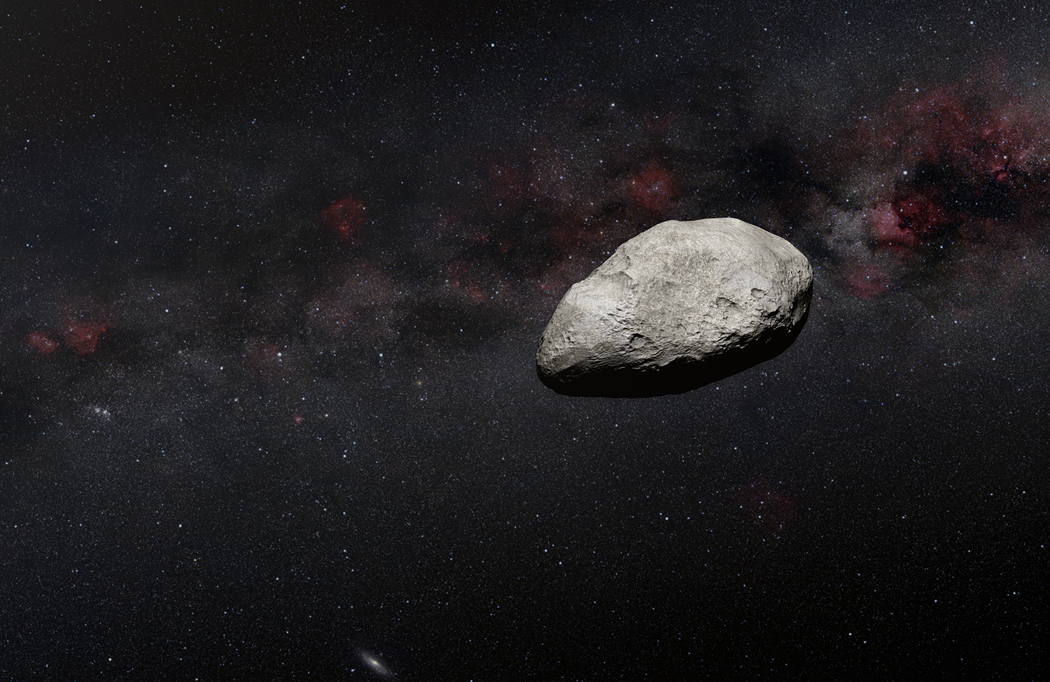
“Small Objects”
https://www.nasa.gov/wp-content/uploads/2023/02/stsci-01gqqpmmf1zczptf7n1t7nqe92-lowres.png
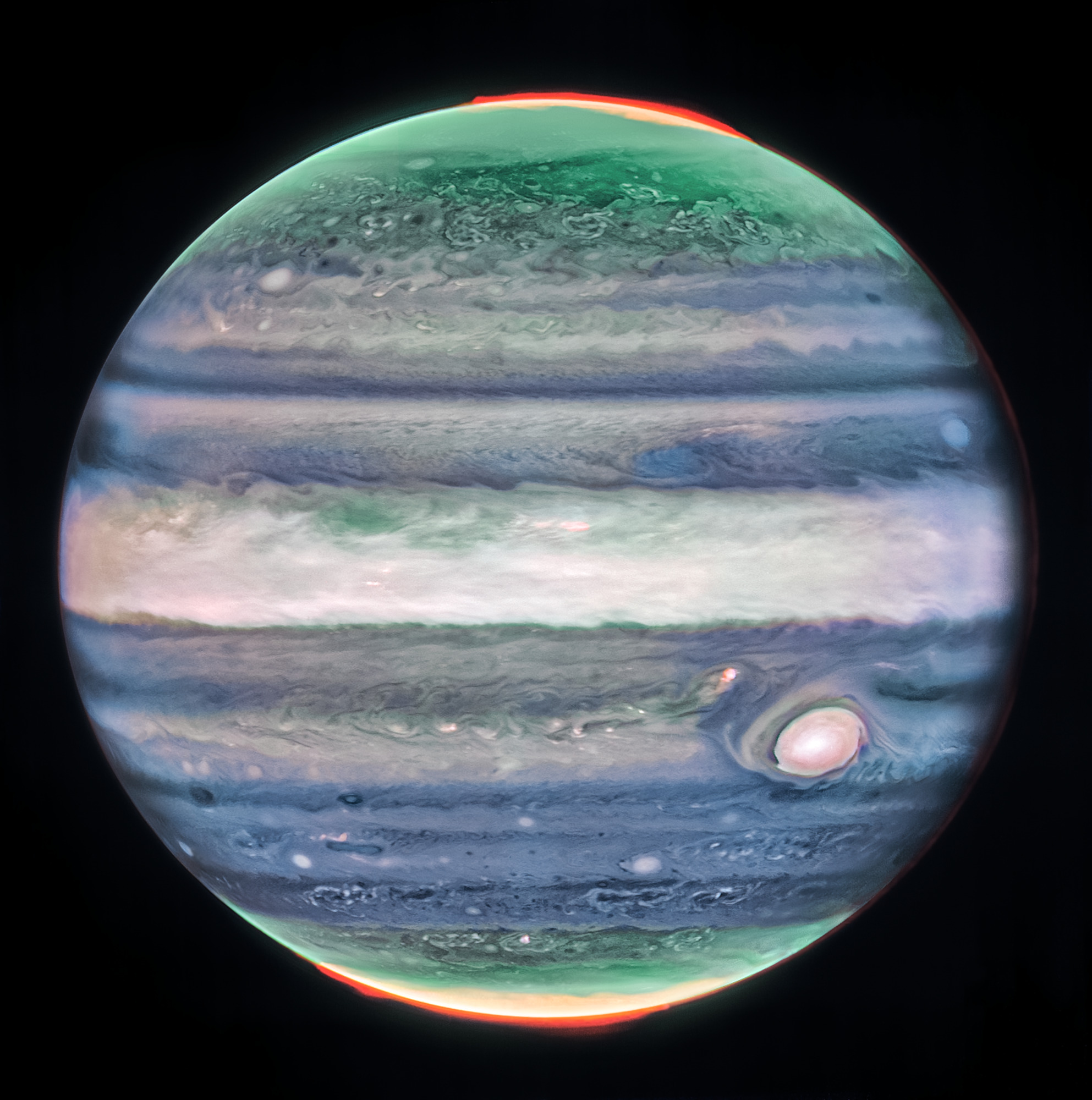
JWST Infrared Imaging
https://www.nasa.gov/wp-content/uploads/2023/10/webb-stsci-01hcx1bznyyekx2wf7kagqvmg2.jpg
Side-by-side Comparison – Southern Ring Nebula
https://spaceflightnow.com/wp-content/uploads/2022/07/20220712southernring.jpg

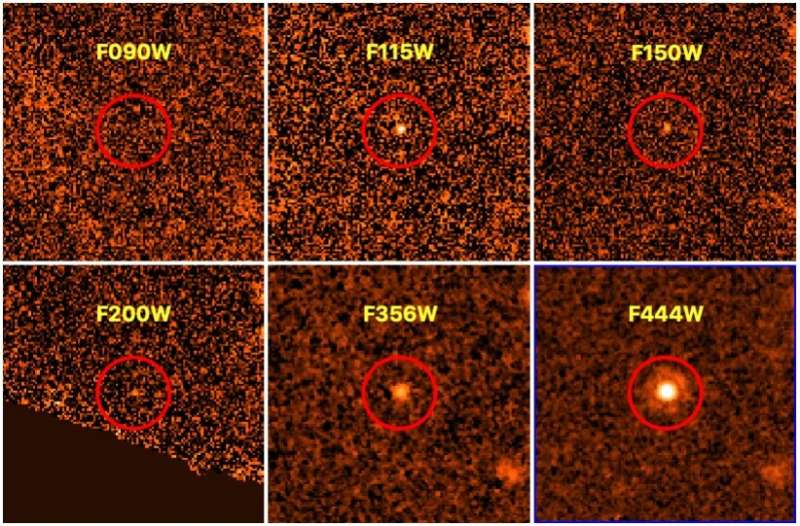
Little Red Dots (LRDs)
https://bigthink.com/wp-content/uploads/2025/01/LRDs.png?lb=1024,576

Cold Brown Dwarf Stars
https://scx1.b-cdn.net/csz/news/800a/2022/new-faint-distant-and.jpg
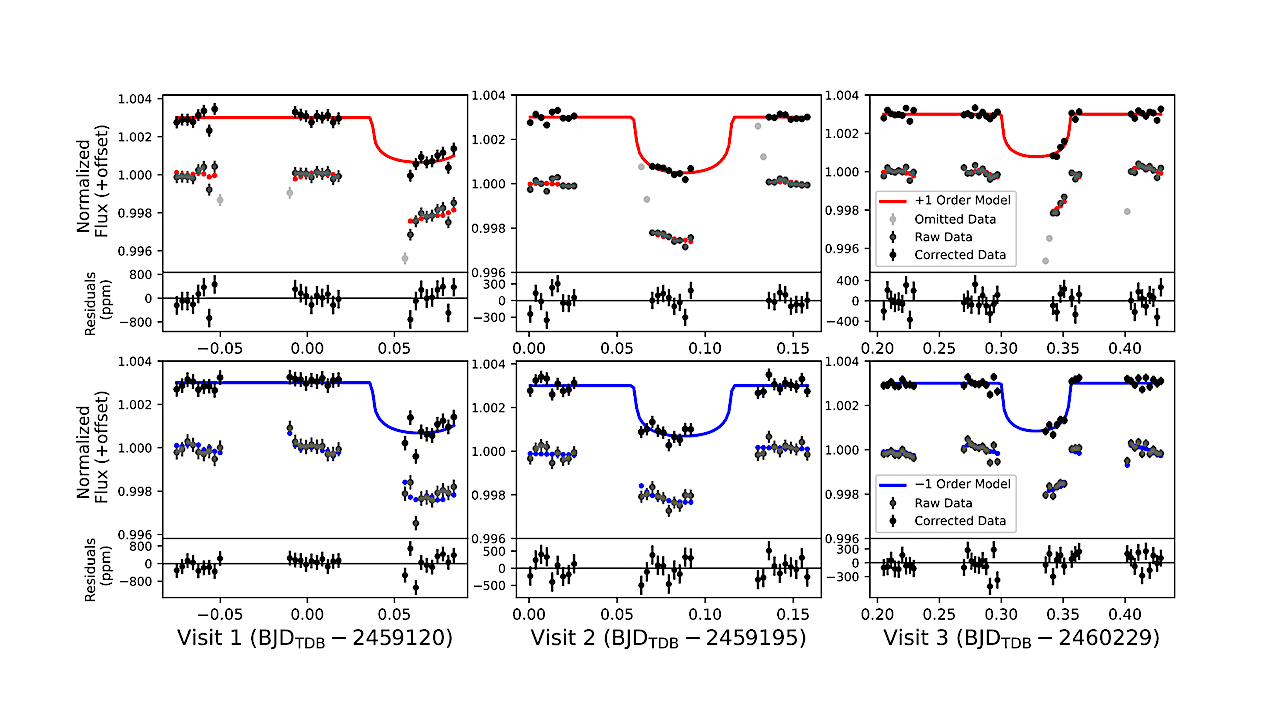
LTT 1445Ab – Planet Transit Chart
https://astrobiology.com/wp-content/uploads/2024/10/An-HST-Transmission-Spectrum-of-the-Closest.png
HR 8799 Gas Giants Photographed
JWST

Waz Up
Space Exploration and Space History
Space Exploration News
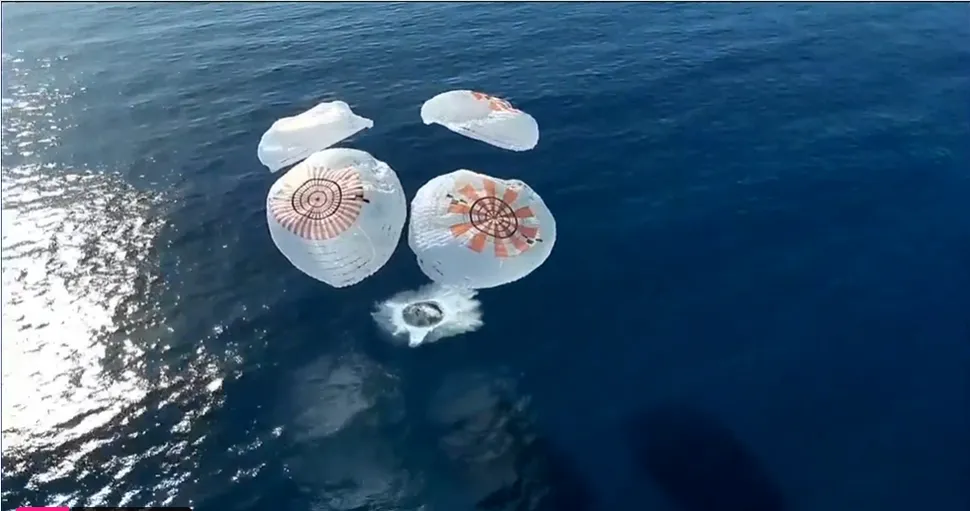
SpaceX’s private Fram2 astronauts splash down on Earth, ending historic polar orbit expedition
https://cdn.mos.cms.futurecdn.net/AyNw94VVtKA6kVucLQYGPZ-970-80.jpg.webp
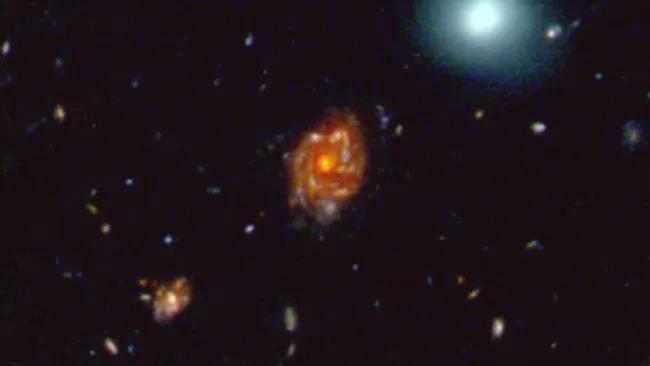
JWST finds spiral galaxy about 5 times more massive than Milky Way — scientists call it ‘Big Wheel’
https://cdn.mos.cms.futurecdn.net/GJGTgGJuJGRAFj64QGFpu3-650-80.jpg.webp
Space-Related Birthdays
March 31, 2957: Patrick Forrester (STS-105, STS-117, STS-128)
https://upload.wikimedia.org/wikipedia/commons/4/41/Patrick_Forrester.jpg

April 1, 1946: William Fisher (STS-51-I)
https://upload.wikimedia.org/wikipedia/commons/d/dc/William_Frederick_Fisher_%28Astronaut%29.jpg

April 3, 1926: Gus Grissom (Mercury-Redstone 4, Gemini 3, Apollo 1)
https://upload.wikimedia.org/wikipedia/commons/8/84/Virgil_I._%28Gus%29_Grissom_portrait.jpg

April 5, 1949: Judith Resnik (STS-41-D, STS-51-L)
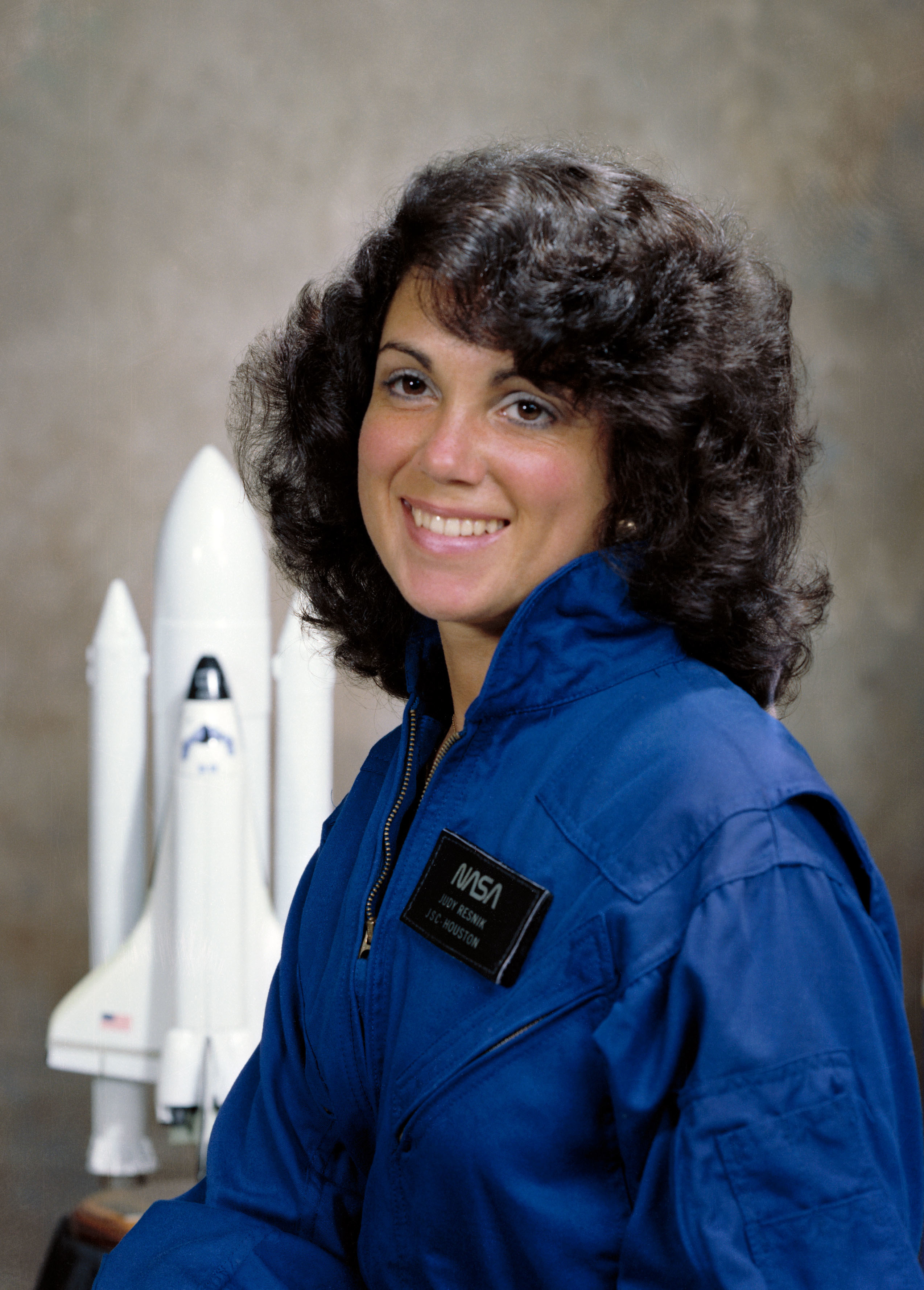
April 5, 1950: Franklin Chang Diaz (STS-61-C, STS-34, STS-46, STS-60, STS-75, STS-91, STS-111)
https://upload.wikimedia.org/wikipedia/commons/9/9f/Changdiaz.jpg

This Week in Space History
April 1:
1960
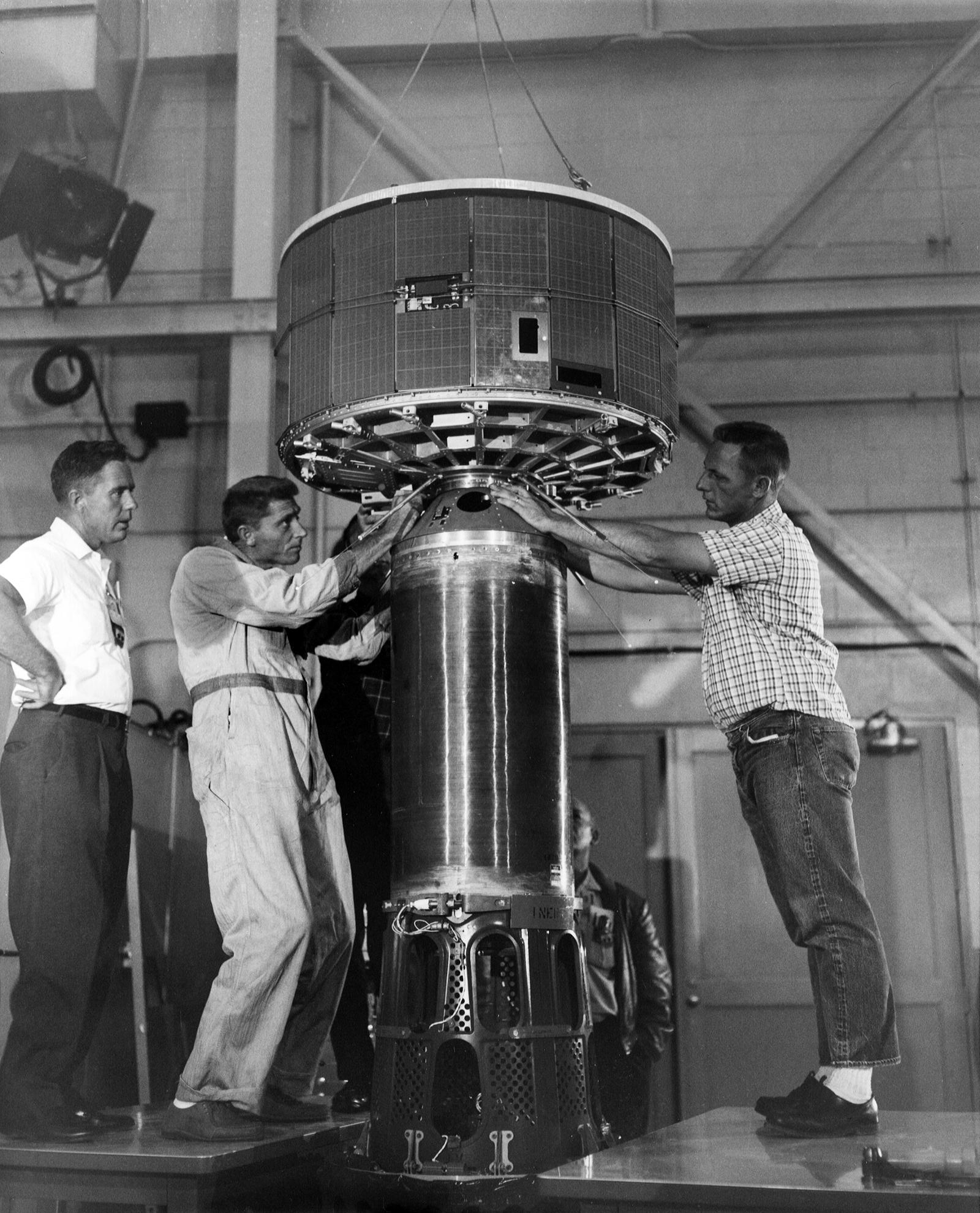
The first experimental weather satellite launched. https://www.nasa.gov/wp-content/uploads/2019/03/338885main_tiros-full.jpg
April 2:
1958
President Eisenhower proposed the creation of what is now NASA in an article of draft legislation sent to Congress.

1968
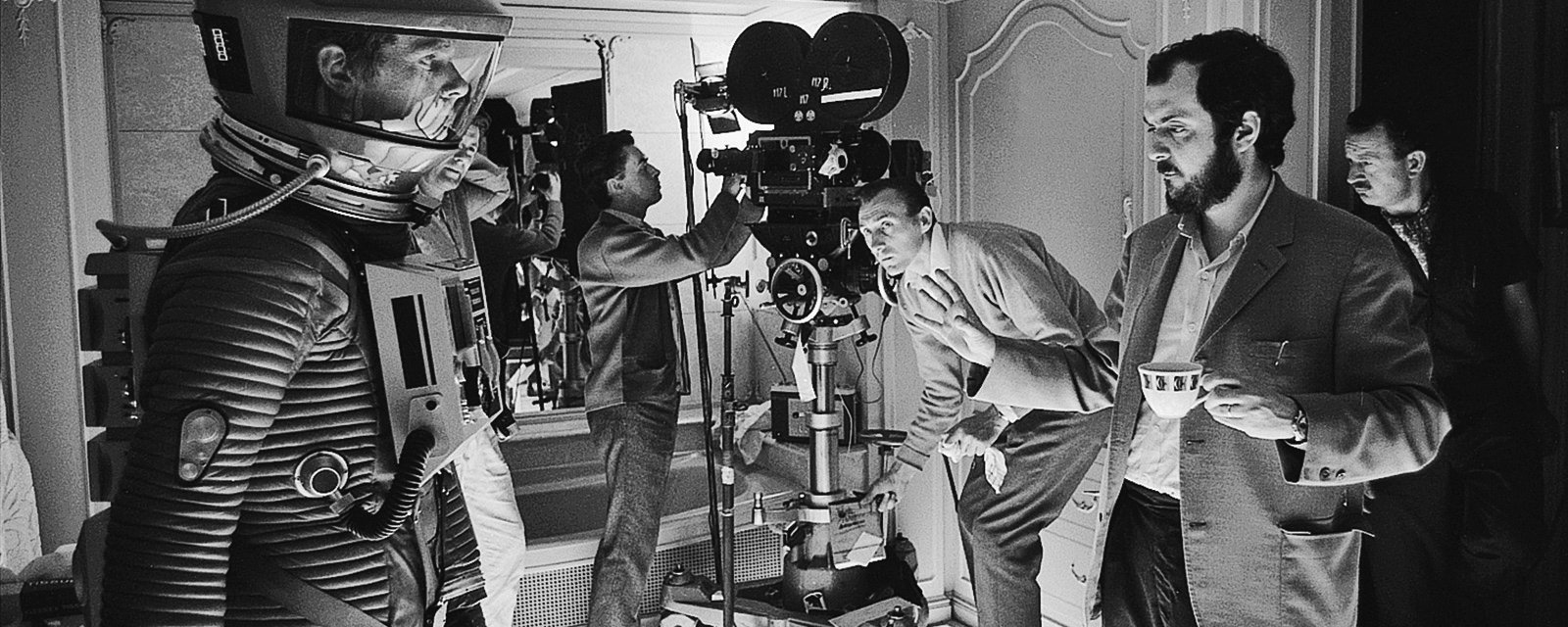
The film 2001: A Space Odyssey premiered.
https://cdn.theasc.com/2001-3.jpg
April 3:
1966
Luna 10 entered lunar orbit and became the first human-made object to orbit the Moon — or any celestial body beyond Earth. https://upload.wikimedia.org/wikipedia/commons/9/93/Luna_10_Musee_du_Bourget_P1010504.JPG

April 5:
1973
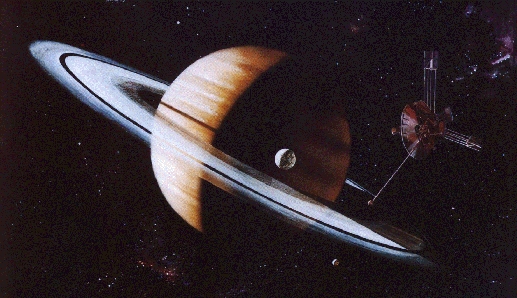
Pioneer 11 launched to study the asteroid belt, the environment around Jupiter and Saturn, solar winds, and cosmic rays.
https://scx2.b-cdn.net/gfx/news/hires/2012/3-opioneerspar.jpg
April 5:
1991:
Launched aboard Space Shuttle Atlantis’ STS-37 mission, the Compton Gamma Ray Observatory was a space telescope that made observations from Earth orbit for the next 9 years. https://upload.wikimedia.org/wikipedia/commons/f/fe/Gamma_Ray_Observatory_grasped_by_Atlantis’_Canadarm_(S37-99-0098).jpg
.jpg)
Miss Carolyn’s Constellation of the Week
“Sextans the Sextant” and “Hydra the Water Snake”
Satellite Passages Over the Next Few Days
Space Flight Now Launch Schedule
TBD Alpha • ‘Message in a Booster’
Launch time: TBD
Launch site: SLC-2, Vandenberg Space Force Base, California
A Firefly Aerospace Alpha rocket will launch Lockheed Martin’s LM 400 satellite bus to low Earth orbit. The sixth launch of an Alpha rocket, designated FLTA006, marks the second flight within a multi-launch agreement between Firefly Aerospace and Lockheed Martin, which may include up to 25 missions within a five-year timeframe. Delayed from March 15/16 due to range availability.
Updated: April 01
NET April 8 Soyuz 2.1a • Soyuz MS-27 / 73S
Launch time: 8:47 a.m. MSK (1:47 a.m. EDT, 0547 UTC)
Launch site: Baikonur Cosmodrome, Site 31
A Russian Soyuz 2.1a rocket will launch a three-man crew to the International Space Station. Crew commander Sergey Ryzhikov will be joined by fellow cosmonaut Alexey Zubritsky and NASA astronaut Jonny Kim. The Soyuz is set to dock with the ISS at about 5:04 a.m. EDT (0904 UTC). The spacecraft will remain docked with the orbiting outpost until about Dec. 8, 2025. This will be the third spaceflight for Ryzhikov and the first for both Zubritsky and Kim.
Updated: February 05
April 9 Atlas 5 • Kuiper 1
Launch time: 12 p.m. EDT (1600 UTC)
Launch site: SLC-41, Cape Canaveral Space Force Station, Florida
A United Launch Alliance (ULA) Atlas 5 rocket will launch a batch of 27 of Amazon’s Project Kuiper internet satellites. These are the first production satellites that will make up Amazon’s satellite internet megaconstellation, which will include 3,236 satellites. ULA is flying its Atlas 5 in the 551 configuration, which features five solid rocket boosters and a medium-length payload fairing.
Updated: April 02
NET April 21 Falcon 9 • CRS-32
Launch time: TBD
Launch site: Launch Complex 39A, Kennedy Space Center, Florida
A SpaceX Falcon 9 rocket will launch the company’s 32nd Commercial Resupply Services (CRS-32) mission to the International Space Station. The flight will carry thousands of pounds of science investigations, technology demonstration and other consumables to the orbiting outpost to support the crew onboard. The Cargo Dragon spacecraft will remain docked to the ISS for about a month before undocking and returning to Earth for a splashdown off the coast of California. The Falcon 9 first stage booster used to launch this mission will target a landing back at Landing Zone 1 at Cape Canaveral Space Force Station.
Updated: March 24
NET April 29 Vega-C • Biomass
Launch time: 6:15 a.m. GFT (5:15 a.m. EDT, 0915 UTC)
Launch site: Europe’s Spaceport, Kourou, French Guiana
An Arianespace Vega-C rocket will launch the European Space Agency’s (ESA) Earth Explorer Biomass satellite into a Sun-synchronous orbit at an altitude of about 666 km (413.8 mi). Biomass features a P-band synthetic aperture radar (SAR) and is designed “to collect information on the height and structure of different forest types and measure the amount of carbon stored in the world’s forests and how it changes over time. In addition, the Biomass mission will map subsurface geology in deserts, the ice structure of ice sheets and the topography of forest floors.” This mission, also referred to as VV26, will be the fourth launch of a Vega-C rocket.
Updated: March 25
NET Spring 2025 New Glenn • EscaPADE
Launch time: TBD
Launch site: Launch Complex 36, Cape Canaveral Space Force Station
A Blue Origin New Glenn rocket will launch a pair of identical spacecraft on NASA’s Escape and Plasma Acceleration and Dynamics Explorers (EscaPADE) mission. The two satellites, named Blue and Gold, will make a roughly 11-month journey to Mars where they will then perform about an 11-month science mission while orbiting the Red Planet. Blue and Gold were manufactured by Rocket Lab over about 3.5 years and carry science experiments from the University of California, Berkeley. This launch of the New Glenn rocket will also feature a landing attempt on its landing barge in the Atlantic Ocean. Delayed from October 13.
Updated: March 08
NET May Falcon 9 • Axiom Mission 4 (Ax-4)
Launch time: TBD
Launch site: Launch Complex 39A, Kennedy Space Center, Florida
A SpaceX Falcon 9 rocket will launch the fourth private astronaut mission to the International Space Station. Former NASA astronaut and Axiom Space’s Director of Human Spaceflight will serve as the commander of the mission. This will be her fifth trip to space and her second time commanding a private astronaut mission. Shubhanshu Shukla, an Indian Air Force (IAF) pilot and astronaut with the Indian Space Research Organisation (ISRO) will be the pilot onboard the SpaceX Crew Dragon. Sławosz Uznański-Wiśniewski, a Polish member of the European Space Agency’s (ESA) Astronaut Reserve Class of 2022, and Tibor Kapu, a Hungarian member of the Hungarian to Orbit (HUNOR) Astronaut Program, will serve as the Mission Specialists. These four astronauts will spend up to 14 days docked to the ISS after launching from NASA’s Kennedy Space Center on a Falcon 9 rocket. Following stage separation, the booster will target a touchdown at Landing Zone 1 (LZ-1) at Cape Canaveral Space Force Station.
Updated: April 02
TBD 2025 Vulcan Centaur • Dream Chaser 1
Launch time: TBD
Launch site: SLC-41, Cape Canaveral Space Force Station, Florida
A United Launch Alliance Vulcan Centaur rocket will launch on its second demonstration flight with Sierra Space’s Dream Chaser cargo vehicle for the International Space Station. The Dream Chaser is a lifting body resupply spacecraft that will launch on top of a rocket and land on a runway. This will be the Dream Chaser’s first flight to space. The Vulcan Centaur rocket will fly in the VC4L configuration with four GEM-63XL solid rocket boosters, a long-length payload fairing, and two RL10 engines on the Centaur upper stage. Delayed from August 2022, December 2023, January 2024, April 2024 and September 2024.
Updated: October 17
NET June Falcon 9 • Transporter-14
Launch time: TBD
Launch site: SLC-4E, Vandenberg Space Force Base, California
A SpaceX Falcon 9 rocket will launch dozens of payloads on its latest Smallsat rideshare program, called Transporter. This mission, dubbed Transporter-14, will include a variety of customers, including the MayaSat-1 capsule from The Exploration Company and three Erminaz PocketQubes from AMSAT-DL. The Falcon 9 first stage booster will perform a return to landing site touchdown at Landing Zone 4 less than eight minutes after liftoff.
Updated: April 02
NET November 2025 Falcon 9 • Sentinel-6B
Launch time: TBD
Launch site: SLC-4E, Vandenberg Space Force Base, California
A SpaceX Falcon 9 rocket will launch the second of the two-satellite Sentinel-6 series. NASA awarded SpaceX a $94 million firm fixed price contract for the launch in 2022. The Sentinel-6B “will use a radar altimeter to bounce signals off the ocean surface and deliver continuity of ocean topography measurements,” according to NASA. The missions is designed through a partnership between NASA, the European Space Agency (ESA), and the European Organization for the Exploration of Meteorological Studies.
Updated: February 27
Visible satellite passages over the next couple of days.
You can use the http://www.heavens-above.com website to find out what’s in orbit and
where to look during fly-overs
All times are “local” (Dallas) time.
NO ISS Passes
Tiangong
Apr 7
Apr 8
Apr 9
Apr 10