
IO Group: https://groups.io/g/DARCskynet/topics
Facebook Group: http://www.facebook.com/groups/306498286059167/
Saturday’s DARC SkyNet is at 9PM CT.
Recent Astronomical Discoveries
Small and large planets have significantly different upbringings
https://www.sciencedaily.com/releases/2025/03/250305164627.htm
How Planets Are Born
https://astrobiology.com/wp-content/uploads/2025/03/Small-And-Large-Planets1.png
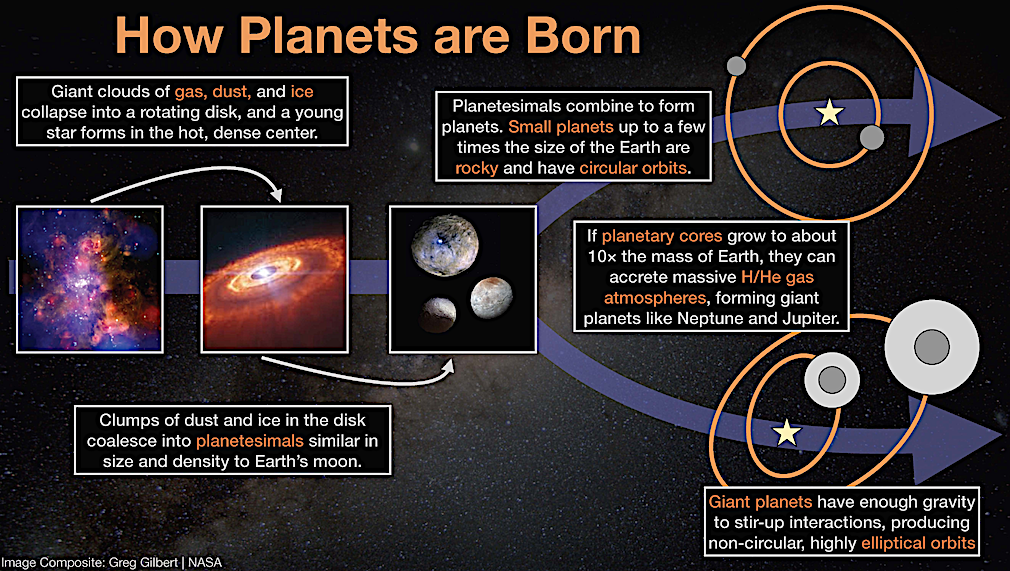
Discussion Topic of the Evening.
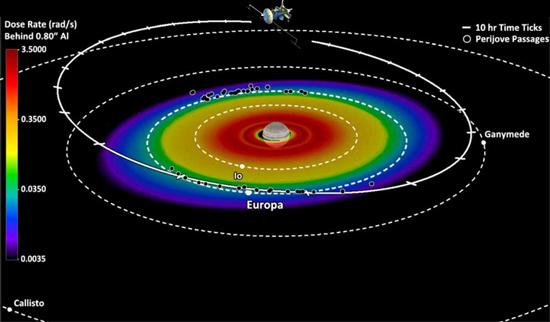
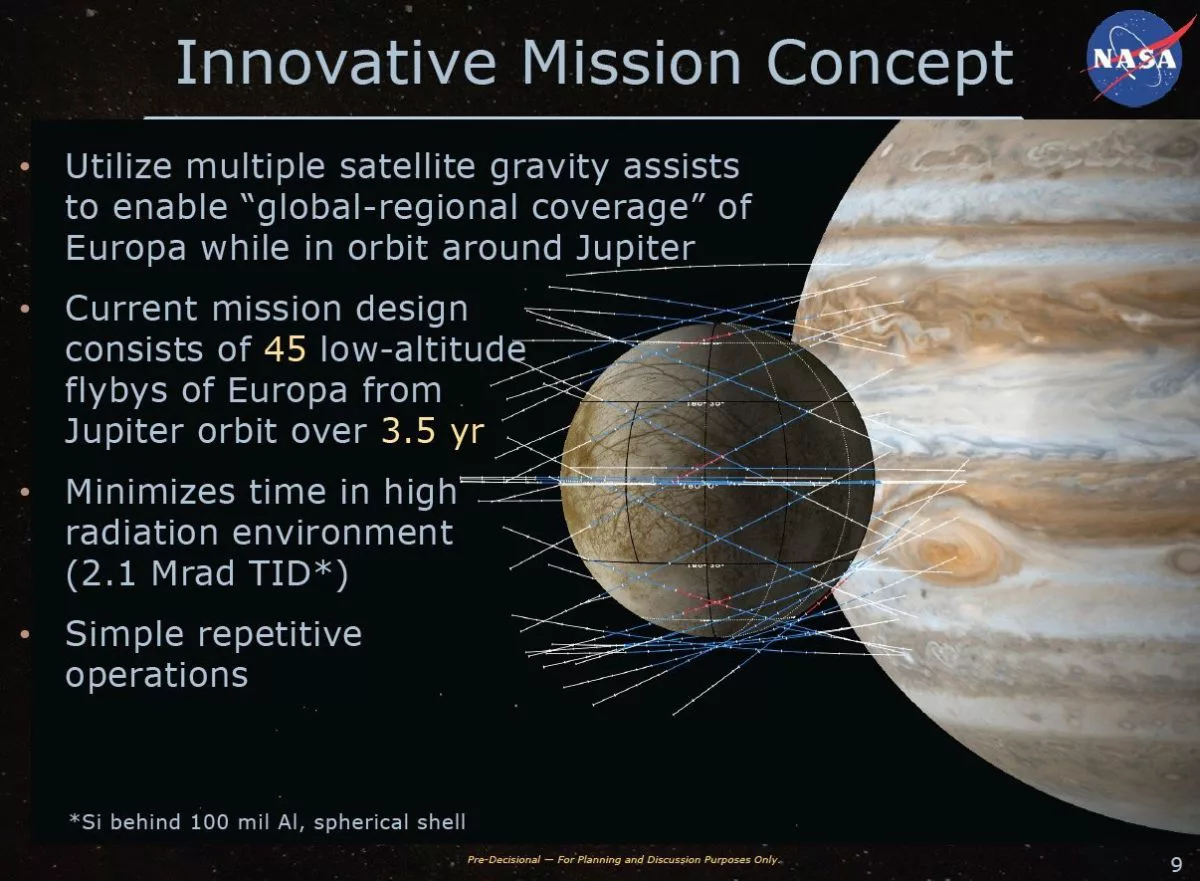
End-run around radiation – The saga and surprise vulnerabilities of Europa Clipper
Europa Clipper
https://upload.wikimedia.org/wikipedia/commons/5/59/Europa_Clipper_spacecraft_model.png

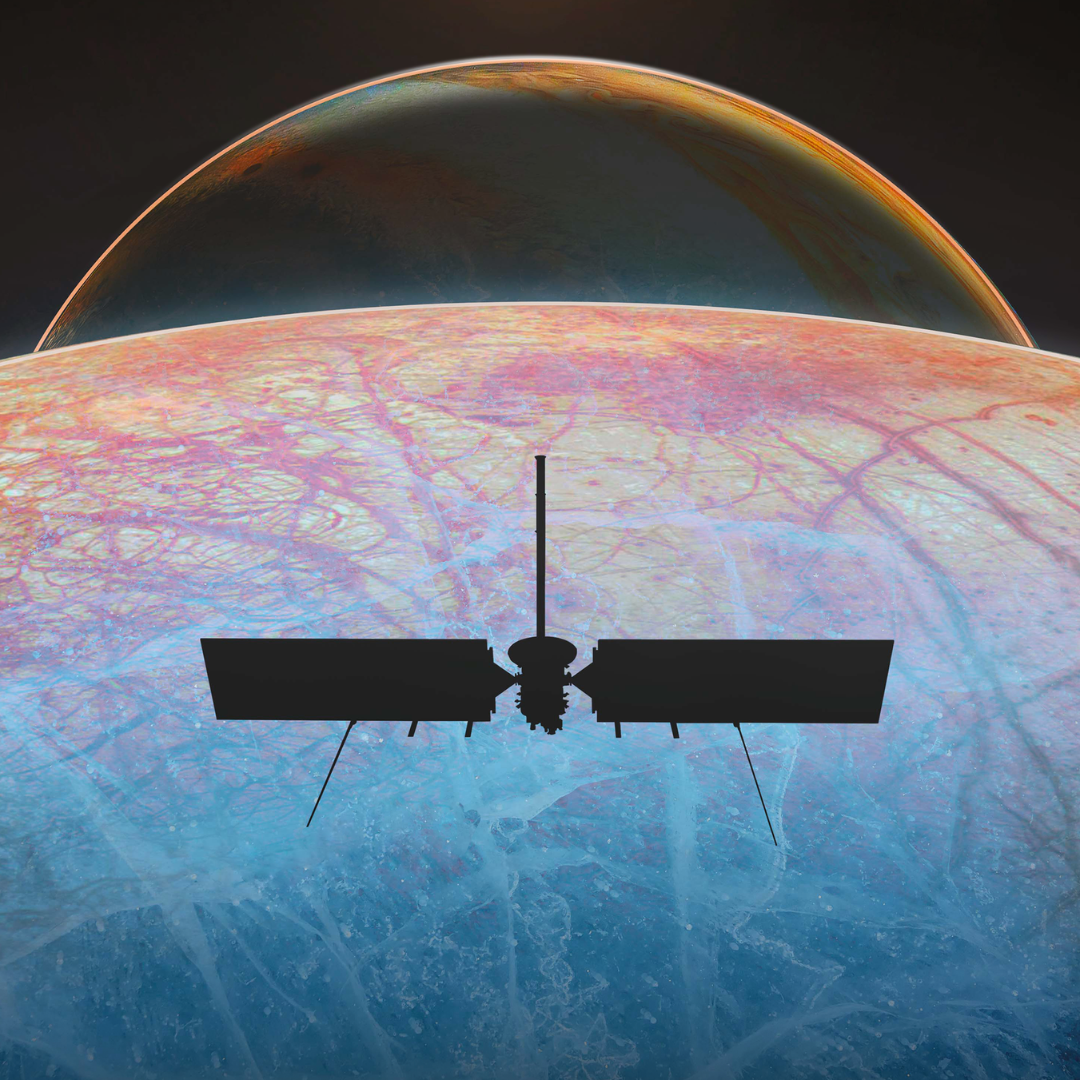
Artist’s Conception – Europa Clipper Flyby
https://lasp.colorado.edu/wp-content/uploads/2022/04/EuropaClipper_1080x1080.png
Europa Clipper Modules Assembly
https://scx1.b-cdn.net/csz/news/800a/2022/nasa-begins-assembly-o.jpg

MOSFET Construction
https://cdn1.byjus.com/wp-content/uploads/2021/01/mosfet-circuit.png

Europa Electronics Call-out

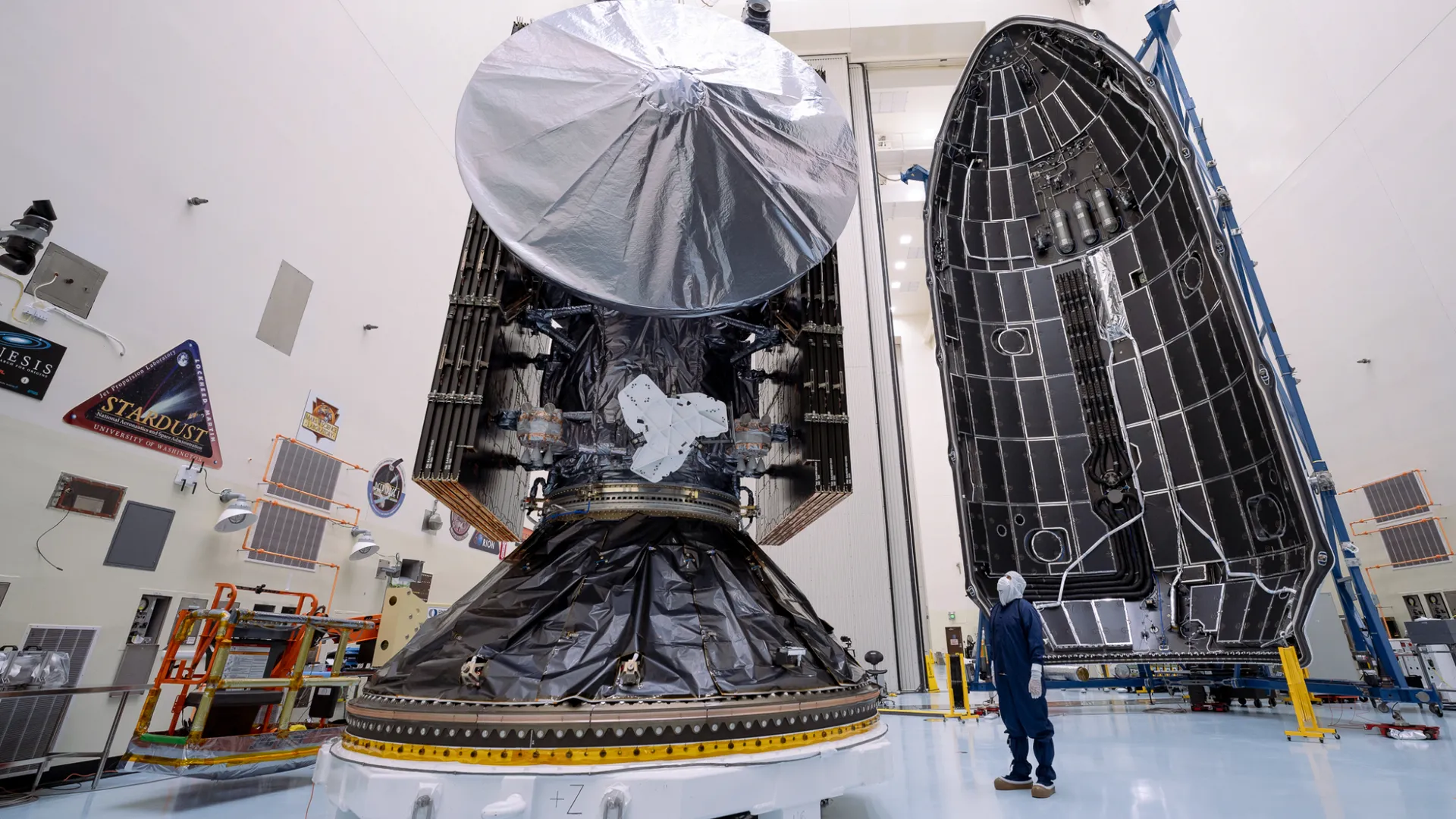
Europa Clipper Integration – Kennedy Space Center
https://cdn.mos.cms.futurecdn.net/NDgDS4Ebivgn68ancGeLcJ-1920-80.jpg.webp
Radiation Hazard Schematic
Typical MOSFET

Mission Concept PP
Waz Up
Space Exploration and Space History
Space Exploration News
Space X Starship Explodes in Flight
https://media.cnn.com/api/v1/images/stellar/prod/gettyimages-2203702536.jpg?q=w_1110,c_fill/f_webp

NASA Seeking Designs for Zero Gravity Indicator
https://th.bing.com/th/id/OIP.KFL6Nlf0YMsVg9U7c6OnzgHaHa?w=167&h=180&c=7&r=0&o=5&pid=1.7
Space-Related Birthdays
James Adamson March 3, 1946: STS-28, STS-43
https://upload.wikimedia.org/wikipedia/commons/6/69/James_Adamson.jpg

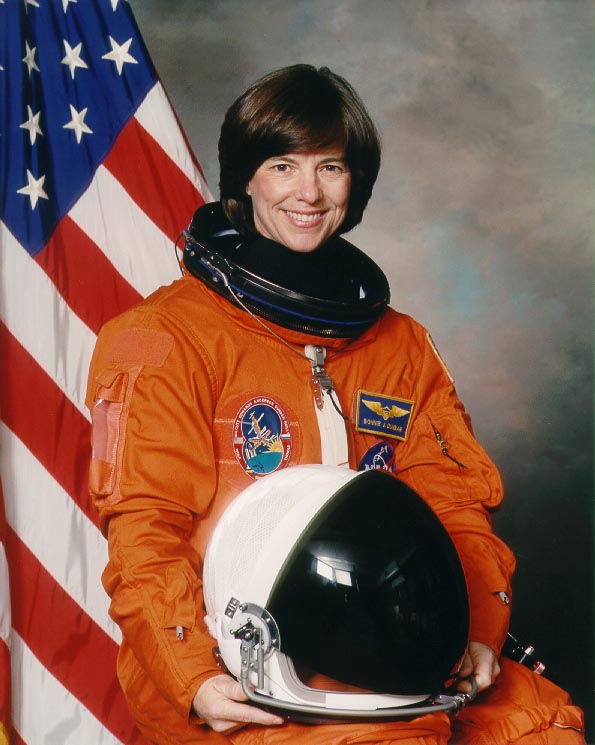
Bonnie Dunbar March 3, 1949: STS-61-A, STS-32, STS-50, STS-71, STS-89
https://upload.wikimedia.org/wikipedia/commons/9/93/Bonnie_J._Dunbar.jpg
James Voss March 3, 1949: STS-44, STS-53, STS-69, STS-101, STS-102/STS-105 part of Exp 2
https://upload.wikimedia.org/wikipedia/commons/3/39/James_Voss.jpg

Robert Curbeam March 5, 1962: STS-85, STS-98, STS-116
https://upload.wikimedia.org/wikipedia/commons/4/4f/Robert_Curbeam.jpg

Gordon Cooper March 6, 1927: Mercury-Atlas 9, Gemini 5
https://upload.wikimedia.org/wikipedia/commons/9/98/Gordon_Cooper_2.jpg

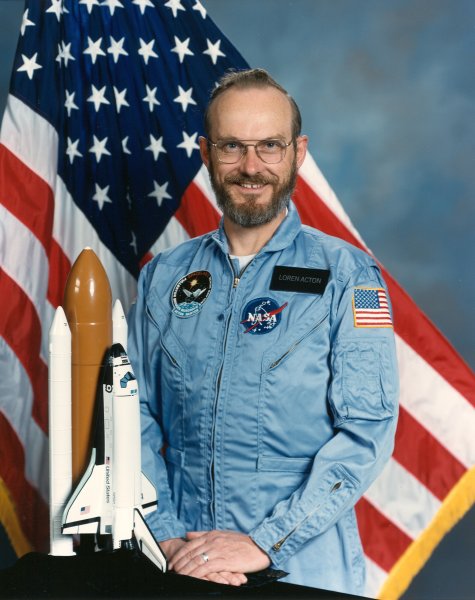
Loren Acton March 7, 1936: STS-51-F
https://upload.wikimedia.org/wikipedia/commons/6/6e/Loren_Acton.jpg
This Week in Space History
March 3:
1915:
Congress authorized the creation of the National Advisory Committee for Aeronautics (NACA) to “supervise and direct the scientific study of the problems of flight.” https://www.nasa.gov/wp-content/uploads/2025/03/naca-founding-1-first-meeting-of-the-naca-apr-23-1915-gpn-2000-001571-nasa.jpg?resize=2000,1460

March 5:
1998:
Scientists announced that the Lunar Prospector spacecraft had found evidence of hydrogen at both poles of the Moon, suggesting the existence of water ice. https://space.skyrocket.de/img_sat/lunar_prospector__1.jpg

March 6:
2015:
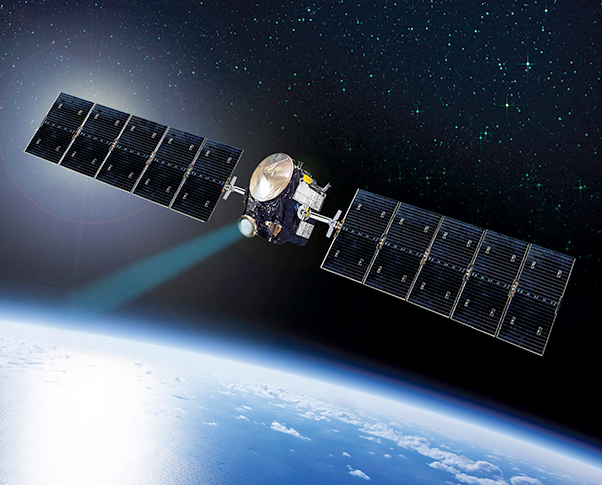
Dawn spacecraft went into orbit around Ceres, a dwarf planet in the asteroid belt. https://www.aerotechnews.com/wp-content/uploads/2018/11/NG-space.jpg
Miss Carolyn’s Constellation of the Week
Constellation “Puppis, the Poop Deck”
Space Launches For This Week
Space Flight Now Launch Schedule
March 8 Falcon 9 • Starlink 12-21
Launch time: 11:10 p.m. EST (0410 UTC)
Launch site: SLC-40, Cape Canaveral Space Force Station, Florida
A SpaceX Falcon 9 rocket will launch another batch of Starlink V2 Mini satellites into low Earth orbit. A little more than eight minutes after liftoff, the first stage booster will target a landing on the drone ship ‘A Shortfall of Gravitas’.
Updated: March 06
NET March 12 Falcon 9 • Crew-10
Launch time: 7:48 p.m. EDT (2348 UTC)
Launch site: Launch Complex 39A, Kennedy Space Center, Florida
A SpaceX Falcon 9 rocket will launch three astronauts and a cosmonaut to the International Space Station. The quartet will fly onboard the Crew Dragon spacecraft named ‘Endurance.’ Originally, the crew was to fly on the C213 Crew Dragon (yet unnamed), but swapped the vehicle to compensate for the fact that C213 still needs additional work before it can fly. The mission will carry NASA astronauts Anne McClain and Nichole Ayers along with Japanese Aerospace Exploration Agency (JAXA) astronaut Takuya Onishi and Roscosmos cosmonaut Kirill Peskov. This will be the second spaceflight for both McClain and Onishi and the first for both Ayers and Peskov.
Updated: February 11
NET Spring 2025 New Glenn • EscaPADE
Launch time: TBD
Launch site: Launch Complex 36, Cape Canaveral Space Force Station
A Blue Origin New Glenn rocket will launch a pair of identical spacecraft on NASA’s Escape and Plasma Acceleration and Dynamics Explorers (EscaPADE) mission. The two satellites, named Blue and Gold, will make a roughly 11-month journey to Mars where they will then perform about an 11-month science mission while orbiting the Red Planet. Blue and Gold were manufactured by Rocket Lab over about 3.5 years and carry science experiments from the University of California, Berkeley. This launch of the New Glenn rocket will also feature a landing attempt on its landing barge in the Atlantic Ocean. Delayed from October 13.
Updated: September 11
NET March 15/16 Alpha • ‘Message in a Booster’
Launch time: 6:25 p.m. PDT (9:25 p.m. EDT, 0125 UTC)
Launch site: SLC-2, Vandenberg Space Force Base, California
A Firefly Aerospace Alpha rocket will launch Lockheed Martin’s LM 400 satellite bus to low Earth orbit. The sixth launch of an Alpha rocket, designated FLTA006, marks the second flight within a multi-launch agreement between Firefly Aerospace and Lockheed Martin, which may include up to 25 missions within a five-year timeframe.
Updated: March 06
NET March Falcon 9 • Transporter-13
Launch time: TBD
Launch site: SLC-4E, Vandenberg Space Force Base, California
A SpaceX Falcon 9 rocket will launch dozens of satellites on the company’s 13th smallsat rideshare mission to a sun-synchronous orbit. Among those satellites are a trio of CubeSats for NASA’s Electrojet Zeeman Imaging Explorer (EZIE) mission; Arvaker 1, the first microsatellie for Kongsberg NanoAvionics’ N3X constellation; and the Botsat-1 satellite from Botswana. Less than eight minutes after liftoff, the first stage booster will return for a touchdown at a landing pad near the launch site.
Updated: February 27
Spring 2025 Alpha • ‘Message in a Booster’
Launch time: TBD
Launch site: SLC-2, Vandenberg Space Force Base, California
A Firefly Aerospace Alpha rocket will launch Lockheed Martin’s LM 400 Technology Demonstrator, a mid-sized satellite bus, to low Earth orbit. This is the second flight as part of a multi-launch agreement with Lockheed Martin for up to 25 missions across a five-year timespan.
Updated: February 27
NET April 8 Soyuz 2.1a • Soyuz MS-27 / 73S
Launch time: 8:47 a.m. MSK (1:47 a.m. EDT, 0547 UTC)
Launch site: Baikonur Cosmodrome, Site 31
A Russian Soyuz 2.1a rocket will launch a three-man crew to the International Space Station. Crew commander Sergey Ryzhikov will be joined by fellow cosmonaut Alexey Zubritsky and NASA astronaut Jonny Kim. The Soyuz is set to dock with the ISS at about 5:04 a.m. EDT (0904 UTC). The spacecraft will remain docked with the orbiting outpost until about Dec. 8, 2025. This will be the third spaceflight for Ryzhikov and the first for both Zubritsky and Kim.
Updated: February 05
TBD 2025 Vulcan Centaur • Dream Chaser 1
Launch time: TBD
Launch site: SLC-41, Cape Canaveral Space Force Station, Florida
A United Launch Alliance Vulcan Centaur rocket will launch on its second demonstration flight with Sierra Space’s Dream Chaser cargo vehicle for the International Space Station. The Dream Chaser is a lifting body resupply spacecraft that will launch on top of a rocket and land on a runway. This will be the Dream Chaser’s first flight to space. The Vulcan Centaur rocket will fly in the VC4L configuration with four GEM-63XL solid rocket boosters, a long-length payload fairing, and two RL10 engines on the Centaur upper stage. Delayed from August 2022, December 2023, January 2024, April 2024 and September 2024.
Updated: October 17
NET November 2025 Falcon 9 • Sentinel-6B
Launch time: TBD
Launch site: SLC-4E, Vandenberg Space Force Base, California
A SpaceX Falcon 9 rocket will launch the second of the two-satellite Sentinel-6 series. NASA awarded SpaceX a $94 million firm fixed price contract for the launch in 2022. The Sentinel-6B “will use a radar altimeter to bounce signals off the ocean surface and deliver continuity of ocean topography measurements,” according to NASA. The mission is designed through a partnership between NASA, the European Space Agency (ESA), and the European Organization for the Exploration of Meteorological Studies.
Visible satellite passages over the next couple of days.
You can use the http://www.heavens-above.com website to find out what’s in orbit and
where to look during fly-overs
All times are “local” (Dallas) time.
ISS
Mar 10
Mar 11
Mar 12
Mar 13
Mar 14
Tiangong
NO PASSES