
IO Group: https://groups.io/g/DARCskynet/topics
Facebook Group: http://www.facebook.com/groups/306498286059167/
Saturday’s DARC SkyNet is at 9PM CT.
Recent Astronomical Discoveries
Extreme supersonic winds measured on planet outside our Solar System
https://www.sciencedaily.com/releases/2025/01/250121125759.htm
Artist’s Concept Drawing of WASP-127b
https://www.bing.com/th?id=OVFT.5HI1AFRMPgmOYph87wMeYC&pid=News&w=300&h=186&c=14&rs=2&qlt=90
Discussion Topic of the Evening.
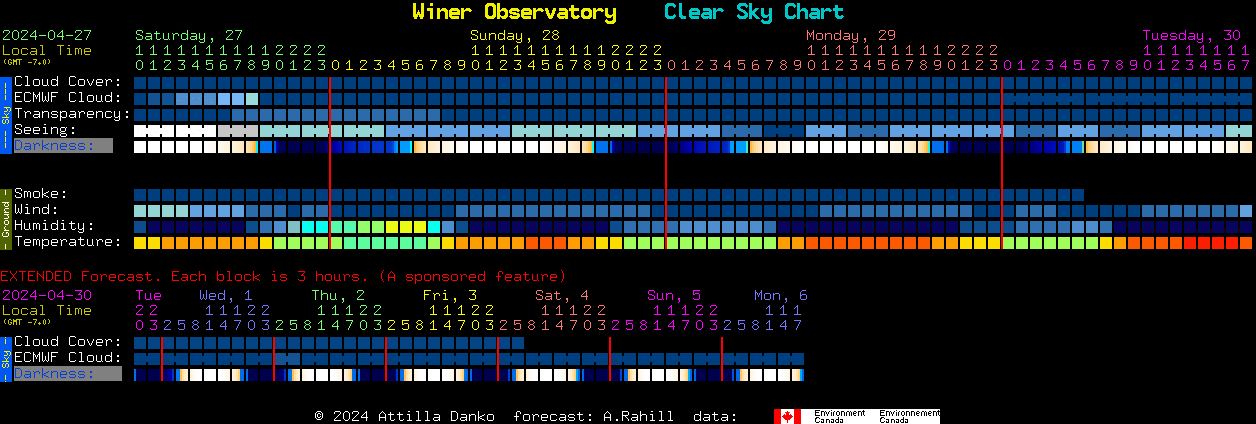
“Seeing vs Transparency”
From “The Astronomical League” website “astroleague.org”.
Clear Sky Chart
https://www.cleardarksky.com/c/WnrObAZcsk.gif?1
Rayleigh Scattering
https://upload.wikimedia.org/wikipedia/commons/d/dd/Rayleigh_sunlight_scattering.svg

Waz Up
Space Exploration and Space History
Brenda WB5OZL/Tom KE5ICX (Alternates Each Week)
Space Exploration News
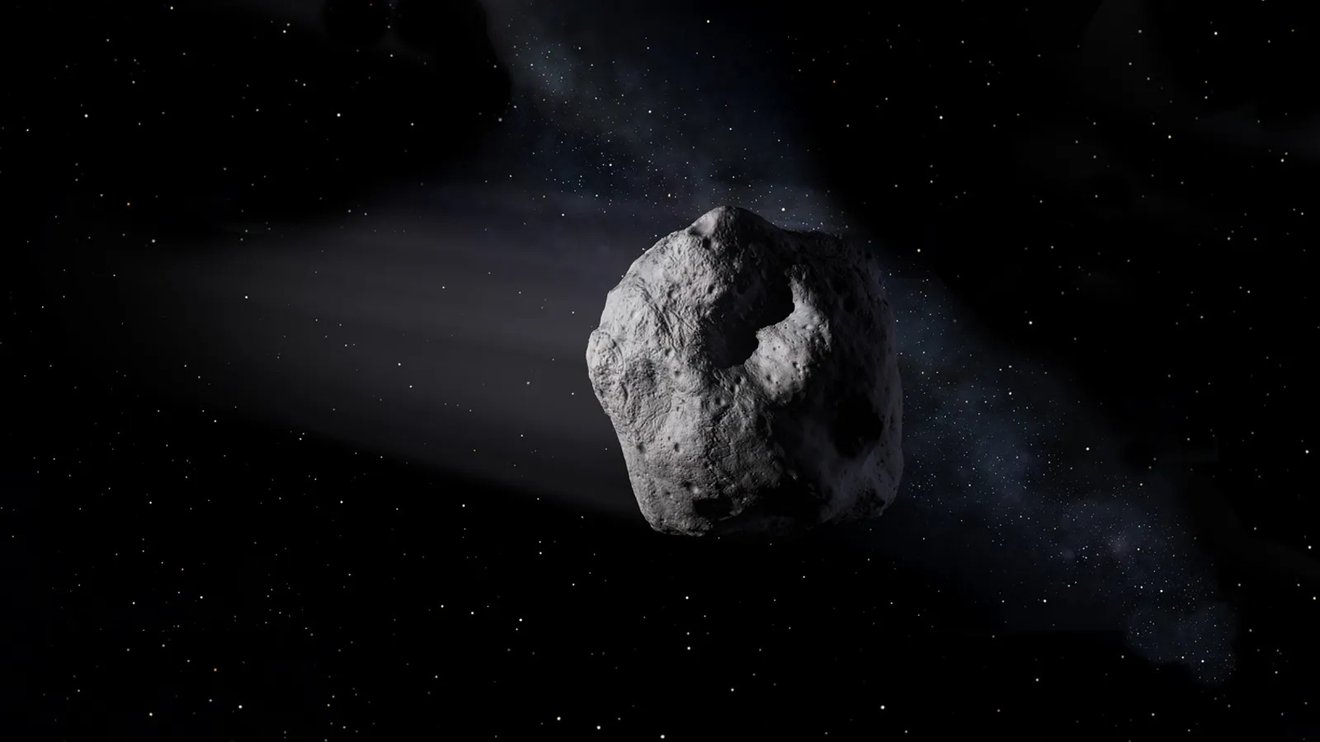
Study Finds Earth’s Small Asteroid Visitor Likely Chunk of Moon Rock
https://www.nasa.gov/wp-content/uploads/2025/01/1-asteroid-illo-width-1320.jpg
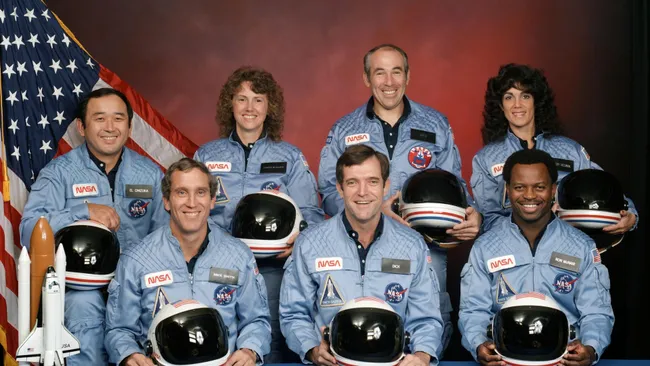
NASA honors fallen astronauts with ‘Day of Remembrance’ ceremony
https://cdn.mos.cms.futurecdn.net/qSruEdf9SsGJS3PNsy5oXa-650-80.jpg.webp
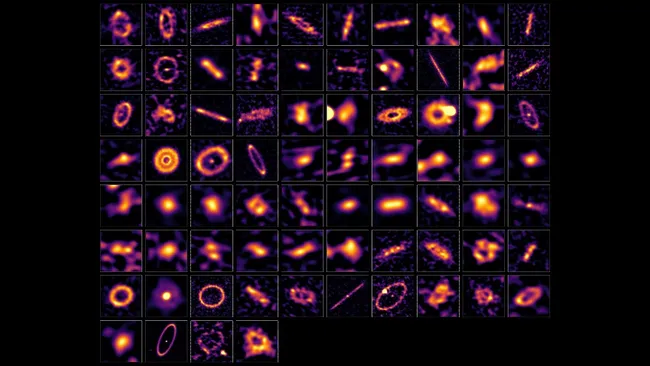
Trillions of comets discovered orbiting alien planet systems
https://cdn.mos.cms.futurecdn.net/adfsqm3XiuFGwtpWqxC3o5-650-80.jpg.webp
Space-Related Birthdays
January 20, 1930: Buzz Aldrin (Gemini 12, Apollo 11)
https://upload.wikimedia.org/wikipedia/commons/d/dc/Buzz_Aldrin.jpg

January 20, 1948: Jerry L. Ross (STS-61-B, STS-27, STS-37, STS-55, STS-74, STS-88, STS-110)
https://upload.wikimedia.org/wikipedia/commons/a/a9/Jerry_Ross.jpg

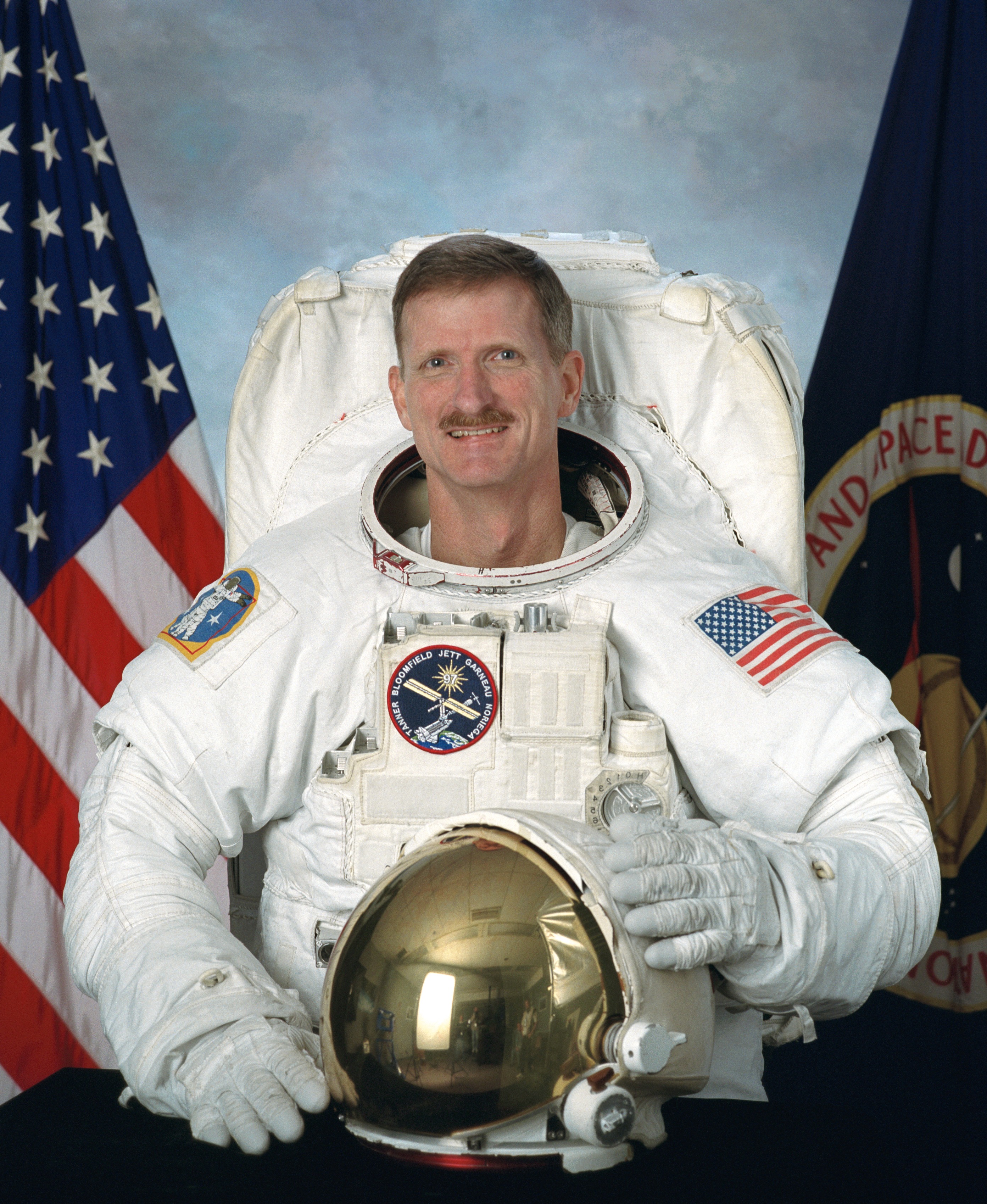
January 21, 1950 Joseph R. Tanner (STS-66, STS-82, STS-97, STS-115)
https://upload.wikimedia.org/wikipedia/commons/6/62/Joseph_Tanner.jpg
January 22, 1955: Thomas David Jones (STS-59, STS-68, STS-80, STS-98)
https://upload.wikimedia.org/wikipedia/commons/d/d2/Thomas_Jones.jpg

January 23, 1930: William Pogue (Skylab 4)
https://upload.wikimedia.org/wikipedia/commons/b/b6/William_Pogue.jpg

January 23, 1943: Robert Cabana (STS-41, STS-53, STS-65, STS-88)

January 23, 1973: Kjell Lindgren (Exp. 44/45, SpaceX Crew-4 – Exp 67/68)
https://upload.wikimedia.org/wikipedia/commons/5/5e/Kjell_Lindgren_in_EMU_%28cropped%29.jpg

January 23, 1974: Jack Fischer (Exp. 51/52)

January 24, 1952: William F. Readdy (STS-42, STS-51, STS-79)
https://upload.wikimedia.org/wikipedia/commons/7/76/WilliamFrancisReaddy.jpg

This Week in Space History
2015:
January 19:
Launch of New Horizons Mission to Pluto
https://pbs.twimg.com/media/FJgaExvXIAcjhQA?format=jpg&name=small
January 22:
1968:
Launch of Apollo 5

January 23
2003:
Pioneer 10 Sends Last Transmission
January 24:
1986:
Voyager 2 Flyby of Uranus

2004:
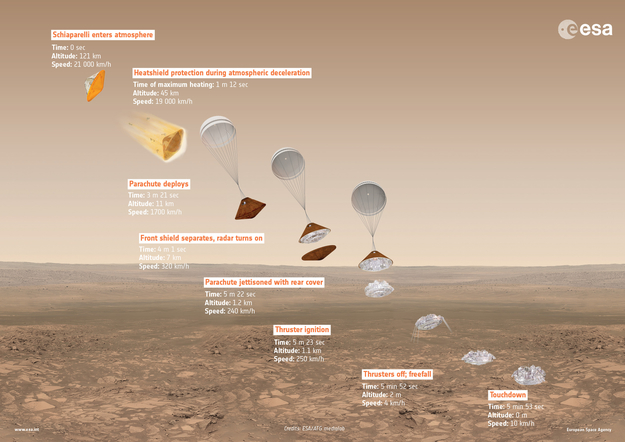
Mars Rover Opportunity Lands on Mars
Miss Carolyn’s Constellation of the Week
Constellation “Orion the Hunter”
Space Launches For This Week
Space Flight Now Launch Schedule
January 27 Falcon 9 • Starlink 12-7
Launch time: Window opens at 2:21 p.m. EST (1921 UTC)
Launch site: SLC-40, Cape Canaveral Space Force Station, Florida
A SpaceX Falcon 9 rocket will launch another batch of Starlink V2 Mini satellites to low Earth orbit. A little more than eight minutes after liftoff, the first stage booster will target a landing on a droneship positioned in the Atlantic Ocean.
Updated: January 24
NET February 3/4 Electron • ‘IOT 4 You and Me’
Launch time: 9:43 a.m. NZDT on Feb. 4 (3:43 p.m. EST, 2043 UTC on Feb. 3)
Launch site: Launch Complex 1, Mahia Peninsula, New Zealand
A Rocket Lab Electron rocket will launch a batch of five satellites for Kinéis’ Internet of Things (IOT) constellation. This will be the fourth out of five planned launches to deploy the 25 satellites. Rocket Lab will not be attempting to recover the booster.
Updated: January 23
TBD Falcon 9 • Starlink 10-12
Launch time: TBD
Launch site: SLC-40, Cape Canaveral Space Force Station, Florida
A SpaceX Falcon 9 rocket will launch another batch of Starlink V2 Mini satellites into low Earth orbit. A little more than eight minutes after liftoff, the first stage booster will land on a SpaceX droneship stationed in the Atlantic Ocean.
Updated: January 24
NET Spring 2025 New Glenn • EscaPADE
Launch time: TBD
Launch site: Launch Complex 36, Cape Canaveral Space Force Station
A Blue Origin New Glenn rocket will launch a pair of identical spacecraft on NASA’s Escape and Plasma Acceleration and Dynamics Explorers (EscaPADE) mission. The two satellites, named Blue and Gold, will make a roughly 11-month journey to Mars where they will then perform about an 11-month science mission while orbiting the Red Planet. Blue and Gold were manufactured by Rocket Lab over about 3.5 years and carry science experiments from the University of California, Berkeley. This launch of the New Glenn rocket will also feature a landing attempt on its landing barge in the Atlantic Ocean. Delayed from October 13.
Updated: September 11
TBD 2025 Vulcan Centaur • Dream Chaser 1
Launch time: TBD
Launch site: SLC-41, Cape Canaveral Space Force Station, Florida
A United Launch Alliance Vulcan Centaur rocket will launch on its second demonstration flight with Sierra Space’s Dream Chaser cargo vehicle for the International Space Station. The Dream Chaser is a lifting body resupply spacecraft that will launch on top of a rocket and land on a runway. This will be the Dream Chaser’s first flight to space. The Vulcan Centaur rocket will fly in the VC4L configuration with four GEM-63XL solid rocket boosters, a long-length payload fairing, and two RL10 engines on the Centaur upper stage. Delayed from August 2022, December 2023, January 2024, April 2024 and September 2024.
Updated: October 17
Visible satellite passages over the next couple of days.
All times are “local” (Dallas) time.
ISS
Jan 29
Jan 30
Jan 31
Feb 1
Feb 2
Tiangong
Jan 26
Jan 27