
IO Group: https://groups.io/g/DARCskynet/topics
Facebook Group: http://www.facebook.com/groups/306498286059167/
Recent Astronomical Discoveries
A formula for life? New model calculates chances of intelligent beings in our Universe and beyond | ScienceDaily
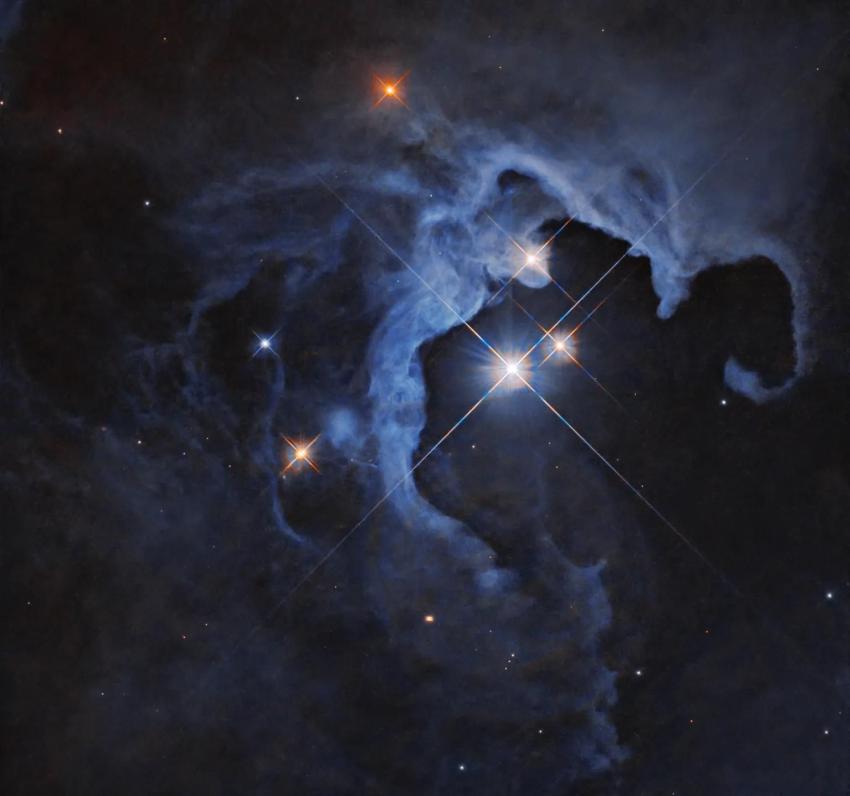
Discussion Topic of the Evening.
How to Build a Backyard Radio Telescope
Hendrick van de Hulst
https://upload.wikimedia.org/wikipedia/commons/0/0c/Hendrik_C._van_de_Hulst_1977.jpg

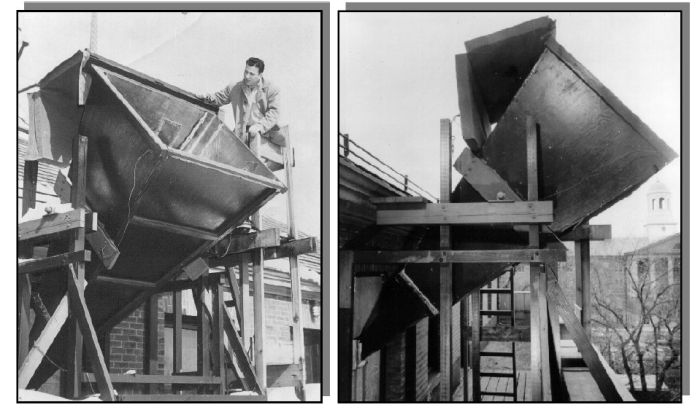
Horn Antenna Harvard
https://www.radio-astronomy.org/sites/default/files/articles/70-th-anniversary-discovery/image1.jpg
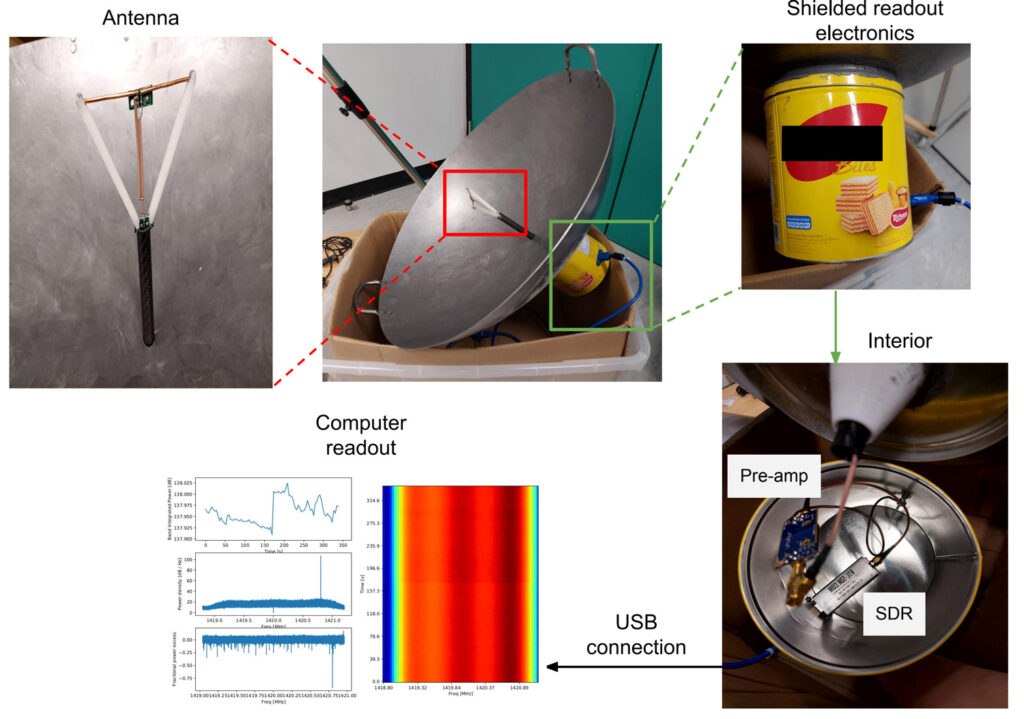
RTL-SDR and Parabolic Antenna Setup
https://www.rtl-sdr.com/wp-content/uploads/2023/10/hk_hline-1024×719.jpg
Computer Rendering
https://img-s-msn-com.akamaized.net/tenant/amp/entityid/AA1u6iXM.img?w=768&h=768&m=6
Waz Up
Space Exploration and Space History
Space News:
Nov. 15: Astronomers discover two galaxies aligned in a way where their gravity acts as a compound lens
https://scx1.b-cdn.net/csz/news/800a/2024/space-scientists-disco.jpg

Nov. 15: Survey captures image sequence of galactic neighbors in the local universe
https://scx2.b-cdn.net/gfx/news/hires/2024/new-image-sequence-cap.jpg

Nov. 15 SpaceX knocks out another Space Coast launch
https://scx1.b-cdn.net/csz/news/800a/2024/-falcon-9.jpg

Birthdays
Ronald Evans Nov 10, 1933 Apollo 17
https://upload.wikimedia.org/wikipedia/commons/thumb/c/c2/Ronald_Evans.jpg/220px-Ronald_Evans.jpg

Mark T. Vande Hei Nov 10, 1966 Soyuz MS-06 (Expedition 53/54), Soyuz MS-18/Soyuz MS-19 (Expedition 64/65/66)

Mike Melvill Nov 11, 1940 SpaceShipOne flight 15P, SpaceShipOne flight 16P

Gregory R. Wiseman Nov 11, 1975 Soyuz TMA-13M (Expedition 40/41), Artemis 2

Richard Truly November 12, 1937: 3 Space Shuttle Approach and Landing Tests; STS-2, STS-8)

Ed White November 14, 1930 Gemini 4, Apollo 1 https://nmspacemuseum.org/wp-content/uploads/2019/03/S64-31631medium.jpg

Fred Haise November 14, 1933 Apollo 13
https://upload.wikimedia.org/wikipedia/commons/4/4c/Fred_Haise.jpg

Ken Bowersox November 14, 1956 STS-50, STS-61, STS-73, STS-82, STS-113/Exp. 6
https://science.nasa.gov/image-detail/kenneth-bowersox
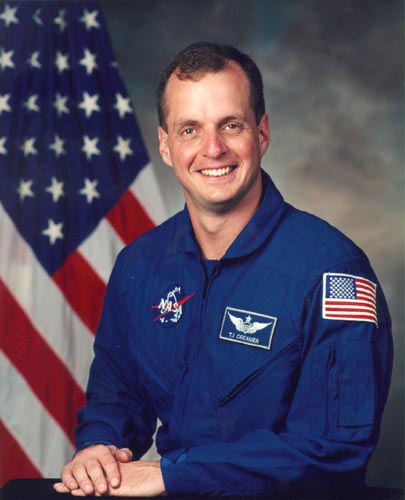
Timothy Creamer November 15, 1959 Exp. 22/23
http://claudelafleur.qc.ca/images/creamer.jpg
Carl Meade November 16, 1950 STS-38, STS-50, STS-64
https://upload.wikimedia.org/wikipedia/commons/a/ae/Carl_Meade.jpg

Space History
November 11:
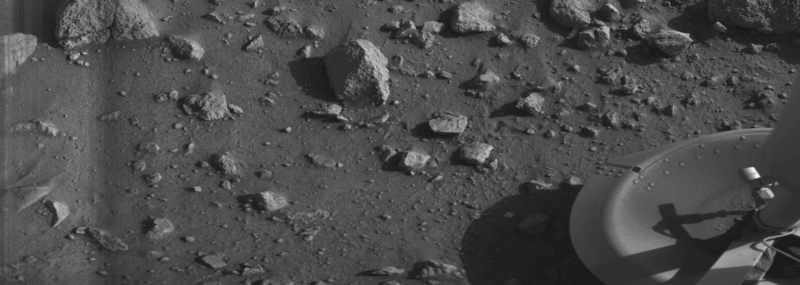
1982: Last contact with Viking I Mars Lander
November 14:
1969: Apollo 12 launched from Kennedy Space Center with Astronauts Charles “Pete” Conrad, Richard Gordon, and Alan Bean.
https://encrypted-tbn0.gstatic.com/images?q=tbn:ANd9GcSI3Q-8ldQuaAGNXDu95TtHd__EEHO6V-ZkGw&
s
1971: Mariner 9 successfully entered Mars orbit, beating the Soviet Mars 2 spacecraft which had an 11-day head start, to become the first spacecraft to orbit another planet.

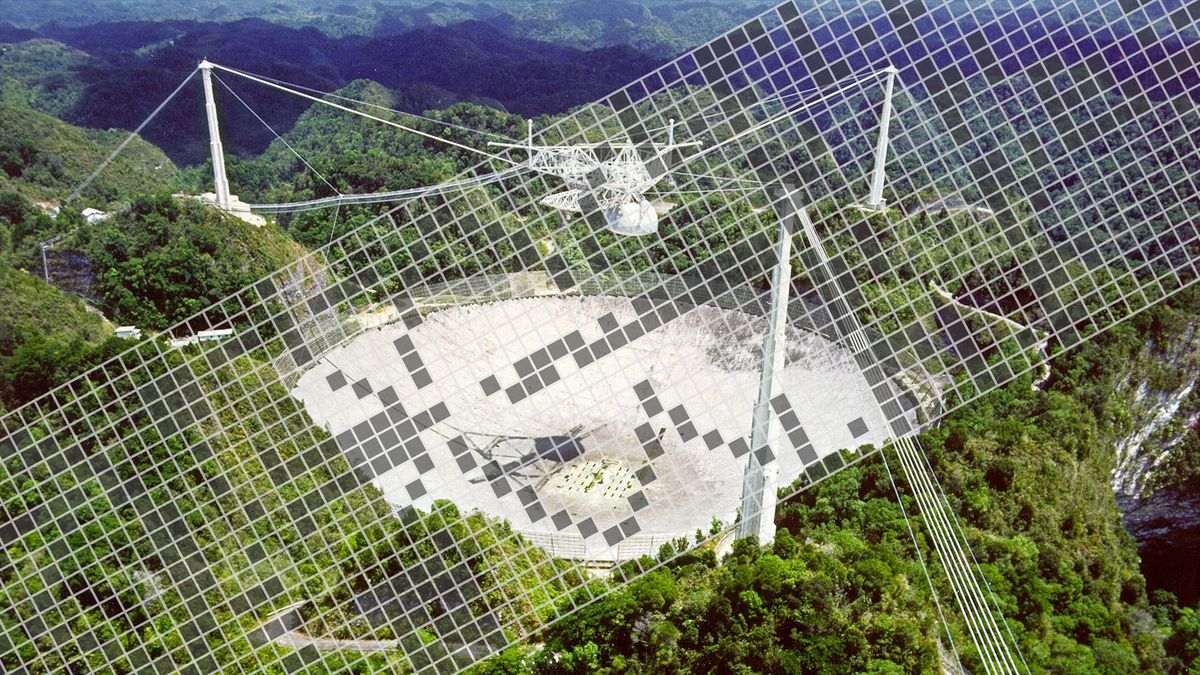
1974: Arecibo Observatory broadcasts interstellar message sent their first message to the stars in an attempt to contact extraterrestrials.
https://cdn.mos.cms.futurecdn.net/AY2WqcbnGLF4LFLrQQygG7-1200-80.jpg
November 16:
1973: The third and final Skylab crew launched. Astronauts Jerry Carr, Bill Pogue, and Ed Gibson flew to NASA’s orbiting workshop for a record-breaking 84-day mission.

November 17:
1967: Surveyor 6 made history by becoming the first spacecraft to takeoff from the Moon.

1970: The USSR landed the first roving space probe on the Moon.
https://nssdc.gsfc.nasa.gov/planetary/image/lunokhod.jpg

Miss Carolyn’s Constellation of the Week
Sculptor, the Sculptor’s Workshop & Phoenix, A Very Special Bird
Space Launches For This Week
Space Flight Now Launch Schedule
November 17 Falcon 9 • Optus-X
Launch time: Launch window 4:29-6:27 p.m. EST (2129-2327 UTC)
Launch site: LC-39A, Kennedy Space Center, Florida
A SpaceX Falcon 9 will launch a payload called “Optus-X”. This mission has not been publicly announced by Optus, the Australian communications company. Based on regulatory filings this payload will eventually be positioned in geostationary orbit at 87.75 degrees.
Updated: November 16
November 17/18 Falcon 9 • Starlink 9-12
Launch time: Launch window opens at 9:41 p.m. (12:41 a.m. EST, 0541 UTC)
Launch site: SLC-4E, Vandenberg Space Force Base, California
A SpaceX Falcon 9 rocket will launch another batch of Starlink V2 Mini satellites to low Earth orbit. A little more than eight minutes after liftoff, the first stage booster will touchdown on the SpaceX droneship, ‘Of Course I Still Love You.’
Updated: November 15
November 18 Falcon 9 • GSAT-N2 / GSAT-20
Launch time: 1:31 p.m. EST (1731 UTC)
Launch site: SLC-40, Cape Canaveral Space Force Station, Florida
A SpaceX Falcon 9 rocket will launch the GSAT-N2 (GSAT-20) satellite on behalf of the Indian Space Research Organization (ISRO). The communication satellite will be launched into a geostationary transfer orbit to continue India’s GSAT (Geosynchronous SATellite) system. The GSAT-N2 satellite is a Ka-band high throughput communication satellite, which has a mission life of 14 years. At liftoff GSAT-N2 has a mass of 4,700 kg (10,362 lbs). A little more than eight minutes, the Falcon 9 first stage booster will land on a SpaceX droneship in the Atlantic Ocean.
Updated: November 13
November 19 Starship • Flight 6
Launch time: 4 p.m. CST (5 p.m. EST, 2200 UTC)
Launch site: Starbase, Boca Chica Beach, Texas
SpaceX will launch its sixth, suborbital flight test of its fully integrated Starship rocket, a combination of the Ship upper stage (S31) and the Super Heavy booster (B13). This flight will feature the second planned catch of a Super Heavy booster by the chopsticks on the launch tower. Additional testing will be performed on the heat shield on S31 and SpaceX intends to reignite one of the Raptor vacuum engines during the Ship’s coast phase. S31 will perform a landing flip and make a gentle splashdown in the Indian Ocean. Delayed from Nov. 18.
Updated: November 16
November 21 Soyuz 2.1a / Progress MS-29 / 90P
Launch time: 7:22 a.m. EST (1222 UTC)
Launch site: Baikonur Cosmodrome, Kazakhstan
An uncrewed Progress cargo ship will launched atop a Russian Soyuz rocket to deliver supplies to the International Space Station. It is expected to dock with the station at 9:35 a.m. EST (1435 UTC) on November 23.
Updated: November 13
November 22/23 Electron • ‘Ice AIS Baby’
Launch time: 4:49 p.m. NZDT (10:49 p.m. EST Nov. 22, 0349 UTC)
Launch site: Launch Complex 1, Mahia Peninsula, New Zealand
A Rocket Lab Electron rocket will carry the third batch of five nano-satellites for Kinéis’ Internet of Things (IoT) constellation, which will ultimately consist of 25 satellites. According to Kinéis, “The AIS (Automatic Identification System) is a maritime system for the automatic identification of ships using VHF (Very High Frequency) radio frequencies.”
Updated: November 13
NET November New Glenn • NG-1
Launch time: TBD
Launch site: Launch Complex 36
A Blue Origin New Glenn rocket will launch the company’s Blue Ring spacecraft, which is capable of both hosting and deploying multiple payloads. Blue Origin will attempt to land the first stage booster on its sea-based landing platform, ‘Jacklyn.’
Visible satellite passages over the next couple of days.
You can use the http://www.heavens-above.com website to find out what’s in orbit and
where to look during fly-overs
All times are “local” (Dallas) time.
Tiangong
Nov. 20
Nov. 21
Nov. 22