
IO Group: https://groups.io/g/DARCskynet/topics
Facebook Group: http://www.facebook.com/groups/306498286059167/
Recent Astronomical Discoveries
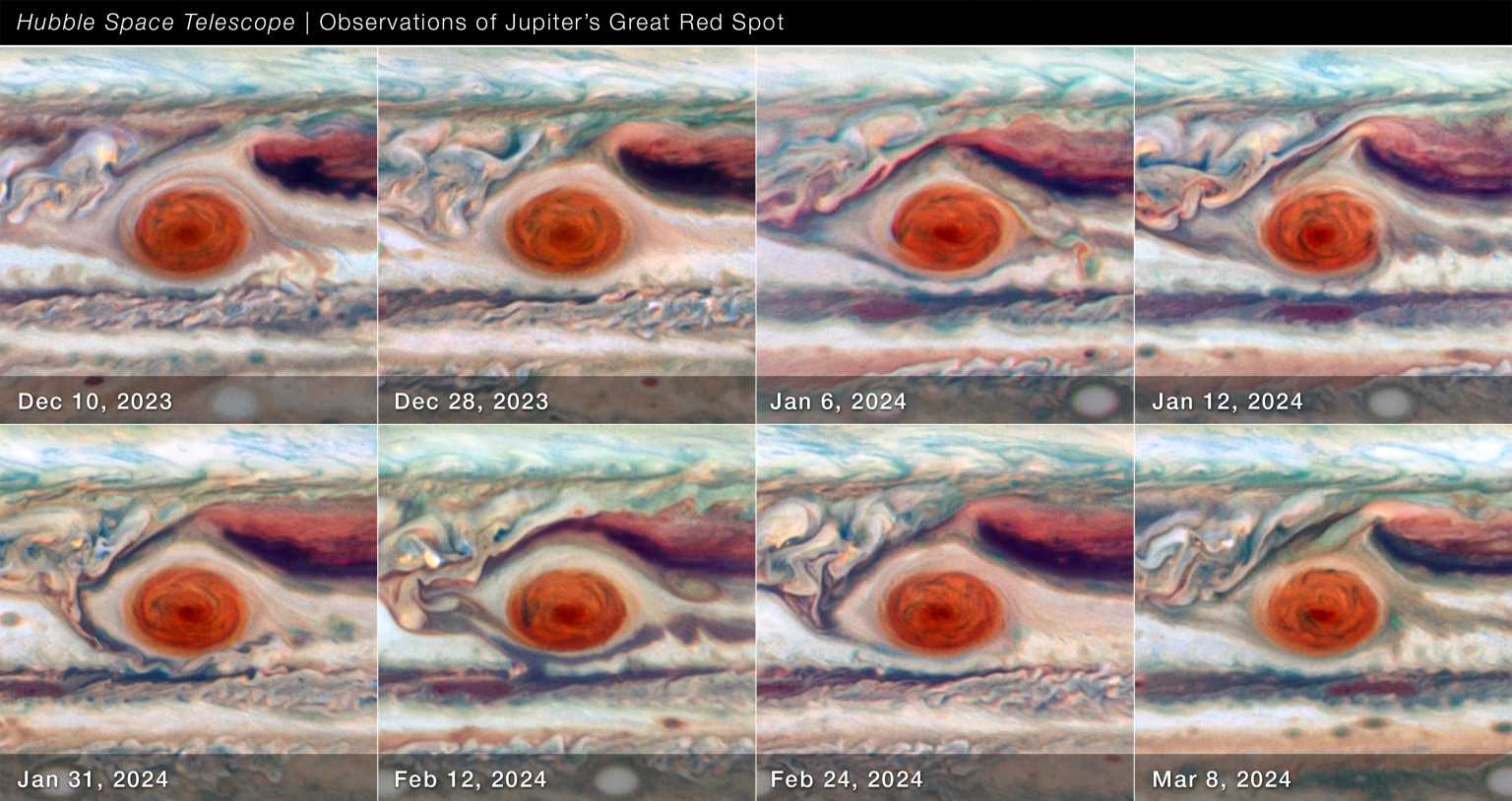
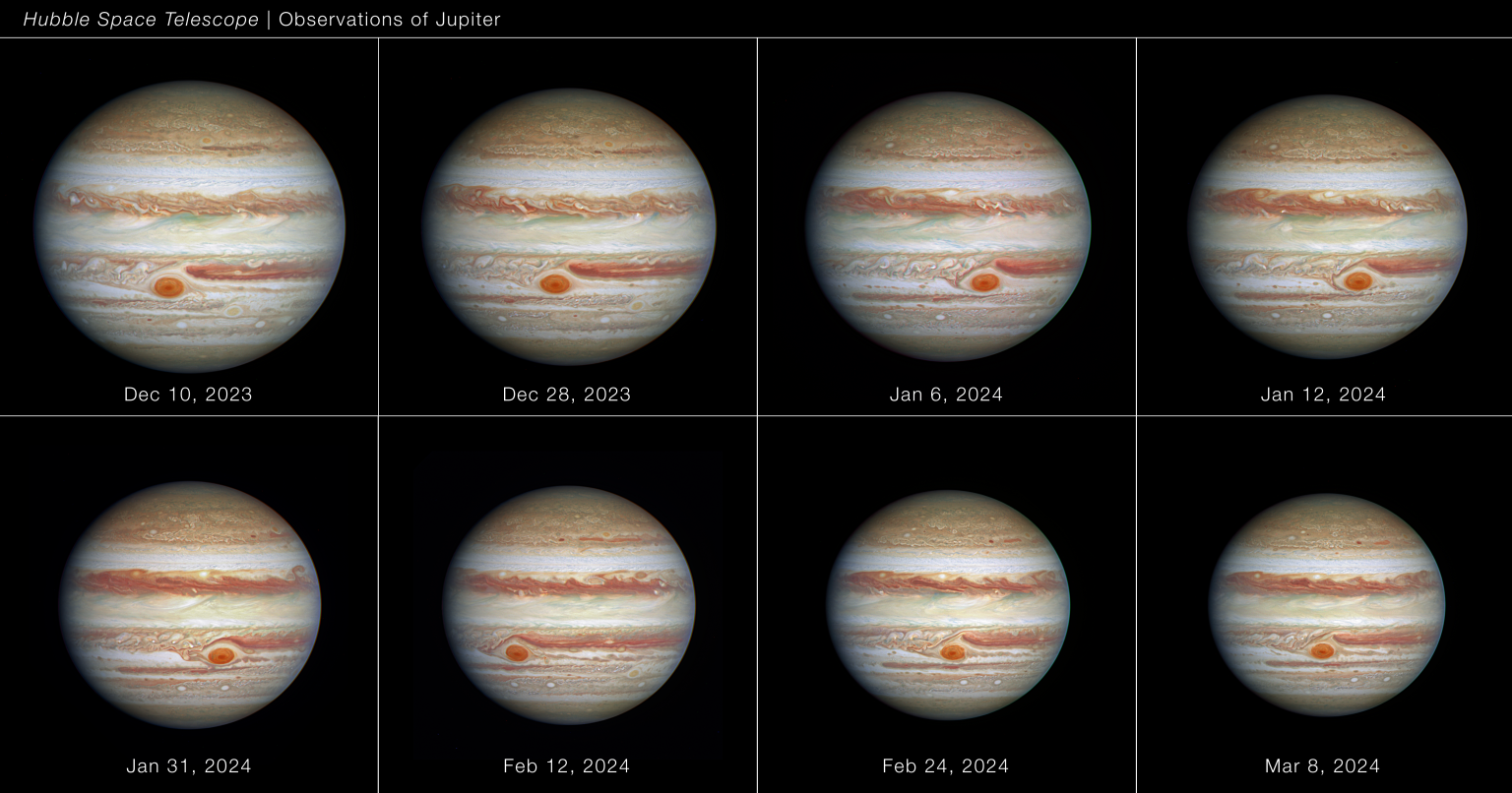
NASA’s Hubble watches Jupiter’s Great Red Spot behave like a stress ball | ScienceDaily
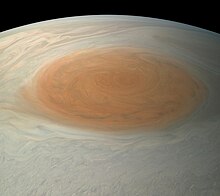
Jupiter’s Great Red Spot
https://upload.wikimedia.org/wikipedia/commons/thumb/e/e5/PIA21775.jpg/220px-PIA21775.jpg
Hubble Space Telescope Time Lapse Photo
More Time Lapse
Discussion Topic of the Evening.
How Does Starlink Really Work, and How Might it Affect Astronomy?
Starlink Satellites Before Deployment
https://cdn.mos.cms.futurecdn.net/sEoeyvUbZCESaRbMwNXGPi-1186-80.jpg.webp

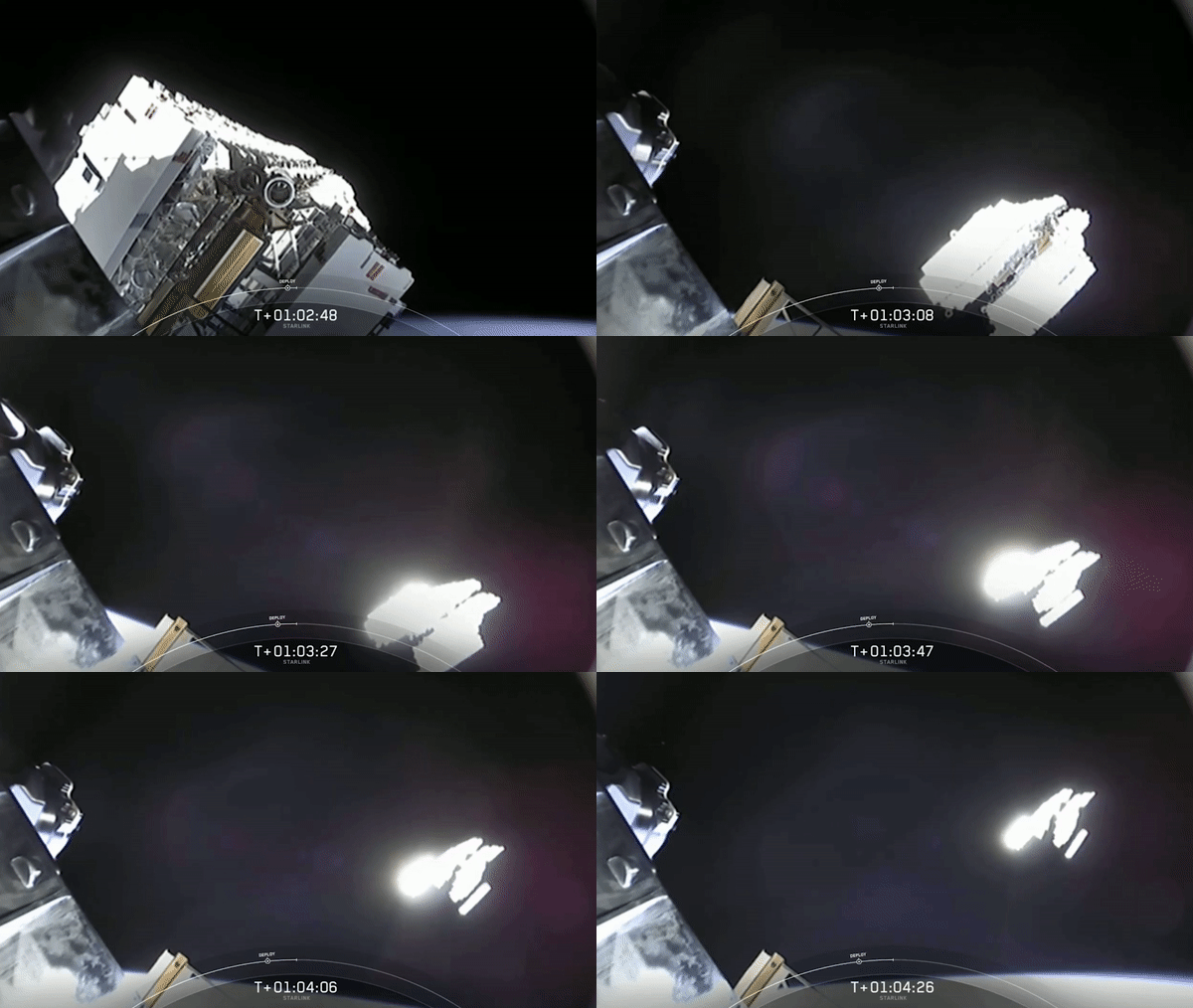
Satellite Deployment
https://cdn.mos.cms.futurecdn.net/QjzrKqG3mu892upA8umT5A-1200-80.gif
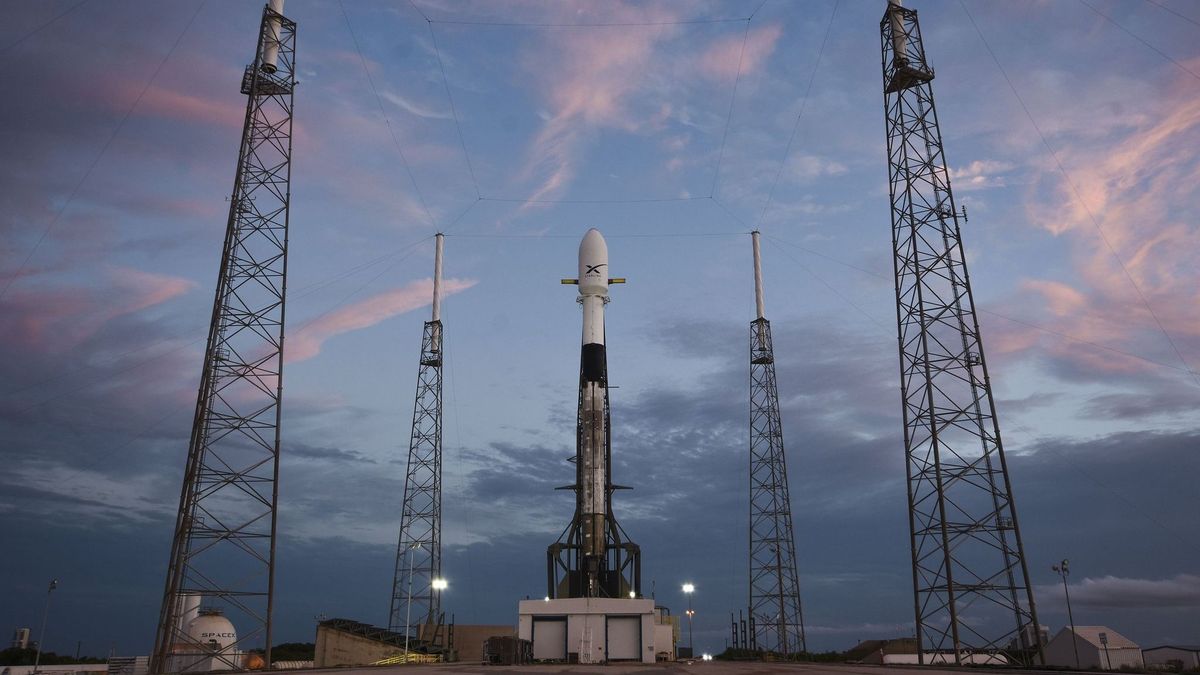
Launch Preparation
https://cdn.mos.cms.futurecdn.net/WzCqWrT2wpT8DDRKq5tixb-1200-80.jpg
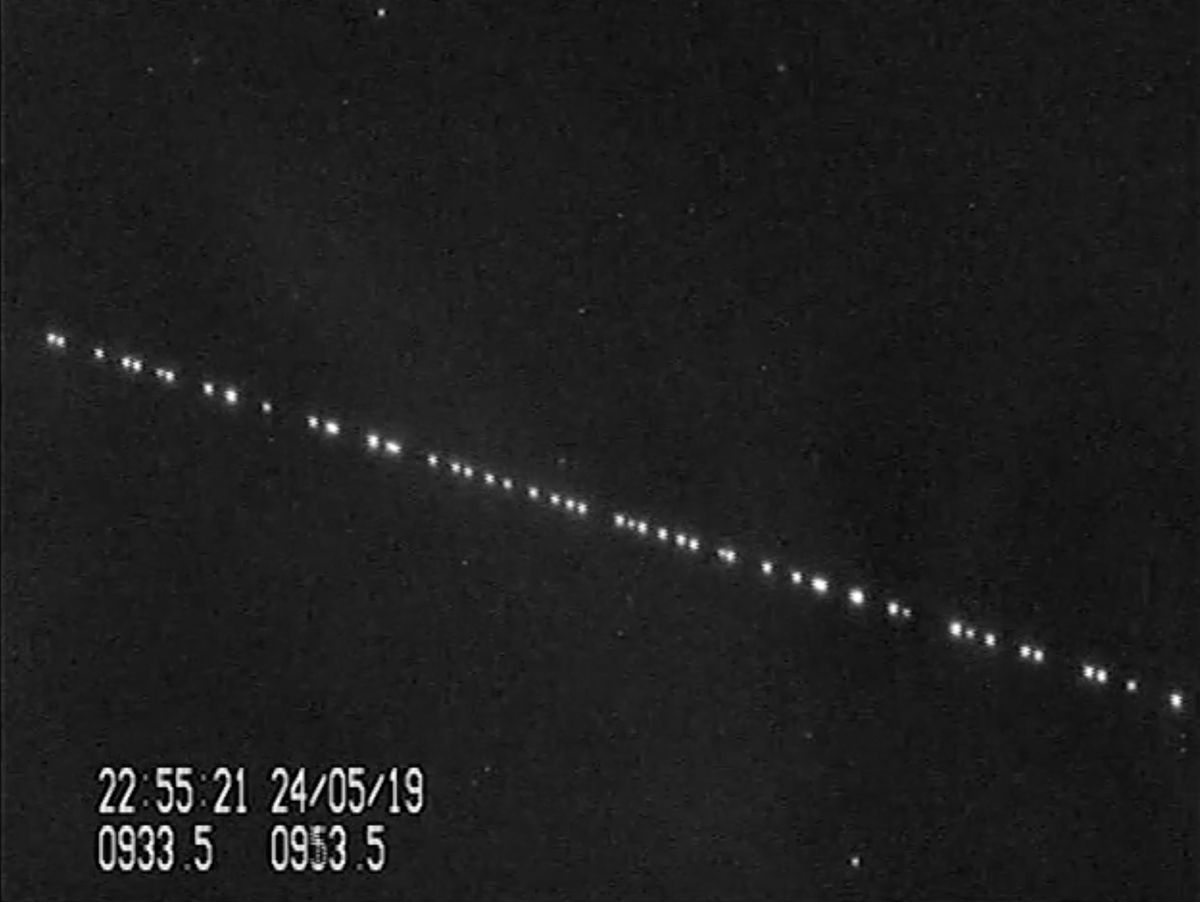
60 Sats After Deployment
https://cdn.mos.cms.futurecdn.net/uwxXhvy8WC2ukLTMERQeee-1200-80.jpg
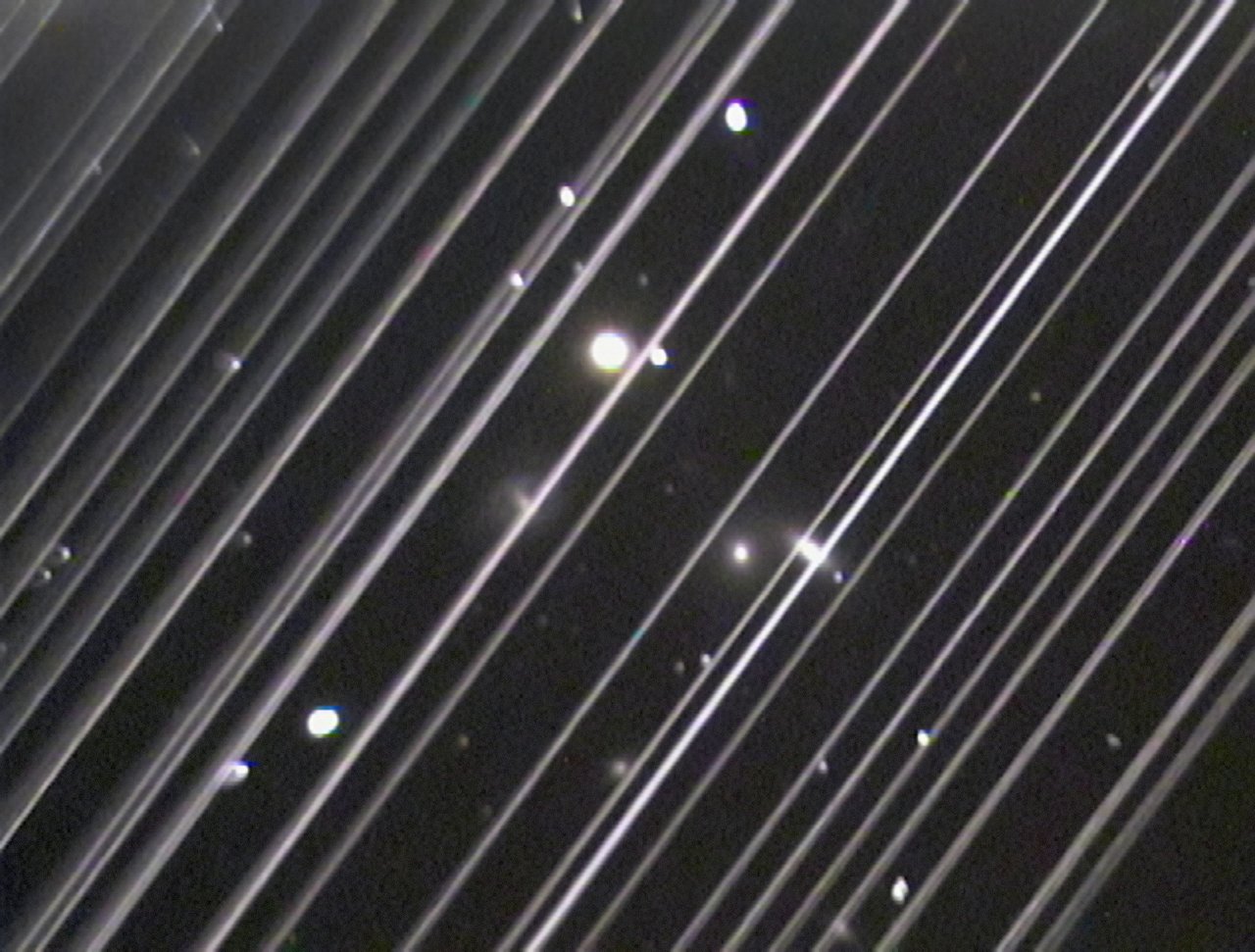
NGC 5353 and 5354 after Starlink Pass
https://www.iau.org/static/archives/images/screen/ann19035a.jpg
“How Does StarLink Satellite Internet Work?
Waz Up
Space Exploration and Space History
Space Exploration News
NASA’s Hubble, New Horizons Team Up for a Simultaneous Look at Uranus
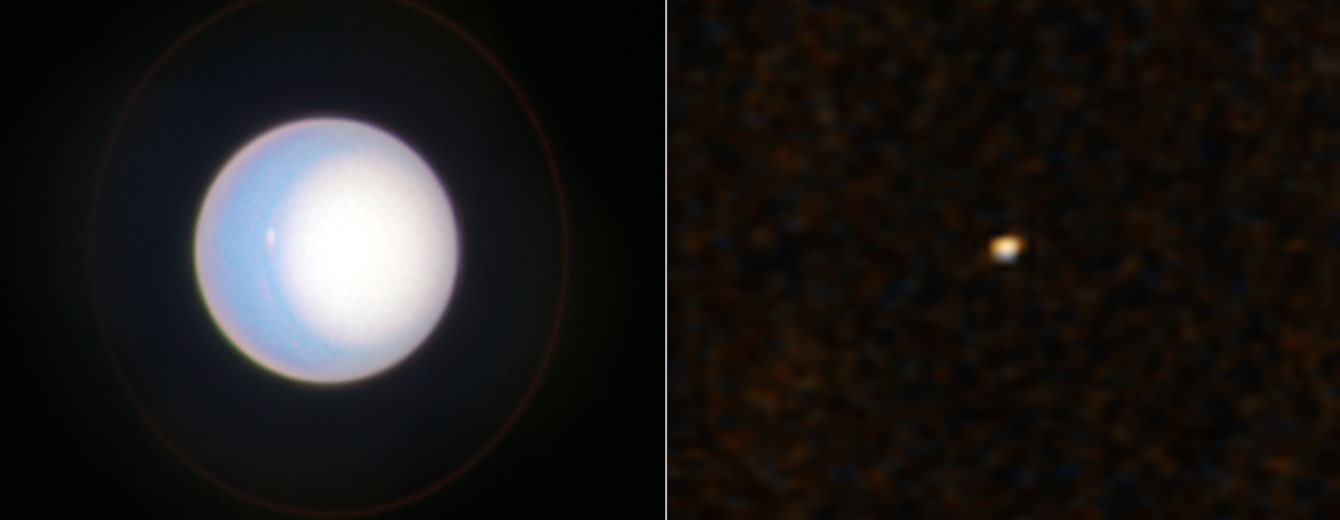
NASA’s Hubble, New Horizons Team Up for a Simultaneous Look at Uranus
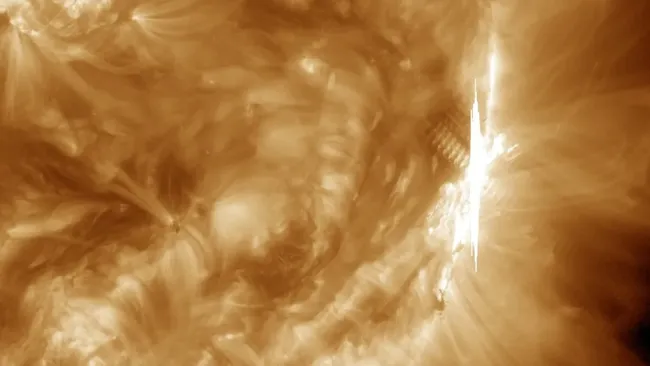
A SOLAR STORM JUST HIT EARTH: The CME launched by Tuesday’s X-flare hit Earth today, Oct. 10th (1515 UTC), and it appears to be as potent as advertised.
https://cdn.mos.cms.futurecdn.net/AaY6uzvVtdwtAJBDEJUxqC-650-80.jpg.webp
Space-Related Birthdays
Karen Nyberg Oct 7, 1969
STS-124
Soyuz TMA-09M (Expedition 36/37)

Robert R. Gilruth Oct.8, 1913 Director of NASA Manned Spacecraft Center, now Lyndon B. Johnson Space Center

Janice E. Voss Oct. 8, 1956
STS-57
STS-63
STS-83
STS-94
STS-99
https://upload.wikimedia.org/wikipedia/commons/thumb/a/ac/Janice_Voss.jpg/220px-Janice_Voss.jpg

Robert A. Rushworth Oct 9, 1924
X-15 Flight 87

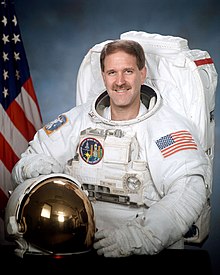
John M. Grunsfeld Oct. 10, 1958 STS-67
STS-81
STS-103
STS-109
STS-125
Rex J. Walheim Oct. 10, 1962
STS-110
STS-122
STS-135

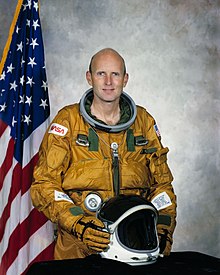
C. Gordon Fullerton Oct. 11, 1936
ALT
STS-3
STS-51-F
https://upload.wikimedia.org/wikipedia/commons/thumb/e/e6/Fullerton.jpg/220px-Fullerton.jpg
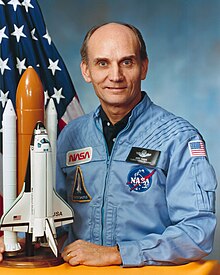
Jake Garn Oct. 12, 1932 STS-51-D
https://upload.wikimedia.org/wikipedia/commons/thumb/8/8b/GarnNASA.jpg/220px-GarnNASA.jpg
This Week in Space History
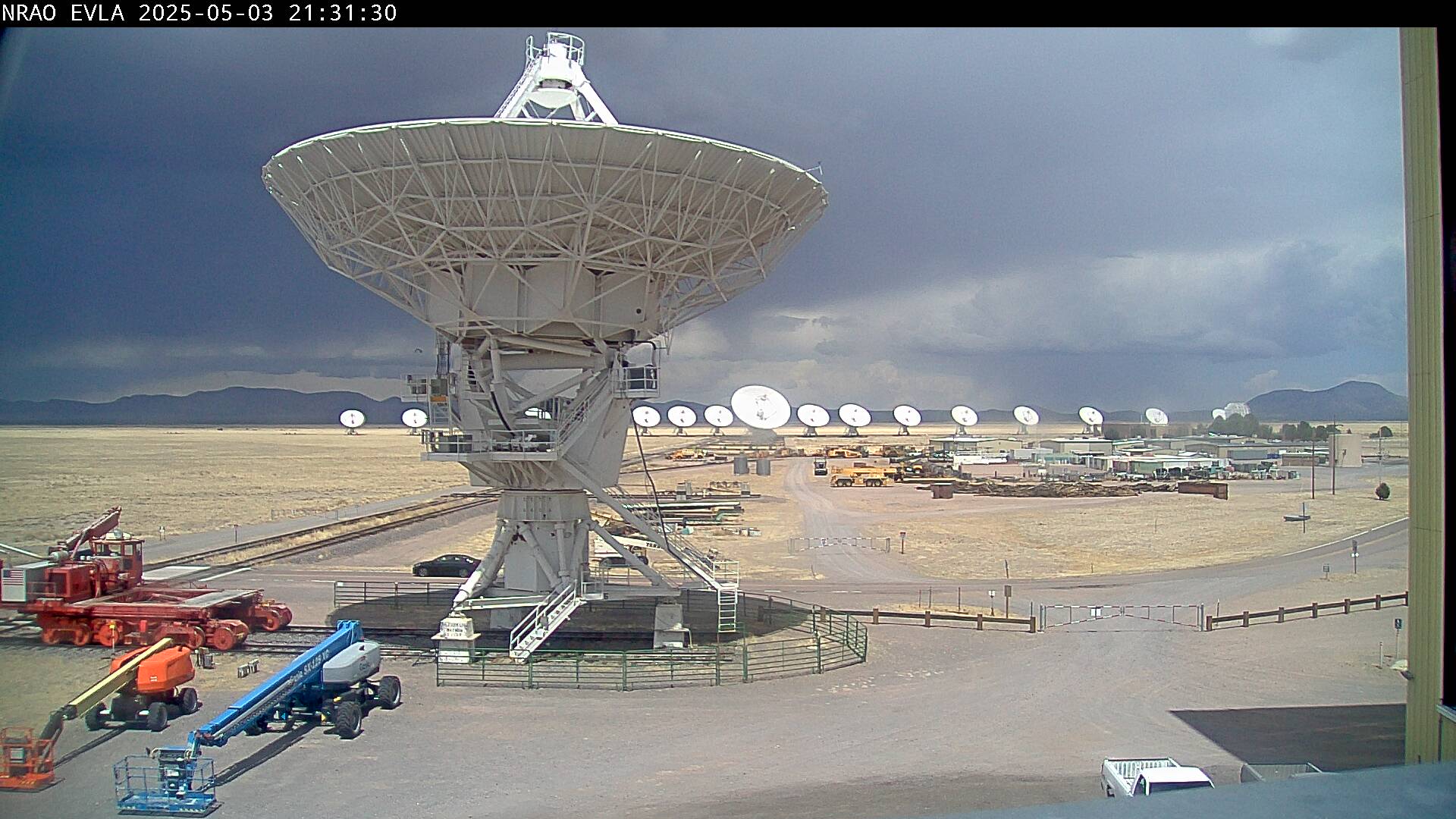
The Karl G. Jansky Very Large Array (VLA) became operational this week in 1980.
https://public.nrao.edu/wp-content/uploads/temp/vla_webcam_temp.jpg?1728604741391
October 8, 2012
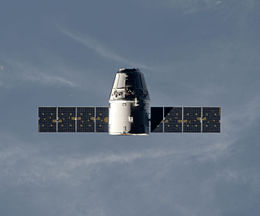
SpaceX CRS-1, also known as SpX-1,[8] was SpaceX’s first operational cargo mission to the International Space Station, under their Commercial Resupply Services (CRS-1) contract with NASA.
40 Years Ago, Pioneer Venus Orbiter Launched on Quest to Study Atmosphere of Earth’s Closest Neighbor
Miss Carolyn’s Constellation of the Week
Chaz KF5JHA (Read by Bill N5BB tonight)
Lacerta, the Lizard
Space Launches For This Week
Space Flight Now Launch Schedule
NET October 13 Starship • Flight 5
Launch time: Launch window opens 7 a.m. CDT (8 a.m. EDT / 1200 UTC)
Launch site: Starbase, Boca Chica Beach, Texas
SpaceX is planning the fifth flight test of its fully integrated Starship rocket, a combination of the Ship upper stage and the Super Heavy Booster. This flight will feature the first planned capture and recovery of the Super Heavy Booster 12 by the chopsticks on the launch tower. The Ship 30 upper stage features a beefed-up heat shield for reentry. If all goes according to plan the Ship will perform a landing flip and make a gentle splashdown in the Indian Ocean. Pending FAA approval.
Updated: October 12
NET October 14 Falcon Heavy • Europa Clipper
Launch time: 12:06 p.m. EDT (1606 UTC)
Launch site: LC-39A, Kennedy Space Center, Florida
A SpaceX Falcon Heavy rocket will launch NASA’s Europa Clipper to begin its journey to the Galilean moon of the same name. Europa, a moon believed to have a saltwater ocean on its surface, is the fourth largest of Jupiter’s 95 moons. It’s also the sixth closest to the planet. This Falcon Heavy rocket will be flown in a fully expendable configuration, bringing an end to the side booster, tail numbers B1064 and B1065, after they each flew on five previous Falcon Heavy missions. Delayed from Oct. 10 due to Hurricane Milton.
Updated: October 12
TBD Falcon 9 • OneWeb 20
Launch time: TBD
Launch site: SLC-4E, Vandenberg Space Force Base, California
A SpaceX Falcon 9 rocket will carry the final batch of OneWeb’s Gen 1 satellites to low Earth orbit. Nearly eight minutes after liftoff from Space Launch Complex 4 East (SLC-4E) at Vandenberg Space Force Base, the Falcon 9 first stage booster, tail number B1082, will return for a touchdown at Landing Zone 4 (LZ-4). Launch on hold due to Falcon 9 second stage problem on Crew 9.
Updated: October 06
NET November New Glenn • NG-1
Launch time: TBD
Launch site: Launch Complex 36
A Blue Origin New Glenn rocket will launch the company’s Blue Ring spacecraft, which is capable of both hosting and deploying multiple payloads. Blue Origin will attempt to land the first stage booster on its sea-based landing platform, ‘Jacklyn.’
Updated: September 11
TBD Vulcan Centaur • Dream Chaser 1
Launch time: TBD
Launch site: SLC-41, Cape Canaveral Space Force Station, Florida
A United Launch Alliance Vulcan Centaur rocket will launch on its second demonstration flight with Sierra Space’s Dream Chaser cargo vehicle for the International Space Station. The Dream Chaser is a lifting body resupply spacecraft that will launch on top of a rocket and land on a runway. This will be the Dream Chaser’s first flight to space. The Vulcan Centaur rocket will fly in the VC4L configuration with four GEM-63XL solid rocket boosters, a long-length payload fairing, and two RL10 engines on the Centaur upper stage. Delayed from August 2022, December 2023, January 2024, April 2024 and September 2024.
Updated: July 12
NET Spring 2025 New Glenn • EscaPADE
Launch time: TBD
Launch site: Launch Complex 36, Cape Canaveral Space Force Station
A Blue Origin New Glenn rocket will launch a pair of identical spacecraft on NASA’s Escape and Plasma Acceleration and Dynamics Explorers (EscaPADE) mission. The two satellites, named Blue and Gold, will make a roughly 11-month journey to Mars where they will then perform about an 11-month science mission while orbiting the Red Planet. Blue and Gold were manufactured by Rocket Lab over about 3.5 years and carry science experiments from the University of California, Berkeley. This launch of the New Glenn rocket will also feature a landing attempt on its landing barge in the Atlantic Ocean. Delayed from October 13.
Visible satellite passages over the next couple of days.
You can use the http://www.heavens-above.com website to find out what’s in orbit and
where to look during fly-overs
ISS
Oct. 14
Oct. 15
Oct. 16
Oct. 17
Oct. 18
Tiangong
Oct. 16
Oct. 18