
IO Group: https://groups.io/g/DARCskynet/topics
Facebook Group: http://www.facebook.com/groups/306498286059167/
Saturday’s DARC SkyNet is at 9PM CT.
Discussion Topic of the Evening.
Boeing Starliner

Starliner Particulars
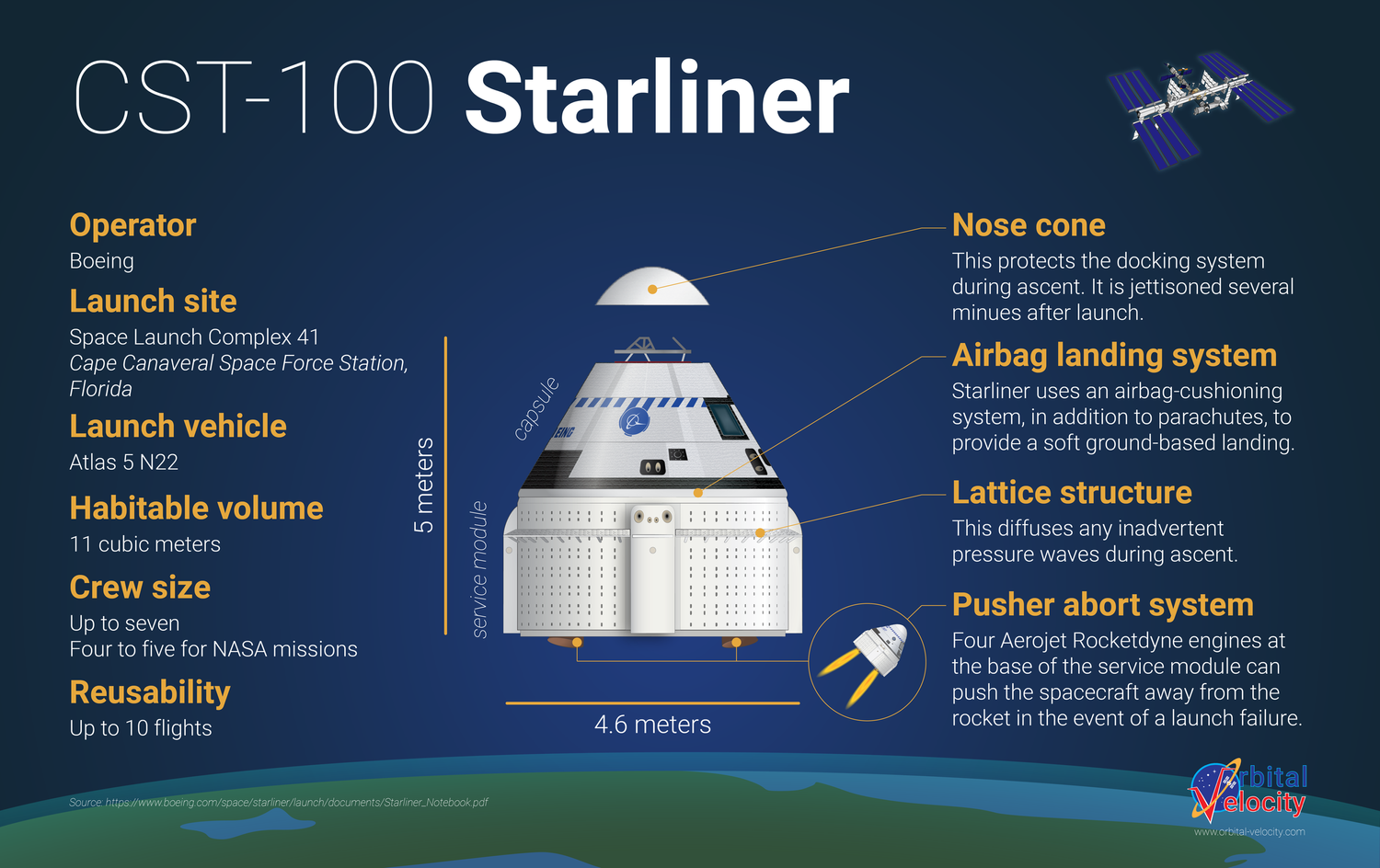
Unmanned Orbital Mission
https://cdn.mos.cms.futurecdn.net/Fu2xUaHCnTdDmNSZiWCcdW-1200-80.jpg
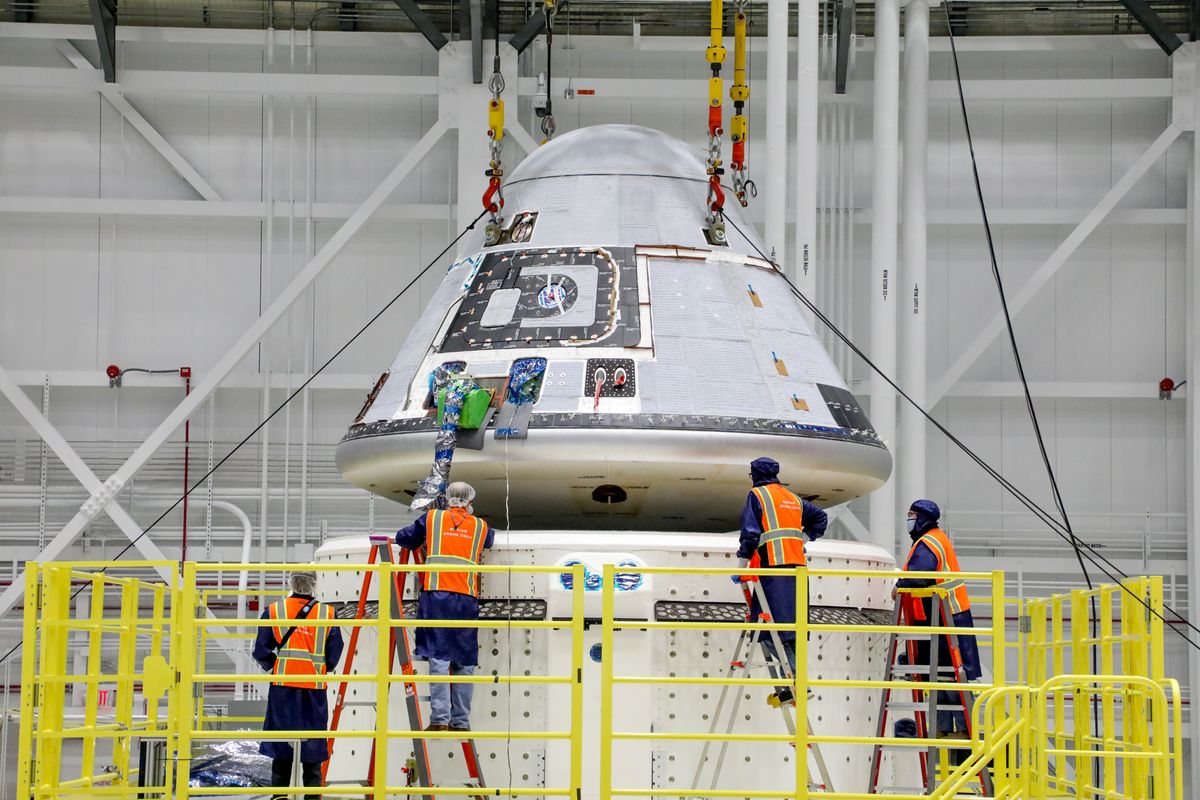
On Orbit
https://www.airguide.info/wp-content/uploads/2018/01/Boeings-CST-100-Starliner-capsule-space-1.jpeg

Starliner Heat Shield
https://encrypted-tbn0.gstatic.com/images?q=tbn:ANd9GcRGD73TZtxpsnFTBGHPJQswrW3M8IKUq4ExIQ&s
Waz Up
Space Exploration and Space History
Space Exploration News
Earthrise

AR3664 (with Jupiter Comparison)

Space-Related Birthdays
Pete Conrad June 2, 1930 Gemini 5, Gemini 11, Apollo 12, Skylab 2
Mark L Polansky, June 2, 1956 STS-98, STS-116, STS-127

Shannon Walker, June 4, 1965 Soyuz TMA-19 (Expedition 24/25) SpaceX Crew-1 (Expedition 64/65)

Robert S. Kimbrough, June 4, 1967 STS-126, Soyuz MS-02 (Expedition 49/50), SpaceX Crew 2 (Expedition 65/66)

Richard A. Searfoss, June 5, 1956 STS-58, STS-76, STS-90
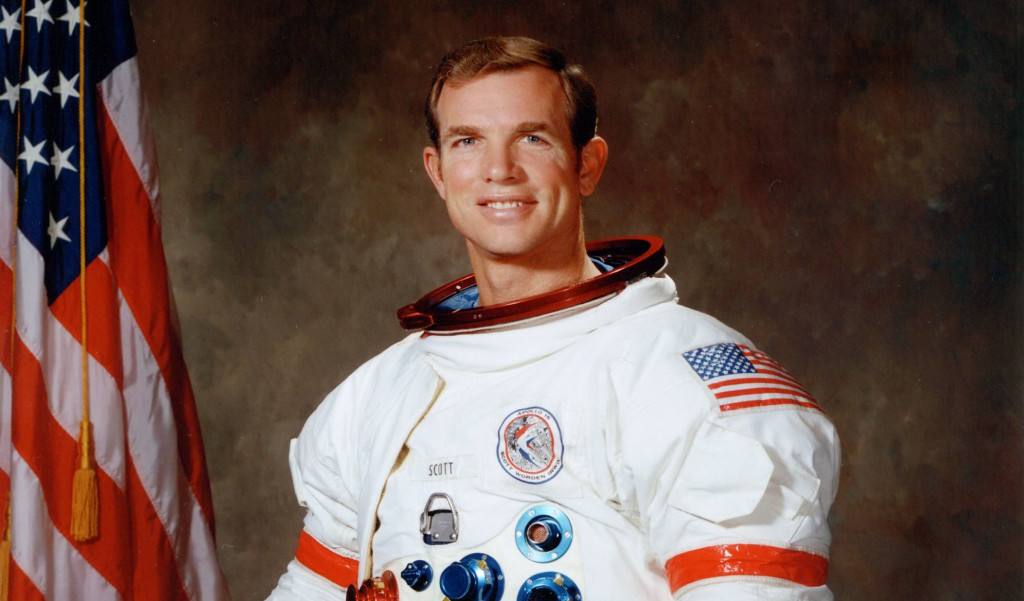
David Scott, June 6, 1932 Gemini 8, Apollo 9, Apollo 15 (He’s 92)
https://www.ju.edu/globalcitizen/img/honoree-scott-2023.jpg
Jay C. Buckey June 6, 1956 STS-90
https://upload.wikimedia.org/wikipedia/commons/thumb/1/19/Jay_Buckey.jpg/220px-Jay_Buckey.jpg

Anne McClain June 7, 1979 Soyuz MS-11 (Expedition 58/59)

Bruce McCandless II, June 8, 1937 STS-41-B, STS-31

Stanley G. Love, June 8, 1956 STS-122
This Week in Space History
On June 7, 1965, after a four-day mission and 62 orbits, NASA’s Gemini 4 mission returned to Earth with an Atlantic Ocean splashdown.

Gemini 4 was NASA’s 10th manned spaceflight. It included the first spacewalk by an American astronaut. Edward H. White II floated outside the spacecraft for about 20 minutes. White was able to push himself out of the capsule by using a hand-held maneuvering oxygen-jet gun.
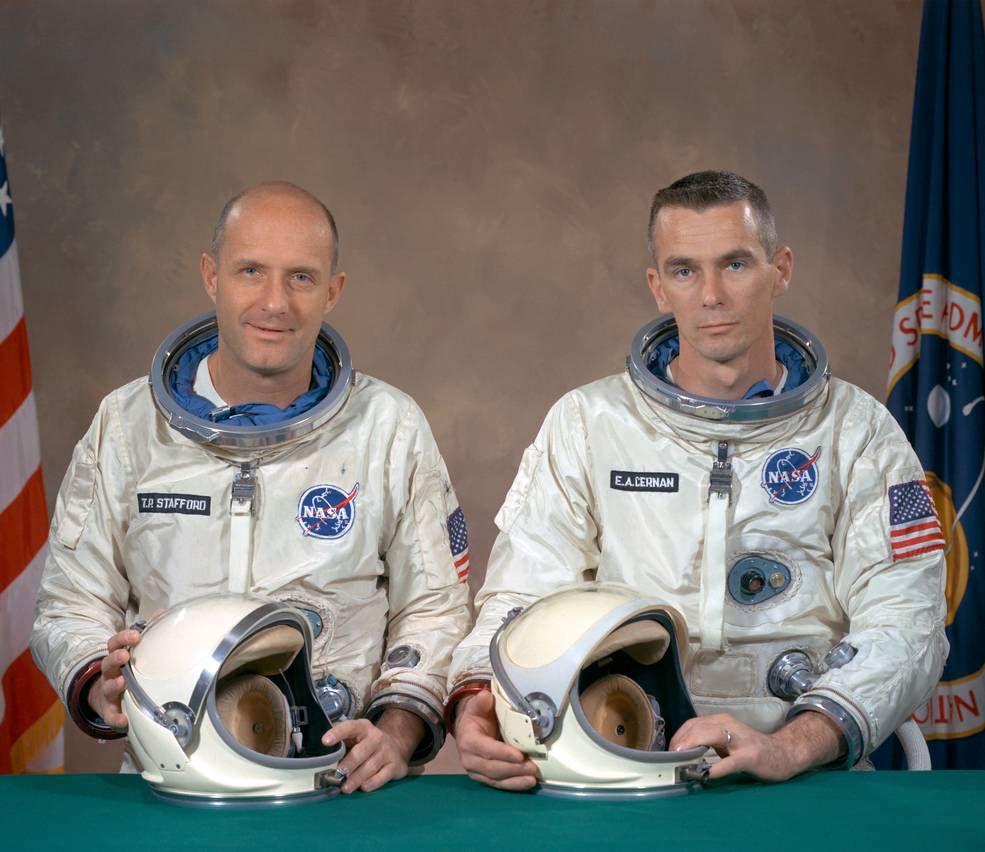
June 4, 1962. Neil Armstrong submitted his application to be an astronaut. He was selected for the second astronaut group three months later.
https://upload.wikimedia.org/wikipedia/commons/0/0d/Neil_Armstrong_pose.jpg

Miss Carolyn’s Constellation of the Week
Constellations “Bootes, the Shepherd, and Corona Borealis, the Northern Crown”
Space Launches For This Week
Space Flight Now Launch Schedule
NET June Soyuz • Kondor-FKA 2
Launch time: TBD
Launch site: Pad 1S, Vostochny Cosmodrome
A Russian Soyuz rocket will launch the Kondor-Experimental SAR Spacecraft FKA 2 (Kondor-FKA 2) satellite to sun-synchronous orbit at 510 km altitude and an inclination of 97.4°. The mission, with a roughly five-year live span, is being launched on behalf of NPO Mashinostroyeniya.
Updated: May 17
June 12/13 Falcon 9 • Starlink 10-2
Launch time: Window 5:08 – 9:36 p.m. EDT (2108-0136 UTC)
Launch site: SLC-40, Cape Canaveral Space Force Station, Florida
A SpaceX Falcon 9 rocket will launch a batch of Starlink V2 Mini satellites to low Earth orbit. About 8.5 minutes after liftoff, the first stage booster will land on a droneship out in the Atlantic Ocean.
Updated: June 07
NET June 19 Electron • “No Time Toulouse”
Launch time: TBD
Launch site: Launch Complex 1, Mahia Peninsula, New Zealand
A Rocket Lab Electron rocket will launch the “No Time Toulouse” mission, the first of five dedicated flights on behalf of Kinéis, a French Internet-of-Things company, which also has financial backing from France’s space agency, CNES (Centre National d’Études Spatiales). The rocket will carry the first five Internet-of-Things (IOT) satellites of a 25-satellite constellation.
Updated: June 08
June 24 Long March 2C • SVOM
Launch time: TBD
Launch site: Xichang Satellite Launch Center, People’s Republic of China
A Chinese Long March 2C rocket will launch the Space-based multi-band astronomical Variable Objects Monitor (SVOM) spacecraft. The satellite is a dual Franco-Chinese mission, which is “dedicated to the study of the most distant explosions of stars, the gamma-ray bursts.” There are four main instruments on board, two of which are French and two which are Chinese. The spacecraft will be launched to a 625-km Earth orbit and will operate for at least three years with an option to extend for another two years beyond that. Delayed from late 2023.
Updated: January 28
June 25 Falcon Heavy • GOES U
Launch time: TBD
Launch site: LC-39A, Kennedy Space Center, Florida
A SpaceX Falcon Heavy will launch the fourth and final satellite of the next-generation series of geostationary weather satellites for NASA and NOAA. GOES-U will orbit 22,300 miles above the equator to monitor weather conditions across the United States. The satellite will be renamed GOES-19 once it reaches its operational orbit. Delayed from April 30 and May.
Updated: March 26
Second Quarter Vulcan Centaur • Dream Chaser 1
Launch time: TBD
Launch site: SLC-41, Cape Canaveral Space Force Station, Florida
A United Launch Alliance Vulcan Centaur rocket will launch on its second demonstration flight with Sierra Space’s Dream Chaser cargo vehicle for the International Space Station. The Dream Chaser is a lifting body resupply spacecraft that will launch on top of a rocket and land on a runway. This will be the Dream Chaser’s first flight to space. The Vulcan Centaur rocket will fly in the VC4L configuration with four GEM-63XL solid rocket boosters, a long-length payload fairing, and two RL10 engines on the Centaur upper stage. Delayed from August 2022, December 2023, January 2024 and April 2024.
Updated: March 26
Summer 2024 Falcon 9 • ASBM
Launch time: TBD
Launch site: SLC-4E, Vandenberg Space Force Base, California
A SpaceX Falcon 9 rocket will launch the Arctic Satellite Broadband Mission, consisting of two satellites owned by Space Norway. The Falcon 9 will launch the two Northrop Grumman-built satellites into a highly elliptical orbit that lingers over the Arctic region. The satellites carry communications payloads for the Norwegian Ministry of Defense, the U.S. Space Force, and Inmarsat.
Updated: December 13
TBD Eris • TestFlight1
Launch time: TBD
Launch site: Pad 1, Bowen Orbital Spaceport
Gilmour Space in Australia is preparing to launch the inaugural flight of its Eris Block 1 rocket. The three-stage launch vehicle is 25 m (82 ft) tall and is equipped with 1.5 m (4.9 ft) diameter payload fairings. The rocket is designed to send up to 305 kg up to low Earth orbit. This first mission, called “TestFlight1,” does not appear to have a payload on board. Delayed from May 4 due to a lack of launch permit.
Updated: May 28
June 29/30 H3 • DAICHI-4
Launch time: 12:06:42 – 12:19:34 p.m. JST (11:06:42 – 11:19:34 p.m. EDT, 0306:42-0319:34 UTC)
Launch site: Yoshinobu Launch Complex at the JAXA Tanegashima Space Center
The Japanese Exploration Aerospace Agency (JAXA) will launch the third flight of its H3 Launch Vehicle. The mission, H3 F3: Flight No. 3, will launch the Advanced Land Observing Satellite-4 “DAICHI-4” (ALOS-4). This Earth observation satellite is manufactured by Mitsubishi Electric Corporation will use a phased array type L-band synthetic aperture radar (PALSAR-3) and is designed to operate for seven years or orbit.
Updated: April 26
NET July 8 Falcon 9 • Türksat 6A
Launch time: TBD
Launch site: SLC-40, Cape Canaveral Space Force Station, Florida
A SpaceX Falcon 9 rocket will launch the Türksat 6A communications satellite for the Turkish operator Türksat. Türksat 6A is the first geostationary communications satellite to be built in Turkey, with development led by TÜBİTAK Space Technologies Research Institute and Turkish Aerospace Industries. Delayed from 2nd Quarter 2023 and March 2024.
Updated: March 25
NET July Falcon 9 • Polaris Dawn
Launch time: TBD
Launch site: SLC-40, Cape Canaveral Space Force Station, Florida
A SpaceX Falcon 9 rocket will launch a Crew Dragon spacecraft. The Polaris Dawn mission will be commanded by billionaire Jared Isaacman, making his second trip to space. He will be joined on the all-private mission by pilot Scott “Kidd” Poteet, and SpaceX employees Sarah Gillis and Anna Menon. The Crew Dragon will return to a splashdown at sea. Delayed from November and December 2022, March 2023, April 2024 and early summer 2024.
Recent Astronomical Discoveries
Scientists Detect Slowest-spinning Radio Emitting Neutron Star Ever Recorded
https://www.sciencedaily.com/releases/2024/06/240605162538.htm
Visible satellite passages over the next couple of days.
You can use the http://www.heavens-above.com website to find out what’s in orbit and
where to look during fly-overs
All times are “local” (Dallas) time.
Tiangong
Jun 12
Jun 14
Jun 15
Jun 16
Jun 17
Envisat
Jun 9
Jun 10
Jun 11
Jun 12
Jun 13
Jun 14
Jun 16
Jun 17