
IO Group: https://groups.io/g/DARCskynet/topics
Facebook Group: http://www.facebook.com/groups/306498286059167/
Saturday’s DARC SkyNet is at 9PM CT.
Discussion Topic of the Evening.
5 of the rarest astronomical events—and when you’ll next see them

8 planets in the same night sky
https://cdn.mos.cms.futurecdn.net/B8ypgZ9gvzWJmRbu3nRSGa-1920-80.jpg.webp
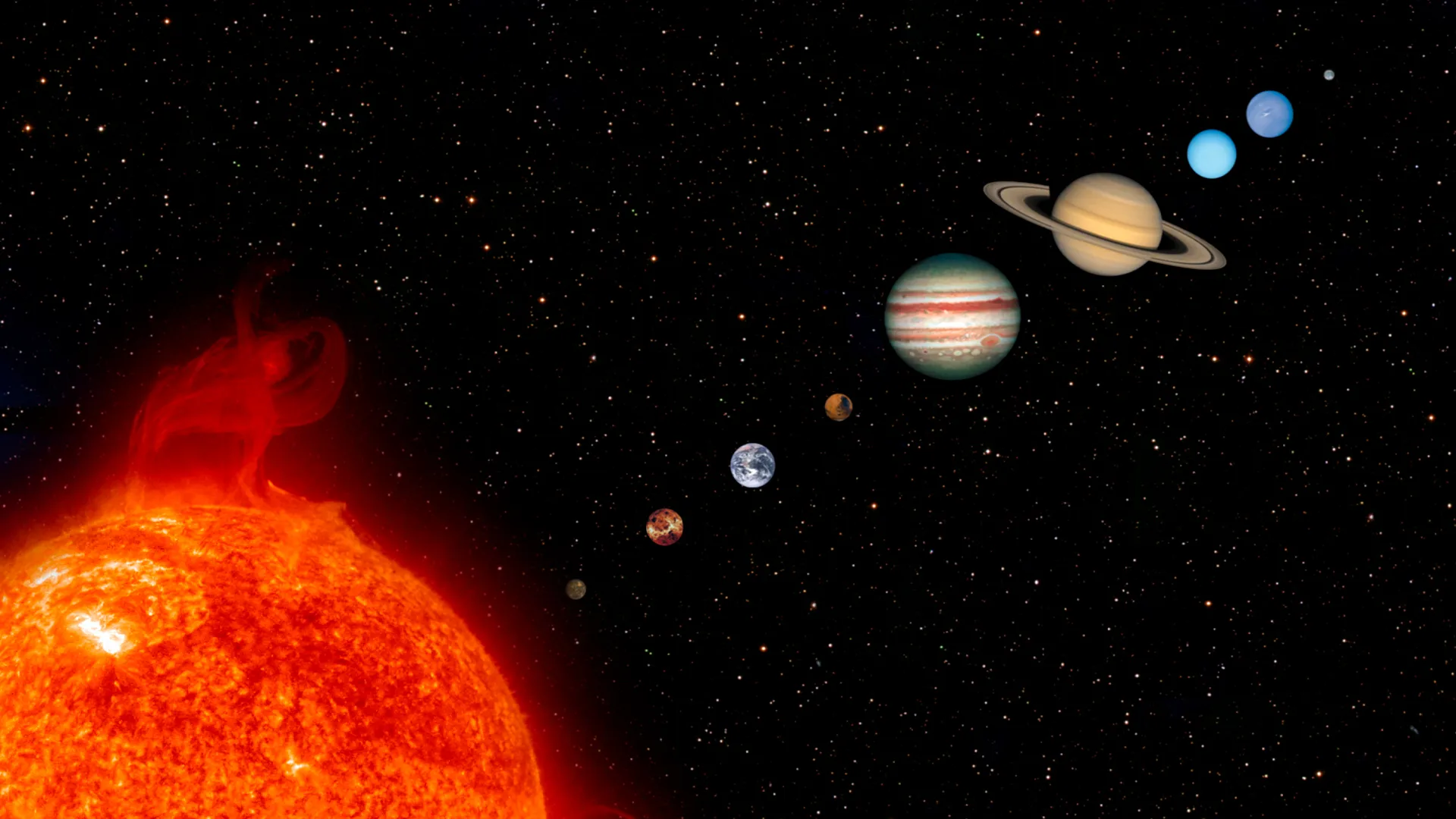
Transit of Earth

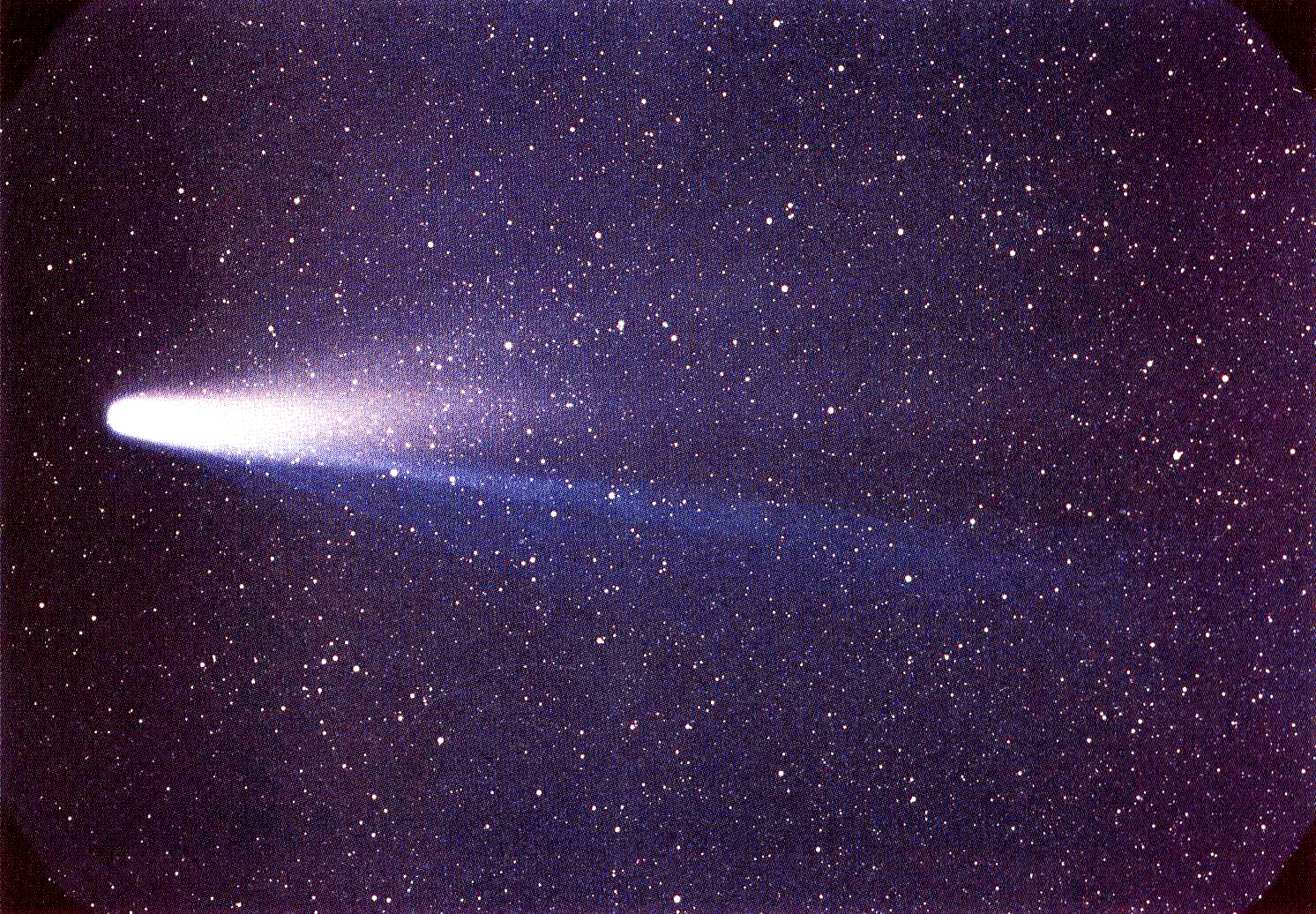
Halley’s Comet
https://upload.wikimedia.org/wikipedia/commons/2/2a/Lspn_comet_halley.jpg
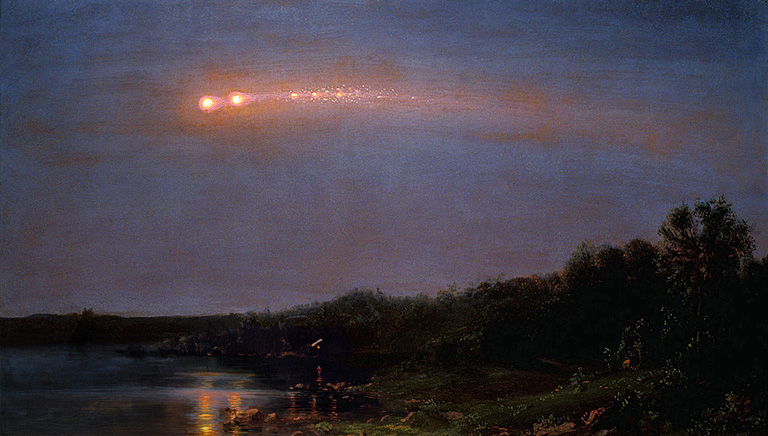
Meteor procession
https://upload.wikimedia.org/wikipedia/commons/c/c8/Frederic_Church_Meteor_of_1860.jpg
Blue supermoon

Waz Up
Space Exploration and Space History
Space Exploration News
NASA spacecraft found ‘dead’ robot on Mars surface: what is it and to which mission does it belong?
https://www.bing.com/th?id=OVFT.NHLli2CqMOqCxeFj5i4aBi&pid=News&w=300&h=186&c=14&rs=2&qlt=90
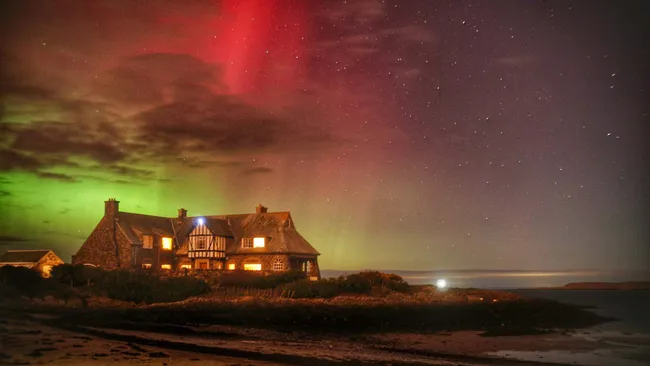
We may have just witnessed some of the strongest auroras in 500 years
https://cdn.mos.cms.futurecdn.net/VVzbeeQVyLLodd9wG9LFqR-650-80.jpg.webp
Space-Related Birthdays
Dick Scobee 19-May-1939 STS-41-C, STS-51-L )Challenger disaster)
https://upload.wikimedia.org/wikipedia/commons/thumb/4/42/Scobee-fr.jpg/800px-Scobee-fr.jpg

Pierre J. Thuot 19-May-1955 STS-36, STS-49, STS-62
https://upload.wikimedia.org/wikipedia/commons/thumb/0/0b/Pierre_Thuot.jpg/220px-Pierre_Thuot.jpg
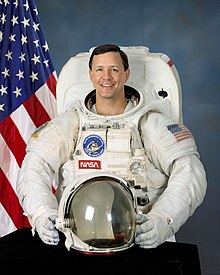
David M. Walker 20-May-1944 STS-51-A, STS-30, STS-53, STS-69
https://upload.wikimedia.org/wikipedia/commons/thumb/2/22/Walker-dm.jpg/220px-Walker-dm.jpg

Thomas Akers 20-May-1951 STS-41, STS-49, STS-61, STS-79
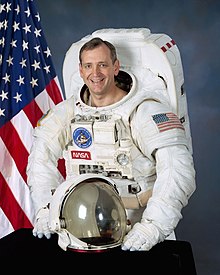
Paul W. Richards 20-May-1964 STS-102
https://upload.wikimedia.org/wikipedia/commons/thumb/9/98/Paul_Richards.jpg/220px-Paul_Richards.jpg

Robert C. Springer 21-May-1942 STS-29, STS-38

Ronald Parise 24-May-1951 STS-35, STS-67
https://upload.wikimedia.org/wikipedia/commons/thumb/7/7b/Ronald_Parise.jpg/220px-Ronald_Parise.jpg

Nathan J. Lindsay 24-May-1936 No flights.
No photo available.
John D. Olivas 25-May-1965 STS-117, STS-128

This Week in Space History
Skylab 2 launch, May 25, 1973

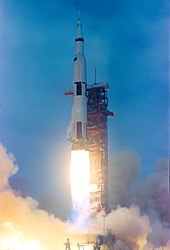
May 18-26, Apollo 10
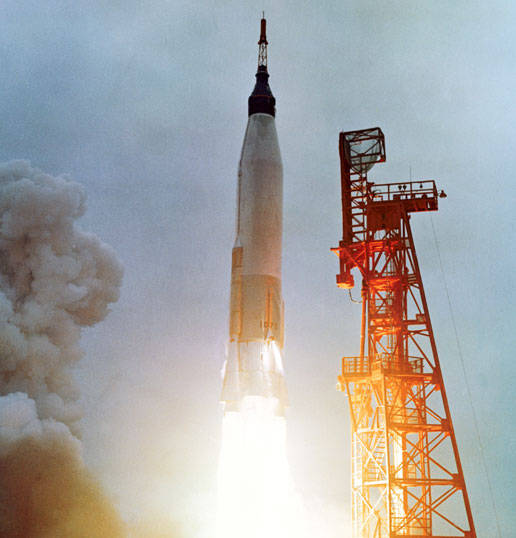
Aurora 7, May 24, 1962
https://www.nasa.gov/wp-content/uploads/2022/05/aurora_7_9_liftoff.jpg
Miss Carolyn’s Constellation of the Week
Constellation “Virgo, the Maiden”
Space Launches For This Week
Space Flight Now Launch Schedule
May 28 Falcon 9 • EarthCARE
Launch time: 3:20 p.m. PDT (6:20 p.m. EDT, 2220 UTC)
Launch site: SLC-4E, Vandenberg Space Force Base, California
A SpaceX Falcon 9 rocket will launch the Earth Cloud Aerosol and Radiation Explorer (EarthCARE) satellite to a sun-synchronous polar orbit at 393.14 km altitude and an inclination of 97.05°. This is principally a European Space Agency (ESA) mission, but it was developed with cooperation with the Japanese Aerospace Exploration Agency (JAXA). It includes two passive instruments that observe the atmosphere and two active instruments. The spacecraft has a designed lifetime of three years, which includes a six-month commissioning phase.
Updated: May 17
May 30 Soyuz • Progress MS-27 / 88P
Launch time: 5:43 a.m. EDT (0943 UTC, 12:43 p.m. MSK)
Launch site: Baikonur Cosmodrome, Kazakhstan
A Russian Soyuz-2.1a rocket will launch the Progress MS-27 spacecraft to the International Space Station. This will be the 88th Progress vehicle to head up to the orbiting outpost. The spacecraft is scheduled to dock with the ISS at 7:53 a.m. EDT on June 1.
Updated: May 17
TBD Eris • TestFlight1
Launch time: TBD
Launch site: Pad 1, Bowen Orbital Spaceport
Gilmour Space in Australia is preparing to launch the inaugural flight of its Eris Block 1 rocket. The three-stage launch vehicle is 25 m (82 ft) tall and is equipped with 1.5 m (4.9 ft) diameter payload fairings. The rocket is designed to send up to 305 kg up to low Earth orbit. This first mission, called “TestFlight1,” does not appear to have a payload on board. Delayed from May 4 due to a lack of launch permit.
Updated: April 23
NET June 1 Atlas 5 • CST-100 Starliner Crew Flight Test
Launch time: 12:25 p.m. EDT (1625 UTC)
Launch site: SLC-41, Cape Canaveral Space Force Station, Florida
A United Launch Alliance Atlas 5 rocket, designated AV-085, will launch Boeing’s CST-100 Starliner spacecraft on its first mission with astronauts, known as the Crew Test Flight, to the International Space Station. The capsule will dock with the space station, then return to Earth to landing in the Western United States. NASA astronauts Butch Wilmore and Suni Williams will fly on the mission. The rocket will fly in a vehicle configuration with two solid rocket boosters and a dual-engine Centaur upper stage. Delayed from August and 1st Quarter of 2020. Delayed from mid-2020 after Boeing decision to refly the Orbital Flight Test. Delayed from early 2021, June 2021, and late 2021. Delayed from late 2022 to implement fixes on the Starliner spacecraft after OFT-2. Delayed from April 2023, July 2023, April 2024, May 6, May 10, May 17, May 21 and May 25. Launch on hold for evaluation of small helium leak in Starliner propulsion system.
Updated: May 23
NET June Soyuz • Kondor-FKA 2
Launch time: TBD
Launch site: Pad 1S, Vostochny Cosmodrome
A Russian Soyuz rocket will launch the Kondor-Experimental SAR Spacecraft FKA 2 (Kondor-FKA 2) satellite to sun-synchronous orbit at 510 km altitude and an inclination of 97.4°. The mission, with a roughly five-year live span, is being launched on behalf of NPO Mashinostroyeniya.
Updated: May 17
June 24 Long March 2C • SVOM
Launch time: TBD
Launch site: Xichang Satellite Launch Center, People’s Republic of China
A Chinese Long March 2C rocket will launch the Space-based multi-band astronomical Variable Objects Monitor (SVOM) spacecraft. The satellite is a dual Franco-Chinese mission, which is “dedicated to the study of the most distant explosions of stars, the gamma-ray bursts.” There are four main instruments on board, two of which are French and two which are Chinese. The spacecraft will be launched to a 625-km Earth orbit and will operate for at least three years with an option to extend for another two years beyond that. Delayed from late 2023.
Updated: January 28
June 25 Falcon Heavy • GOES U
Launch time: TBD
Launch site: LC-39A, Kennedy Space Center, Florida
A SpaceX Falcon Heavy will launch the fourth and final satellite of the next-generation series of geostationary weather satellites for NASA and NOAA. GOES-U will orbit 22,300 miles above the equator to monitor weather conditions across the United States. The satellite will be renamed GOES-19 once it reaches its operational orbit. Delayed from April 30 and May.
Updated: March 26
NET Summer Falcon 9 • Polaris Dawn
Launch time: TBD
Launch site: SLC-40, Cape Canaveral Space Force Station, Florida
A SpaceX Falcon 9 rocket will launch a Crew Dragon spacecraft. The Polaris Dawn mission will be commanded by billionaire Jared Isaacman, making his second trip to space. He will be joined on the all-private mission by pilot Scott “Kidd” Poteet, and SpaceX employees Sarah Gillis and Anna Menon. The Crew Dragon will return to a splashdown at sea. Delayed from November and December 2022, March 2023 and April 2024.
Updated: May 17
Recent Astronomical Discoveries
Birth of universe’s earliest galaxies observed for first time | ScienceDaily
https://th.bing.com/th/id/OIP.fvAiw4Mr1ADbxbCDyIokLAAAAA?rs=1&pid=ImgDetMain
10. Visible satellite passages over the next couple of days.
All times are “local” (Dallas) time.
ISS
May 25
May 28
May 29
May 31
Tiangong
June 1
June 2
Hubble Space Telescope
May 28
May 29
May 30