
IO Group: https://groups.io/g/DARCskynet/topics
Facebook Group: http://www.facebook.com/groups/306498286059167/
Discussion Topic of the Evening.
22 amazing facts about space and astronomy
From Skyatnightmagazine.com
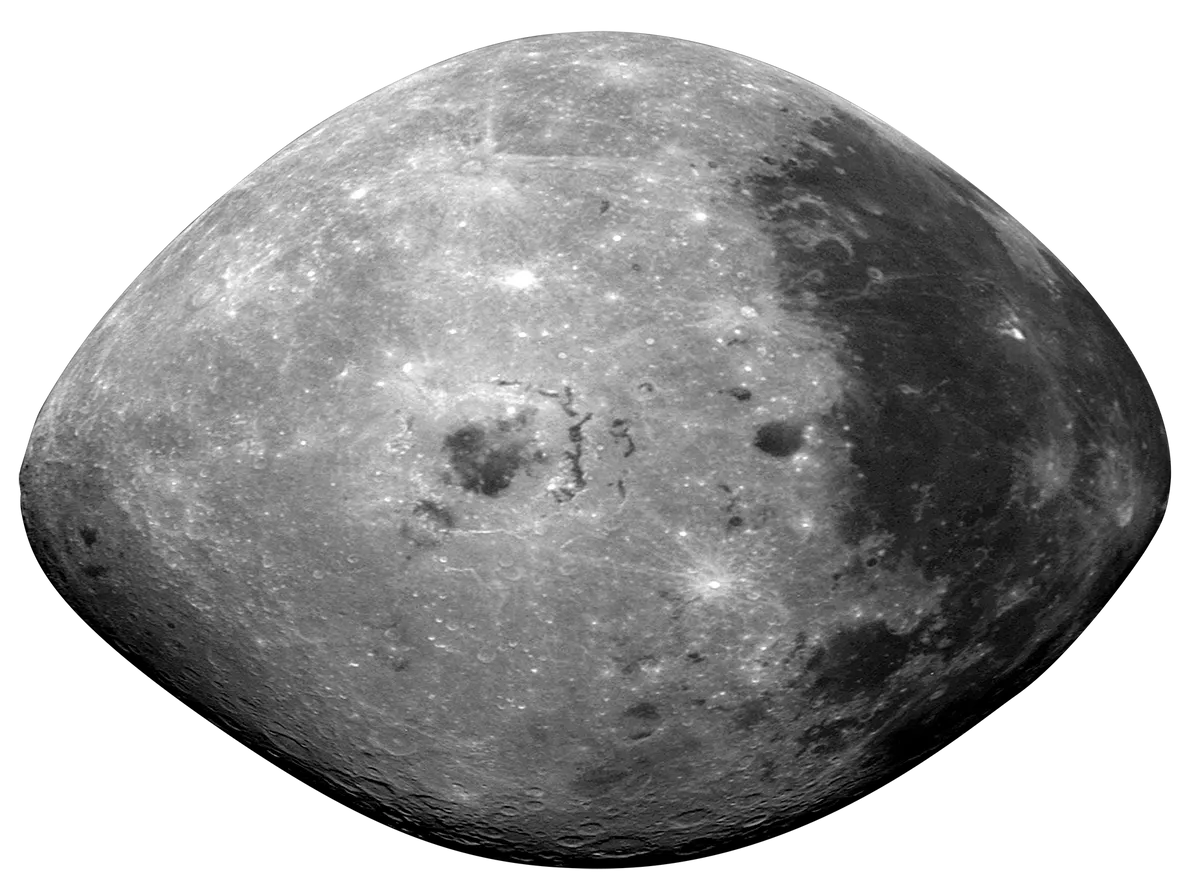
The Moon is lemon-shaped
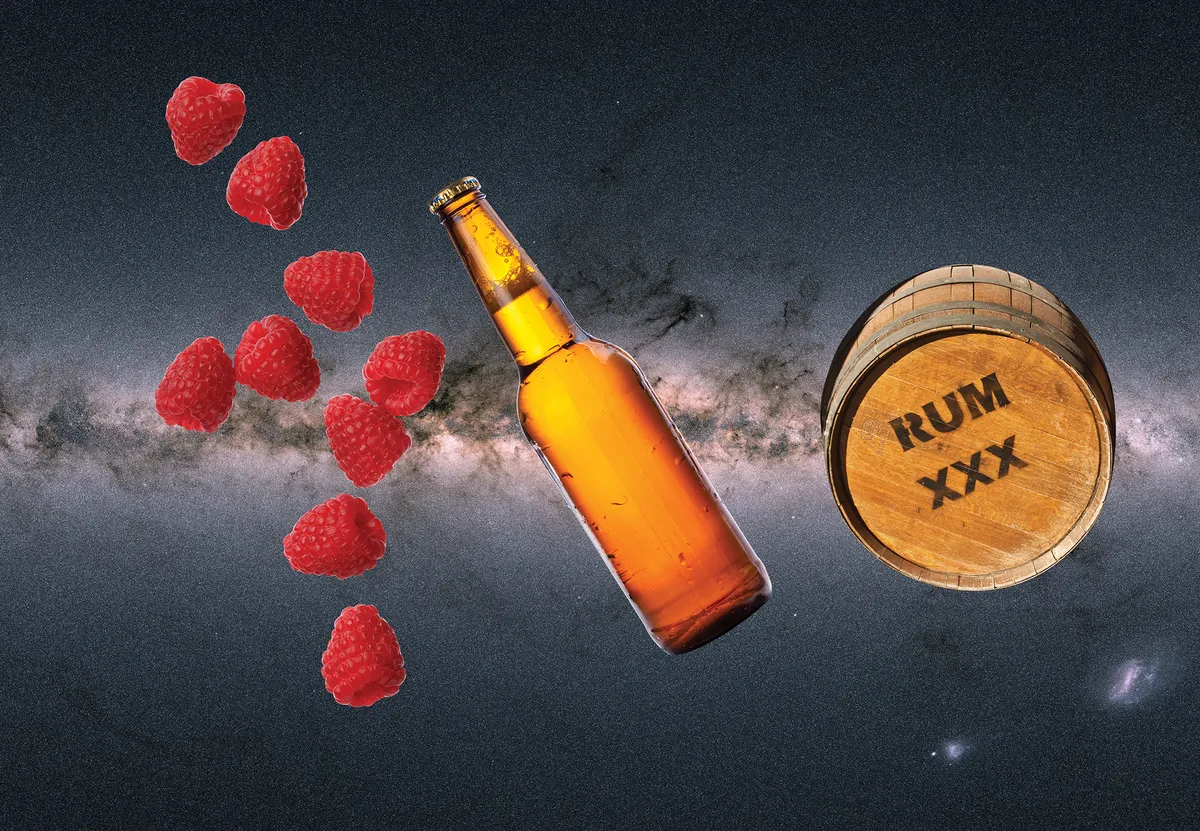
Milky Way smells of rum, raspberries and booze
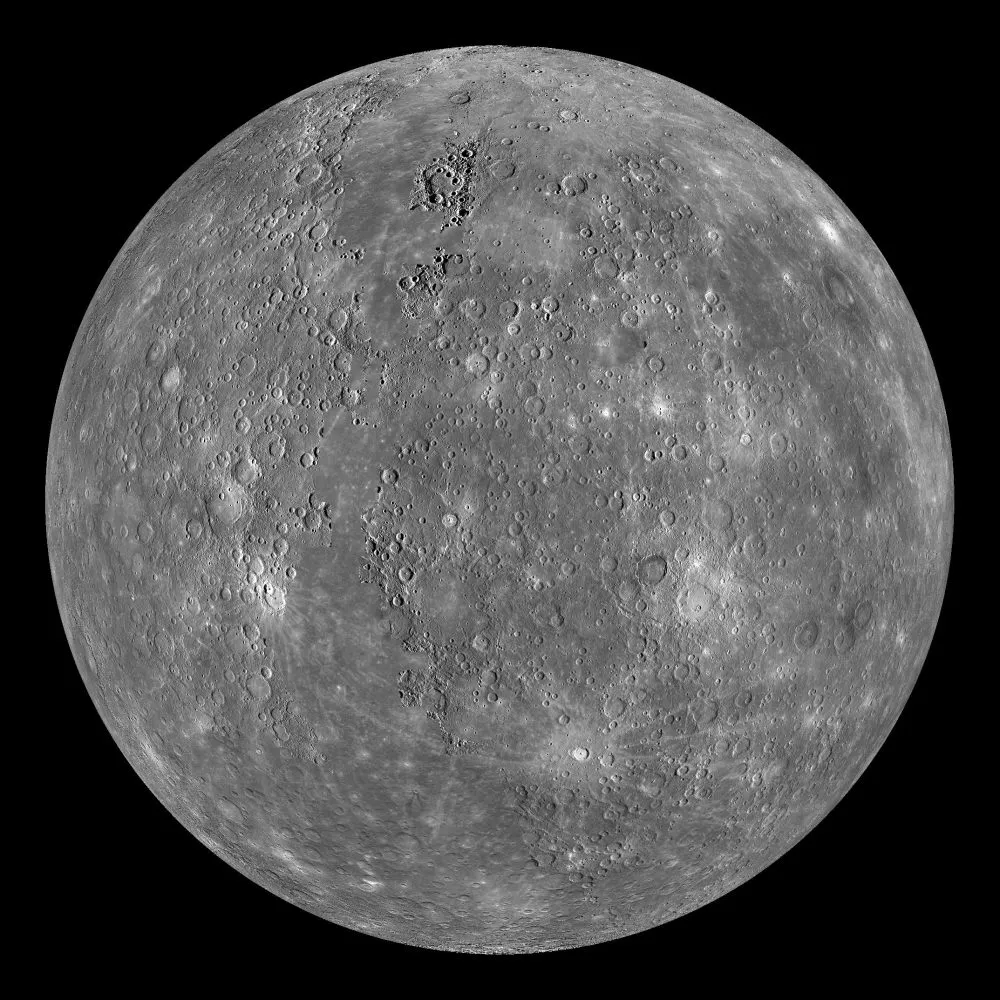
On Mercury a day is twice as long as a year
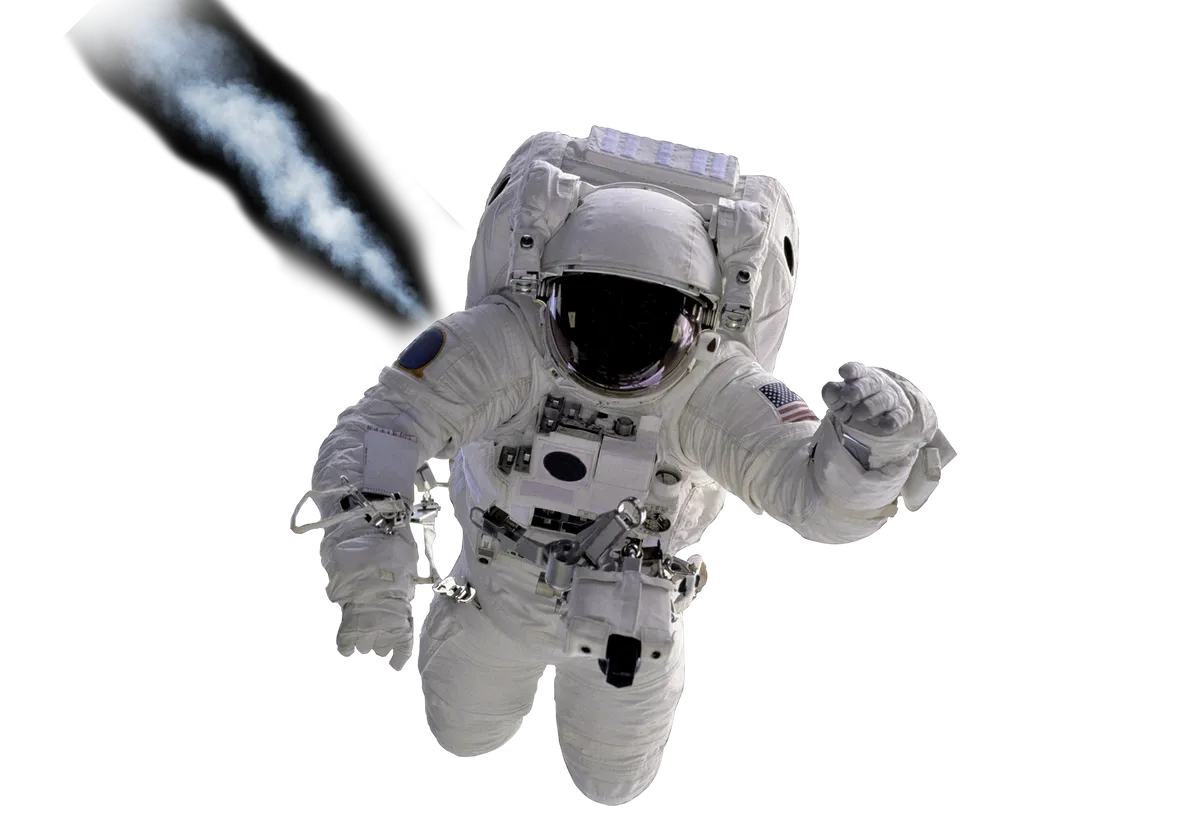
You could survive for a couple of minutes in a leaky spacesuit
https://c02.purpledshub.com/uploads/sites/48/2020/04/tink-029adb3-e1588252892217.png?webp=1&w=1200
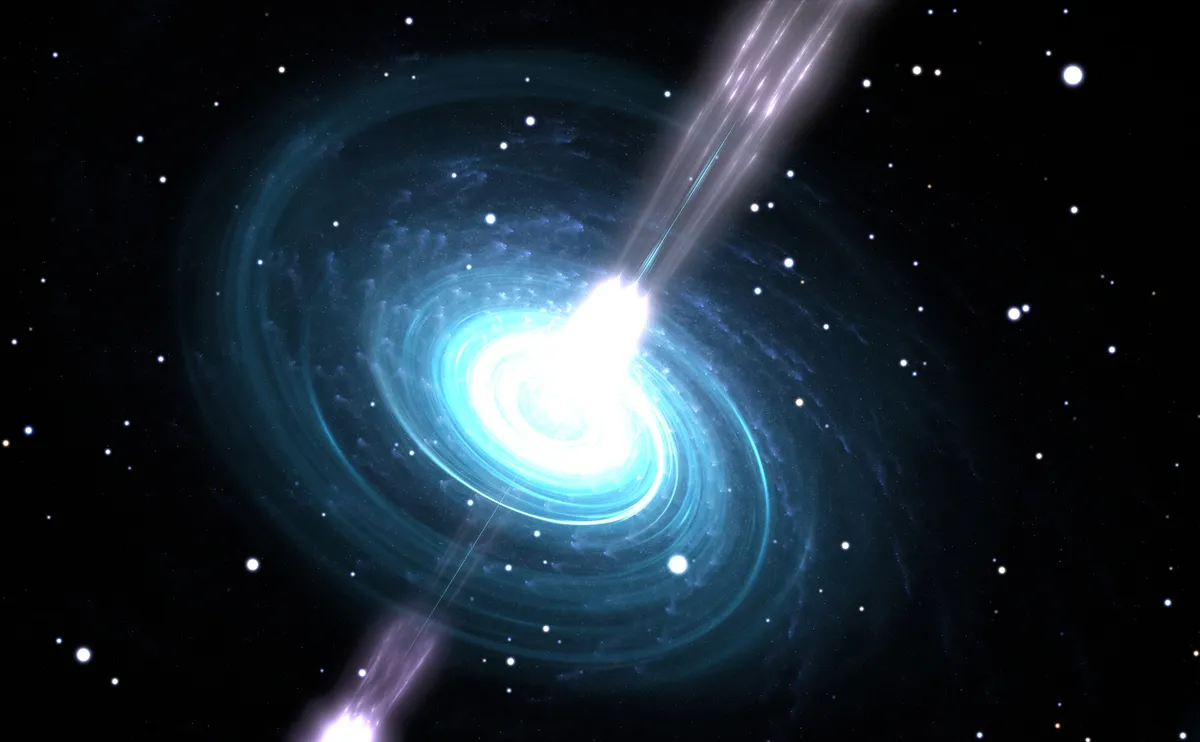
1 tsp of neutron star weighs the same as the human population
https://c02.purpledshub.com/uploads/sites/48/2020/05/Neutron-Star-2296c2d.jpg?webp=1&w=1200
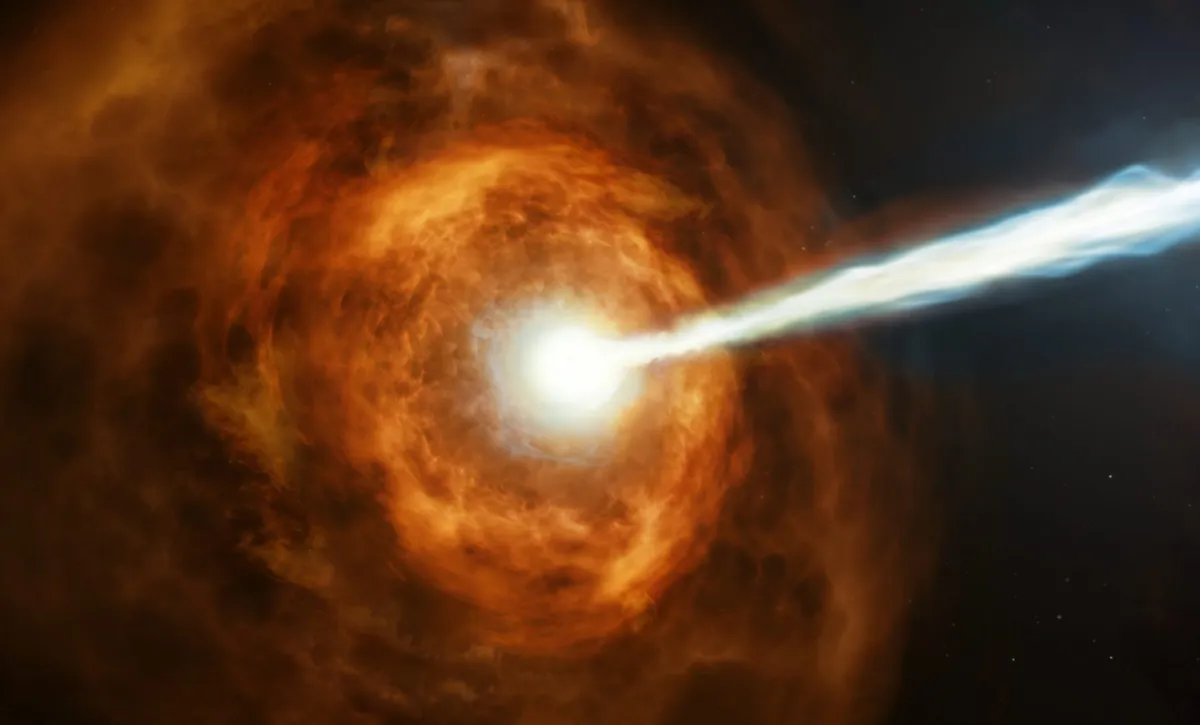
Gamma-ray bursts release more energy in 10 seconds than our Sun will in its entire life
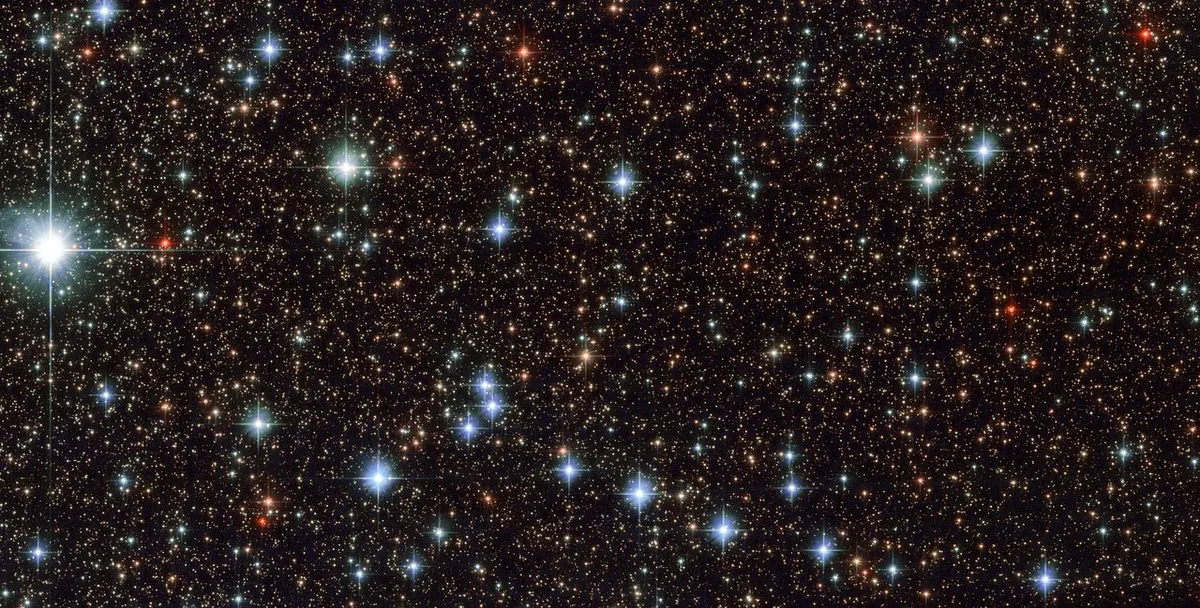
There are stars we will never be able to see
https://c02.purpledshub.com/uploads/sites/48/2020/02/potw1703a-8eb608f.jpg?webp=1&w=1200
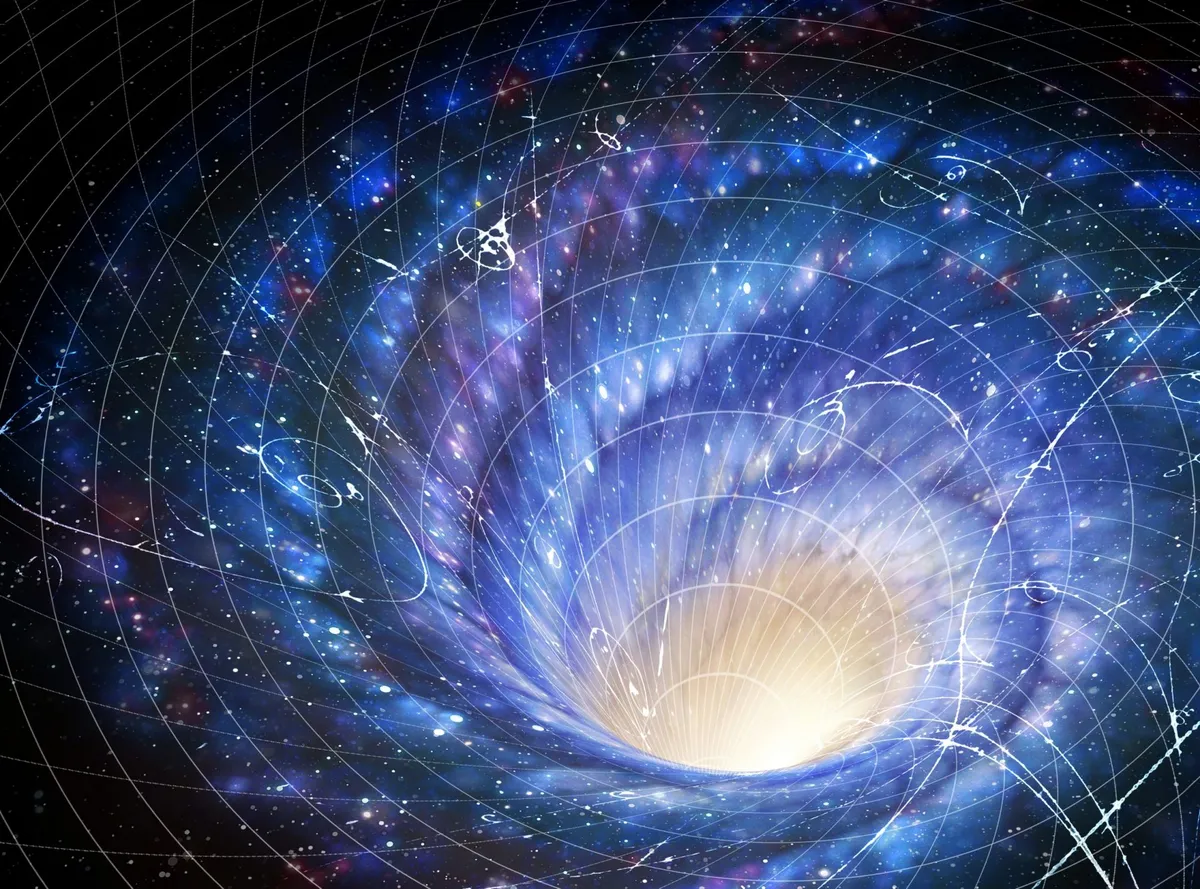
Black holes have theoretical opposites known as white holes
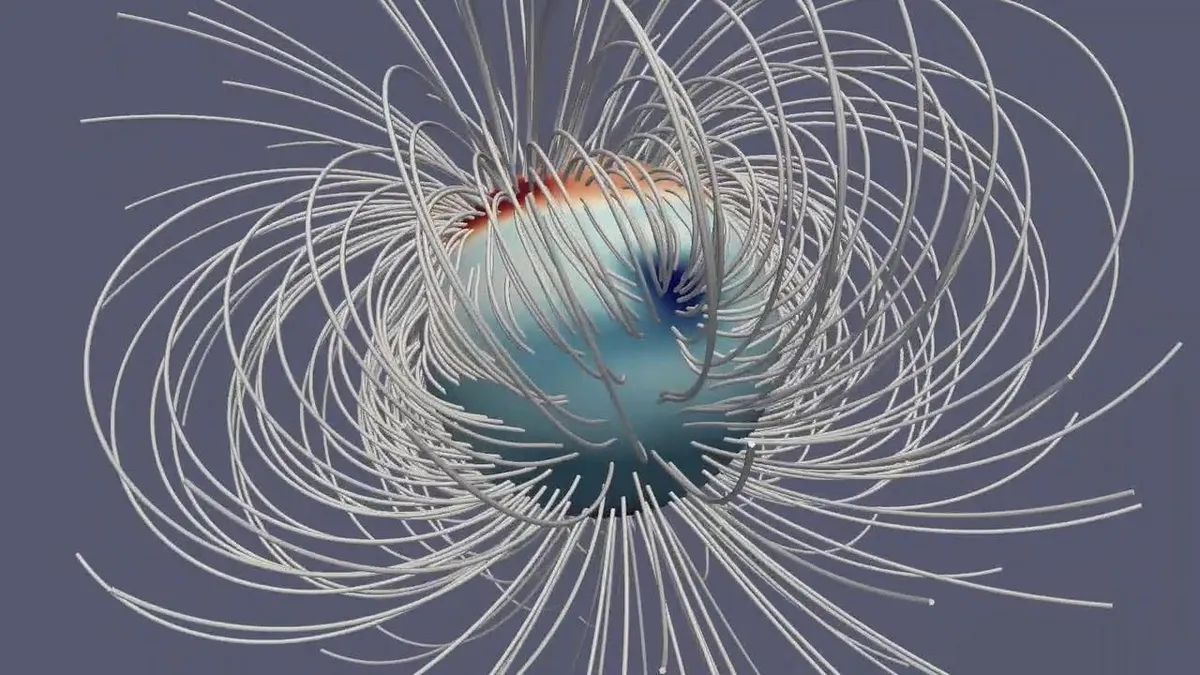
Jupiter’s magnetic field is bigger than the Moon
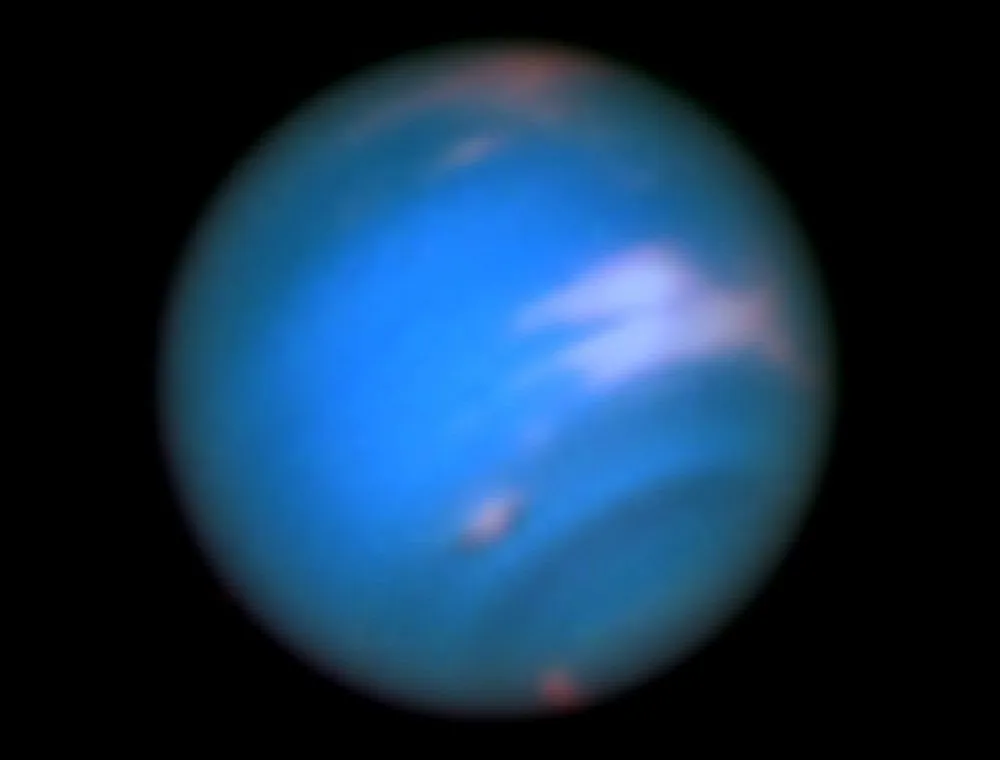
Neptune has only completed one orbit around the Sun since its discovery
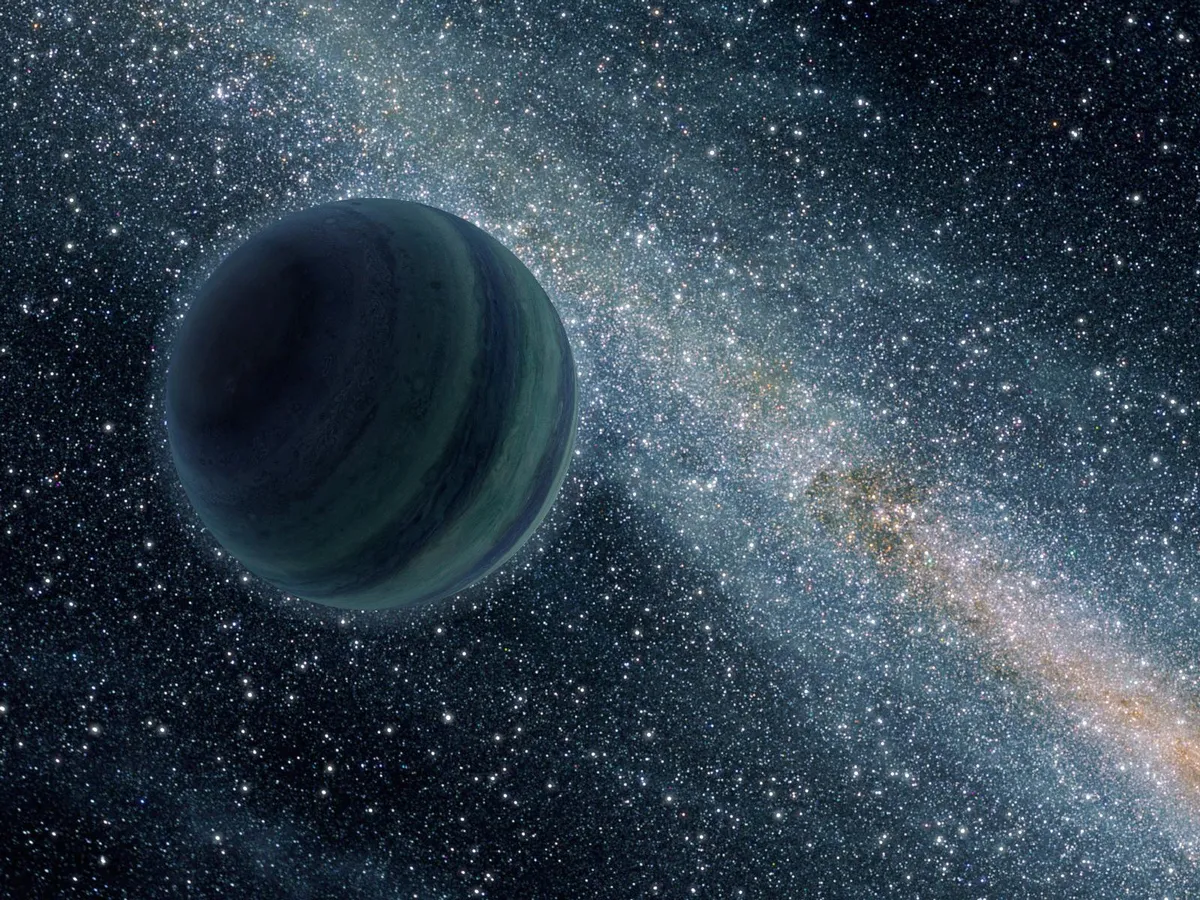
Planets can wander through space without a parent star
https://c02.purpledshub.com/uploads/sites/48/2020/05/Rogue-exoplanet-3af8a4b.jpg?webp=1&w=1200
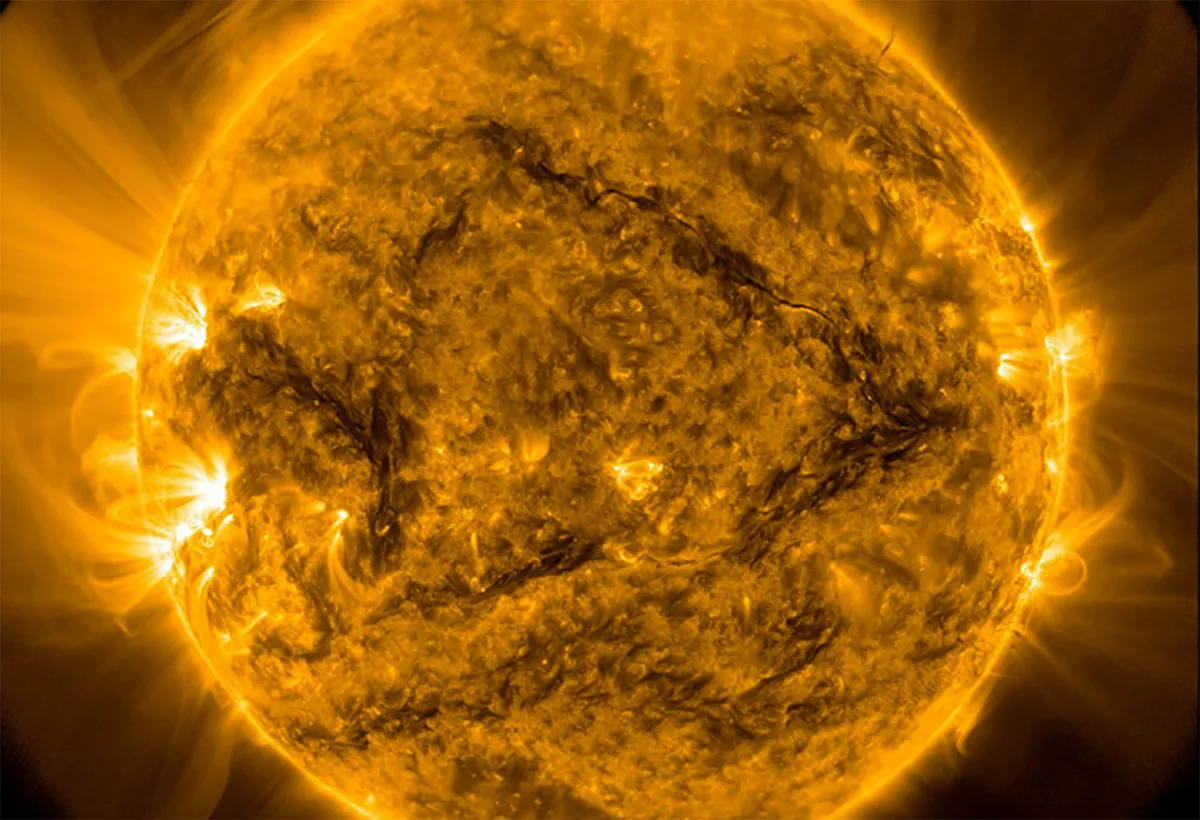
The Sun loses a billion kilos per second
https://c02.purpledshub.com/uploads/sites/48/2020/03/The-Sun-copy-7215236.jpg?webp=1&w=1200
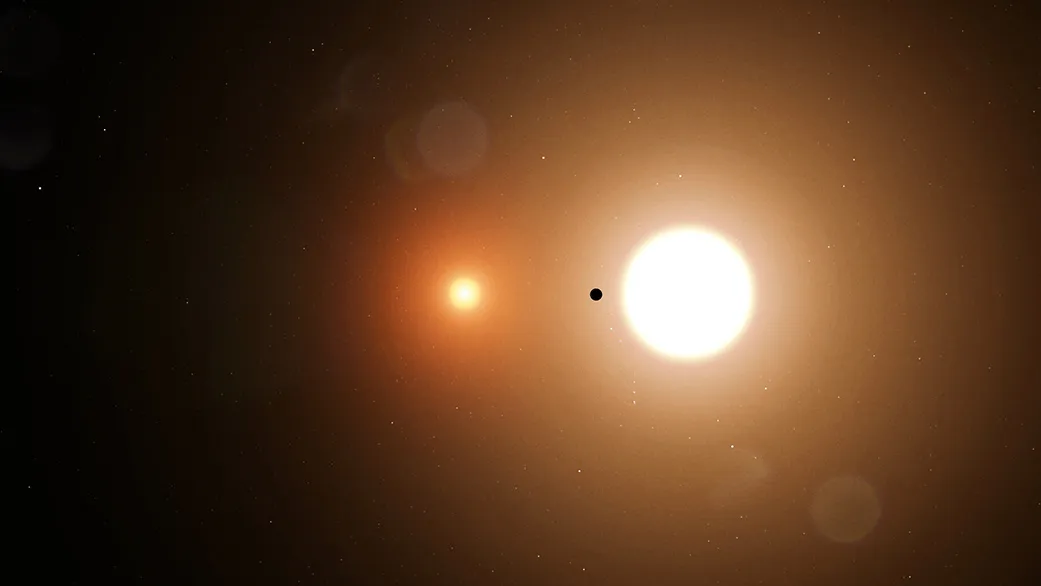
Most Sun-like stars in our galaxy are in multiple star systems
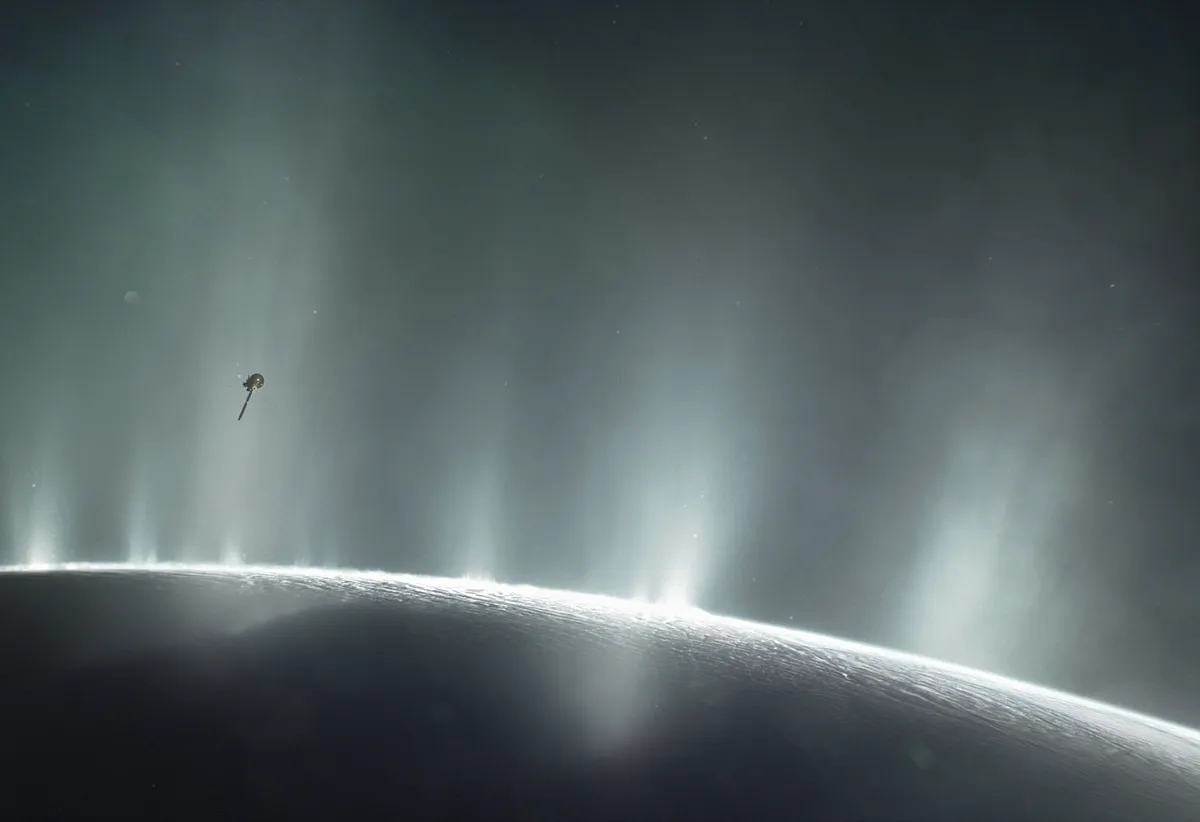
Vast amounts of water have been found in space
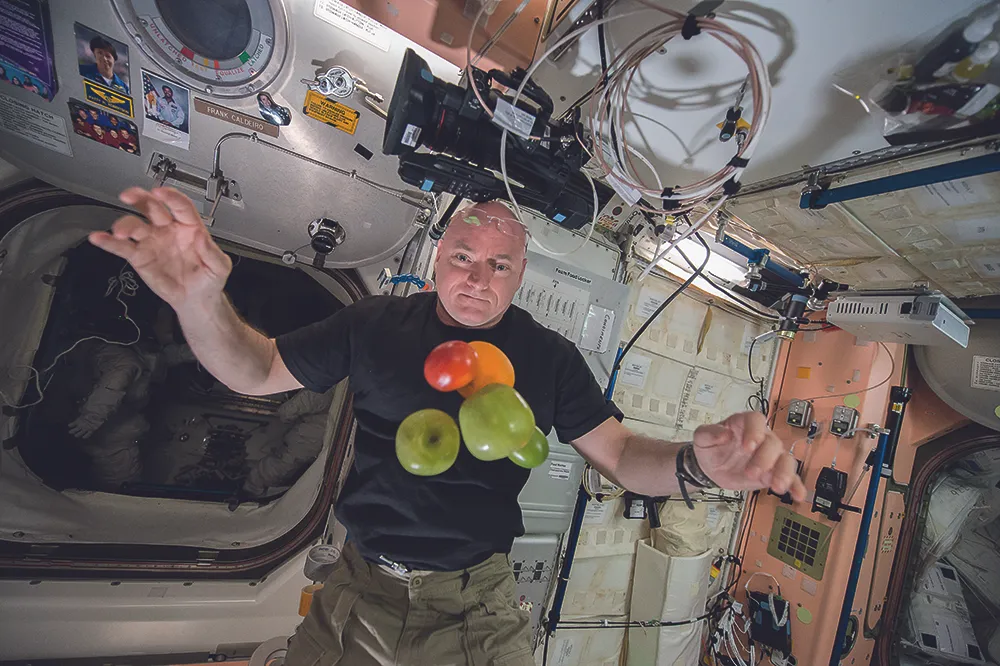
There is gravity on the International Space Station
https://c02.purpledshub.com/uploads/sites/48/2019/06/04-Scott-Kelly-fruit-982caf2.jpg?webp=1&w=1200
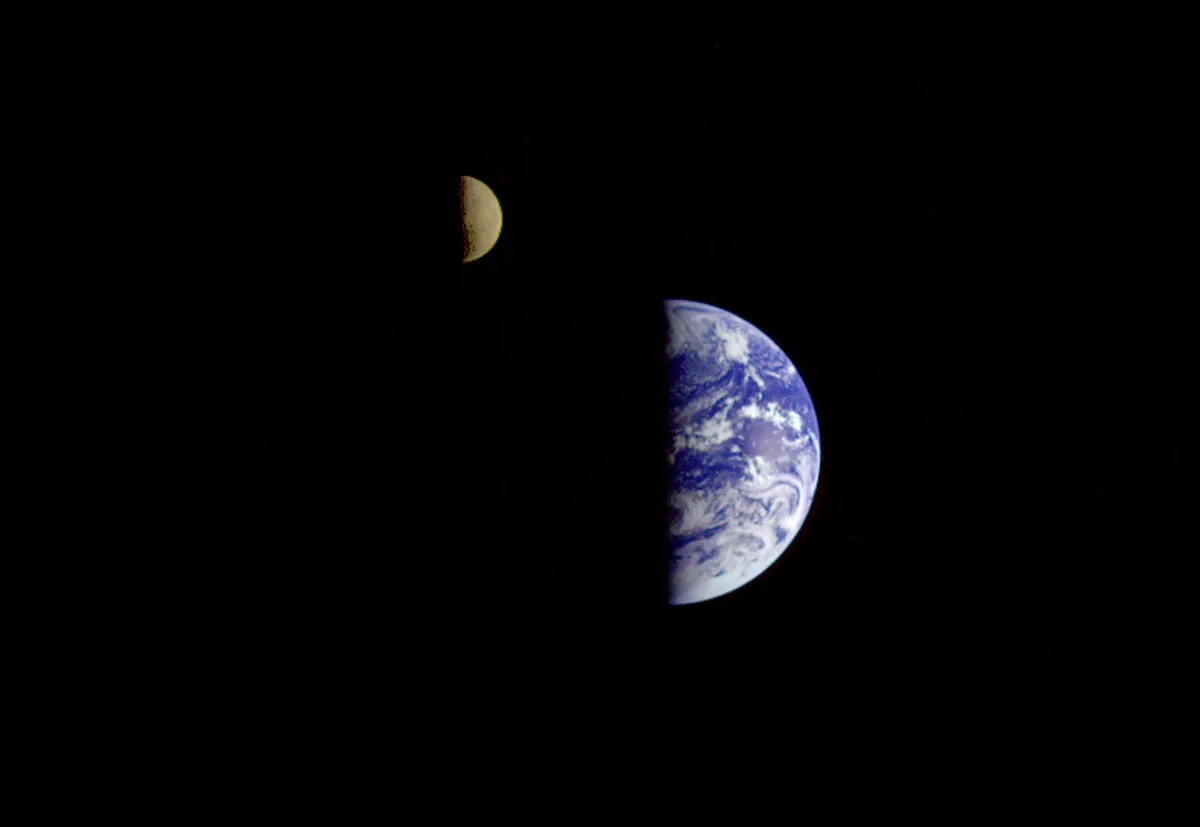
Our days are getting longer
https://c02.purpledshub.com/uploads/sites/48/2019/09/Galileo_Earth_Moon-de902b7.jpg?webp=1&w=1200
The Moon is getting farther away every year
https://c02.purpledshub.com/uploads/sites/48/2020/05/Moon-from-ISS-e3dea76.jpg?webp=1&w=1200
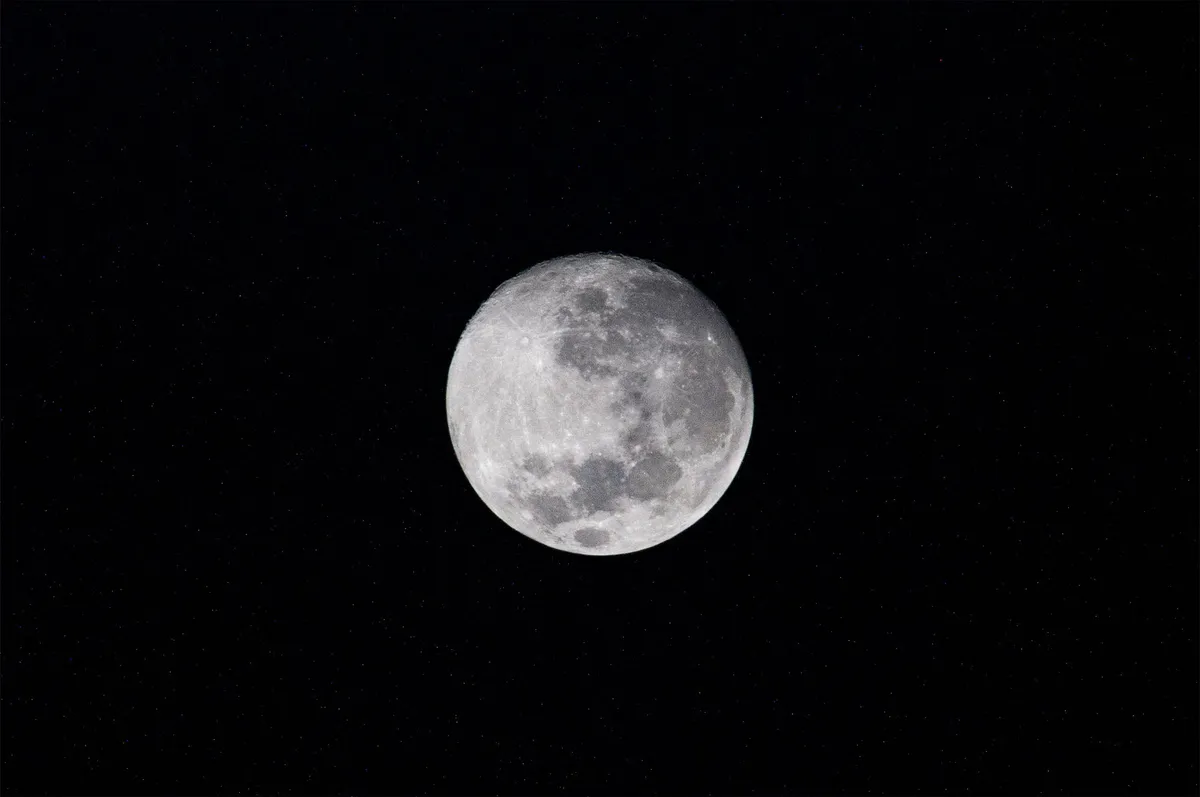
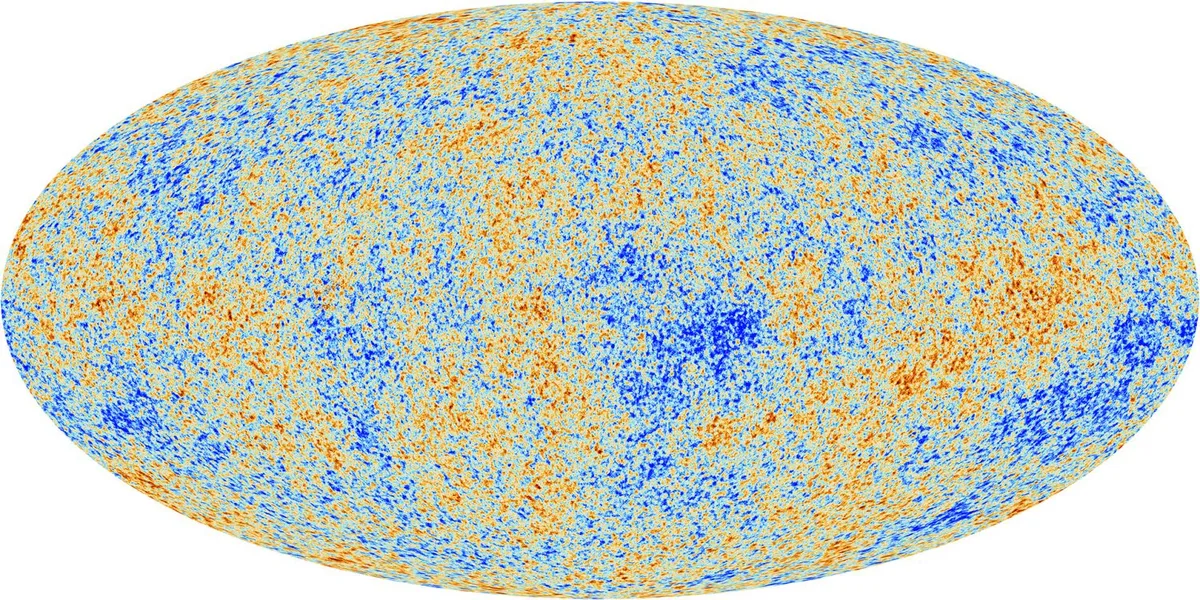
Heat from the Big Bang is still around today
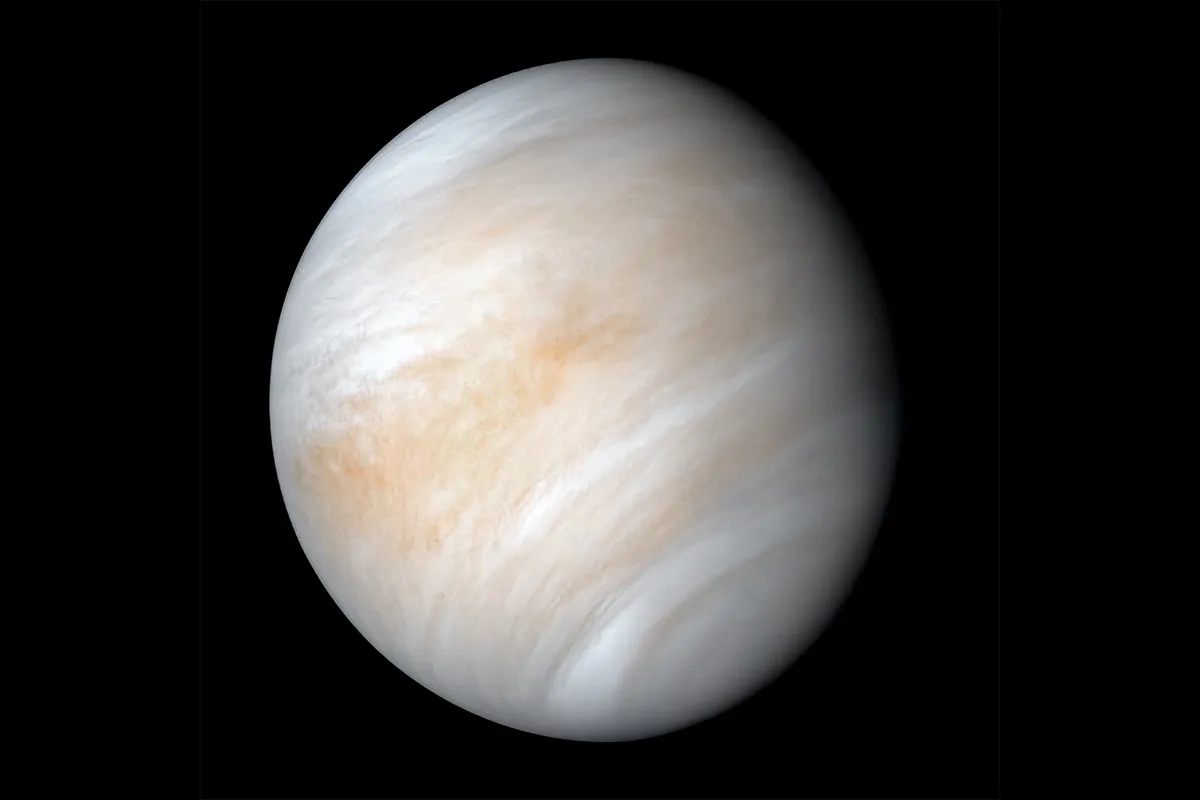
Venus spins backwards
https://c02.purpledshub.com/uploads/sites/48/2023/03/venus-mariner-10-02b24b5.jpg?webp=1&w=1200
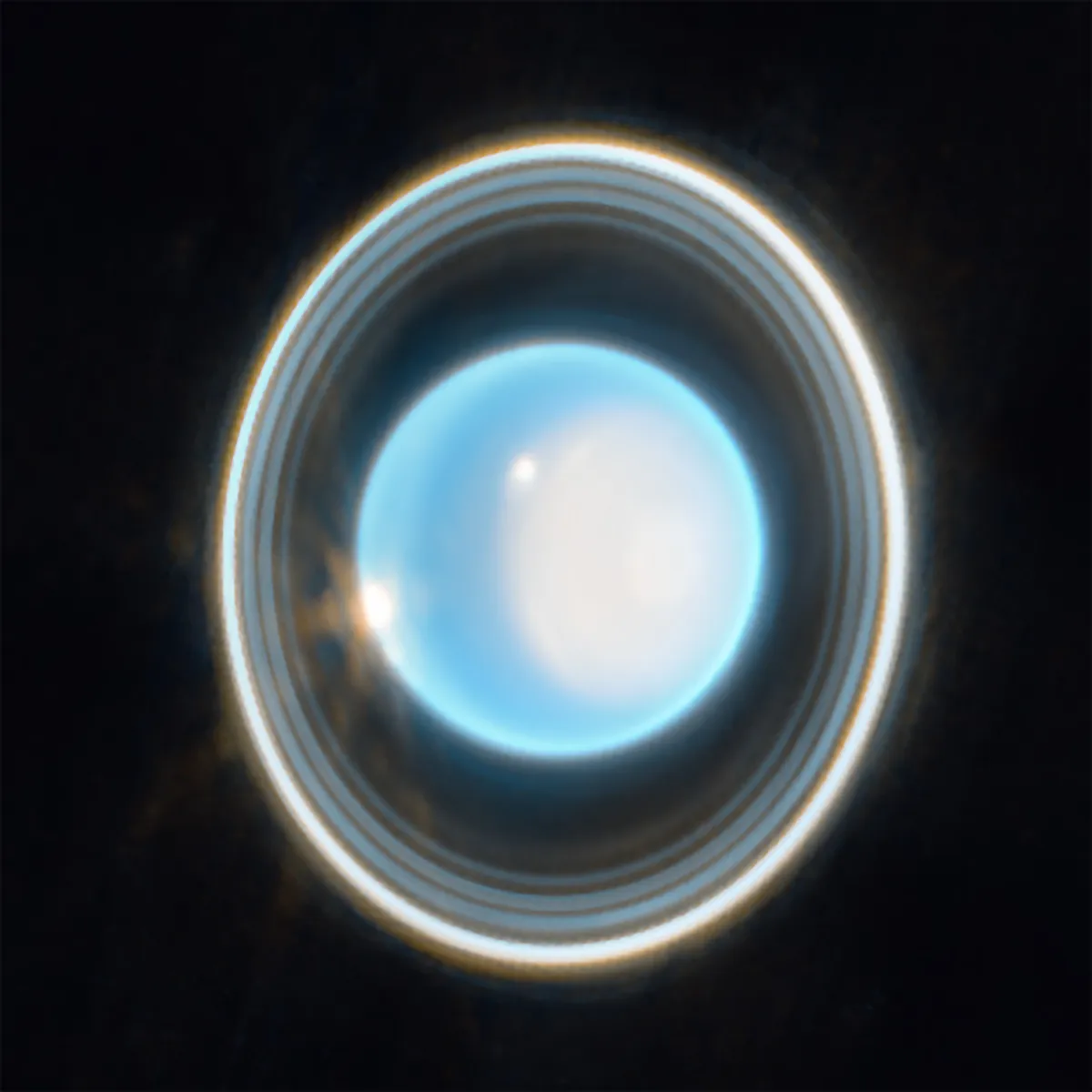
Uranus is the coldest planet in the Solar System
https://c02.purpledshub.com/uploads/sites/48/2023/02/webb-uranus-2023-a068939.jpg?webp=1&w=1200
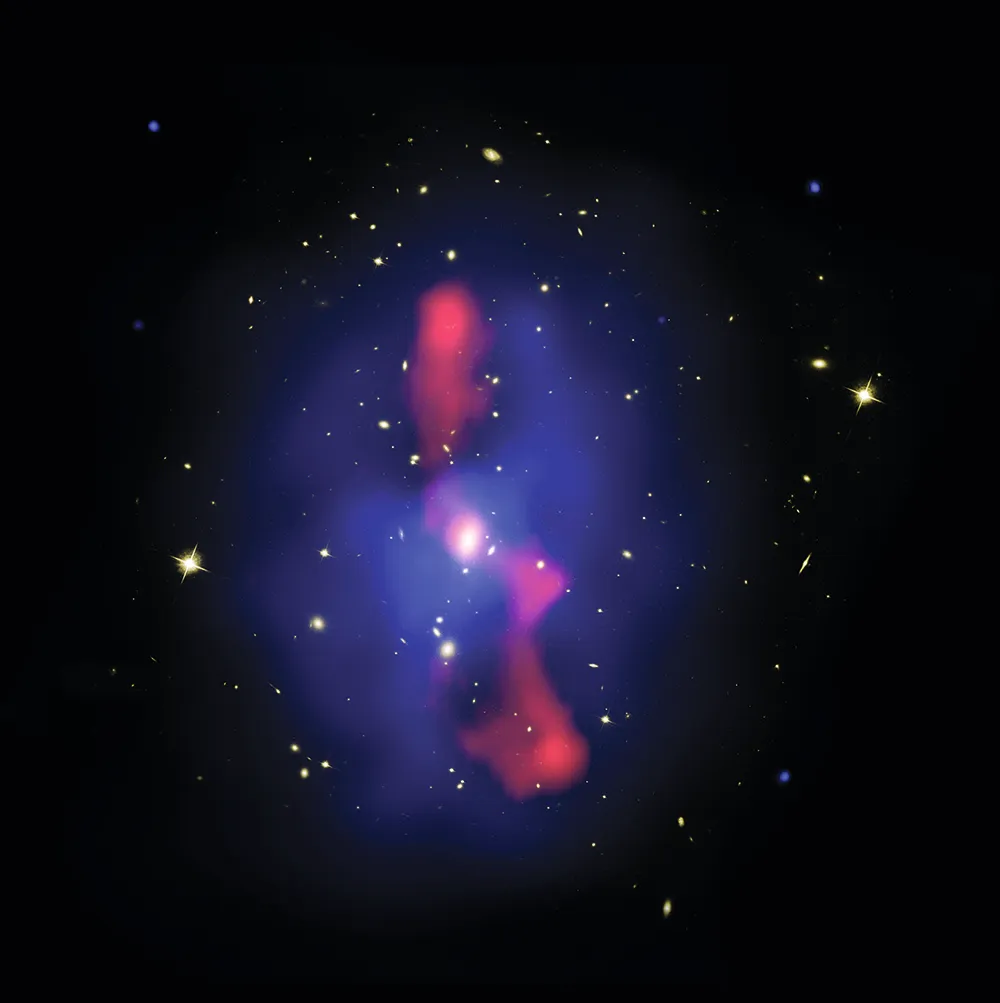
Black holes give off light
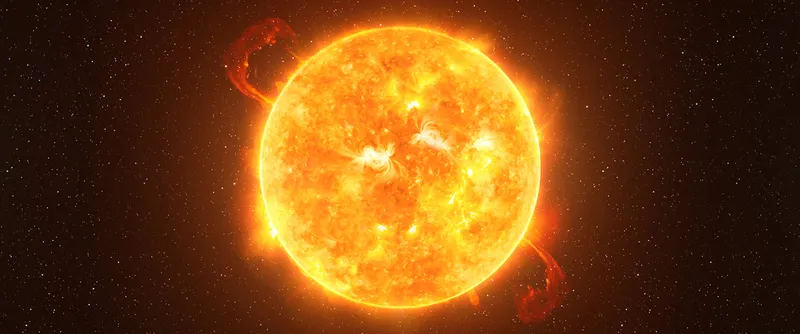
5 billion Suns could fit in UY Scuti, one of the biggest known stars
https://c02.purpledshub.com/uploads/sites/48/2024/02/uy-scuti.jpg?fit=800%2C334&webp=1&w=1200
Waz Up
Space Exploration and Space History
Astronaut Birthdays
- May 12, 1962: Gregory Johnson (STS-123, STS-134)
- May 14, 1952: Donald McMonagle (STS-39, STS-54, STS-66)
- May 14, 1957: William Gregory (STS-67)
- May 14, 1964: James Kelly (STS-102, STS-114)
- May 14, 1988: Jessica Watkins (SpaceX Crew-4 (Expedition 67/68))
- May 15, 1942: Tony England (STS-51-F)
- May 15, 1949: Frank Culbertson, Jr. (STS-38, STS-51, STS-105, Expedition 3 (9/11), STS-108)
- May 16, 1945: Brewster H. Shaw (STS-9, STS-61-B, STS-28)
- May 17, 1967: Joseph M. Acaba (STS-119, Exp. 31/32, Exp. 53/54)
- May 18, 1930: Don Lind (STS-51-B)
Miss Carolyn’s Constellation of the Week
Constellations “Coma Berenices, Bernice’s Hair” and “Canes Venatici, the Hunting Dogs”
Space Launches For This Week
Space Flight Now Launch Schedule
NET May 19 Falcon 9 • NROL-146
Launch time: 12:22 a.m. PDT (3:22 a.m. EDT, 0722 UTC)
Launch site: SLC-4E, Vandenberg Space Force Base, California
A SpaceX Falcon 9 rocket will launch the NROL-146 mission on behalf of the National Reconnaissance Office (NRO). According to Dr. Troy Meink, the NRO principal deputy director, this will be the first launch for the agency’s proliferated architecture, which focuses on space-based ISR (intelligence, surveillance and reconnaissance). Reuters was the first to report that these satellites were built by SpaceX and Northrop Grumman under a classified $1.8 billion contract.
Updated: May 16
NET May 21 Atlas 5 • CST-100 Starliner Crew Flight Test
Launch time: 4:43 p.m. ET (2043 UTC)
Launch site: SLC-41, Cape Canaveral Space Force Station, Florida
A United Launch Alliance Atlas 5 rocket, designated AV-085, will launch Boeing’s CST-100 Starliner spacecraft on its first mission with astronauts, known as the Crew Test Flight, to the International Space Station. The capsule will dock with the space station, then return to Earth to landing in the Western United States. NASA astronauts Butch Wilmore and Suni Williams will fly on the mission. The rocket will fly in a vehicle configuration with two solid rocket boosters and a dual-engine Centaur upper stage. Delayed from August and 1st Quarter of 2020. Delayed from mid-2020 after Boeing decision to refly the Orbital Flight Test. Delayed from early 2021, June 2021, and late 2021. Delayed from late 2022 to implement fixes on the Starliner spacecraft after OFT-2. Delayed from April 2023, July 2023, April 2024, May 6, May 10 and May 17.
Updated: May 14
TBD Eris • TestFlight1
Launch time: TBD
Launch site: Pad 1, Bowen Orbital Spaceport
Gilmour Space in Australia is preparing to launch the inaugural flight of its Eris Block 1 rocket. The three-stage launch vehicle is 25 m (82 ft) tall and is equipped with 1.5 m (4.9 ft) diameter payload fairings. The rocket is designed to send up to 305 kg up to low Earth orbit. This first mission, called “TestFlight1,” does not appear to have a payload on board. Delayed from May 4 due to a lack of launch permit.
Updated: April 23
June 24 Long March 2C • SVOM
Launch time: TBD
Launch site: Xichang Satellite Launch Center, People’s Republic of China
A Chinese Long March 2C rocket will launch the Space-based multi-band astronomical Variable Objects Monitor (SVOM) spacecraft. The satellite is a dual Franco-Chinese mission, which is “dedicated to the study of the most distant explosions of stars, the gamma-ray bursts.” There are four main instruments on board, two of which are French and two which are Chinese. The spacecraft will be launched to a 625-km Earth orbit and will operate for at least three years with an option to extend for another two years beyond that. Delayed from late 2023.
Updated: January 28
June 25 Falcon Heavy • GOES U
Launch time: TBD
Launch site: LC-39A, Kennedy Space Center, Florida
A SpaceX Falcon Heavy will launch the fourth and final satellite of the next-generation series of geostationary weather satellites for NASA and NOAA. GOES-U will orbit 22,300 miles above the equator to monitor weather conditions across the United States. The satellite will be renamed GOES-19 once it reaches its operational orbit. Delayed from April 30 and May.
Recent Astronomical Discoveries
Detection of an Earth-sized exoplanet orbiting the ultracool dwarf star SPECULOOS-3
https://www.sciencedaily.com/releases/2024/05/240515122831.htm
Earth-sized Exoplanet (Artist’s Concept)
https://www.bing.com/th?id=OVFT.G6L5xnwT6N48kWZmoKyGyS&pid=News&w=300&h=186&c=14&rs=2&qlt=90
Visible satellite passages over the next couple of days.
All times are “local” (Dallas) time.
ISS
May 26
Tiangong
May 20
May 21
May 22
May 24
Hubble Space Telescope
May 19
Envisat
May 20
May 21
May 23