

SKYNET!!!! 9PM CT – 10:30 PM CT
Electronic Check-Ins: https://forms.gle/pqaDxursPn1jnBoA8
Saturday’s Topic: “Project Hail Mary and Special Relativity – Part 2” & Constellations “Pyxis the Compass” and “Antlia the Pump”
Net Control: Virginia NV5F
Afterglow Movie 10:30PM: “The Stranger” (1973)
2-Meter Repeater W5FC: 146.880MHz, PL 110.9, –
Echolink: W5FC-R, node 37247.
Youtube.com Search “DARC Skynet”
Facebook.com Search “DARC Skynet”
Direct Video Link: https://www.youtube.com/channel/UCishlh8WmW7OXy9Q6sxsaag
IO Group: https://groups.io/g/DARCskynet/topics
Facebook Group: http://www.facebook.com/groups/306498286059167/
Saturday’s DARC SkyNet is at 9PM CT.
Discussion Topic of the Evening.




Slide 1
Slide 2
Waz Up
Space Exploration and Space History
Space Exploration News
Artemis II Crew Surpasses Apollo 13 Distance Record (April 6, 2026)

Artemis II Orion Spacecraft Conducts Far Side Lunar Flyby (April 6, 2026)
)
Artemis II Crew Prepares for Reentry and Splashdown (April 8-9, 2026)

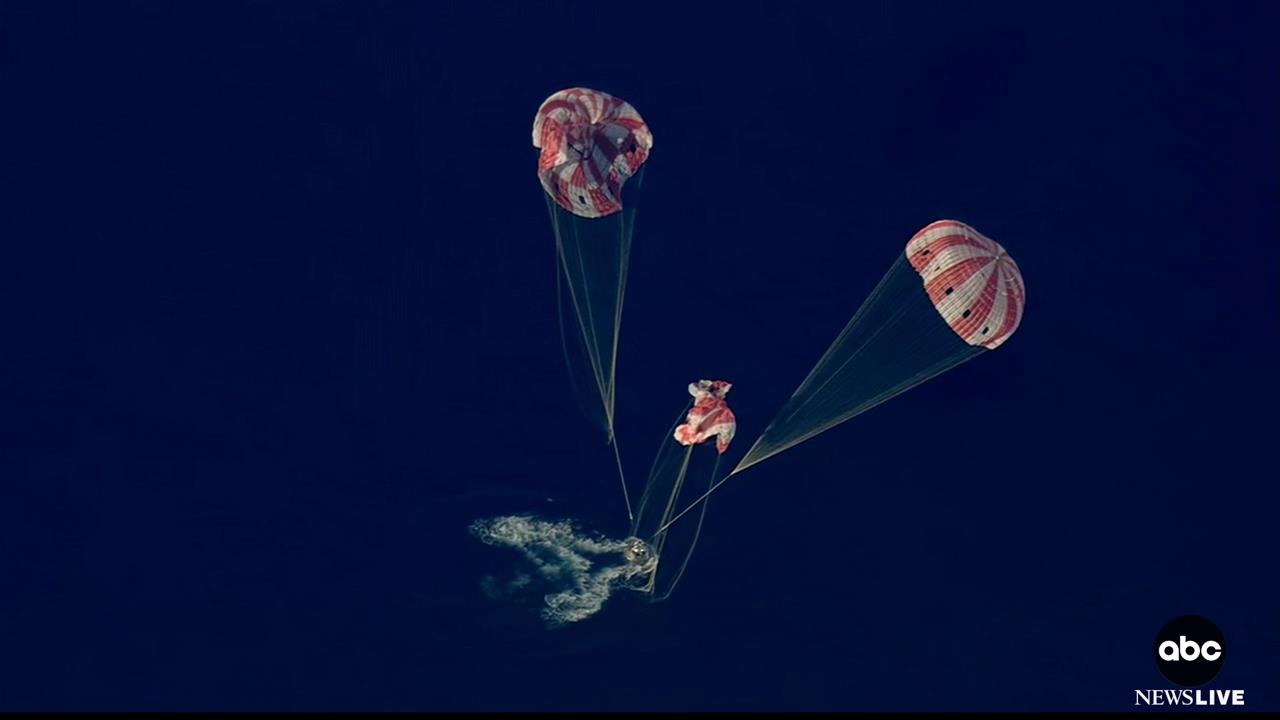
The Artemis II mission successfully concluded with the Orion capsule splashing down in the Pacific Ocean off the coast of San Diego (April 10, 2026)
Space-Related Birthdays
| Name | Birthdate | Year | Flights | Key Flight Description |
| Satoshi Furukawa | April 4 | 1964 | Soyuz TMA-02M, Crew-7 | Spent 167 days on ISS (Exp 28/29) in 2011 conducting science. |
| Piers Sellers | April 11 | 1955 | STS-112, STS-121, STS-132 | Climate scientist who operated the robotic arm to install components on the ISS. |
| Timothy Kopra | April 9 | 1963 | STS-127/128, Soyuz TMA-19M | Commanded ISS Expedition 47 and performed three spacewalks. |
| Donald Holmquest | April 7 | 1939 | None (Backup) | NASA Group 6 scientist-astronaut who trained for Skylab but did not fly. |
This Week in Space History
April 4, 1983 – Maiden Flight of Space Shuttle Challenger (STS-6)

April 7, 2001 – Launch of Mars Odyssey

April 8, 1964 – Gemini-Titan 1 (First Gemini Test Flight)
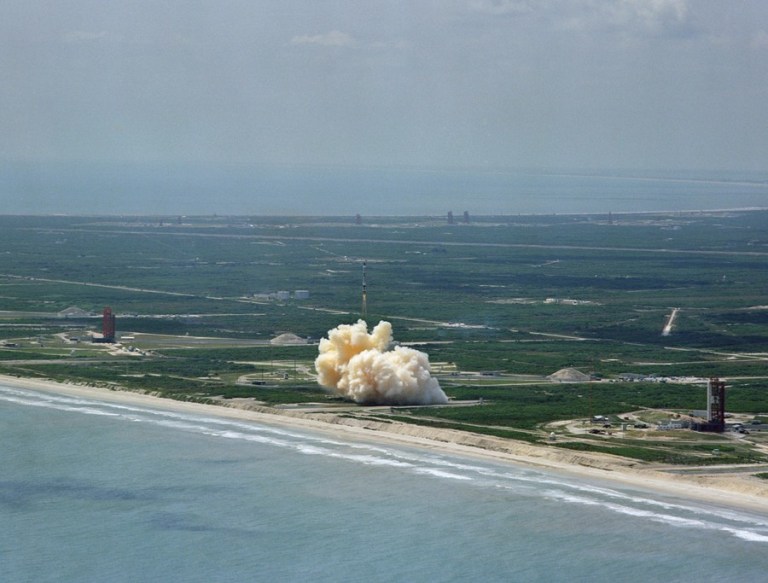
April 10, 1981 – STS-1 Launch Attempt Scrubbed
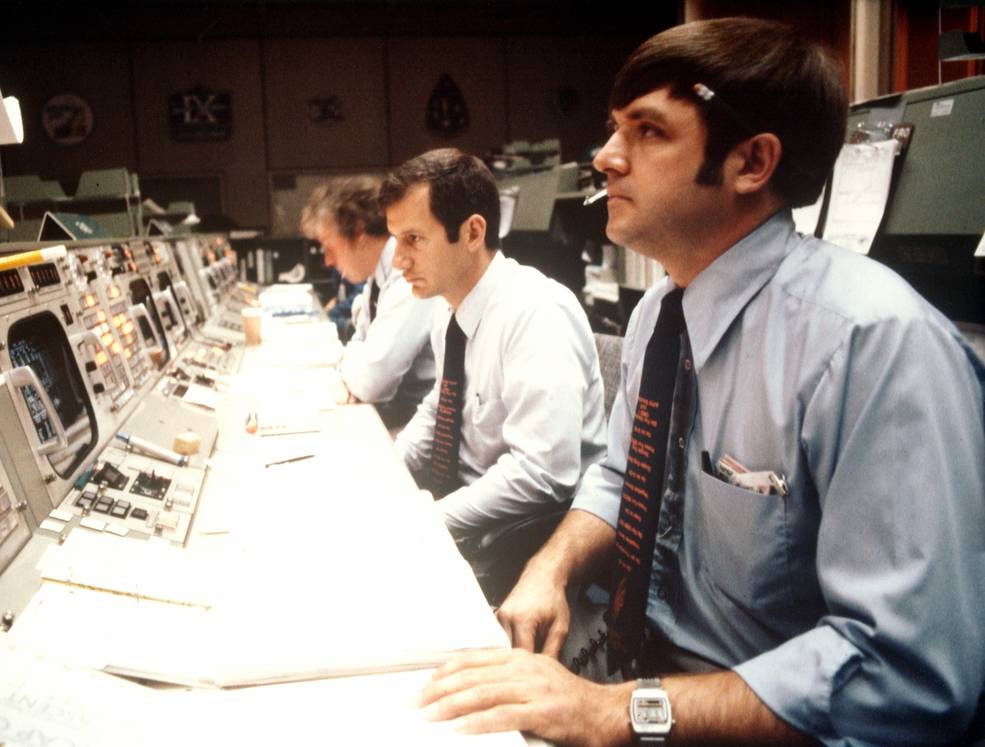
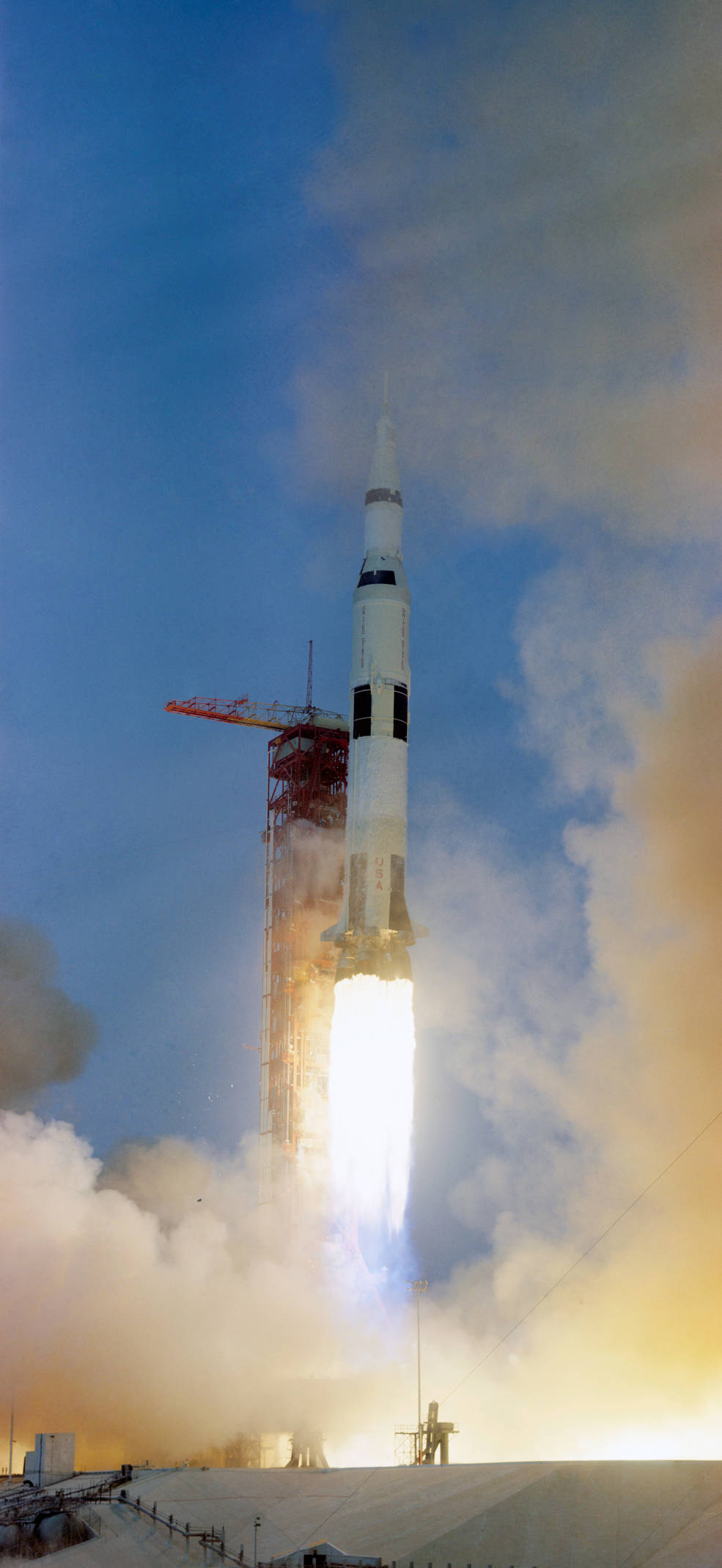
April 11, 1970 – Launch of Apollo 13
Miss Carolyn’s Constellation of the Week
Constellations “Pyxis the Compass” and “Antlia the Pump”
Space Launches For This Week
Space Flight Now Launch Schedule
April 9 Spectrum • ‘Onward and Upward’
Launch time: Window opens at 10 p.m. CEST (4 p.m. EDT / 2000 UTC)
Launch site: Launch Complex 1, Andøya Spaceport, Norway
A Spectrum rocket from Isar Aerospace will launch on its second test flight. The two-stage rocket is carrying five CubeSats onboard: CyBEEsat from TU Berlin, TriSat-S from the University of Maribor, Platform 6 from EnduroSat, FramSat-1 from NTNU, and SpaceTeamSat1 from TU Wien Space Team. The sixth and final announced payload is an experiment called “Let it Go” from Dcubed. Exolaunch is responsible for managing payload integration and deployment. Delayed from Jan. 21 due to a pressurization valve issue. Delayed from March 23 due to strong winds. Delayed from March 25 due to boat in the keep out zone.
Updated: April 09
April 9/10 Falcon 9 • Starlink 17-21
Launch time: Window opens 7:39 p.m. PDT (10:39 p.m. EDT / 0239 UTC)
Launch site: SLC-4E, Vandenberg Space Force Base, California
A SpaceX Falcon 9 rocket will launch a batch of 25 Starlink V2 Mini Optimized satellites into low Earth orbit. More than eight minutes after liftoff, the first stage booster, tail number B1063, launching for a 32nd time, will land on the drone ship, ‘Of Course I Still Love You,’ positioned in the Pacific Ocean. Delayed from April 1, 6, 7 & 8.
Updated: April 09
April 11 Falcon 9 • NG-24
Launch time: 7:41 a.m. EDT (1141 UTC)
Launch site: SLC-40, Cape Canaveral Space Force Station, Florida
A SpaceX Falcon 9 rocket will launch a Northrop Grumman Cygnus spacecraft, a cargo vehicle, to the International Space Station. The spacecraft was named the S.S. Steven R. Nagel in honor of the former NASA astronaut who flew four space shuttle flights and amassed 723 hours in space. Delayed from April 8, 9 & 10.
Updated: April 08
NET April 16 New Glenn • BlueBird 7
Launch time: TBD
Launch site: Launch Complex 36, Cape Canaveral Space Force Station
A Blue Origin New Glenn rocket will launch AST SpaceMobile’s BlueBird 7satellite into low Earth orbit. This is the second satellite in AST SpaceMobile’s next-generation satellite constellation and is designed to support space-based cellular broadband for commercial and government customers. This will be the third launch of a New Glenn rocket to date. As of Jan. 22, Blue Origin hasn’t stated if it intends to attempt a booster recovery on this mission.
Updated: April 09
NET April Vega-C • Smile
Launch time: TBA
Launch site: ZLV pad, Europe’s Spaceport, Kourou, French Guiana
An Avio Vega-C rocket will launch the Smile mission, a collaboration between the European Space Agency (ESA) and the Chinese Academy of Sciences (CAS). The Smile (Solar wind Magnetosphere Ionosphere Link Explorer) is set to deploy from the rocket 57 minutes after liftoff and deploy its solar arrays within 10 minutes after that. It has a planned mission life of three years and will operate in a highly elliptical Earth orbit. According to ESA, “Smile will use four science instruments to study how Earth responds to the solar wind from the Sun. This will improve our understanding of solar storms, geomagnetic storms and the science of space weather.”
Updated: April 09
NET Q4 2026 Vulcan Centaur • Dream Chaser 1
Launch time: TBD
Launch site: SLC-41, Cape Canaveral Space Force Station, Florida
A United Launch Alliance Vulcan Centaur rocket will launch on its second demonstration flight with Sierra Space’s Dream Chaser cargo vehicle for the International Space Station. The Dream Chaser is a lifting body resupply spacecraft that will launch on top of a rocket and land on a runway. This will be the Dream Chaser’s first flight to space. The Vulcan Centaur rocket will fly in the VC4L configuration with four GEM-63XL solid rocket boosters, a long-length payload fairing, and two RL10 engines on the Centaur upper stage. Delayed from August 2022, December 2023, January 2024, April 2024 and September 2024. Delayed from 2025.
Updated: December 22
TBD Atlas 5 • Boeing Starliner-1
Launch time: TBD
Launch site: SLC-41, Cape Canaveral Space Force Station, Florida
A United Launch Alliance Atlas 5 rocket will launch Boeing’s CST-100 Starliner spacecraft to the International Space Station. Originally planned as the first post-certification flight with a four-person crew, this will instead be an uncrewed cargo flight to test changes to the vehicle made in the aftermath of the Crewed Flight Test that launched in 2024.
Updated: April 09
NET July 5, 2028 Falcon Heavy • Dragonfly
Launch time: TBD
Launch site: Launch Complex 39A, Kennedy Space Center, Florida
A SpaceX Falcon Heavy rocket will launch NASA’s Dragonfly mission, which consists of a rotorcraft designed by the Johns Hopkins Applied Physics Laboratory (APL) that will explore Saturn’s icy moon, Titan. The mission was originally selected in 2019 and went through multiple plan iterations across fiscal years 2020 through 2022. It passed its Preliminary Design Review in March 2023 and then its Critical Design Review in April 2025. The mission has a total lifecycle cost of $3.35 billion, of which, $256.6 million was awarded to SpaceX to provide launch services and other mission related costs. The 20-day launch window opens on July 5, 2028.
Updated: April 25
Visible satellite passages over the next couple of days.
You can use the http://www.heavens-above.com website to find out what’s in orbit and
where to look during fly-overs
All times are “local” (Dallas) time.

