
IO Group: https://groups.io/g/DARCskynet/topics
Facebook Group: http://www.facebook.com/groups/306498286059167/
Saturday’s DARC SkyNet is at 9PM CT.
Discussion Topic of the Evening.
Virginia NV5F
Project Hail Mary and Special Relativity – Part 1
Waz Up
Space Exploration and Space History
Space Exploration News
Artemis II Flight Readiness Review Concluded
Date: March 12, 2026
https://pbs.twimg.com/media/HDP9CBjbMAAQAR0?format=jpg&name=medium
SpaceX Acquires Hexagon Purus U.S. Aerospace Business
Date: March 13, 2026

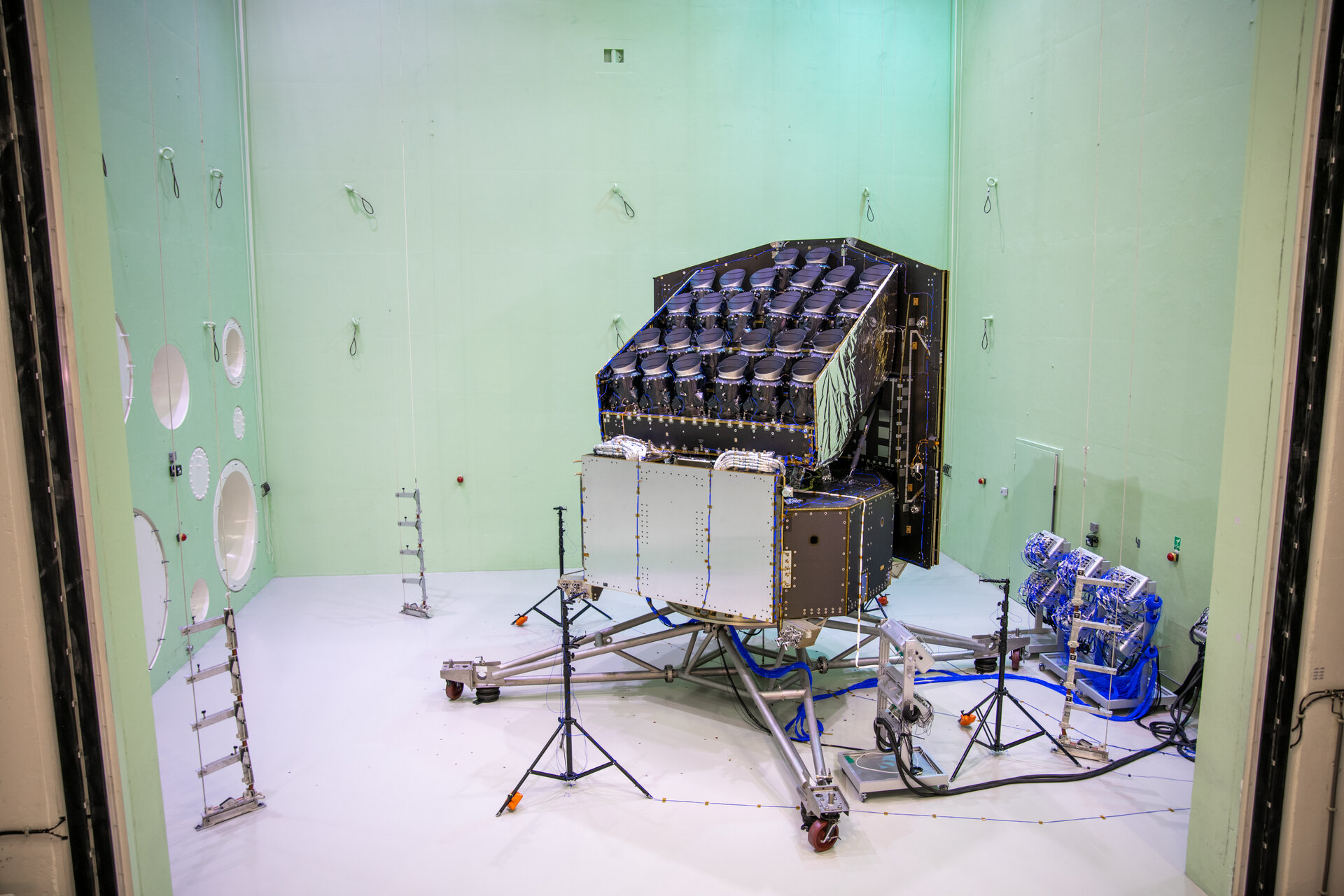
ESA PLATO Mission Begins Extreme Environment Testing
Date: March 13, 2026
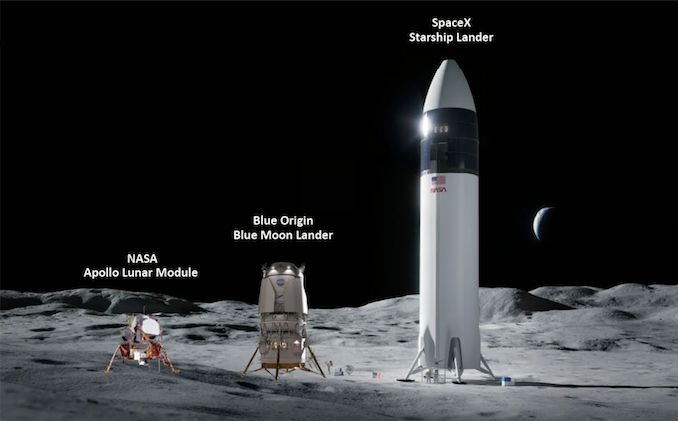
NASA Releases Lunar Lander Risk Assessment Report
Date: March 10, 2026
https://spaceflightnow.com/wp-content/uploads/2026/03/20260310_Apollo_Artemis_landers_comparison.jpg
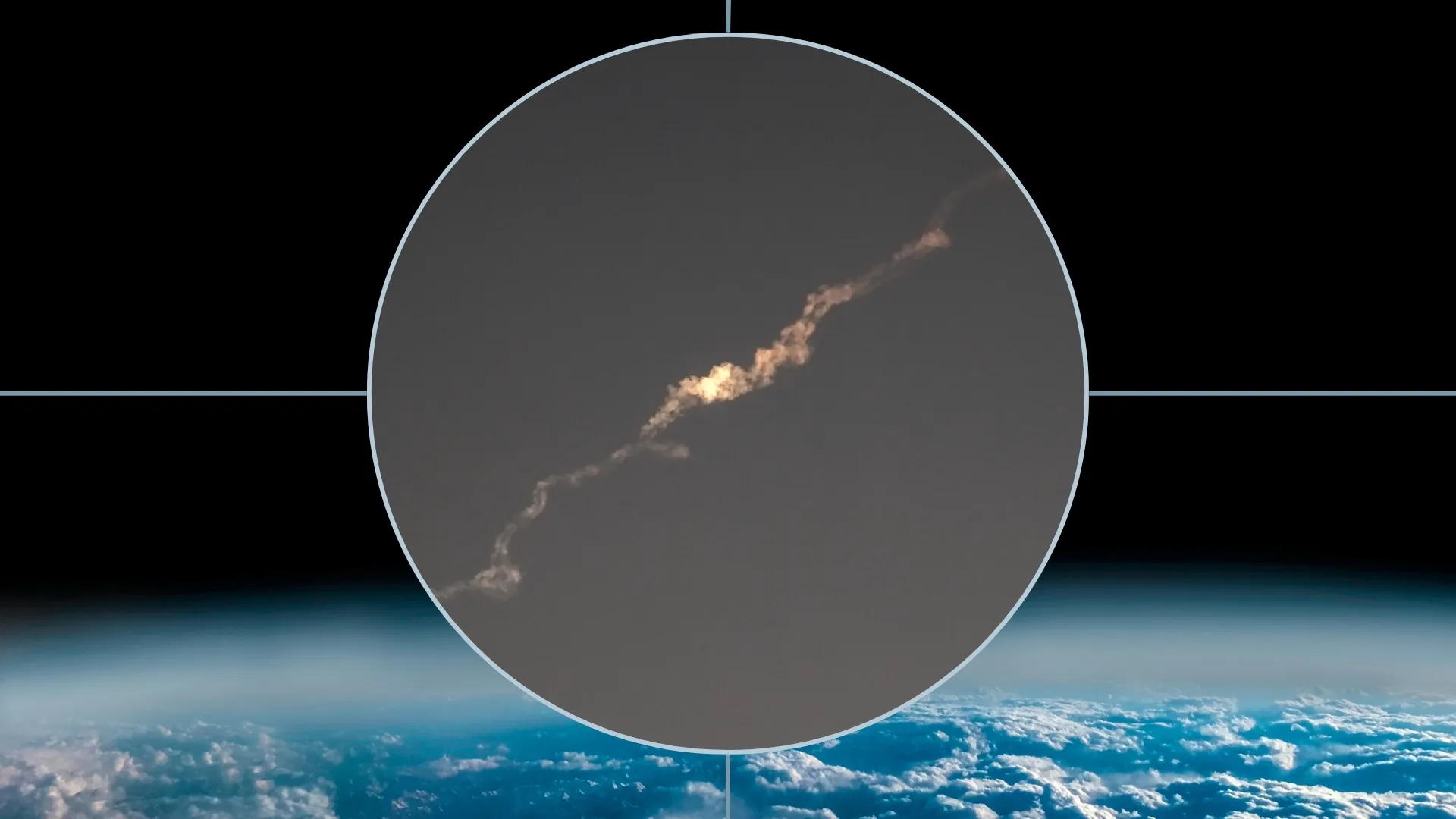
Bright Fireball Observed Over Western Europe
Date: March 8, 2026
https://cdn.mos.cms.futurecdn.net/dexSugJhnvQGuZNeeYSo8S-1920-80.jpg.webp
Space-Related Birthdays
| Astronaut | Birthday | Birth Year | FCC Callsign | Flights | Notes |
| George “Pinky” Nelson | March 8 | 1950 | None | STS-41-C, STS-61-C, STS-26 | Dr. Nelson performed the first untethered satellite repair during the STS-41-C mission to fix Solar Max. He also served as a mission specialist on the first “Return to Flight” mission after the Challenger disaster. |
| Yuri Gagarin | March 9 | 1934 | None | Vostok 1 | Yuri Gagarin became the first human to journey into outer space when his Vostok spacecraft completed one orbit of Earth. His historic 108-minute flight in 1961 launched the era of human space exploration. |
| Laurel Clark | March 10 | 1961 | KC5ZSU | STS-107 | Dr. Clark was a mission specialist and flight surgeon on the final flight of the Space Shuttle Columbia. She conducted numerous biological experiments in orbit before the tragic loss of the crew during re-entry. |
| Curtis Brown | March 11 | 1956 | None | STS-47, STS-66, STS-77, STS-85, STS-95, STS-103 | Brown is a veteran of six shuttle flights and commanded three high-profile missions including the flight of John Glenn. He was instrumental in various satellite deployments and Hubble Space Telescope servicing missions. |
| Wally Schirra | March 12 | 1923 | None | Mercury 8, Gemini 6A, Apollo 7 | Schirra was the only astronaut to fly in all three of NASA’s original human spaceflight programs: Mercury, Gemini, and Apollo. He commanded the first crewed Apollo mission, which successfully tested the spacecraft after the Apollo 1 fire. |
| Vladimir Kovalyonok | March 12 | 1942 | U2MIR | Soyuz 25, Soyuz 29, Soyuz T-4 | Kovalyonok spent a total of 216 days in space across three missions to the Salyut space stations. He was a key figure in the Soviet long-duration spaceflight program during the late 1970s and early 1980s. |
| Frank Borman | March 14 | 1928 | None | Gemini 7, Apollo 8 | Borman commanded Apollo 8, the first mission to fly humans around the Moon and capture the famous “Earthrise” photo. He also flew the record-breaking 14-day Gemini 7 mission, which proved humans could survive long stays in space. |
| Eugene Cernan | March 14 | 1934 | None | Gemini 9A, Apollo 10, Apollo 17 | Cernan was the commander of Apollo 17 and remains the last human to have walked on the lunar surface. He also performed a difficult spacewalk on Gemini 9A and flew the “dress rehearsal” for the first Moon landing on Apollo 10. |
| William B. Lenoir | March 14 | 1939 | KE5B | STS-5 | Lenoir was a member of the first operational Space Shuttle mission, which deployed two commercial communications satellites. As an electrical engineer, he contributed significantly to the development of early shuttle mission protocols. |
| Michael Fincke | March 14 | 1967 | KE5AIT | Soyuz TMA-4, Soyuz TMA-13, STS-134 | Fincke is one of NASA’s most experienced astronauts, having served as commander and flight engineer on multiple long-duration ISS missions. He has conducted nine spacewalks and spent over a year of his life in orbit. |
This Week in Space History
Voyager 1 Discovers Active Volcanoes on Io (1979)

Mars Reconnaissance Orbiter Enters Orbit (2006)

William Herschel Discovers the Planet Uranus (1781)
ESA Giotto Flyby of Halley’s Comet (1986)

First American Launch on a Russian Rocket (1995)

Miss Carolyn’s Constellation of the Week
Chaz KF5JHA
Space Launches For This Week
Space Flight Now Launch Schedule
March 16 Falcon 9 • Starlink 10-46
Launch time: Window opens at 6:49 a.m. EDT (1049 UTC)
Launch site: SLC-40, Cape Canaveral Space Force Station, Florida
A SpaceX Falcon 9 rocket will launch 29 Starlink V2 Mini Optimized satellites into low Earth orbit. The first stage booster, tail number 1090, launching for an 11th time, will target a landing on the drone ship, ‘A Shortfall of Gravitas,’ positioned in the Atlantic Ocean. Delayed from March 15.
Updated: March 13
March 16/17 Falcon 9 • Starlink 17-24
Launch time: Window opens at 7:37 p.m. PDT (10:37 p.m. EDT / 0237 UTC)
Launch site: SLC-4E, Vandenberg Space Force Base, California
A SpaceX Falcon 9 rocket will launch a batch of 25 Starlink V2 Mini Optimized satellites into low Earth orbit. More than eight minutes after liftoff, the first stage booster, tail number B1088, launching for a 14th time, will land on the drone ship, ‘Of Course I Still Love You,’ positioned in the Pacific Ocean. Delayed from March 11/12. Delayed from March 14/15 and 15/16.
Updated: March 09
March 18 Falcon 9 • Starlink 10-33
Launch time: Window opens at 6:57 a.m. EDT (1057 UTC)
Launch site: SLC-40, Cape Canaveral Space Force Station, Florida
A SpaceX Falcon 9 rocket will launch 29 Starlink V2 Mini Optimized satellites into low Earth orbit. The first stage booster, tail number 1077, launching for a 27th time, will target a landing on the drone ship, ‘Just Read the Instructions,’ positioned in the Atlantic Ocean.
Updated: March 09
NET March 19/20 Electron • ‘Eight Days a Week’
Launch time: 6:45 a.m. NZDT (1:45 p.m. EDT / 1745 UTC)
Launch site: Launch Complex 1, Mahia, New Zealand
A Rocket Lab Electron rocket will launch the eighth Strix synthetic aperture radar (SAR) satellite for Japan-based Earth-observation company, Synspective. This is the latest mission out of 27 dedicated Electron launches procured by Synspective to launch its StriX satellites. These satellites are in the 100kg class and have a roughly five-year operating life once on orbit.
Updated: March 10
NET March 19 Spectrum • ‘Onward and Upward’
Launch time: TBD
Launch site: Launch Complex 1, Andøya Spaceport, Norway
A Spectrum rocket from Isar Aerospace will launch on its second test flight. The two-stage rocket is carrying five CubeSats onboard: CyBEEsat from TU Berlin, TriSat-S from the University of Maribor, Platform 6 from EnduroSat, FramSat-1 from NTNU, and SpaceTeamSat1 from TU Wien Space Team. The sixth and final announced payload is an experiment called “Let it Go” from Dcubed. Exolaunch is responsible for managing payload integration and deployment. Delayed from Jan. 21 due to a pressurization valve issue.
Updated: February 16
March 20 Falcon 9 • Starlink 17-15
Launch time: TBD
Launch site: SLC-4E, Vandenberg Space Force Base, California
A SpaceX Falcon 9 rocket will launch a batch of 25 Starlink V2 Mini Optimized satellites into low Earth orbit. More than eight minutes after liftoff, the first stage booster, tail number B1081, launching for a 23rd time, will land on the drone ship, ‘Of Course I Still Love You,’ positioned in the Pacific Ocean. Delayed from March 19.
Updated: March 09
NET March Falcon 9 • Transporter-16
Launch time: TBD
Launch site: SLC-4E, Vandenberg Space Force Base, California
A SpaceX Falcon 9 rocket will launch dozens of satellites into a Sun-synchronous Earth orbit on this SmallSat rideshare mission. Numerous customers are flying onboard the rocket, including 57 customer payloads being manifested by German company, Exolaunch, and 19 payloads from Texas-based Seops Space.
Updated: March 09
NET March New Glenn • BlueBird 7
Launch time: TBD
Launch site: Launch Complex 36, Cape Canaveral Space Force Station
A Blue Origin New Glenn rocket will launch AST SpaceMobile’s BlueBird 7satellite into low Earth orbit. This is the second satellite in AST SpaceMobile’s next-generation satellite constellation and is designed to support space-based cellular broadband for commercial and government customers. This will be the third launch of a New Glenn rocket to date. As of Jan. 22, Blue Origin hasn’t stated if it intends to attempt a booster recovery on this mission.
Updated: February 26
NET April 1 Space Launch System • Artemis 2
Launch time: 6:24 p.m. EDT (2224 UTC)
Launch site: Launch Complex 39B, Kennedy Space Center
NASA’s Space Launch System rocket will launch an Orion spacecraft on the Artemis 2 mission, the first crewed flight of the program. NASA astronauts Reid Wiseman, Victor Glover and Christina Koch along with Canadian Space Agency astronaut Jeremy Hansen will perform a lunar flyby during a roughly 10-day mission that will see their capsule, ‘Integrity’, splash down in the Pacific Ocean. Delayed from Feb. 5 & 6. Delayed from Feb. 8. Delayed from March 6 due to helium issue with the Interim Cryogenic Propulsion Stage.
Updated: March 03
Visible satellite passages over the next couple of days.
All times are “local” (Dallas) time.

