
IO Group: https://groups.io/g/DARCskynet/topics
Facebook Group: http://www.facebook.com/groups/306498286059167/
Saturday’s DARC SkyNet is at 9PM CT.
Discussion Topic of the Evening.
Life on Earth is lucky: A rare chemical fluke may have made our planet habitable
Samantha Mathewson
Habitable Zone
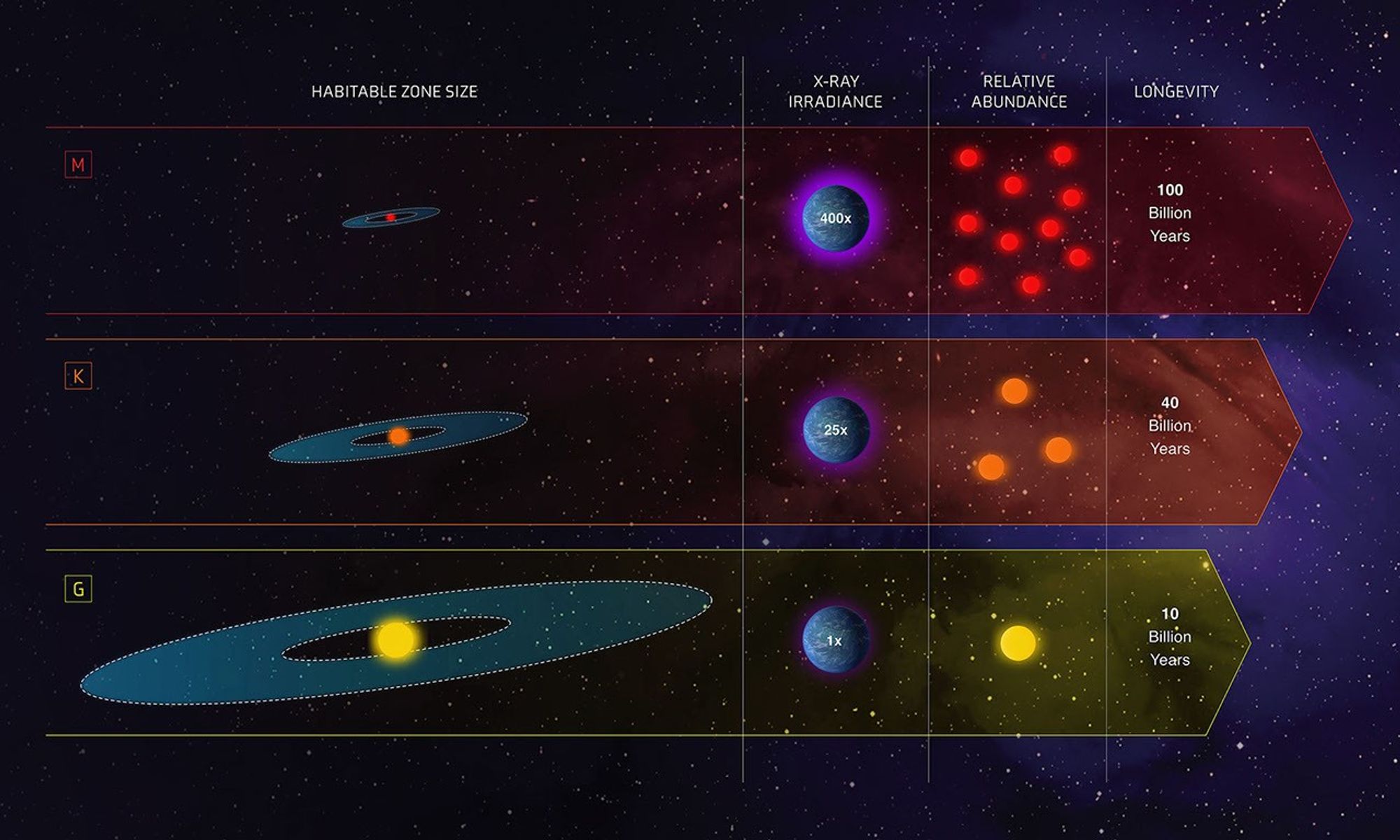
The Phosphorus and Nitrogen in Planetary Habitability
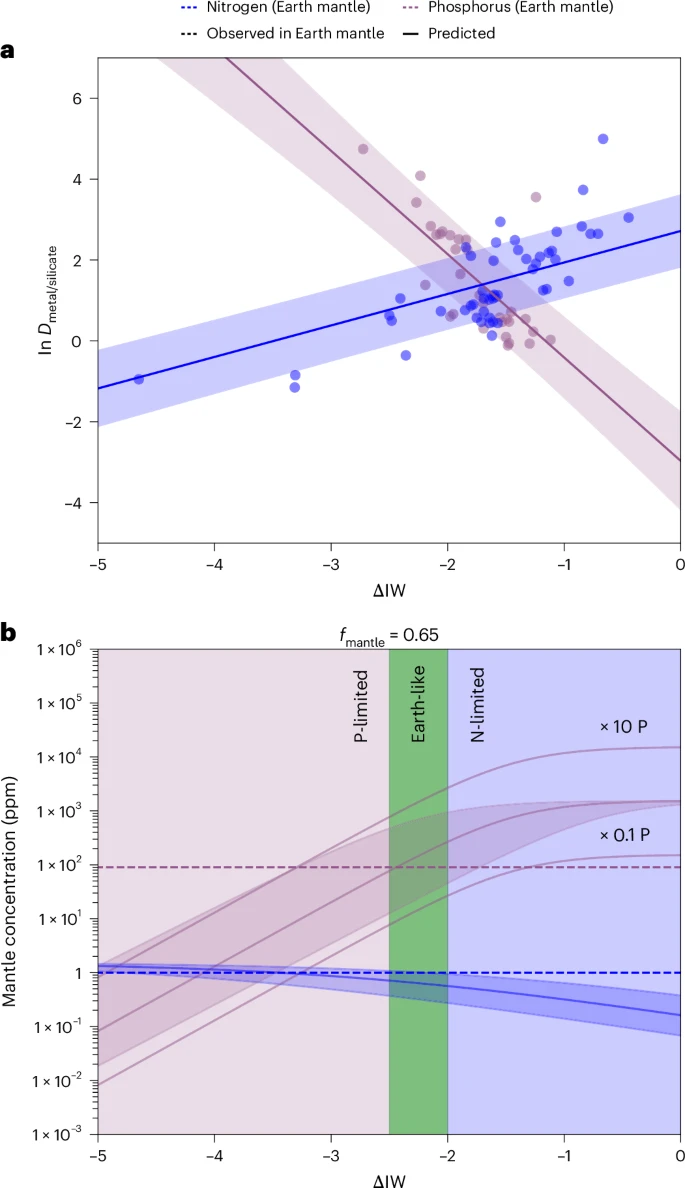
Core Formation

The Balance of Phosphorus, Nitrogen and Oxygen
https://sepro.com/migrations/blog_images/1439397283585.jpg

Oxygen Goldilocks Zone
https://www.universetoday.com/article_images/41550_2026_2775_Fig1_HTML_20260216_180330.jpg

Viking Lander Picture
https://www.nasa.gov/wp-content/uploads/2019/11/sunset-at-viking-site.jpg
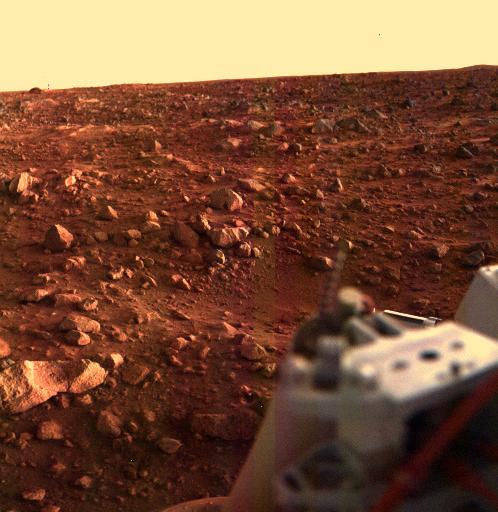
Our Solar System Planetary Compositions

Waz Up
Space Exploration and Space History
Space Exploration News
Artemis II Faces New Technical Challenges
Date: February 21, 2026

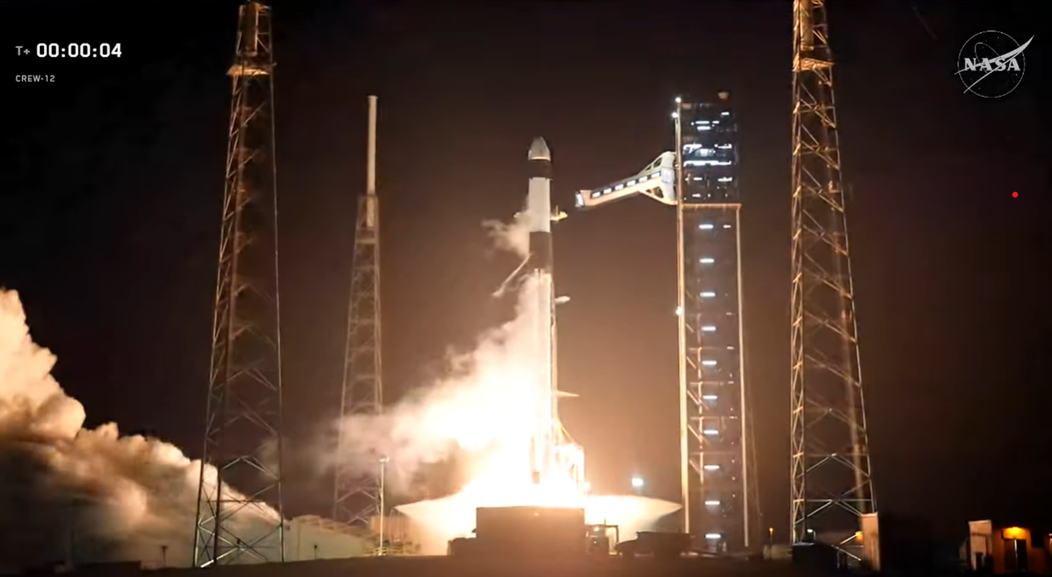
SpaceX Launches Crew-12 Mission to the International Space Station
Date: February 20, 2026
600th Falcon 9 Milestone
Date: February 14, 2026

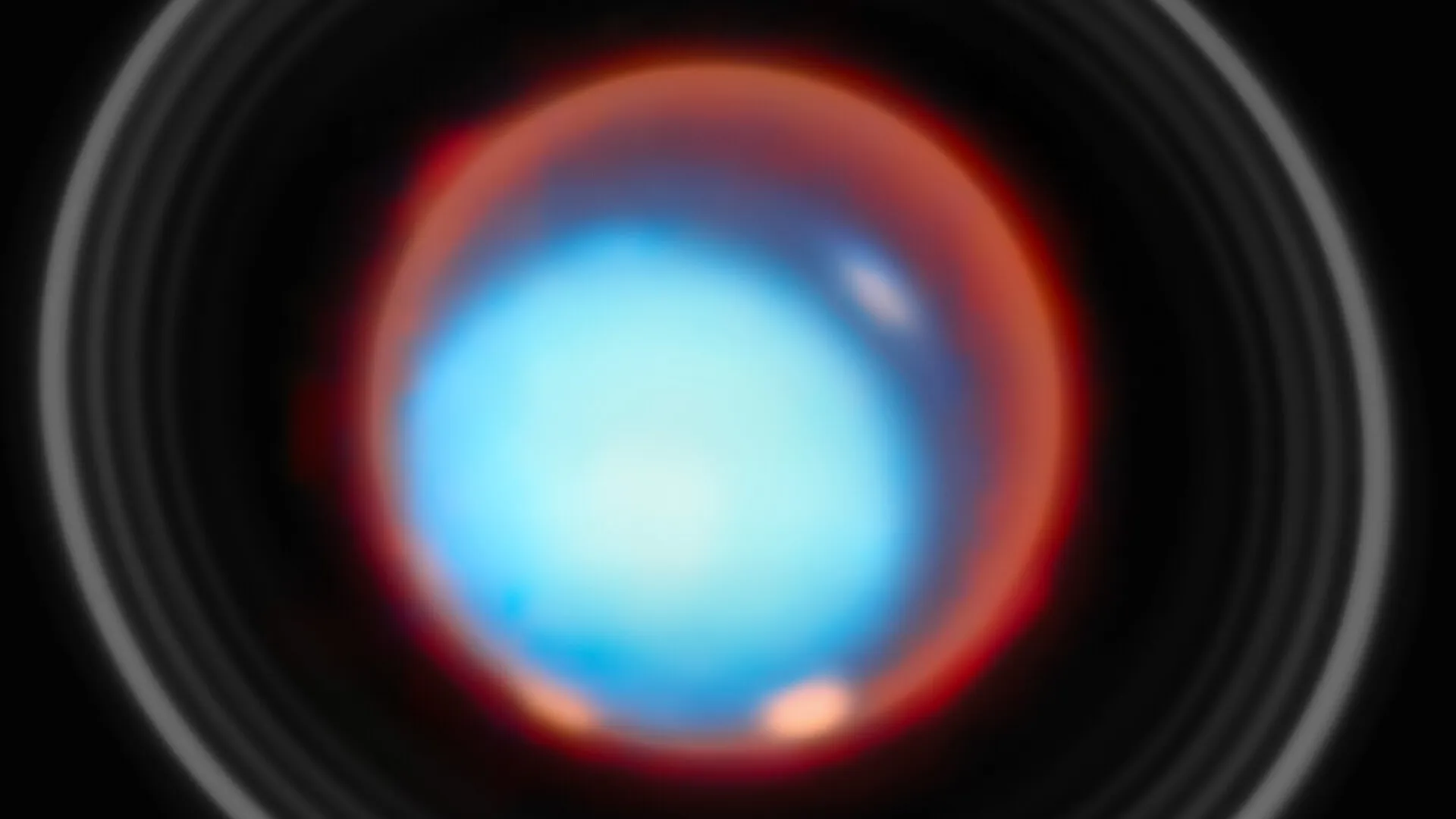
The James Webb Space Telescope just mapped auroras on Uranus in 3D for the 1st time, and scientists are thrilled.
Date: February 19, 2026
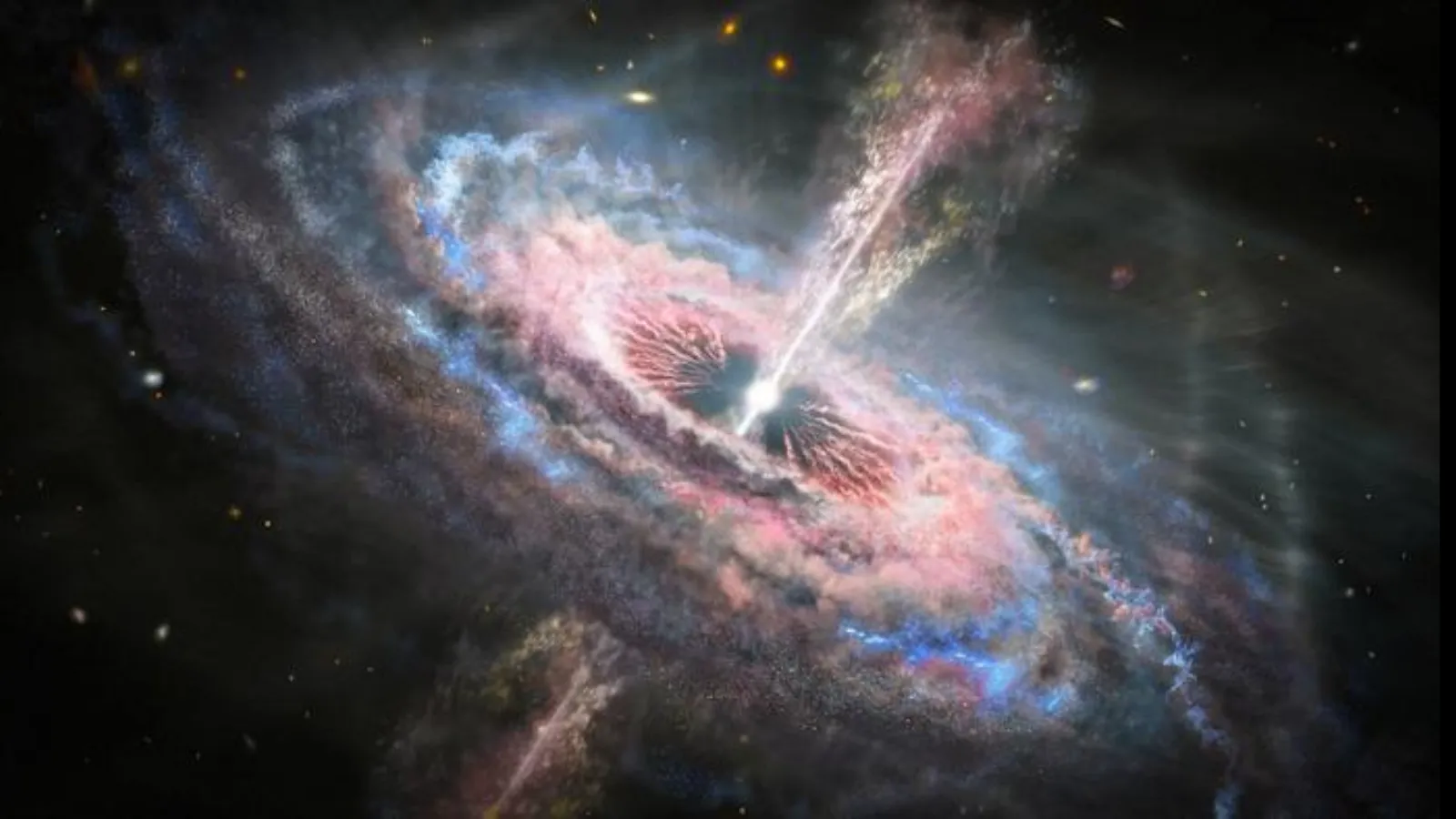
Supermassive serial killers: Astronomers discover how black holes ‘kill off’ neighboring galaxies
Date: February 20, 2026
Space-Related Birthdays
| Astronaut | Birthday | Birth Year | FCC Callsign | Flights | Notes |
| Theodore Freeman | Feb 18 | 1930 | None | None | Selected in NASA’s third group of astronauts in 1963. He was the first American astronaut to die in a flight accident during training. |
| Joseph Kerwin | Feb 19 | 1932 | WM4N | Skylab 2 | The first American medical doctor to fly in space during the Skylab 2 mission. He spent 28 days in orbit performing medical experiments and EVAs. |
| Rodolfo Neri Vela | Feb 19 | 1952 | XE1NV | STS-61-B | The first Mexican citizen to fly in space, serving as a payload specialist. He conducted experiments and helped deploy several communication satellites. |
| Byron Lichtenberg | Feb 19 | 1948 | None | STS-9, STS-45 | The first payload specialist to fly on a Space Shuttle mission. He conducted extensive life sciences and materials research in the Spacelab module. |
| Joseph A. Walker | Feb 20 | 1921 | None | X-15 | A legendary research pilot who flew the X-15 rocket plane to space twice. He set multiple altitude and speed records for winged aircraft in the 1960s. |
| Mark Kelly | Feb 21 | 1964 | None | STS-108, 121, 124, 134 | Commanded the final flight of the Space Shuttle Endeavour in 2011. He is one of the few astronauts to have flown on four separate Shuttle missions. |
| Scott Kelly | Feb 21 | 1964 | None | STS-103, 118, Soyuz TMA-01M, TMA-16M | Famous for spending a continuous year in space aboard the International Space Station. His mission provided critical data on the long-term effects of weightlessness on humans. |
| James Bagian | Feb 22 | 1952 | None | STS-29, STS-40 | A physician-astronaut who developed successful treatments for space motion sickness. He participated in the first dedicated life sciences mission on the Shuttle. |
This Week in Space History
Discovery of Miranda: Uranus’s Mysterious Moon (February 16, 1948)
https://upload.wikimedia.org/wikipedia/commons/c/c2/Miranda_mosaic_in_color_-_Voyager_2.png

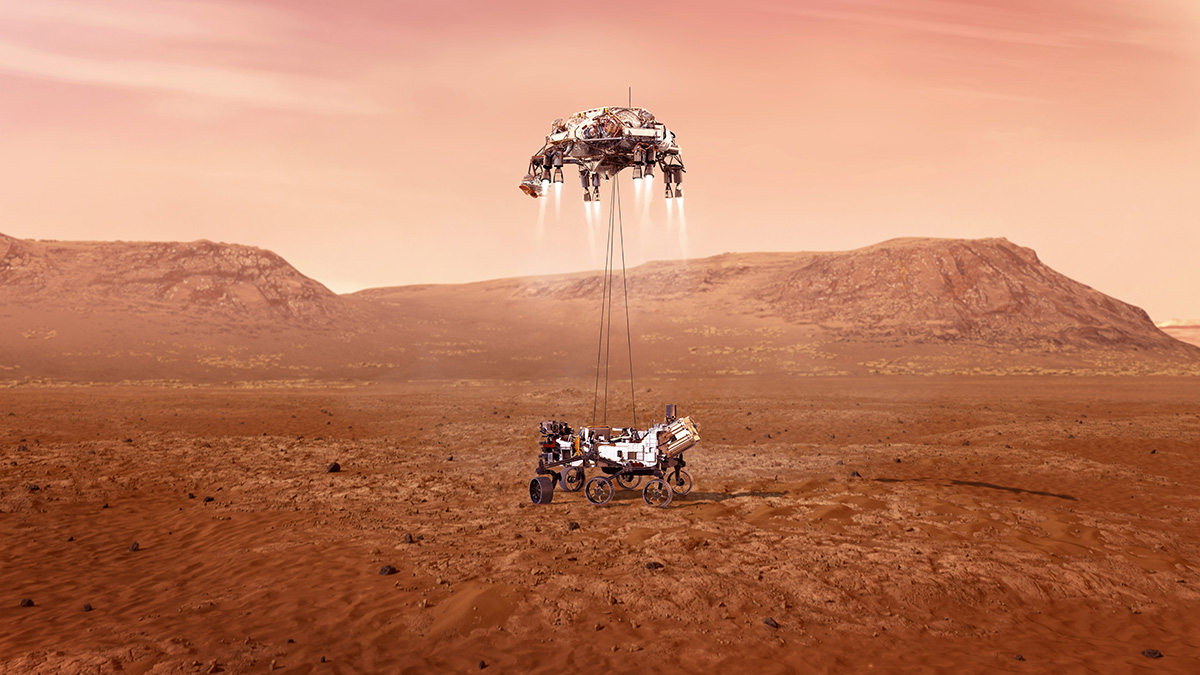
Perseverance Rover: Landing on Mars (February 18, 2021)
https://www.americaspace.com/wp-content/uploads/2021/02/25451_09_Touchdown-1200.jpg
Mir Space Station: The Core Module Launch (February 19, 1986)

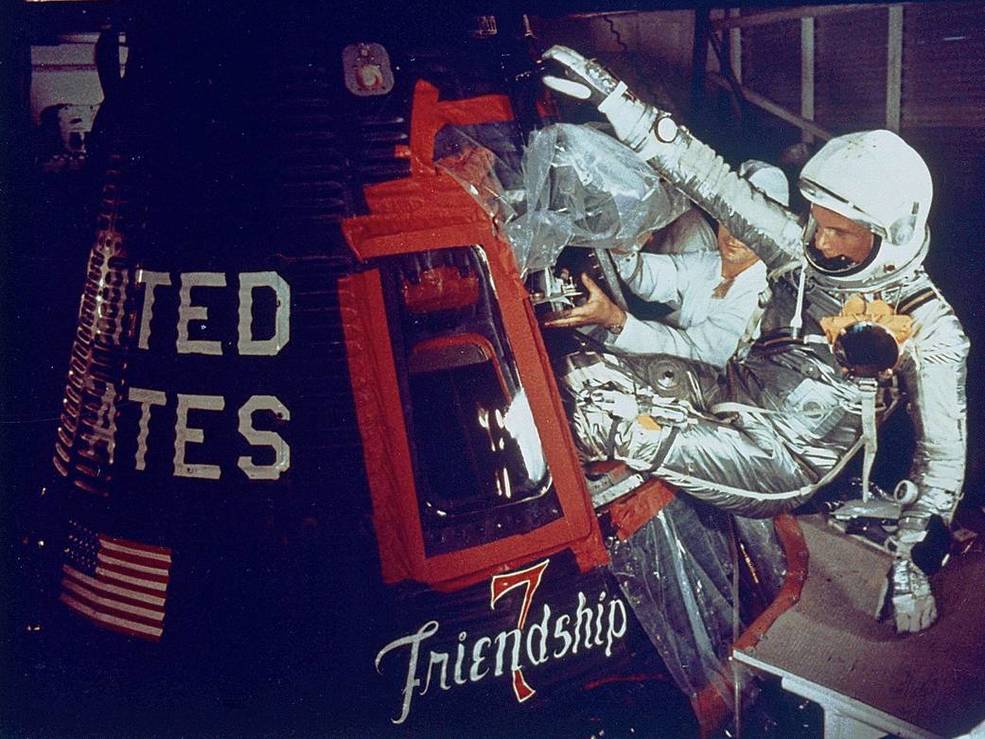
Friendship 7: John Glenn’s Historic Orbit (February 20, 1962)
Kosmos 110: Pioneering Biological Research in Space (February 22, 1966)
https://cdn.mos.cms.futurecdn.net/EWxVphYTd9KVFcYXpjTmFa-1920-80.jpg.webp
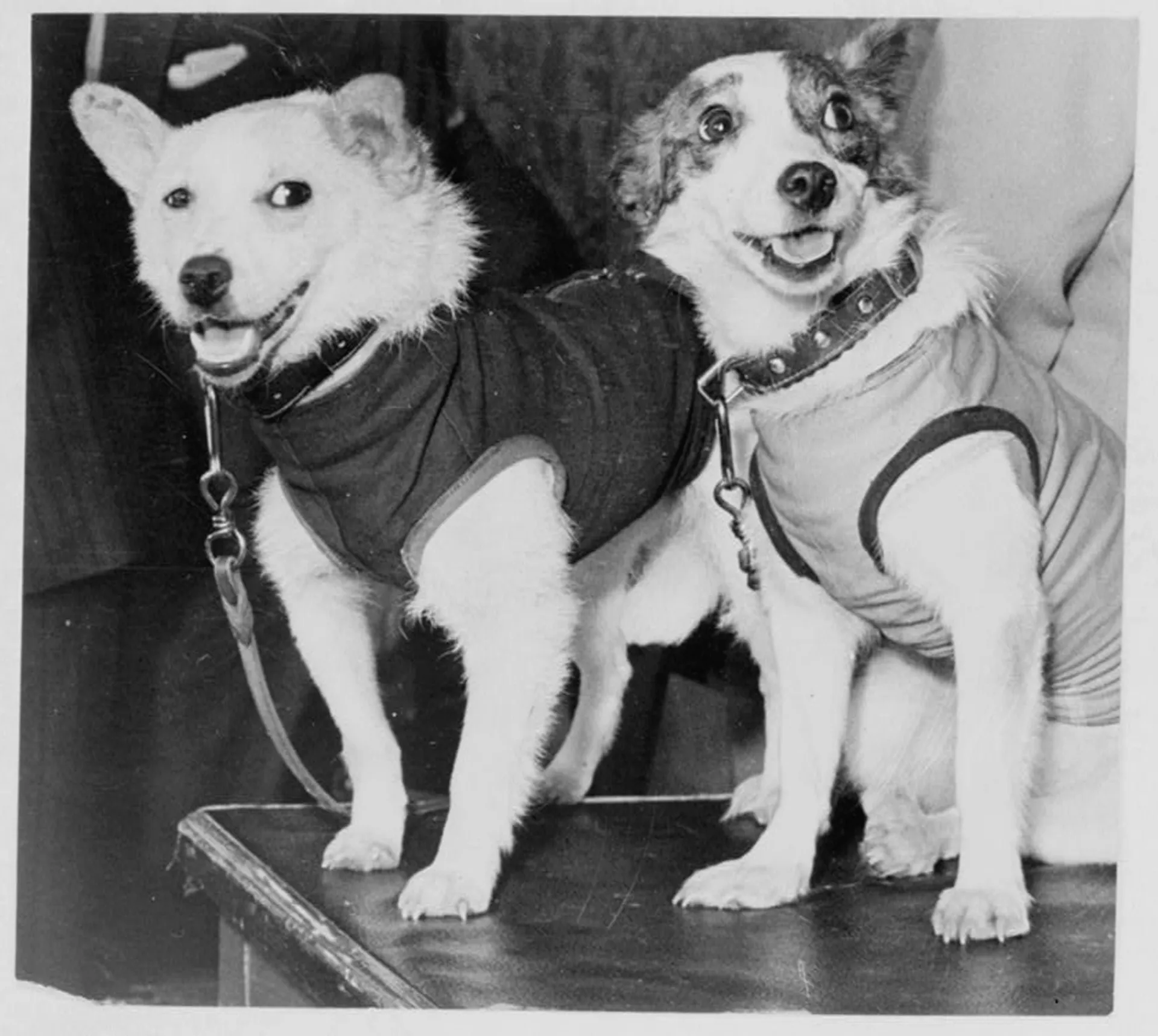
7. Miss Carolyn’s Constellation of the Week
Constellation: Auriga the Charioteer (or Shepherd)
Space Launches For This Week
Space Flight Now Launch Schedule
February 21/22 Falcon 9 • Starlink 6-104
Launch time: Window opens at 9:04 p.m. EST (0204 UTC)
Launch site: SLC-40, Cape Canaveral Space Force Station, Florida
A SpaceX Falcon 9 rocket will launch 29 Starlink V2 Mini Optimized satellites into low Earth orbit. The first stage booster, tail number 1067, launching for a 33rd time, will target a landing on the drone ship, ‘A Shortfall of Gravitas,’ positioned in the Atlantic Ocean. SpaceX previously listed the booster as B1077 and the drone ship as ‘Just Read the Instructions.’ Delayed from Feb. 3. Delayed from Feb. 4, 7, 8 & 16. Moved up from Feb. 21. Then delayed from Feb. 20. Watch live coverage.
Updated: February 21
February 24 Falcon 9 • Starlink 17-26
Launch time: Window opens at 6 a.m. PST (9 a.m. EST / 1400 UTC)
Launch site: SLC-4E, Vandenberg Space Force Base, California
A SpaceX Falcon 9 rocket will launch a batch of 25 Starlink V2 Mini Optimized satellites into low Earth orbit. More than eight minutes after liftoff, the first stage booster, tail number B1093, launching for an 11th time, will land on the drone ship, ‘Of Course I Still Love You,’ positioned in the Pacific Ocean. Delayed from Feb. 21, 22, and 23.
Updated: February 20
February 24 Falcon 9 • Starlink 6-110
Launch time: Window opens at 3:56 p.m. EST (2056 UTC)
Launch site: SLC-40, Cape Canaveral Space Force Station, Florida
A SpaceX Falcon 9 rocket will launch 29 Starlink V2 Mini Optimized satellites into low Earth orbit. The first stage booster, tail number 1092, launching for a 10th time, will target a landing on the drone ship, ‘Just Read the Instructions,’ positioned in the Atlantic Ocean.
Updated: February 15
NET February 27 Alpha • ‘Stairway to Seven’
Launch time: TBD
Launch site: SLC-2, Vandenberg Space Force Base, California
Firefly Aerospace will launch its Alpha rocket on a return to flight mission following an anomaly seen during Alpha Flight 6. The rocket will carry what the company calls a “test demo” payload. It will also test out new systems that will fully roll out with Firefly’s Block 2 configuration of the rocket on Alpha Flight 8. Delayed from Feb. 18.
Updated: February 17
February 27 Falcon 9 • Starlink 6-108
Launch time: Window opens at 4:52 a.m. EST (0952 UTC)
Launch site: SLC-4E, Vandenberg Space Force Base, California
A SpaceX Falcon 9 rocket will launch 29 Starlink V2 Mini Optimized satellites into low Earth orbit. The first stage booster, tail number 1069, launching for a 30th time, will target a landing on the drone ship, ‘A Shortfall of Gravitas,’ positioned in the Atlantic Ocean. Delayed from Feb. 26.
Updated: February 17
Late February New Glenn • BlueBird 7
Launch time: TBD
Launch site: Launch Complex 36, Cape Canaveral Space Force Station
A Blue Origin New Glenn rocket will launch AST SpaceMobile’s BlueBird 7satellite into low Earth orbit. This is the second satellite in AST SpaceMobile’s next-generation satellite constellation and is designed to support space-based cellular broadband for commercial and government customers. This will be the third launch of a New Glenn rocket to date. As of Jan. 22, Blue Origin hasn’t stated if it intends to attempt a booster recovery on this mission.
Updated: January 22
February 28 Falcon 9 • Starlink 17-23
Launch time: Window opens at 12 a.m. PST (3 a.m. EST / 0800 UTC)
Launch site: SLC-4E, Vandenberg Space Force Base, California
A SpaceX Falcon 9 rocket will launch a batch of 25 Starlink V2 Mini Optimized satellites into low Earth orbit. More than eight minutes after liftoff, the first stage booster, tail number B1082, launching for a 20th time, will land on the drone ship, ‘Of Course I Still Love You,’ positioned in the Pacific Ocean. Delayed from Feb. 25, 26, and 27.
Updated: February 20
Visible satellite passages over the next couple of days.
You can use the http://www.heavens-above.com website to find out what’s in orbit and
where to look during fly-overs
All times are “local” (Dallas) time.
ISS

Tiangong
